
Australian Cattle Dog / Blue Heelers for Adoption in Louisville, KY

Your guide to finding and caring for an Australian Cattle Dog / Blue Heeler in Louisville

A Blue Heeler suits Louisville best when its person genuinely likes being outside. Beechmont's Craftsman-style streets sit close to Iroquois Park, where the wooded hills give a Heeler real climbing and sniffing instead of another lap around the block. These dogs are sharp, loyal and busy, so they need a daily job as much as a walk. A Heeler that gets a long hike usually settles down happily at home afterward.

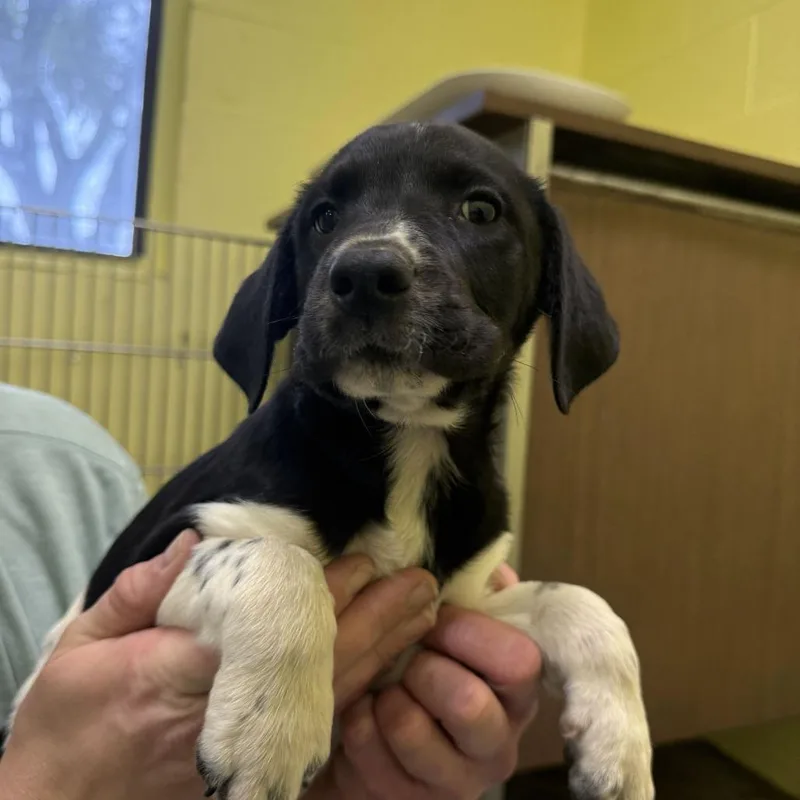
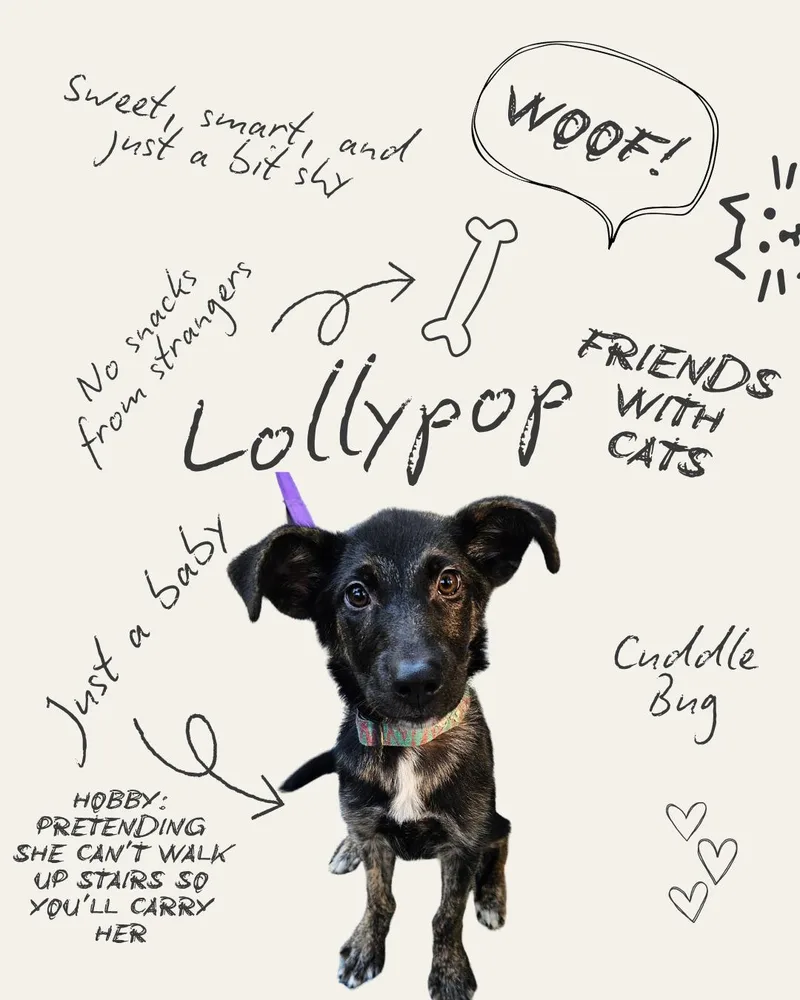
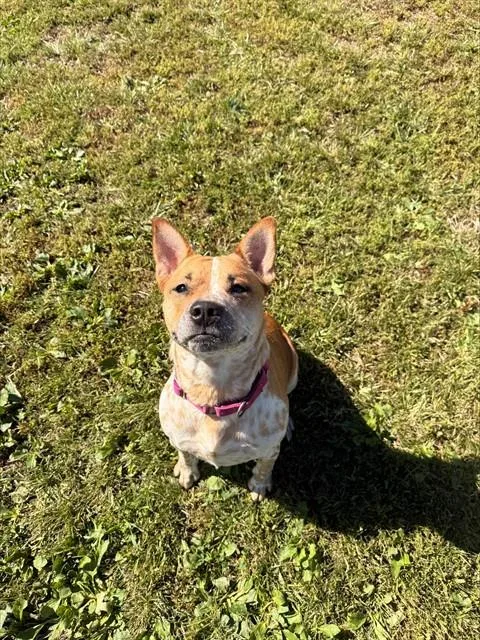
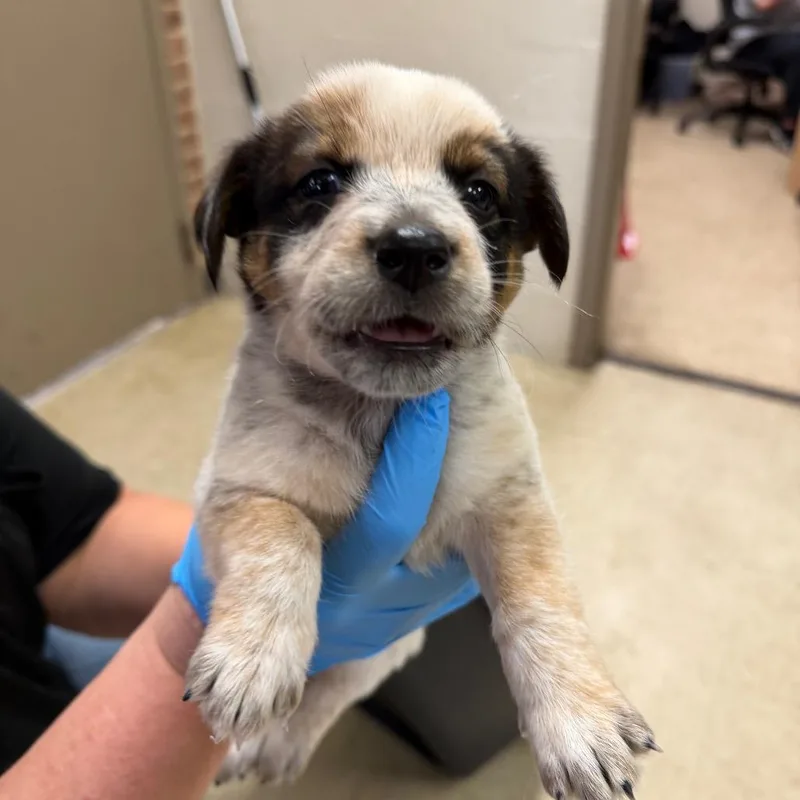
4337 Australian Cattle Dog / Blue Heelers available in Louisville and nationwide

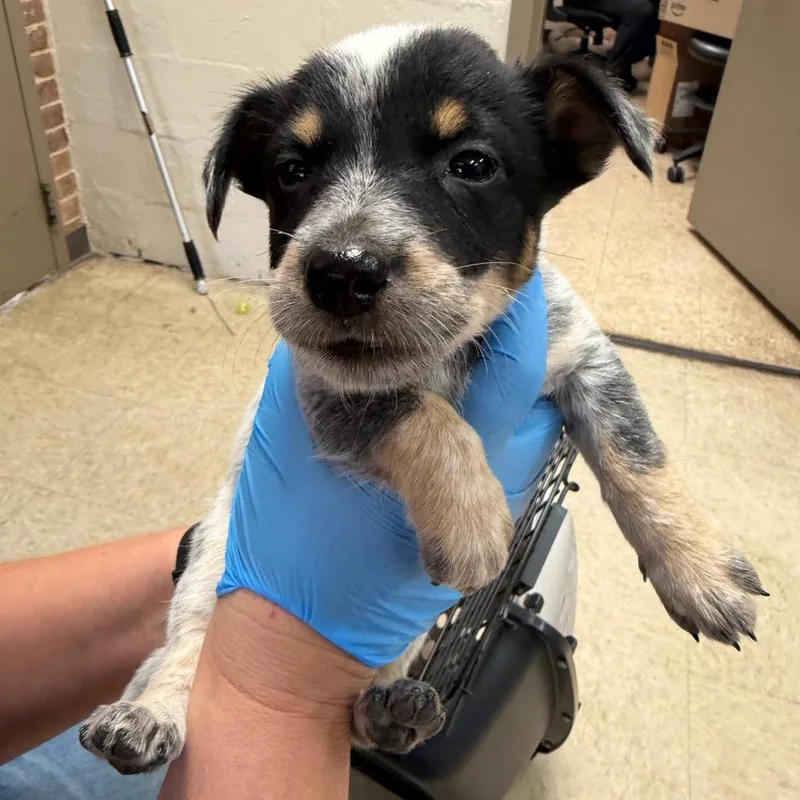
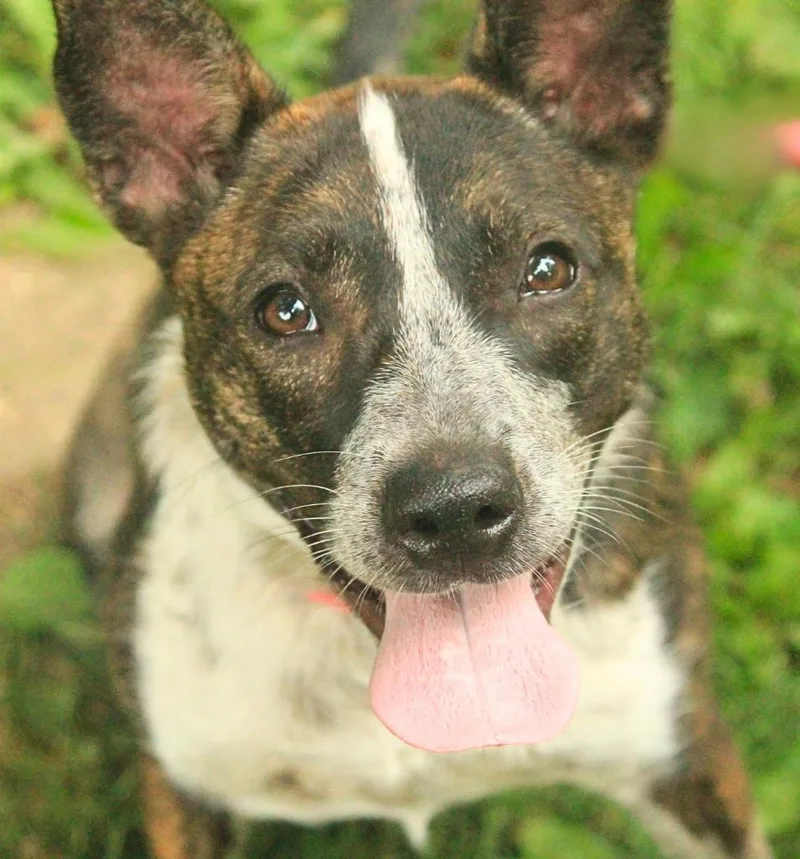
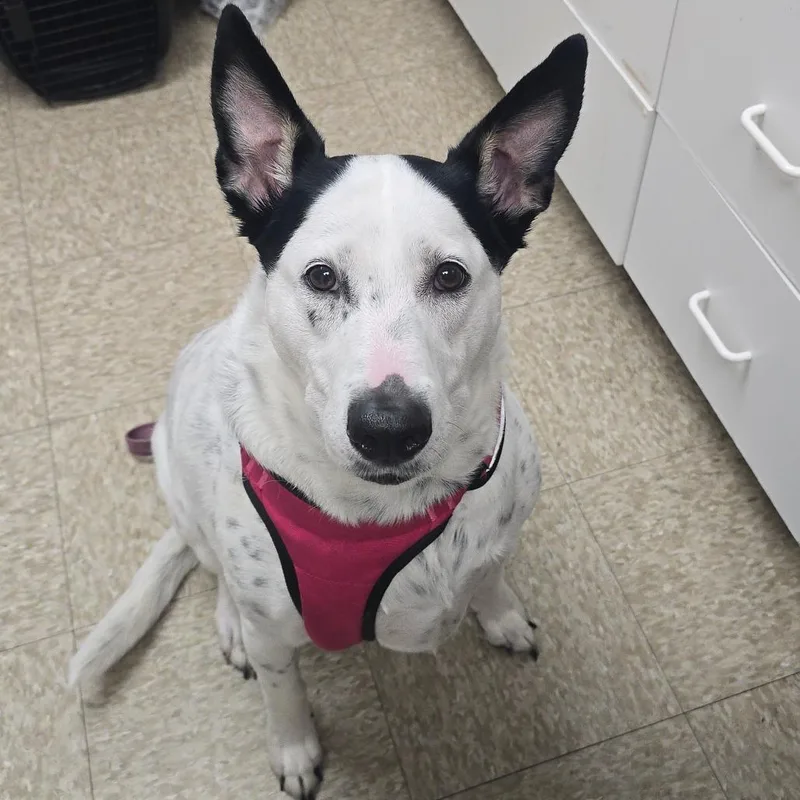
Say hello to your Blue Heeler

While we don't have enough dogs near Louisville, keep in mind that many rescues may offer transport.

Australian Cattle Dog / Blue Heelers Available for Adoption Near Louisville

About the Australian Cattle Dog / Blue Heeler breed

Australian Cattle Dogs, also called Blue Heelers or Queensland Heelers, were developed in nineteenth-century Australia to drive cattle across long, hot distances. Settlers crossed collie-type herding dogs with dingoes, and the result is a compact, muscular dog of roughly 35 to 50 pounds with a weatherproof double coat in blue or red speckle.

Heelers are clever, alert and loyal, and many bond closely with one person while staying reserved with strangers. Their herding instincts can show up as nipping at heels, chasing bikes or bossing other pets. With training and a real outlet for their energy, they can be hardy companions, and many live 12 to 16 years. Drive and sociability vary from dog to dog.

Weight
35–50 lbs
Height
17–20 in
Lifespan
12–16 yrs
Temperament
Energetic, Intelligent, Loyal, Alert
Group
Herding
Shedding
Moderate

Owning an Australian Cattle Dog / Blue Heeler in Louisville

Having an Australian Cattle Dog / Blue Heeler in Louisville

Drive, stamina and intelligence shape life with a Heeler more than size does. In Louisville, the right home has time for daily hikes or training, a secure yard or reliable leash habits, and patience for a dog that wants a job.

Temperament

Heelers tend to be loyal, alert and confident, often attached to one person and reserved with strangers. Busy sidewalks and apartment hallways mean plenty of passersby, so early socialization and consistent, reward-based training matter. Herding instincts can mean nipping at heels or chasing bikes, though drive varies a lot from one Heeler to the next.

Exercise Needs

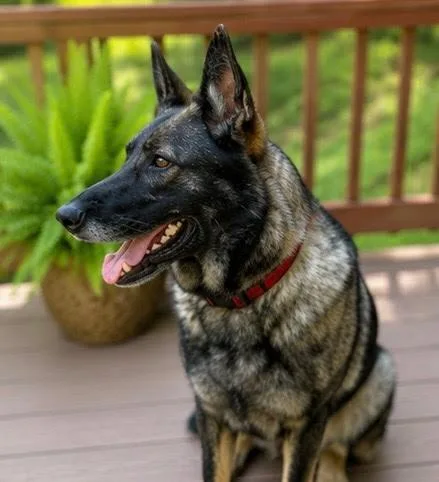
Most Heelers need vigorous daily exercise plus mental work. Iroquois Park's wooded hills, Cherokee Park's scenic loop and the Louisville Loop's riverfront trails offer room to move on a leash, while a membership dog run allows off-leash play. Add training games or puzzle toys, since a walk around the block rarely satisfies a young Heeler.

Health Considerations

Heelers are often long-lived, but documented concerns include congenital deafness, progressive retinal atrophy, primary lens luxation and hip and elbow dysplasia. Active dogs can also pick up injuries from rough play. A veterinarian can check hearing, eyes and joints, recommend screening, and set up year-round flea, tick and heartworm prevention.

Living Space

A Heeler does best with a securely fenced yard, though daily activity matters more than square footage. Apartments can work for owners committed to long walks and training. Heelers are wary watchdogs and may bark at hallway noise or passersby, and they prefer to stay close to their people rather than be left alone outside.

What it costs to own an Australian Cattle Dog / Blue Heeler in Louisville

ExpenseTypical costPer year
Food$35 to $70 per month$420 to $840
Pet insurance$55 to $100 per month$660 to $1,200
Routine vet care$225 to $450 per year$225 to $450
Other*$435 to $1,160 per year$435 to $1,160
Estimated yearly total (after year one)$1,740 to $3,650

Other costs are estimates and vary with size, age and health.

* The $10 Louisville dog license for a spayed or neutered dog, flea, tick and heartworm prevention, a dental cleaning allowance, durable toys and bedding, and light home grooming.

Adopt an Australian Cattle Dog / Blue Heeler in Louisville.

Now that you know more, let’s find you a new best friend. These rescues and shelters below have dogs available in and near Louisville.

Rescues and Shelters in or near Louisville

Louisville's adoption community includes the county animal shelter and the Kentucky Humane Society, and the dogs they list change often. Here are the rescues & shelters in the Louisville area with dogs available for adoption, worth asking whether an Australian Cattle Dog / Blue Heeler is coming in.

Frequently Asked Questions

Yes, Blue Heelers are allowed in Louisville, and Metro code has no known breed-specific rules. Owners must license dogs four months and older, keep a registered microchip, keep rabies vaccination current and leash dogs off their own property. Excessive, continual barking can count as a nuisance, which matters for a watchful Heeler.

Cherokee Park's Cochran Hill Dog Run and The Barklands at Floyds Fork give a Heeler fenced off-leash room, with a Louisville Dog Run Association membership. For leashed outings, try Iroquois Park, Jefferson Memorial Forest or Waterfront Park. Dogs aren't allowed on the Big Four Bridge, and spring high water can close riverfront trails.

A Blue Heeler fits Louisville if you're active, because the city offers wooded hills, big parks and dog runs for a dog with this much stamina. It's a poor fit for people away all day or unwilling to train. Hot summers and cold winters mean adjusting exercise times, though a Heeler's coat copes well.

Yes, a Heeler can live in a Louisville apartment if it gets long daily exercise and mental work. About 39% of households here rent, so many Heelers do live in apartments. Expect barking at hallway noise, and check lease weight limits, since a Heeler can reach 50 pounds.

Yes, with care. Louisville gets about 40 days a year at or above 90°F, and humid nights stay near 70°F. Heelers have a double coat and plenty of drive, so schedule runs for early morning or evening, bring water, avoid hot pavement and watch for heavy panting. Never leave a Heeler in a parked car.

Only to some patios. Kentucky lets restaurants welcome leashed dogs in open-air dining areas that have a separate entrance, but each restaurant decides. Dogs can't sit on chairs or tables, and they aren't allowed indoors unless they're service animals. A Heeler wary of strangers should practice settling quietly first.

Only service animals are clearly allowed on TARC buses, and Louisville has no subway or rail. Check TARC's current rules for pets before you travel. A Heeler that's wary of strangers may find crowded buses stressful, so a car is usually easier for trips to Iroquois Park or Floyds Fork.

Very little. A Heeler's short double coat needs brushing about weekly at home, plus extra brushing during heavy shedding in spring and fall. Baths are occasional, and nails need regular trimming. Professional grooming is rarely necessary, which is why grooming is a small part of the yearly Other costs.

Blue Heelers typically live about 12 to 16 years, and a recent UK study put the breed's average life expectancy at about 14 years, longer than many purebreds. A famous Australian Cattle Dog named Bluey reportedly lived over 29 years, though such records are hard to verify. Staying lean and active and getting regular checkups support a long life.

Plan on roughly $1,740 to $3,650 a year for a Heeler in Louisville. Food runs $35 to $70 a month, insurance $55 to $100 a month, routine vet care $225 to $450 a year, and other costs $435 to $1,160 a year. Emergencies and training classes come on top.