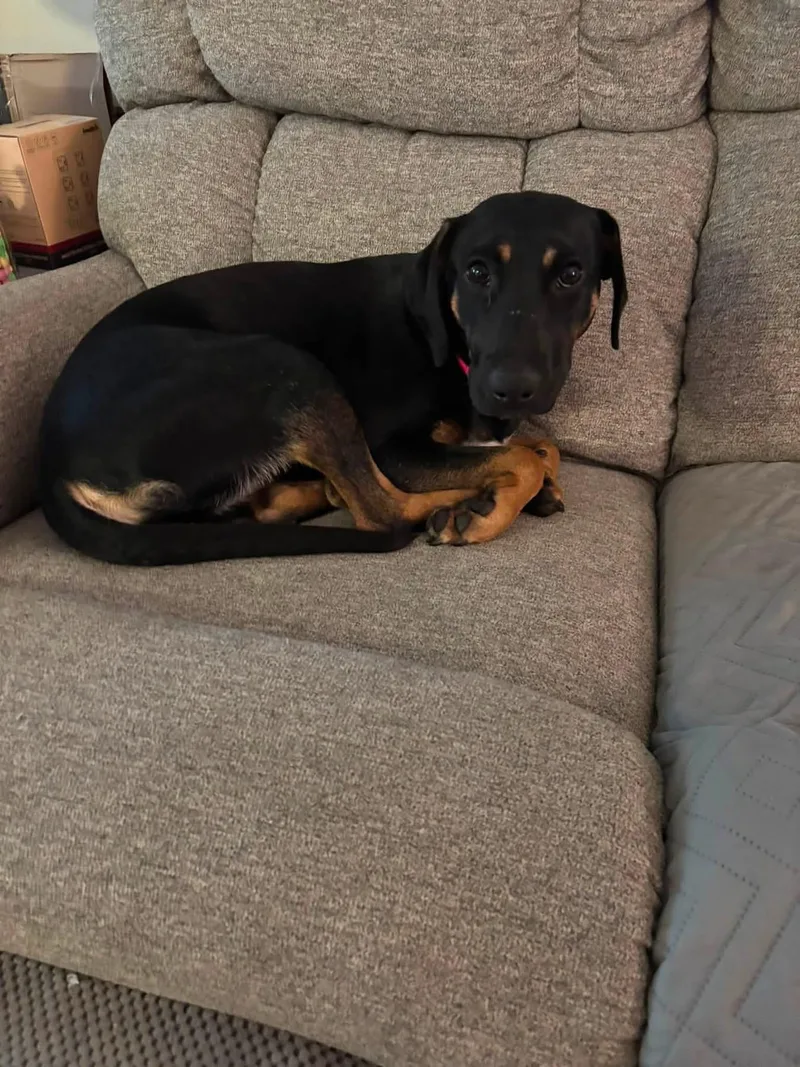
Black Labrador Retriever Dogs for Adoption in Lexington, KY

Your guide to finding and caring for a Black Labrador Retriever in Lexington

Black Labs suit the north side of Lexington, where the Legacy Trail runs right through Coldstream Park. It's an easy place to fit in the daily walk a Lab needs, and a paved path handles a young dog's pulling better than a crowded sidewalk. Out near Masterson Station there's room for longer outings and fetch. Labs are friendly with nearly everyone, so a busy weekend on the trail rarely rattles them. Plan on a long walk every day, and expect black hair on the couch.

3241 Black Labrador Retrievers available in Lexington and nationwide

Find your Black Labrador Retriever

Black Labrador Retrievers Available for Adoption Near Lexington

About the Black Labrador Retriever breed

A black Lab is the Labrador Retriever in its original and most familiar color, not a separate breed. The breed descends from the St. John's water dogs of Newfoundland and was refined by British sportsmen into gun dogs. Black Labs have a broad head, an otter tail, a dense water-resistant double coat and an athletic frame, usually 55 to 80 pounds, sometimes with a small white chest spot.

Color doesn't change personality, so a black Lab tends to be as friendly, food-motivated and eager to please as any other Lab, though dogs vary. Field-bred dogs are often leaner and more driven than show-bred ones. In Lexington, expect a dog that needs daily exercise, consistent training, measured meals and plenty of brushing during shedding season, and that matures slowly through a bouncy adolescence.

Weight
55–80 lbs
Height
21–25 in
Lifespan
10–14 yrs
Temperament
Friendly, Outgoing, Active
Group
Sporting
Shedding
Moderate to High

Owning a Black Labrador Retriever in Lexington

Having a Black Labrador Retriever in Lexington

Black Labs combine a sociable nature with real stamina. Energy level, appetite and seasonal shedding shape daily life far more than coat color, so match the dog's age and drive to your routine, whether that means trail runs or relaxed neighborhood walks.

Temperament

Black Labs are typically outgoing and affectionate with family, guests and other dogs, which helps in Lexington's busy parks and shared apartment buildings. Young dogs can be mouthy and boisterous, and their love of food makes reward-based training work well. A dog's history and socialization say more than breed reputation or coat color.

Exercise Needs

Most adult Labs need an hour or more of vigorous activity daily. In Lexington, that could be leashed laps on the Legacy Trail, fetch at a city dog park or longer outings at Masterson Station Park. Add scent games or short training sessions to tire their minds, especially for field-bred dogs; seniors still enjoy gentler walks.

Health Considerations

Labs can face hip and elbow dysplasia, cruciate ligament tears, exercise-induced collapse, eye disease, ear infections and skin allergies. Obesity is common, so measure meals and track weight, especially through slower winters. Heartworm, flea and tick prevention is worthwhile in Lexington's humid months, and a veterinarian can check hips, elbows and weight after adoption.

Living Space

A black Lab can live in a Lexington apartment or a house when daily exercise is covered. In a rental, confirm size limits early. A fenced yard makes play easier but doesn't replace walks and attention. Expect shed hair, a sweeping tail and a dog who wants to be indoors with you.

What it costs to own a Black Labrador Retriever in Lexington

ExpenseTypical costPer year
Food$55 to $110 per month$660 to $1,320
Pet insurance$65 to $130 per month$780 to $1,560
Routine vet care$250 to $500 per year$250 to $500
Other*$583 to $1,490 per year$583 to $1,490
Estimated yearly total (after year one)$2,273 to $4,870

Other costs are estimates and vary with size, age and health.

* The Lexington dog license ($8 altered, $40 unaltered), flea, tick and heartworm prevention, a dental cleaning allowance, toys and bedding, and brushing and baths for seasonal shedding.

Adopt a Black Labrador Retriever in Lexington.

Now that you know more, let’s find you a new best friend. These rescues and shelters below have dogs available in and near Lexington.

Rescues and Shelters in or near Lexington

Lexington's animal care agency and local rescues match dogs of every size and breed with adopters across Fayette County. Here are the rescues & shelters in the Lexington area with dogs available for adoption, worth asking whether a Black Labrador Retriever is coming in.

Frequently Asked Questions

Yes, a black Lab's dense double coat handles Lexington winters well. Expect about 90 freezing nights a year, roughly 14 inches of snow and an occasional ice storm, so the main concerns are slick sidewalks and cold paws. Lexington also bars leaving pets outside unattended in extreme weather, so a Lab should spend cold days and nights indoors.

Yes, Lexington has no known breed ban, so black Labs are treated like any other dog. Fayette County requires a yearly license from six months of age ($8 if spayed or neutered, $40 if not), rabies vaccination by four months, and license and rabies tags worn at all times. Dogs must be leashed, fenced in or supervised on your property.

Coldstream, Masterson Station, Jacobson and Veterans parks all have dog parks, and the Legacy Trail suits long leashed walks, though it has little shade. Raven Run Nature Sanctuary doesn't allow pets, so skip it with your Lab. City parks are generally open dawn to dusk, and owners are legally responsible for their dogs' actions.

Yes, if the building accepts large dogs and you can meet the daily exercise. Lexington has a big rental market, and some buildings set weight limits or pet fees, so get the pet policy in writing before applying. A Lab needs a long walk or play session every day, plus training so it settles calmly indoors.

Only in an enclosed carrier, which rules out most black Labs. Lextran runs buses only, and its policy lets only service animals ride outside a stowable, enclosed pet carrier. A 55-to-80-pound Lab won't fit in one, so plan on walking or driving. Service animals doing a trained task are welcome onboard.

Sometimes, on open-air patios only. Kentucky's food code lets restaurants admit leashed dogs to outdoor dining areas that aren't fully enclosed and have a separate entrance, but dogs can't sit on chairs or tables, and each restaurant decides. Pet dogs aren't allowed indoors. A well-trained Lab that settles under the table does best.

A black Lab needs weekly brushing most of the year and brushing several times a week during the heavy spring and fall sheds, which Lexington's seasonal swings trigger. A bath every month or two is plenty, and ears and nails need regular care. Brushing, baths and any professional grooming fall within the Other costs in the cost table.

A Labrador Retriever is a large sporting dog developed to retrieve game for hunters, especially from water. Labs have a short, dense double coat, a thick otter tail and a broad head, and they come in black, yellow and chocolate. Many are friendly, food-motivated and eager to work, which makes them common family, guide and service dogs.

Labs are large dogs, usually standing about 21.5 to 24.5 inches at the shoulder and weighing about 55 to 80 pounds, with females toward the lower end. Field-bred Labs often look taller and leaner, while show-bred Labs tend to be stockier. Most reach adult height by about a year and keep filling out until around two.

Plan on roughly $2,270 to $4,870 a year for a black Lab in Lexington. Food runs $55 to $110 a month and insurance $65 to $130 a month. Routine vet care adds $250 to $500 a year, and other costs such as the license, parasite prevention, dental care and grooming add $583 to $1,490.