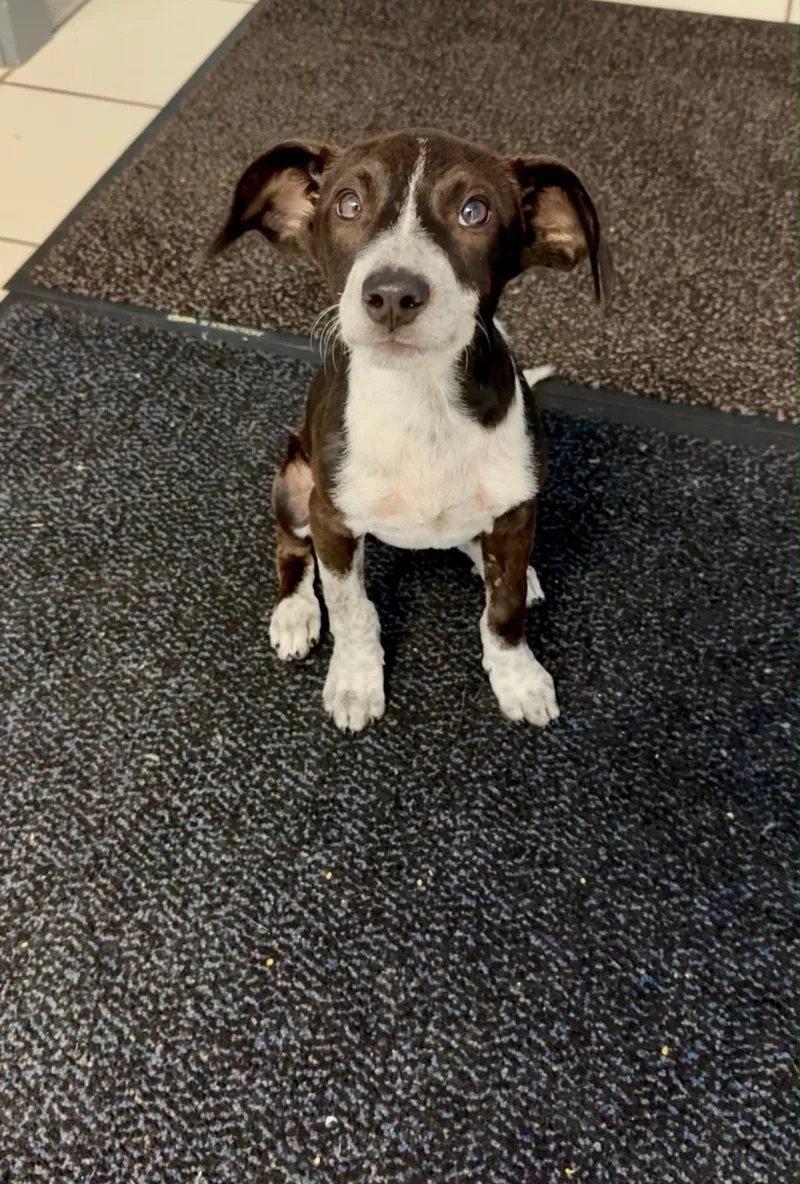
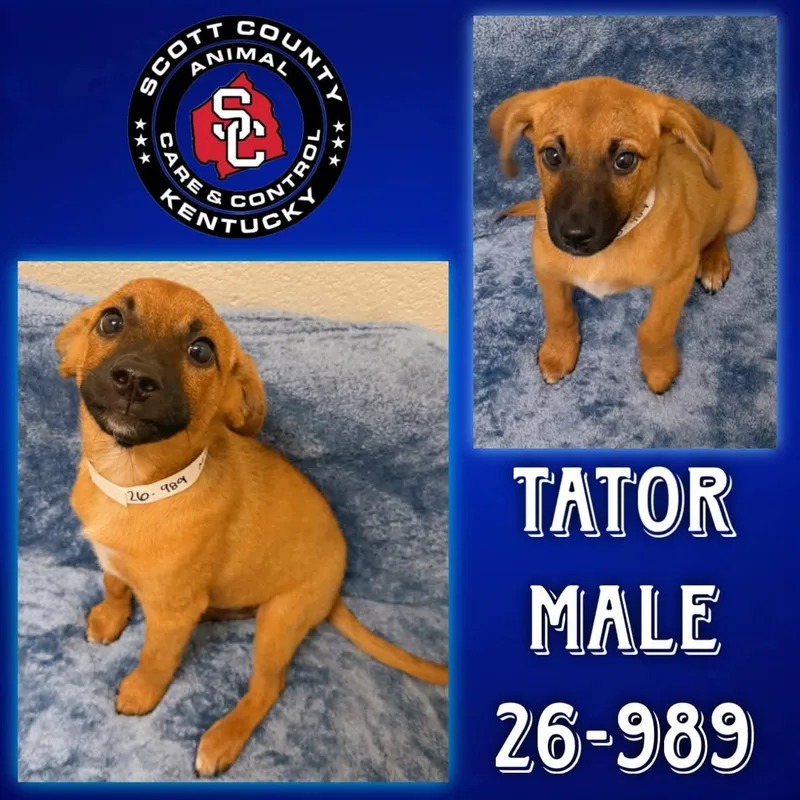
Hound Dogs for Adoption in Georgetown, KY

Your guide to finding and caring for a Hound in Georgetown

A Hound mix suits Georgetown best when its nose gets a daily workout. The sidewalked streets around the East Main Street Residential District give a scent-driven dog plenty to investigate, and the 1.2-mile track at Charles Brooking Park makes a steady loop for a long, sniffy walk on leash. Hounds are usually friendly and sociable, but many bay, which matters if you share a wall. Expect a dog that would rather follow a trail than come when called.

4866 Hounds available in Georgetown and nationwide

Your Hound mix is waiting

Hounds Available for Adoption Near Georgetown

About the Hound breed

Hound is a catch-all label for dogs with hunting-dog ancestry rather than one breed. Most adoptable hounds are scent-hound mixes with Beagle, Coonhound, Foxhound or Plott roots, though sighthound types such as Greyhounds and Whippets turn up now and then. Weights run roughly 20 to 70 pounds, with short coats, long ears and a lifespan of 10 to 14 years.

In Georgetown, the follow-the-scent instinct is the main thing to plan around. Wooded park paths are full of smells, and a secure fence or a short leash matters because a good nose can override recall. Most hounds are affectionate and easygoing with people and other dogs. Because ancestry varies, size, energy and voice differ from dog to dog, so judge each dog by how it actually behaves.

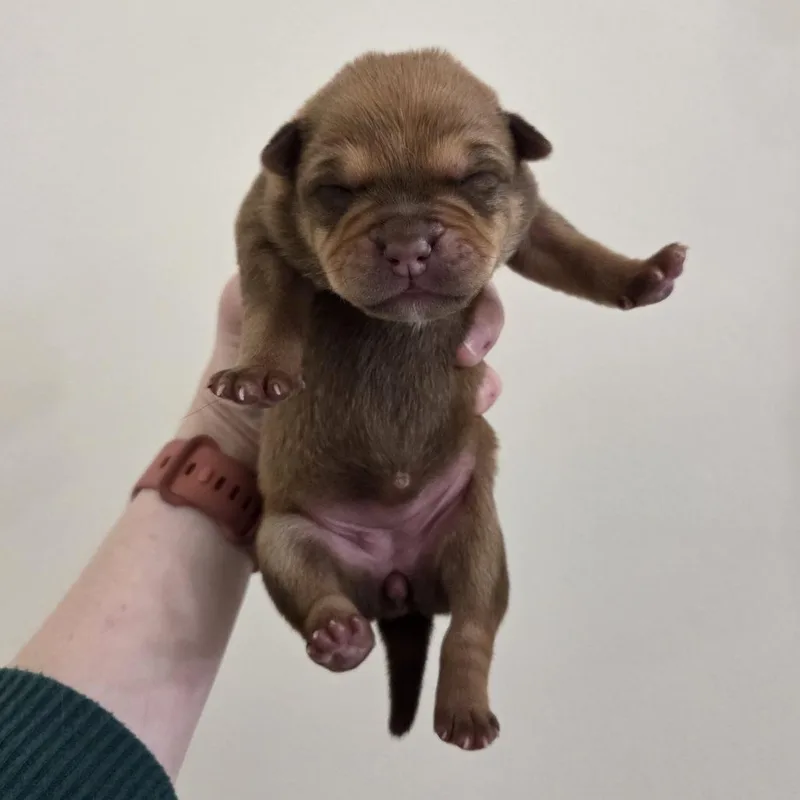
Weight
20–70 lbs
Height
13–27 in
Lifespan
10–14 yrs
Temperament
Friendly, Independent, Vocal
Group
Hound
Shedding
Moderate

Owning a Hound in Georgetown

Having a Hound in Georgetown

Hound covers many mixes, so these cards describe what most adoptable hounds share: a strong nose, an independent streak and a loud voice. Ancestry decides how strongly each shows, and Georgetown's park trails and residential sidewalks give that nose plenty to do.

Temperament

Most hounds are affectionate, social dogs that like company, including other dogs. They can also be stubborn and slow to come when called, so food-based training and patience pay off. Expect some baying or howling, which carries in closer-set neighborhoods, though some hounds turn out surprisingly quiet.

Exercise Needs

Plan on a long daily sniff walk, plus a second shorter outing. The 1.2-mile track at Charles Brooking Park and the paved trails at Upper Great Crossing Park give steady, leashed mileage. Scent games and food puzzles at home burn off the rest of the energy, especially on rainy days.

Health Considerations

Long, hanging ears hold moisture, so check and clean them weekly, especially after damp weather. Many hounds gain weight quickly, so measure meals. Larger hounds can develop hip dysplasia, and sighthound types are sensitive to anesthesia. Year-round flea, tick and heartworm prevention and regular veterinary checkups are the foundation of care.

Living Space

A Hound can do well in a house with a fenced yard or in an apartment when walks are reliable. Baying carries through thin walls, so think about your neighbors. Fences should be tall and secure, since many hounds dig or follow a scent through gaps. Keep food and trash out of reach.

What it costs to own a Hound in Georgetown

ExpenseTypical costPer year
Food$35 to $70 per month$420 to $840
Pet insurance$45 to $85 per month$540 to $1,020
Routine vet care$225 to $450 per year$225 to $450
Other*$440 to $1,190 per year$440 to $1,190
Estimated yearly total (after year one)$1,625 to $3,500

Other costs are estimates and vary with size, age and health.

* Flea, tick and heartworm prevention, a dental cleaning allowance, toys and bedding, and basic brushing and ear care.

Adopt a Hound in Georgetown.

Now that you know more, let’s find you a new best friend. These rescues and shelters below currently have Hounds available.

Rescues in Georgetown with Hounds Available

Georgetown's county shelter and local nonprofit groups work together to help adoptable dogs find new homes. Here are the rescues & shelters in the Georgetown area where you can find Hounds and other dogs available for adoption.

Frequently Asked Questions

Yes, you can get a Hound in Georgetown. No breed ban or breed-specific rule is known in the city, and its vicious-animal rule is based on a dog's behavior rather than breed. Kentucky requires rabies vaccination by four months of age, and a scent-driven Hound needs a secure fence or leash whenever it's off your property.

Often, yes, if you can give daily leashed walks. Georgetown's sidewalked residential streets and park trails reward a nose-driven dog, and most hounds are sociable. Plan for baying, a secure fence and a stubborn streak at recall. Ancestry varies widely, so judge each dog by its size, energy and voice rather than the label.

Great Crossing Park's fenced dog park is the obvious start, with separate fields for large and small dogs. For sniffing on leash, try the walking path at Cardome Park, the trail at Scott County Community Park, or McCracken Creek Trail. Varied routes keep a scent hound's mind busy, and bring bags for cleanup.

Most can, with some help. Short-coated hounds chill easily, so a coat and shorter walks suit the coldest mornings, and a warm bed away from drafts helps. Lean sighthound types feel the cold most. Wipe paws after walking on salted sidewalks, and keep scent hounds leashed in snow, since fresh tracks tempt them to bolt.

Only small ones. Bluegrass RIDE's fare-free buses allow pets only in a secured carrier, so a Beagle-size hound may fit, but most hounds are too large. Service animals are covered separately. For most Hounds, plan on walking or driving, and test your dog's comfort in a carrier before any bus ride.

Yes, if exercise is reliable and the baying is manageable. Hounds are medium-size and usually settle indoors after a good sniff walk, but their voices carry through shared walls. Daily outings, puzzle feeders and a quiet routine help. Confirm your lease's pet terms and any size limit before you apply to adopt.

Sometimes, on outdoor patios only. Kentucky's food code lets restaurants allow leashed dogs in outdoor dining areas that aren't fully enclosed, but each restaurant decides, and dogs can't come inside dining rooms. Look for posted signs, keep your Hound off chairs and tables, and bring a mat, since a nose-led dog will notice dropped food.

Very little. Short, dense coats need a weekly brushing, a bit more during moderate shedding, and a bath only when muddy. The main chore is ears: wipe them weekly and after rainy walks, since humid springs and summers keep them damp. Trim nails monthly. Most owners handle this at home, so grooming adds little to the Other costs.

We have 1 rescue with Hounds available: Scott County Animal Shelter. You can see every rescue with Hounds available in the list above these questions, or scroll to the top to see the Hounds near Georgetown.

A Hound typically costs about $1,625 to $3,500 a year in Georgetown: food at $35 to $70 a month, insurance at $45 to $85 a month, routine vet care at $225 to $450 a year, and other costs of $440 to $1,190 a year. Size, coat and health decide where a dog lands in those ranges.