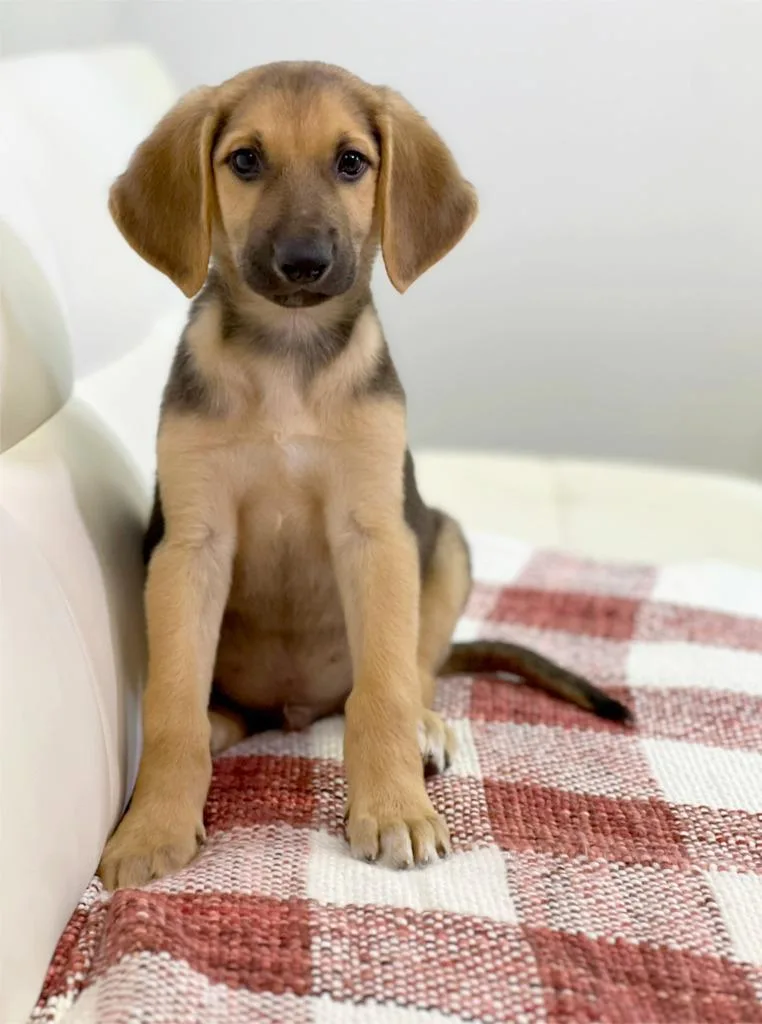
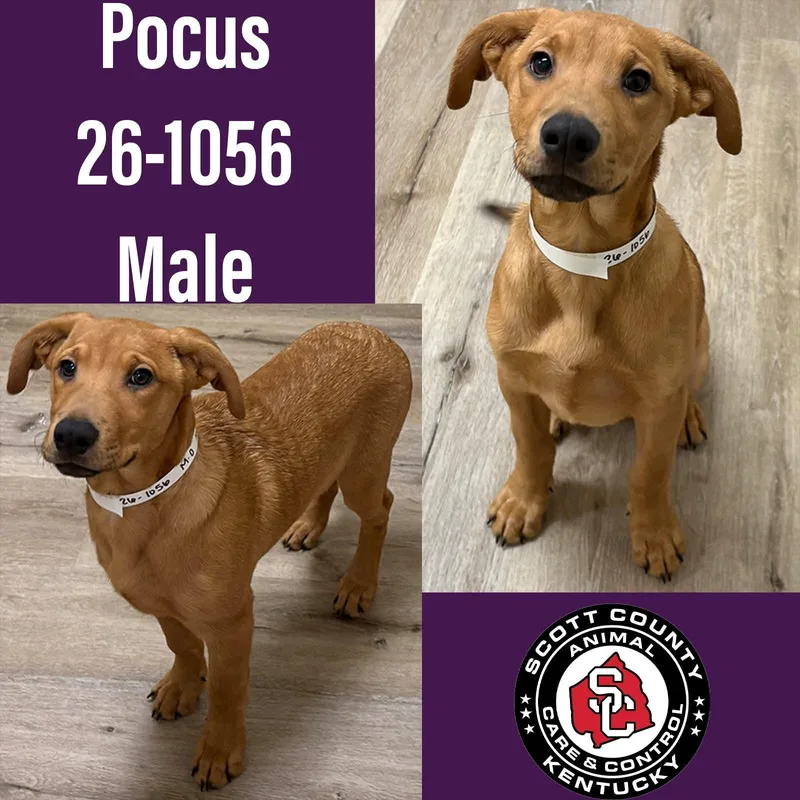
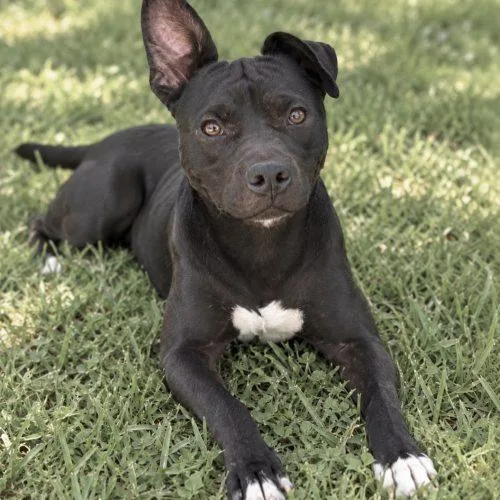
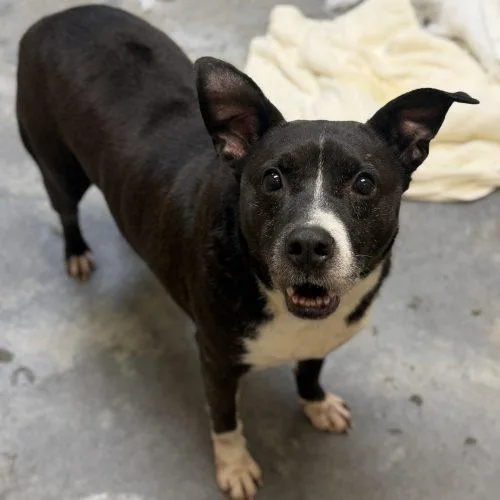
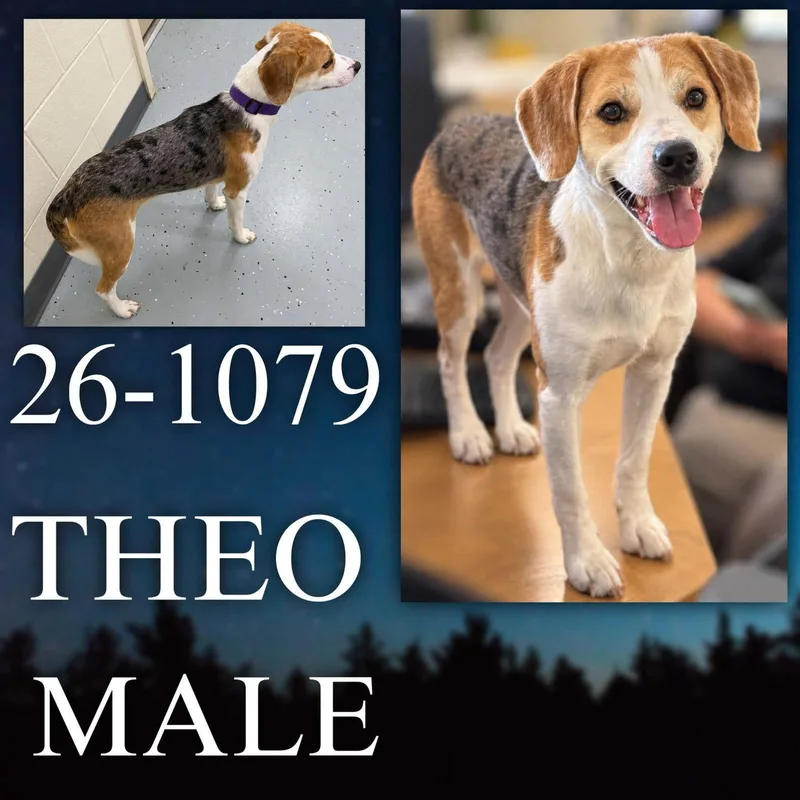
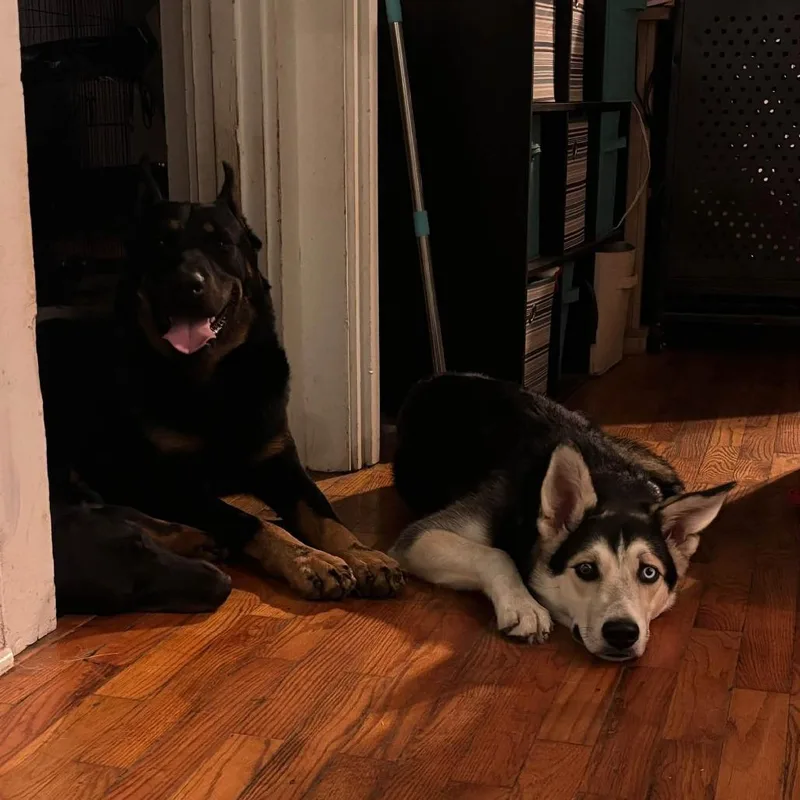
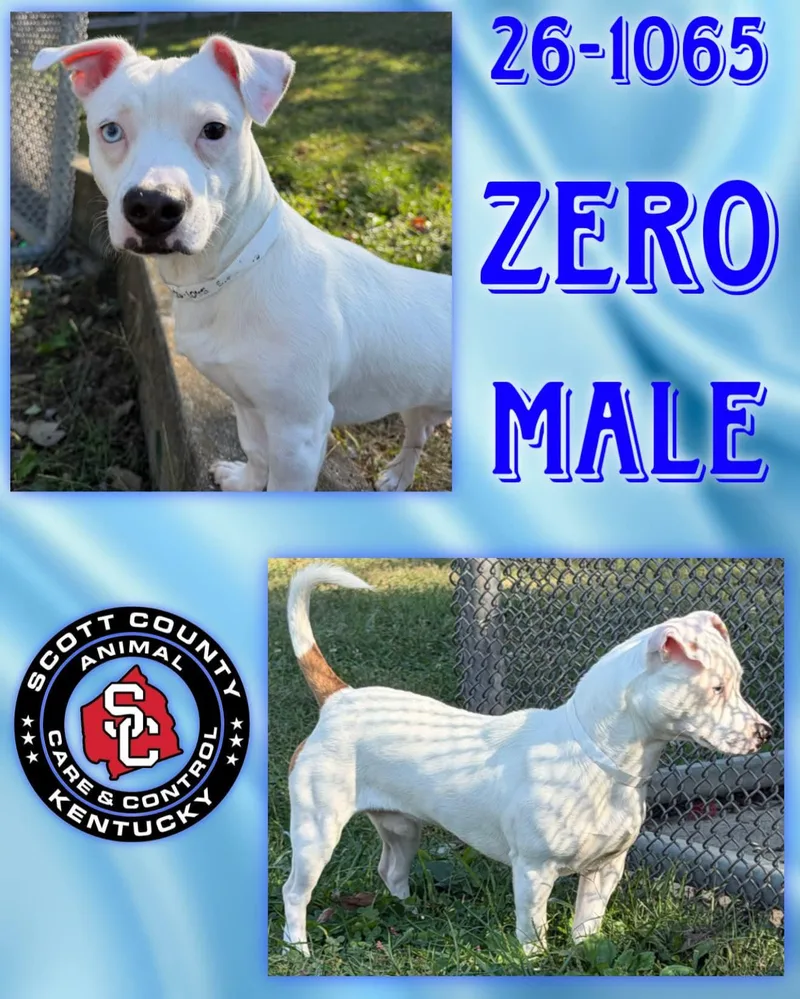
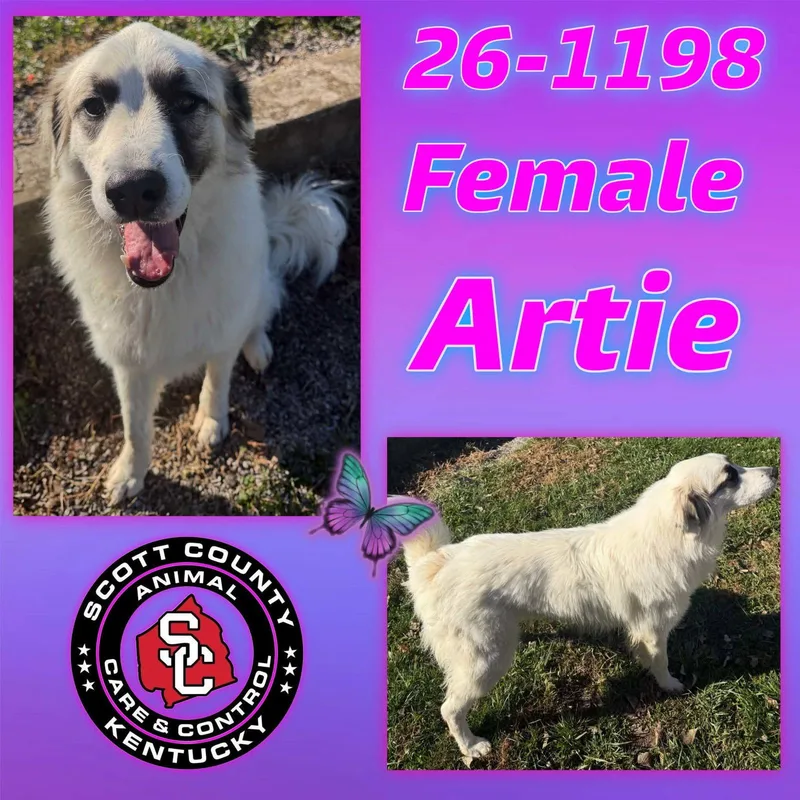
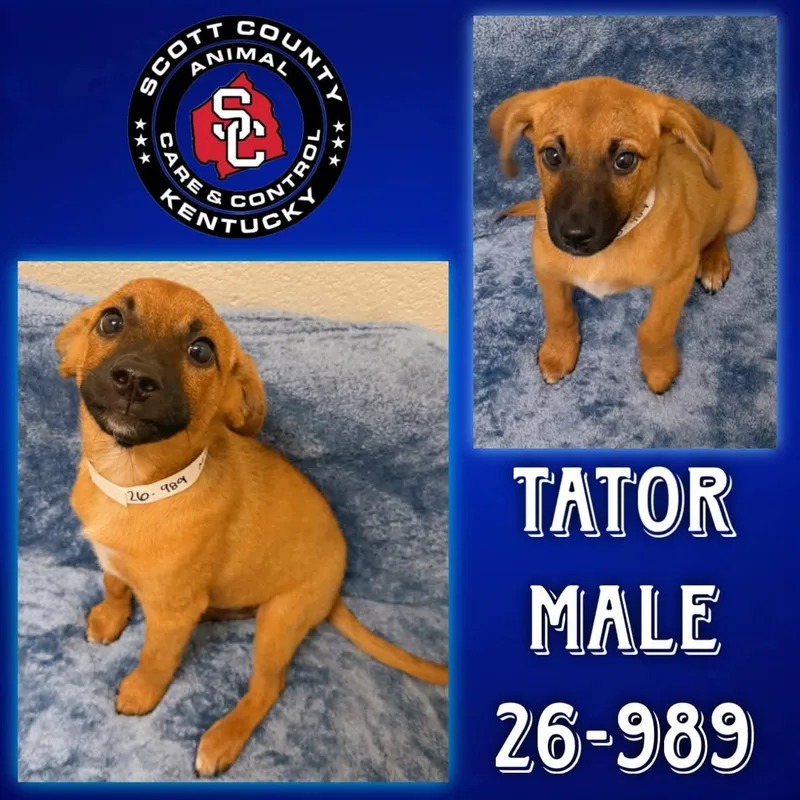
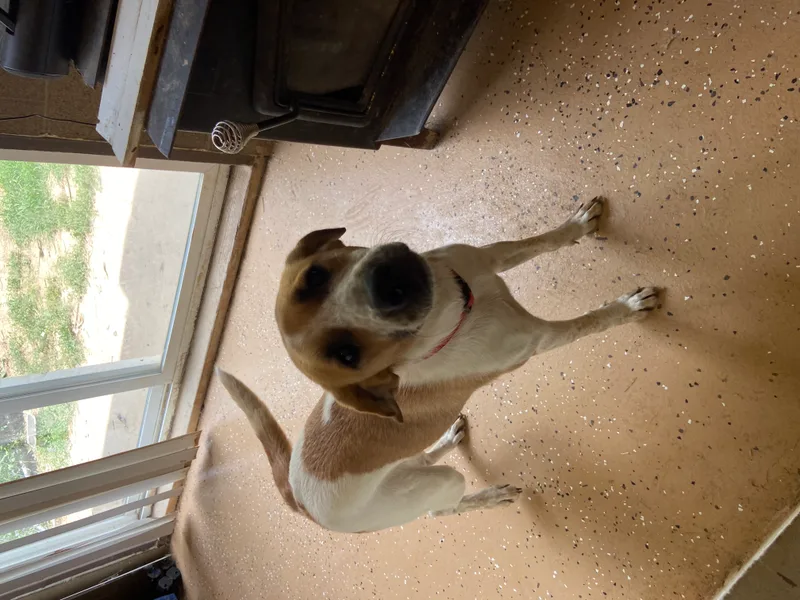
Bloodhound Dogs for Adoption in Georgetown, KY

Your guide to finding and caring for a Bloodhound in Georgetown

Bloodhounds suit Georgetown best when the household has a fenced yard and hours for slow, nose-down walks. The 1.2-mile track at Charles Brooking Park and the sidewalks around the East Main Street historic district give a Bloodhound plenty to read, though the leash stays on the whole time. These are gentle, droopy-faced dogs that weigh 80 to 110 pounds, and they bay and drool. If you're adopting one in Georgetown, plan on a patient owner who's home a good part of the day.

142 Bloodhounds available in Georgetown and nationwide

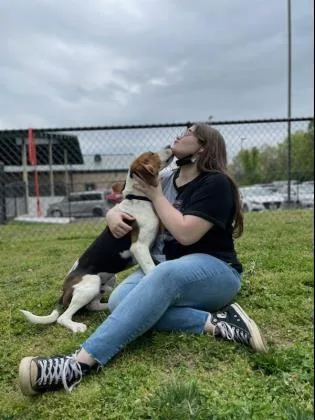
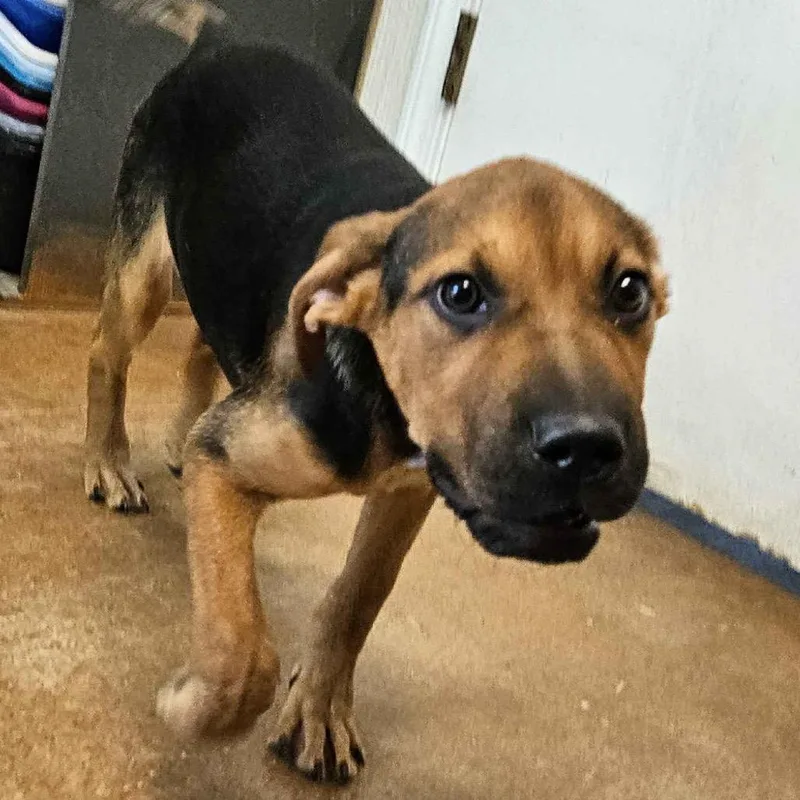
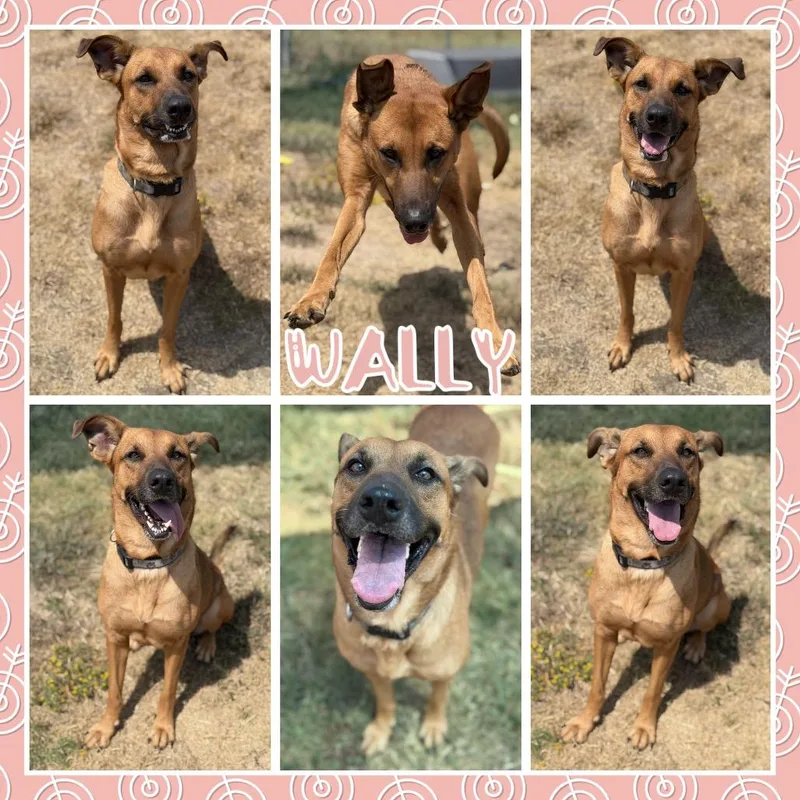
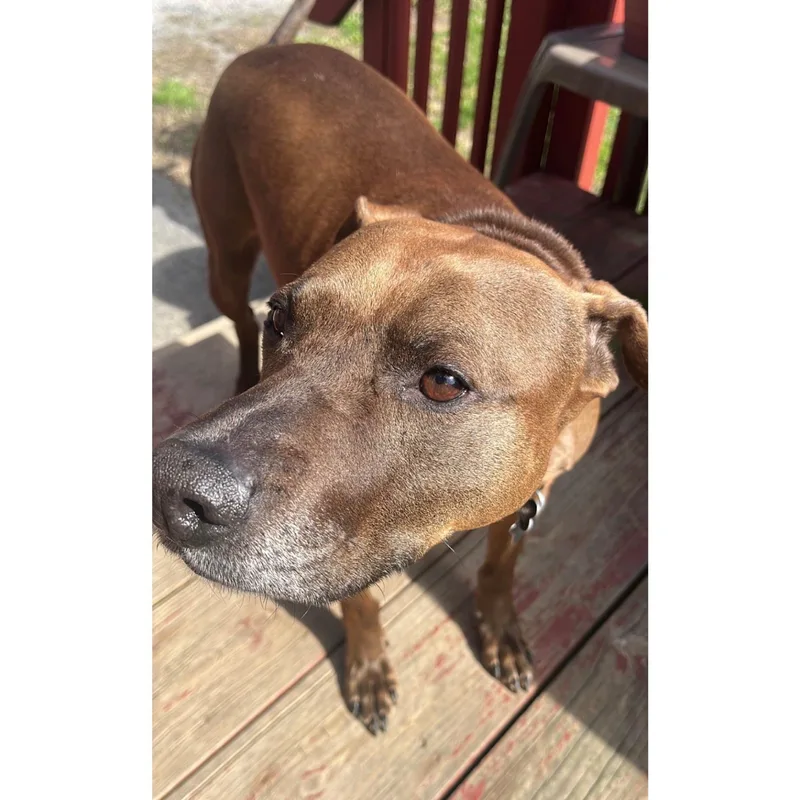
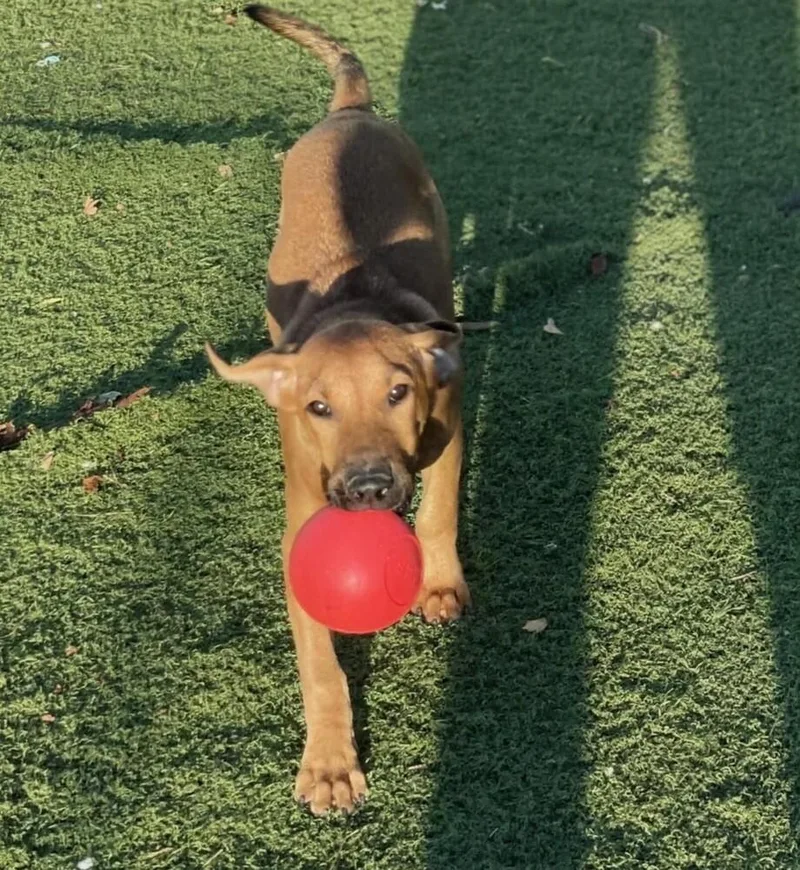
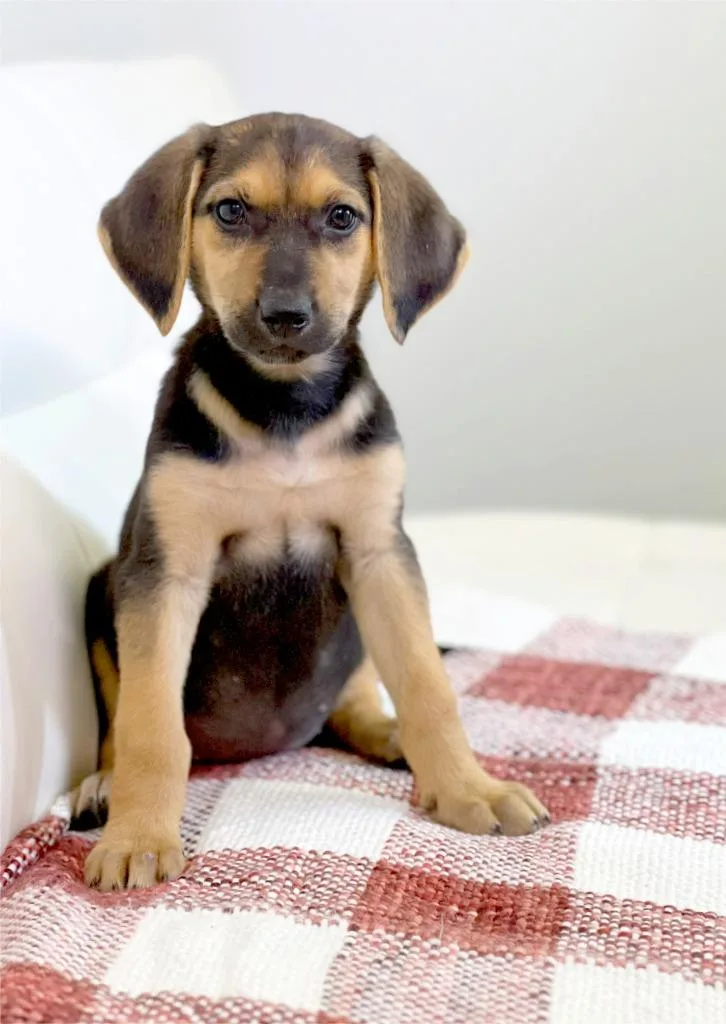
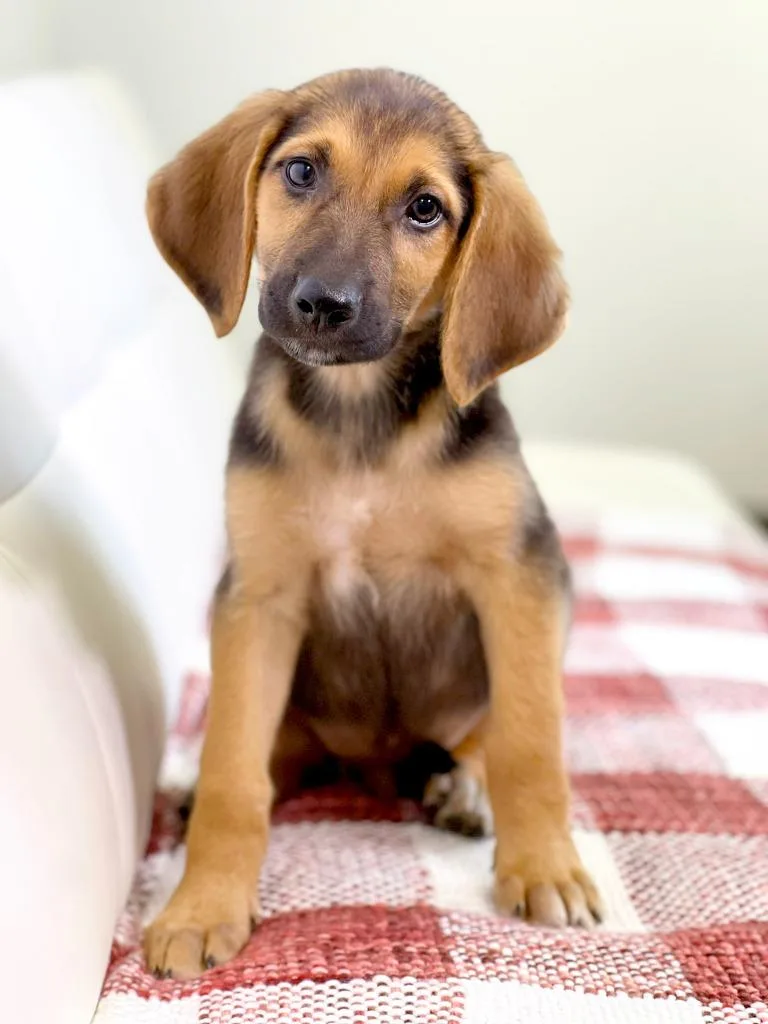
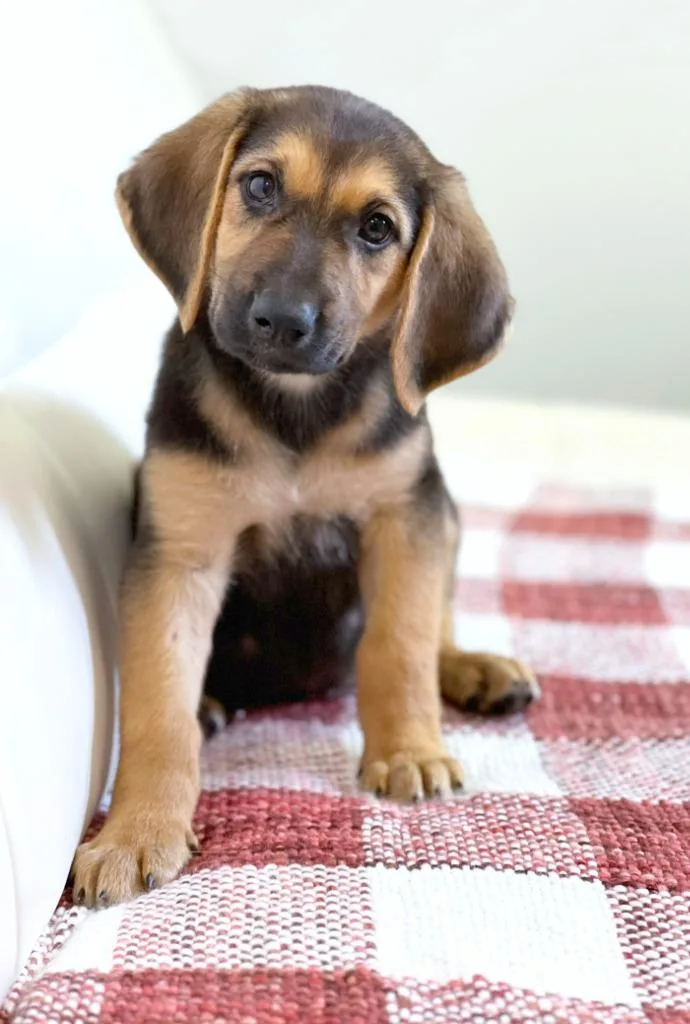
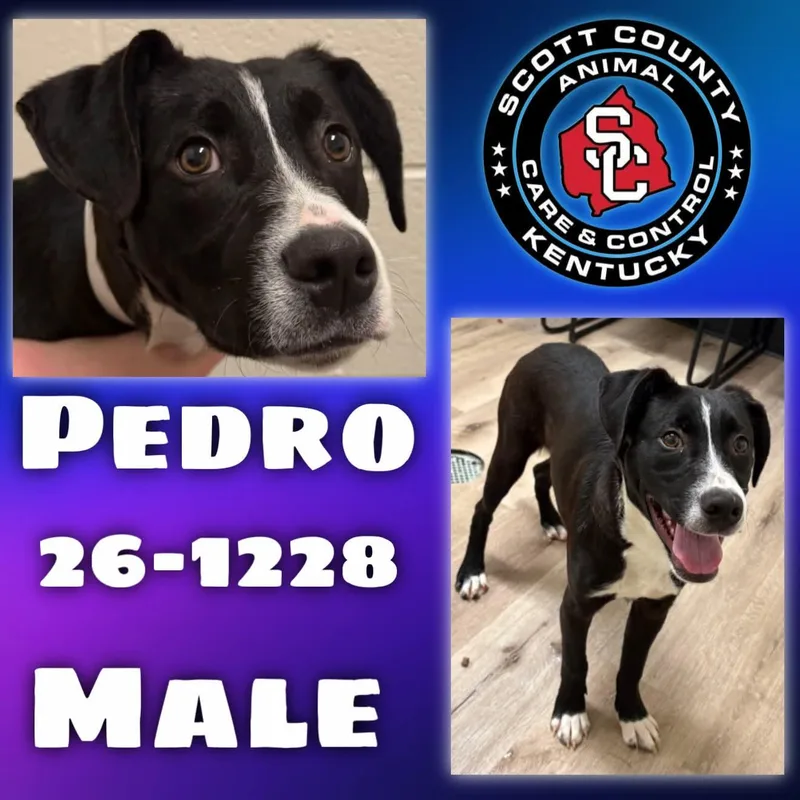
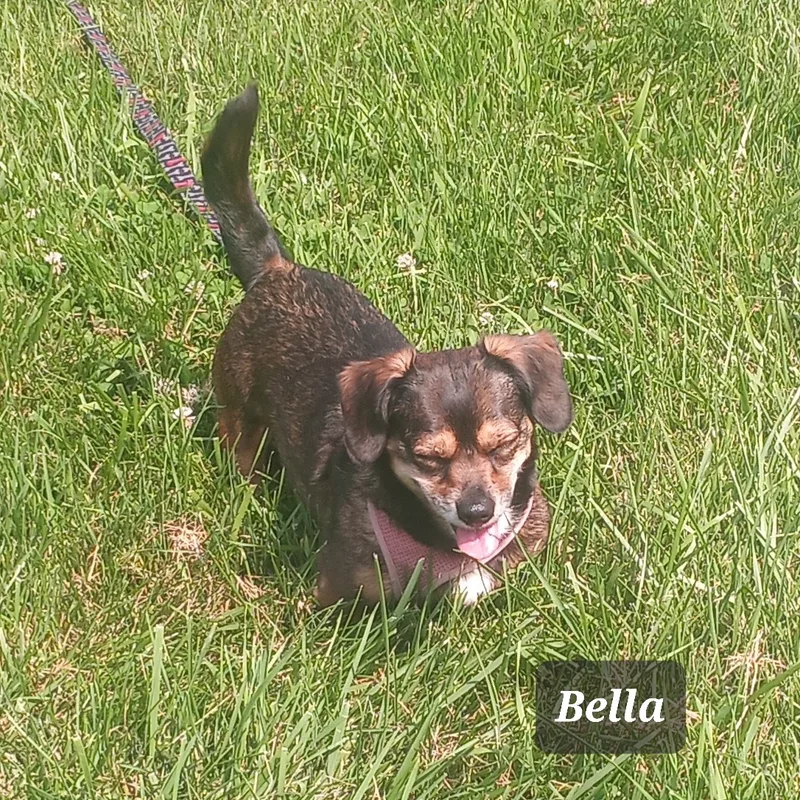
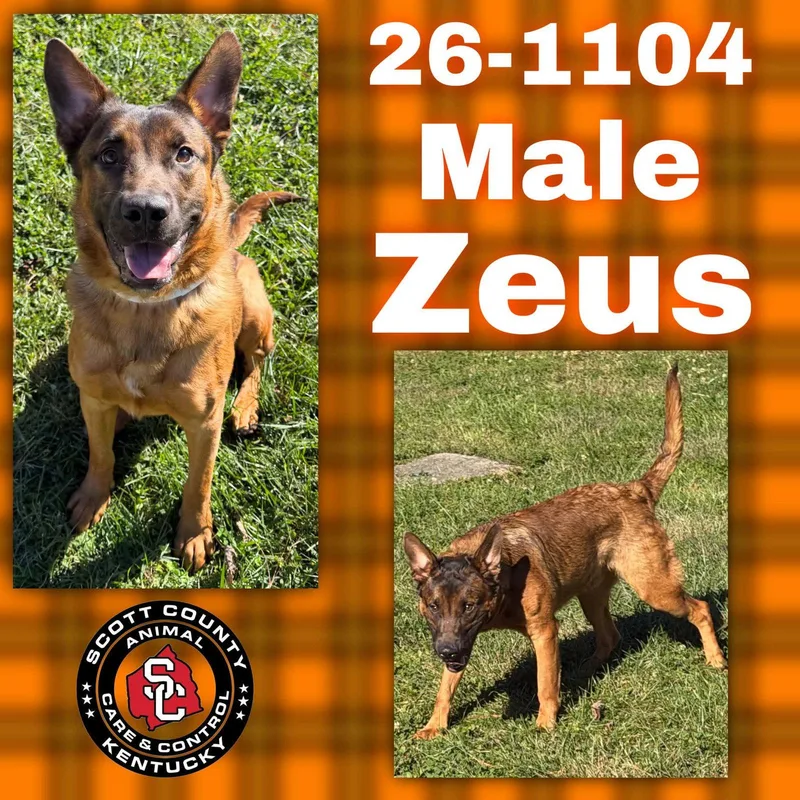
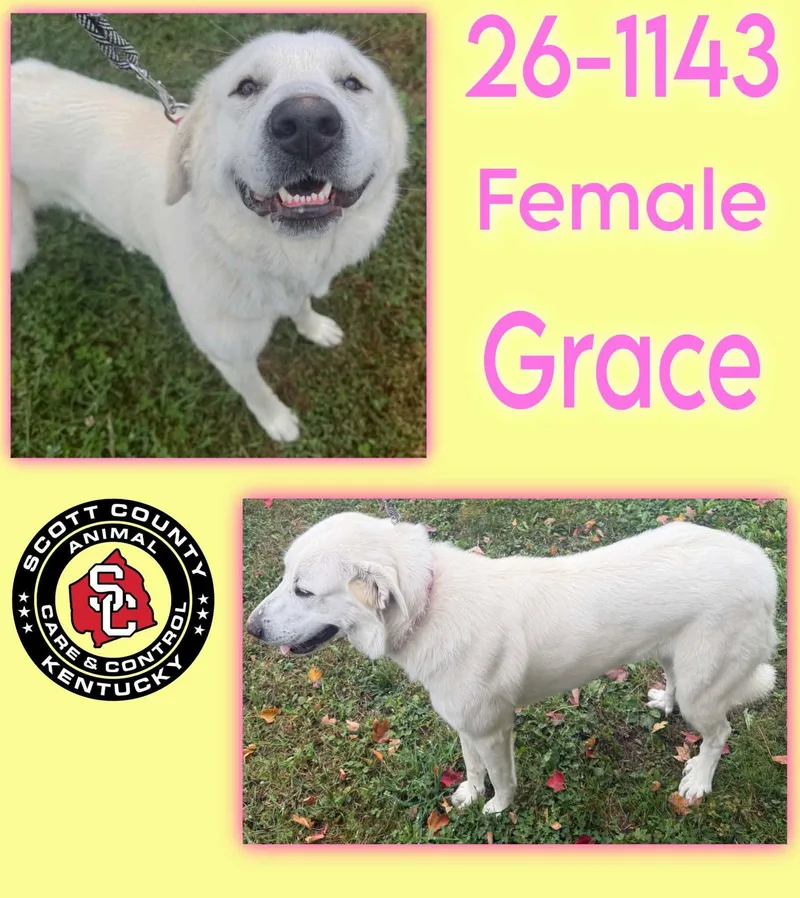
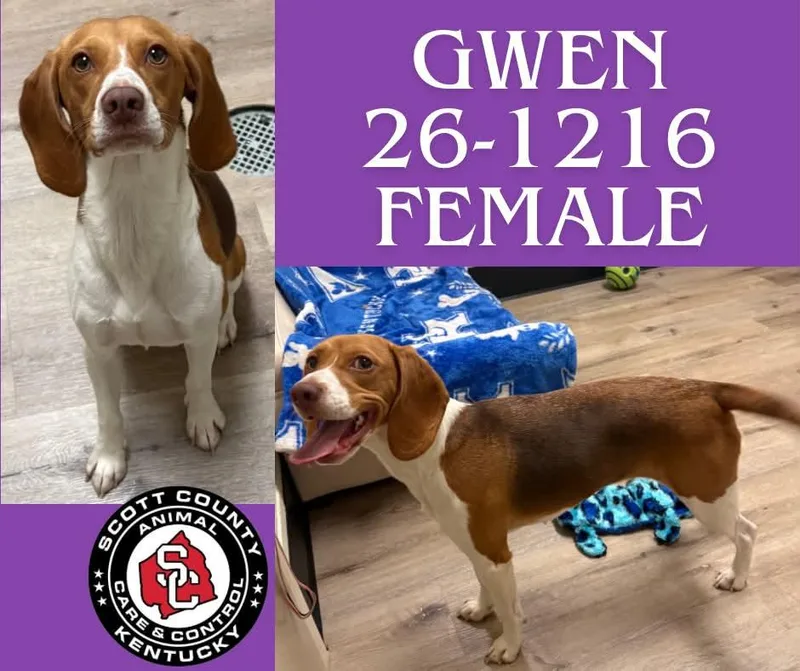
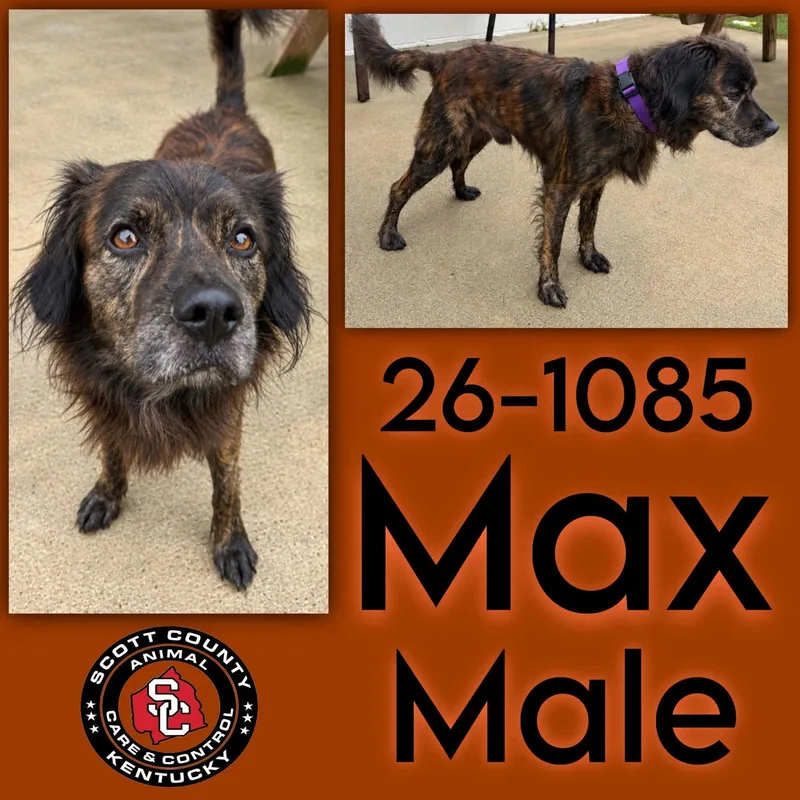
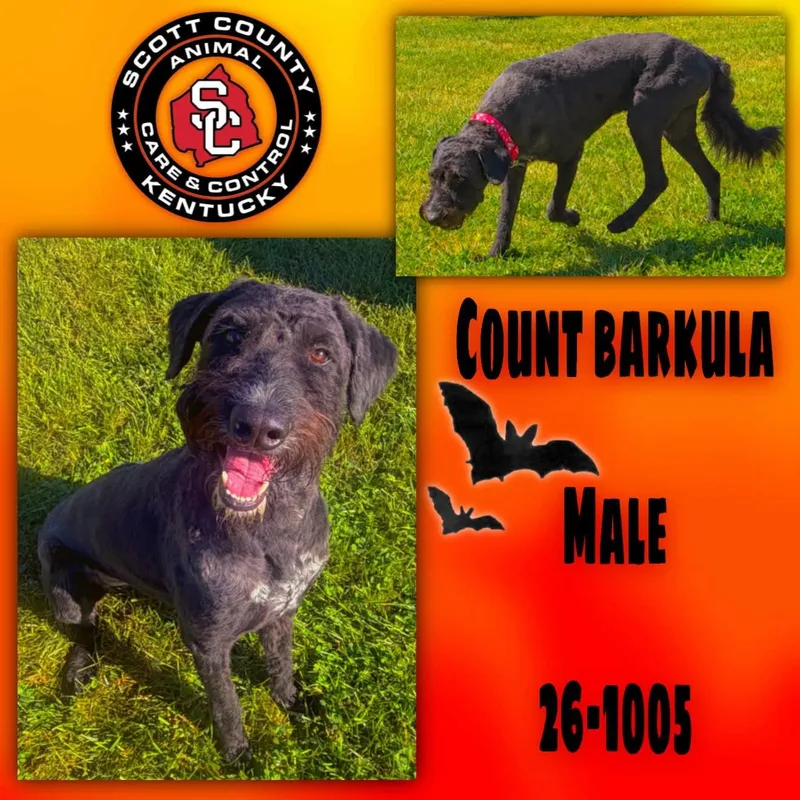
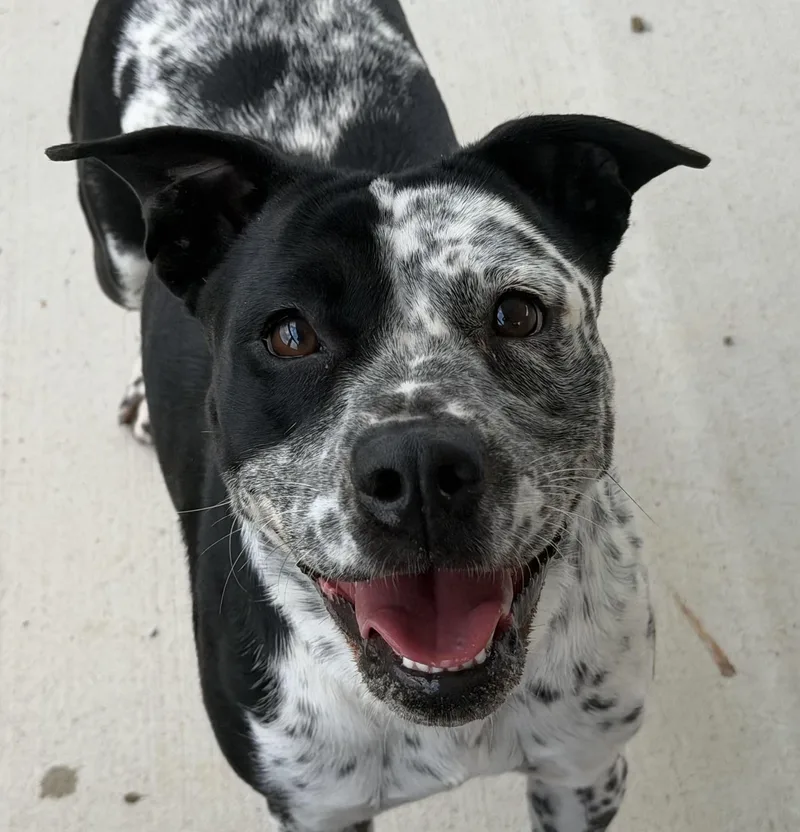
Meet a Bloodhound who needs you

While we don't have enough dogs near Georgetown, keep in mind that many rescues may offer transport.

Bloodhounds Available for Adoption Near Georgetown

About the Bloodhound breed

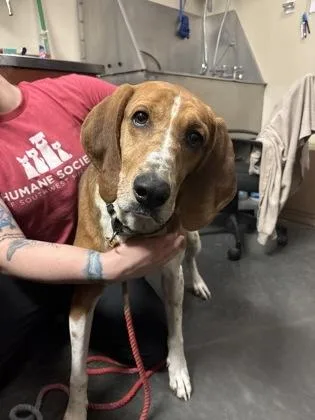
The Bloodhound is a large scent hound with a wrinkled face, long ears and loose skin. Its lineage traces to hounds kept at the Abbey of Saint-Hubert in Belgium, and the breed was refined in Britain. Police and search-and-rescue teams still rely on Bloodhounds to trail missing people. The short coat comes in black and tan, liver and tan, or red, and the amount of wrinkling varies from dog to dog.

Many Bloodhounds are gentle, affectionate and tolerant, but they're also strong, stubborn and messy. Expect drool, a booming bay and a nose that can pull a dog far from home if a gate is left open. In Georgetown, that means secure latches, a sturdy leash on every outing and a plan for noise and slobber. Each dog's confidence and energy differ.

Weight
80–110 lbs
Height
23–27 in
Lifespan
9–12 yrs
Temperament
Gentle, Affectionate, Independent, Vocal
Group
Hound
Shedding
Moderate

Owning a Bloodhound in Georgetown

Having a Bloodhound in Georgetown

Nose, size and stamina drive daily life with a Bloodhound, along with drool, loose skin and a real risk of bloat. In Georgetown, that adds up to a dog who needs secure fencing, long sniffing walks and an owner ready for steady upkeep.

Temperament

Bloodhounds are often sweet, mild-mannered and sociable, with a bay that carries down a quiet Georgetown street. They can turn single-minded the moment they catch a scent, so patient, food-based training works best. Young dogs are boisterous and clumsy, and each Bloodhound differs in confidence and in how it handles time alone.

Exercise Needs

Plan on long daily walks that let a Bloodhound sniff, such as laps of the Brooking Park track or a slow loop on McCracken Creek Trail. Scent games at home add mental work. Keep the dog leashed, since a nose can override recall, and avoid hard exercise around mealtimes because of bloat risk.

Health Considerations

Bloat is a leading cause of death in Bloodhounds, so learn its signs and talk with a veterinarian about feeding routines and preventive surgery. Ear infections, skin fold irritation, eyelid problems and hip and elbow dysplasia are also common. Regular ear and fold cleaning and a lean weight help, and a vet exam after adoption can catch early issues.

Living Space

A Bloodhound does best in a house with a securely fenced yard, since a wandering nose and loud baying make open gates and thin walls a problem. Apartment life in Georgetown works only with dependable exercise and tolerant neighbors. Expect drool on walls and furniture, and keep food well out of reach of counters.

What it costs to own a Bloodhound in Georgetown

ExpenseTypical costPer year
Food$55 to $110 per month$660 to $1,320
Pet insurance$65 to $130 per month$780 to $1,560
Routine vet care$250 to $500 per year$250 to $500
Other*$540 to $1,490 per year$540 to $1,490
Estimated yearly total (after year one)$2,230 to $4,870

Other costs are estimates and vary with size, age and health.

* Flea, tick and heartworm prevention, a yearly dental cleaning, toys and sturdy bedding, basic coat care, and ear and skin fold cleaning supplies.

Adopt a Bloodhound in Georgetown.

Now that you know more, let’s find you a new best friend. These rescues and shelters below currently have Bloodhounds available.

Rescues in Georgetown with Bloodhounds Available

Scott County's open-admission shelter and the Scott County Humane Society work together to find Georgetown dogs new homes. Here are the rescues & shelters in the Georgetown area where you can find Bloodhounds and other dogs available for adoption.

Frequently Asked Questions

Yes. No breed ban is known in Georgetown, and Kentucky's vicious-dog rules look at a dog's behavior rather than its breed. State law requires rabies vaccination by four months of age, and dogs should stay under control off your property. Rules can differ in neighboring towns, so confirm any local requirements with the city before you move.

It can, but a house with a fenced yard is a much easier fit. A Bloodhound weighs 80 to 110 pounds, bays loudly and drools, so thin walls and landlord limits are real hurdles. If you rent in Georgetown, get pet approval in writing, plan several long walks daily, and think about how neighbors will handle the noise.

Great Crossing Park's 4-acre dog park has a separate field for large dogs, which suits a Bloodhound. Charles Brooking Park has a 1.2-mile walking track, and McCracken Creek Trail offers about a mile of nature trail. County parks require leashes of eight feet or less and waste pickup, and a Bloodhound's nose is a good reason to stay leashed.

Mostly yes, with care at both extremes. Winters bring about 90 freezing nights, so a short-coated Bloodhound may need a coat and paw rinses. Summers are humid, with 90°F days in July and August, so walk at dawn or dusk and watch for overheating. Spring and fall are the most comfortable seasons for long walks.

Realistically, no. Georgetown's Bluegrass RIDE buses are fare-free Monday through Saturday, but pets other than service animals must ride in a secured carrier, and an 80 to 110 pound Bloodhound won't fit in one. Plan on driving for vet visits and trips to Great Crossing Park.

Only to outdoor patios, and only where a restaurant chooses to allow dogs. Kentucky's food code permits leashed dogs in qualifying outdoor dining areas that aren't fully enclosed, but not indoors. Expect rules such as no dogs on chairs or tables. A large, drooling Bloodhound needs a calm down-stay, so practice first and bring a towel.

Less brushing than many breeds, but more cleaning. A weekly rubdown with a rubber curry mitt handles the short coat's moderate shedding, while ears and skin folds need regular cleaning, especially through Georgetown's humid summers and wet springs. Occasional baths are enough, so grooming stays a small part of the yearly Other costs listed above.

A Bloodhound is a large scent hound in the AKC Hound Group, bred to follow the trail of people and animals over long distances. It is recognized by its loose, wrinkled skin, long ears, droopy eyes and black and tan, liver and tan or red coat. Many are gentle at home but stubborn and tireless on a scent.

We have 1 rescue with Bloodhounds available: Scott County Animal Shelter. You can see every rescue with Bloodhounds available in the list above these questions, or scroll to the top to see the Bloodhounds near Georgetown.

Plan on roughly $2,200 to $4,900 a year for a Bloodhound in Georgetown. That covers food at $55 to $110 a month, insurance at $65 to $130 a month, routine vet care of $250 to $500 a year, and $540 to $1,490 in other yearly costs. Emergency care, such as for bloat, would be extra.

Find Bloodhounds in Nearby Cities

Expand your search to find Bloodhounds available for adoption near Georgetown.