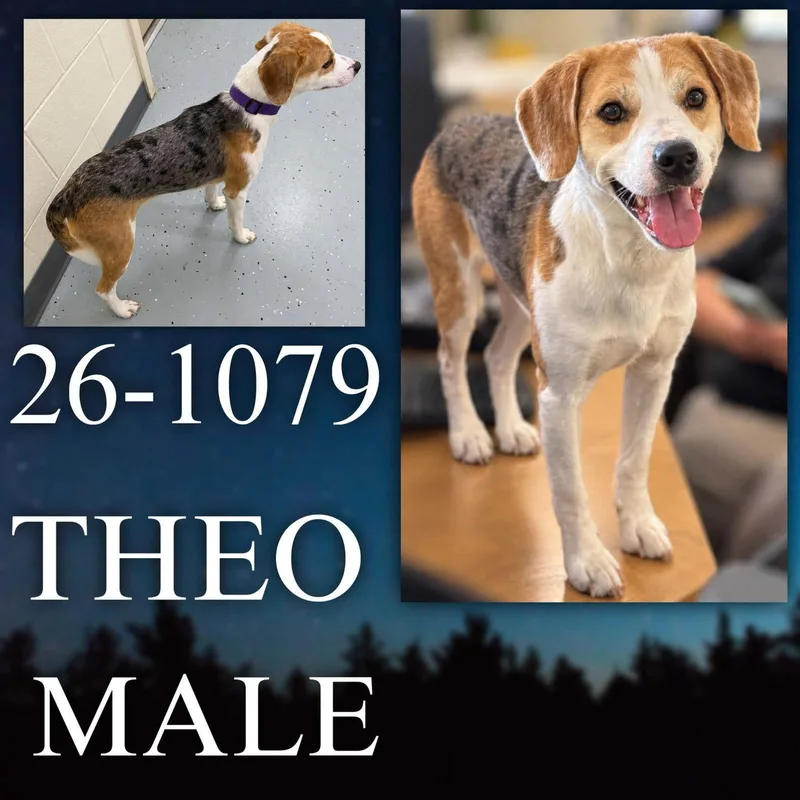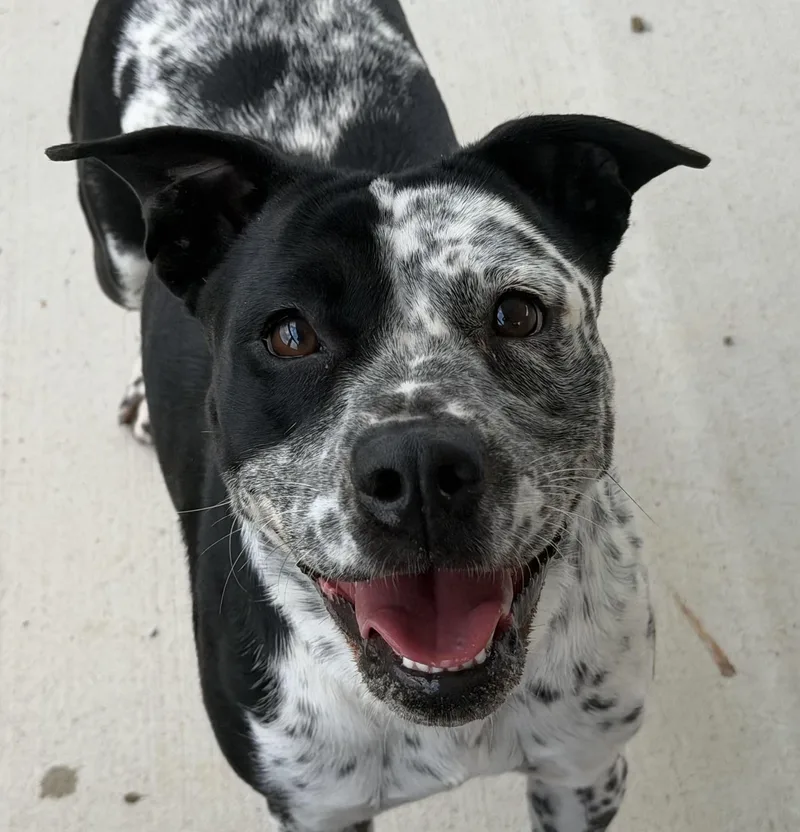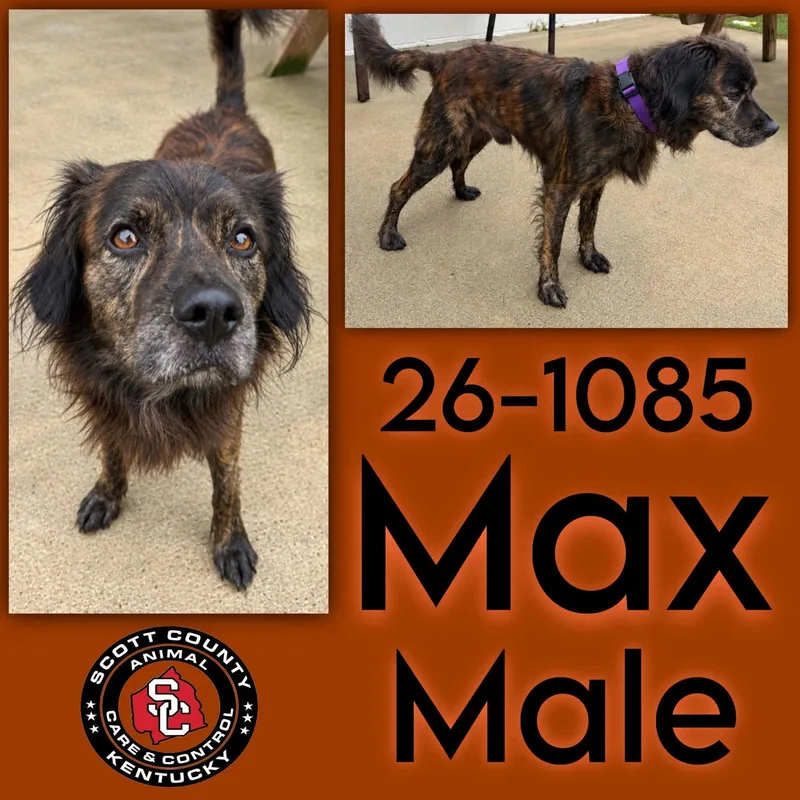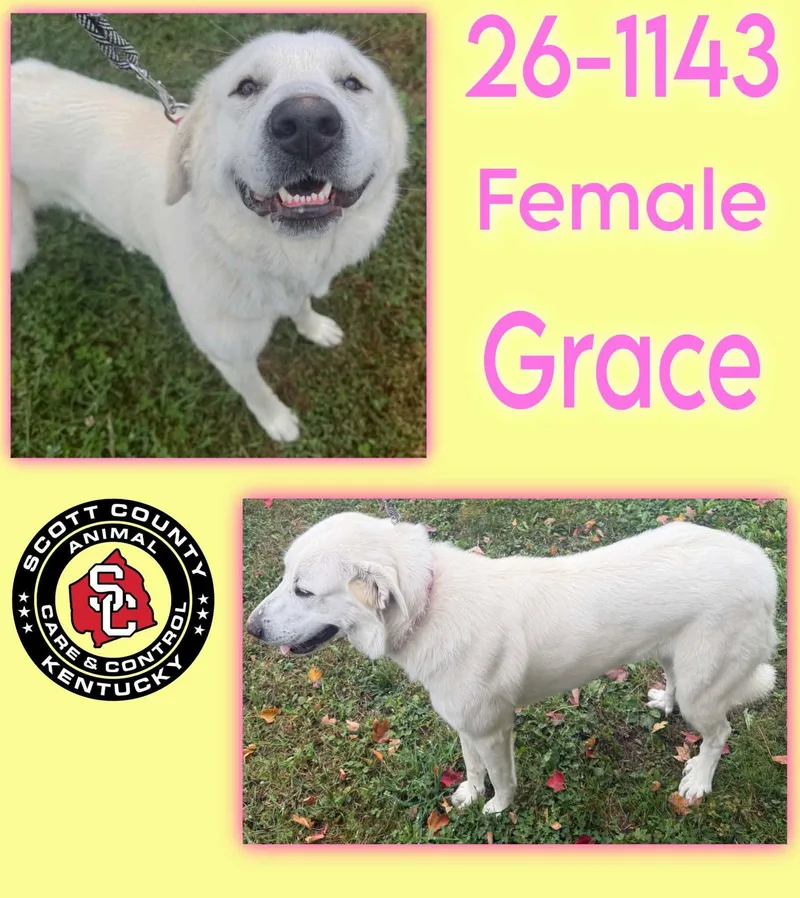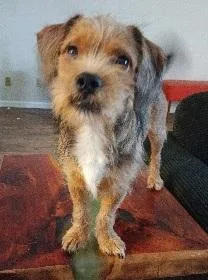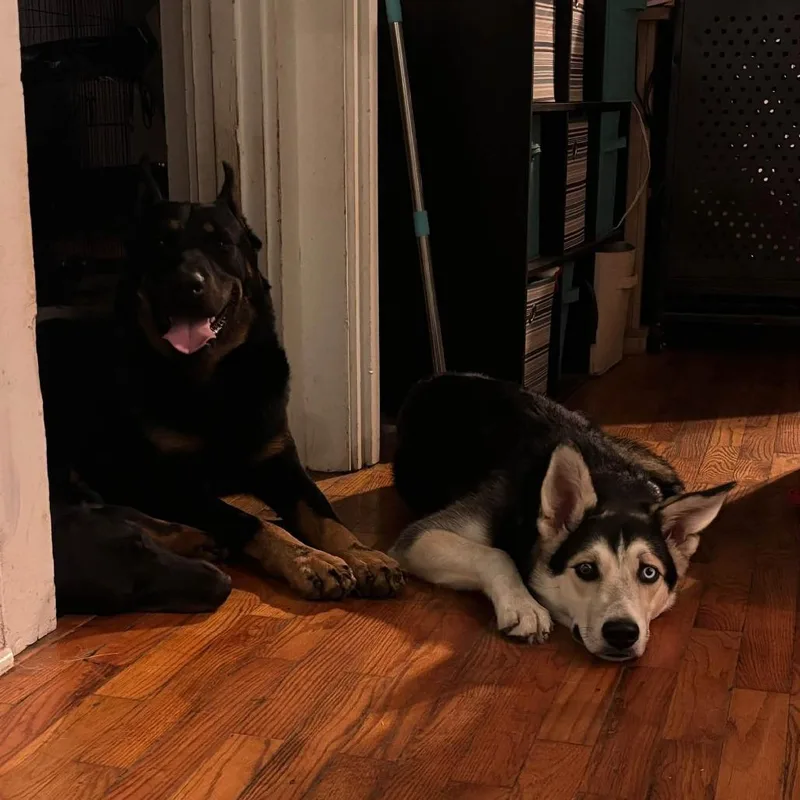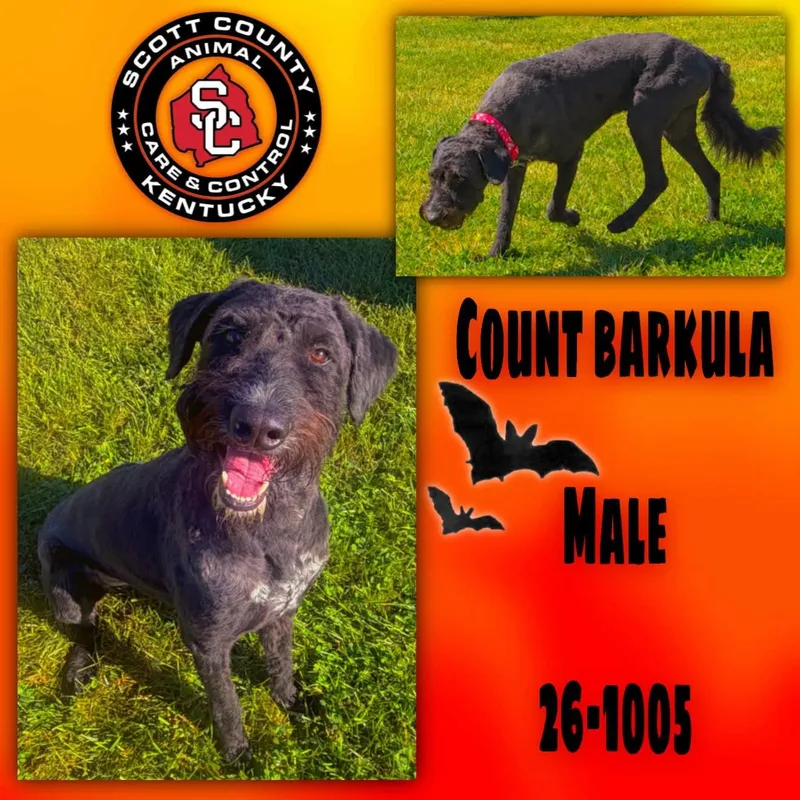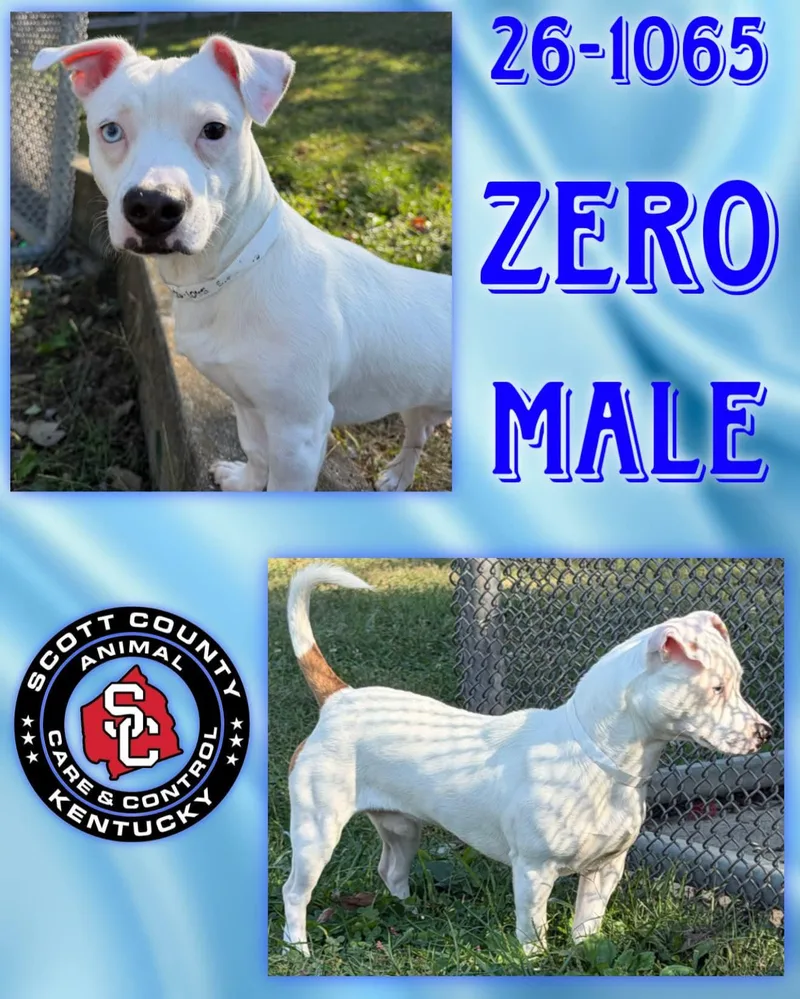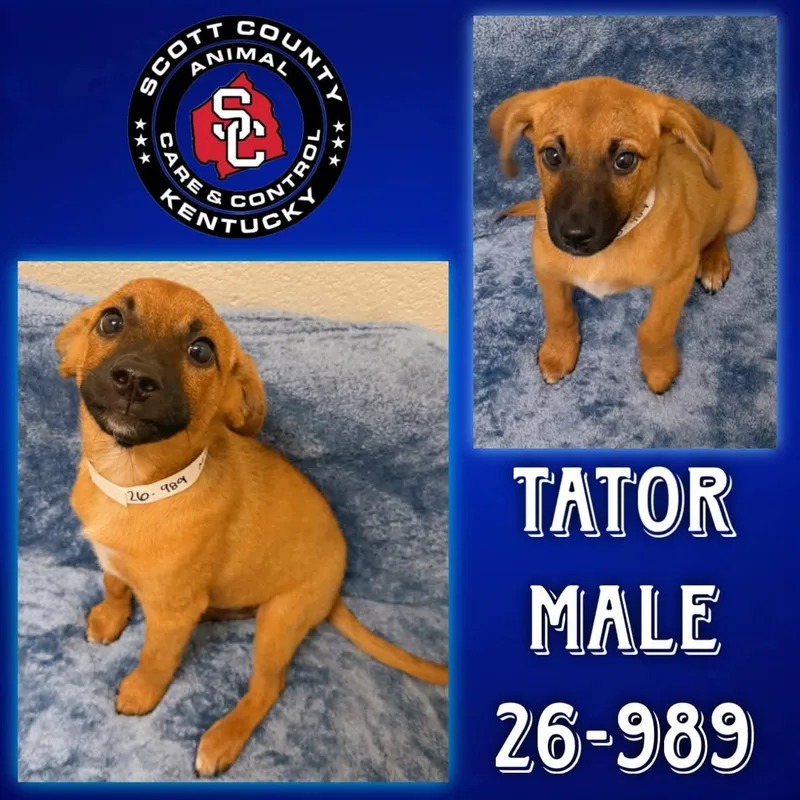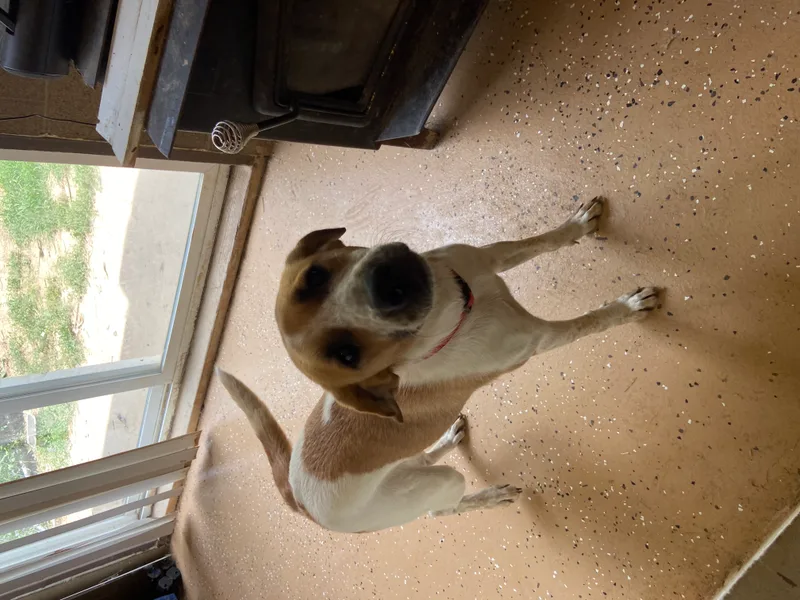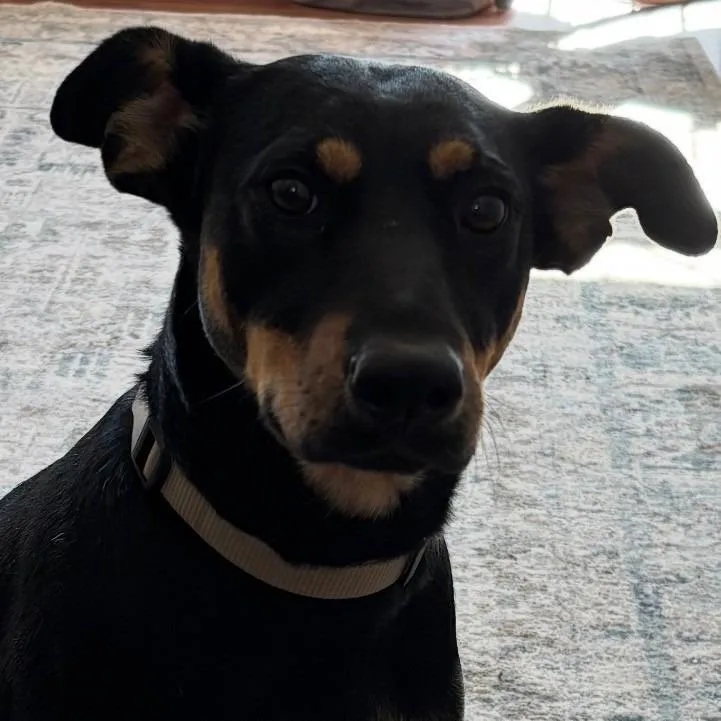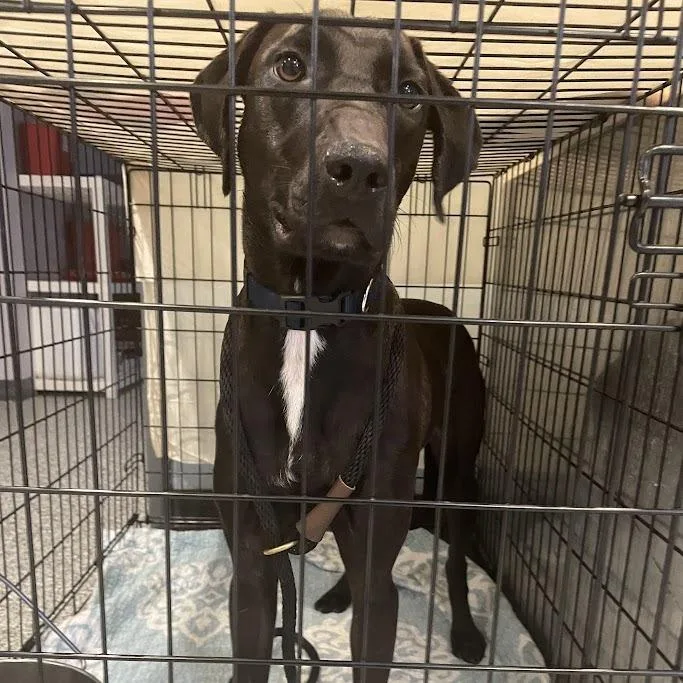
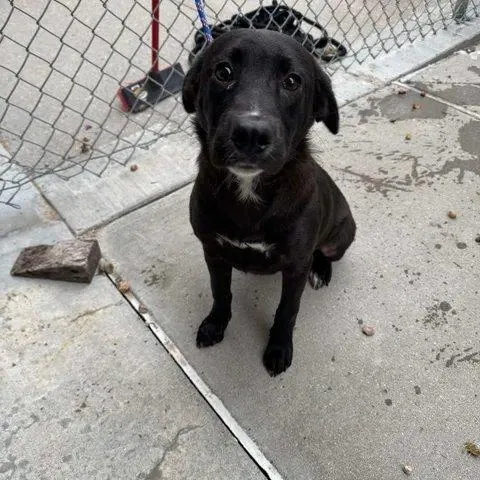
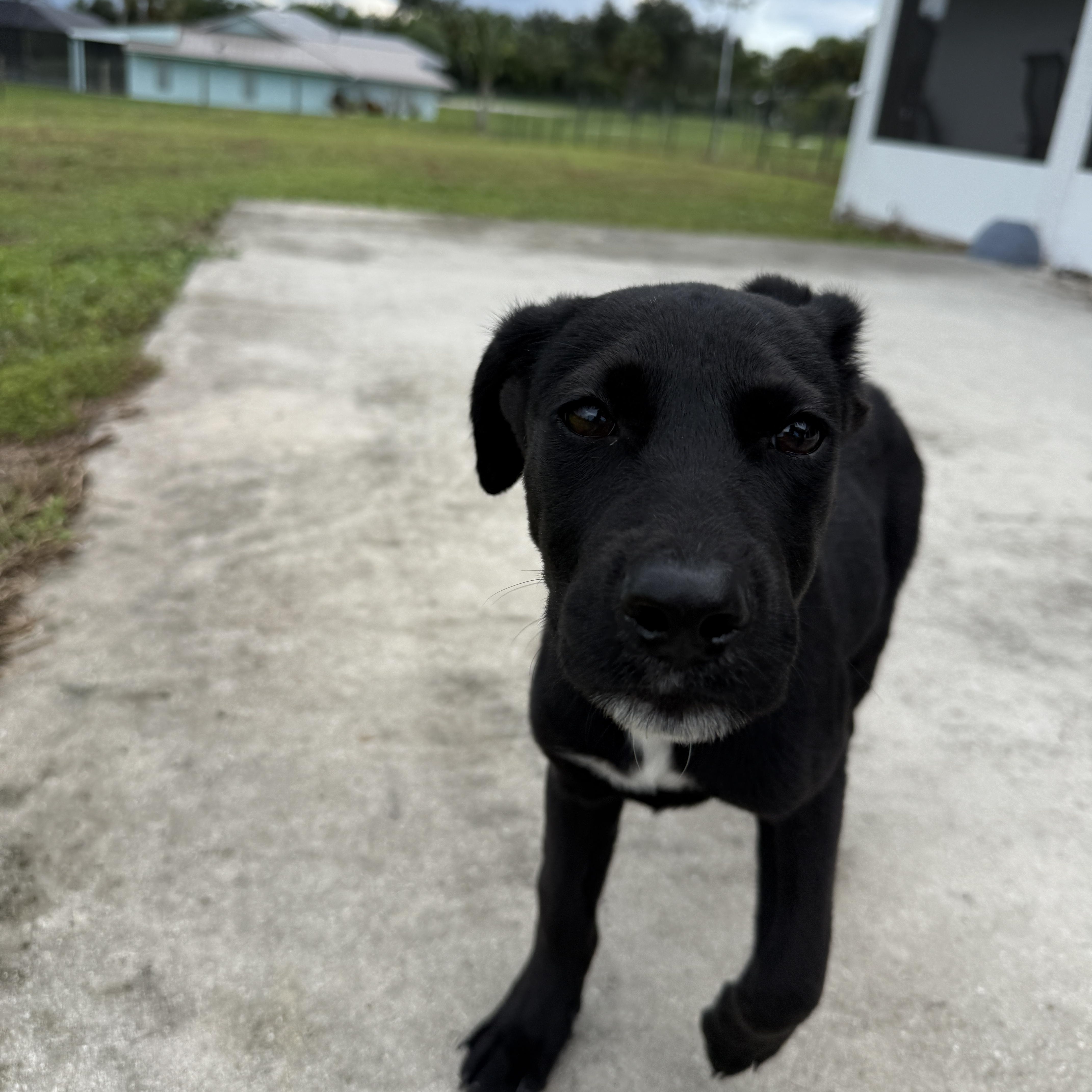
Black Labrador Retriever Dogs for Adoption in Georgetown, KY

Your guide to finding and caring for a Black Labrador Retriever in Georgetown

A black Lab suits Georgetown best with an owner who likes to be outside every day. The 1.2-mile Mollie Graves track at Brooking Park is a good steady loop for a dog that needs real exercise, and the sidewalked blocks of the East Main Street historic district make an easy evening walk. Black Labs are friendly with nearly everyone, so a Saturday downtown rarely overwhelms them. They're happiest with people who are home a fair amount and don't mind a little mud.

3254 Black Labrador Retrievers available in Georgetown and nationwide

Find your Black Labrador Retriever

Black Labrador Retrievers Available for Adoption Near Georgetown

About the Black Labrador Retriever breed

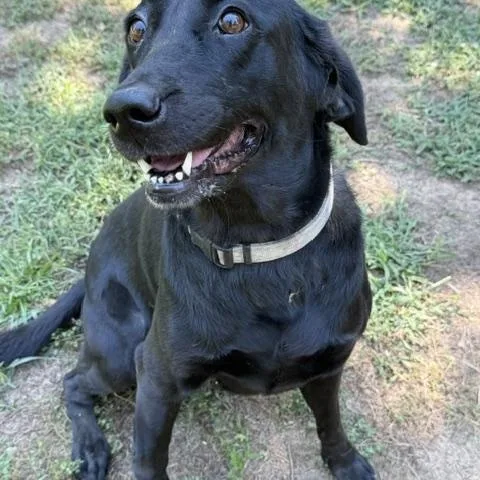
A black Lab is a Labrador Retriever in the breed's original color, not a separate breed. Descended from the St. John's water dogs of Newfoundland and refined in Britain as gun dogs, Labs are sturdy 55-to-80-pound dogs with a broad head, an otter tail and a dense, water-resistant double coat.

That coat and build suit Kentucky's chilly winters and any chance to get wet, though a black Lab sheds heavily as the seasons change. Expect a friendly, food-motivated dog that matures slowly. Field-bred dogs are often leaner and more driven than show-bred ones, and a dog's age, history and energy say more than its coat color, so spend time with a dog and watch how it behaves before deciding.

Weight
55–80 lbs
Height
21–25 in
Lifespan
10–14 yrs
Temperament
Friendly, Outgoing, Active
Group
Sporting
Shedding
Moderate to High

Owning a Black Labrador Retriever in Georgetown

Having a Black Labrador Retriever in Georgetown

Energy, appetite and seasonal shedding shape daily life with a black Lab far more than its dark coat does. In Georgetown, a roomy routine with walks, play and some training time matters most, and each dog's age and drive will vary.

Temperament

Black Labs tend to be outgoing and affectionate with family, visitors and other dogs. Young dogs are often mouthy and bouncy, and strong enough to topple small children. Their love of food makes reward-based training work well. A dog's past and socialization count for more than breed reputation, so watch how a Lab reacts to new people and places.

Exercise Needs

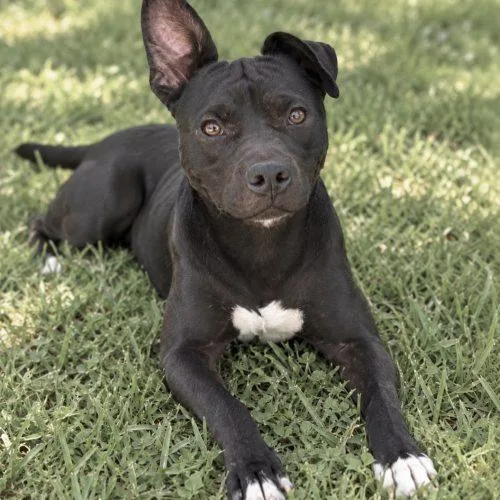
Most grown black Labs need vigorous exercise every day, such as brisk walks, fetch or a run. In Georgetown that can mean laps at Brooking Park, a trail like McCracken Creek, or off-leash play at the Great Crossing dog park. Scent games and short training sessions help tire the mind, and seniors still benefit from gentler outings.

Health Considerations

Labs can be prone to hip and elbow dysplasia, cruciate ligament tears, exercise-induced collapse and progressive retinal atrophy. Obesity is common, so measured meals and regular weigh-ins help. Ear infections and skin allergies also occur, especially after wet outings. Georgetown's humid summers make ear checks worthwhile, and a veterinarian can examine the hips and elbows.

Living Space

A black Lab can live in a house or an apartment if its exercise needs are met, and a securely fenced yard helps but doesn't replace walks. With about 38% of Georgetown households renting, a dog this size means checking building rules first. Expect shed hair, a sweeping tail and a dog that wants to be indoors with you.

What it costs to own a Black Labrador Retriever in Georgetown

ExpenseTypical costPer year
Adoption fee$250, one time$250 in year one
Food$55 to $110 per month$660 to $1,320
Pet insurance$65 to $130 per month$780 to $1,560
Routine vet care$250 to $500 per year$250 to $500
Other*$590 to $1,490 per year$590 to $1,490
Estimated yearly total (after year one)$2,280 to $4,870
First-year total (with adoption fee)$2,530 to $5,120

Adoption fee is the fee on Black Labrador Retriever listings in Georgetown on GetBuddy today. Other costs are estimates and vary with size, age and health.

* Flea, tick and heartworm prevention, a dental cleaning allowance, toys and bedding, and brushing and baths for heavy seasonal shedding.

Adopt a Black Labrador Retriever in Georgetown.

Now that you know more, let’s find you a new best friend. These rescues and shelters below currently have Black Labrador Retrievers available.

Rescues in Georgetown with Black Labrador Retrievers Available

Georgetown's open-admission county shelter and the Scott County Humane Society's foster and adoption programs help local dogs find new homes. Here are the rescues & shelters in the Georgetown area where you can find Black Labrador Retrievers and other dogs available for adoption.

Frequently Asked Questions

Yes, no breed ban or breed-specific rule is known in Georgetown, and its vicious-animal rule looks at a dog's behavior rather than its breed. Kentucky requires rabies vaccination by four months of age, and dogs must be leashed or otherwise restrained off your property. County parks cap leashes at eight feet and require waste pickup.

Yes, most black Labs handle Georgetown winters well thanks to their dense double coat. Lows hover near 25°F with roughly 90 freezing nights a year, plus some snow. Wipe paws after walks on treated sidewalks, take care on ice, and add a coat for seniors, very lean dogs or any Lab that shivers.

The Great Crossing Park dog park, at 115 Betsy Way, has four acres with separate large and small dog fields. For leashed walks, try the 1.2-mile track at Charles Brooking Park or the 1.08 miles of nature trail at McCracken Creek Trail. Leashes must be eight feet or shorter, and you must carry waste bags.

Mostly no. Georgetown's Bluegrass RIDE buses are fare-free and run Monday through Saturday, but pets may ride only in a secured carrier. A black Lab weighing 55 to 80 pounds won't fit in one, so plan on driving or walking, and keep service-animal questions separate.

Yes, if its exercise needs are met. About 38% of Georgetown households rent, so many Labs live in apartments here. Confirm the building's size or weight limits, deposits and pet rent in writing, and pick a spot near grass. Daily walks matter more than square footage, and bored young Labs chew.

Often, yes, for people who enjoy daily outdoor time. Georgetown's county parks, trails and dog park give a Lab places to burn energy. Expect noise from fireworks around July 4 and New Year's, so set up a quiet indoor space, and think about how long the dog will be alone on workdays.

Only to outdoor patios, and only where the restaurant allows it. Kentucky's food code permits dogs in outdoor dining areas that aren't fully enclosed and have a separate entrance. Your Lab must stay leashed, off chairs and tables, and can't be served from human dishes. Dogs aren't allowed in indoor dining rooms.

Plan on brushing weekly, and every day or two during the heavy shedding in spring and fall. Georgetown's humid summers and muddy springs mean a bath every month or two, plus ear checks. Most owners handle this at home, and occasional professional baths fall within the grooming allowance in the Other line of the cost table.

We have 1 rescue with Black Labrador Retrievers available: Kentucky Dachshund Rescue. You can see every rescue with Black Labrador Retrievers available in the list above these questions, or scroll to the top to see the Black Labrador Retrievers near Georgetown.

Plan on roughly $2,300 to $4,900 a year for a black Lab in Georgetown. That covers food at $55 to $110 a month, insurance at $65 to $130 a month, routine vet care at $250 to $500 a year, and other yearly costs of $590 to $1,490. Large-breed appetites and joint care push costs toward the upper end.