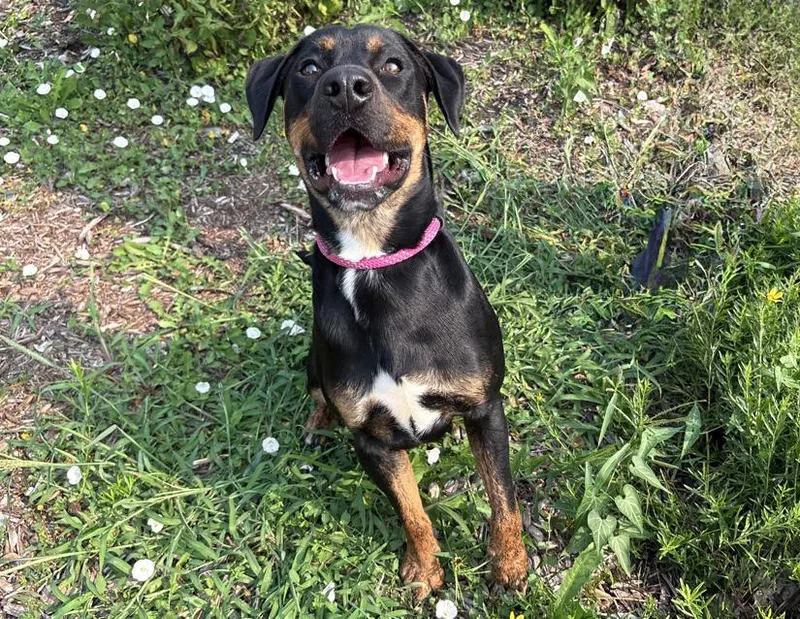
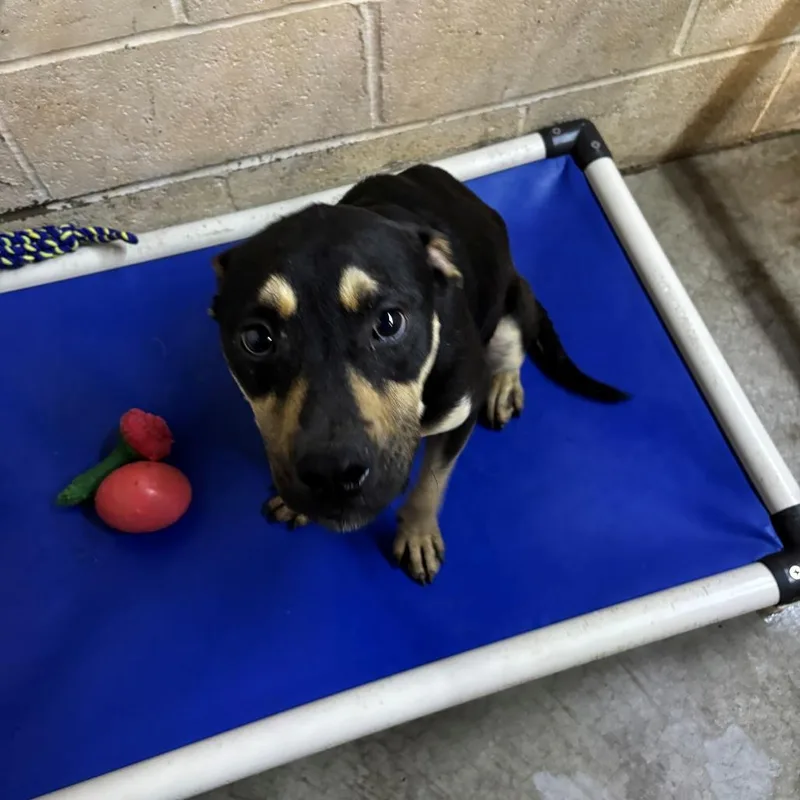
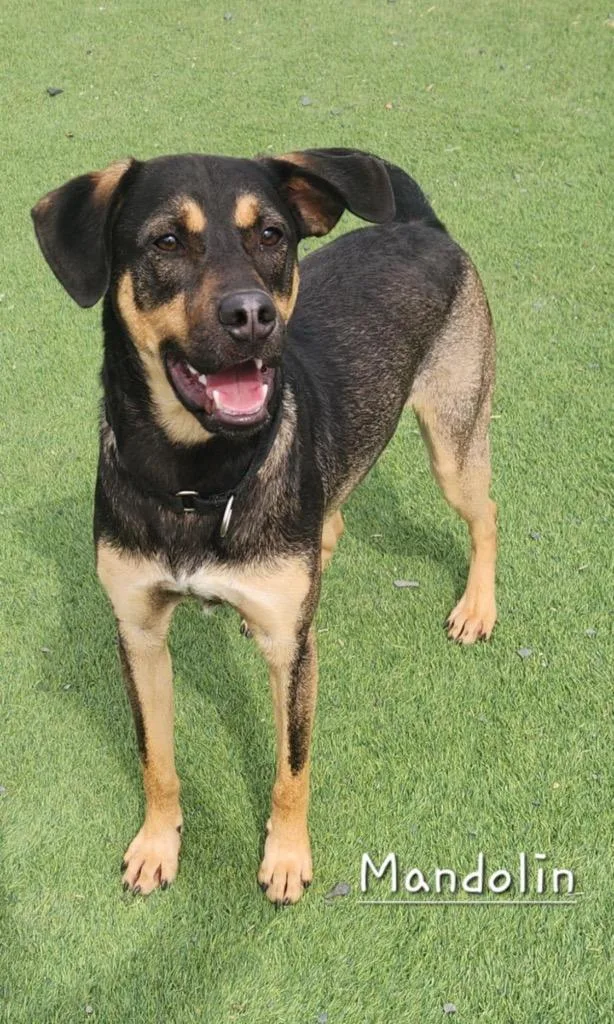
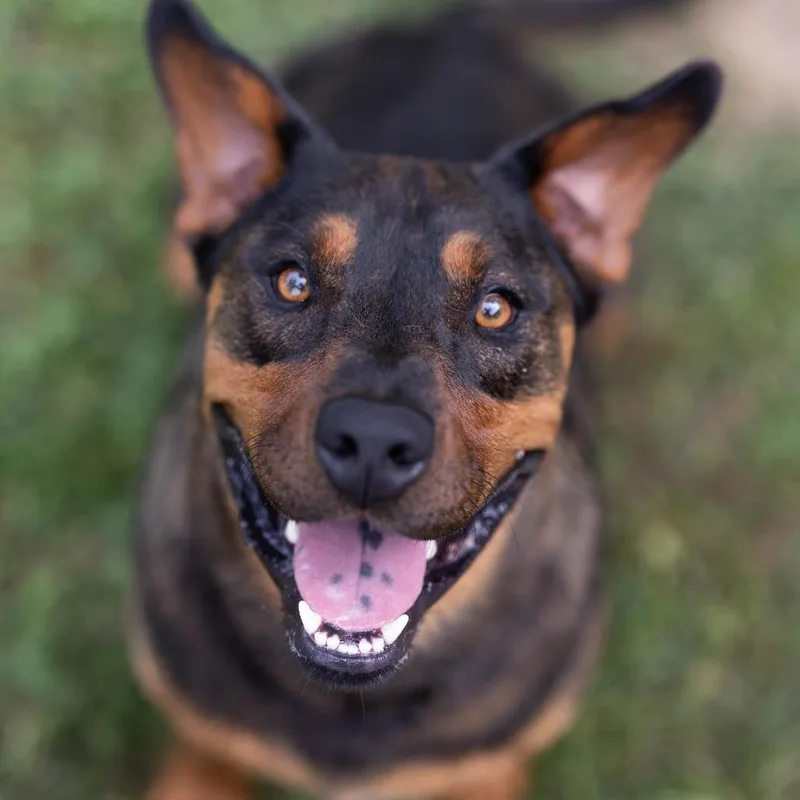
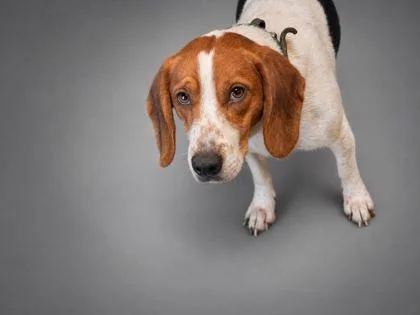
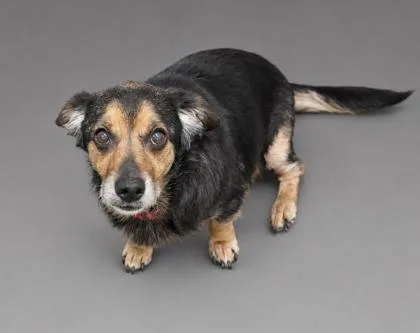
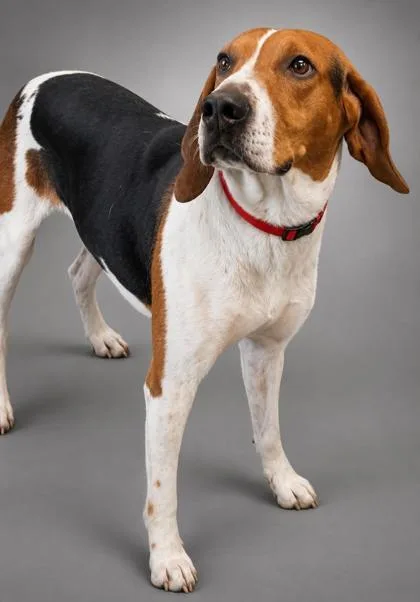
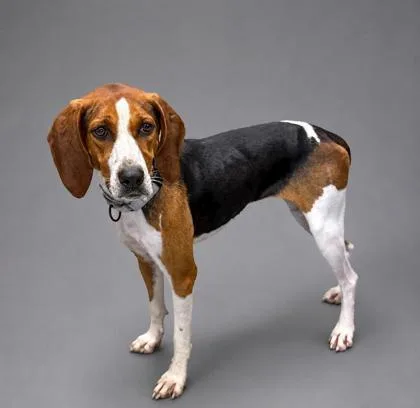
Rottweiler dog

Rottweiler Dogs for Adoption in Bowling Green, KY

Your guide to finding and caring for a Rottweiler in Bowling Green

Rottweilers suit Bowling Green best when they get a real daily outing. The paved GreenWays stretch across from Hills Bark Park on Cave Mill Road gives a big dog steady miles, and the park has a separate large-dog section. Rotties are calm and attached at home, but they need training and a job to do. In July and August, plan those walks for early morning, because the humidity here is hard on a black-coated dog.

1522 Rottweilers available in Bowling Green and nationwide

Give a Rottweiler a home

While we don't have enough dogs near Bowling Green, keep in mind that many rescues may offer transport.

Rottweilers Available for Adoption Near Bowling Green

About the Rottweiler breed

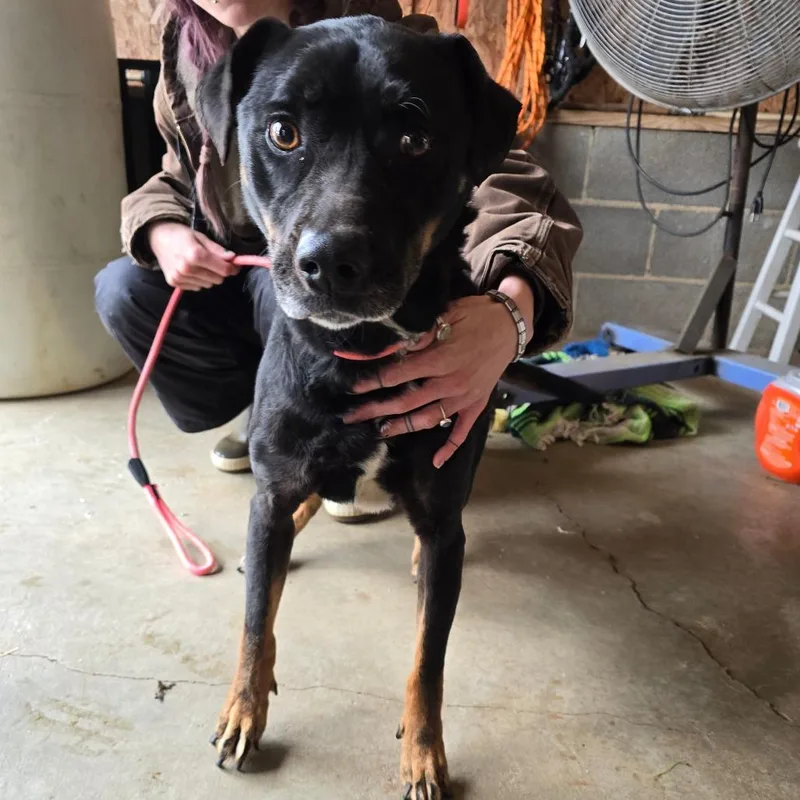
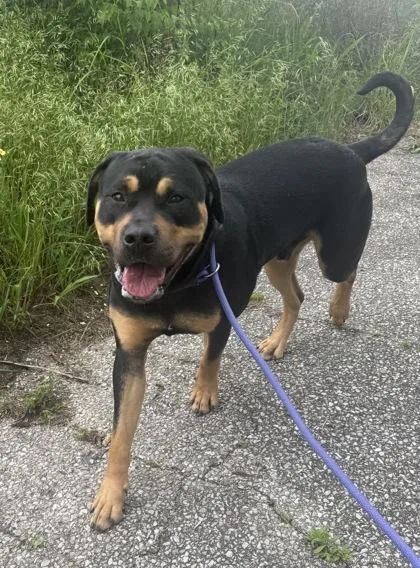
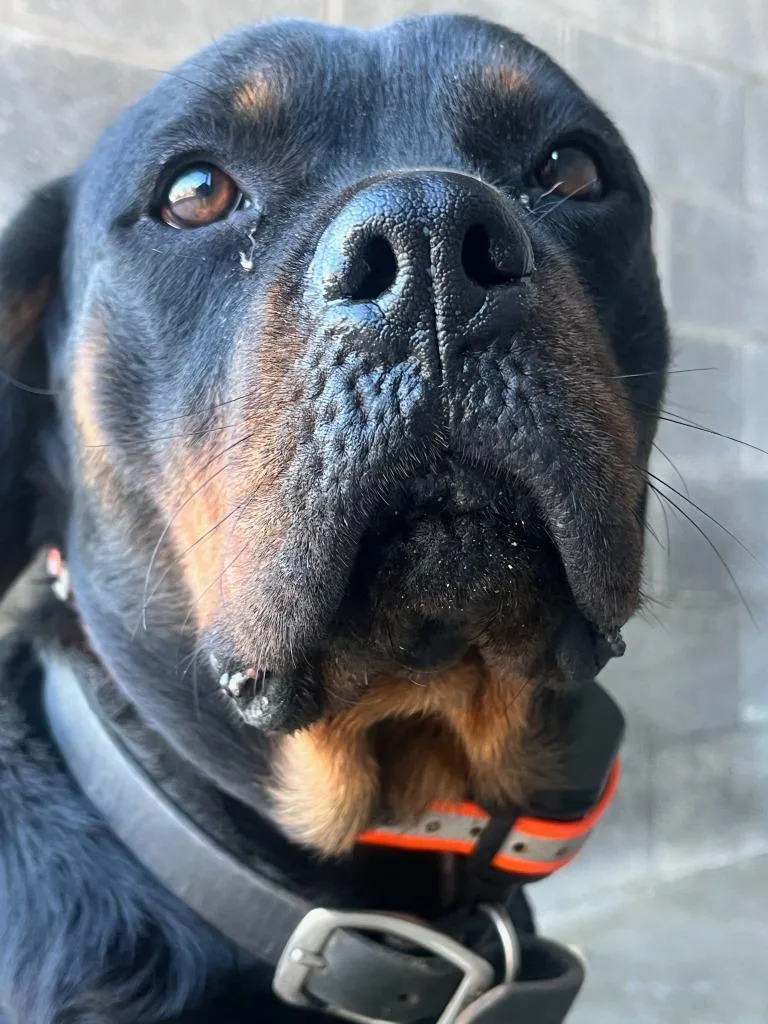
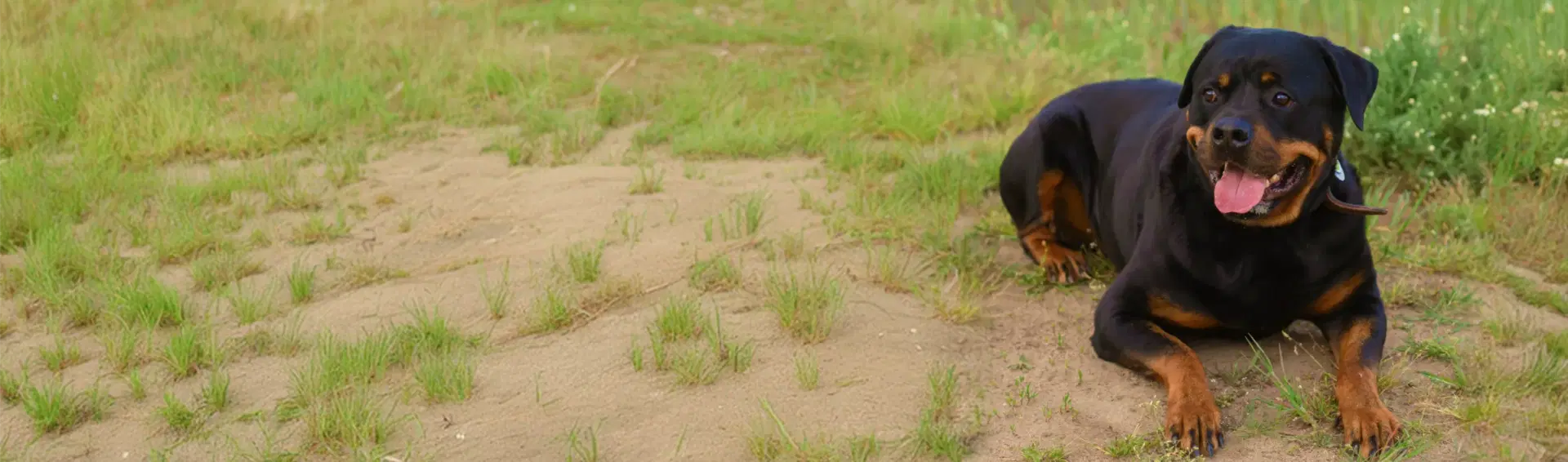
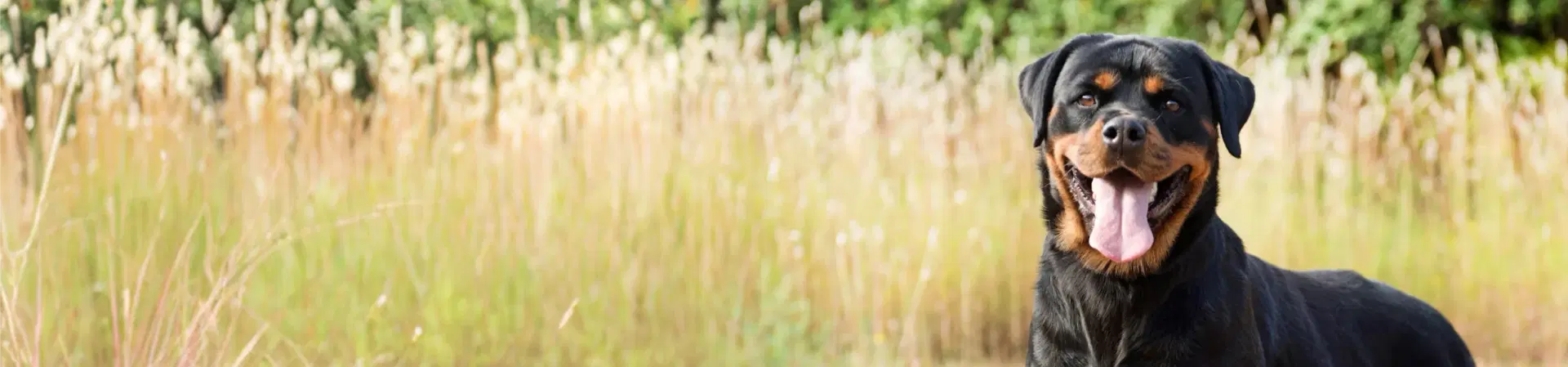
Rottweilers trace back to the German market town of Rottweil, where drover dogs moved cattle to market and pulled butchers' carts. They later worked as police and search dogs. The result is a powerful, compact dog with a short black coat and rust markings, typically 75 to 135 pounds, with a calm, watchful bearing.

At home, many Rottweilers are affectionate, a little goofy and happy to lean on their people, while staying reserved with strangers. Early socialization and consistent, reward-based training matter a great deal with a dog this strong. In Bowling Green, where a leash is required off your property, a dog that walks politely is a real advantage. Each Rottweiler differs, and adult dogs often arrive with temperaments that are easier to read.

Weight
75–135 lbs
Height
22–27 in
Lifespan
8–11 yrs
Temperament
Confident, Loyal, Protective, Calm
Group
Working
Shedding
Moderate

Owning a Rottweiler in Bowling Green

Having a Rottweiler in Bowling Green

Rottweilers pair a steady, confident nature with real strength, so training, exercise, joint health and space all shape daily life. In Bowling Green, hot summers and leash rules add a few practical details worth planning for before you adopt.

Temperament

Rottweilers tend to be calm and self-assured, with a wait-and-see attitude toward new people. Many are loving homebodies that shadow their owners. Their protective streak needs guidance, so sign up for a training class early and practice calm greetings on Bowling Green sidewalks. A dog's own history and personality matter more than breed reputation.

Exercise Needs

Plan on daily walks plus training or play, since most Rottweilers like having a job. Paved GreenWays paths, leashed walks in the Lost River Cave valley and the large-dog section at Hills Bark Park give variety. In summer, exercise early or late, as the black coat soaks up heat.

Health Considerations

Rottweilers are prone to hip and elbow dysplasia, cruciate ligament injuries, heart conditions and several cancers. Have a veterinarian check hips, elbows and heart after adoption, and keep your Rottie lean to protect the joints. Year-round heartworm prevention is worthwhile in Kentucky's humid climate.

Living Space

A Rottweiler does best in a house with a secure fence, though a roomy apartment can work with enough daily exercise. Most Bowling Green households rent, so check weight limits before you apply. Rotties should live indoors with the family, and their size calls for care around small children.

What it costs to own a Rottweiler in Bowling Green

ExpenseTypical costPer year
Food$55 to $110 per month$660 to $1,320
Pet insurance$65 to $130 per month$780 to $1,560
Routine vet care$250 to $500 per year$250 to $500
Other*$485 to $1,290 per year$485 to $1,290
Estimated yearly total (after year one)$2,175 to $4,670

Other costs are estimates and vary with size, age and health.

* The Bowling Green dog license ($10 spayed or neutered, $40 not), flea, tick and heartworm prevention, a dental cleaning allowance, toys and bedding, and basic brushing supplies for a short coat.

Rottweiler dog

Adopt a Rottweiler in Bowling Green.

Now that you know more, let’s find you a new best friend. These rescues and shelters below have dogs available in and near Bowling Green.

Rescues and Shelters in or near Bowling Green

Bowling Green and Warren County's shelter and local rescues list adoptable dogs here, and the Rottweilers and other pets shown change as new dogs arrive. Here are the rescues & shelters in the Bowling Green area with dogs available for adoption, worth asking whether a Rottweiler is coming in.

Frequently Asked Questions

Yes, with care. About 47 days a year reach 90°F in Bowling Green, mostly in July and August, and the humidity makes it feel worse for a black-coated Rottweiler. Walk at dawn or after dusk, bring water, skip hot pavement, keep the dog in air conditioning at midday, and never leave it in a parked car.

Plan on traveling by car. Bowling Green's GO bg buses run on weekdays, and a large Rottweiler may not be allowed aboard, since transit pet rules vary and often favor small carried pets. For vet visits and outings, a crate or a secured seat in a car is the most dependable way to move a dog this size.

Hills Bark Park at H.P. Thomas Park on Cave Mill Road is the city's enclosed off-leash area, with a separate large-dog section. Leashed dogs can walk the Lost River Cave valley trails, though not the boat tour. Paved GreenWays paths, which start across from the Bark Park, suit long leashed walks.

Yes. There is no known breed ban in Bowling Green, and dangerous-dog rules depend on a dog's behavior. You'll need an annual city license ($10 if spayed or neutered, $40 if not), a tag on the collar, and a rabies vaccine. Off your property, keep the dog on a leash of 6 feet or shorter.

It can, if the building allows it and the dog gets daily exercise and training. About 63% of Bowling Green households rent, and the lease controls pet deposits, fees, and size or breed limits, so confirm those in writing. A ground-floor unit near a GreenWays path makes daily outings easier.

It can be, for an adopter who enjoys training and daily walks. Cool winters and plentiful paved paths suit the breed, while humid summers need early walks and indoor cooling. Expect fireworks noise around July 4, and keep a leash and ID ready for spring storms. A secure yard or fenced space helps.

Only to some patios. Kentucky lets restaurants welcome leashed dogs in open-air dining areas that have a separate entrance, but each restaurant decides, and pet dogs aren't allowed indoors. Dogs can't sit on chairs or tables. Bring a mat and water, and keep a Rottweiler under close control around other diners.

Very little. A Rottweiler's short, dense coat needs weekly brushing, more often during seasonal shedding, plus occasional baths, nail trims and ear checks. Humid summers can mean more bathing after muddy or sweaty outings. Most owners groom at home, so professional grooming adds little beyond the Other costs of $485 to $1,290 a year.

Rottweilers typically live about 8 to 11 years, which is shorter than average for dogs. Recent UK veterinary studies put the breed's typical life expectancy between roughly 8 and 10.6 years, and cancer is the leading cause of death reported by breed clubs. Keeping a Rottie lean, active and up to date on veterinary checkups gives it the best chance at a full life.

Expect roughly $55 to $110 a month for food and $65 to $130 a month for pet insurance. Routine vet care runs about $250 to $500 a year. Other yearly costs, including the city license, prevention, dental care and supplies, add about $485 to $1,290. Emergencies and illness cost extra.