
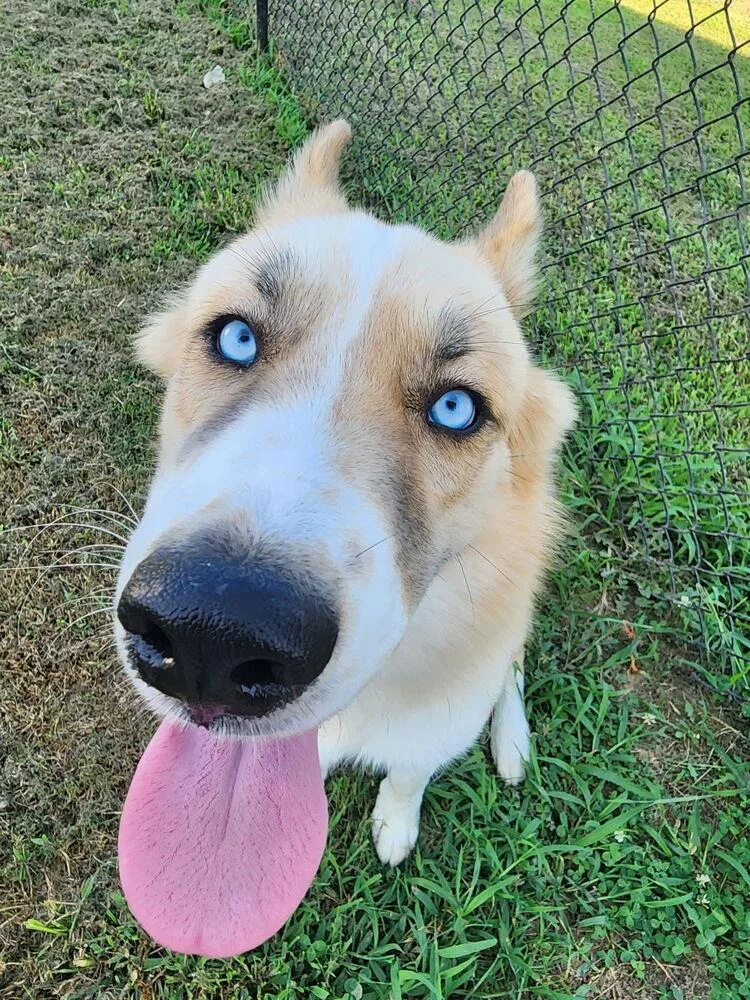
Swedish Vallhund Dogs for Adoption in Wichita, KS

Your guide to finding and caring for a Swedish Vallhund in Wichita

A Swedish Vallhund fits Wichita's older neighborhoods well, with Delano's established streets and the Arkansas River Path close by. It's small enough for a bungalow or an apartment but built like a working farm dog, so it wants a real walk every day. Expect plenty of announcements when the mail carrier shows up. A trick-training session after work or a weekend loop at Pawnee Prairie Park keeps a Vallhund happy, and those short legs don't slow it down.

691 dogs similar to Swedish Vallhund available in Wichita and nationwide

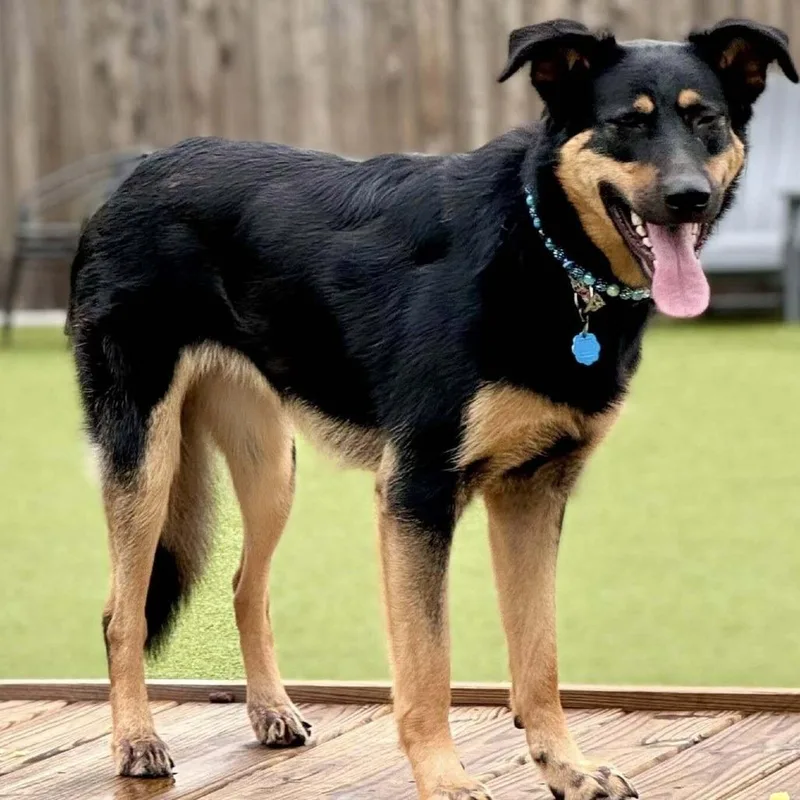
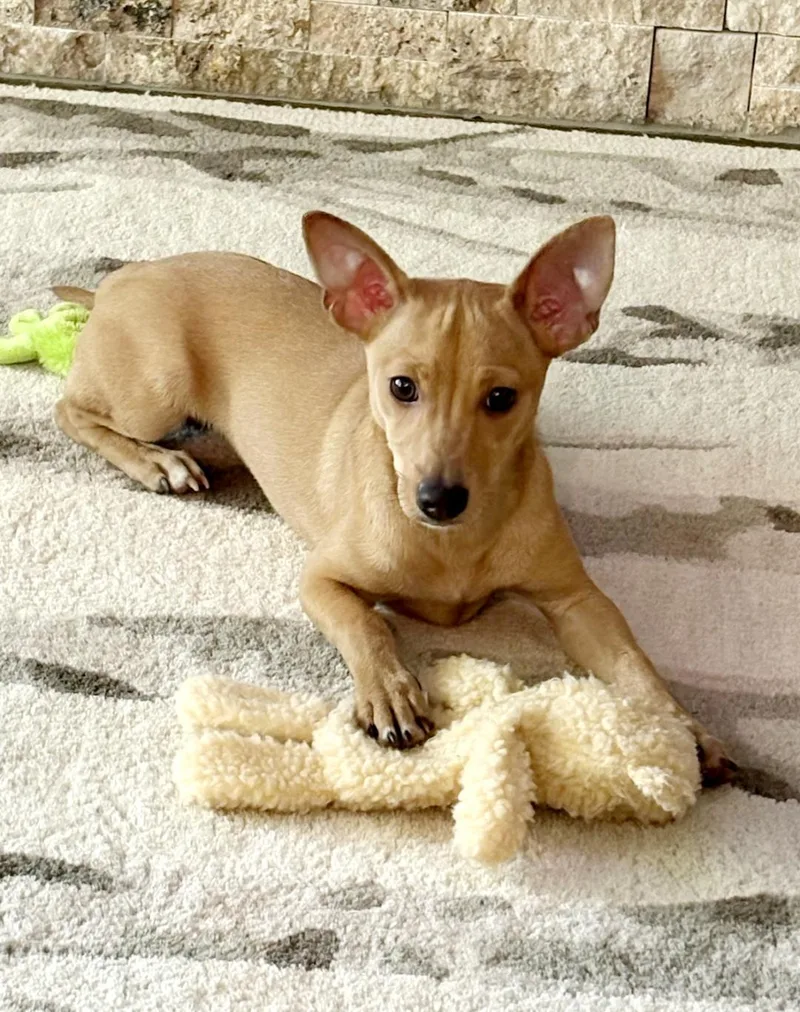
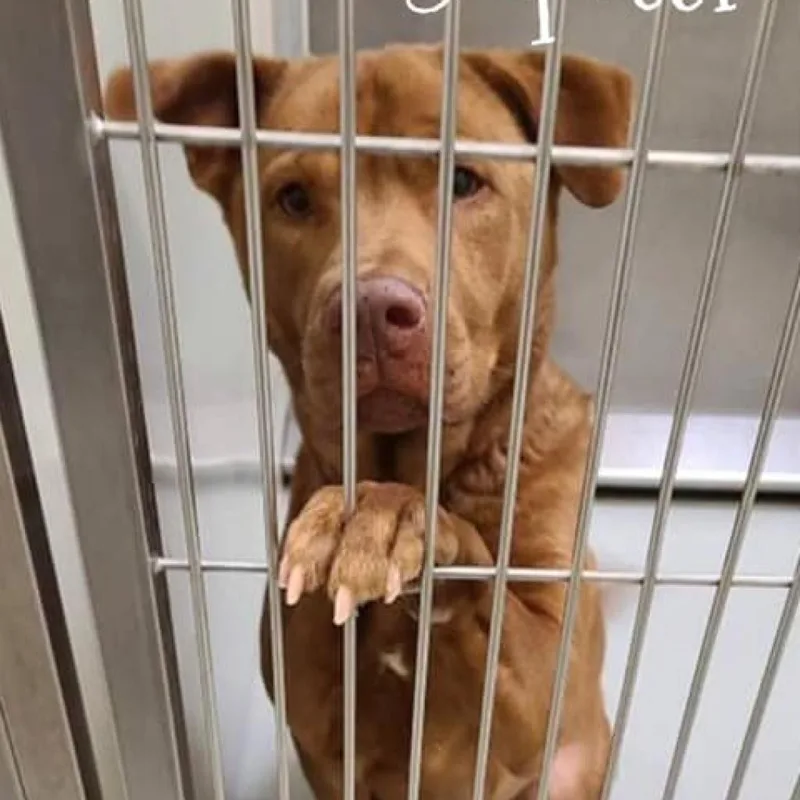
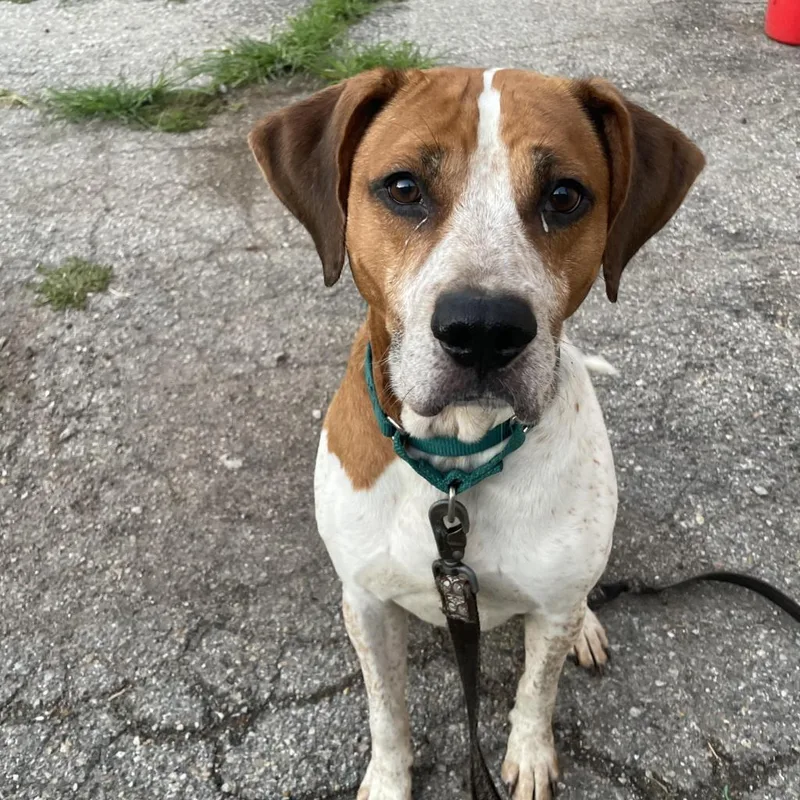
Meet your next Swedish Vallhund

While we don't have enough dogs near Wichita, keep in mind that many rescues may offer transport.

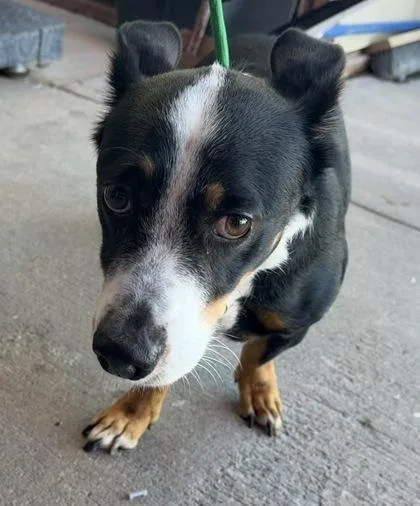
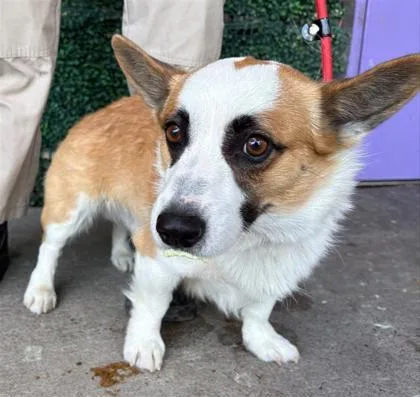
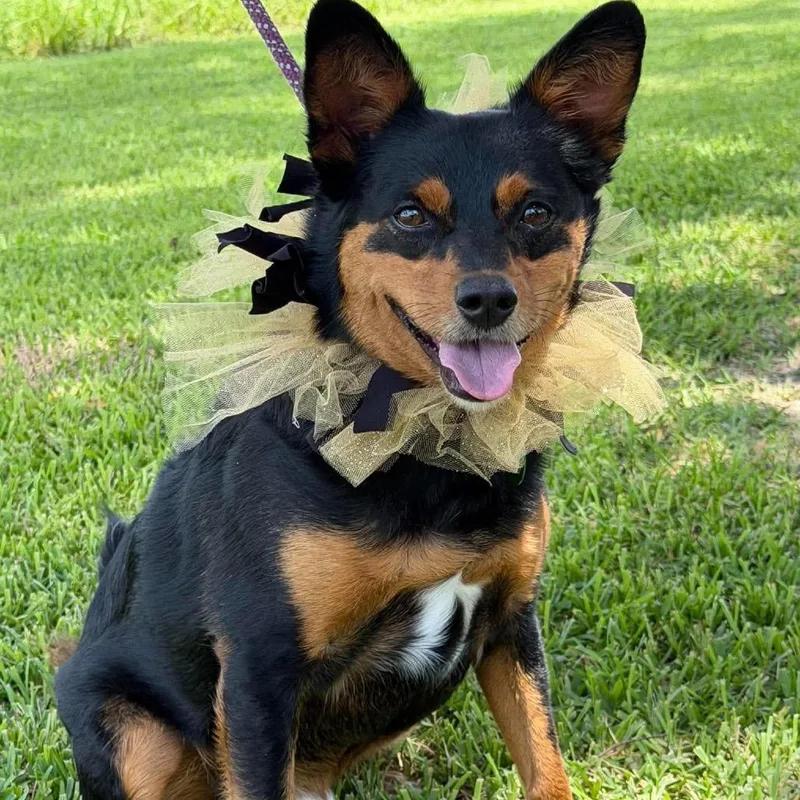
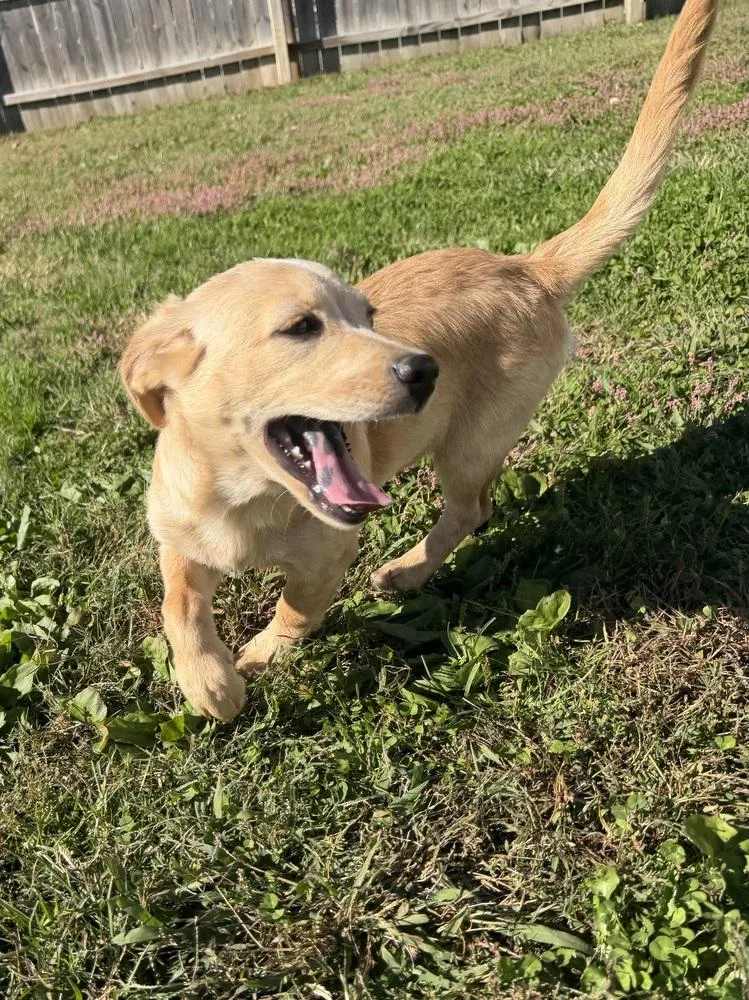
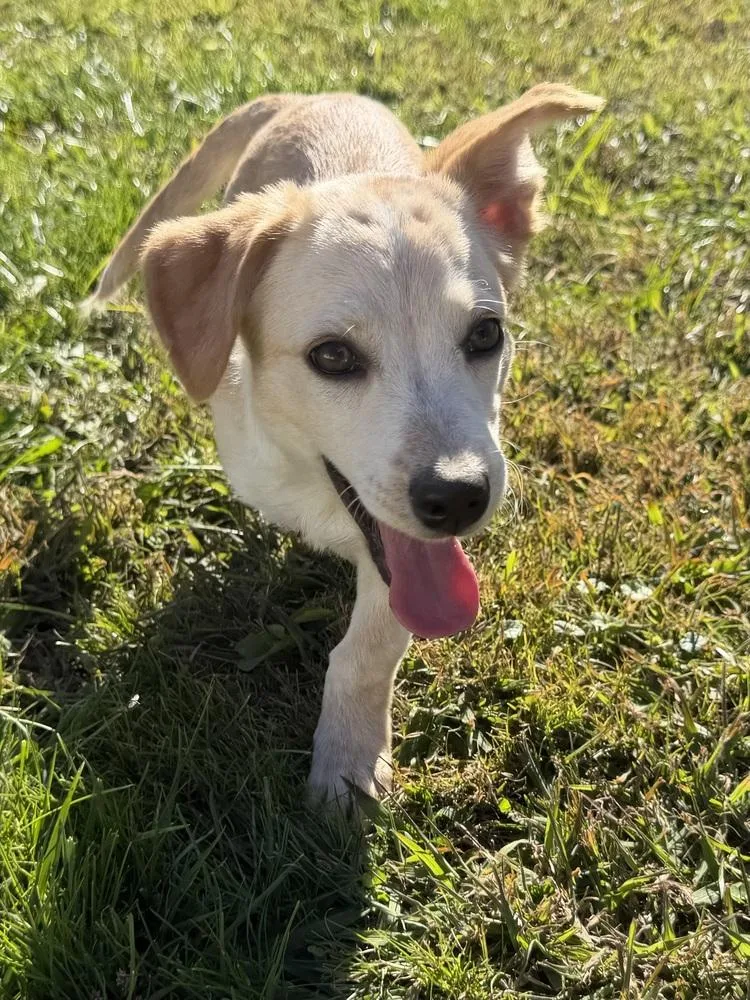
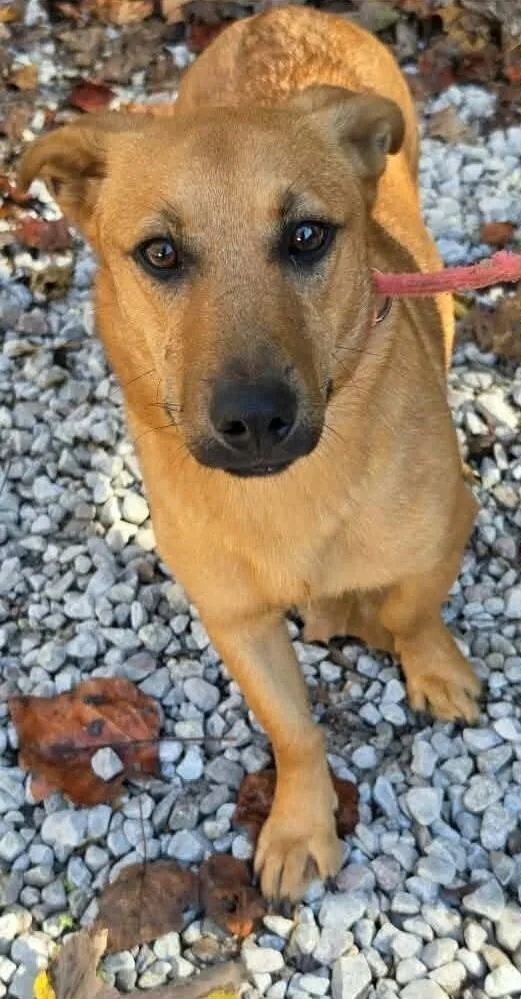
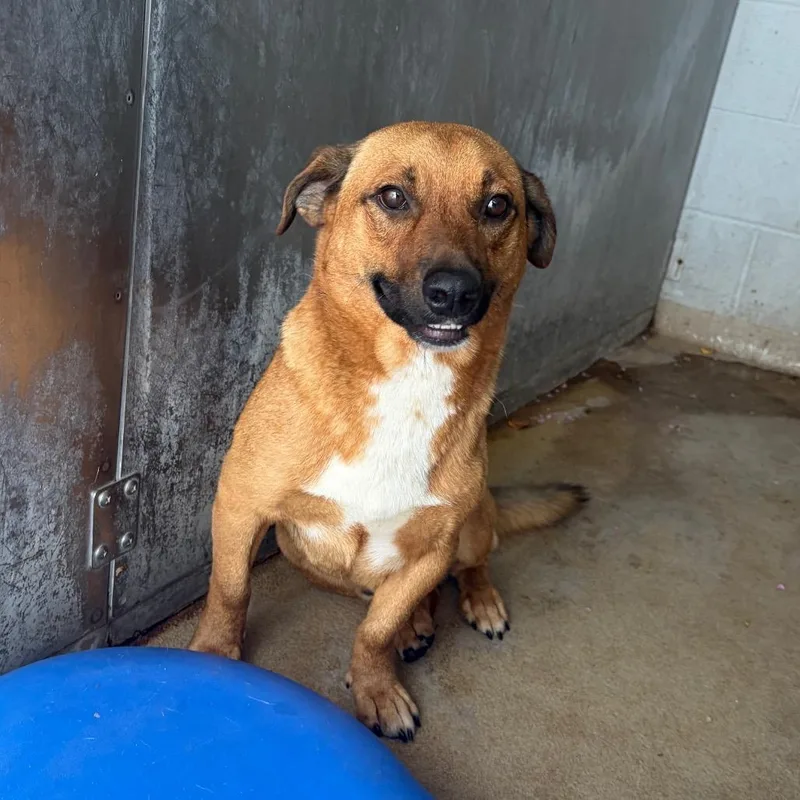
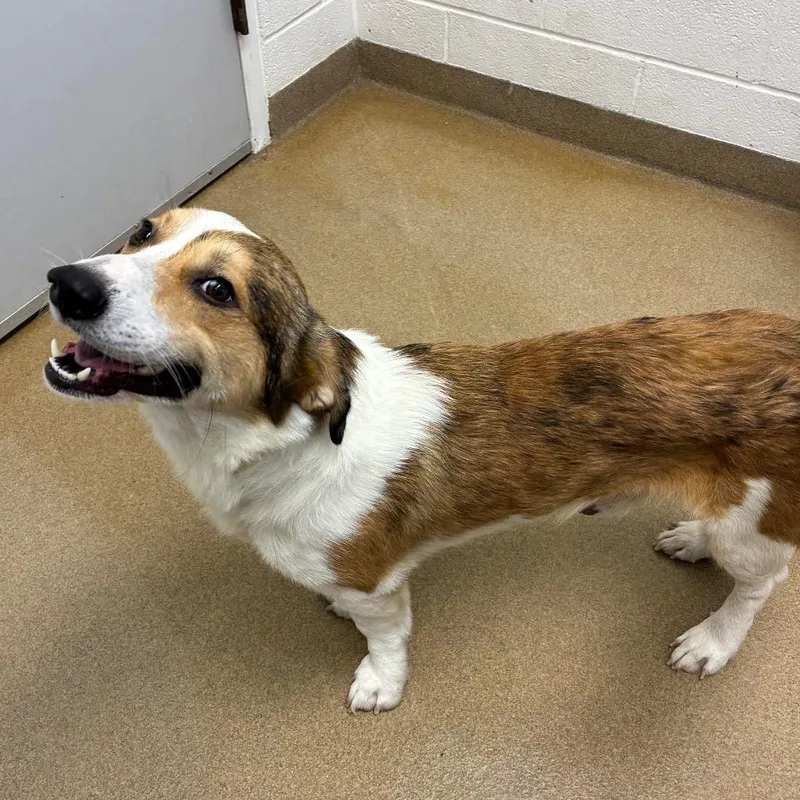
Swedish Vallhunds and Similar Breeds Available for Adoption Near Wichita

About the Swedish Vallhund breed

The Swedish Vallhund is an old spitz-type cattle dog from Västergötland, Sweden, where farmers used it to herd, guard and catch rats. The breed nearly disappeared in the early 1940s before two enthusiasts rebuilt it from a few farm dogs. Its name simply means herding dog.

Standing about 11 to 14 inches tall and weighing 20 to 35 pounds, it has a sturdy, low build, prick ears and a dense double coat in gray to red sable. In Wichita, that coat copes with cold winters but needs attention in July heat. Vallhunds are watchful, friendly and eager to please, and they do best with owners who enjoy training and can handle heavy seasonal shedding and a talkative dog.

Weight
20–35 lbs
Height
11–14 in
Lifespan
12–15 yrs
Temperament
Alert, Energetic, Friendly
Group
Herding
Shedding
Moderate to High

Owning a Swedish Vallhund in Wichita

Having a Swedish Vallhund in Wichita

Compact, short-legged and full of herding drive, the Vallhund suits people who like training and time outdoors. Daily activity, a thick shedding coat, a retinopathy risk and a tendency to speak up all shape the fit, though each dog varies.

Temperament

Many Vallhunds are friendly, confident and devoted to their families, and most welcome visitors once they've announced them. In Wichita, that watchfulness can mean barking at passersby or at fireworks around July 4. Herding instincts may show up as heel nipping. Early socialization and reward-based training help, though personalities vary from dog to dog.
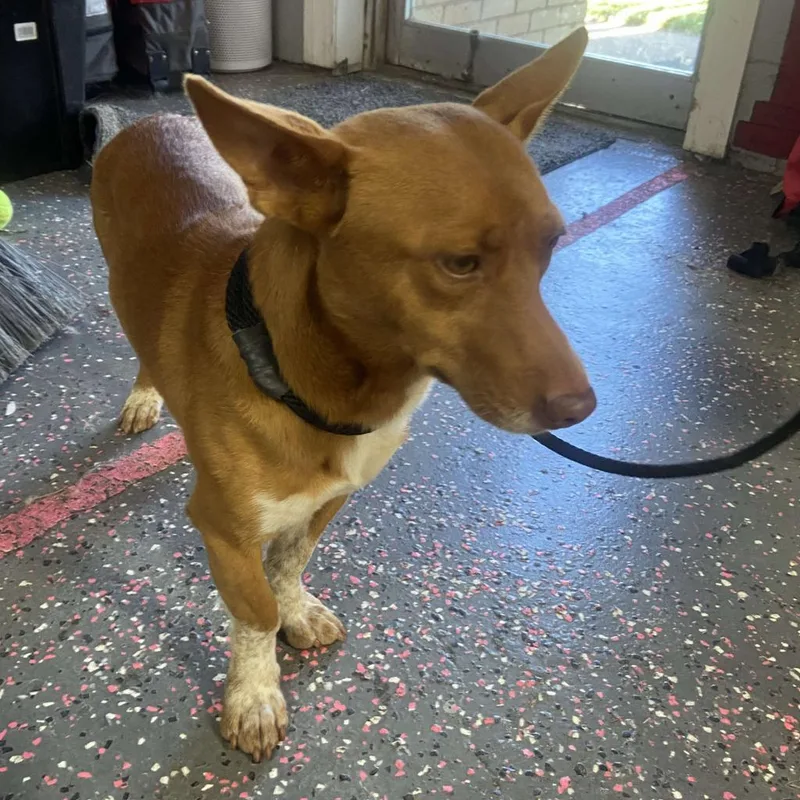

Exercise Needs

Plan on daily walks plus active play or a job. The Arkansas River Path, about 10 miles long, gives a Vallhund plenty of room for leashed walks, and training games, agility or puzzle toys cover the mental side. Short indoor sessions work on stormy or icy days. A bored Vallhund tends to bark or invent its own entertainment.

Health Considerations

Retinopathy affects a notable share of Vallhunds and can cause night blindness in middle age, and hip and joint problems also appear. Keeping weight trim protects the long back. A veterinarian can check the eyes and hips. In Wichita, keep rabies vaccination, flea and tick control, and heartworm prevention current.

Living Space

Vallhunds adapt to a Wichita apartment or a house with a fenced yard, as long as exercise and mental work are covered. Barking carries through shared walls, so work on quiet cues early. A secure fence helps with yard time. Expect heavy shedding twice a year, and keep this people-focused dog indoors with the family.

What it costs to own a Swedish Vallhund in Wichita

ExpenseTypical costPer year
Food$20 to $45 per month$240 to $540
Pet insurance$35 to $70 per month$420 to $840
Routine vet care$200 to $400 per year$200 to $400
Other*$490 to $1,265 per year$490 to $1,265
Estimated yearly total (after year one)$1,350 to $3,045

Other costs are estimates and vary with size, age and health.

* The $15 Wichita dog license for a spayed or neutered dog, flea, tick and heartworm prevention, a dental cleaning allowance, toys and bedding, and extra brushing and baths for heavy seasonal shedding.

Adopt a Swedish Vallhund in Wichita.

Now that you know more, let’s find you a new best friend. These rescues and shelters below have dogs available in and near Wichita.

Rescues and Shelters in or near Wichita

Wichita's shelters and rescues care for dogs of every size, and the groups below list their adoptable pets right here. Here are the rescues & shelters in the Wichita area with dogs available for adoption, worth asking whether a Swedish Vallhund is coming in.

Frequently Asked Questions

Yes, a Swedish Vallhund suits Wichita households that can offer daily walks, training and company. Comfortable spring and fall days make outdoor time easy, while hot summers and spring storms call for early walks and an indoor plan. Alert barking can bother neighbors, so teach a quiet cue early, and expect noisy fireworks around July 4.

Many can, with care. Wichita sees about 65 days a year at or above 90°F, and a Vallhund's dense double coat holds heat. Walk at dawn or after sundown, provide water and shade, and test pavement with the back of your hand. Don't shave the coat, and never leave a dog in a parked car.

Yes. Wichita has no known breed restriction affecting Swedish Vallhunds. Dogs over five months old need a city license tied to a rabies vaccination, and dogs and cats five months and older must be microchipped. A household can keep up to three dogs without a permit, and tethering is limited to one continuous hour.

Yes, a Swedish Vallhund can do well in a Wichita apartment if it gets daily exercise and mental work. Its small size helps, but alert barking carries through shared walls, so practice quiet cues and leave puzzle toys when you're out. A ground-floor unit near a good walking route makes daily routines easier.

K-9 Rooster Dog Park, about eight acres along the Arkansas River, gives a Vallhund room to run off leash. For leashed outings, try Pawnee Prairie Park's five-mile marked trail loops or the roughly 10-mile Arkansas River Path. Off-leash parks only admit neutered dogs at least five months old.

Plan on weekly brushing most of the year and near-daily brushing during the twice-yearly coat blowouts, usually spring and fall in Wichita. Don't shave the double coat, since it insulates against both summer heat and winter cold. Baths every few months are enough. Professional grooming is optional and falls under the Other line in the cost table.

Sometimes, on patios. Kansas law lets restaurants allow leashed dogs outdoors, and microbreweries may allow them inside, but each business decides. Keep your Vallhund leashed and off tables, bars and counters. A dog that settles quietly on a mat and doesn't bark at passersby is the easiest patio guest.

Only in limited cases. Wichita Transit runs buses, and a pet that isn't a service animal must ride in an approved carrier that fully contains it. Most adult Vallhunds weigh 20 to 35 pounds, so few fit comfortably. Service animals are allowed but must be declared when boarding.

The Swedish Vallhund is often called the Viking dog, and its breed club and the AKC describe it as known since the time of the Vikings, more than a thousand years ago. Firm archaeological proof is limited, so the link rests largely on tradition. Its resemblance to Welsh Corgis has fueled theories that Viking-era contact spread one breed's ancestors to the other.

Expect roughly $20 to $45 a month for food and $35 to $70 for pet insurance, plus $200 to $400 a year for routine vet care and $490 to $1,265 a year for other costs like prevention, dental care and grooming. That works out to about $1,350 to $3,045 a year.