Standard Schnauzer Dogs for Adoption in Wichita, KS

Your guide to finding and caring for a Standard Schnauzer in Wichita

Standard Schnauzers suit Wichita's older neighborhood streets and long riverside paths, as long as they get a real workout every day. In College Hill or Delano, a sturdy, medium-sized Standard can cover sidewalk loops before breakfast and still want more. They're watchful, so expect an announcement when the mail arrives. Plan on an hour of activity plus some thinking games, with a longer weekend walk on the Arkansas River Path, and keep summer afternoons for the air conditioning.

553 Standard Schnauzers available in Wichita and nationwide

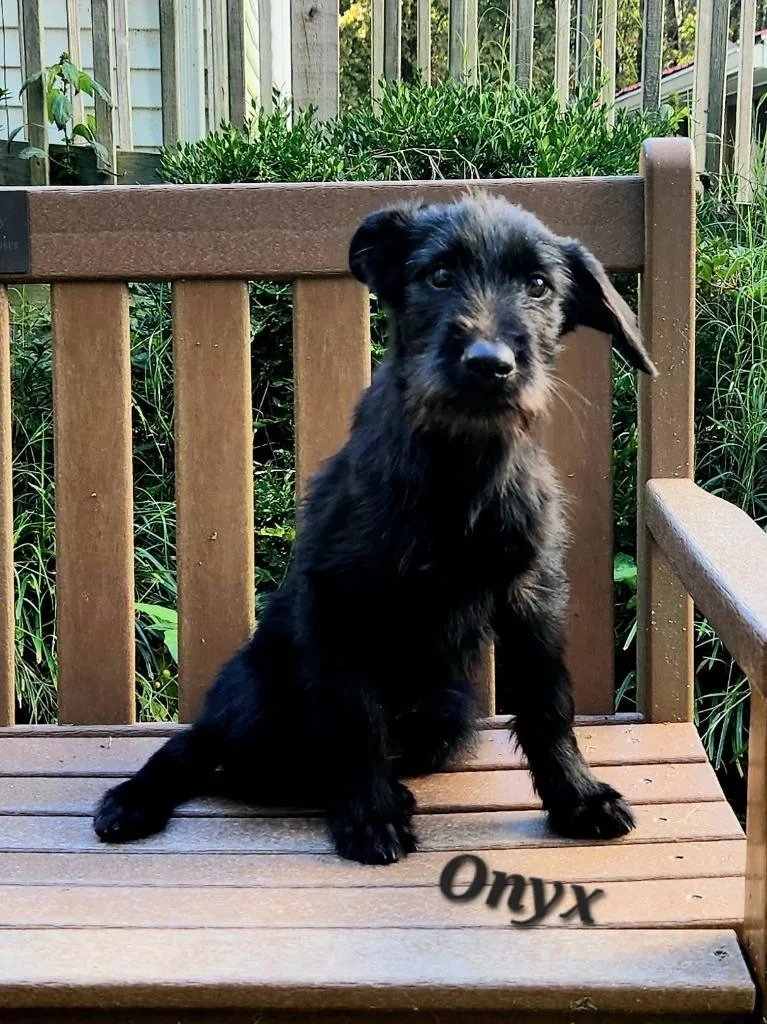
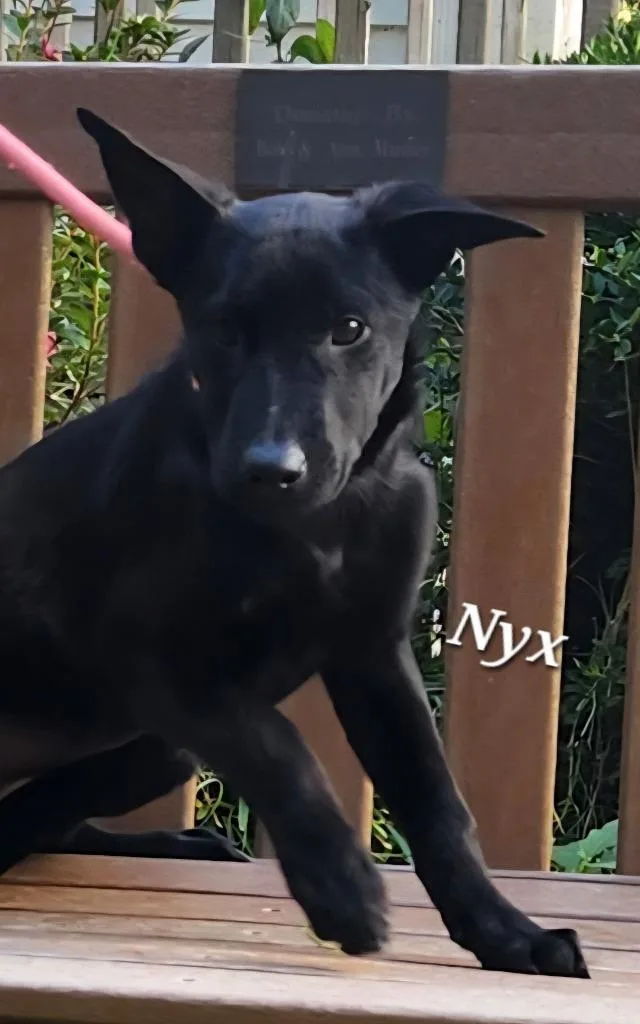
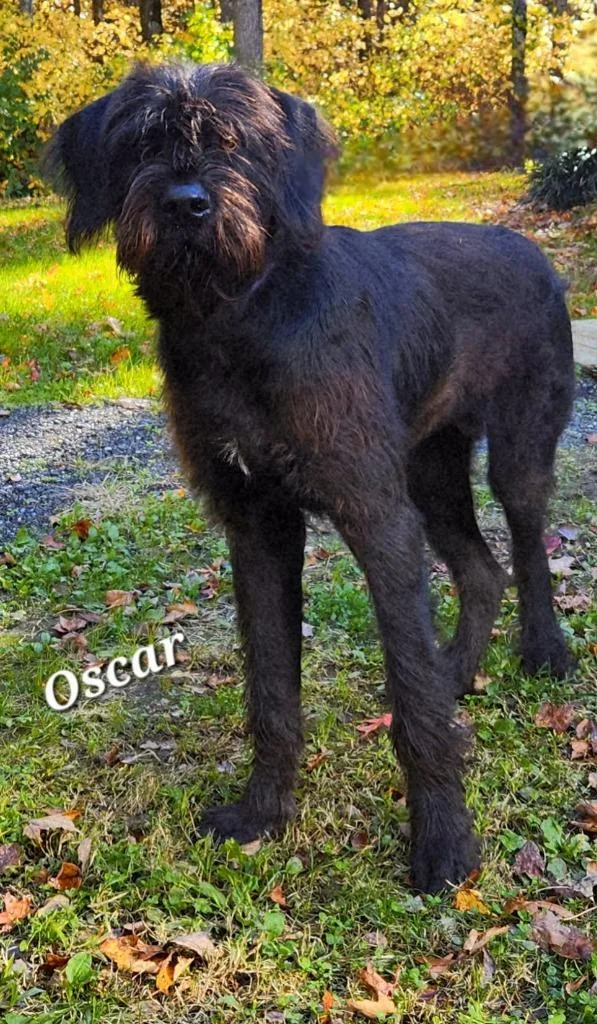
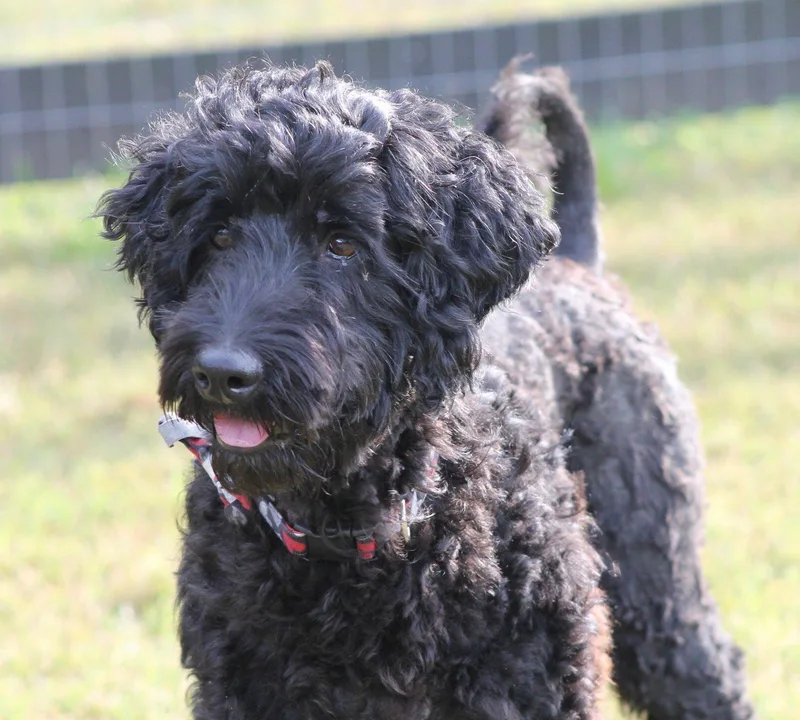
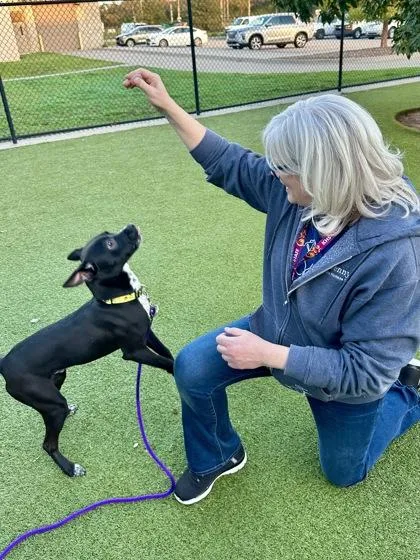
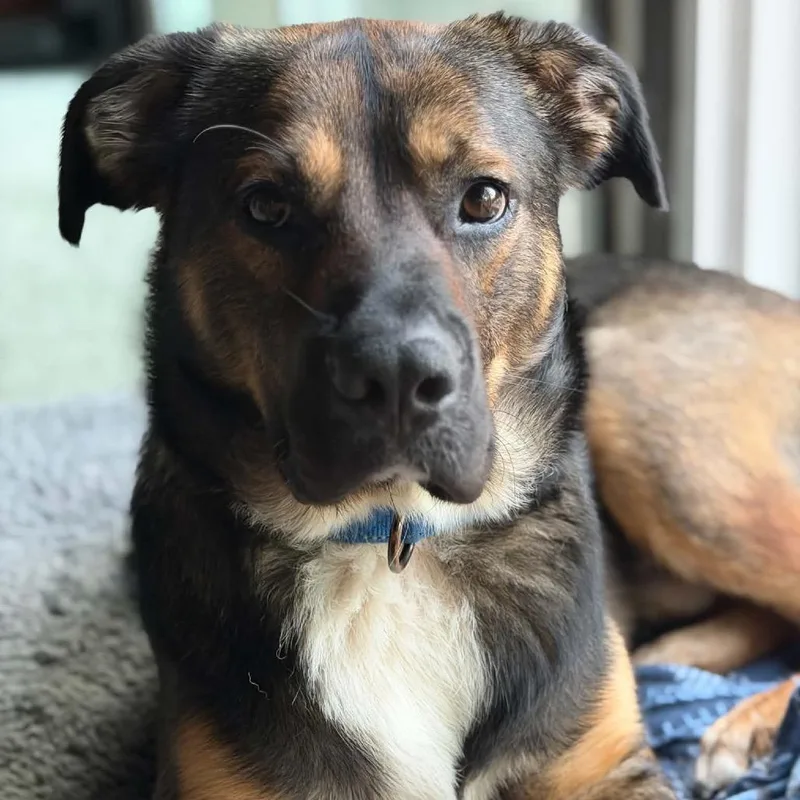
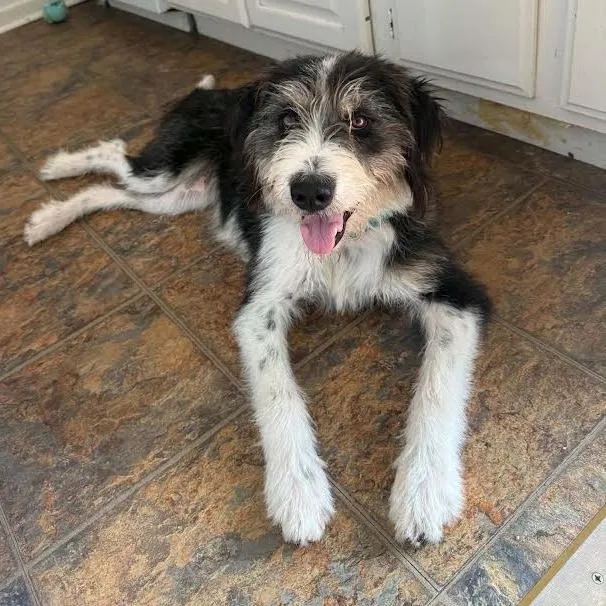
Meet a Standard Schnauzer who needs you

While we don't have enough dogs near Wichita, keep in mind that many rescues may offer transport.

Standard Schnauzers Available for Adoption Near Wichita

About the Standard Schnauzer breed

The Standard Schnauzer is the original of the three Schnauzer breeds, developed in southern Germany as a farm dog that caught rats, guarded the yard and trotted alongside carriages. A bristly beard and eyebrows, plus a harsh, wiry coat in pepper and salt or solid black, give it a serious look. Most weigh 30 to 50 pounds.

Many Standards are clever, spirited and loyal, with a watchful streak and a playful one. The wiry coat sheds little but needs regular brushing and either hand-stripping or clipping every six to eight weeks. In Wichita, the breed suits adopters who walk daily, enjoy training and can keep up with a dog that thinks for itself. Each dog's energy and manners vary, so spend time with the dog before deciding.

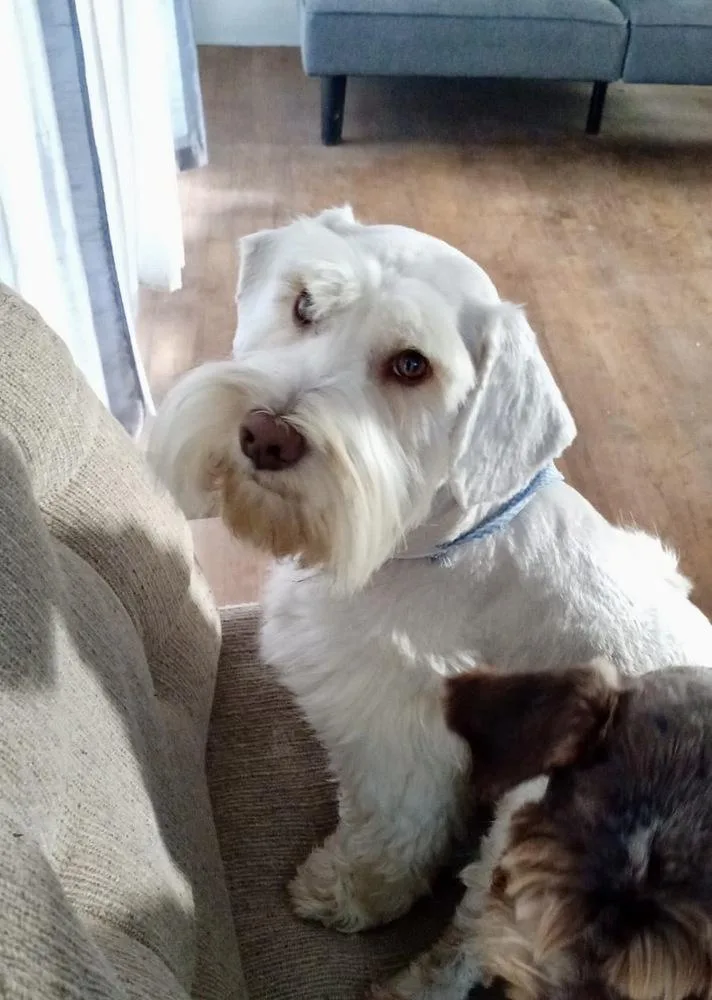
Weight
30–50 lbs
Height
17–20 in
Lifespan
12–16 yrs
Temperament
Intelligent, Spirited, Protective
Group
Working
Shedding
Low

Owning a Standard Schnauzer in Wichita

Having a Standard Schnauzer in Wichita

Standard Schnauzers pair working-dog drive with sharp wits and a guardian's instincts. In Wichita, that means daily outings on the river paths, training that keeps their minds busy, and a plan for hot summer afternoons. Every dog's needs differ.

Temperament

Many Standards are bold, devoted and reserved with strangers, so doorbells and passersby on busy Wichita blocks may set off a deep alert bark. Early socialization and consistent, reward-based training help them settle. Some are dog-selective or chase small animals, so leashed walks are the safer choice until you know how the dog behaves.

Exercise Needs

Plan on an hour or more a day. Leashed laps on the Arkansas River Path or at Pawnee Prairie Park suit brisk walks, while Wichita's fenced dog parks give room for fetch. Add scent games or obedience work to tire out the mind. Older dogs usually prefer shorter, steadier outings.

Health Considerations

Standard Schnauzers are generally robust, but hip dysplasia, eye problems such as cataracts, and hypothyroidism turn up in the breed. A veterinarian can check hips, eyes and weight at the first visit. In Wichita, year-round heartworm and flea and tick prevention matters, and so does heat safety during long summers.

Living Space

Wichita's many houses with fenced yards suit a Standard well, though one can manage in an apartment with enough daily exercise. Their barking can carry in shared buildings. They like living indoors near their people and may turn destructive if left alone for long stretches, so think through your weekday schedule.

What it costs to own a Standard Schnauzer in Wichita

ExpenseTypical costPer year
Food$35 to $70 per month$420 to $840
Pet insurance$45 to $85 per month$540 to $1,020
Routine vet care$225 to $450 per year$225 to $450
Other*$890 to $2,265 per year$890 to $2,265
Estimated yearly total (after year one)$2,075 to $4,575

Other costs are estimates and vary with size, age and health.

* The $15 Wichita dog license for a spayed or neutered dog, professional grooming or hand-stripping every six to eight weeks, dental cleanings, flea, tick and heartworm prevention, and toys and bedding.

Adopt a Standard Schnauzer in Wichita.

Now that you know more, let’s find you a new best friend. These rescues and shelters below have dogs available in and near Wichita.

Rescues and Shelters in or near Wichita

Wichita's shelters and rescues take in many dogs, so each adoption helps make room for the next arrival. Here are the rescues & shelters in the Wichita area with dogs available for adoption, worth asking whether a Standard Schnauzer is coming in.

Frequently Asked Questions

Yes. No breed-specific rule is known for Standard Schnauzers in Wichita. You'll need to license the dog once it's over five months old ($15 a year if spayed or neutered), keep rabies vaccination current, and microchip it. Households can have up to three dogs without a permit, and dogs can't run at large.

It can be, for active people. Wichita offers river paths, fenced dog parks and plenty of yards that suit an energetic dog, but summers are hot and spring brings storms, so you'll adjust walk times and keep a storm plan. A Standard also wants company and training, so it suits adopters who are home a fair amount.

Yes, with planning. Wichita sees about 65 days a year at or above 90°F, so a Standard needs walks at dawn or after dark, shade and constant access to water. Test pavement with the back of your hand, and watch for heavy panting, staggering or unresponsiveness. Keep the dog indoors on the hottest afternoons.

Naftzger Bark Park downtown and K-9 Rooster Dog Park on the Arkansas River give a Standard room to run off leash; dogs must be 5 months or older, licensed and neutered, with ID and rabies tags. For leashed exercise, the roughly 10-mile Arkansas River Path and Pawnee Prairie Park's marked loops work well.

Plan on professional grooming or hand-stripping every six to eight weeks, plus brushing at home a couple of times a week to prevent mats and a beard wash after messy meals. Wichita's muddy springs and hot summers don't change the schedule much, though a shorter summer trim helps. Grooming is the largest part of the Other costs listed on this page.

Sometimes, on patios. Kansas law lets restaurants allow dogs in outdoor areas, and microbreweries can allow them indoors away from food prep, but each business decides. Keep your Standard leashed, off tables and chairs, and under control. Since many are reserved with strangers, a quiet patio corner works best.

Only in limited cases. Wichita Transit runs buses, not rail, and non-service pets must ride in an approved carrier that's fully enclosed. At 30 to 50 pounds, a Standard Schnauzer is too big for most carriers, so it generally can't ride unless it's a service animal declared at boarding. Check current rules with Wichita Transit.

A Standard Schnauzer is a medium-sized dog, standing about 17.5 to 19.5 inches at the shoulder. The AKC standard calls for males of 18.5 to 19.5 inches and females of 17.5 to 18.5 inches. They are square, sturdy and well-muscled, sitting between the smaller Miniature Schnauzer and the much larger Giant Schnauzer.

Most Standard Schnauzers weigh about 30 to 50 pounds, with males usually around 35 to 50 pounds and females around 30 to 45. They are muscular and solid for their height. The best guide is body condition: you should be able to feel the ribs under the wiry coat and see a defined waist from above.

Expect roughly $2,075 to $4,575 a year for a Standard Schnauzer in Wichita, counting food, insurance, routine vet care and other costs. Professional grooming is the biggest variable, while the $15 license for a spayed or neutered dog is a small part. Emergencies, boarding and training classes cost extra.

Find Standard Schnauzers in Nearby Cities

Expand your search to find Standard Schnauzers available for adoption near Wichita.