Klee Kai Dogs for Adoption in Wichita, KS

Your guide to finding and caring for a Klee Kai in Wichita

Klee Kai suit Wichita better than their husky looks might suggest. At 22 pounds or less, they fit a Midtown bungalow or a Bradley Fair apartment, and the Arkansas River Path gives them miles of leashed walking. They're watchful with strangers and talkative with their people, so a steady routine with plenty of activity works best. Expect a dog that sheds and wants a job, whether that's trick training or a fast game of fetch.

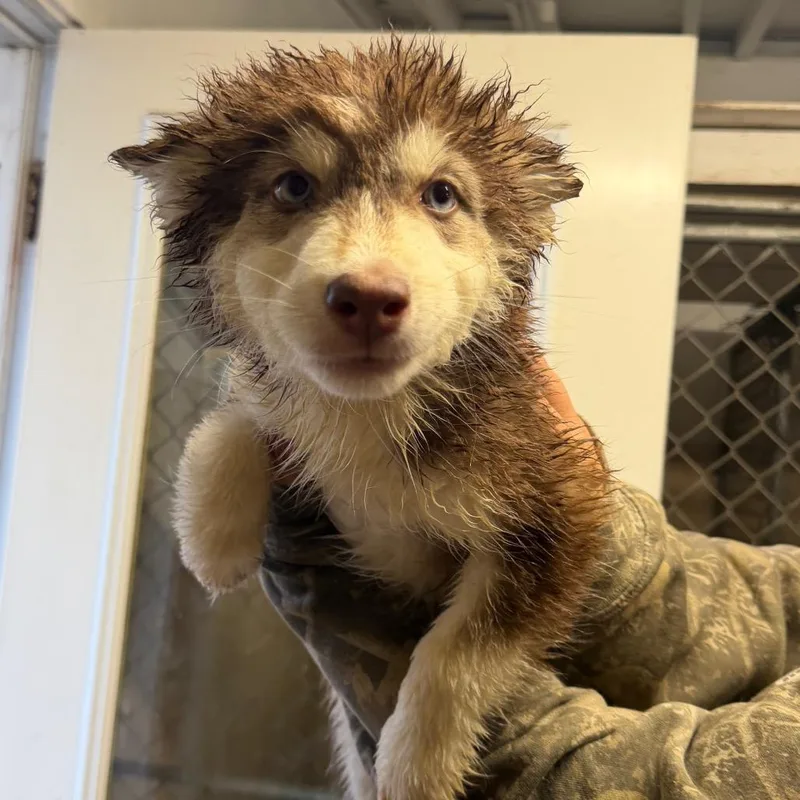
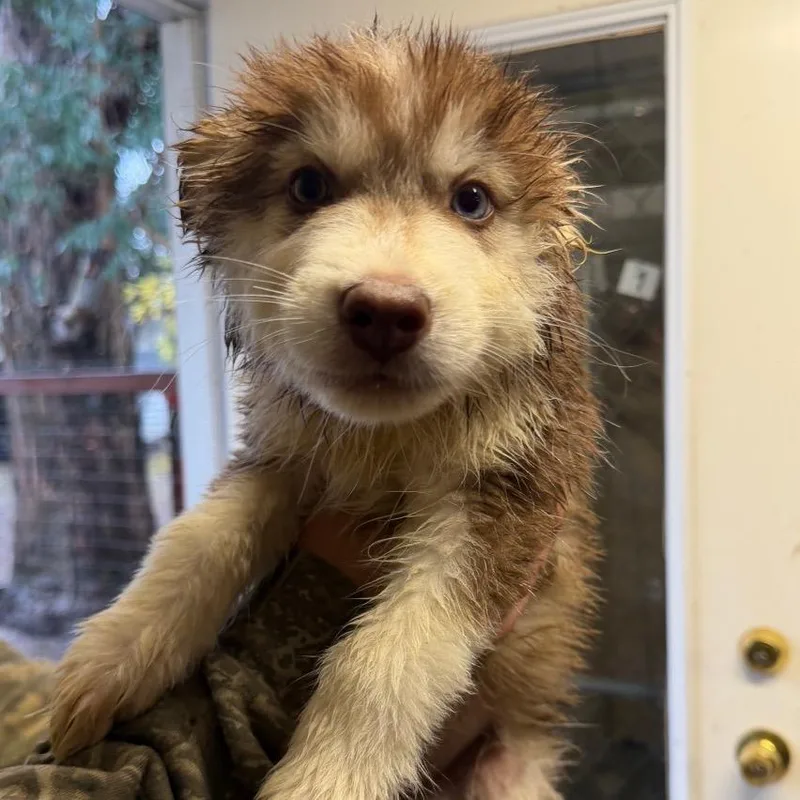
17 Klee Kais available in Wichita and nationwide

Your Klee Kai is waiting

While we don't have enough dogs near Wichita, keep in mind that many rescues may offer transport.

Klee Kais Available for Adoption Near Wichita

About the Klee Kai breed

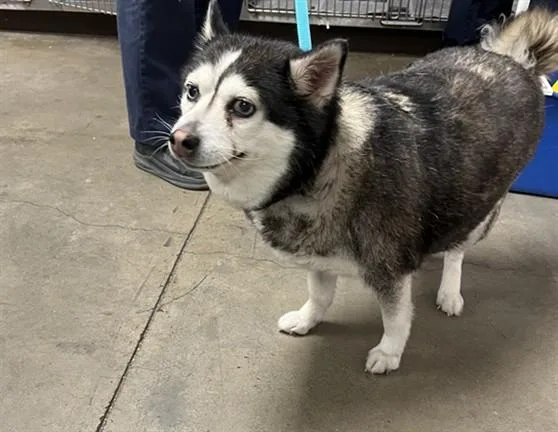
The Alaskan Klee Kai was developed in Alaska in the 1970s as a companion-sized take on the Alaskan Husky, with Siberian Husky, Schipperke and American Eskimo Dog added to bring the size down. The result is a miniature-husky look: facial mask, erect ears, curled tail and a thick double coat, in toy, miniature and standard sizes from about 6 to 22 pounds.

Klee Kai are often reserved with strangers but devoted to their families, and they're clever, vocal and quick to chase squirrels or rabbits. In Wichita, that means a secure yard for the many homes with fences and steady socialization on neighborhood walks. The breed is young and still uncommon, and dogs vary, so each Klee Kai's own personality matters more than the breed description.

Weight
6–22 lbs
Height
12–17 in
Lifespan
12–16 yrs
Temperament
Alert, Curious, Intelligent, Energetic
Group
Miscellaneous
Shedding
Moderate to High

Owning a Klee Kai in Wichita

Having a Klee Kai in Wichita

Klee Kai pair husky-style intelligence and energy with a small frame. Wariness with strangers, a strong chase instinct and a thick coat shape daily life more than the miniature-husky looks do, and Wichita's heat and cold add a few seasonal tweaks.

Temperament

Many Klee Kai are playful with family and reserved with new people, so Wichita's busy sidewalks are good practice for calm, rewarded greetings. Some are selective about other dogs, and most are talkative, with husky-style howls. Small animals can set off a chase, so keep the dog leashed around squirrels and rabbits.

Exercise Needs

Plan on a brisk walk or two daily plus play such as fetch, tricks or puzzle toys. The Arkansas River Path offers long leashed walks, and a fenced yard helps for sprints. Klee Kai jump and climb well, so use a secure leash outside fenced areas. Bored dogs may dig, chew or howl.

Health Considerations

Klee Kai are generally sturdy, but breed concerns include juvenile cataracts, liver disease, heart and thyroid problems, slipping kneecaps and factor VII deficiency, a clotting disorder with a DNA test. A veterinarian can check eyes, knees and heart and discuss testing before any surgery. Year-round flea and heartworm prevention suits Wichita's warm, humid summers.

Living Space

A Klee Kai can do well in a Wichita apartment, duplex or house when it has a daily exercise routine. Its size suits smaller homes, though howling can carry through thin walls. Yards need tall, dig-proof fencing, since these dogs climb and jump. Homes with cats or other small pets need careful planning.

What it costs to own a Klee Kai in Wichita

ExpenseTypical costPer year
Food$20 to $45 per month$240 to $540
Pet insurance$35 to $70 per month$420 to $840
Routine vet care$200 to $400 per year$200 to $400
Other*$490 to $1,290 per year$490 to $1,290
Estimated yearly total (after year one)$1,350 to $3,070

Other costs are estimates and vary with size, age and health.

* The $15 Wichita dog license for a spayed or neutered dog, flea, tick and heartworm prevention, a dental cleaning allowance, toys and bedding, and extra brushing when the double coat sheds out.

Adopt a Klee Kai in Wichita.

Now that you know more, let’s find you a new best friend. These rescues and shelters below have dogs available in and near Wichita.

Rescues and Shelters in or near Wichita

Wichita's adoptable dogs come through the Kansas Humane Society and local rescues, and the listings here change often. Here are the rescues & shelters in the Wichita area with dogs available for adoption, worth asking whether a Klee Kai is coming in.

Frequently Asked Questions

Yes, Wichita has no known breed-specific rule for Klee Kai. You'll need a city dog license once the dog is over five months old, a microchip, and rabies vaccination at least every three years. Households can keep up to three dogs without a permit, and renters should confirm the lease allows pets.

Naftzger Bark Park downtown and K-9 Rooster Dog Park on the Arkansas River are good off-leash options, though dogs must be neutered, licensed and vaccinated. For leashed walks, a Klee Kai gets plenty of miles on the Arkansas River Path and the loops at Pawnee Prairie Park. Use a secure leash, since the breed chases wildlife.

Yes, a Klee Kai's double coat suits Wichita winters, which average 25 to 46°F with about 13 inches of snow. Daily walks can continue in most weather. Rinse or wipe paws after icy sidewalks, and keep outings short during rare deep freezes, like the −17°F reading in February 2021, especially for toy-sized dogs.

Only in a carrier. Wichita Transit runs buses, and a pet that isn't a service animal may ride in an approved, fully enclosed carrier. A toy or miniature Klee Kai may fit one, but a standard-sized dog near 22 pounds probably won't. Check current rules before your first ride.

Sometimes. Kansas law lets restaurants allow leashed dogs on outdoor patios, and microbreweries can allow dogs indoors, but each business decides. Keep your Klee Kai leashed and off tables and seats. Since many are wary of strangers, pick a quiet corner and bring a mat to help the dog settle.

Plan on brushing a few times a week, and daily during the coat blowouts in spring and fall, when the double coat sheds heavily. Don't shave it, since the coat helps with Wichita's heat and cold. Occasional professional deshedding baths fit within the Other costs of roughly $490 to $1,290 a year.

Alaskan Klee Kai come in three sizes: toy dogs stand up to 13 inches at the shoulder, miniatures over 13 to 15 inches, and standards over 15 to 17 inches. Weights typically run from under 10 pounds for toys to about 16 to 22 pounds for standards. Even within a litter, puppies can grow into different size varieties.

An Alaskan Klee Kai is a small, husky-like companion dog developed in Alaska in the 1970s from Alaskan Husky, Siberian Husky, Schipperke and American Eskimo Dog lines. It has a facial mask, erect ears, a curled tail and a double coat, and comes in three sizes. Many are energetic, intelligent and vocal, and often reserved with strangers.

Yes, Alaskan Klee Kai shed. Their double coat sheds moderately year-round and then blows out heavily about twice a year, when the undercoat comes loose in clumps for a few weeks. Brushing once or twice a week, and daily during heavy shedding, keeps hair under control. Shaving is not recommended because the coat insulates and protects the skin.

Expect food at about $20 to $45 a month, insurance at $35 to $70 a month, routine vet care at $200 to $400 a year, and other costs such as prevention, dental care and grooming at $490 to $1,290 a year. That works out to roughly $1,350 to $3,070 annually.