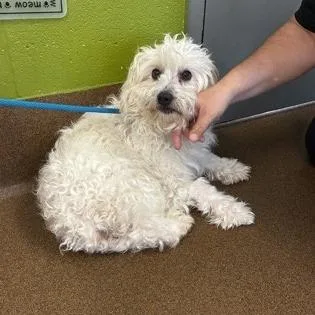
Hamiltonstovare Dogs for Adoption in Wichita, KS

Your guide to finding and caring for a Hamiltonstovare in Wichita

A Hamiltonstovare fits best in a Wichita neighborhood with room to roam and a fenced yard. Picture the ranch-house streets of Benjamin Hills, close to the Arkansas River and K-9 Rooster Dog Park, which covers 8.1 acres along the water. This Swedish scent hound is friendly and medium-sized, but its nose runs the show, so daily miles matter more than lap time. It may also bay when bored, which neighbors on tight blocks will notice.

7967 dogs similar to Hamiltonstovare available in Wichita and nationwide

Say hello to your Hamiltonstovare

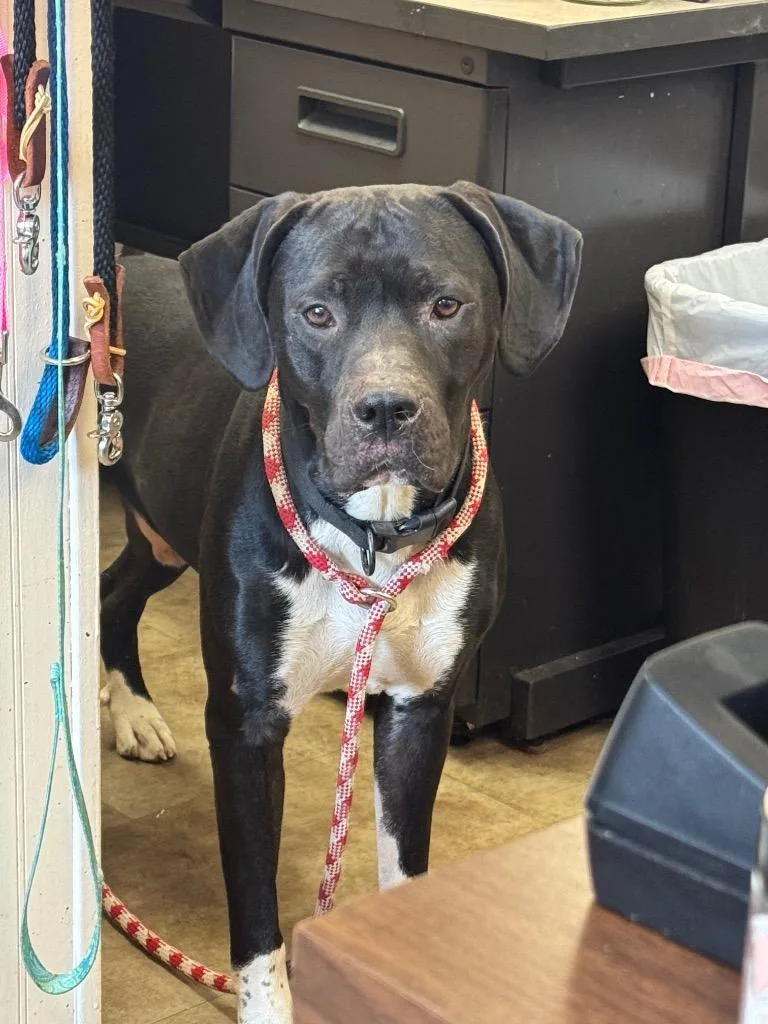
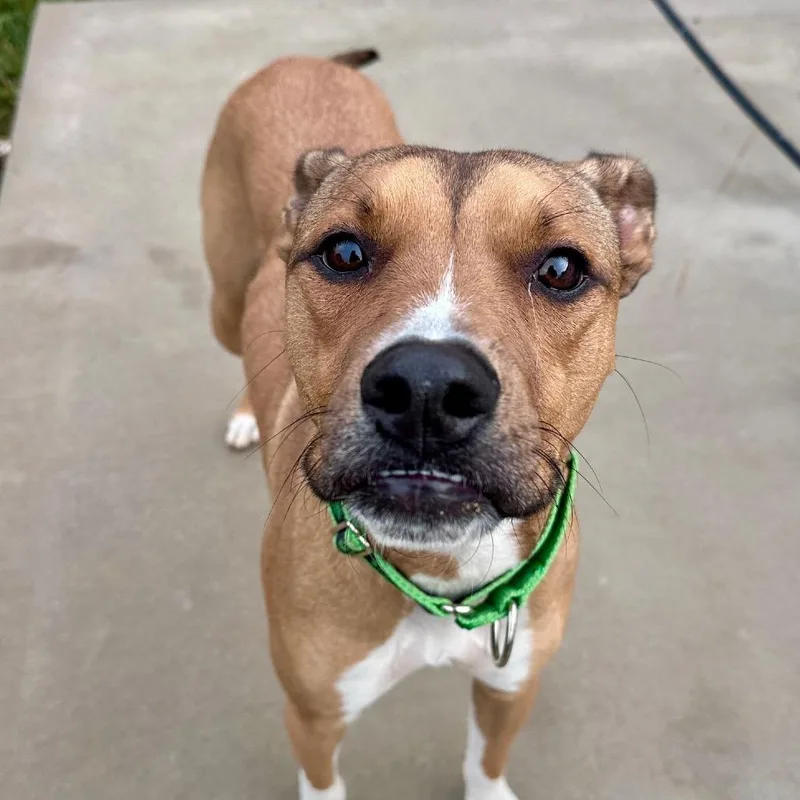
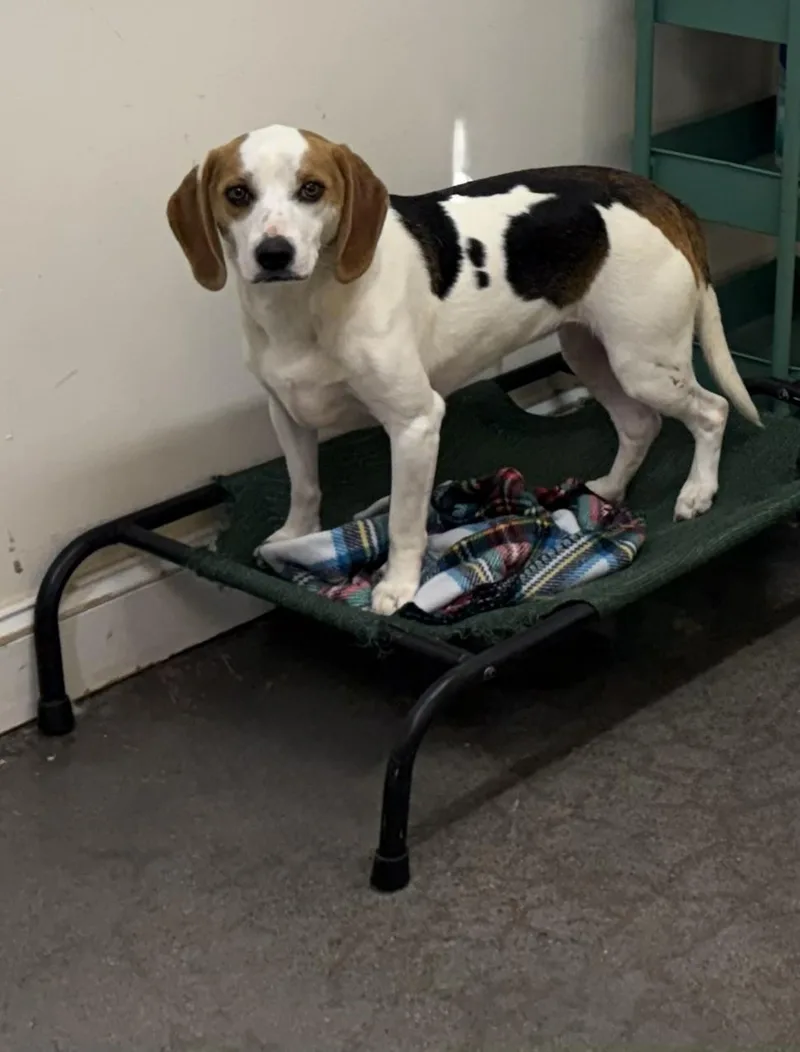
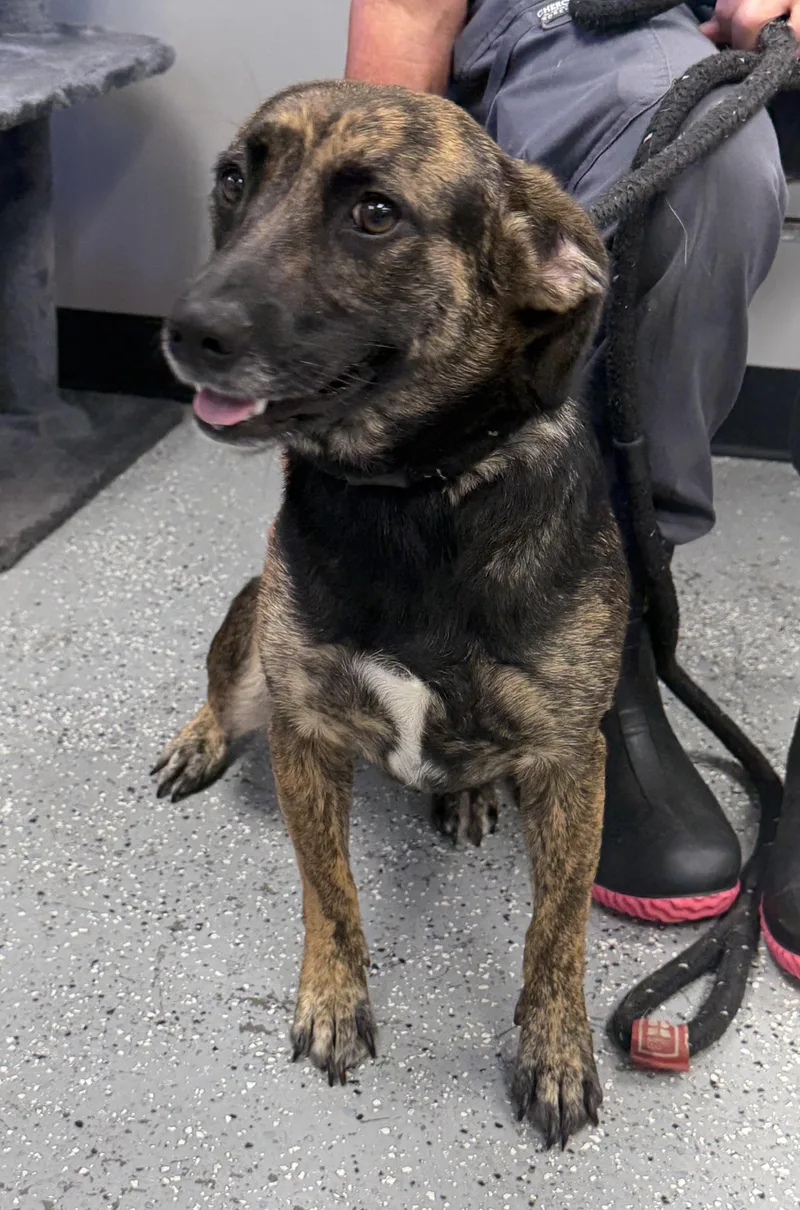
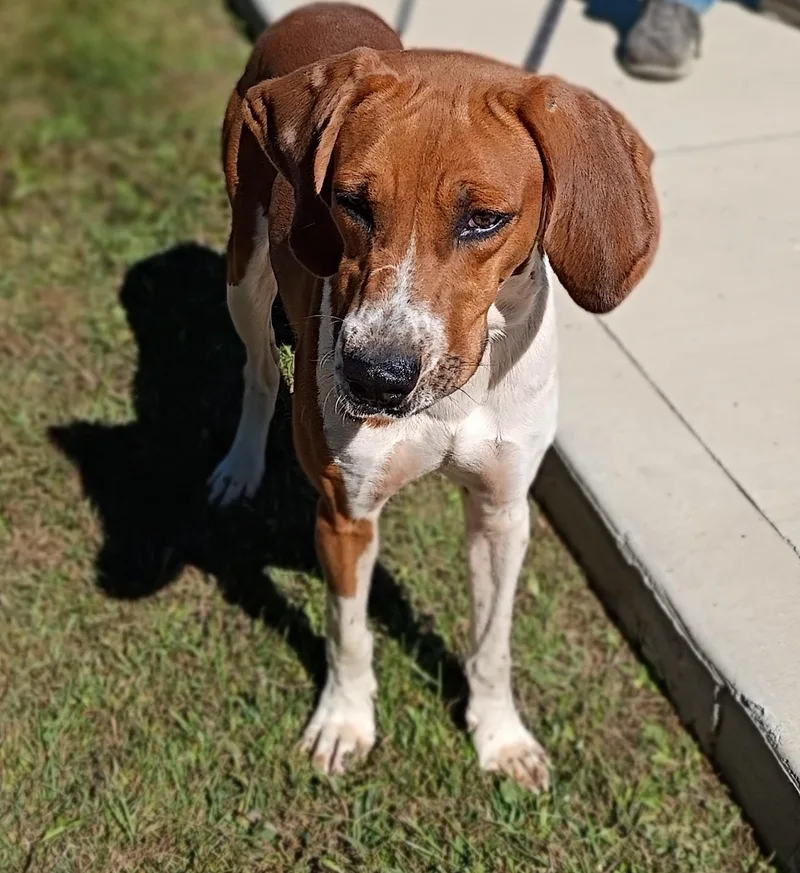
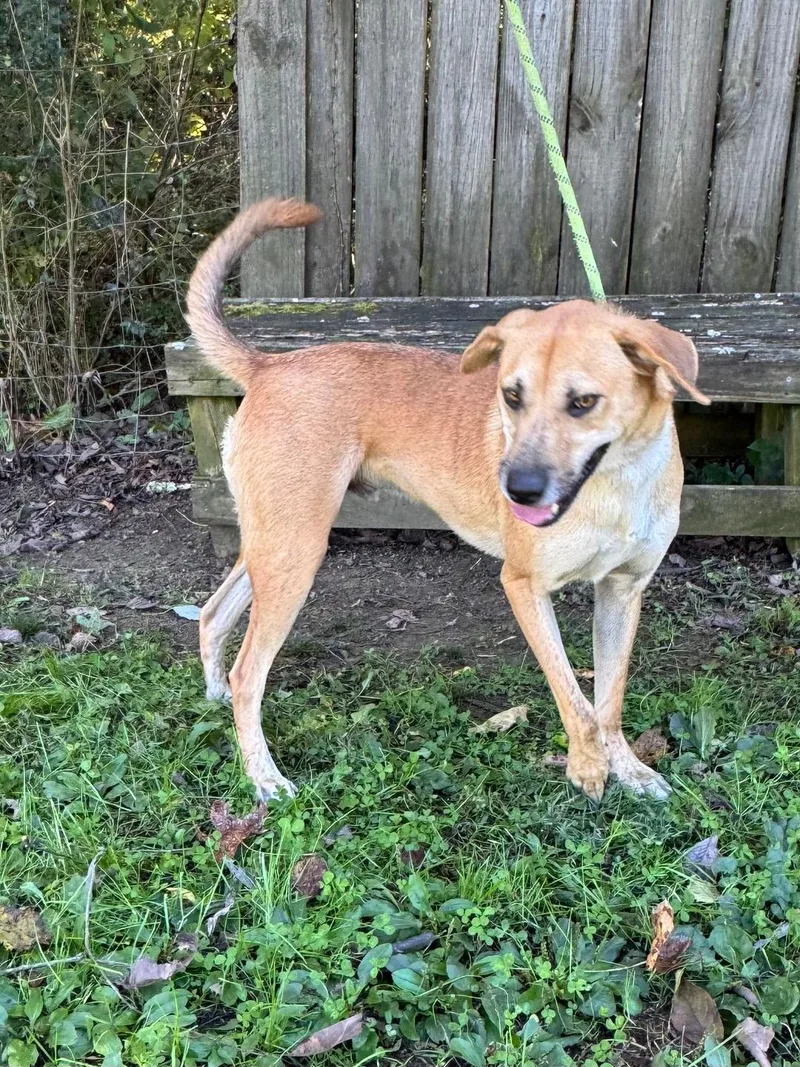
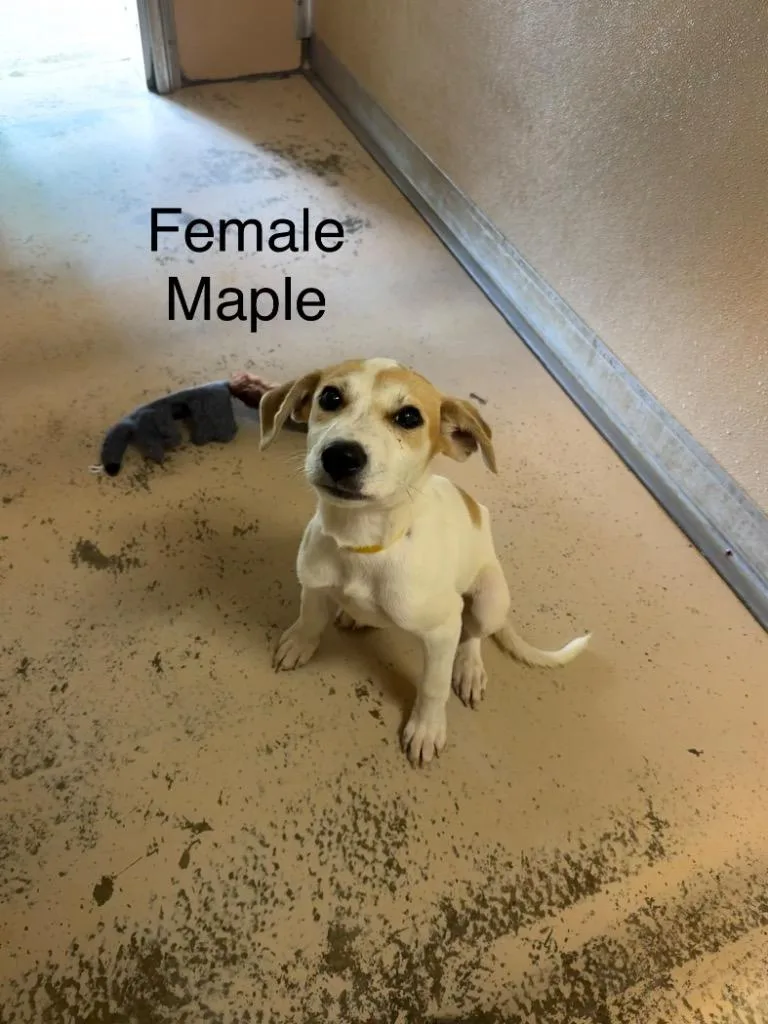
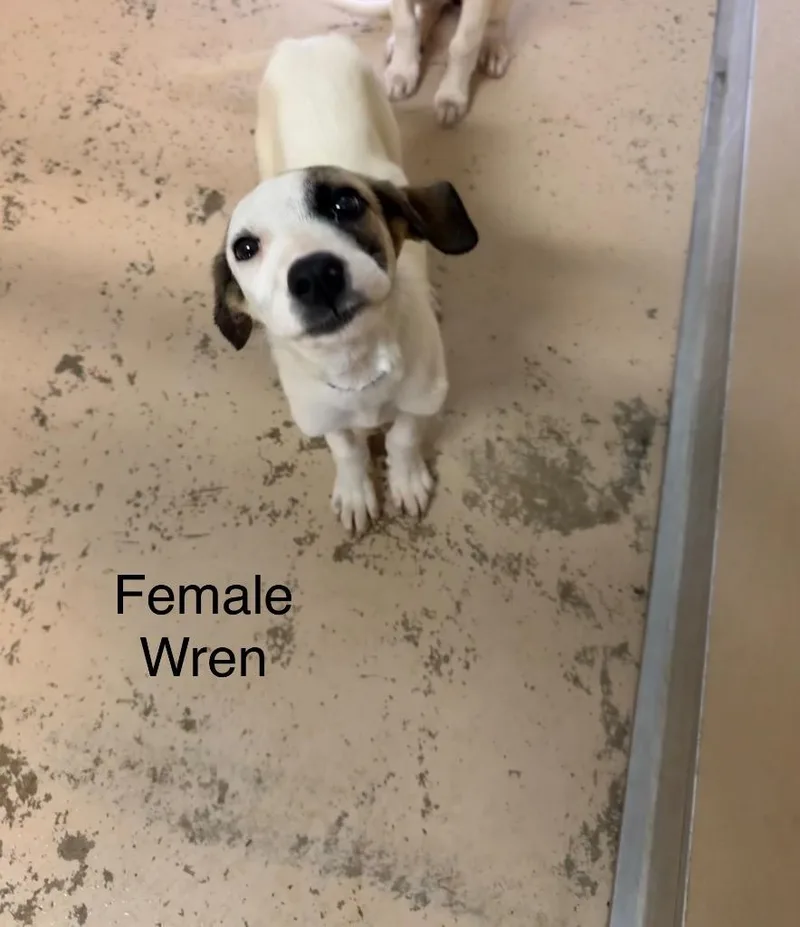
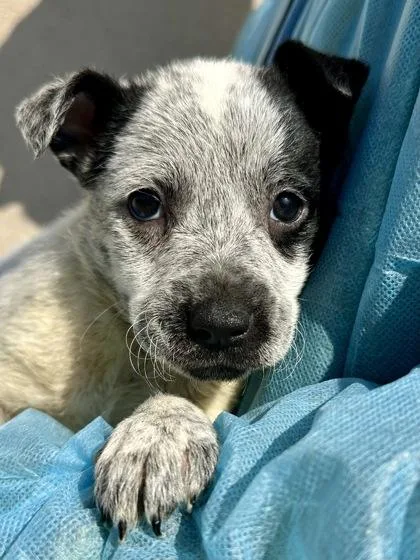
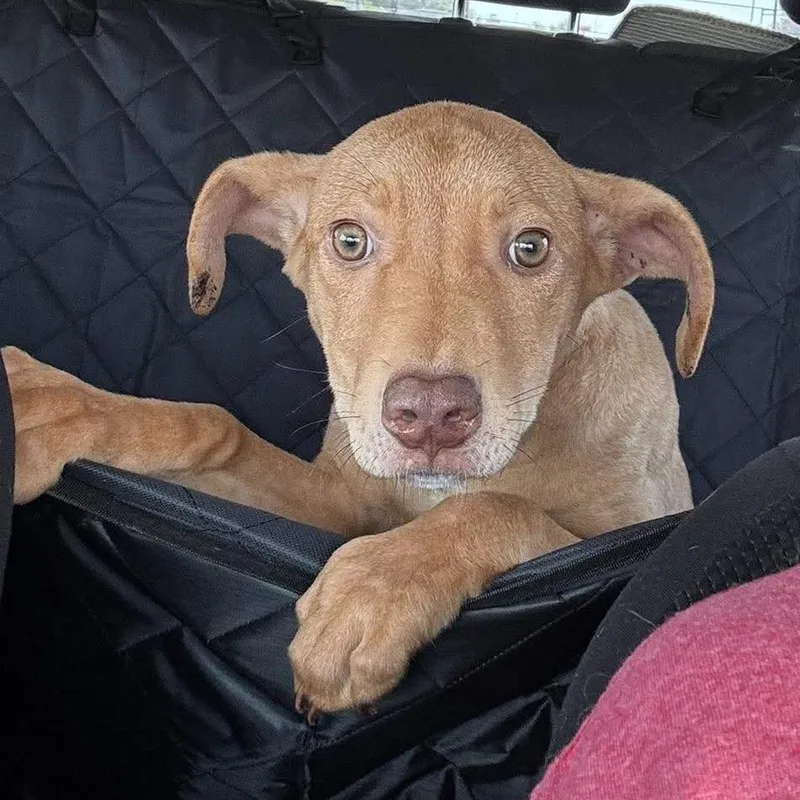
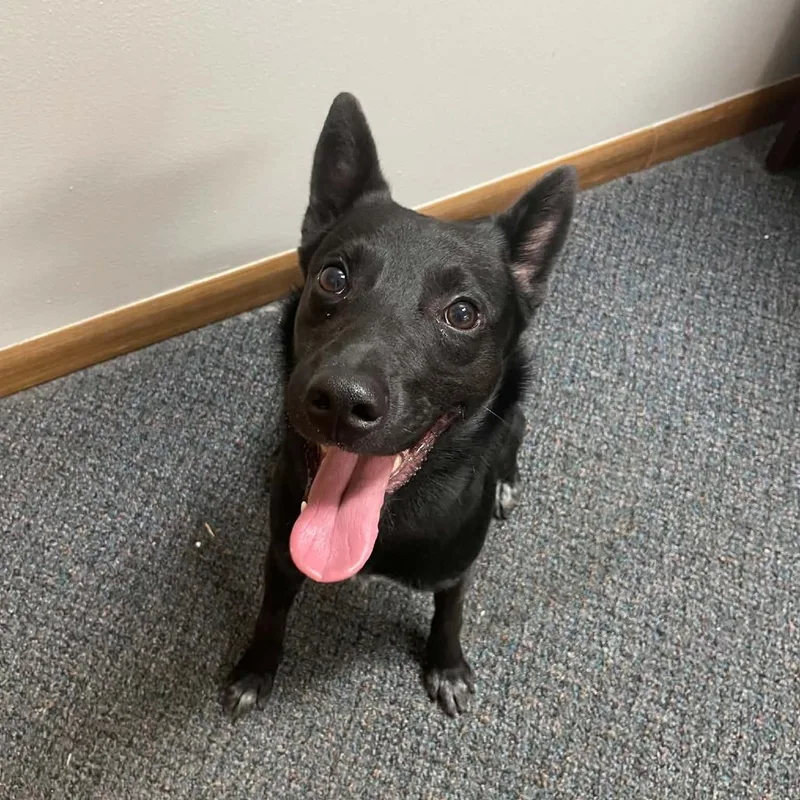
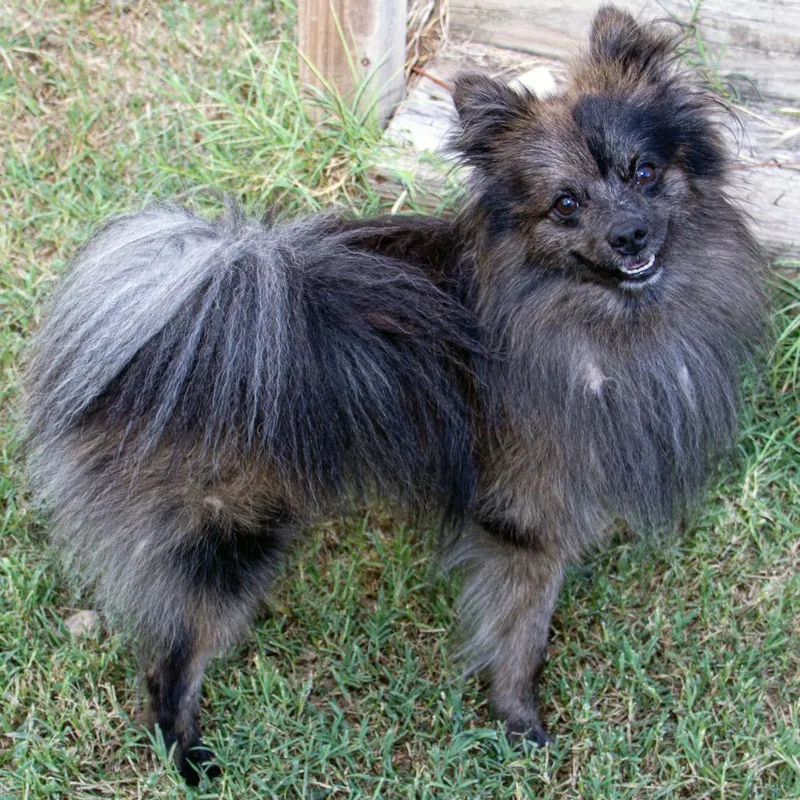
Hamiltonstovares and Similar Breeds Available for Adoption Near Wichita

About the Hamiltonstovare breed

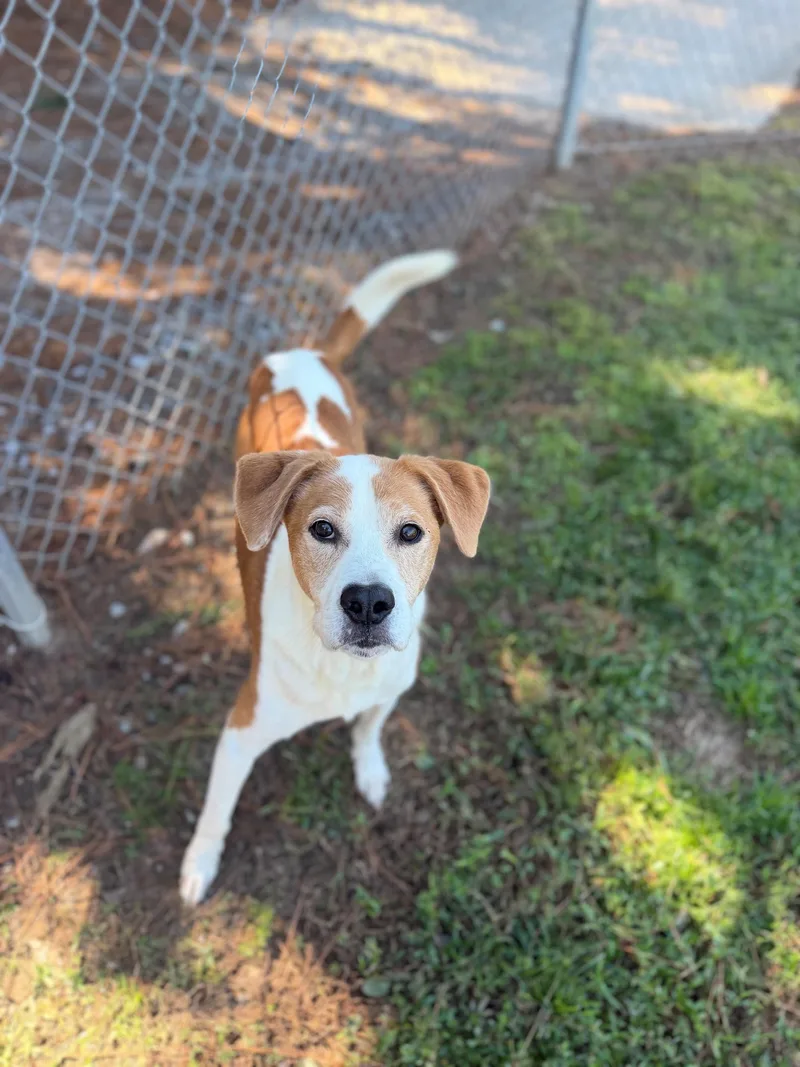
The Hamiltonstovare was created in Sweden by Count Adolf Hamilton, founder of the Swedish Kennel Club, and first shown in 1886. It was developed to trail hare and fox alone rather than in a pack, giving voice on the scent so hunters could follow. The result is an athletic hound of roughly 50 to 60 pounds in a tricolor coat of black mantle, tan and white.

Many are friendly and even-tempered at home, but the nose still leads, and a fresh scent can override recall in a second. In Wichita, that makes secure fencing and a long line on trail walks worth planning for. The breed is rare in the US, so a dog listed as one may be a mix. Dogs vary, and breed doesn't settle any one dog's personality.

Weight
50–60 lbs
Height
19–24 in
Lifespan
10–13 yrs
Temperament
Friendly, Energetic, Independent
Group
Hound
Shedding
Moderate

Owning a Hamiltonstovare in Wichita

Having a Hamiltonstovare in Wichita

Voice, nose and stamina shape life with this hound more than size or coat does. In Wichita, that means planning for secure fencing, daily miles and a tolerance for baying, plus two hard seasons that call for different routines.

Temperament

Hamiltonstovares tend to be friendly and even-tempered, and many enjoy other dogs. They can also be stubborn and easily distracted, so short, rewarding training sessions work best. Small pets may trigger chasing. Each dog differs, so watch how a dog handles busy Wichita sidewalks, new people and other animals.

Exercise Needs

Plan on long daily walks, jogging once mature, or hiking on a long line. The roughly 10-mile Arkansas River Path and Pawnee Prairie Park's five-mile trail loops suit leashed outings, and scent games add mental work. Because the nose overrides recall, off-leash time belongs in secure dog parks or fenced yards.

Health Considerations

Hip dysplasia occurs in the breed, and drop ears need regular checks for infection. Keeping the dog lean supports its joints. Wichita's microchip rule for dogs five months and older fits naturally into a first veterinary visit, where a veterinarian can also check hips, ears and overall condition.

Living Space

A house with a securely fenced yard suits most Hamiltonstovares. An apartment can work for an adult dog that gets long daily outings, though baying may carry through shared walls, especially if the dog is bored or alone for long stretches. The short coat handles cool weather, but this dog belongs indoors with the family.

What it costs to own a Hamiltonstovare in Wichita

ExpenseTypical costPer year
Food$35 to $70 per month$420 to $840
Pet insurance$45 to $85 per month$540 to $1,020
Routine vet care$225 to $450 per year$225 to $450
Other*$440 to $1,190 per year$440 to $1,190
Estimated yearly total (after year one)$1,625 to $3,500

Other costs are estimates and vary with size, age and health.

* Flea, tick and heartworm prevention, a dental cleaning allowance, the $15 Wichita dog license for a spayed or neutered dog, toys and bedding, and occasional brushing and baths.

Adopt a Hamiltonstovare in Wichita.

Now that you know more, let’s find you a new best friend. These rescues and shelters below have dogs available in and near Wichita.

Rescues and Shelters in or near Wichita

Wichita shelters and rescues list many dogs, and a rare breed like this often shows up as a hound mix. Here are the rescues & shelters in the Wichita area with dogs available for adoption, worth asking whether a Hamiltonstovare is coming in.

Frequently Asked Questions

Yes, with precautions. Wichita's long run of 90°F-plus days gives a short-coated hound little protection, so walk at dawn or after dark, carry water and keep the dog indoors on the hottest afternoons. Heavy panting, a staggering gait or unresponsiveness means cool the dog immediately and call a veterinarian.

K-9 Rooster Dog Park, with 8.1 acres along the Arkansas River, and downtown's Naftzger Bark Park offer off-leash time. Dogs must be at least five months old, neutered, and carry ID and rabies tags. For long leashed walks, Sedgwick County Park allows leashes up to eight feet, which suits a nose-driven hound.

Yes. A Hamiltonstovare needs a city license once it's over five months old, with rabies vaccination at least every three years, and a household can keep up to three dogs without a permit. No known Wichita breed rule targets Hamiltonstovares. A license can be bought for up to 36 months at once.

It can be, for active people. Wichita offers river trails and large parks, but the breed needs daily miles, secure fencing and patience with its voice. A home where someone is around much of the day suits it better than long solo stretches. Hot summers and cold snaps also call for some planning.

Possibly, for an adult dog that gets long daily outings. Confirm the lease's weight limit, since a 50-to-60-pound dog may exceed it, and expect baying to carry through shared walls. Bored or lonely hounds are the loudest, so a house with a fenced yard is usually the easier match.

Only in limited cases. Wichita Transit runs buses only, and a pet that isn't a service animal must ride in an approved carrier that fully contains it. A 50-to-60-pound Hamiltonstovare won't fit one, so plan on car trips or walks. Service animals can ride but must be declared when boarding.

Sometimes, on patios. Kansas law lets restaurants admit dogs to outdoor areas, and microbreweries to allow dogs indoors away from food preparation, but each venue decides. Keep the dog leashed and off tables, bars and counters, and bring your own water bowl, since staff can't serve it from their equipment.

Very little. The short, close-lying coat needs a weekly brush, a bit more in spring as the winter undercoat thins, and a bath only when dirty. Check and clean the drop ears regularly, especially after damp weeks. Home grooming keeps costs low, well within the $0 to $100 grooming allowance in the Other costs.

Yes, Hamiltonstovares shed, though their short, close-lying coat makes care easy. Expect a moderate amount of hair year-round, with heavier shedding when the coat changes with the seasons. A weekly once-over with a rubber curry brush or hound glove removes most loose hair. They are not hypoallergenic, so people with dog allergies should spend time with one before adopting.

Expect about $35 to $70 a month for food, $45 to $85 a month for pet insurance, $225 to $450 a year for routine vet care, and $440 to $1,190 a year for other costs such as prevention, dental care and the license. Together that's roughly $1,625 to $3,500 a year, before emergencies.