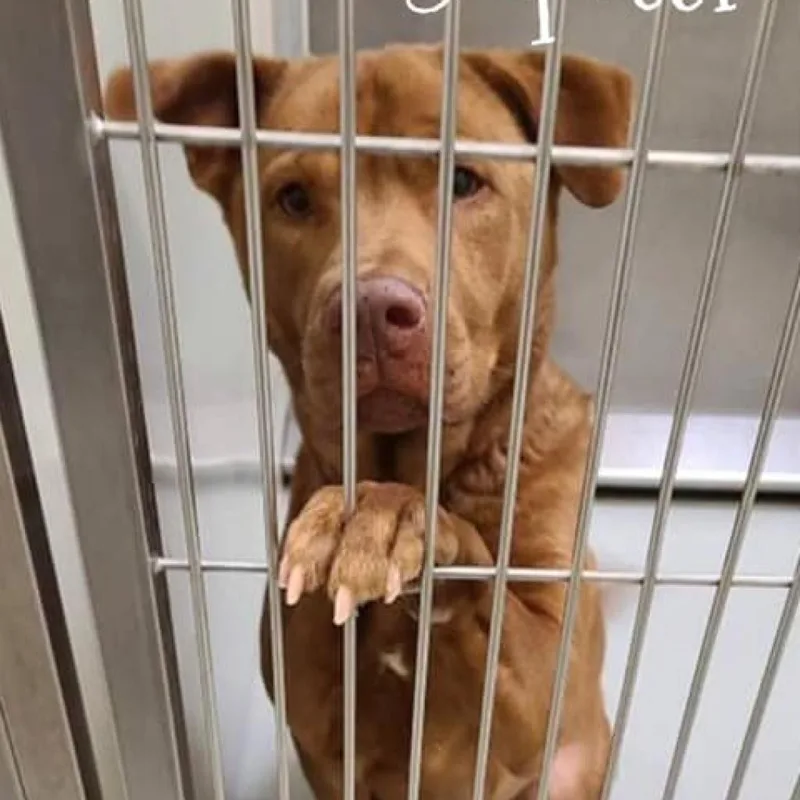
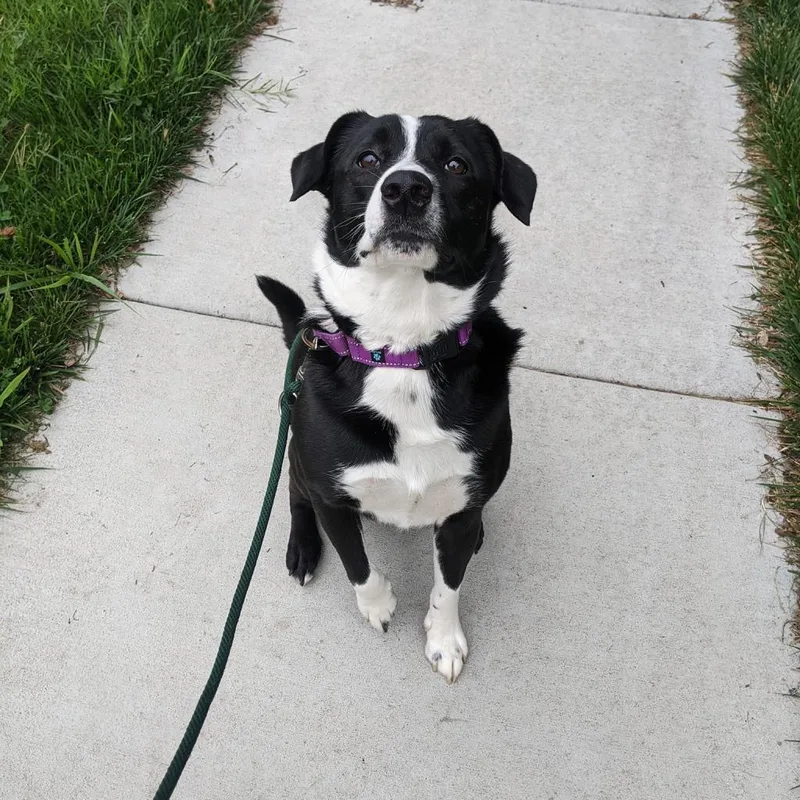
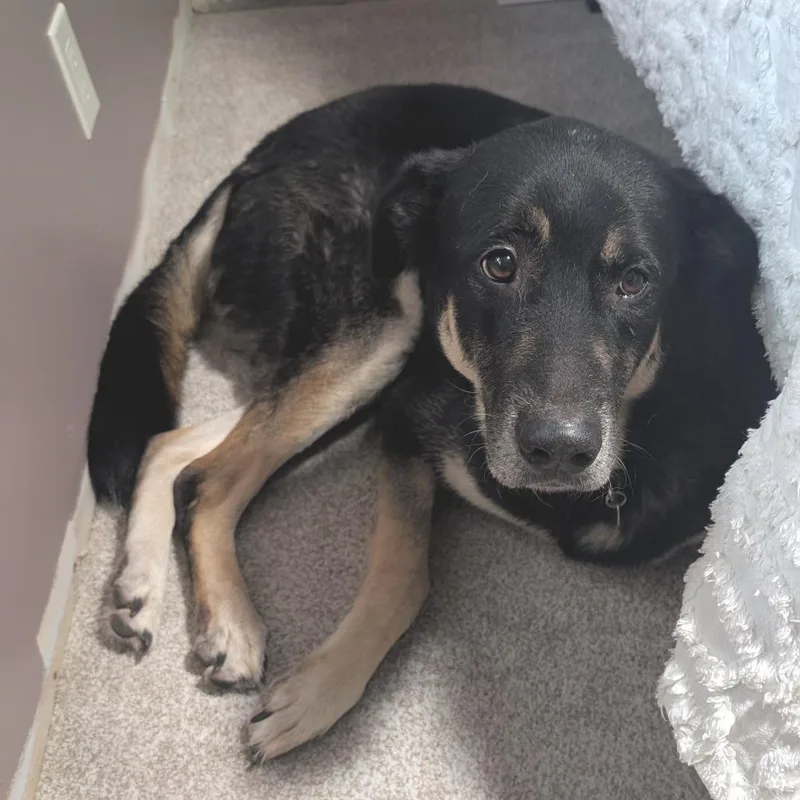
German Spitz Dogs for Adoption in Wichita, KS

Your guide to finding and caring for a German Spitz in Wichita

German Spitz fit Wichita's ranch-house neighborhoods and apartments alike, as long as someone's around for company. In Benjamin Hills, a small, fluffy dog can walk the streets and still make it to K-9 Rooster Dog Park on the river. Spitz are watchful, so expect an announcement whenever someone passes the front window. Keep a brush by the door for shedding season, and plan walks for early morning once summer heat sets in.

839 dogs similar to German Spitz available in Wichita and nationwide

A German Spitz is ready for you

While we don't have enough dogs near Wichita, keep in mind that many rescues may offer transport.

German Spitzs and Similar Breeds Available for Adoption Near Wichita

About the German Spitz breed

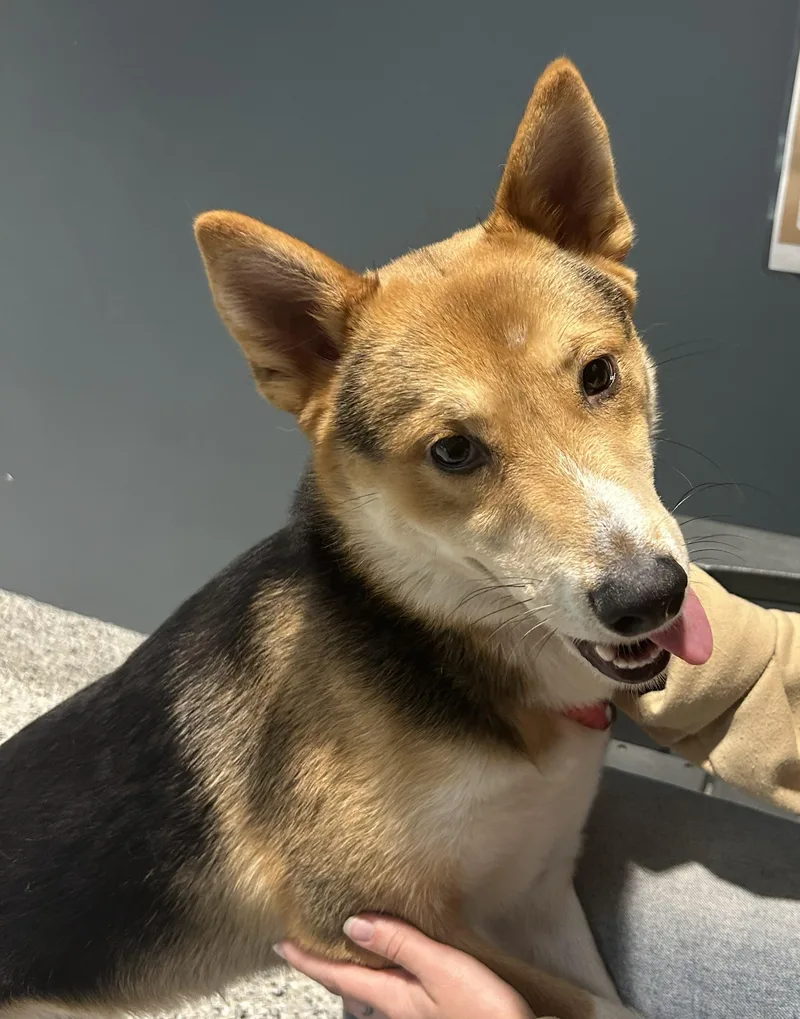
The German Spitz is one of the oldest dog types in Central Europe, kept for centuries on farms and in towns to watch over the property. In the US the name usually means the Klein and Mittel sizes, roughly 9 to 15 inches tall, with a fox-like face, pricked ears, a stand-off double coat and a plumed tail curled over the back. They're close relatives of the Pomeranian, just a bit longer in the leg.

These are lively, attentive dogs that attach strongly to their people and keep a natural distance from strangers. Little hunting drive means they aren't constantly pulling toward squirrels on a Wichita walk, though they'll still announce visitors. The coat sheds heavily in season and needs brushing a few times a week, and confidence and noise level vary from dog to dog.

Weight
10–25 lbs
Height
9–16 in
Lifespan
13–15 yrs
Temperament
Lively, Alert, Devoted
Group
Non-Sporting
Shedding
High

Owning a German Spitz in Wichita

Having a German Spitz in Wichita

Alertness, devotion and a big coat in a small frame define the German Spitz. In Wichita, that means a dog that wants company, benefits from early barking training, and needs a brushing routine and a plan for hot summers and cold snaps.

Temperament

Many German Spitz are cheerful and strongly bonded to their families, and they tend to be reserved with strangers. In a Wichita apartment or duplex, that watchfulness can show up as barking at hallway or yard noise. Reward-based training and steady routines help, and each dog's confidence and sociability vary.

Exercise Needs

Plan on a couple of brisk walks and some play each day. Wichita's Arkansas River Path and neighborhood parks give plenty of room for leashed outings, and puzzle toys or short training sessions use up mental energy. Summer afternoons are too hot for long outings, so shift exercise to early morning or evening.

Health Considerations

Small spitz types can face kneecap dislocation, eye disease such as progressive retinal atrophy, epilepsy and dental problems, though many stay healthy into their teens. Brush down to the skin to catch skin trouble early, keep up tooth care, and have a veterinarian check knees and eyes and recommend year-round parasite prevention.

Living Space

A German Spitz is small enough for a Wichita apartment, duplex or ranch-style house, as long as it gets daily walks and company. Barking at hallway or neighbor noise is the usual challenge. A fenced yard helps but doesn't replace walks, and loose undercoat will collect around the home during shedding season.

What it costs to own a German Spitz in Wichita

ExpenseTypical costPer year
Food$20 to $45 per month$240 to $540
Pet insurance$35 to $70 per month$420 to $840
Routine vet care$200 to $400 per year$200 to $400
Other*$490 to $1,290 per year$490 to $1,290
Estimated yearly total (after year one)$1,350 to $3,070

Other costs are estimates and vary with size, age and health.

* Flea, tick and heartworm prevention, a dental cleaning allowance, the $15 Wichita dog license for a spayed or neutered dog, toys and bedding, and brushing tools and baths for the double coat.

Adopt a German Spitz in Wichita.

Now that you know more, let’s find you a new best friend. These rescues and shelters below have dogs available in and near Wichita.

Rescues and Shelters in or near Wichita

The Kansas Humane Society, Wichita's largest privately funded shelter, anchors the city's rescue community alongside other local groups. Here are the rescues & shelters in the Wichita area with dogs available for adoption, worth asking whether a German Spitz is coming in.

Frequently Asked Questions

Yes, with care. Wichita sees about 65 days a year at 90°F or higher, and a German Spitz's thick double coat holds heat. Exercise at dawn or after sunset, keep fresh water and shade available, don't shave the coat, and never leave the dog in a parked car. Heavy panting, staggering or unresponsiveness signals overheating and needs prompt cooling and veterinary care.

Yes, if the dog rides in an approved carrier. Wichita Transit runs buses only, and a pet that isn't a service animal must be fully enclosed so it can't get out. A smaller German Spitz should fit a carrier, while a Mittel near 25 pounds may not. Practice carrier time at home first, and check current fares with Wichita Transit.

K-9 Rooster Dog Park on the Arkansas River and Naftzger Bark Park downtown are off-leash options, open 6 a.m. to midnight to dogs five months and older that are neutered. For leashed walks, the roughly 10-mile Arkansas River Path and the five-mile trail loops at Pawnee Prairie Park give a watchful Spitz plenty of variety.

Yes. Wichita's breed-specific rule covers pit bull-type dogs, not Spitz. You'll need a dog license once the dog is over five months old, a microchip, and rabies vaccination at least every three years. Tethering is limited to one continuous hour, which matters for a companion-minded dog that shouldn't be left outside anyway.

Yes, a German Spitz's compact size suits Wichita apartments, including the newer complexes around Bradley Fair. The main challenge is barking at hallway noise, so practice quiet routines early and offer a window perch or chew toy. Daily walks matter more than square footage, and a ground-floor unit makes quick potty trips easier.

It can be, especially for people who are home often and enjoy daily walks. Wichita's mix of ranch-style houses and apartments suits a small dog, but you'll need to manage hot summers, cold snaps and spring storms. Expect regular brushing and some barking at visitors, and remember each dog's energy and confidence differ.

Sometimes, on patios. Kansas law lets restaurants admit leashed dogs to outdoor areas, and microbreweries may allow dogs indoors, but each venue decides whether to do so. Keep the dog leashed and off tables and chairs, and bring a water bowl, since establishments can't serve water from their own equipment. Summer patios can be hot, so choose shade.

Brush a few times a week, and daily during the spring and fall undercoat shed that Wichita's seasons trigger. Brush down to the skin, bathe only when needed, and skip shaving, which can disrupt the coat's insulation in summer heat and winter cold. Brushing tools and baths fit within the roughly $490-$1,290 yearly Other costs.

German Spitz seen in the US are small dogs. The Klein usually stands about 9 to 11.5 inches at the shoulder and the Mittel about 12 to 15 inches, with most adults weighing roughly 10 to 25 pounds depending on size and build. Their profuse coat makes them look bigger than they are. Larger German Spitz varieties exist in Europe but are rare here.

Expect roughly $20-$45 a month for food, $35-$70 for insurance, $200-$400 a year for routine vet care, and $490-$1,290 a year for other costs such as parasite prevention, dental care, the license, supplies and grooming tools. Together that comes to about $1,350-$3,070 a year, before any emergency or illness costs.