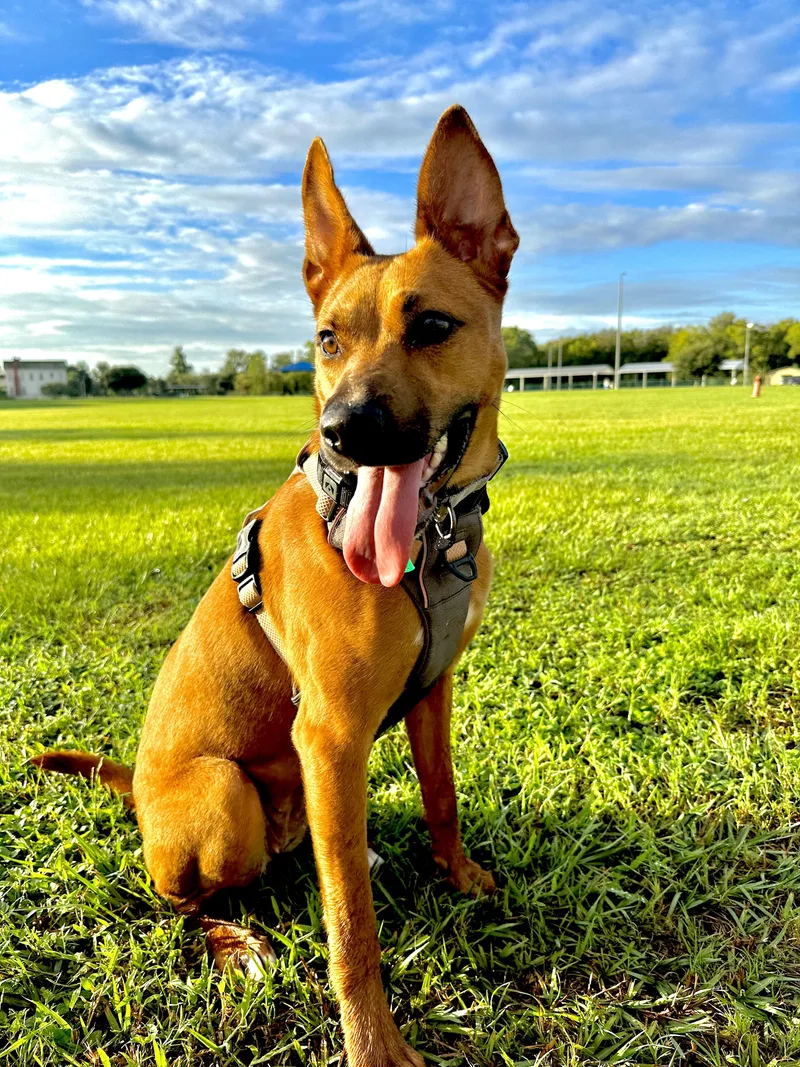
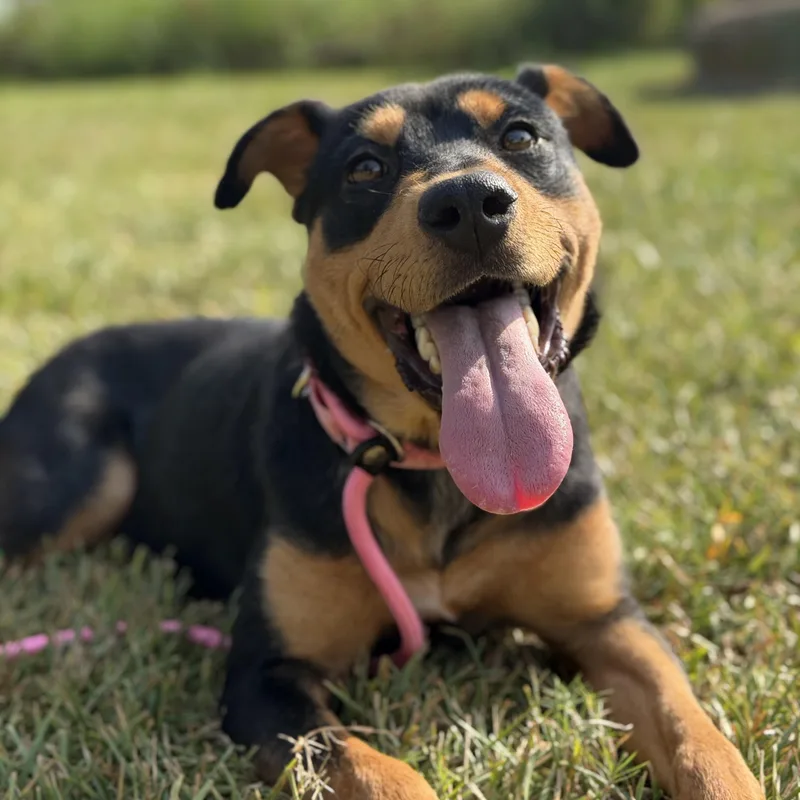
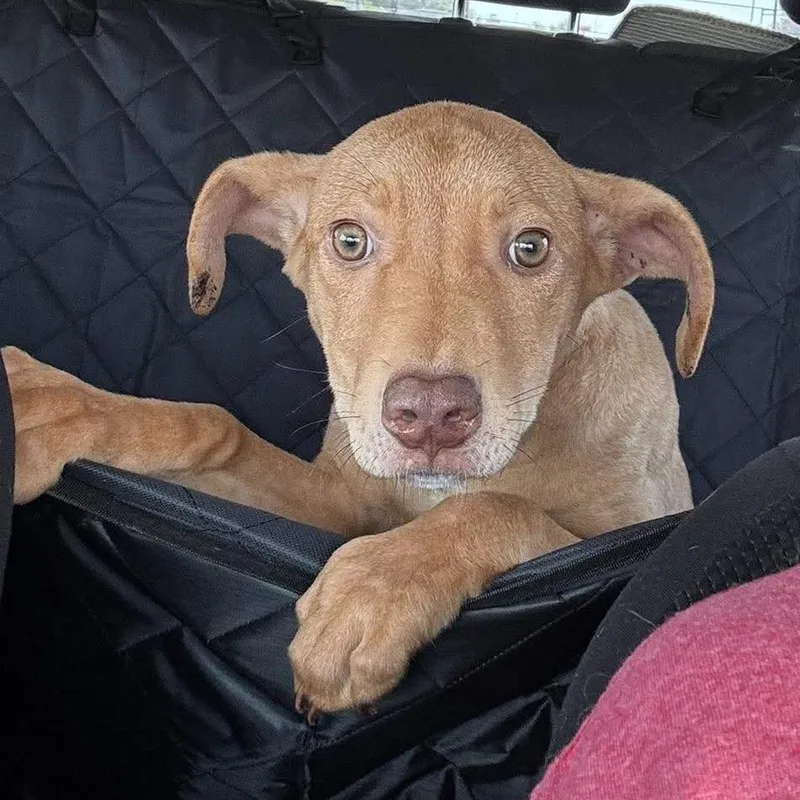
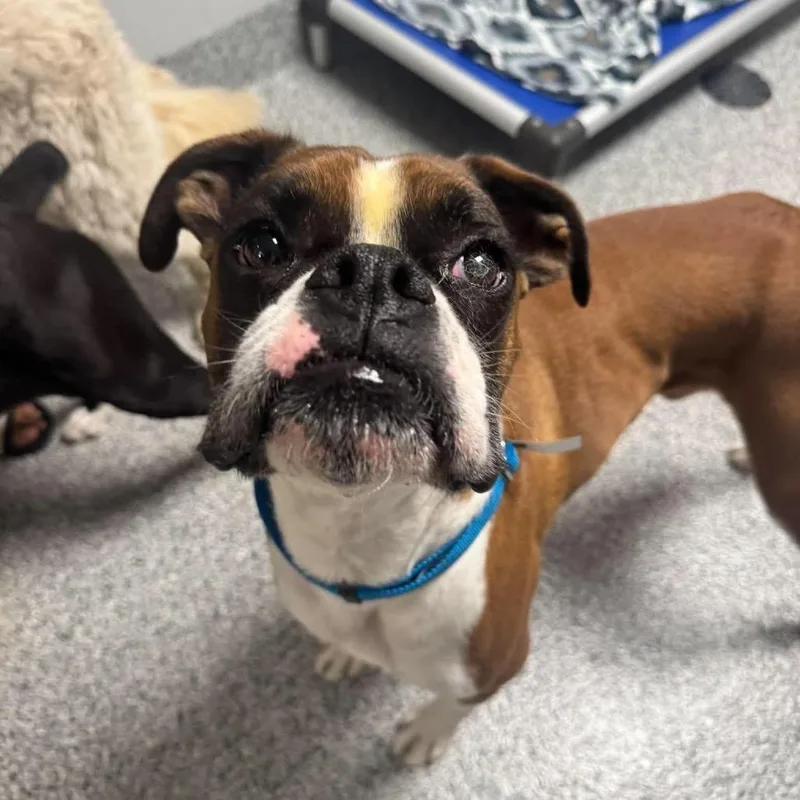
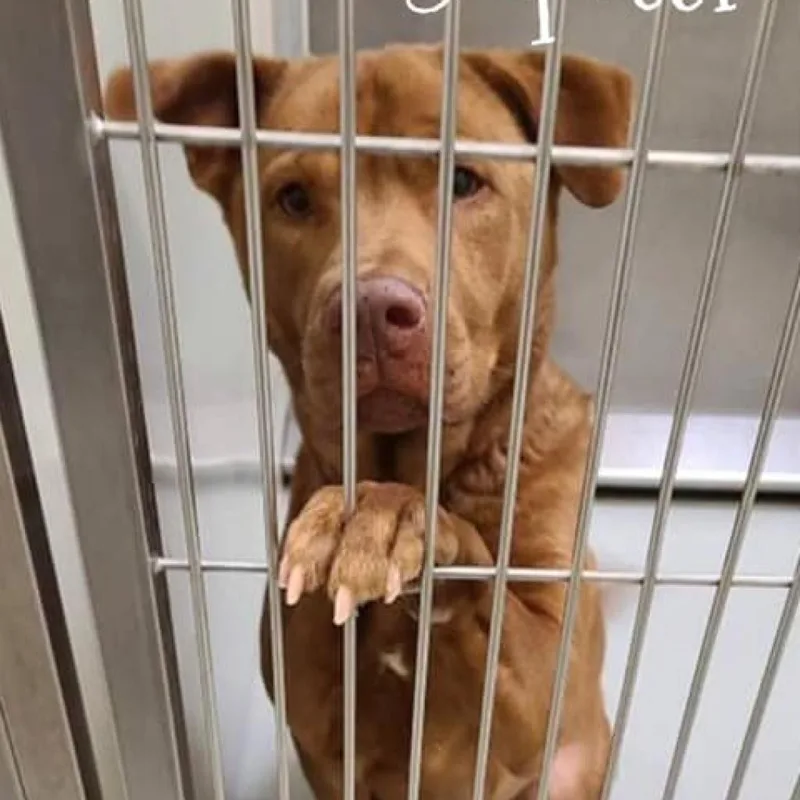
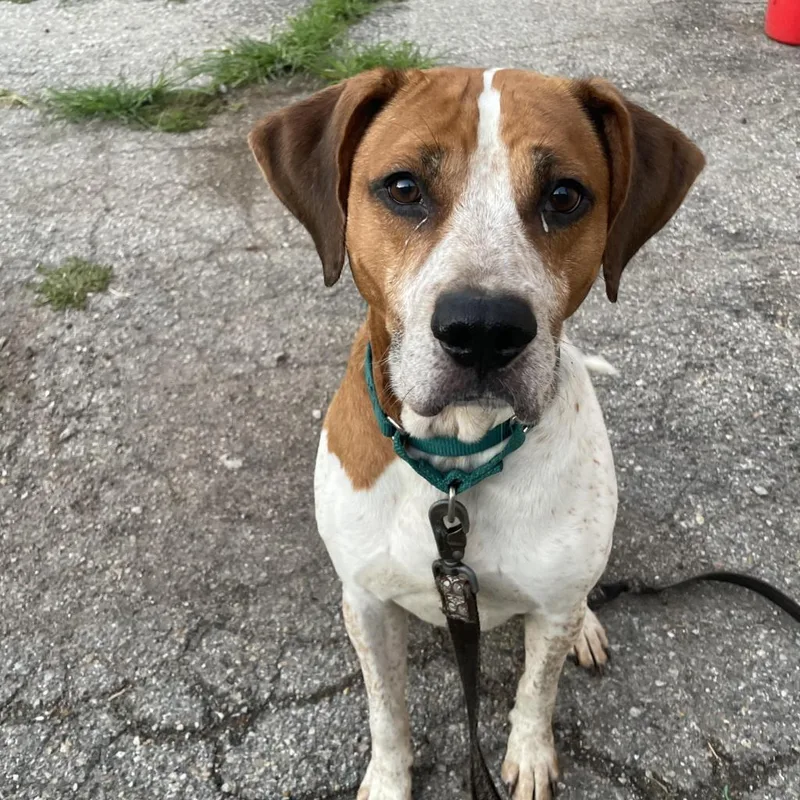
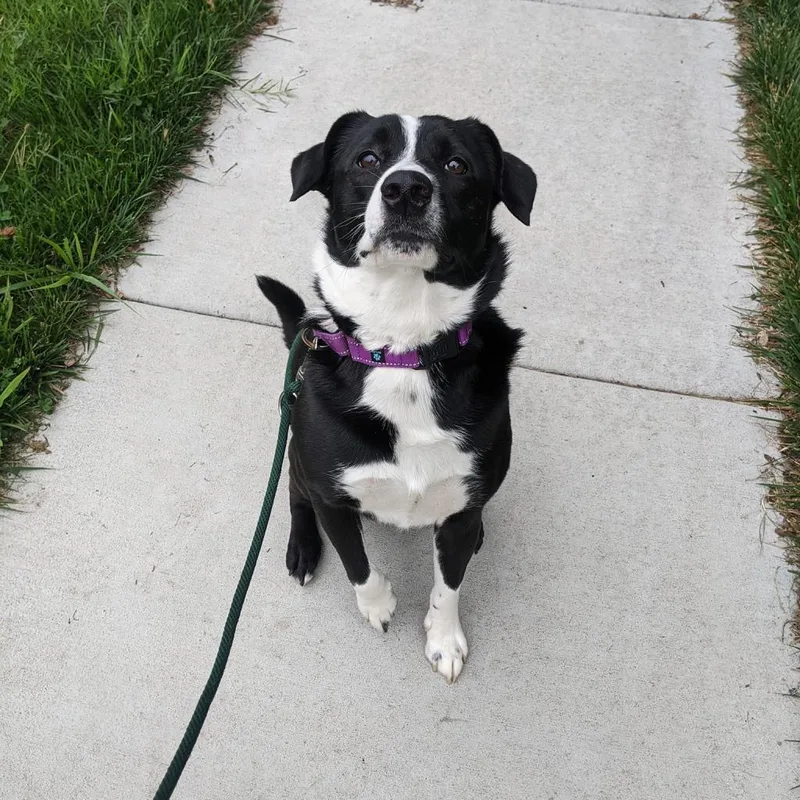
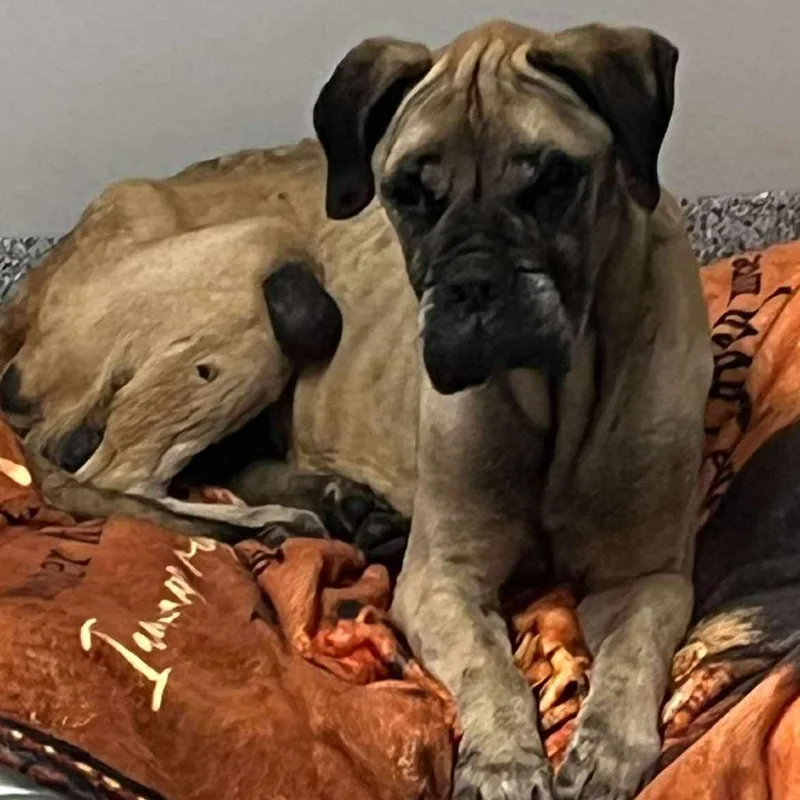
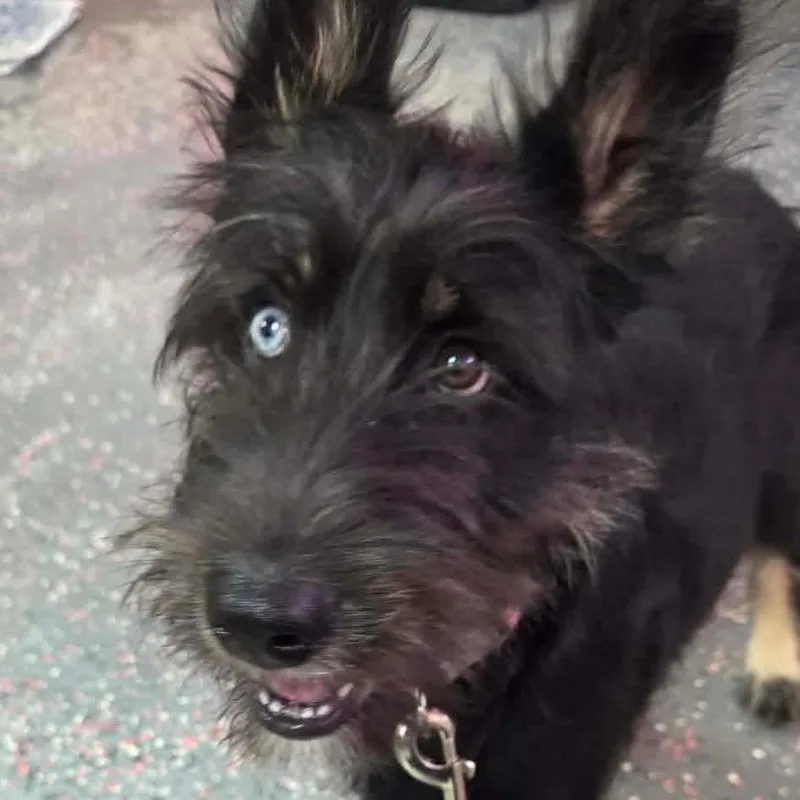
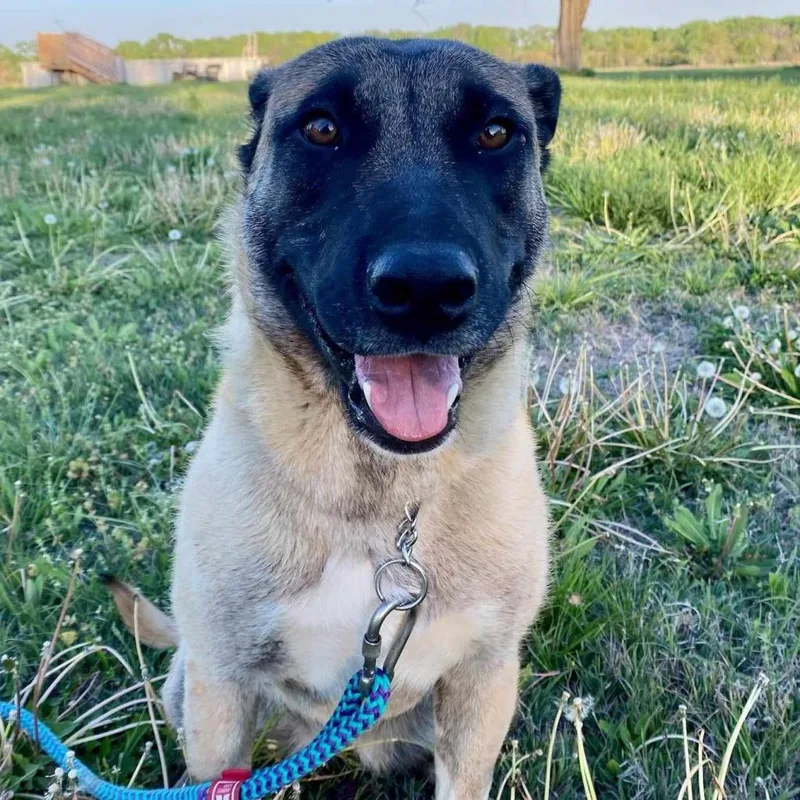
German Pinscher Dogs for Adoption in Wichita, KS

Your guide to finding and caring for a German Pinscher in Wichita

German Pinschers fit Wichita's ranch-house neighborhoods well, as long as the yard has a tall fence. Benjamin Hills, with its 1950s ranch homes along the Arkansas River, gives a Pinscher room to patrol and a riverside park close by for a daily run. They're alert, quick and a little bossy, so expect a loud announcement for every delivery truck. At 25 to 45 pounds with a short coat, they also manage a Wichita rental if the walks are long enough.

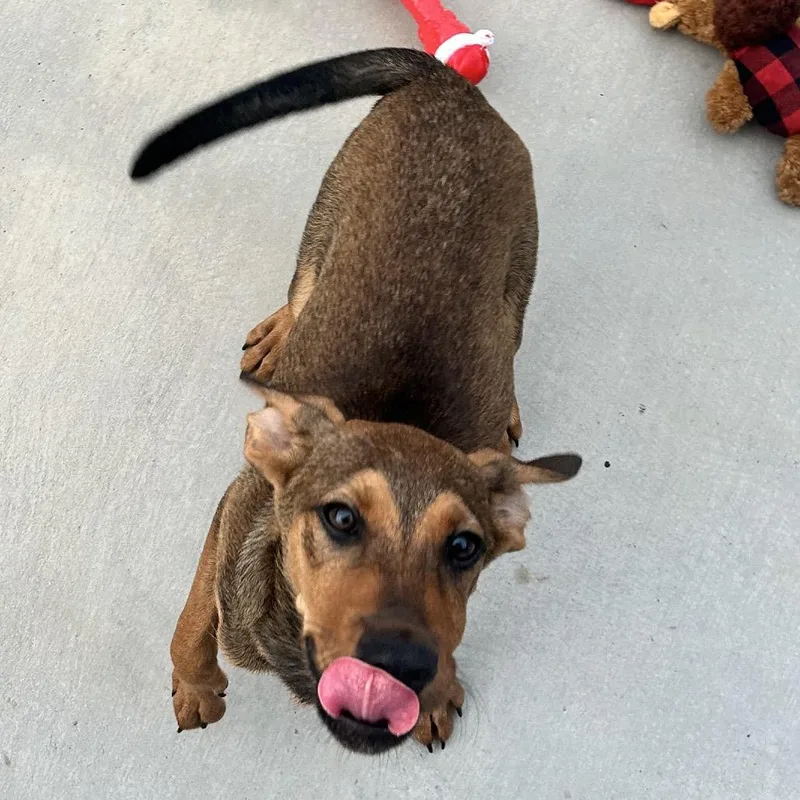
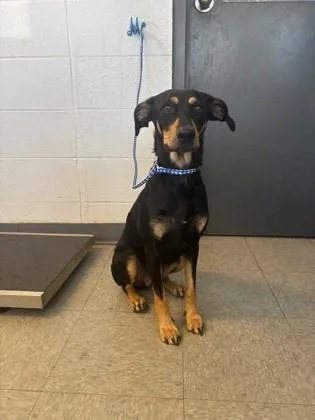
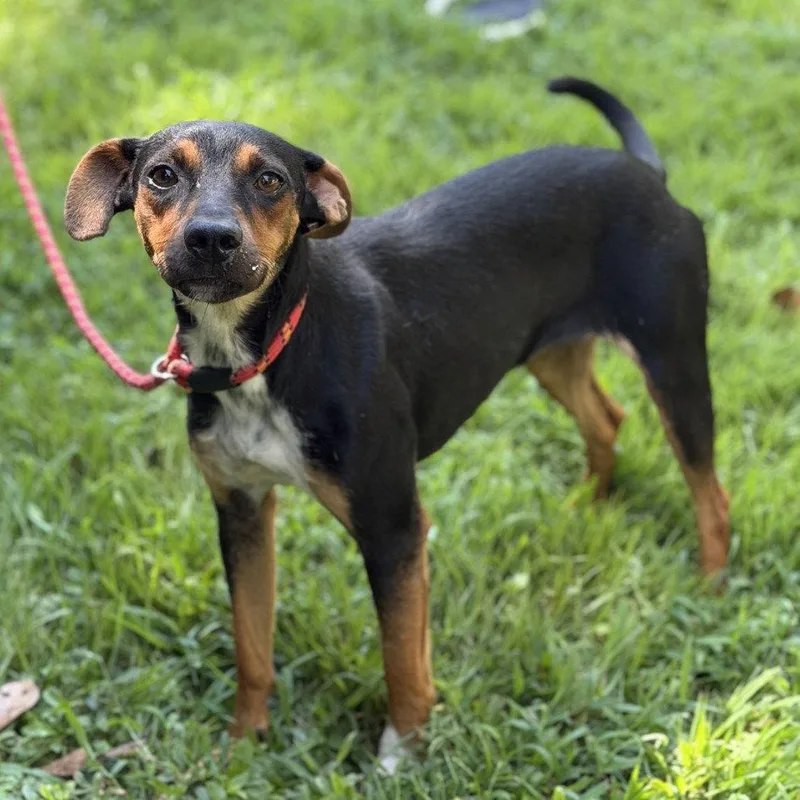
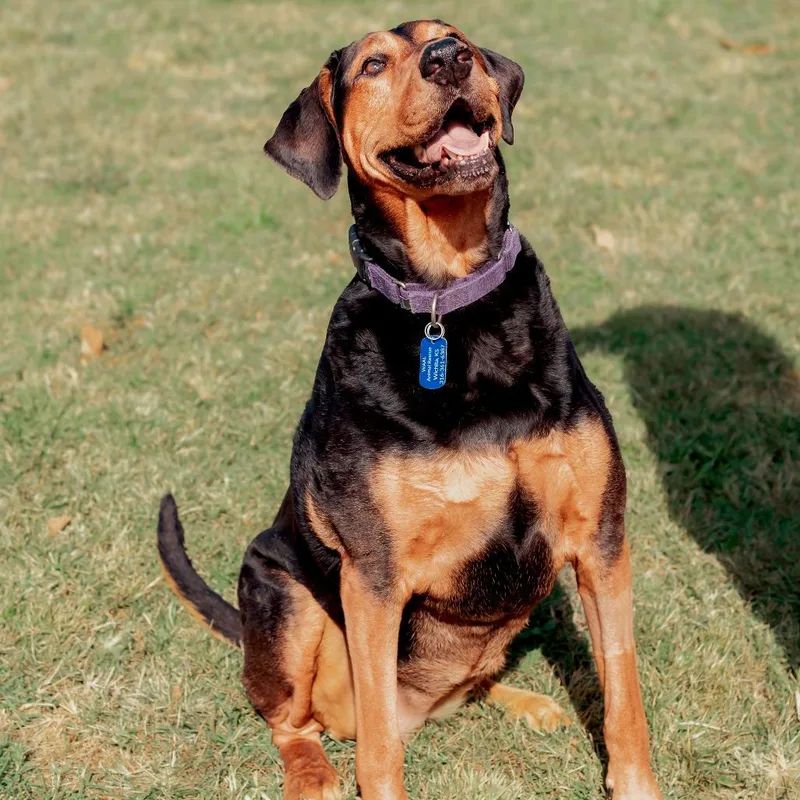
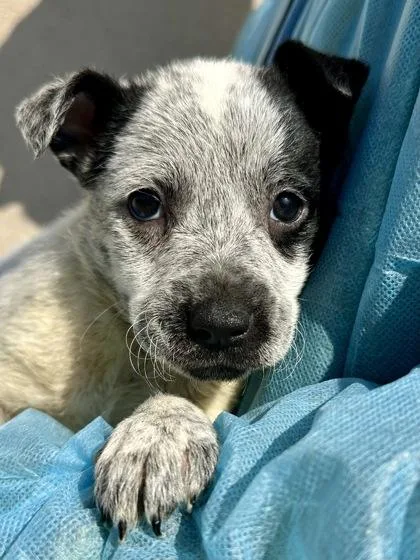
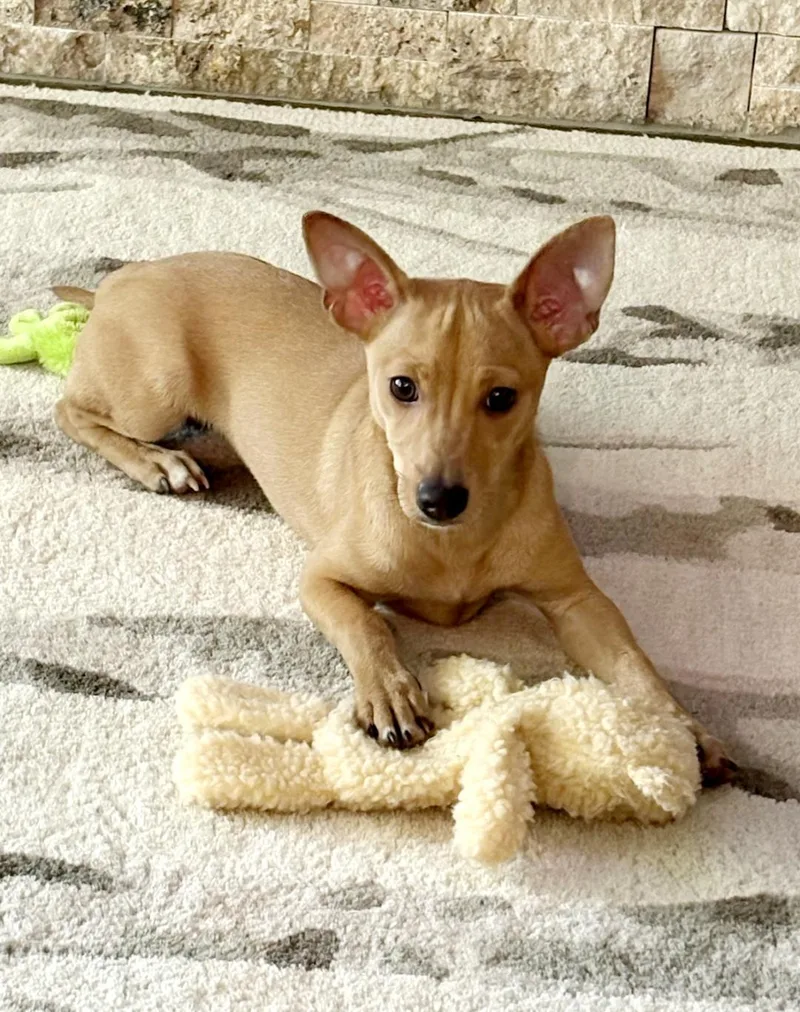
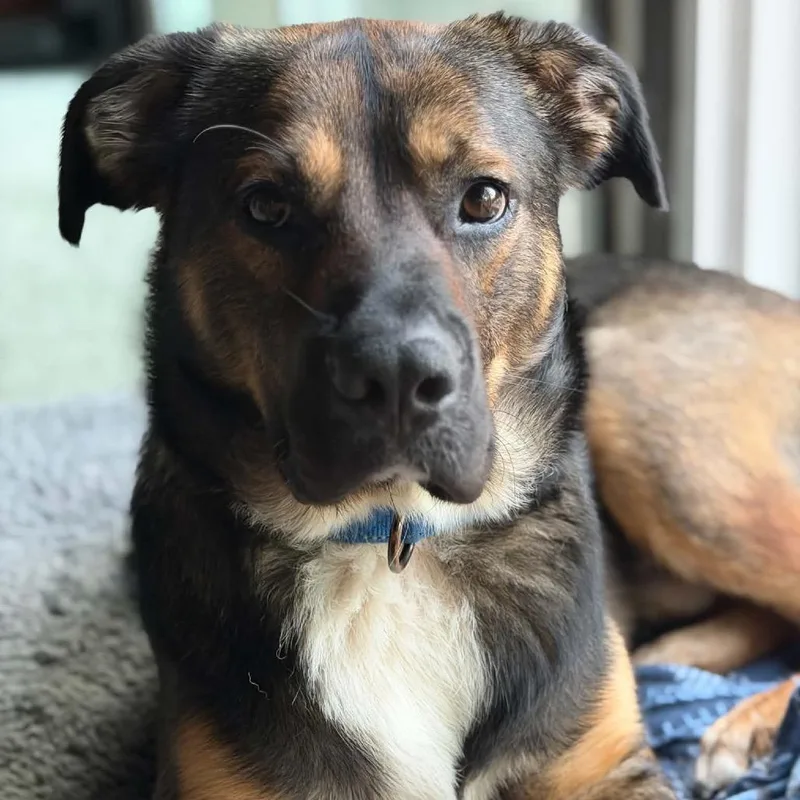
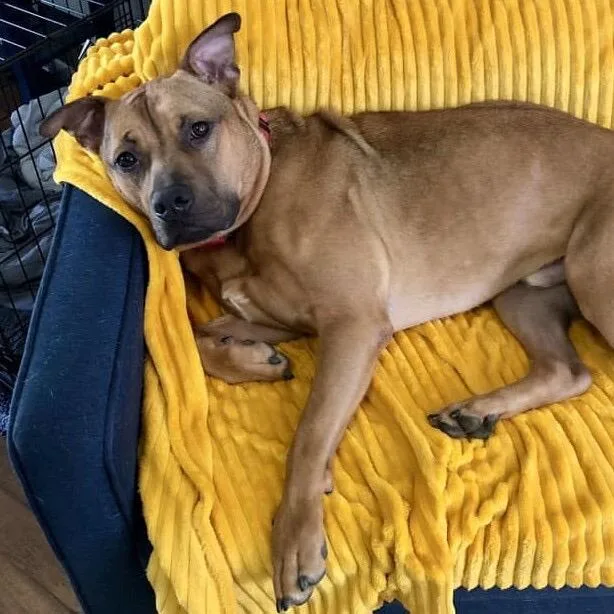
68 German Pinschers available in Wichita and nationwide

Give a German Pinscher a home

While we don't have enough dogs near Wichita, keep in mind that many rescues may offer transport.

German Pinschers Available for Adoption Near Wichita

About the German Pinscher breed

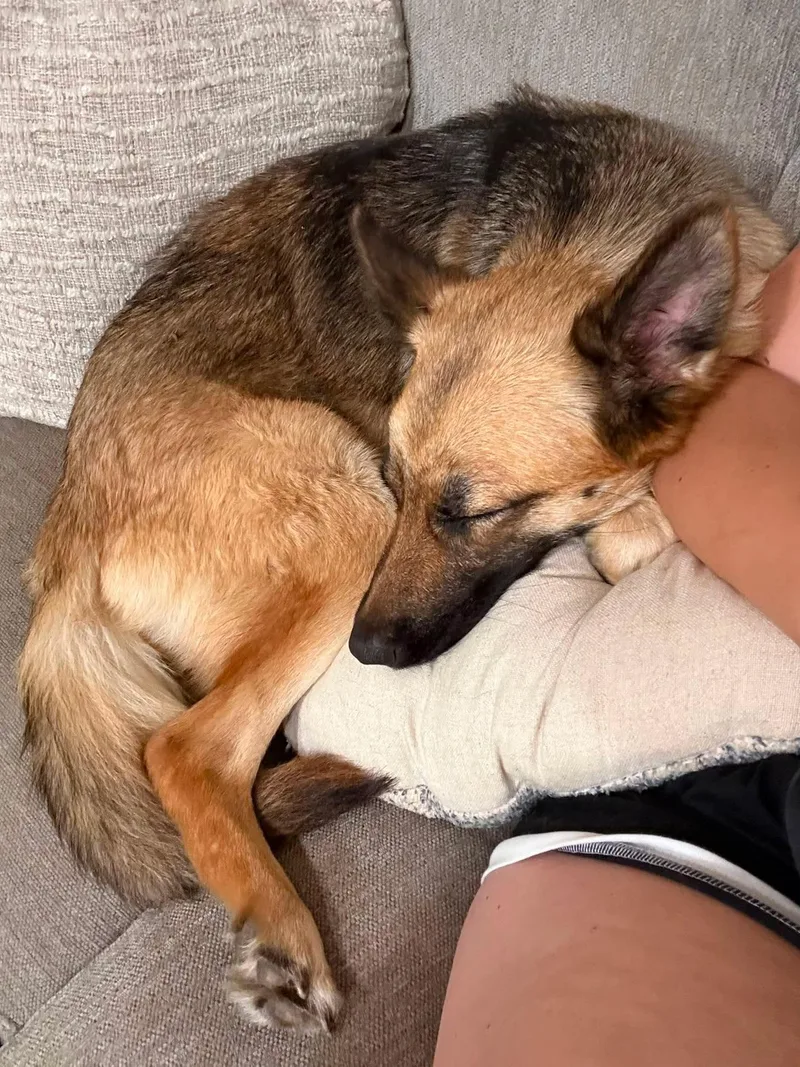
The German Pinscher is a medium-sized farm dog from Germany, once kept to catch rats in stables and guard carriages. It's the smooth-coated cousin of the Standard Schnauzer and helped give rise to the Doberman and Miniature Pinscher. The breed nearly vanished after World War II and remains uncommon, with a short, glossy coat in red or black and rust over a square, muscular frame.

German Pinschers are alert, fearless and quick-witted, affectionate with their own people and watchful with strangers. Many are energetic and determined, with a strong prey drive and a knack for finding loopholes in house rules. In Wichita, that usually means a dog who thrives on daily walks, firm but kind training and plenty of company, though each dog's personality varies.

Weight
25–45 lbs
Height
17–20 in
Lifespan
12–14 yrs
Temperament
Alert, Energetic, Intelligent, Protective
Group
Working
Shedding
Low to Moderate

Owning a German Pinscher in Wichita

Having a German Pinscher in Wichita

Quick reactions, a watchdog's vigilance and an easy wash-and-wear coat define this breed. Energy, independence and prey drive shape the training, exercise and routines that help a German Pinscher settle into Wichita life.

Temperament

Many German Pinschers are confident, curious and closely bonded to their families, and wary of strangers until introduced. That alertness suits busy Wichita streets, but it takes early socialization and calm, consistent training. Some test boundaries or act pushy with other dogs, and most chase small animals.

Exercise Needs

Plan on a brisk daily walk plus time to run and think: fetch, flirt-pole games, scent work or obedience practice. In Wichita, a leashed loop on the Arkansas River Path or a session at a fenced dog park works well. Prey drive can override recall when a squirrel bolts, so keep a leash handy.

Health Considerations

Hip dysplasia, cataracts and von Willebrand's disease, an inherited bleeding disorder, are documented in the breed, though many dogs stay healthy. Because von Willebrand's affects clotting, a veterinarian should know a dog's status before any surgery. Hip and eye checks and regular checkups help catch problems early.

Living Space

A German Pinscher can live in a Wichita house or apartment when it gets enough exercise and attention. A fenced yard helps, but this agile breed can jump or climb low fences, so aim for a tall, secure one. The short coat gives little cold protection, so this dog lives indoors with the family.

What it costs to own a German Pinscher in Wichita

ExpenseTypical costPer year
Food$35 to $70 per month$420 to $840
Pet insurance$45 to $85 per month$540 to $1,020
Routine vet care$225 to $450 per year$225 to $450
Other*$440 to $1,190 per year$440 to $1,190
Estimated yearly total (after year one)$1,625 to $3,500

Other costs are estimates and vary with size, age and health.

* The $15 Wichita dog license for a spayed or neutered dog, flea, tick and heartworm prevention, a dental cleaning allowance, toys and bedding, and occasional baths and brushing.

Adopt a German Pinscher in Wichita.

Now that you know more, let’s find you a new best friend. These rescues and shelters below have dogs available in and near Wichita.

Rescues and Shelters in or near Wichita

Wichita's shelters and rescues care for many dogs each year, and the groups listed below help match them with homes. Here are the rescues & shelters in the Wichita area with dogs available for adoption, worth asking whether a German Pinscher is coming in.

Frequently Asked Questions

Yes. Wichita requires a dog license from five months old ($15 a year if spayed or neutered, $50 if not), a microchip, and rabies vaccination at least every three years. Households can keep up to three dogs without a permit, and dogs can't run at large. A rental lease may add its own breed or size rules.

With some help, yes. Winter lows average 25°F, January dips near 22°F, and the thin, short coat gives little insulation. Use a sweater or coat on walks, shorten outings in deep cold, wipe paws after salted sidewalks, and keep the dog indoors. In Arctic outbreaks like February 2021, which hit −17°F, allow only quick potty breaks.

K-9 Rooster Dog Park, with 8.1 acres along the Arkansas River, suits a Pinscher that needs to run, and Naftzger Bark Park is the option near downtown. Dogs must be neutered, licensed and at least five months old. For leashed walks, try the Arkansas River Path or Pawnee Prairie Park's five-mile trail loops.

Yes, if daily exercise comes with it. Medium-sized and short-coated, a German Pinscher doesn't need a yard, but it does need long walks and mental work like scent games or training, or it may bark and chew. Alert dogs notice hallway noise, so a quieter unit and calm door manners help.

Only in limited ways. Wichita Transit runs buses, not rail, and a non-service pet must ride in an approved carrier that fully contains it. Most German Pinschers, at 25 to 45 pounds, are too big for that, so plan on driving. Service animals are permitted but must be declared when boarding.

Sometimes, on patios. Kansas law lets restaurants allow leashed, well-behaved dogs in outdoor areas, but each restaurant decides. Keep the dog off tables and chairs, and bring your own water bowl, since venues can't serve dogs from their own dishes. Because Pinschers are wary of strangers, practice settling under a table first.

Very little. The short, smooth coat needs a weekly brushing and an occasional bath, with extra brushing during heavier shedding. Wichita's cold winters call for a sweater rather than coat care. Nails and teeth need regular attention. Because most grooming happens at home, costs stay modest and fit within the yearly Other estimate.

Yes, German Pinschers shed, but only lightly to moderately. Their short, smooth coat drops small hairs year-round, with slightly more during seasonal changes. Weekly brushing with a rubber curry or grooming mitt removes most loose hair and keeps the coat shiny. Compared with double-coated breeds, cleanup is easy, though short hairs can still cling to fabric.

German Pinschers are not aggressive by nature, and the breed standard penalizes unprovoked attacks. They are fearless, protective and wary of strangers, though, and some can be pushy or reactive with other dogs. Good socialization from an early age, steady training and enough exercise make a big difference. An adopted adult's history is the best guide to its behavior.

Expect roughly $1,600 to $3,500 a year for a German Pinscher in Wichita. Food runs $35 to $70 a month, insurance $45 to $85, routine vet care $225 to $450 a year, and other costs such as prevention, dental care and supplies $440 to $1,190. Low-maintenance grooming helps keep the total manageable.

Find German Pinschers in Nearby Cities

Expand your search to find German Pinschers available for adoption near Wichita.