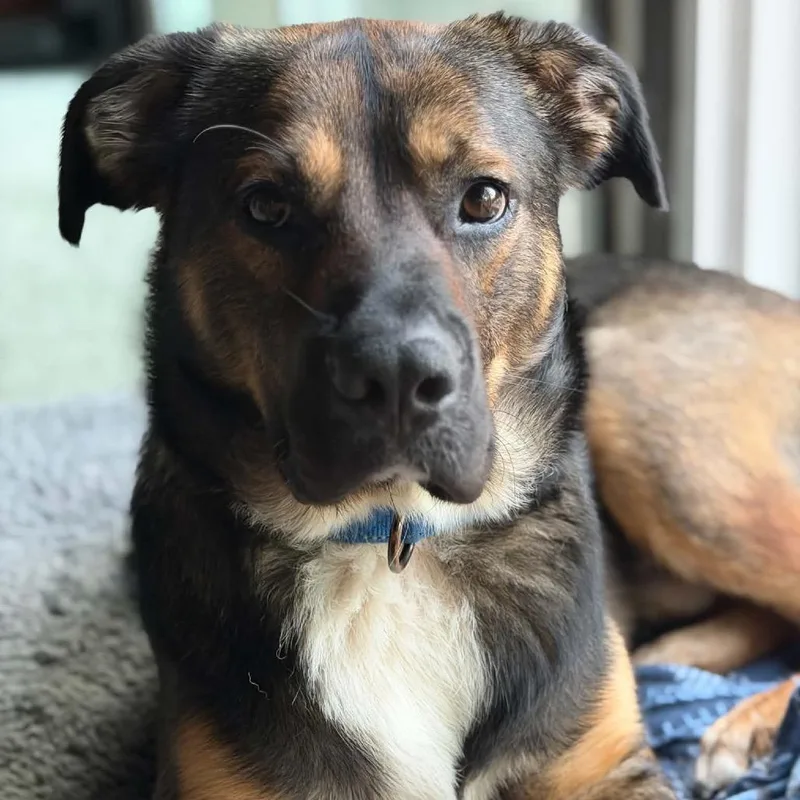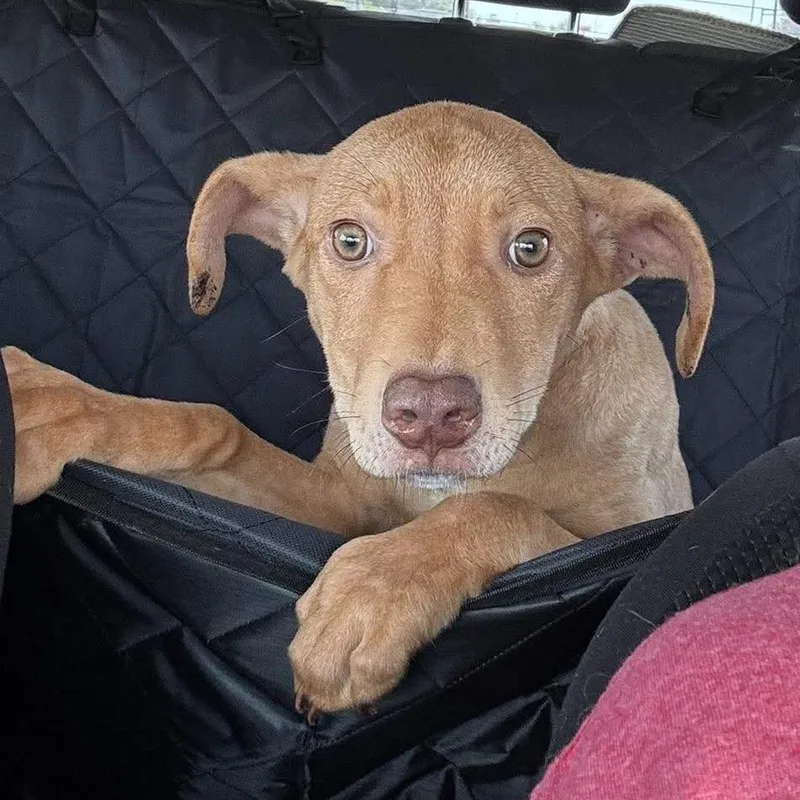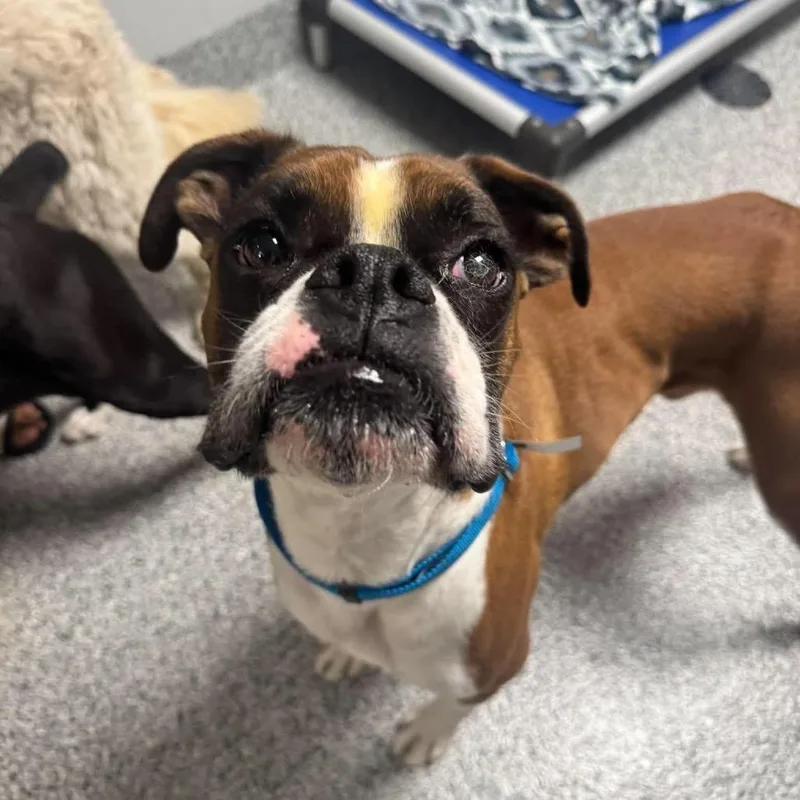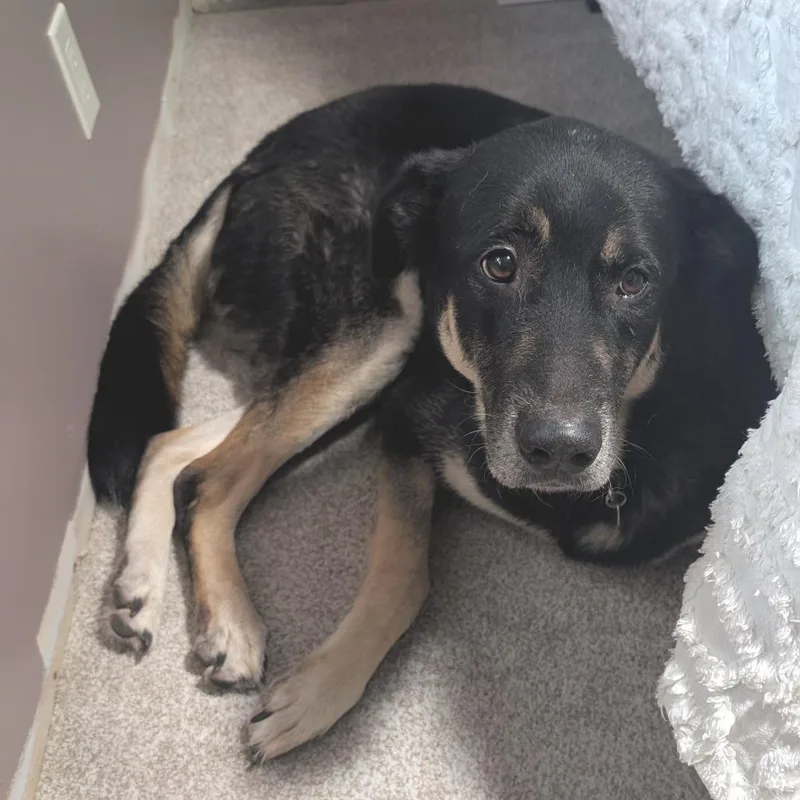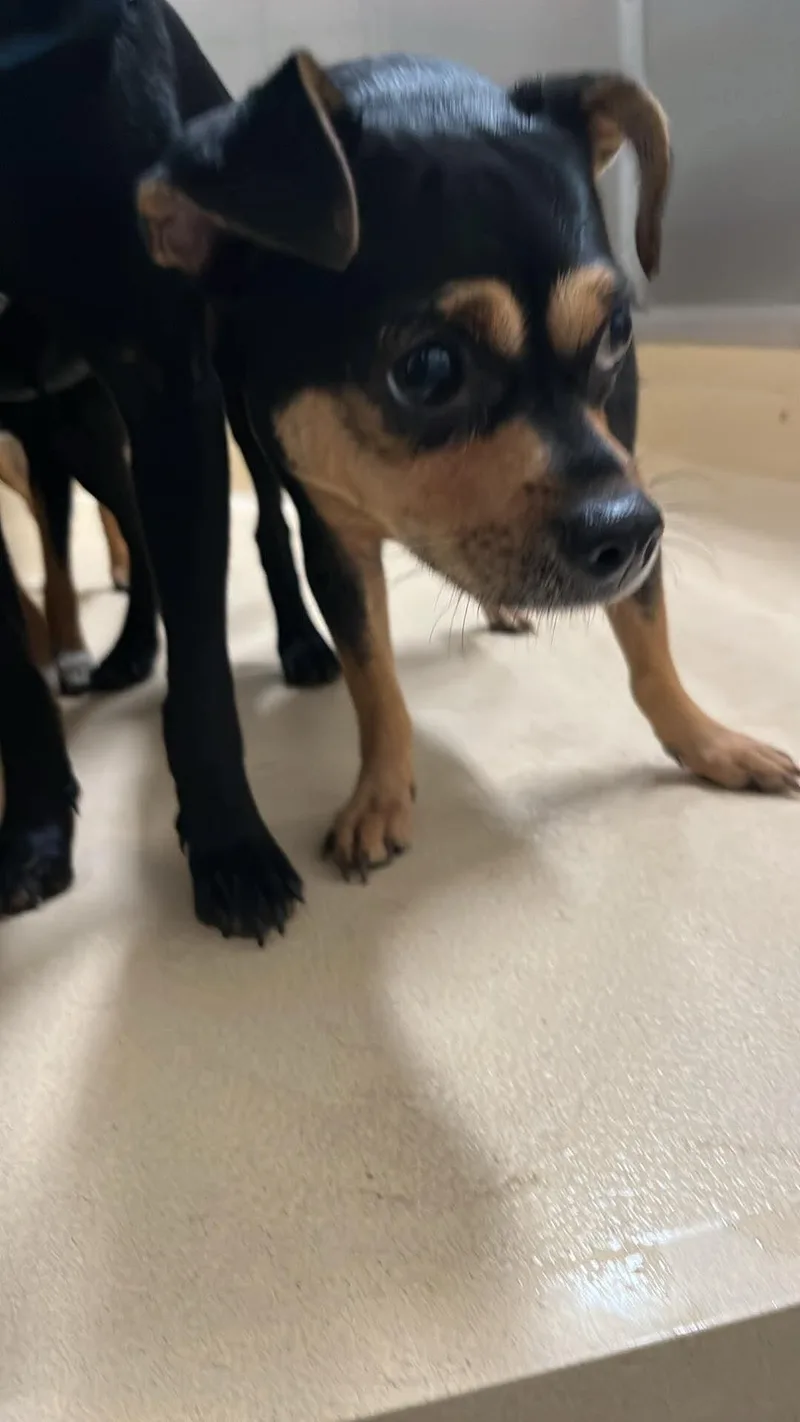
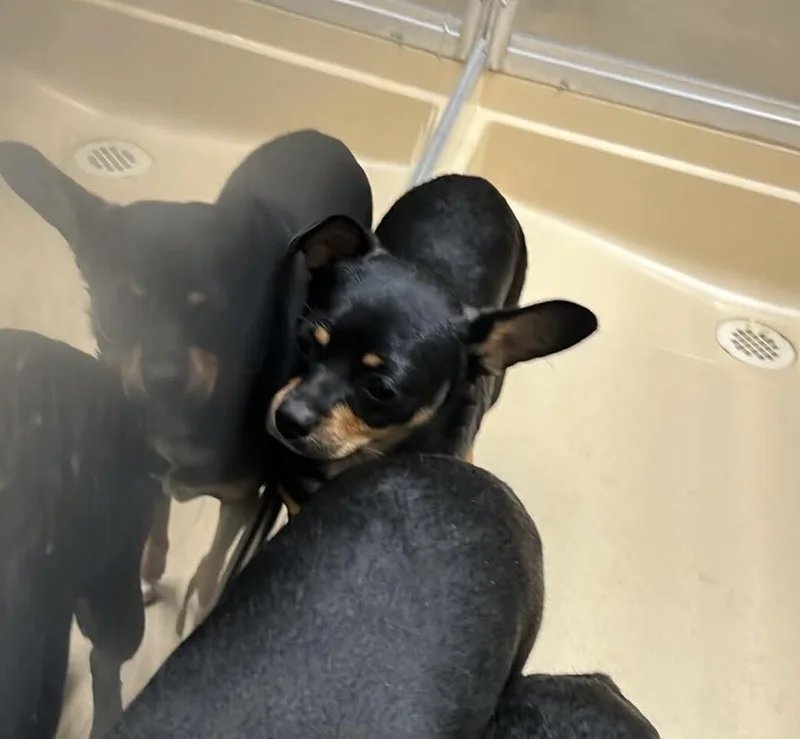
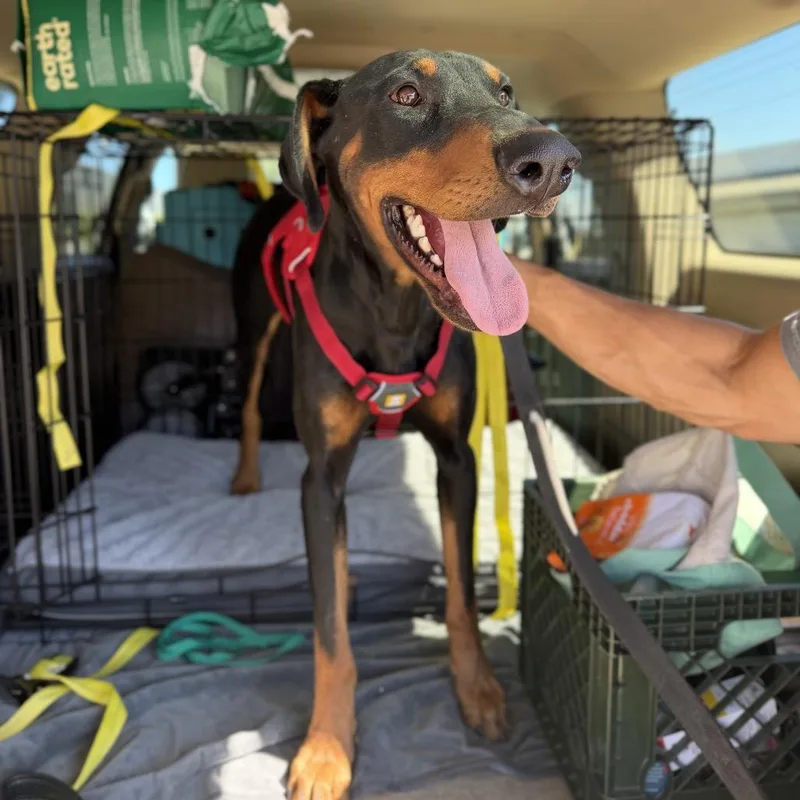
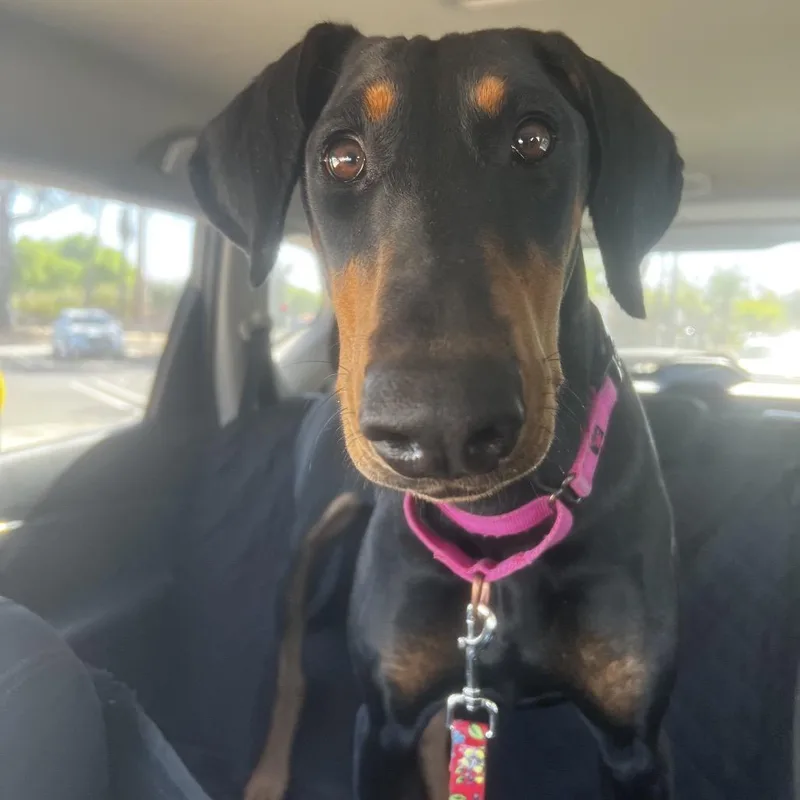
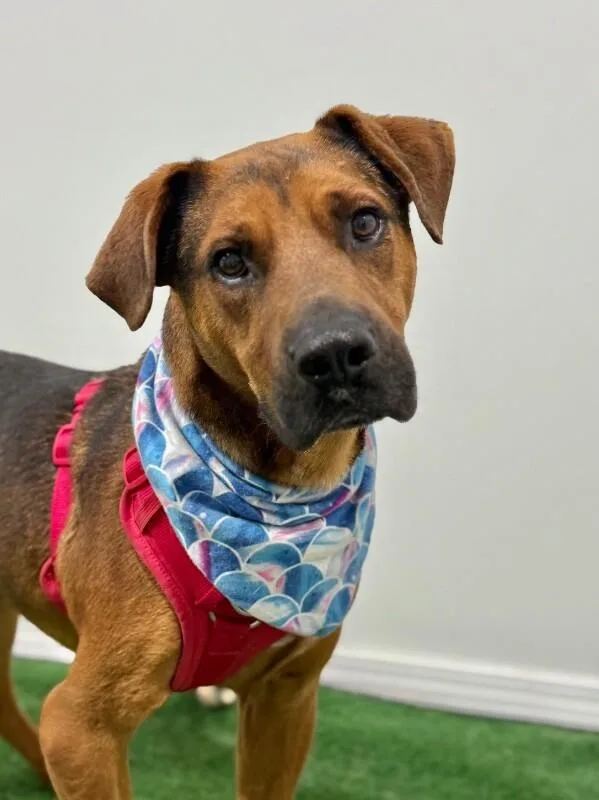
Doberman Pinscher Dogs for Adoption in Wichita, KS

Your guide to finding and caring for a Doberman Pinscher in Wichita

Dobermans suit Wichita best when they get a long daily run and a spot on the couch afterward. Benjamin Hills, with its 1950s ranch-house streets, is home to K-9 Rooster Dog Park on the Arkansas River, and the river path runs about 10 miles for a fit adult. Dobermans want their people close, so they do better with someone home a lot than with long workdays alone. Their thin coat also means Kansas winter walks need a jacket.

1118 Doberman Pinschers available in Wichita and nationwide

Fall for a Doberman Pinscher

While we don't have enough dogs near Wichita, keep in mind that many rescues may offer transport.

Doberman Pinschers Available for Adoption Near Wichita

About the Doberman Pinscher breed

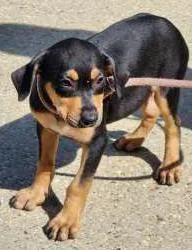
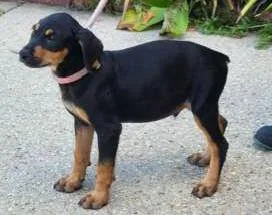
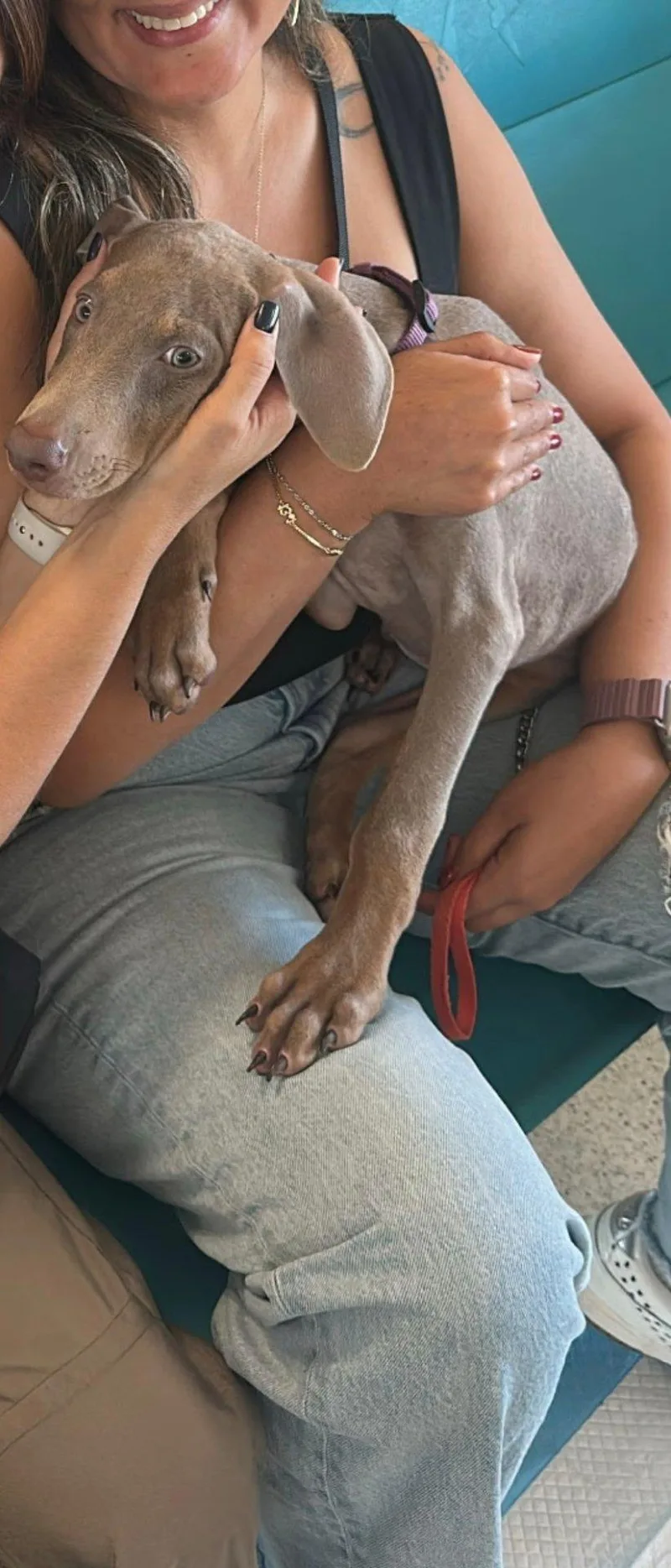
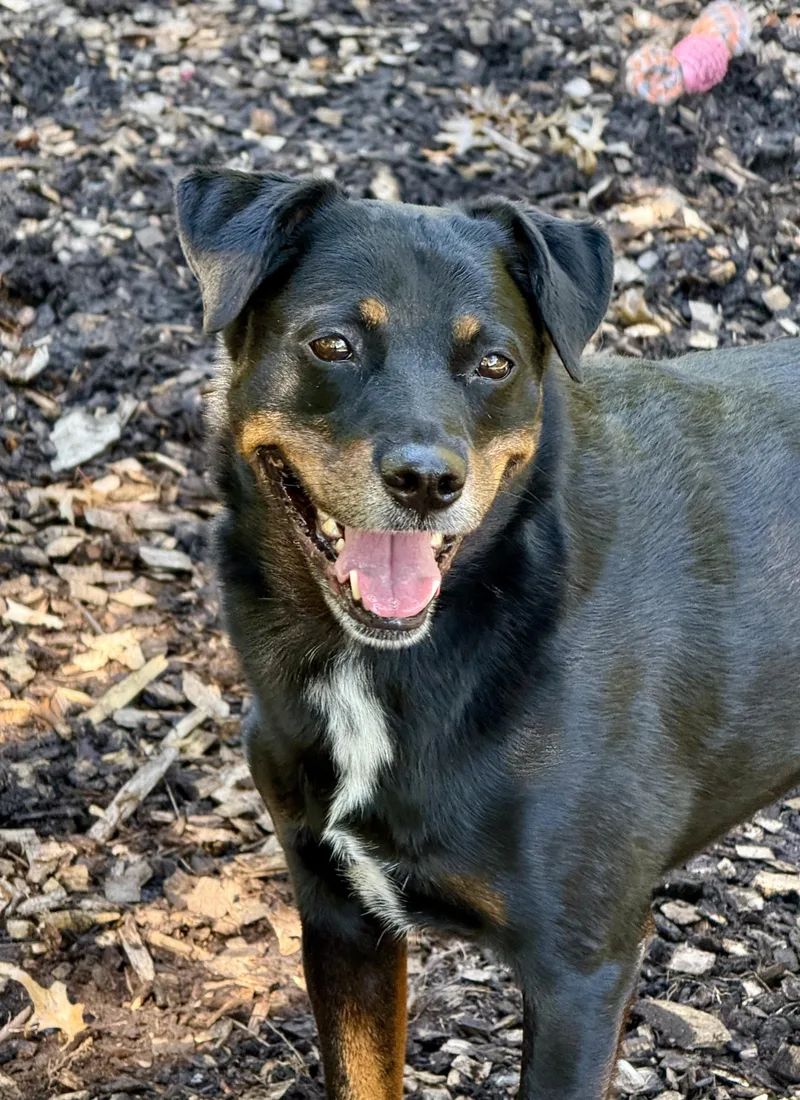
The Doberman Pinscher was developed in Germany in the late 1800s by Louis Dobermann, a tax collector who wanted a capable dog to accompany him on his rounds. The result is a sleek, muscular working dog, usually 60 to 100 pounds, with a short, glossy coat in black, red, blue or fawn with rust markings. Shedding is moderate but steady.

At home, many Dobermans are affectionate, sensitive dogs that stay close to their people. They're typically watchful with strangers and need thoughtful socialization and consistent, reward-based training. Adopters should plan for daily exercise, mental work and regular veterinary attention to heart health, since dilated cardiomyopathy is a serious concern in the breed.

Weight
60–100 lbs
Height
24–28 in
Lifespan
10–12 yrs
Temperament
Loyal, Alert, Intelligent, Protective
Group
Working
Shedding
Moderate

Owning a Doberman Pinscher in Wichita

Having a Doberman Pinscher in Wichita

Dobermans combine athletic drive with a deep need for company. In Wichita, the bigger questions are where the dog will exercise every day, how to handle a thin coat in freezing nights and hot afternoons, and planning for the breed's serious heart risks.

Temperament

Dobermans usually bond closely and shadow their family from room to room. Many are watchful with strangers, so early socialization on calm walks and consistent, reward-based training matter. They're sensitive to tone and respond poorly to harsh handling. Temperament varies, from relaxed companions to intense, driven dogs that need more structure.
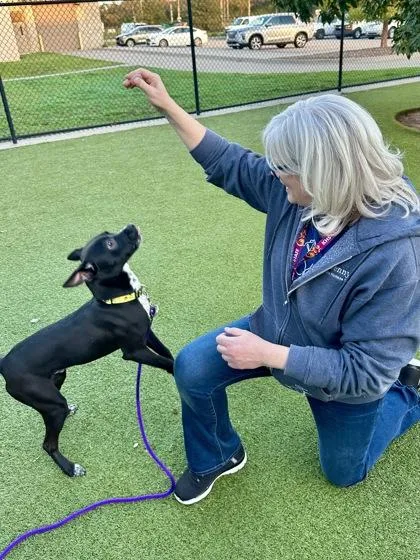
Exercise Needs

Plan on vigorous daily exercise: brisk walks, fetch, or jogging once fully grown, plus training sessions and scent games. In Wichita, the Arkansas River Path offers a long leashed route, and fenced city dog parks allow off-leash runs for neutered dogs. Hot afternoons call for early or late outings.

Health Considerations

Dilated cardiomyopathy is the breed's most serious concern, and many vets recommend regular cardiac screening. Von Willebrand disease, wobbler syndrome, hypothyroidism and bloat also occur, and blue or fawn dogs can develop coat thinning. Have a veterinarian check the heart soon after adoption, and keep up flea, tick and heartworm prevention.

Living Space

A Doberman can manage in a Wichita apartment or a ranch-style house if exercise and company are covered, though a securely fenced yard helps. This is an indoor dog that dislikes isolation, and its short single coat rules out outdoor kennel living through freezing Kansas nights.

What it costs to own a Doberman Pinscher in Wichita

ExpenseTypical costPer year
Adoption fee$100 to $250, one time$100 to $250 in year one
Food$55 to $110 per month$660 to $1,320
Pet insurance$65 to $130 per month$780 to $1,560
Routine vet care$250 to $500 per year$250 to $500
Other*$540 to $1,440 per year$540 to $1,440
Estimated yearly total (after year one)$2,230 to $4,820
First-year total (with adoption fee)$2,330 to $5,070

Adoption fee is the range of fees on Doberman Pinscher listings in Wichita on GetBuddy today. Other costs are estimates and vary with size, age and health.

* The $15 Wichita dog license for a spayed or neutered dog, flea, tick and heartworm prevention, a dental cleaning allowance, toys and bedding, basic coat care, and a winter coat for a thin single coat.

Adopt a Doberman Pinscher in Wichita.

Now that you know more, let’s find you a new best friend. These rescues and shelters below currently have Doberman Pinschers available.

Rescues in Wichita with Doberman Pinschers Available

Wichita's shelters and rescues stay busy year-round, and the ones below list the dogs currently looking for homes. Here are the rescues & shelters in the Wichita area where you can find Doberman Pinschers and other dogs available for adoption.

Frequently Asked Questions

Yes. Dobermans aren't singled out under Wichita's rules, which apply their breed-specific requirements to pit bull-type dogs. What matters is the same for any dog: license, microchip and rabies vaccination. Dobermans do appear on some insurers' and landlords' restricted lists, so confirm your lease and your renter's or homeowner's policy before adopting.

Yes, if the dog gets daily exercise and company. A Doberman can settle into an apartment after a good run, but it won't do well alone all day. Kansas caps a security deposit at one month's rent, plus a pet deposit of up to half a month's rent, so budget for both and confirm the lease allows a large dog.

It works with some planning. Wichita's hot summers and freezing winters both challenge a Doberman's thin single coat. Exercise at dawn or after dark in summer, use a fitted coat in winter, and keep the dog indoors at night all year. Spring and fall are the best seasons for long outings.

Start with K-9 Rooster Dog Park on the Arkansas River for off-leash runs, then use the Arkansas River Path for leashed jogs once the dog is fully grown. Pawnee Prairie Park suits longer leashed hikes. Dog parks require ID and rabies tags, so a Doberman wary of strangers may do better at quieter hours.

Only in an approved carrier, which rules out nearly every Doberman. Wichita Transit runs buses only, with no subway, and pets other than service animals must ride in a carrier that fully contains them. Service animals are allowed but must be declared when boarding. For a 60-to-100-pound dog, plan on walking or driving.

Sometimes, on patios. Kansas law lets restaurants admit leashed, well-behaved dogs to outdoor areas, and microbreweries can allow dogs indoors, but each business decides. Dogs can't sit on tables or be fed from the restaurant's dishes. A Doberman wary of strangers does best with a quiet corner and a reliable down-stay.

Very little. The short, close coat needs a weekly brush with a rubber mitt, an occasional bath and regular nail trims. Wichita's cold, dry winters can dry out skin, so don't over-bathe. Any professional grooming fits within the Other line of the cost table, and the bigger seasonal expense is a winter coat.

Yes, Doberman Pinschers shed, though their short coat makes it less noticeable than in double-coated breeds. They lose small, fine hairs year-round, often with slightly heavier shedding in spring and fall. Weekly brushing with a rubber curry or grooming mitt keeps loose hair down and the coat glossy. Patchy hair loss is worth a vet check.

We have 2 rescues with Doberman Pinschers available: Wichita Animal Action League and Beauties and Beasts Rescue. You can see every rescue with Doberman Pinschers available in the list above these questions, or scroll to the top to see the Doberman Pinschers near Wichita.

Expect roughly $2,230 to $4,820 a year for food, insurance, routine vet care and other costs. Food runs $55 to $110 a month and insurance $65 to $130, while routine vet care is $250 to $500 a year. Other costs add $540 to $1,440. Cardiac screening and emergencies like bloat are extra.