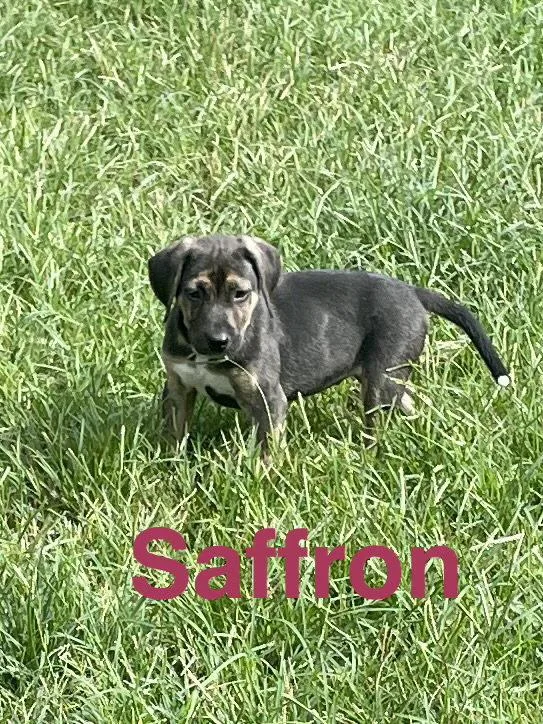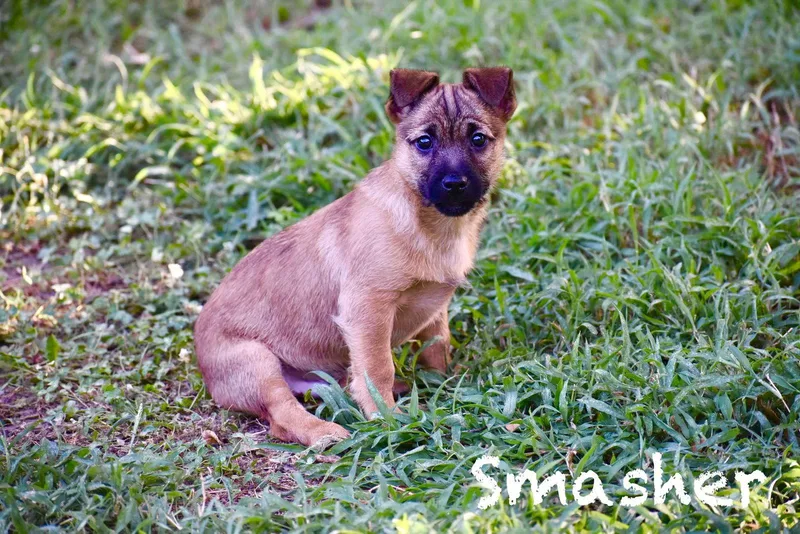
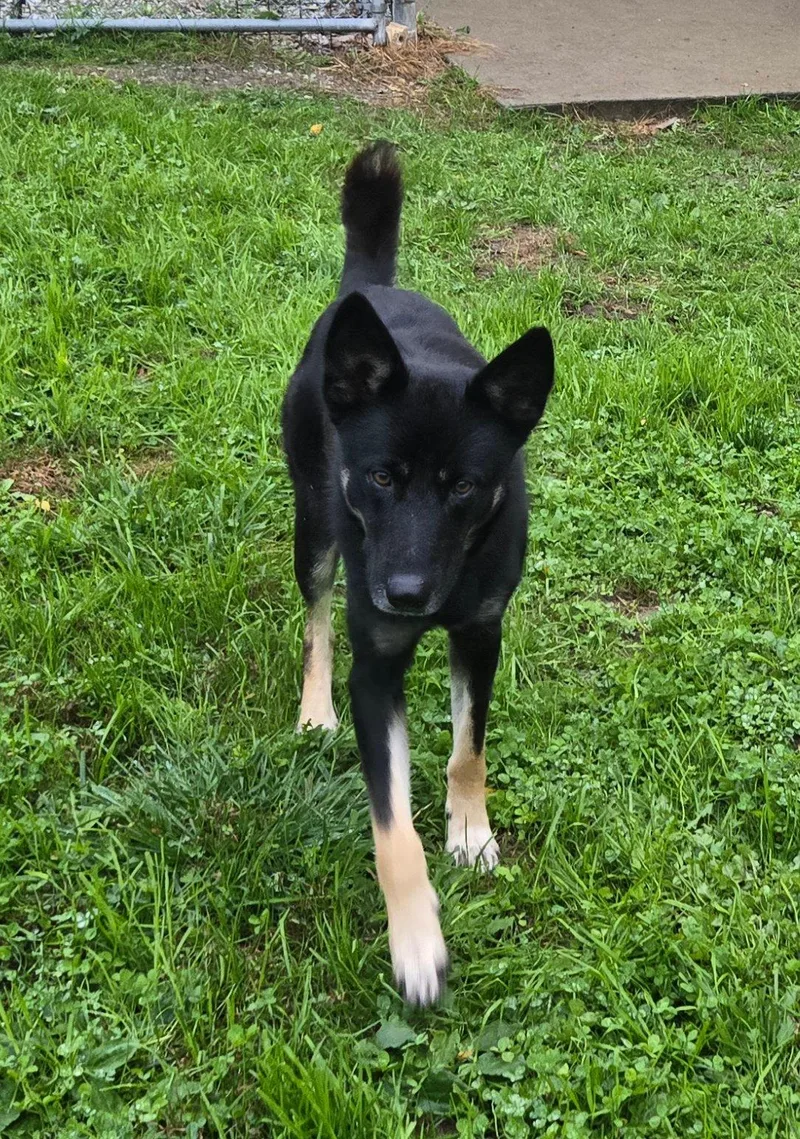
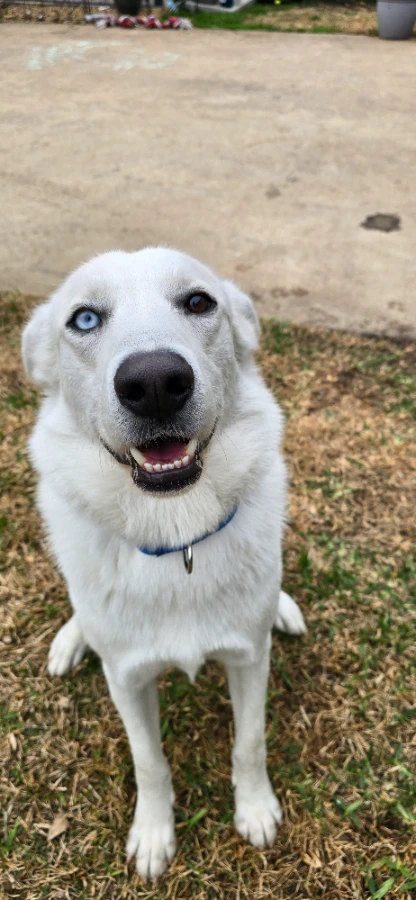


Siberian Husky Dogs for Adoption in Topeka, KS

Your guide to finding and caring for a Siberian Husky in Topeka

A Siberian Husky in Topeka needs a daily route, and the Shunga Trail gives it a long, paved one. Huskies like to cover ground, so a morning along Shunga Creek from Crestview Park suits them, and the wooded paths at Dornwood Park off SE 25th add some variety. Cold Kansas winters are easy on that thick coat. Fences are the catch, so look closely at yard fencing before you commit to a house.

2351 Siberian Huskies available in Topeka and nationwide

Open your home to a Siberian Husky

While we don't have enough dogs near Topeka, keep in mind that many rescues may offer transport.

Siberian Huskies Available for Adoption Near Topeka

About the Siberian Husky breed

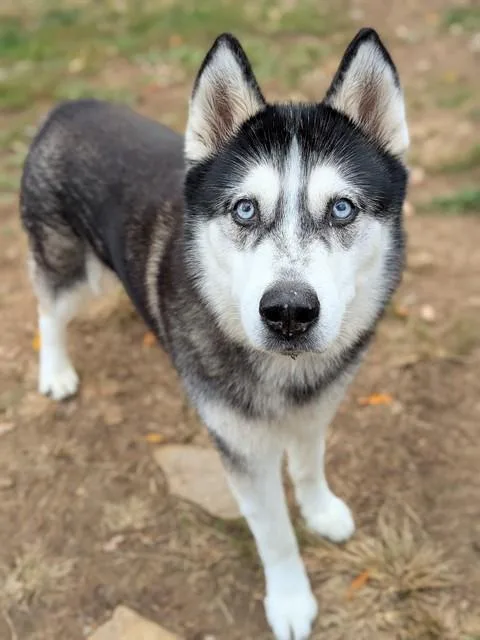
Siberian Huskies come from the Chukchi people of northeastern Siberia, who kept them as sled and companion dogs. They're medium-sized, usually 35 to 60 pounds, with erect ears, a brush tail, a thick double coat and eyes that can be brown, blue or one of each. Despite the wolf-like look, they're domestic dogs.

In Topeka, the draw is a friendly, social dog for people who like to be out moving. Huskies tend to howl more than bark, and most greet strangers warmly, so they make poor watchdogs. They also dig, test fences and chase small animals, and the heavy coat sheds twice a year. Plan for secure fencing, patient training and company, since many Huskies struggle when left alone all day.

Weight
35–60 lbs
Height
20–24 in
Lifespan
11–14 yrs
Temperament
Friendly, Energetic, Independent
Group
Working
Shedding
High

Owning a Siberian Husky in Topeka

Having a Siberian Husky in Topeka

Huskies pair stamina and a free-thinking streak with a friendly, social nature. In Topeka, daily trail time, secure fencing and a plan for summer heat matter more than looks, and each dog's energy and habits vary.

Temperament

Many Huskies are outgoing, gentle and playful, and they often greet people on the trail like old friends. They usually enjoy other dogs, though a strong prey drive can put cats and small pets at risk. Independence can look like stubbornness, so training takes patience, and each dog's own history and personality count for more than breed.

Exercise Needs

Plan on vigorous daily exercise: a long walk or jog on the paved Shunga Trail, or a hike on Dornwood Park's wooded paths. Recall is rarely reliable, and county parks require leashes outside fenced dog parks, so use a leash, a long line or a fenced area. Add puzzle toys and training for mental work.

Health Considerations

Huskies are generally sturdy, but juvenile cataracts, corneal dystrophy and progressive retinal atrophy occur, so ask a veterinarian about eye and hip screening. Some develop zinc-responsive skin problems. The thick coat raises heatstroke risk during Topeka's hot summers, so watch for heavy panting, offer shade and water, and rest early.

Living Space

Topeka has plenty of single-family homes, and a Husky does best where a tall, secure fence is possible, ideally buried or reinforced since many dig and climb. An apartment can work if daily exercise is covered. Huskies want to be indoors with their people, and air conditioning makes summers safer.

What it costs to own a Siberian Husky in Topeka

ExpenseTypical costPer year
Food$35 to $70 per month$420 to $840
Pet insurance$45 to $85 per month$540 to $1,020
Routine vet care$225 to $450 per year$225 to $450
Other*$533 to $1,370 per year$533 to $1,370
Estimated yearly total (after year one)$1,718 to $3,680

Other costs are estimates and vary with size, age and health.

* The Topeka dog license ($8 if sterilized, $20 if not), flea, tick and heartworm prevention, a dental cleaning allowance, toys and bedding, and brushing tools and baths for twice-yearly coat blowouts.

Adopt a Siberian Husky in Topeka.

Now that you know more, let’s find you a new best friend. These rescues and shelters below currently have Siberian Huskies available.

Rescues in Topeka with Siberian Huskies Available

The shelters and rescues listed here care for Topeka-area dogs of every size, and their listings change often. Here are the rescues & shelters in the Topeka area where you can find Siberian Huskies and other dogs available for adoption.

Frequently Asked Questions

Yes, most Siberian Huskies handle Topeka winters well. Their double coat is built for cold, even with about 114 freezing nights a year and January lows near 20°F. Keep the dog indoors at night, since tethered dogs in Topeka need insulated, wind-proof shelter below 40°F, and wipe ice from paws after walks. Summer heat is the harder season for the breed.

Yes, you can get a Siberian Husky in Topeka. No known breed-specific rule applies, and the city handles dangerous dogs by behavior instead. You'll need to license the dog at six months, keep rabies vaccination current, and avoid leaving it tethered unsupervised for more than 15 minutes. Because Huskies climb and dig, a secure fence is the practical requirement.

A Siberian Husky fits Topeka if you'll exercise it daily and manage the summer heat. The city's paved and wooded trails, cold winters and many single-family homes suit an active dog, while hot July days and spring storms call for planning. It's a harder match if you're away all day, since Huskies want company.

The paved Shunga Trail along Shunga Creek, the wooded paths at Dornwood Park and Azura Trails at Skyline Park are good leashed options for a Husky. Hill's Bark Park at Gage Park offers a fenced place to run. Because Huskies rarely have reliable recall, keep the dog leashed anywhere that isn't fenced.

Rarely. Topeka Metro runs buses only, and pets must be fully contained in a latched pet carrier. An adult Siberian Husky usually weighs 35 to 60 pounds, which is too big for a carrier. Only service animals ride on the floor, so plan on walking or driving when the dog comes along.

Sometimes, on patios. Kansas law lets restaurants admit leashed dogs to outdoor areas, but each venue decides, so look for a posted welcome before you sit down. Dogs can't be on tables or counters or fed from the restaurant's dishes. A Husky who pulls or greets everyone may do best on a quiet, shaded corner.

Expect weekly brushing most of the year and daily brushing during the two heavy sheds, usually in spring and fall. Topeka's hot summers make the undercoat tempting to cut, but never shave a Husky, since the coat also insulates against heat. Brushing tools and occasional baths are counted in the yearly Other costs.

A Siberian Husky is a medium-sized working dog developed as a sled dog in northeastern Siberia. Huskies weigh about 35 to 60 pounds and have a thick double coat, erect ears and often striking blue or mismatched eyes. They are known for endurance, friendliness and independence, and they need plenty of exercise, secure fencing and company to thrive.

We have 1 rescue with Siberian Huskies available: Helping Hands Humane Society. You can see every rescue with Siberian Huskies available in the list above these questions, or scroll to the top to see the Siberian Huskies near Topeka.

Plan on roughly $1,700 to $3,700 a year for a Husky in Topeka. That covers food at $35 to $70 a month, insurance at $45 to $85 a month, routine vet care at $225 to $450 a year, and other costs of $533 to $1,370 a year, including coat care and parasite prevention.