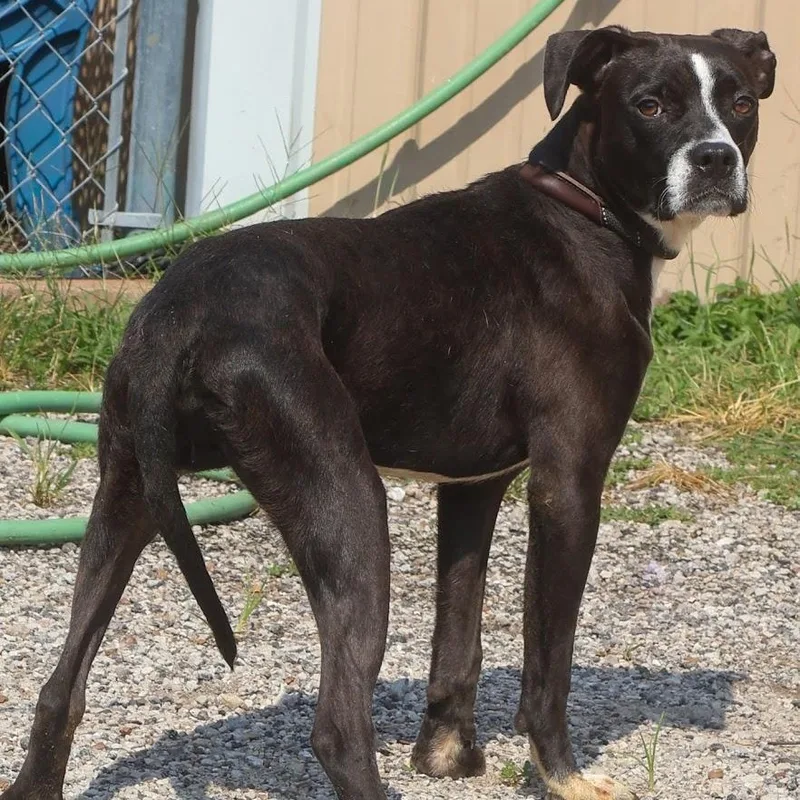
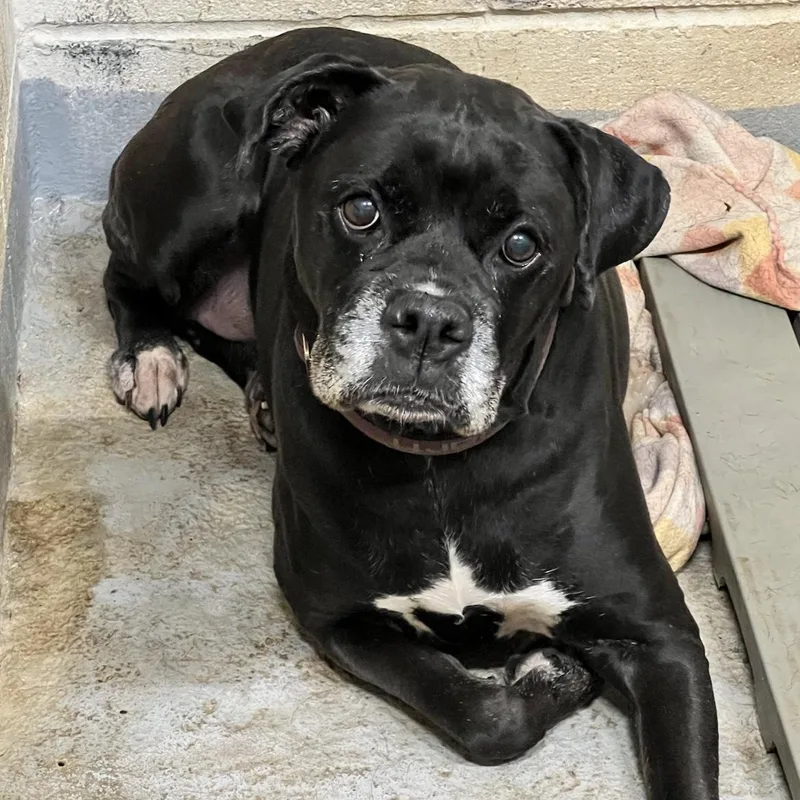
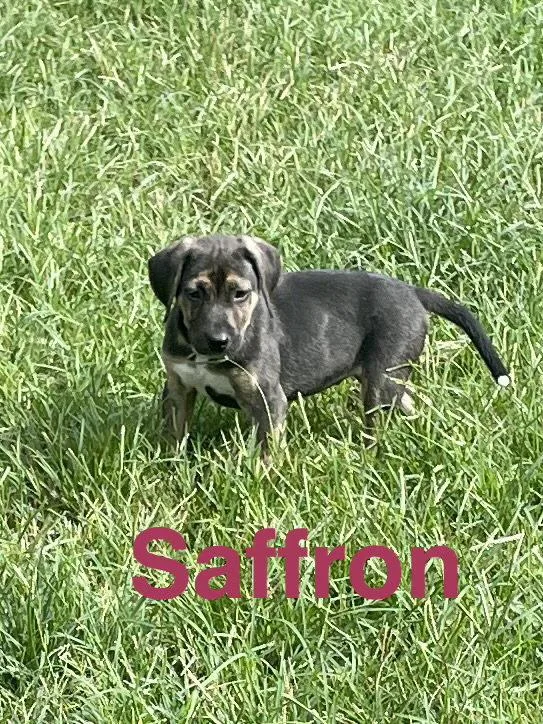
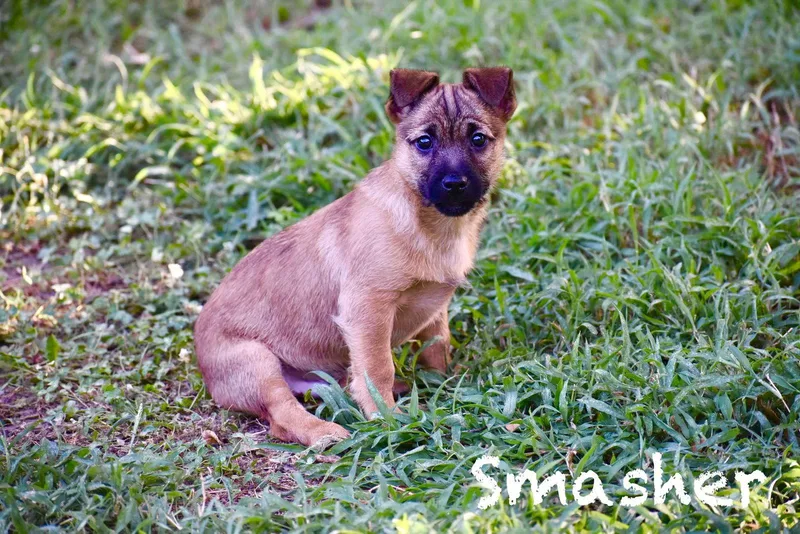
Boxers descend from Germany's Bullenbeisser, a hunting dog crossed with English Bulldogs in the late 1800s. The result is a square, muscular dog with a short, shiny fawn or brindle coat, often with white markings and a black mask. Boxers have worked as messenger, guard and police dogs, and today most are family companions.
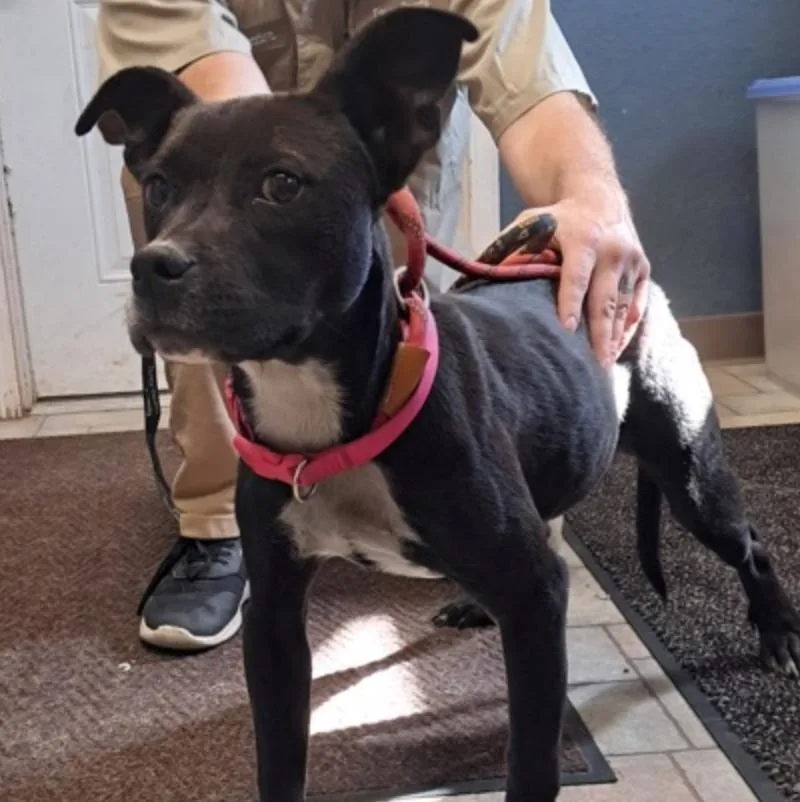
Many Boxers are clownish and physical, and they often stay puppyish for years. In Topeka that means planning for daily exercise, patient reward-based training and care around small children who could get bowled over. The short face and thin coat make them sensitive to heat and cold, which matters on the Kansas plains, and the breed carries real heart and cancer risks. Dogs vary, and many Boxer-type dogs in adoption are mixes.