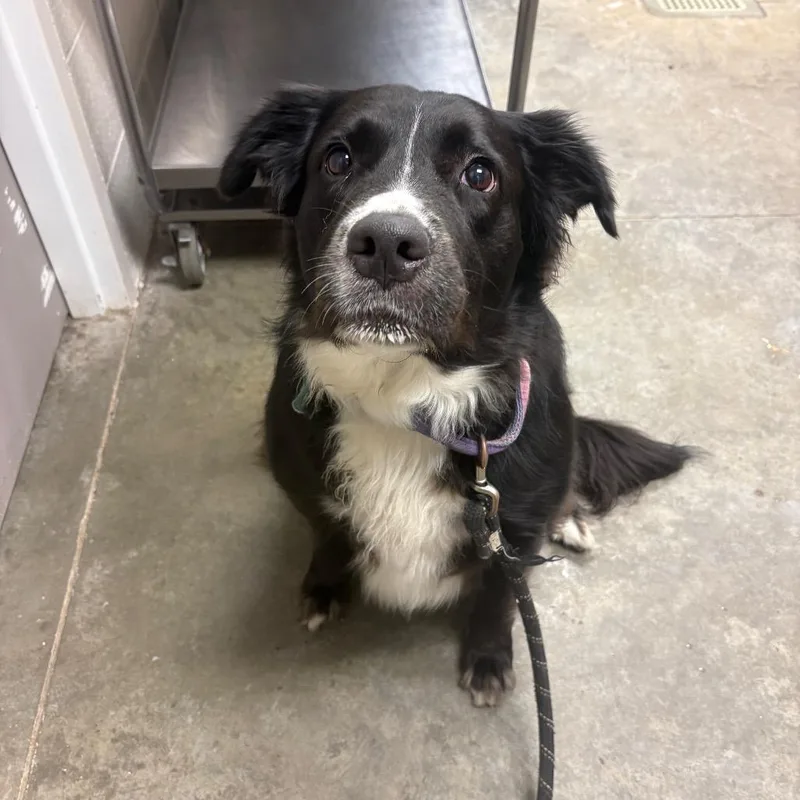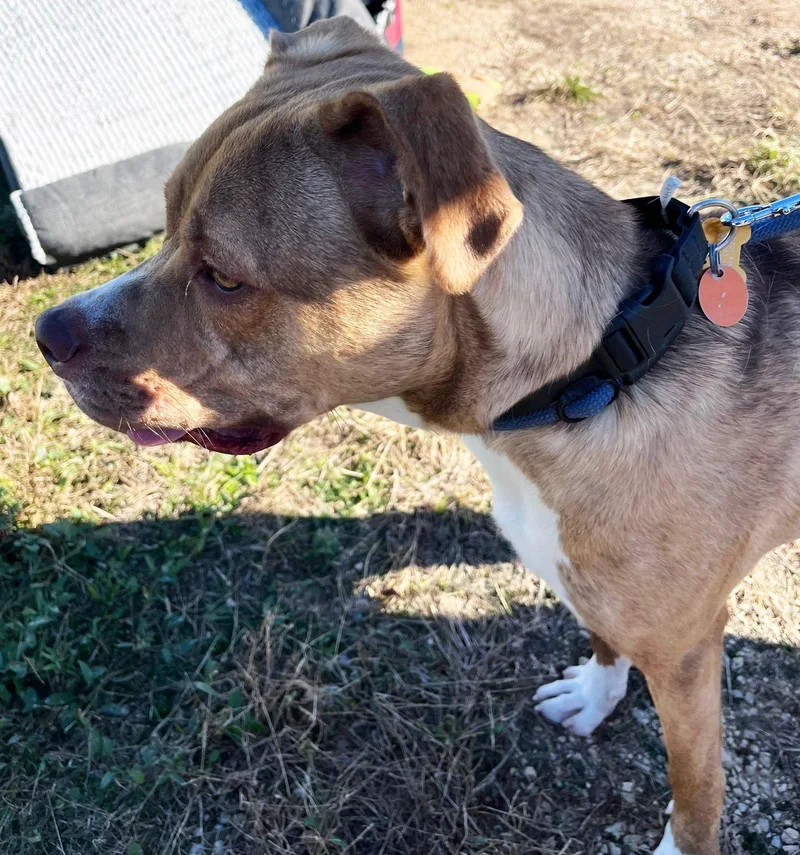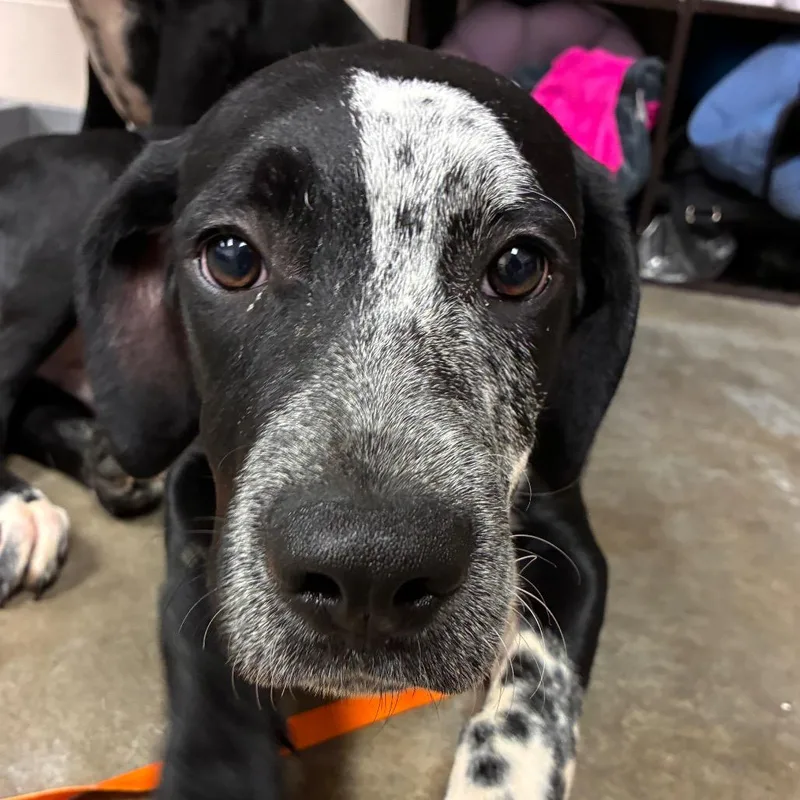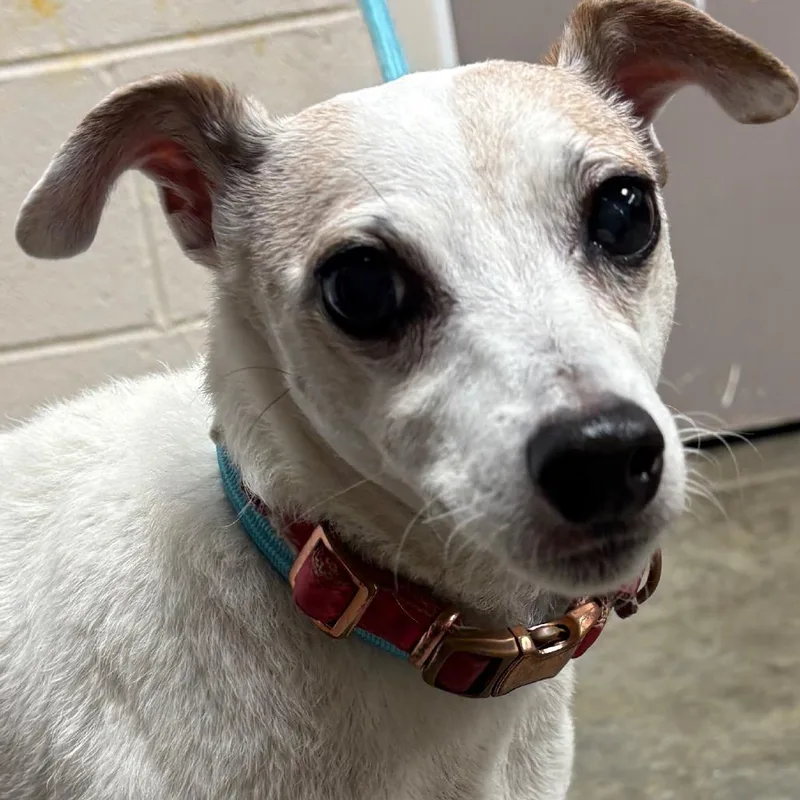


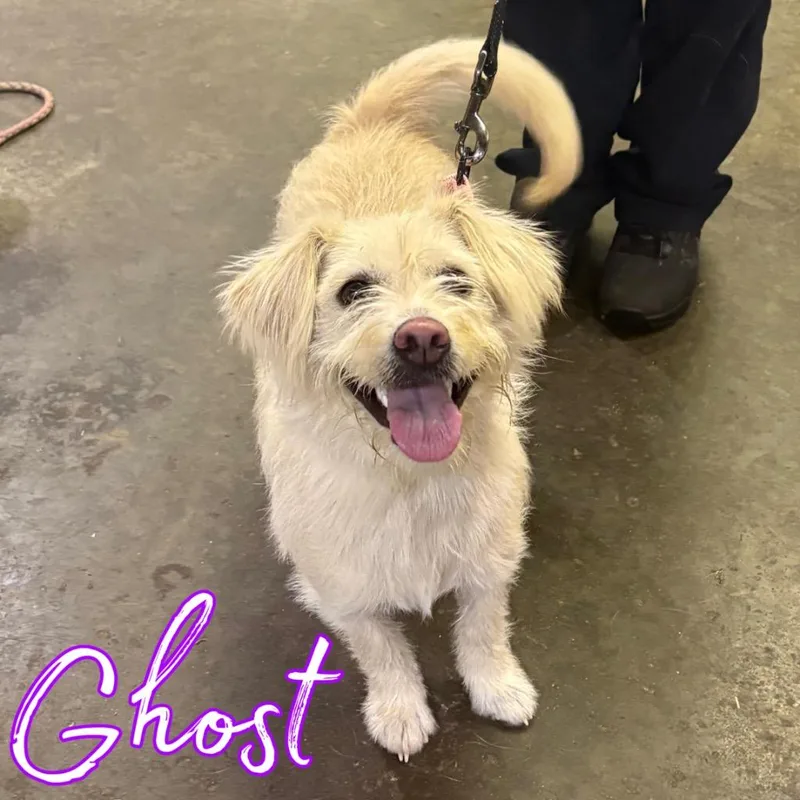
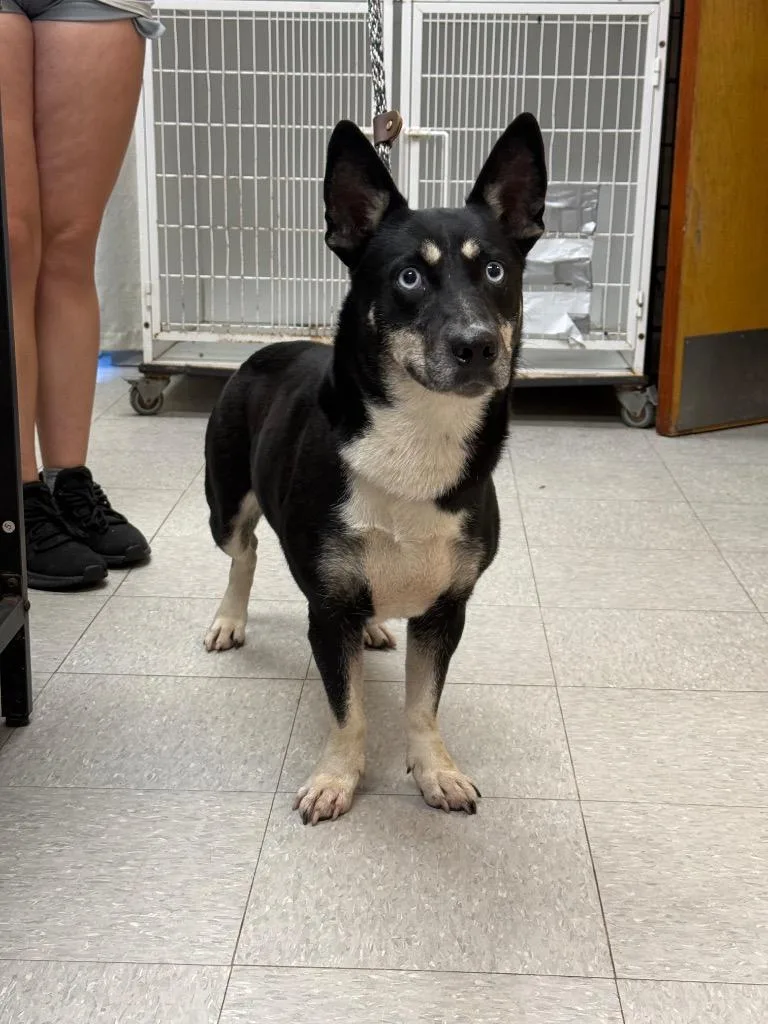
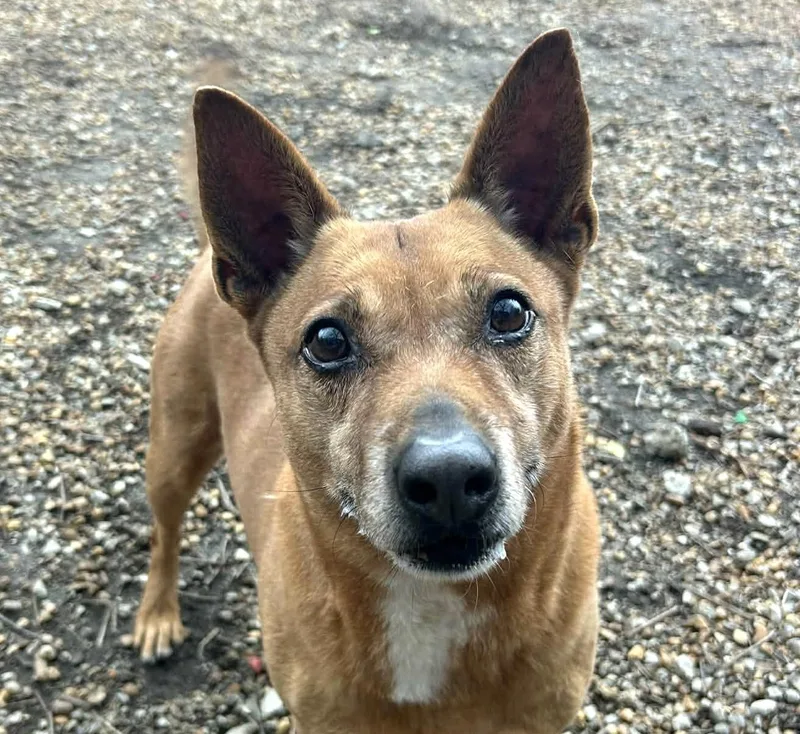



Corgi Dogs for Adoption in Manhattan, KS

Your guide to finding and caring for a Corgi in Manhattan

Corgis suit Manhattan's mid-sized, walkable feel, especially around the Linear Park Trail. A short-legged herder can cover plenty of ground along Wildcat Creek, and the trail's loops keep a daily walk interesting. At home, a small Northview rental or a Candlewood house both work, since a corgi cares more about being near you than about square footage. Expect a busy, vocal dog that notices every delivery and passerby.

532 Corgis available in Manhattan and nationwide

Meet your next Corgi

While we don't have enough dogs near Manhattan, keep in mind that many rescues may offer transport.

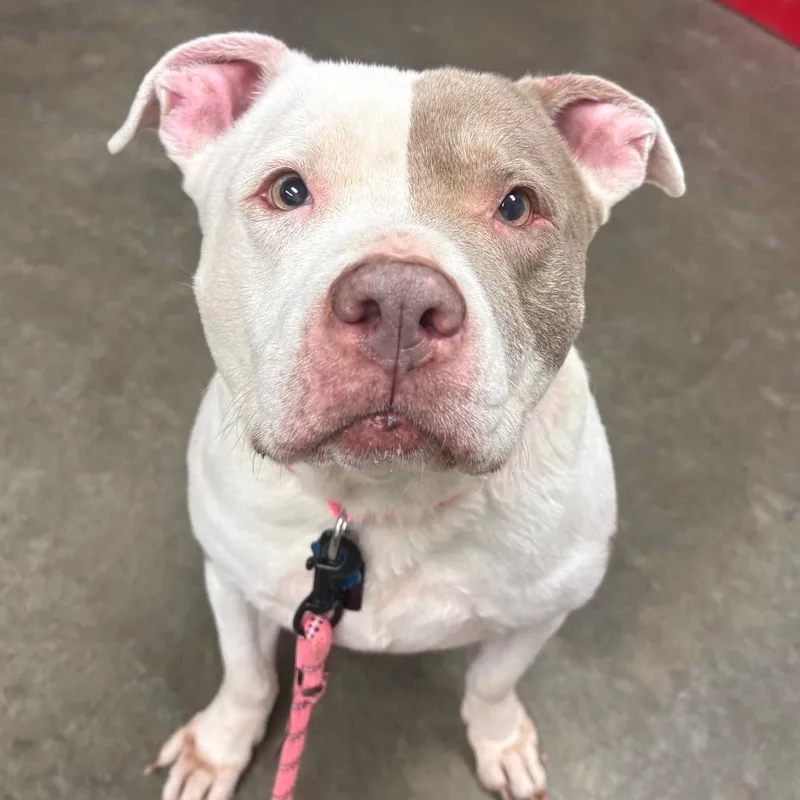
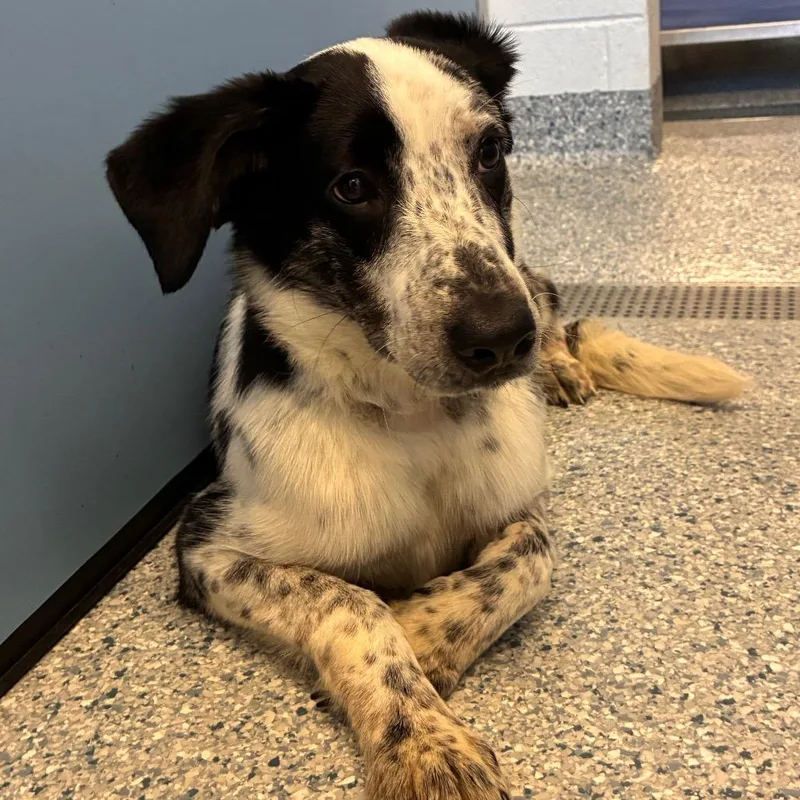
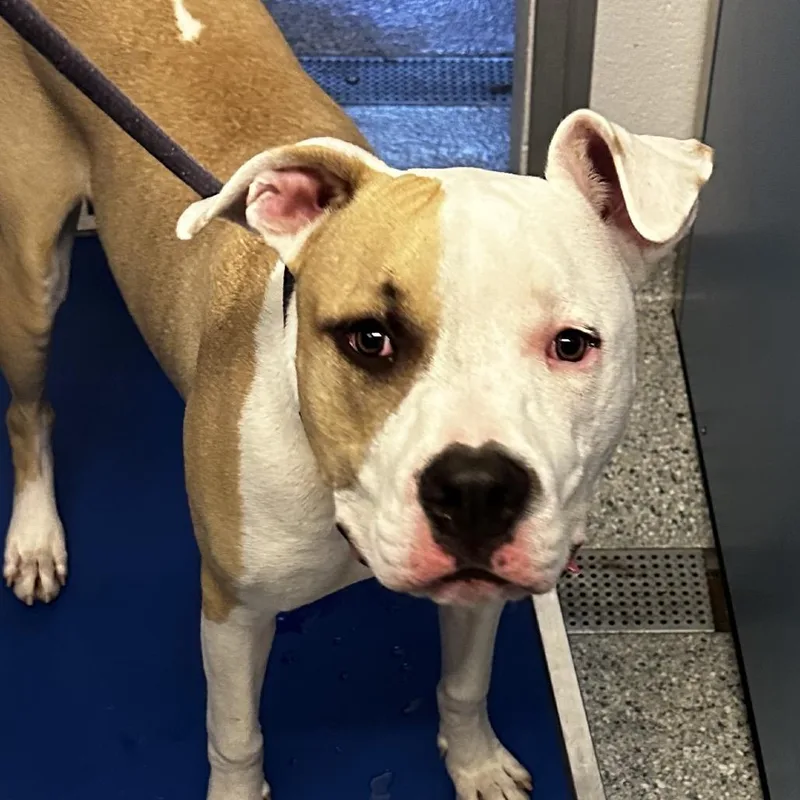
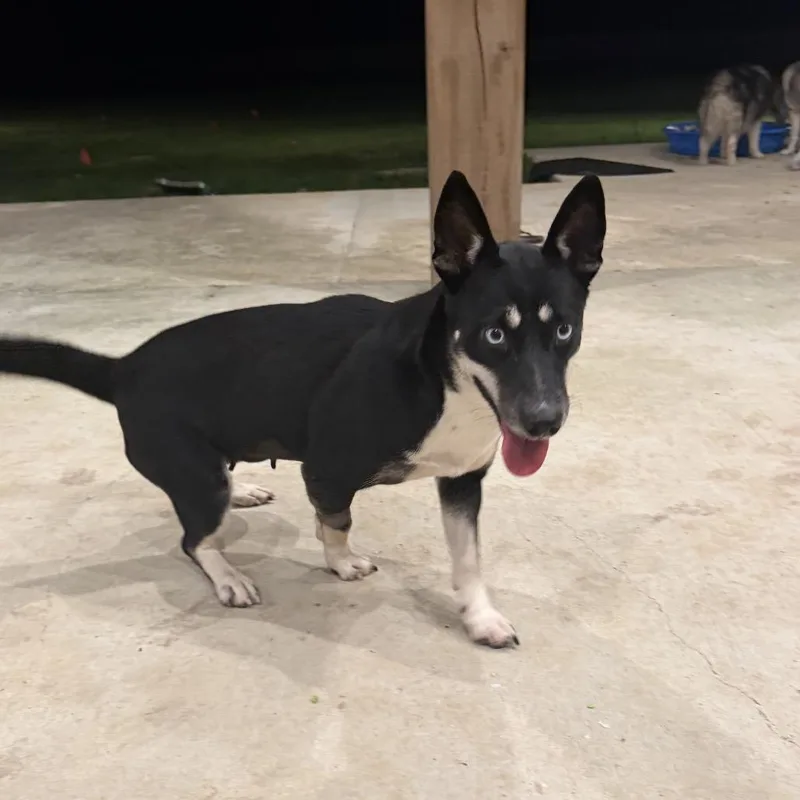
Corgis Available for Adoption Near Manhattan

About the Corgi breed

Corgi is a shared name for two Welsh herding breeds, the Pembroke and the Cardigan, and the label is also used for corgi mixes. Both are long, low cattle dogs with upright ears and a dense double coat, bred to nip at the heels of cattle and dodge the kicks. The Pembroke is lighter and foxier, while the Cardigan is heavier and keeps a long, brushy tail.

In Manhattan, that herding drive shows up on walks and at home: a corgi may bark at passing bikes on the trail, shadow you around the kitchen or try to round up the kids. They shed heavily, gain weight easily and need daily exercise plus something to think about. Dogs vary a lot, so spend time with a corgi before deciding.

Weight
22–38 lbs
Height
10–13 in
Lifespan
12–15 yrs
Temperament
Alert, Intelligent, Affectionate
Group
Herding
Shedding
High

Owning a Corgi in Manhattan

Having a Corgi in Manhattan

Corgis are smart, vocal herders in a low frame, so training, steady exercise and back care matter more than size. In Manhattan, the bigger questions are hot summers, cold winters and how much barking your home can handle.

Temperament

Corgis are usually friendly, alert and eager to be part of the family, often with a stubborn streak. Many bark at sounds and nip at heels when excited. With students, joggers and bikes passing through a college town, early socialization and calm-greeting practice help keep that watchfulness friendly. Each dog differs, whatever the breed.
Exercise Needs

Plan on a daily walk or two plus active play. The Linear Park Trail and the fenced dog parks at CiCo Park and Fairmont Park give a corgi room to move, and puzzle toys cover icy or stormy days. Skip repeated jumping, and keep exercise steady to protect the back and waistline.

Health Considerations

Corgis are prone to disc disease, hip dysplasia, degenerative myelopathy and eye problems, and extra weight strains the back. A veterinarian can check the spine, hips and eyes and set up prevention. Keeping a corgi lean also helps in Manhattan's hot summers. Watch for back pain, weakness or reluctance to jump.

Living Space

A corgi fits many Manhattan rentals as long as it gets daily outings; just expect barking at hallway noise and plenty of shed hair. Use ramps or steps for furniture and limit stairs. Corgis do best indoors with family, and a fenced yard is a bonus, not a requirement.

What it costs to own a Corgi in Manhattan

ExpenseTypical costPer year
Food$20 to $45 per month$240 to $540
Pet insurance$40 to $85 per month$480 to $1,020
Routine vet care$200 to $400 per year$200 to $400
Other*$485 to $1,274 per year$485 to $1,274
Estimated yearly total (after year one)$1,405 to $3,234

Other costs are estimates and vary with size, age and health.

* The Manhattan dog license ($10 a year if spayed or neutered, $24 if not), flea, tick and heartworm prevention, a yearly dental cleaning, toys and bedding, and brushing and baths for heavy shedding.

Adopt a Corgi in Manhattan.

Now that you know more, let’s find you a new best friend. These rescues and shelters below have dogs available in and near Manhattan.

Rescues and Shelters in or near Manhattan

Manhattan's shelter and foster-based rescue community works to place dogs of all kinds, including corgis and corgi mixes. Here are the rescues & shelters in the Manhattan area with dogs available for adoption, worth asking whether a Corgi is coming in.

Frequently Asked Questions

Yes, Manhattan has no known breed ban, and corgis aren't among the large breeds the city singles out for extra care. Every dog over 6 months needs a city license and a current rabies vaccination. Keep your corgi leashed whenever it's off your property, since electronic collars don't count as leashes.

Yes, a corgi can do well in a Manhattan apartment if it gets daily walks and mental work. The usual friction is barking at hallway and street noise, so teach a quiet cue and offer puzzle toys while you're out. Choose a ground floor or elevator building when you can, since stairs strain a corgi's long back.

Start with the fenced dog parks at CiCo Park and Fairmont Park, which has a separate small-dog area. The Linear Park Trail follows the rivers and Wildcat Creek, and Tuttle Creek State Park allows dogs on a leash of 10 feet or less. Skip Konza Prairie, where dogs aren't permitted.

Yes, with some planning. Heat is the main hazard, and a corgi's thick double coat needs shade, water and cool indoor rest. Brushing out loose undercoat helps more than shaving. Schedule walks early or late, keep your corgi at a healthy weight, and watch for heavy panting or lagging on hot afternoons.

Only in an enclosed carrier. ATA Bus lets pets ride with their owners if they're secured in an enclosed container, and pets have the lowest boarding priority. A corgi weighing 22 to 38 pounds may not fit a typical carrier, so plan on driving for most trips. Manhattan has no subway.

Sometimes, on patios. Kansas law lets restaurants allow dogs in outdoor areas, but it's each restaurant's choice, and dogs must stay leashed and off tables, bars and counters. Microbreweries may also allow dogs inside. Practice a calm down-stay at home first, since corgis tend to bark at passersby.

Brush a few times a week, and daily during the heavy sheds in spring and fall when the undercoat blows out. A bath every month or two is plenty. Skip shaving, since the double coat insulates against both heat and cold. Grooming supplies and the occasional professional bath fall within the Other line of the cost table.

A corgi is a small, long-bodied herding dog from Wales with short legs, upright ears and a thick double coat. The name covers two separate breeds, the Pembroke Welsh Corgi and the Cardigan Welsh Corgi, which share a working past driving cattle. Many corgis in shelters are mixes. Most are smart, energetic and affectionate, with a strong opinion about everything.

Corgis were bred to herd cattle on Welsh farms. They drove livestock by nipping at the cattle's heels, and their low build helped them duck under kicking hooves. Farmers also used them with sheep, ponies and poultry and as watchdogs. That heritage explains why many corgis still bark readily, chase moving things and try to herd children and other pets.

Plan on roughly $1,400 to $3,200 a year for a corgi in Manhattan: $20 to $45 a month for food, $40 to $85 a month for insurance, $200 to $400 for routine vet care, and $485 to $1,274 for other costs such as grooming, dental care and prevention. A back injury or illness could cost much more.

Find Corgis in Nearby Cities

Expand your search to find Corgis available for adoption near Manhattan.