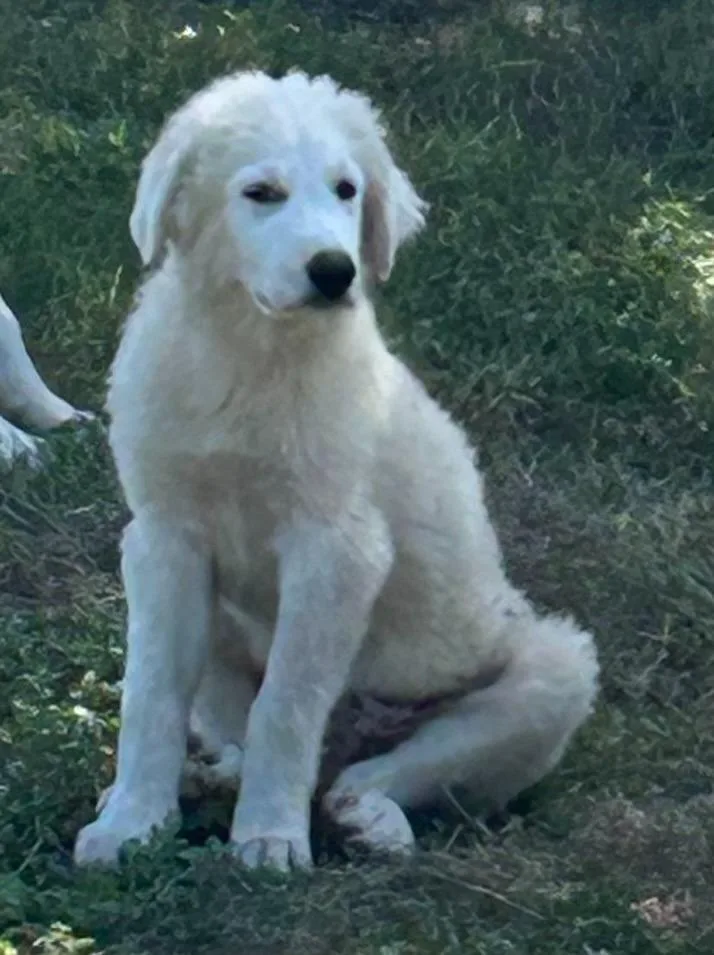
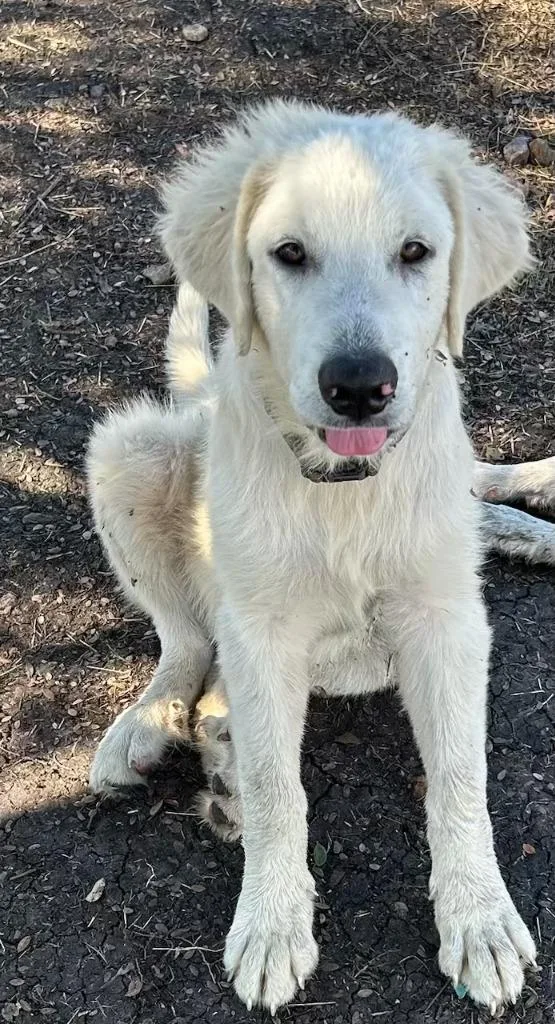

Great Pyrenees dog

Great Pyrenees Dogs for Adoption in Kansas City, KS

Your guide to finding and caring for a Great Pyrenees in KCK

A Great Pyrenees suits the larger lots and quieter streets of western KCK better than a tight downtown block. Around Piper and the Wyandotte County Lake area, a fenced yard gives a Pyr room to patrol, which is how the breed likes to spend an evening. Pyrs bark at night, and KCK's noise rule covers neighbors within 200 yards, so think about how close the nearest house is. That thick white coat also makes July afternoons hard.

2453 Great Pyrenees available in Kansas City and nationwide

Open your home to a Great Pyrenees

Great Pyrenees Available for Adoption Near Kansas City

About the Great Pyrenees breed

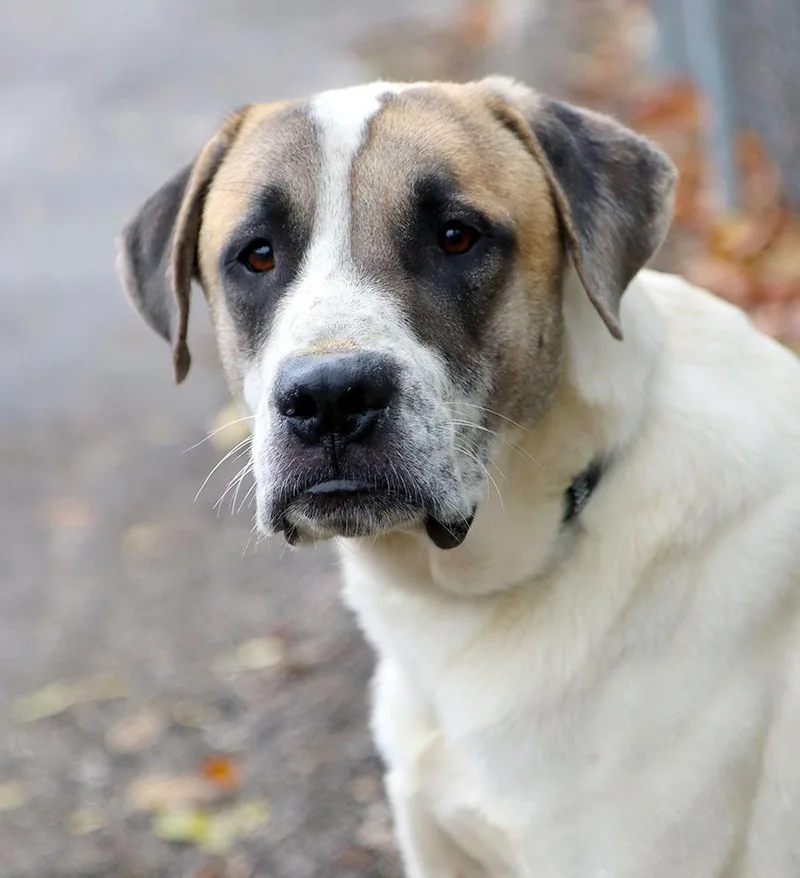
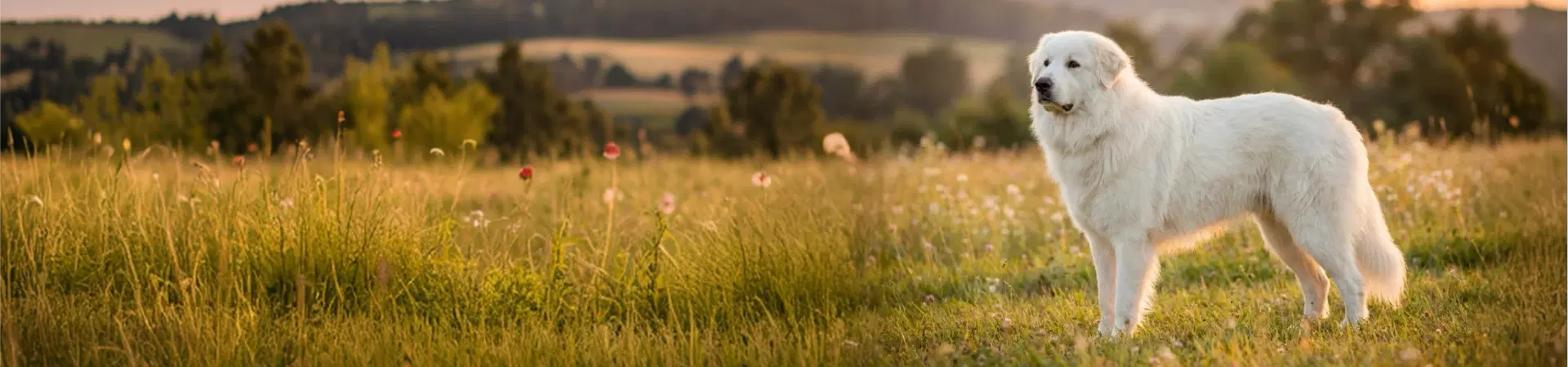
The Great Pyrenees began as a livestock guardian in the Pyrenees mountains, where big white dogs stayed with flocks and watched for wolves and bears. That history explains most of what adopters see today: a giant dog, usually 85 to 120 pounds, with a thick double coat, a calm manner and a habit of making its own decisions.

In KCK, that independence shows up as fence-testing and nighttime barking, and the shedding is heavy enough that brushing becomes part of the weekly routine. Pyr mixes are common, so a dog may show only some of these traits, and each dog's energy and sociability differ. Look at the dog in front of you, not just the breed label.

Weight
85–120 lbs
Height
25–32 in
Lifespan
10–12 yrs
Temperament
Calm, Protective, Independent
Group
Working
Shedding
High

Owning a Great Pyrenees in Kansas City

Having a Great Pyrenees in KCK

Calm and watchful, a Great Pyrenees pairs a gentle presence at home with a guardian's independence. In KCK, fencing, noise, coat care and heat tolerance shape daily life more than energy does, so those are the traits worth weighing first.

Temperament

Pyrs are usually gentle and affectionate with their family and wary of strangers. They bark to warn off anything unusual, often at night, which matters in KCK neighborhoods where houses sit close and the city's noise rule covers neighbors within 200 yards. Early socialization and patient, reward-based training help, though each Pyr differs.
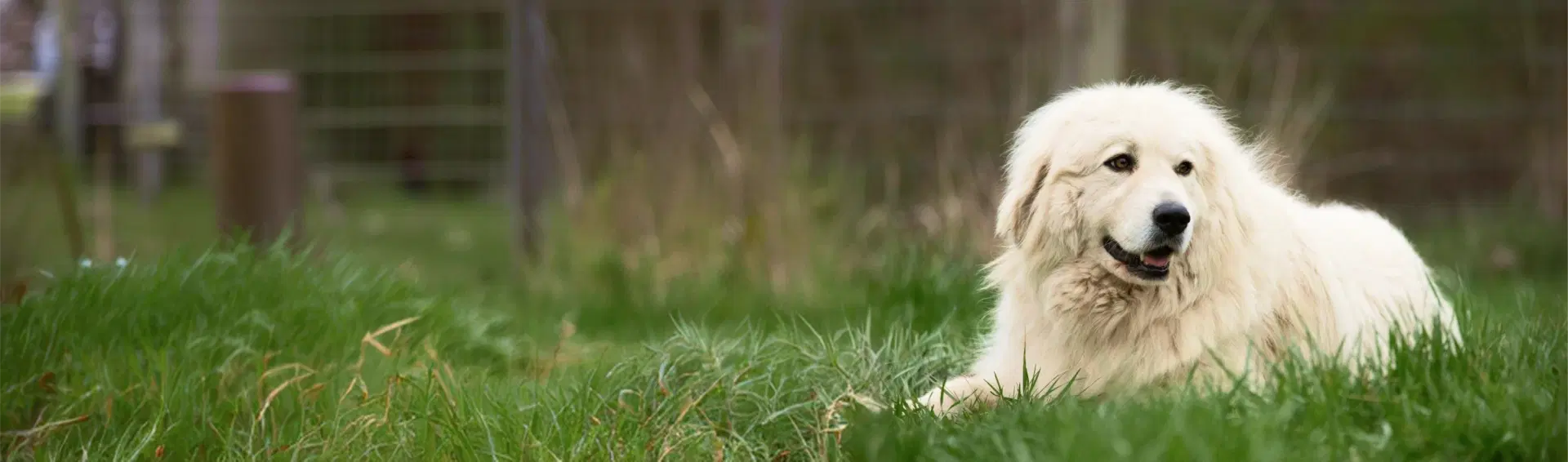
Exercise Needs

Plan on daily walks and time to patrol a secure yard; most Pyrs aren't built for long runs. In KCK, leashed walks suit places like Pierson Park or the Jersey Creek Park trails, and cooler hours work best in summer. Keep a leash on, since many Pyrs roam, and add sniff walks for mental exercise.

Health Considerations

Hip and elbow dysplasia, kneecap luxation, bloat and bone cancer are the main concerns for the breed. Feed several small meals and avoid hard exercise around them. Keep a Pyr lean to protect joints, and ask a veterinarian about screening. KCK's humid summers add heat-stress risk for a thickly coated dog, so watch for heavy panting.

Living Space

A Pyr does best with a securely fenced yard, which is easier to find in western KCK than near downtown. Apartments can work for a calm adult with an attentive owner, but size and barking complicate it. Electronic fences need city approval and can't be used in front yards. Expect white hair throughout the home.

What it costs to own a Great Pyrenees in Kansas City

ExpenseTypical costPer year
Food$80 to $160 per month$960 to $1,920
Pet insurance$85 to $170 per month$1,020 to $2,040
Routine vet care$250 to $500 per year$250 to $500
Other*$685 to $1,860 per year$685 to $1,860
Estimated yearly total (after year one)$2,915 to $6,320

Other costs are estimates and vary with size, age and health.

* The $10 Kansas City dog license, flea, tick and heartworm prevention, a dental cleaning allowance, toys and bedding, brushing and baths for heavy shedding, and joint supplements for a giant breed.

Great Pyrenees dog

Adopt a Great Pyrenees in Kansas City.

Now that you know more, let’s find you a new best friend. These rescues and shelters below have dogs available in and near Kansas City.

Rescues and Shelters in or near Kansas City

KCK has a city animal shelter and a nonprofit humane society, both helping dogs find homes. Here are the rescues & shelters in the KCK area with dogs available for adoption, worth asking whether a Great Pyrenees is coming in.

Frequently Asked Questions

Yes. KCK has no breed-specific rules, so a Great Pyrenees is treated like any other dog. Dogs over six months must be spayed or neutered unless permitted or exempt, vaccinated for rabies, and registered with the city. Households can keep up to three dogs, and tethered dogs need at least ten feet of tether and a proper harness or collar.

A calm adult Great Pyrenees can live in a KCK apartment, but it's a harder fit than most. Size and nighttime barking are the issues, since the city's noise rule covers neighbors within 200 yards. Look for a ground-floor unit, a quiet building and a landlord who accepts giant dogs, and plan several daily walks.

A Pyr fits KCK best with a fenced yard, a cool indoor spot and an owner who accepts barking and shedding. Quieter, lower-density areas like Piper suit the breed. Also plan for July 2 to 4, when fireworks are legal in KCK: keep the dog indoors with a current ID tag and microchip.

Generally no. RideKC buses allow only service animals and small pets in cages or carriers, so a Great Pyrenees weighing 85 to 120 pounds can't ride unless it's a service animal. KCK has no subway or rail system. Plan on car trips, and use walks from home to reach nearby parks.

Start with St. John's Park near downtown, which has a fenced dog park with a small-dog side, then try the newer dog parks at Wyandotte County Lake Park and Welborn Park. Elsewhere in city parks, dogs stay leashed. The lake's roughly 1,500 acres include over eight miles of trails shared with horses, best in cool weather.

A Great Pyrenees can handle KCK summers with care, but it's the hardest season. About 34 to 47 days a year reach 90°F, and humidity adds to the strain. Exercise at dawn or dusk, provide shade, water and air conditioning, and don't shave the coat, since it insulates against heat. Skip hot pavement and never leave a dog in a car.

Sometimes, on patios. Kansas law lets restaurants admit dogs to outdoor areas, but each venue decides, so a Great Pyrenees is welcome only where the owner allows it. Dogs must be leashed and under control, kept off tables and counters, and not fed from restaurant dishes. A giant dog needs room to lie out of the walkway.

Plan on brushing at least weekly, and several times a week during the spring and fall shedding. Humid summers and muddy storm-season spring make coat care harder, and winter road salt means wiping paws after walks. Don't shave the coat. Brushing and occasional baths fall within the $685 to $1,860 a year of other costs.

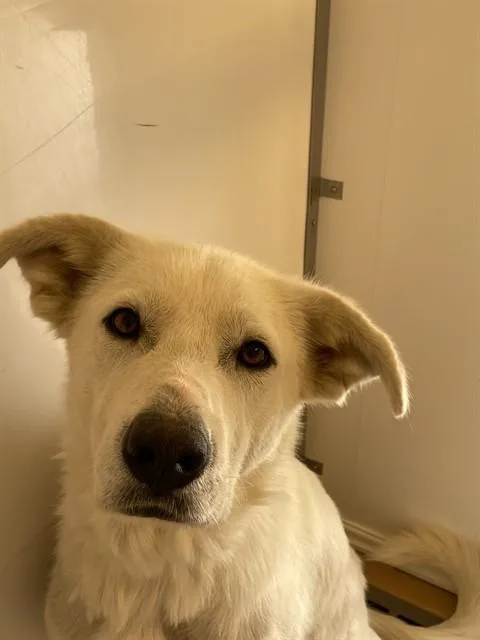
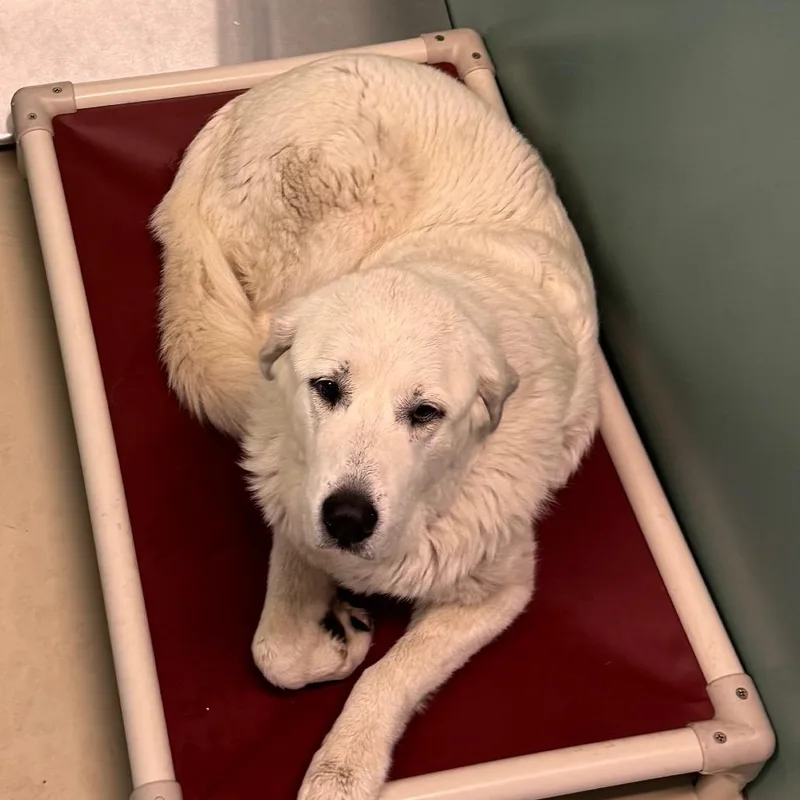
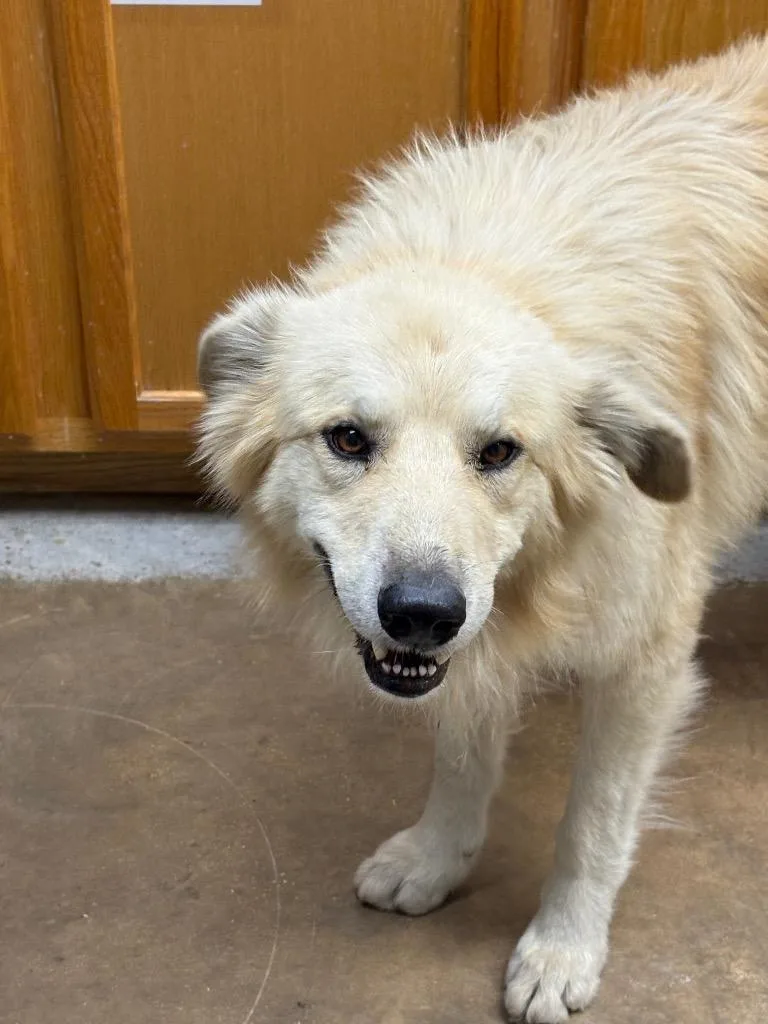
A Great Pyrenees is a giant livestock guardian dog from the Pyrenees mountains between France and Spain, bred to protect sheep from predators. It has a thick, weather-resistant white coat, often with gray, tan or badger markings, and double dewclaws on its hind legs. Many are calm, gentle and devoted to family, yet independent and watchful.

Expect roughly $2,900 to $6,300 a year for a Pyr in KCK. Food runs $80 to $160 a month, insurance $85 to $170 a month, routine vet care $250 to $500 a year, and other costs such as prevention, grooming and the city license $685 to $1,860 a year. Giant-breed health problems can add more.