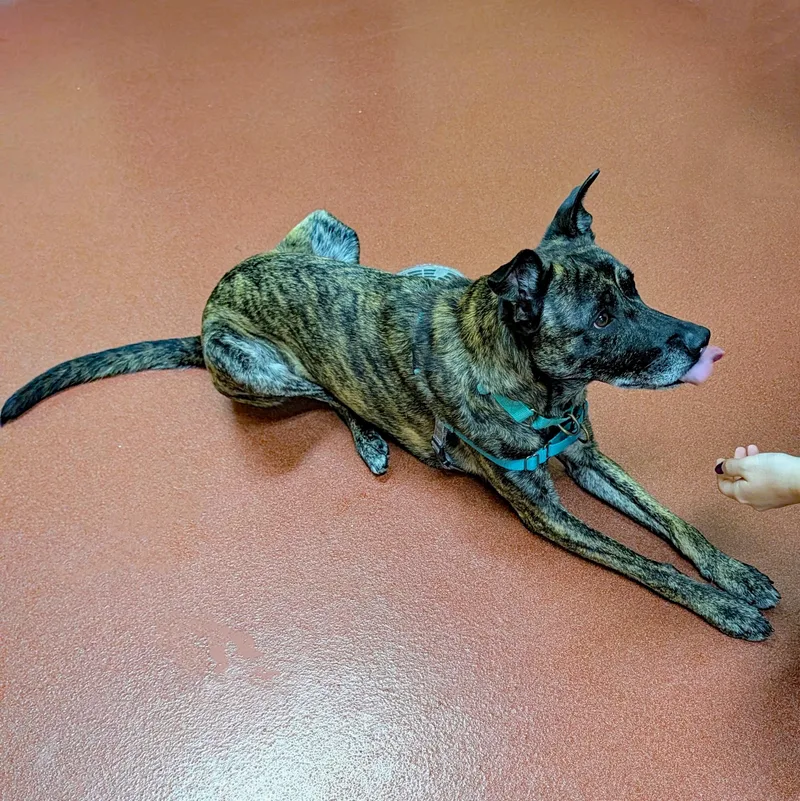
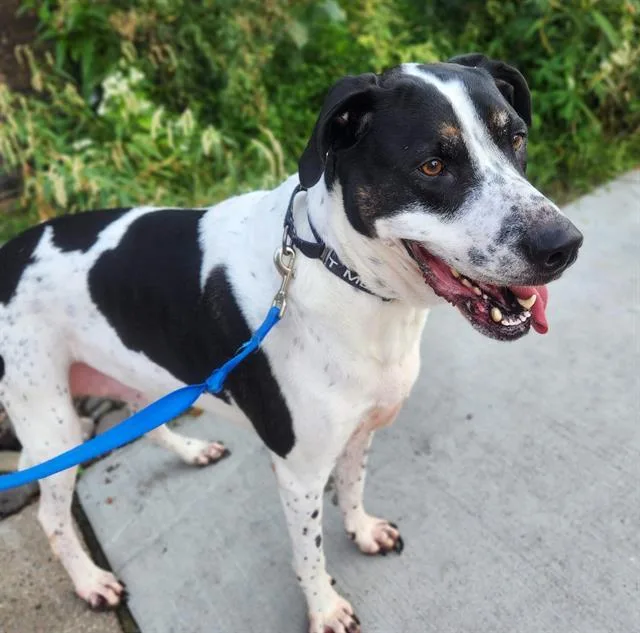
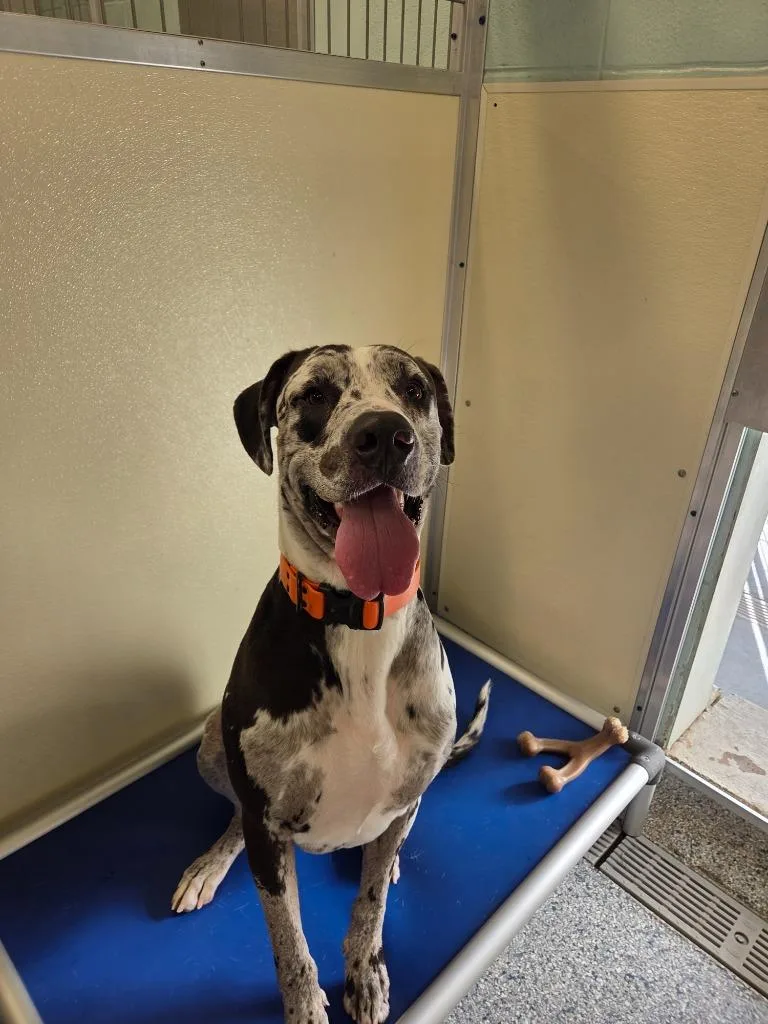
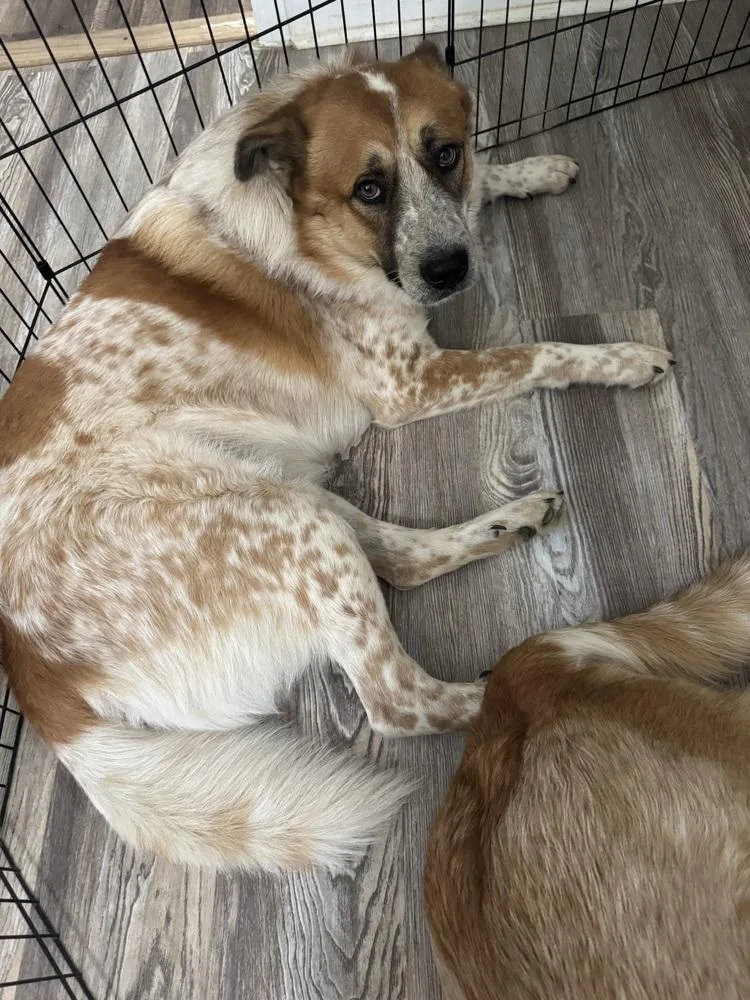
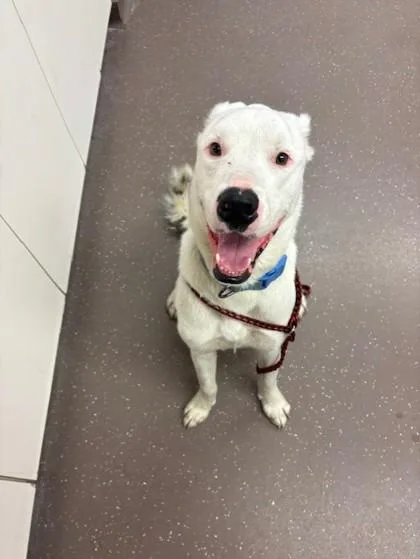
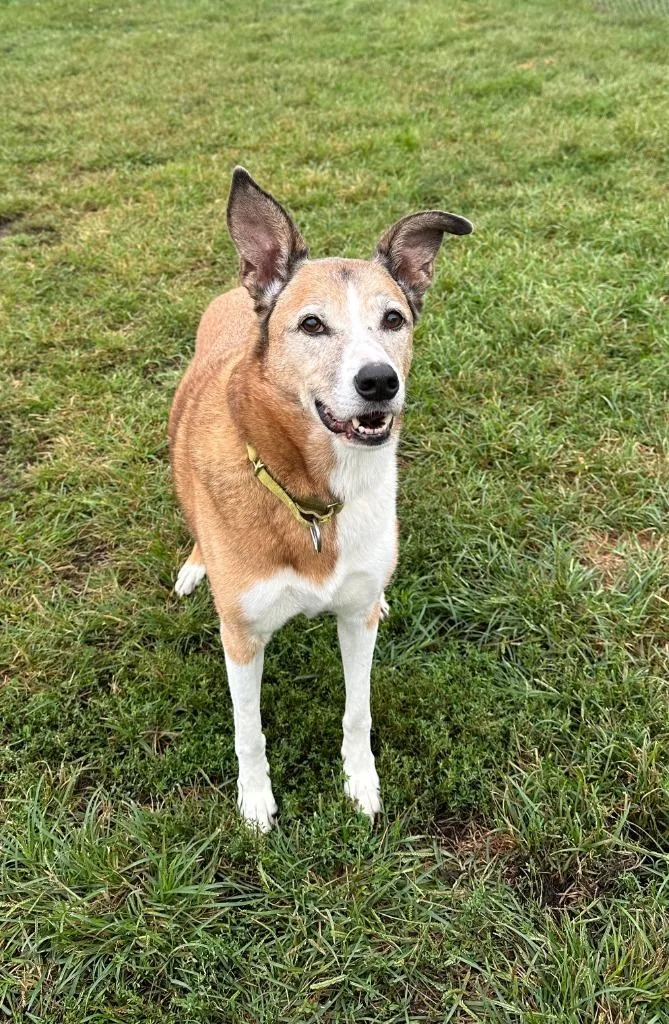
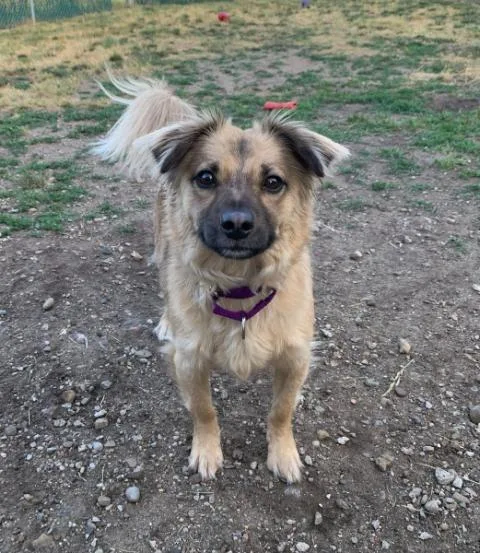
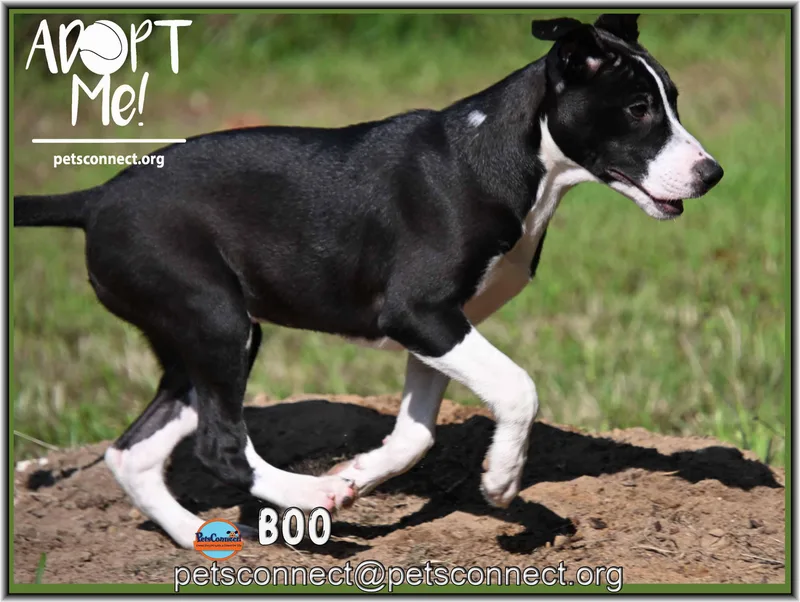
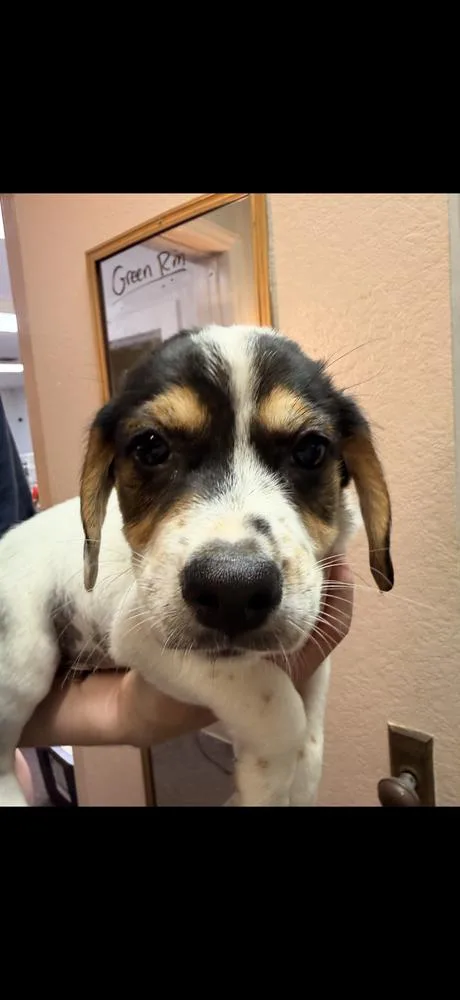
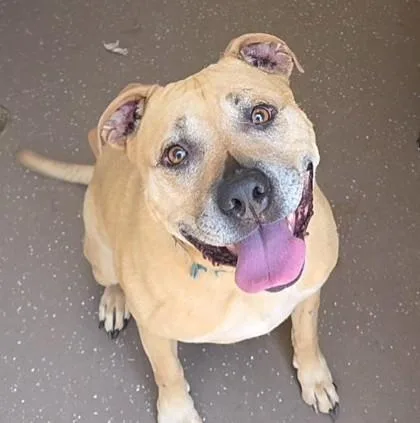
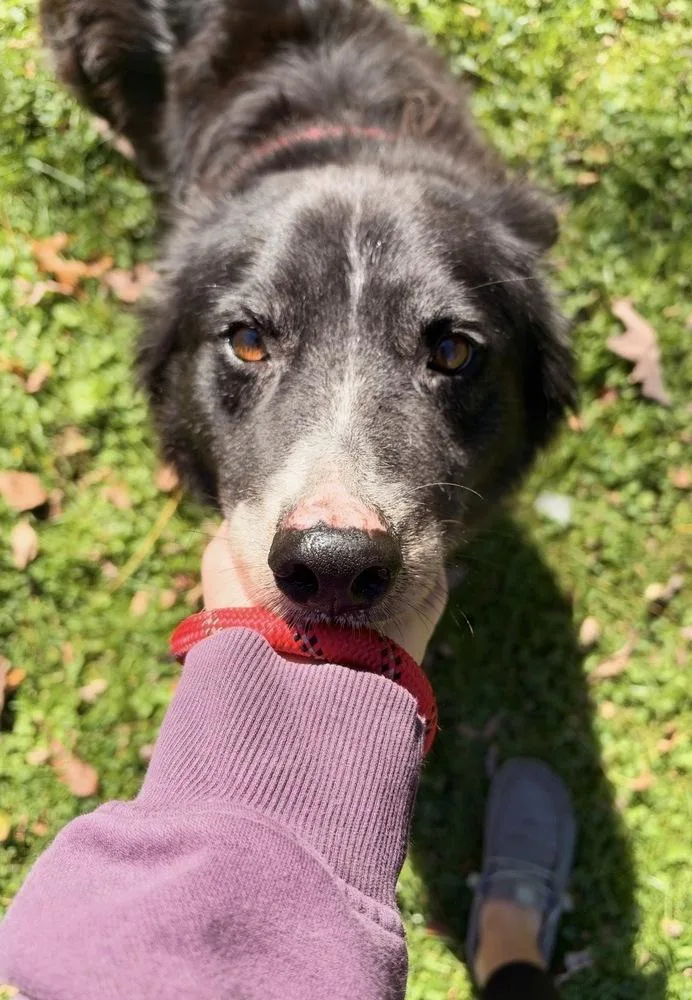
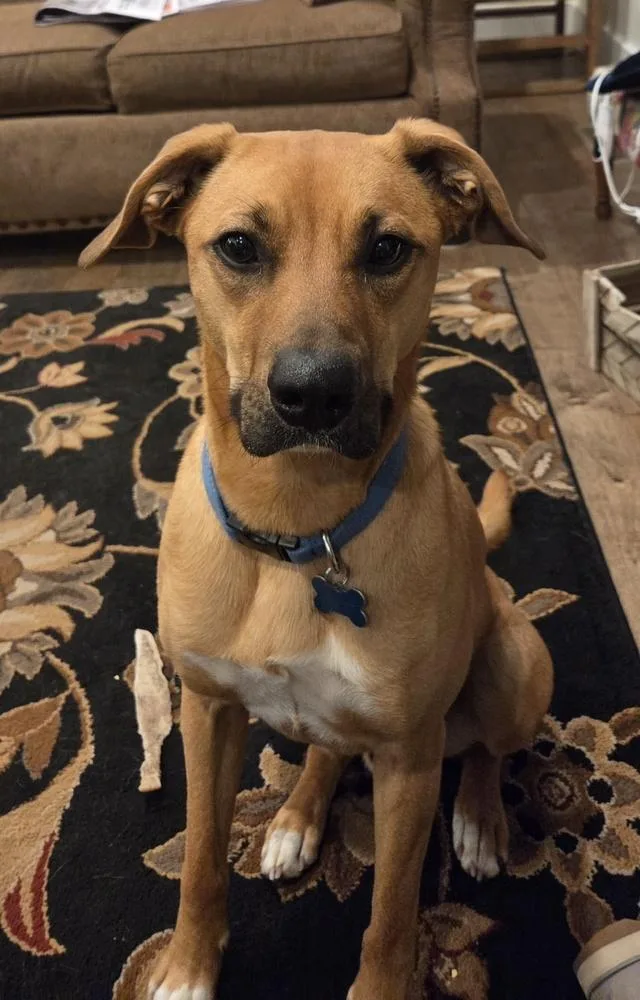
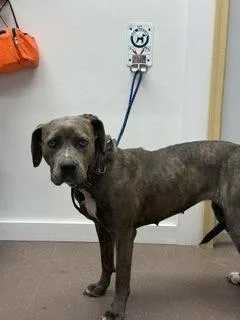
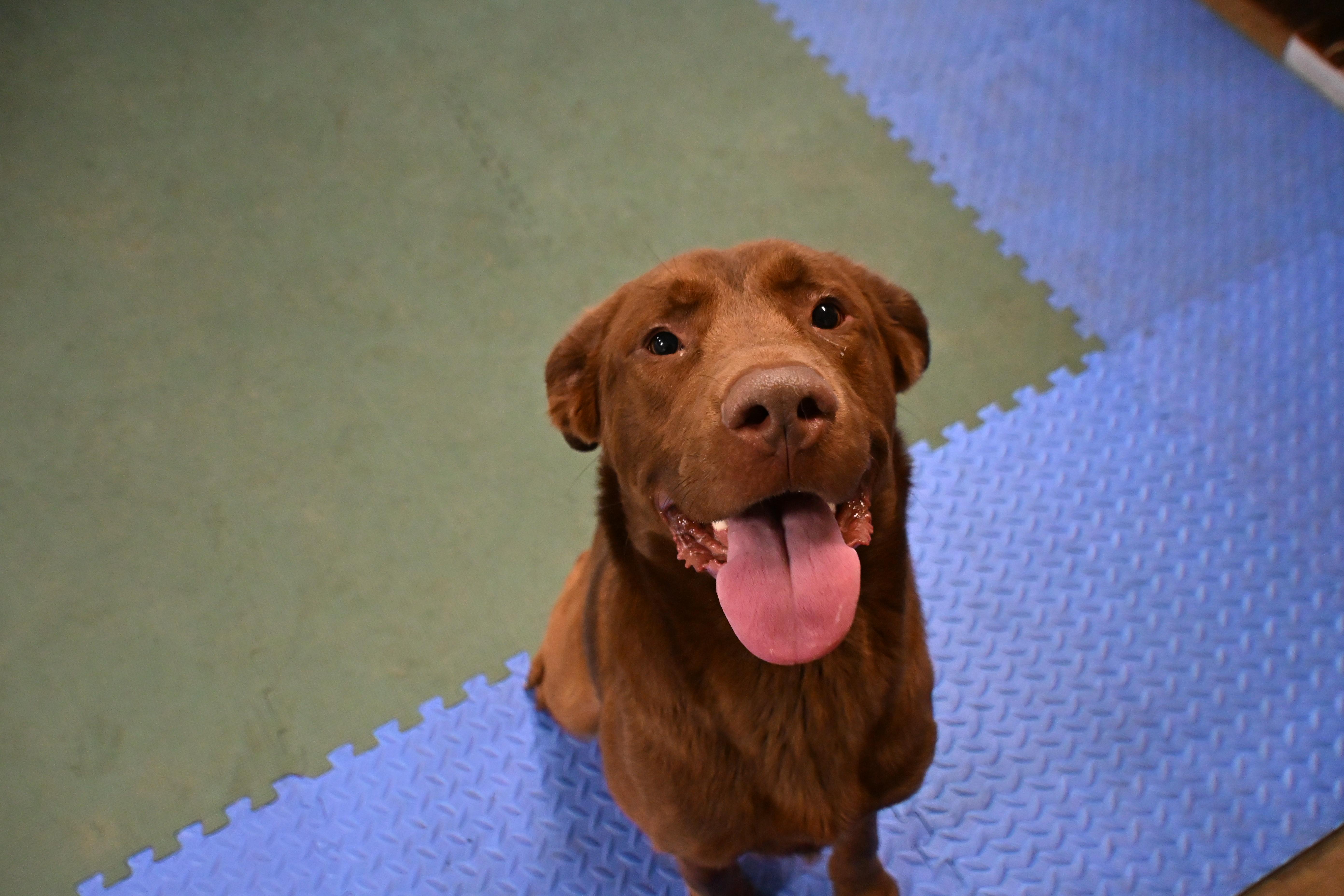
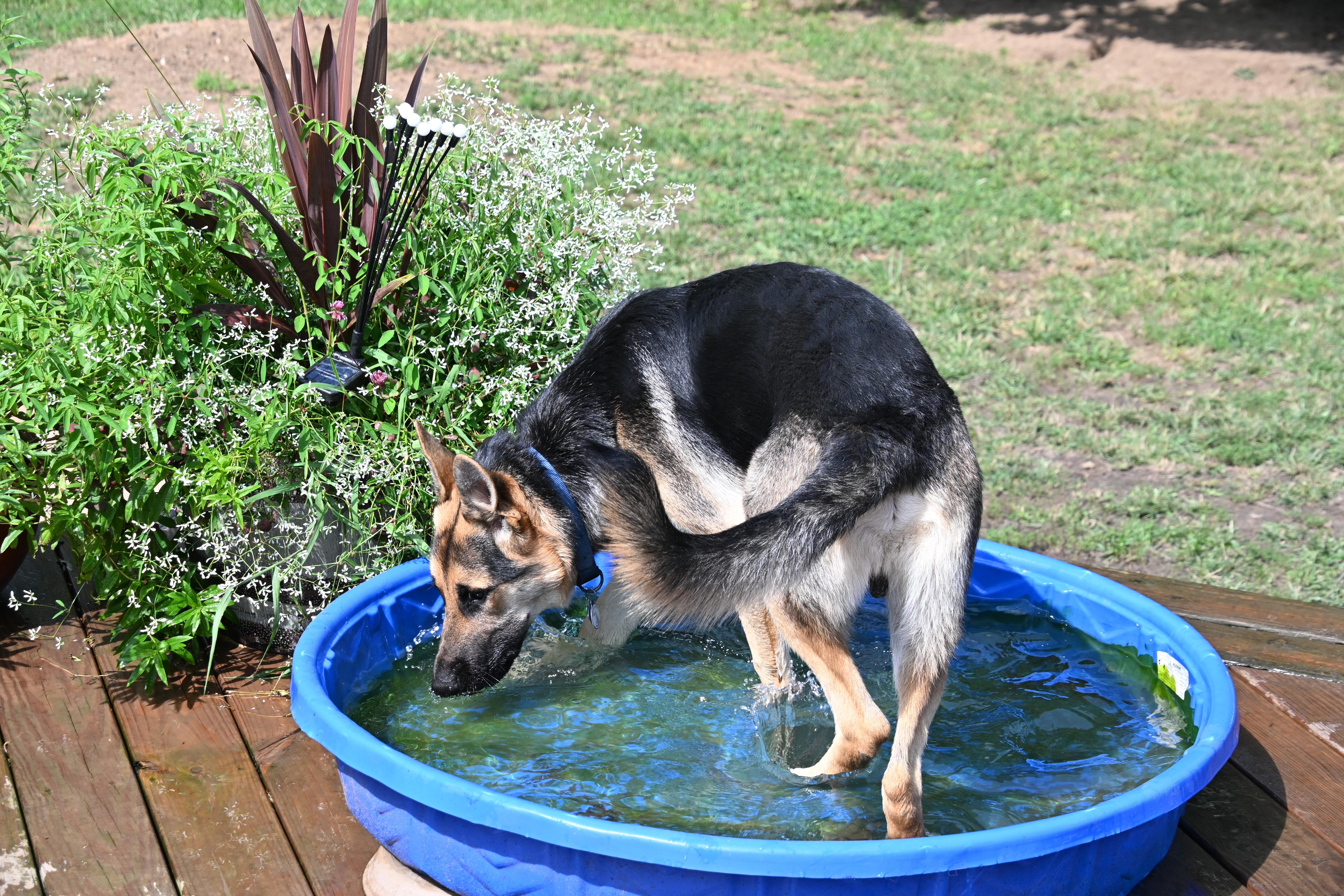
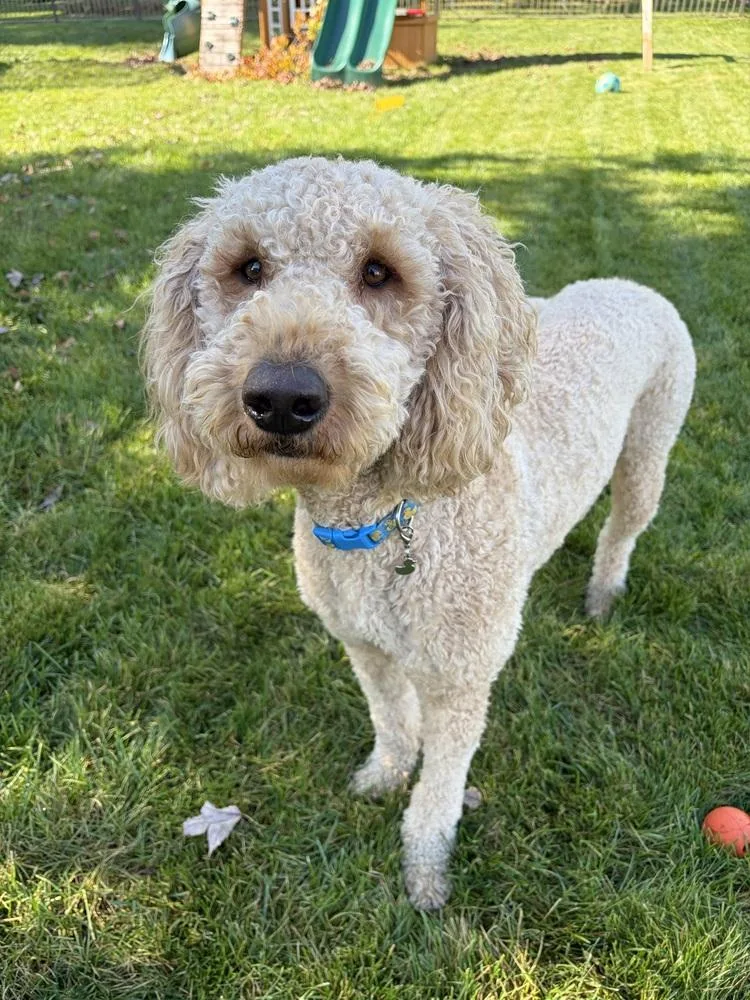
Great Dane dog

Great Dane Dogs for Adoption in South Bend, IN

Your guide to finding and caring for a Great Dane in South Bend

788 Great Danes available in South Bend and nationwide

Meet your next Great Dane

While we don't have enough dogs near South Bend, keep in mind that many rescues may offer transport.

Great Danes Available for Adoption Near South Bend

About the Great Dane breed

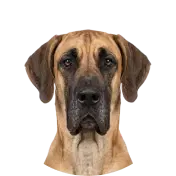
Despite the name, Great Danes are German. They descend from the boar hounds of German nobility, mastiff and greyhound-type crosses strong enough to hold wild boar and fast enough to catch it, and some slept in their owners' bedrooms as guards. Germany named the breed Deutsche Dogge in 1878, while the English name came from the French Grand Danois. Danes are among the tallest dogs, with a long, chiseled head, a short coat and an elegant, square frame.

Many Great Danes are gentle, friendly and surprisingly calm indoors, often content to lean on their people or sprawl across the sofa. Their size still shapes everything: food bills, car space, careful puppy growth and the real risk of bloat and heart disease within a lifespan that is often under ten years.

Weight
110–175 lbs
Height
28–32 in
Lifespan
7–10 yrs
Temperament
Gentle, Friendly, Dignified, Patient
Group
Working
Shedding
Moderate

Owning a Great Dane in South Bend

Having a Great Dane in South Bend

A Great Dane pairs a gentle, often laid-back personality with sheer size. Understanding how that size affects training, exercise, health and household space helps adopters decide whether a giant companion with a shorter lifespan fits their life.

Temperament

Great Danes tend to be friendly, gentle and affectionate with family, and many are patient with children and good with other pets. They can be alert watchdogs whose bark alone discourages visitors. Their size means early training matters: a jumping or pulling Dane is hard to manage. Some are sensitive and do best with calm, reward-based handling.

Exercise Needs

Most adult Great Danes need moderate daily exercise, such as one or two good walks and some free play in a fenced area. They are not built for endurance running. Puppies grow fast, so keep their activity gentle and avoid forced runs and repeated jumping until growth finishes. Avoid vigorous exercise around meals to reduce bloat risk.

Health Considerations

Great Danes are at high risk of bloat, a twisting of the stomach that needs emergency surgery, and of dilated cardiomyopathy. Hip dysplasia, wobbler syndrome, bone cancer and hypothyroidism also occur. Many veterinarians discuss a preventive stomach-tacking surgery, often done during spay or neuter. Learn the signs of bloat and keep regular heart checks.

Living Space

A Great Dane can live in an apartment if it gets daily walks and the building allows giant dogs, since many are calm indoors. Space still matters: a sweeping tail clears coffee tables, and the dog needs a large bed, room to stretch out and a big vehicle. Elevators or few stairs are easier on aging joints.

What it costs to own a Great Dane

ExpenseTypical costPer year
Food$80 to $160 per month$960 to $1,920
Pet insurance$85 to $170 per month$1,020 to $2,040
Routine vet care$250 to $500 per year$250 to $500
Other*$590 to $1,690 per year$590 to $1,690
Estimated yearly total (after year one)$2,820 to $6,150

Other costs are national averages for Great Danes; we don't have costs specific to South Bend yet.

* Flea, tick and heartworm prevention, a dental cleaning allowance, a dog license, giant-size bedding and toys, occasional baths for a short coat, and joint supplements for a giant breed; license fees vary by city.

Great Dane dog

Adopt a Great Dane in South Bend.

Now that you know more, let’s find you a new best friend. These rescues and shelters below currently have Great Danes available.

Frequently Asked Questions

A Great Dane is a giant German dog breed, among the tallest in the world, originally bred to hunt wild boar and guard noble estates. Males often stand 30 to 32 inches or more at the shoulder and weigh up to about 175 pounds. Despite their size, many Danes are gentle, friendly and calm companions, though their lifespan is relatively short.

A Great Dane is tall, elegant and powerful, with a square body, deep chest, long legs and a long, rectangular head with a pronounced stop. Its ears are naturally floppy but are sometimes cropped to stand upright. The short, sleek coat comes in fawn, brindle, blue, black, harlequin, mantle and merle. Males look larger and heavier than females.

Great Danes were bred to hunt wild boar, bears and deer for German nobility. Their ancestors, crosses of mastiff and greyhound-type dogs, needed speed to catch prey and strength to hold it. Some also guarded their owners' bedchambers at night. When hunting changed, the breed shifted to guarding and companionship, and today almost all Great Danes are family pets.

Great Danes usually weigh between 110 and 175 pounds. The American Kennel Club lists 140 to 175 pounds for males and 110 to 140 pounds for females, though individual dogs vary with frame and height. Veterinarians judge the right weight by body condition, with ribs easy to feel and a visible waist, because extra weight strains a giant dog's joints and heart.

Great Danes are usually the tallest dog breed, often tied with the Irish Wolfhound, but they are not the heaviest. Breeds such as the English Mastiff and Saint Bernard regularly outweigh them. Most Guinness records for the world's tallest dog have gone to Great Danes. So Danes are the tallest, while mastiff breeds generally take the title for sheer bulk.

Dogs resembling the Great Dane have existed in Germany since at least the sixteenth and seventeenth centuries, when nobles kept large boar hounds bred from mastiff and greyhound-type dogs. The breed was formally standardized in Germany after 1878, when it was named the Deutsche Dogge. Great Danes reached the United States in the nineteenth century, and the AKC recognized the breed in 1887.

The biggest Great Dane on record is Zeus, a dog from Michigan that Guinness World Records listed as the tallest dog ever, at about 44 inches at the shoulder. He stood over seven feet tall on his hind legs and died in 2014 at age five. Other Great Danes, including Giant George and Titan, have also held tallest-dog titles.

Great Danes are called the heartbreak breed because their lives are often short, commonly around 7 to 10 years, and because heart disease, especially dilated cardiomyopathy, is common in the breed. Sudden emergencies like bloat add to the risk. Owners love them deeply and lose them early. Regular heart screening and prompt care for symptoms can help.

The name Great Dane is a translation of the French Grand Danois, meaning big Danish dog, but the breed has no known connection to Denmark. It developed in Germany, where it is called the Deutsche Dogge, or German mastiff. The French name stuck in English, partly because of tensions with Germany in the late nineteenth century.

We have 1 rescue with Great Danes available: South Bend Animal Care and Control. You can see every rescue with Great Danes available in the list above these questions, or scroll to the top to see the Great Danes near South Bend.