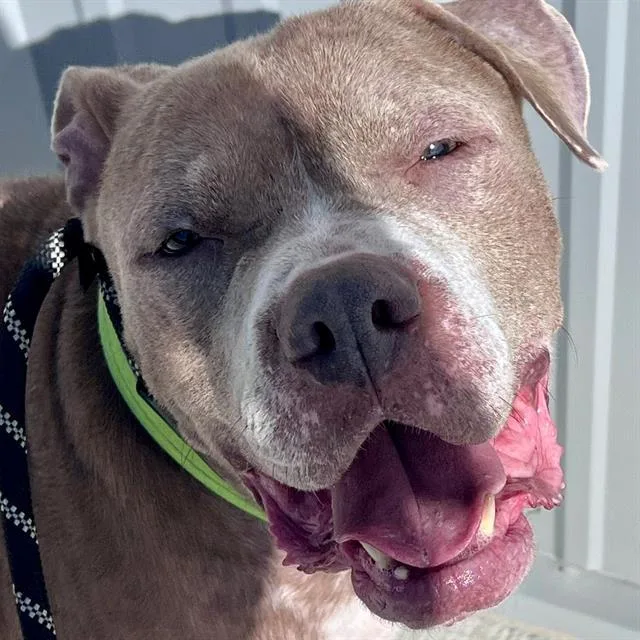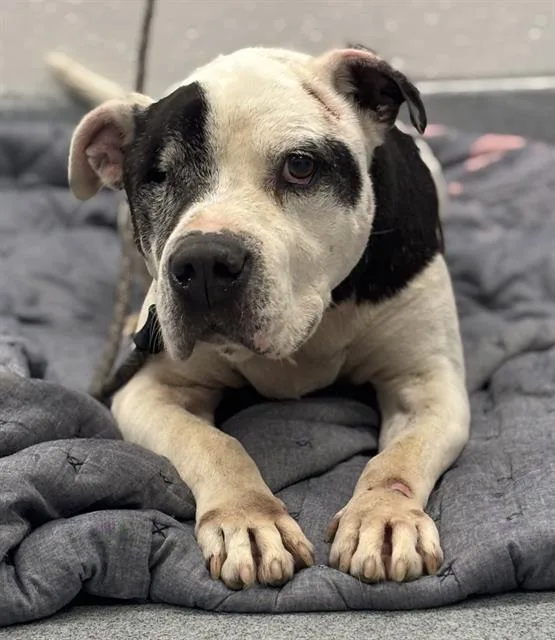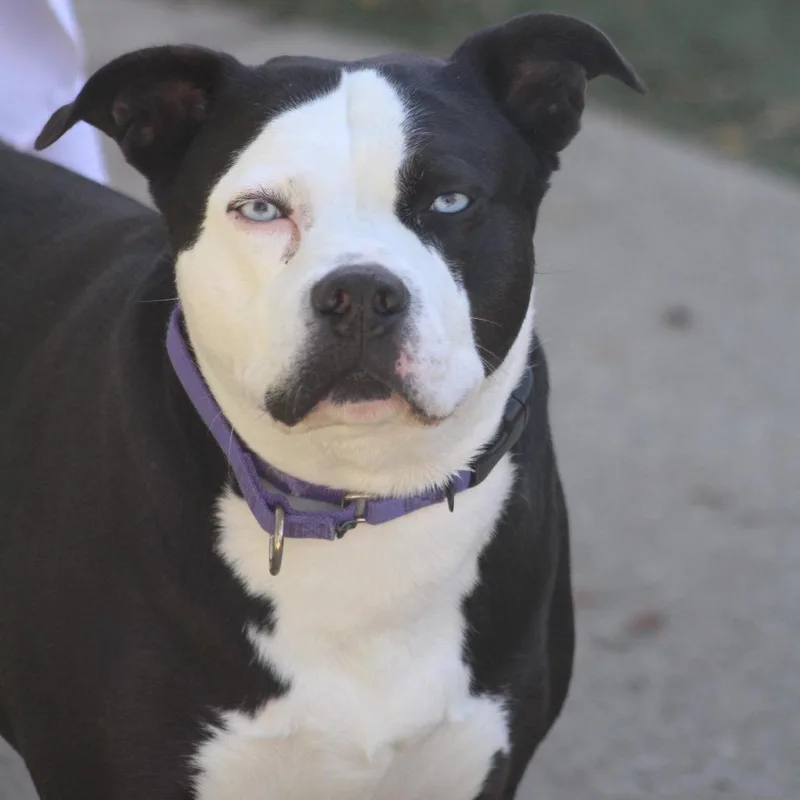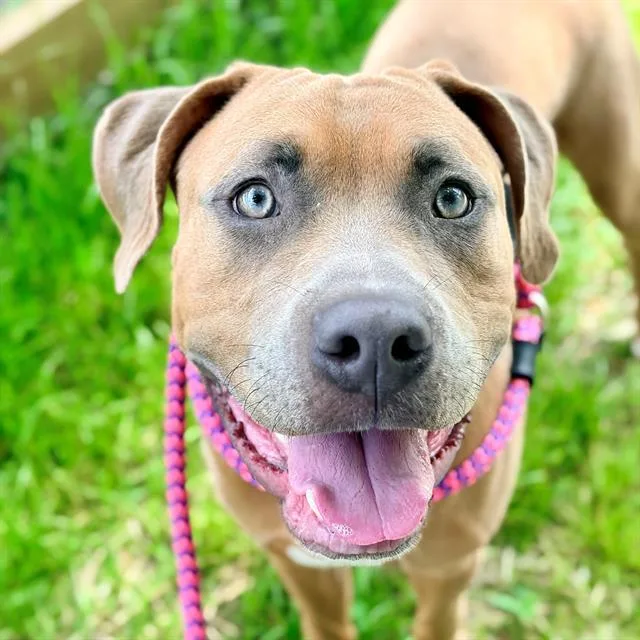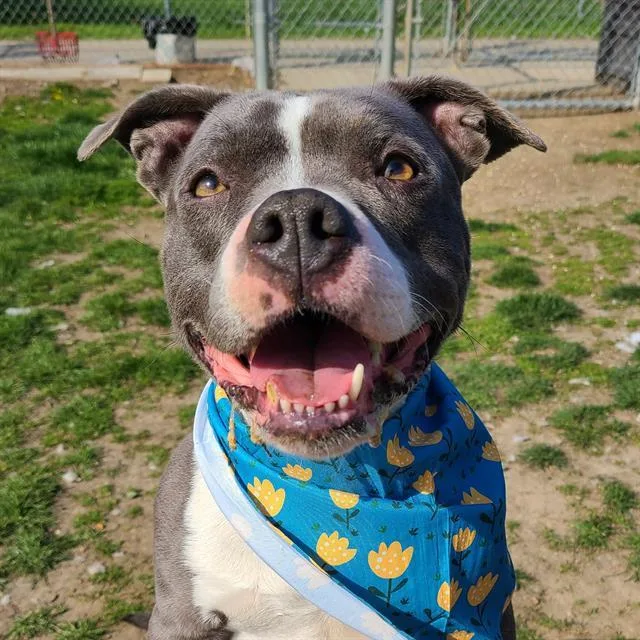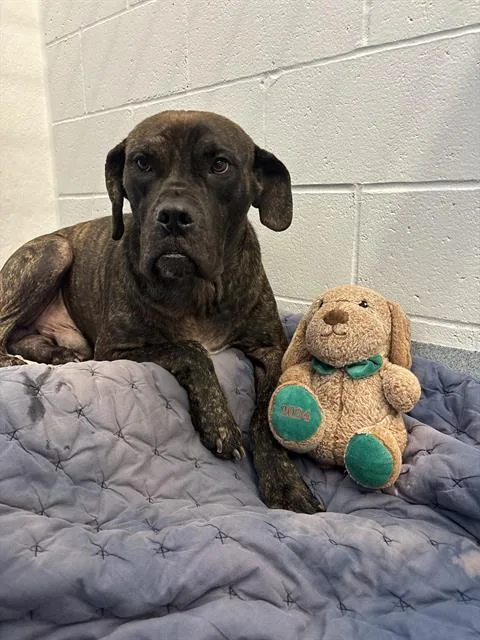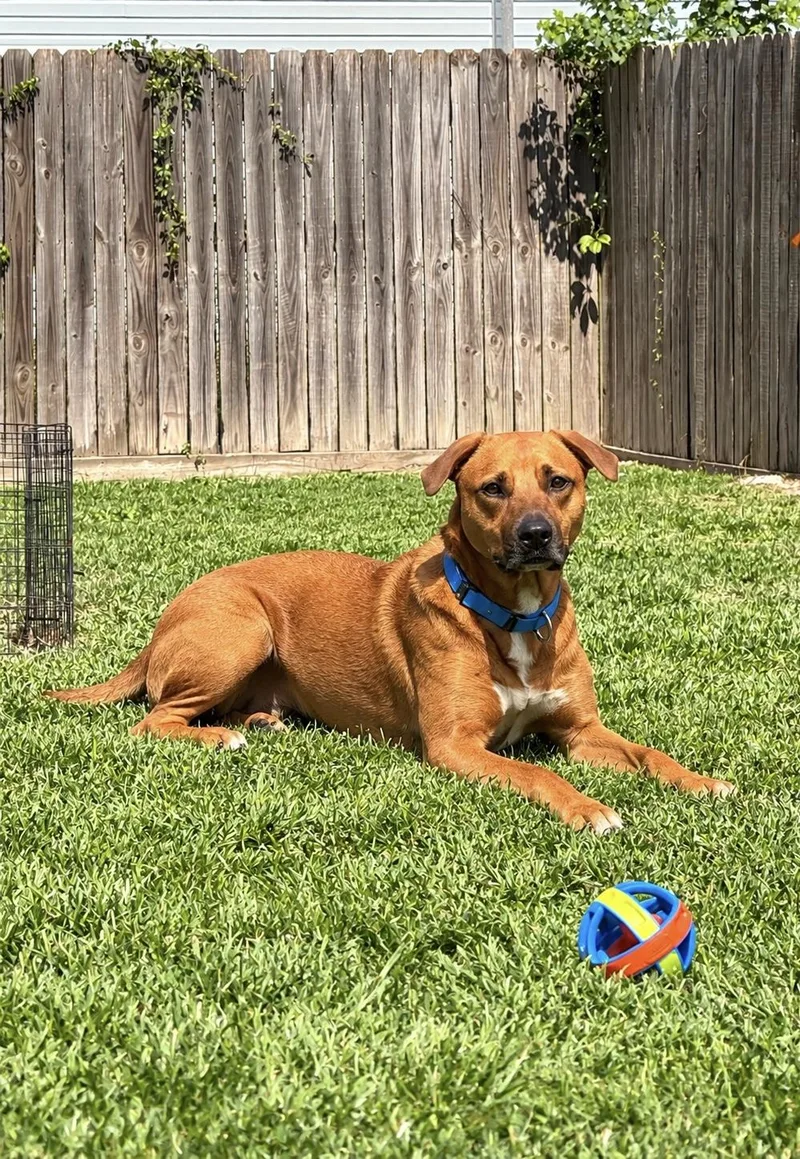



Rhodesian Ridgeback Dogs for Adoption in Indianapolis, IN

Your guide to finding and caring for a Rhodesian Ridgeback in Indy

A Rhodesian Ridgeback fits Indy best with a yard and a daily run. Nora's large lots and mature trees give a Ridgeback room to patrol, and the Monon Trail runs right through for long leashed walks. In Irvington, the Pleasant Run Greenway offers miles of asphalt for a steady jogging partner. Ridgebacks are quiet and reserved indoors, but they need a sturdy fence, since a squirrel can send one bolting. If you're thinking of adopting one, plan for a dog that wants to live inside with you.

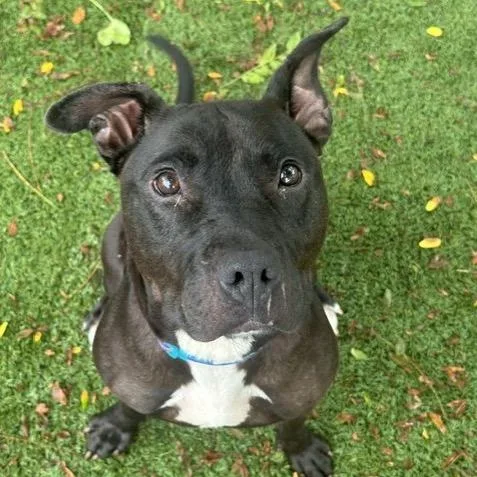
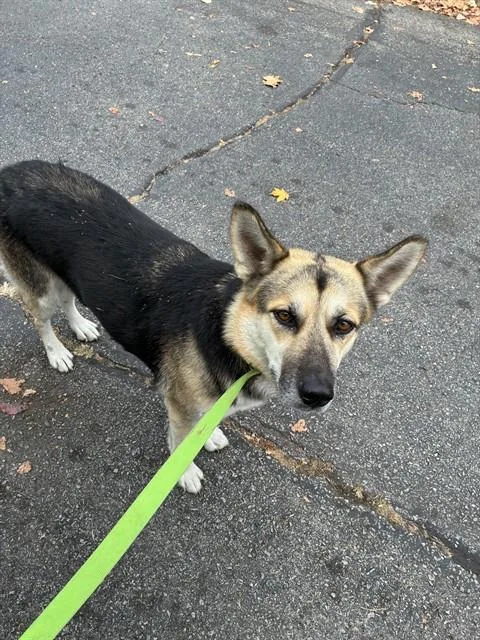
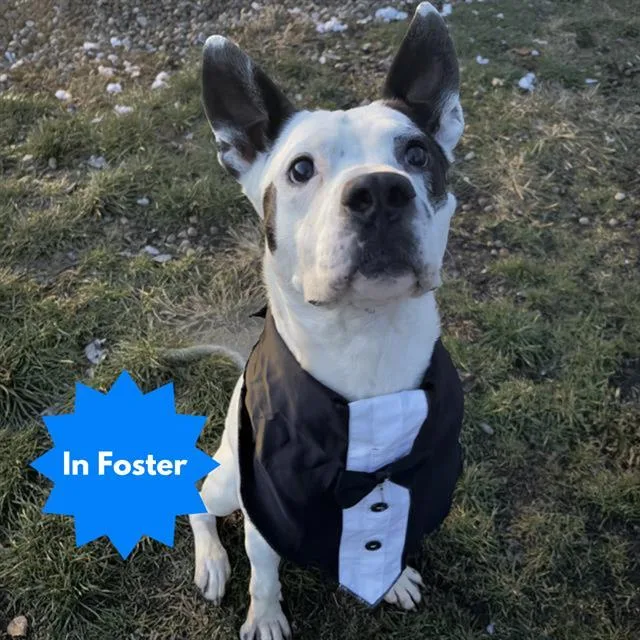
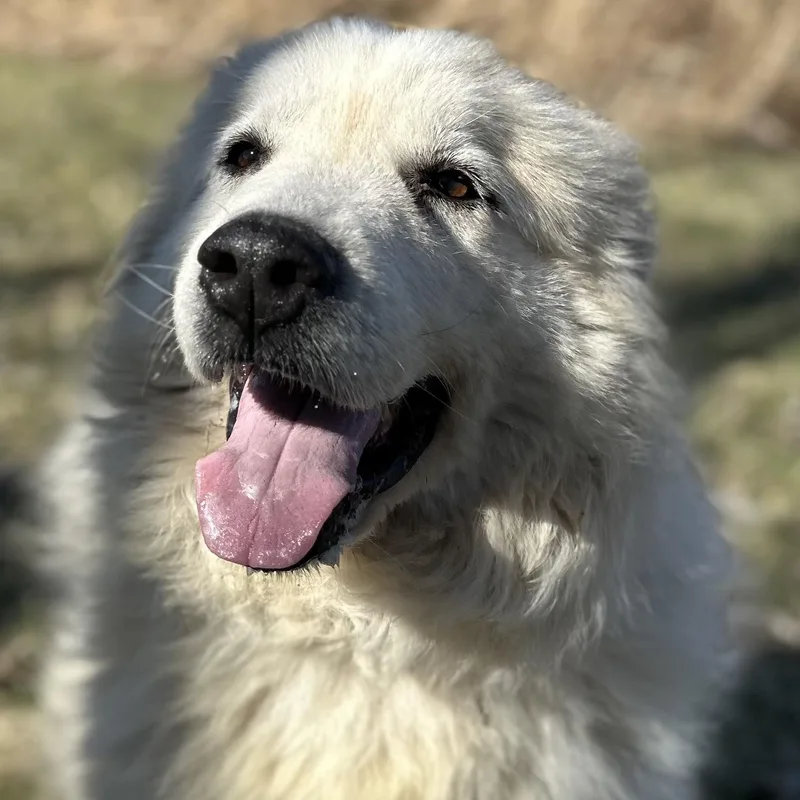
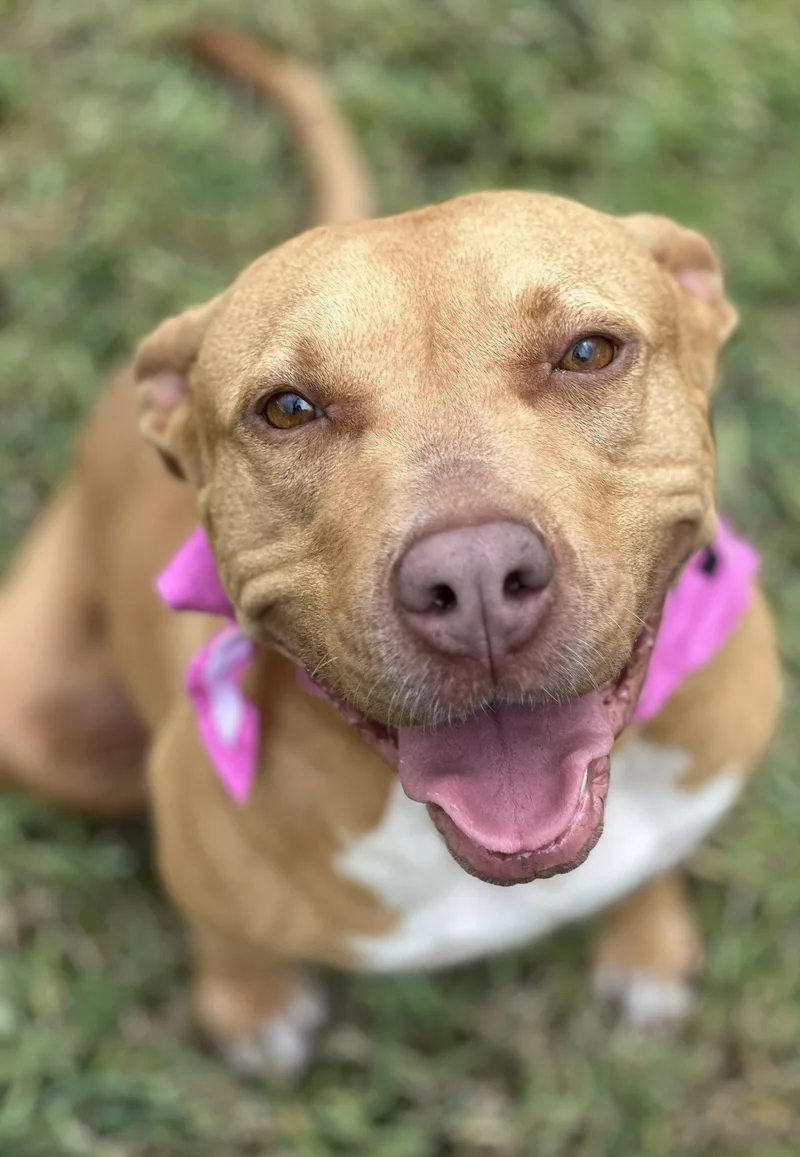
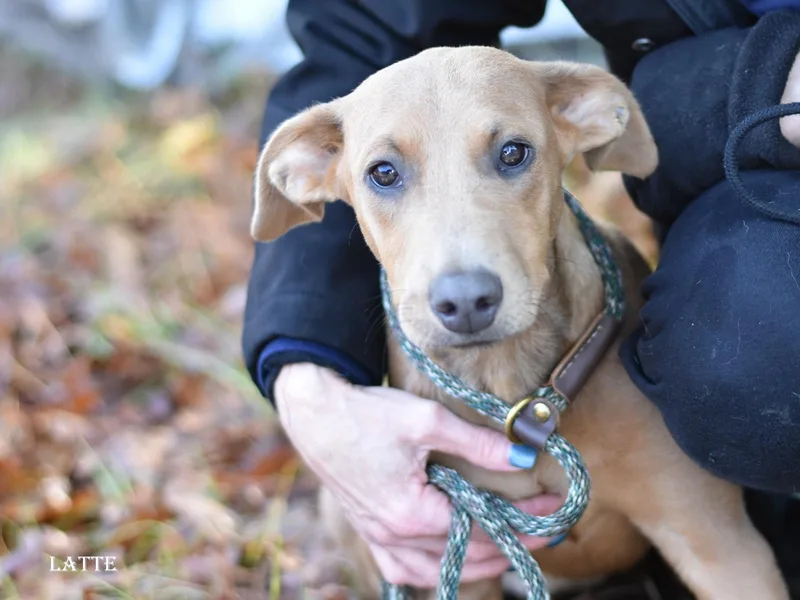
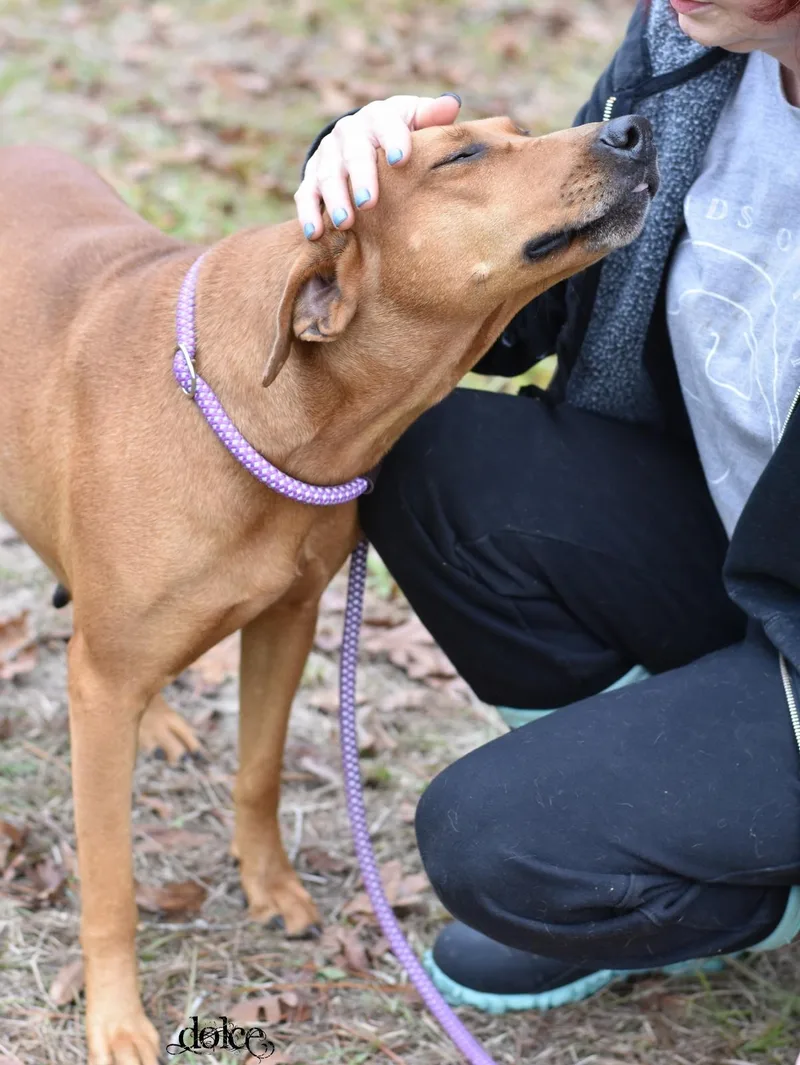
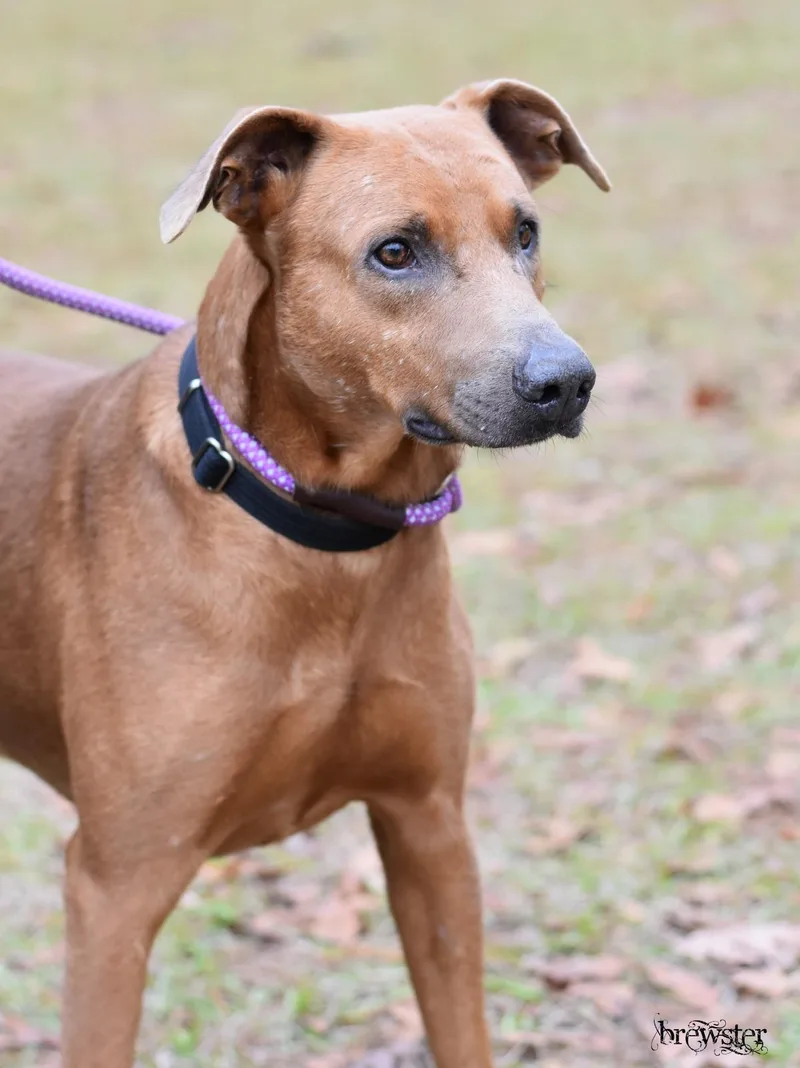
352 Rhodesian Ridgebacks available in Indianapolis and nationwide

Say hello to your Rhodesian Ridgeback

While we don't have enough dogs near Indianapolis, keep in mind that many rescues may offer transport.

Rhodesian Ridgebacks Available for Adoption Near Indianapolis

About the Rhodesian Ridgeback breed

The Rhodesian Ridgeback takes its name from the stripe of hair along its spine that grows against the rest of the coat. The breed developed in southern Africa from the ridged dogs of the Khoikhoi people crossed with European dogs, and farmers valued them for guarding homesteads and holding lions at bay. The AKC placed it in the Hound Group in 1955.

Today's Ridgeback is a muscular, athletic dog with a short wheaten coat that takes little grooming. Many are devoted to family, reserved with strangers and sensitive to harsh handling, though each dog varies. In Indianapolis, that means vigorous daily exercise, patient training and a household that's around enough to give a big dog company, especially through long winters indoors.

Weight
65–90 lbs
Height
24–27 in
Lifespan
10–12 yrs
Temperament
Loyal, Dignified, Independent
Group
Hound
Shedding
Low to Moderate

Owning a Rhodesian Ridgeback in Indianapolis

Having a Rhodesian Ridgeback in Indy

Ridgebacks pair athletic stamina with a strong prey drive and a self-assured, reserved nature. In Indianapolis, those traits show up in how much exercise a dog needs, how secure the fence must be, and how comfortably it shares a home with the people it knows.

Temperament

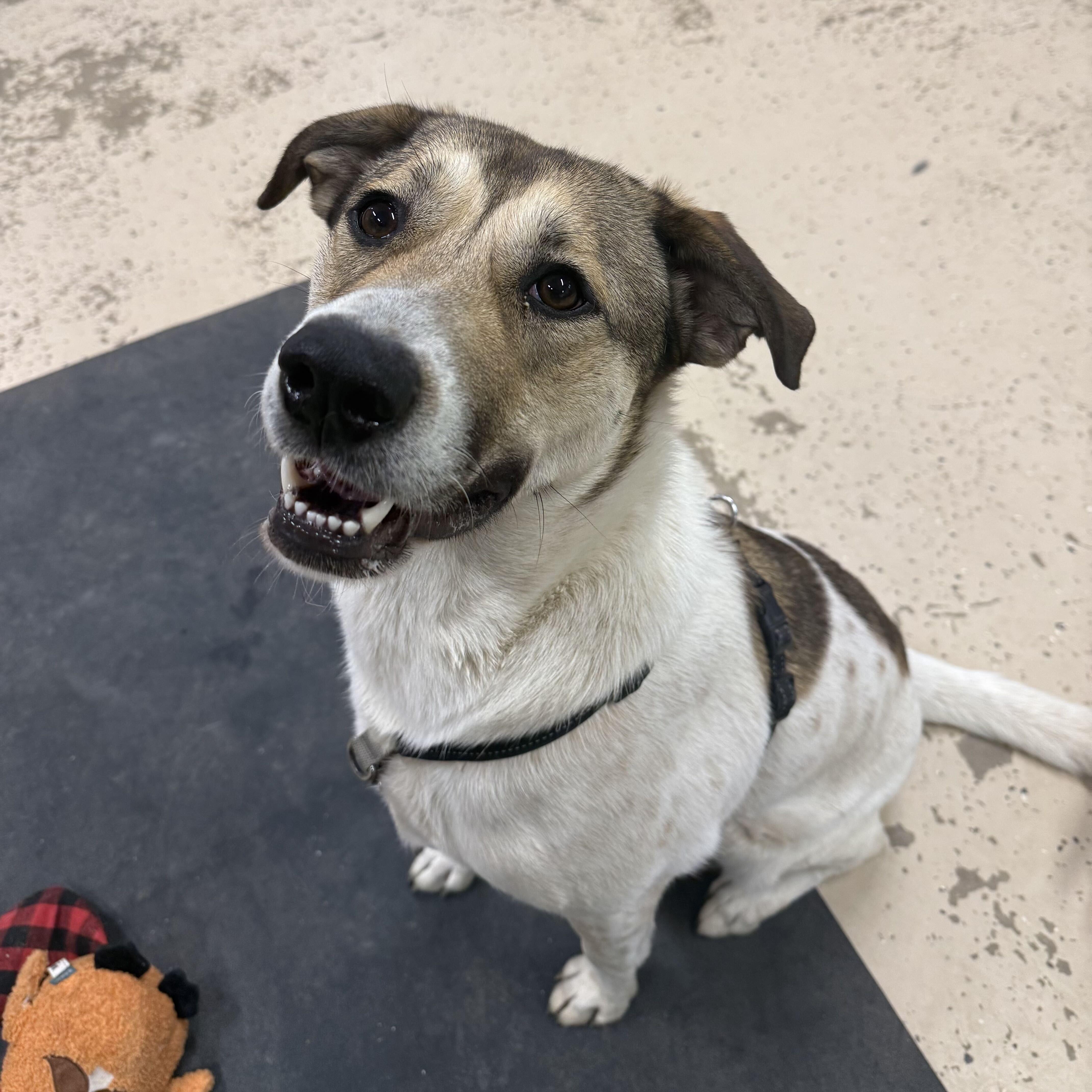
Many Ridgebacks are devoted and gentle with family and aloof with strangers, so they often watch visitors before warming up. They tend to be quiet but can be stubborn, and harsh corrections usually backfire. Early, steady socialization on Indy sidewalks and trails helps. Some dislike same-sex dogs, and small pets may trigger chasing, though each dog differs.

Exercise Needs

Plan on an hour or more of vigorous activity most days: jogging on the Monon Trail or Pleasant Run Greenway, or a chase game in a fenced yard. Keep a Ridgeback leashed on greenways and in parks. A paid pass or daily fee opens the fenced bark parks for off-leash running. Add training games for the mind.

Health Considerations

Ridgebacks can be prone to hip and elbow dysplasia, hypothyroidism, degenerative myelopathy and bloat, and dermoid sinus occurs in the breed. A veterinarian can check hips, skin and thyroid after adoption. Keep the dog lean and learn the signs of bloat: a swollen belly, retching and restlessness. Indiana requires rabies vaccination from three months of age.

Living Space

A house with a tall, secure fence suits most Ridgebacks, such as the larger lots found in Nora. A committed owner can manage an apartment with enough daily exercise, but a Ridgeback wants to live indoors with its people, not outside. Expect counter-surfing and keep food out of reach.

What it costs to own a Rhodesian Ridgeback in Indianapolis

ExpenseTypical costPer year
Food$55 to $110 per month$660 to $1,320
Pet insurance$65 to $130 per month$780 to $1,560
Routine vet care$250 to $500 per year$250 to $500
Other*$475 to $1,250 per year$475 to $1,250
Estimated yearly total (after year one)$2,165 to $4,630

Other costs are estimates and vary with size, age and health.

* Flea, tick and heartworm prevention, a dental cleaning allowance, durable toys and bedding, and simple home grooming for the short coat; Indianapolis has no dog license fee.

Adopt a Rhodesian Ridgeback in Indianapolis.

Now that you know more, let’s find you a new best friend. These rescues and shelters below currently have Rhodesian Ridgebacks available.

Frequently Asked Questions

Yes, you can. Indianapolis has no breed restrictions, and its dangerous-dog rules look at a dog's behavior, not its breed. You'll need rabies vaccination from three months old and permanent ID such as a microchip. Keep a Ridgeback leashed or fenced, and skip tie-outs, since tethering is banned overnight and unaltered dogs can't be tethered unattended. Other Indiana towns can set their own rules.

Yes, if you can meet the exercise needs. A Ridgeback is typically quiet indoors, but a large athletic dog needs a long daily run, which in Indy means the Monon Trail or a greenway near your building. Noise rules cover unreasonable barking, so teach calm time alone early. Read the lease carefully for weight limits before you commit.

Yes, with some preparation. A Ridgeback's sleek coat gives little insulation, and Indianapolis sees freezing nights on roughly 105 days a year, so plan on a coat, paw wipes after salted sidewalks and shorter outings in deep cold. Keep exercise going indoors with training and scent games on icy days. Most Ridgebacks do well living inside and heading out for brisk walks.

Eagle Creek Park is the best bet for distance, with about 30 miles of trails, a small gate fee and leashes required outside its bark park. For jogging, the Central Canal Towpath and Pennsy Trail offer long asphalt stretches. Because of the breed's prey drive, keep a Ridgeback leashed on all of them, and avoid crowded paths in peak hours.

Not unless the dog is a service animal. IndyGo buses, including the Red and Purple Line rapid-transit routes, allow service animals and other pets only in a carrying case. A Ridgeback, typically 65 to 90 pounds, won't fit in a carrier, so plan on car travel for vet visits and trail trips. Indy has no subway or rail system.

Don't count on it. Indiana's food code restricts animals in restaurants, with service animals as the clear exception, and whether a patio welcomes dogs is up to each restaurant and the health department. A Ridgeback that's reserved with strangers and quick to chase may also find a crowded patio stressful. Leave your dog home unless a place clearly welcomes dogs.

Very little. A Ridgeback's short, sleek coat needs a weekly brush and an occasional bath, which most owners do at home. In Indy, winter adds paw and belly wipe-downs after road salt, and humid summers mean watching skin and ears for damp spots. Nail trims matter year-round. Grooming adds little to the $475–$1,250 a year in other costs.

It can be, for the right household. A Ridgeback suits active people who are home a fair amount, have a fenced yard or steady access to Indy's greenways, and can manage cold winters with indoor exercise. It's a harder fit for long workdays away, homes without fencing, or anyone wanting a dog that greets every stranger. Each dog differs, so weigh energy and temperament too.

We have 1 rescue with Rhodesian Ridgebacks available: Indianapolis Animal Care Services. You can see every rescue with Rhodesian Ridgebacks available in the list above these questions, or scroll to the top to see the Rhodesian Ridgebacks near Indianapolis.

A Ridgeback in Indy typically costs about $55–$110 a month for food and $65–$130 a month for pet insurance. Routine vet care runs $250–$500 a year, and other costs such as parasite prevention, dental cleanings, supplies and basic grooming add $475–$1,250 a year. Indianapolis charges no general dog license fee. Emergencies and bloat surgery would be extra.

Find Rhodesian Ridgebacks in Nearby Cities

Expand your search to find Rhodesian Ridgebacks available for adoption near Indianapolis.