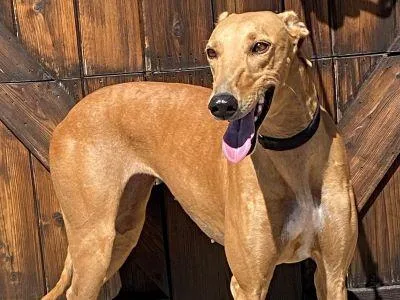
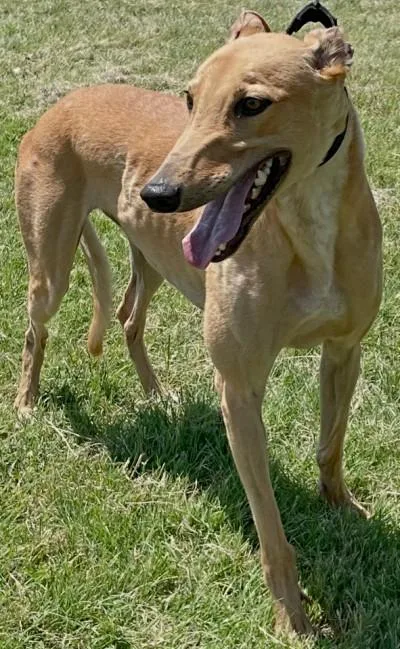
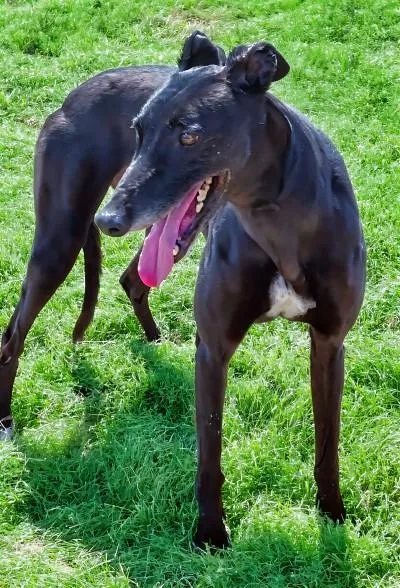
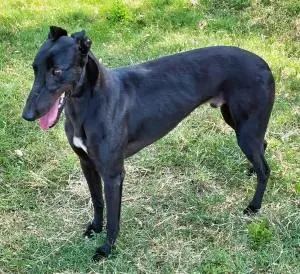
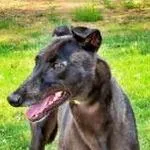
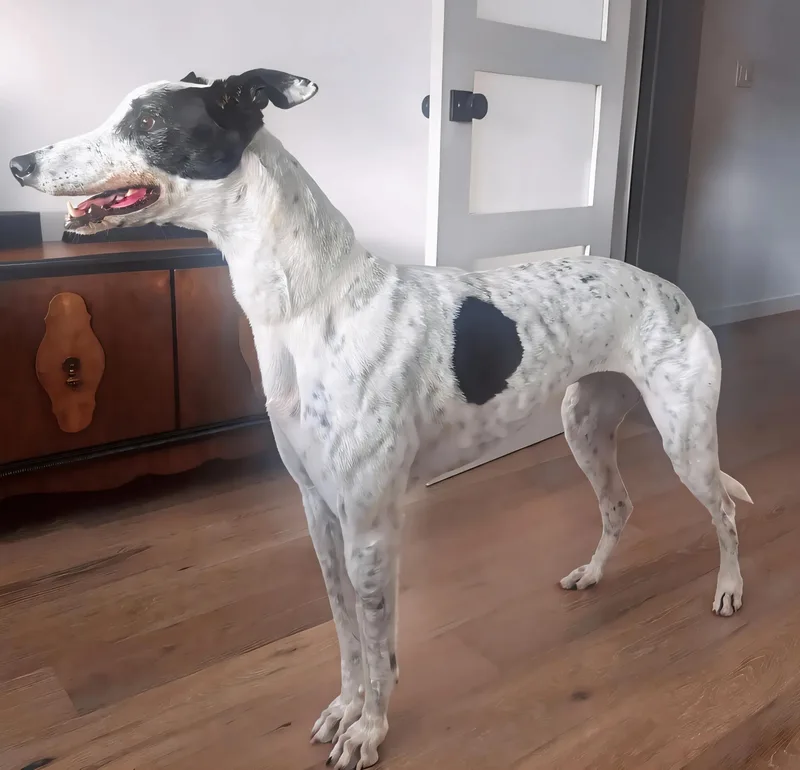
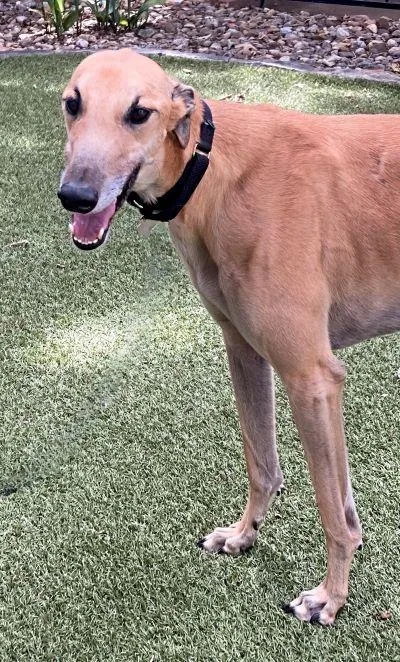
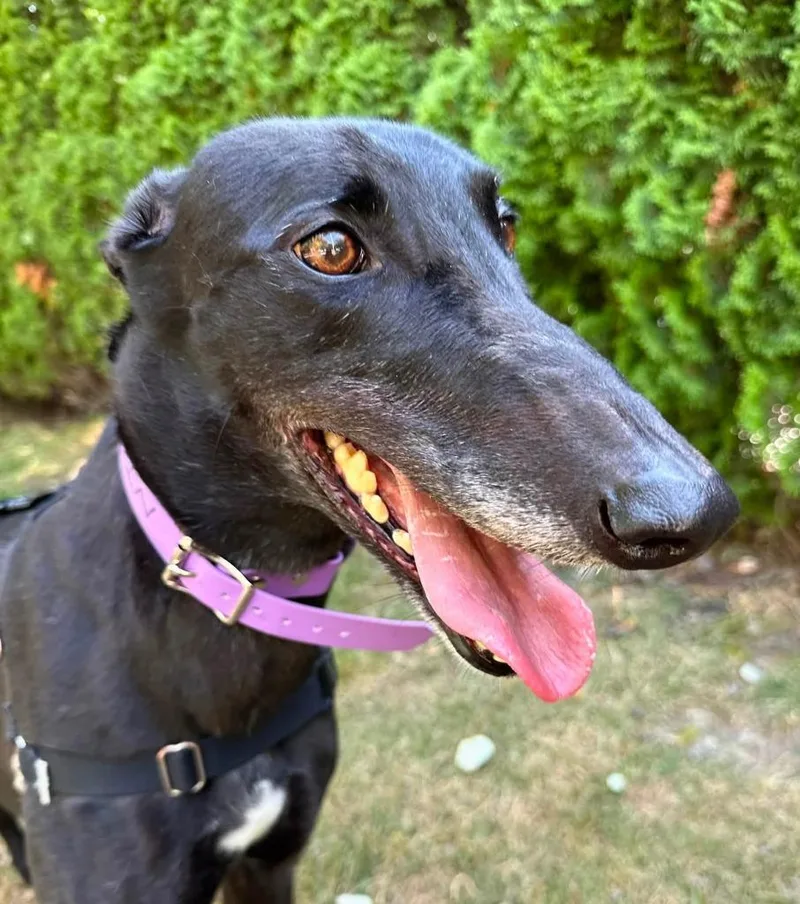
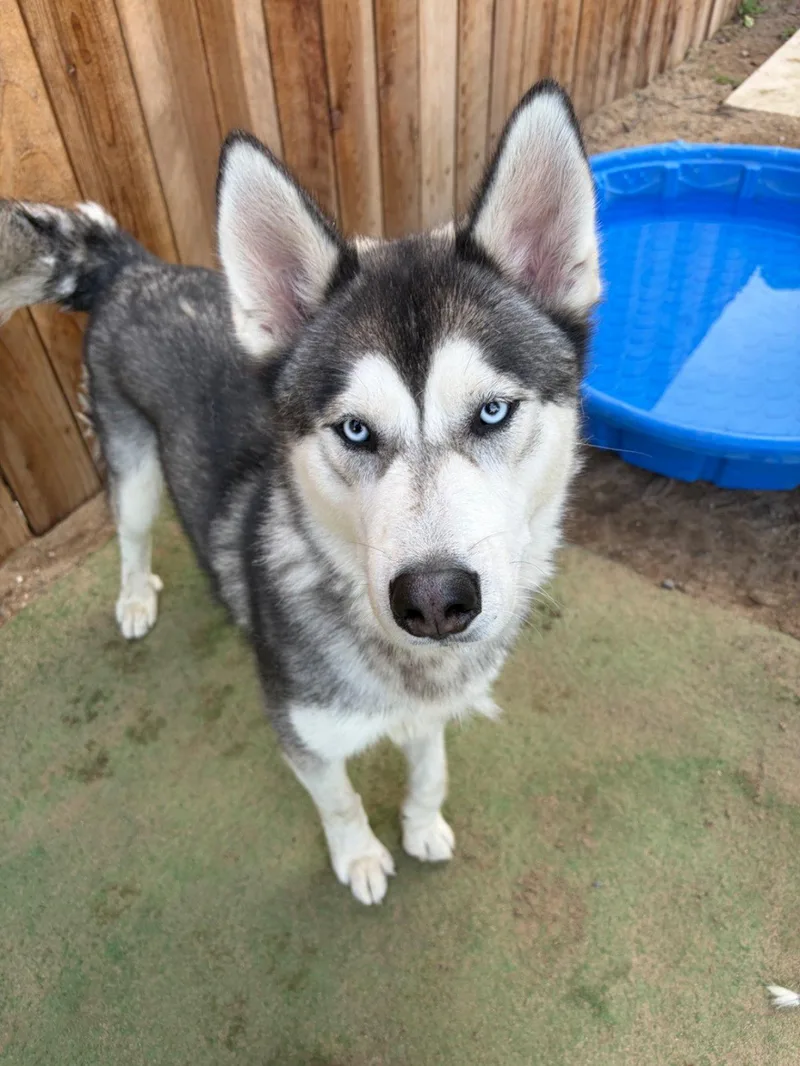
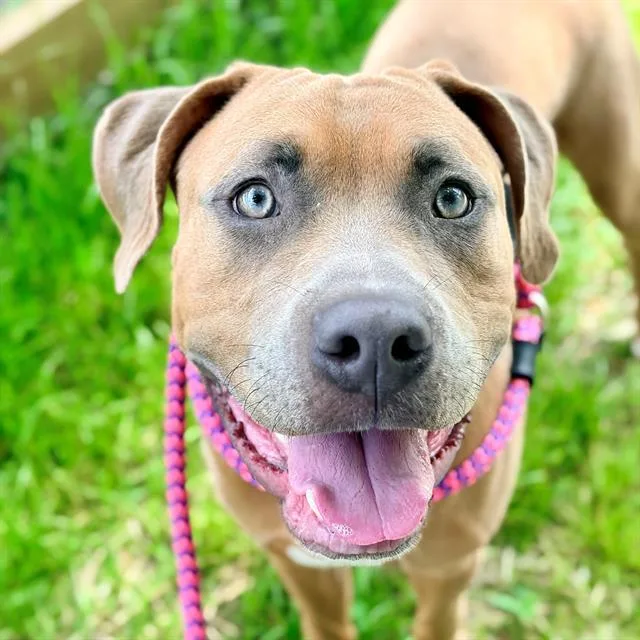
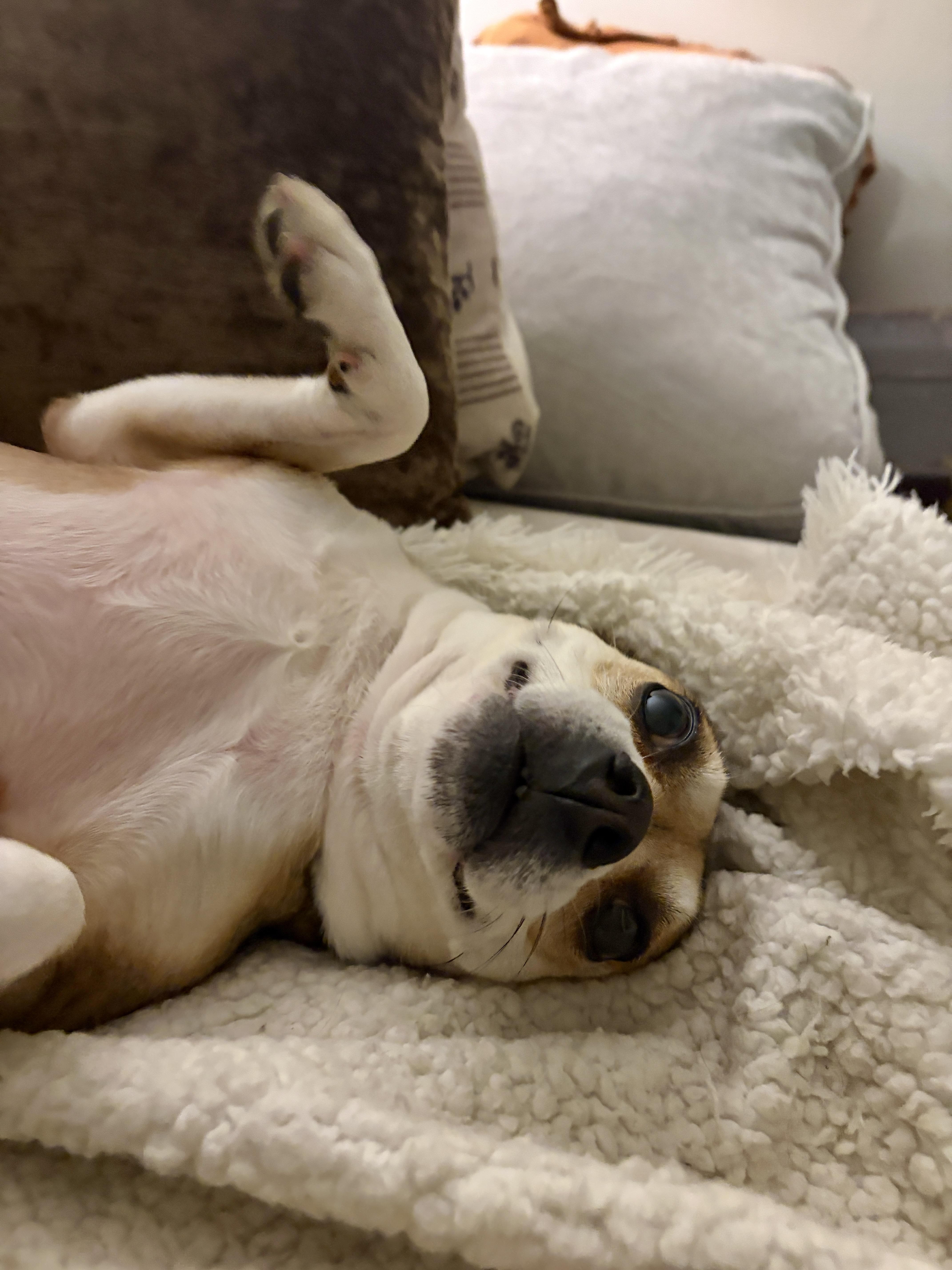
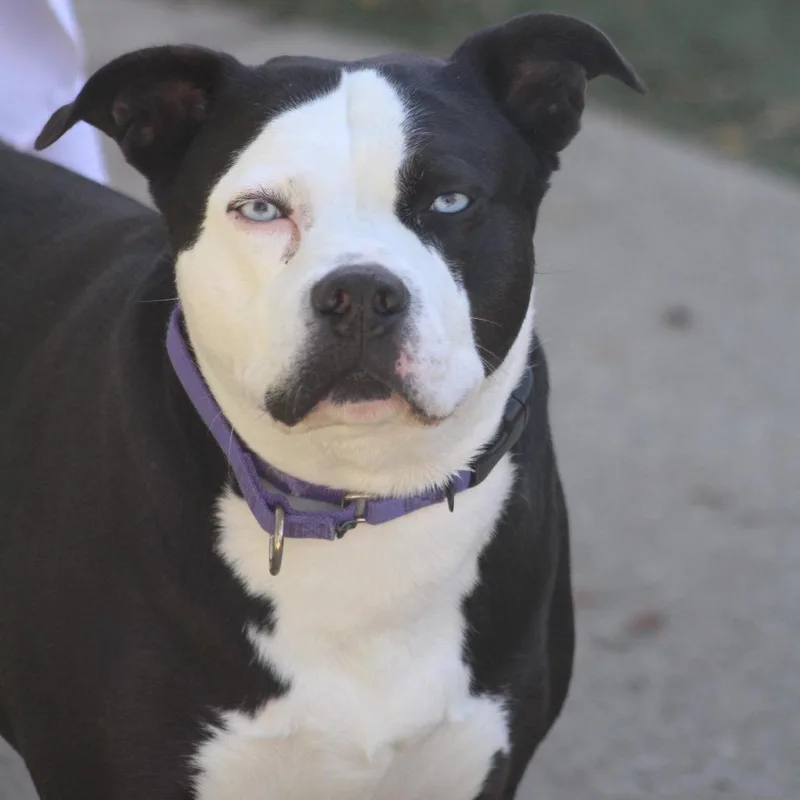
Greyhound Dogs for Adoption in Indianapolis, IN

Your guide to finding and caring for a Greyhound in Indy

Greyhounds fit apartment life in Indianapolis better than most people expect. A quiet dog that sleeps most of the day does fine in a Mapleton-Fall Creek duplex or a Mass Ave flat. What a Greyhound needs is a daily leashed walk, a coat for January and a safe place for a short sprint. If you're thinking of adopting one in Indy, picture a calm evening loop on the Monon Trail and a soft bed waiting at home.

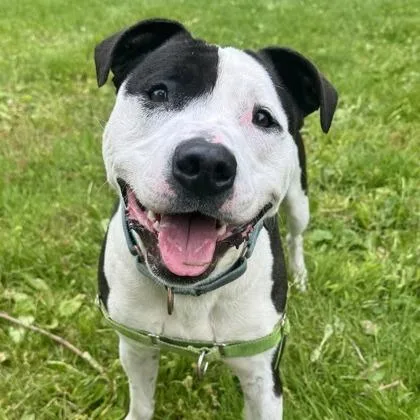
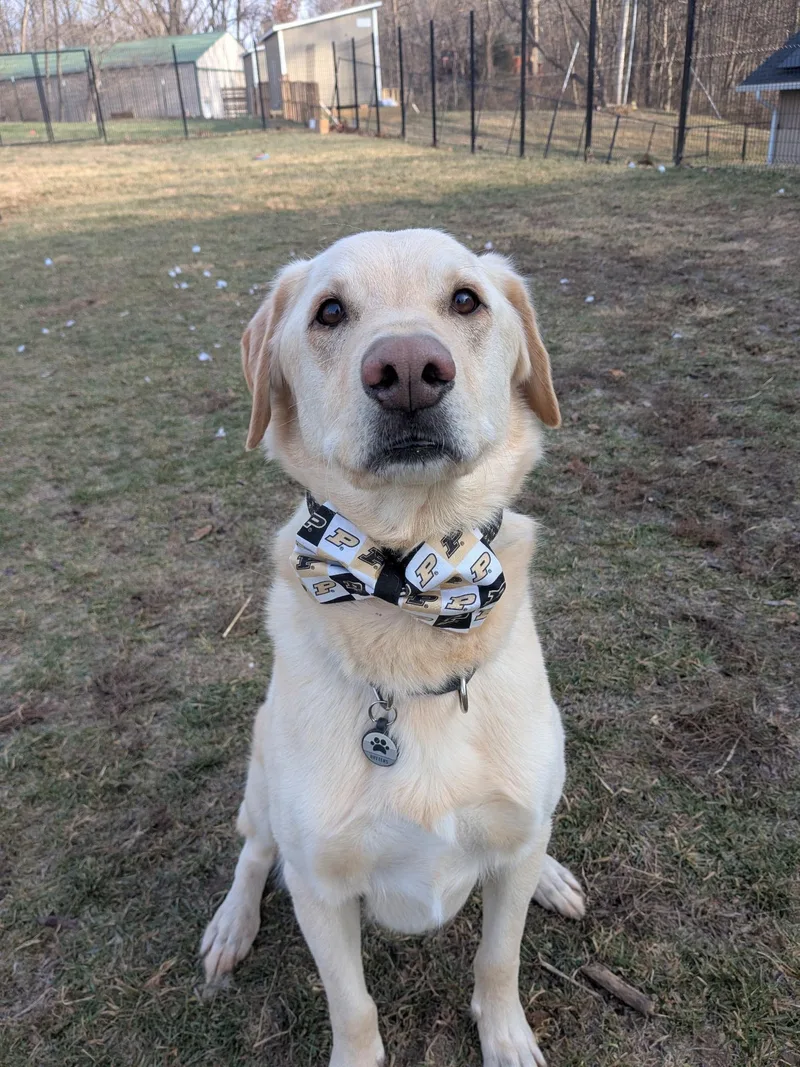
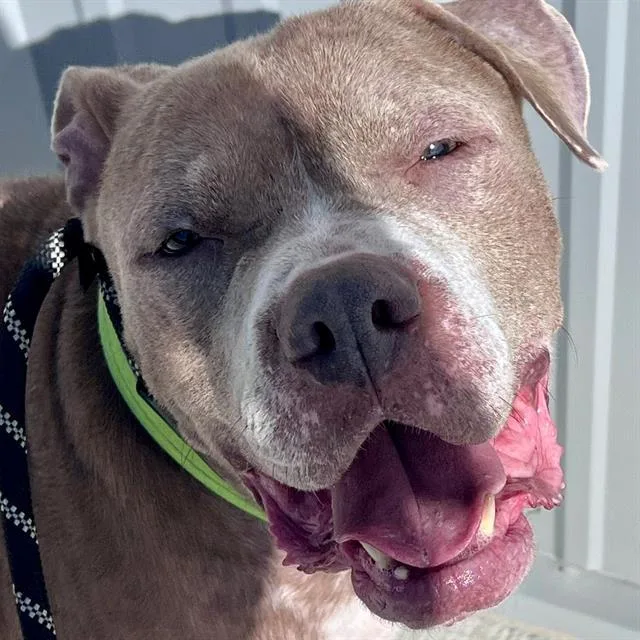
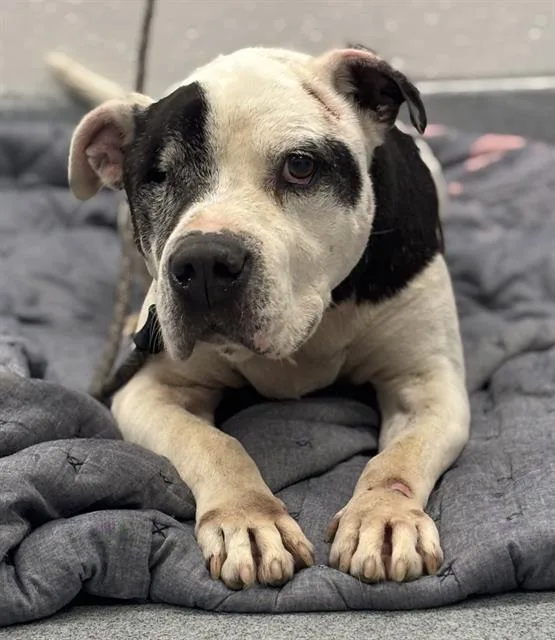
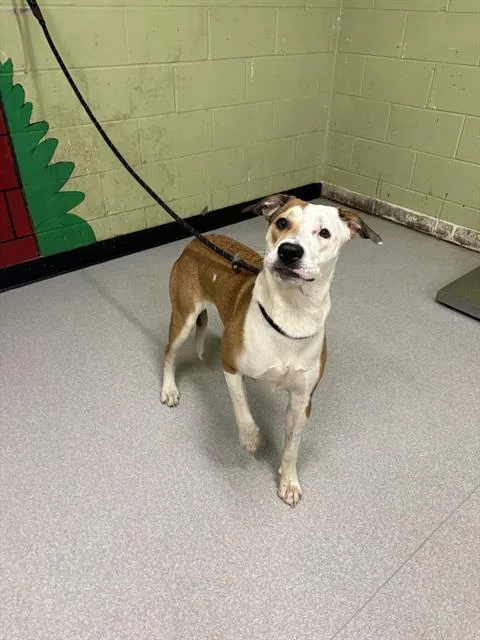
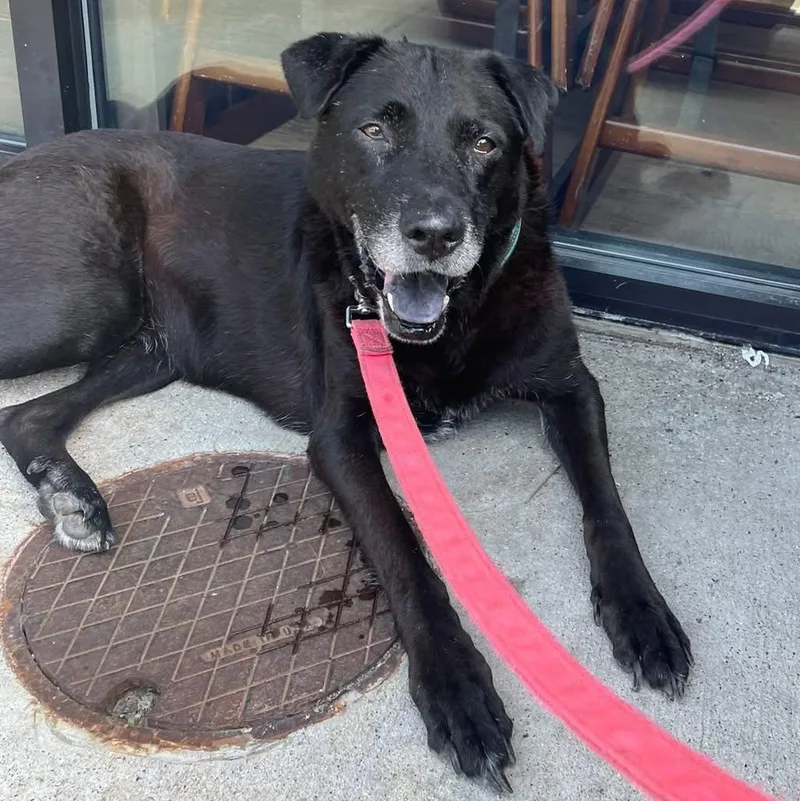
259 Greyhounds available in Indianapolis and nationwide

Bring home a Greyhound

While we don't have enough dogs near Indianapolis, keep in mind that many rescues may offer transport.

Greyhounds Available for Adoption Near Indianapolis

About the Greyhound breed

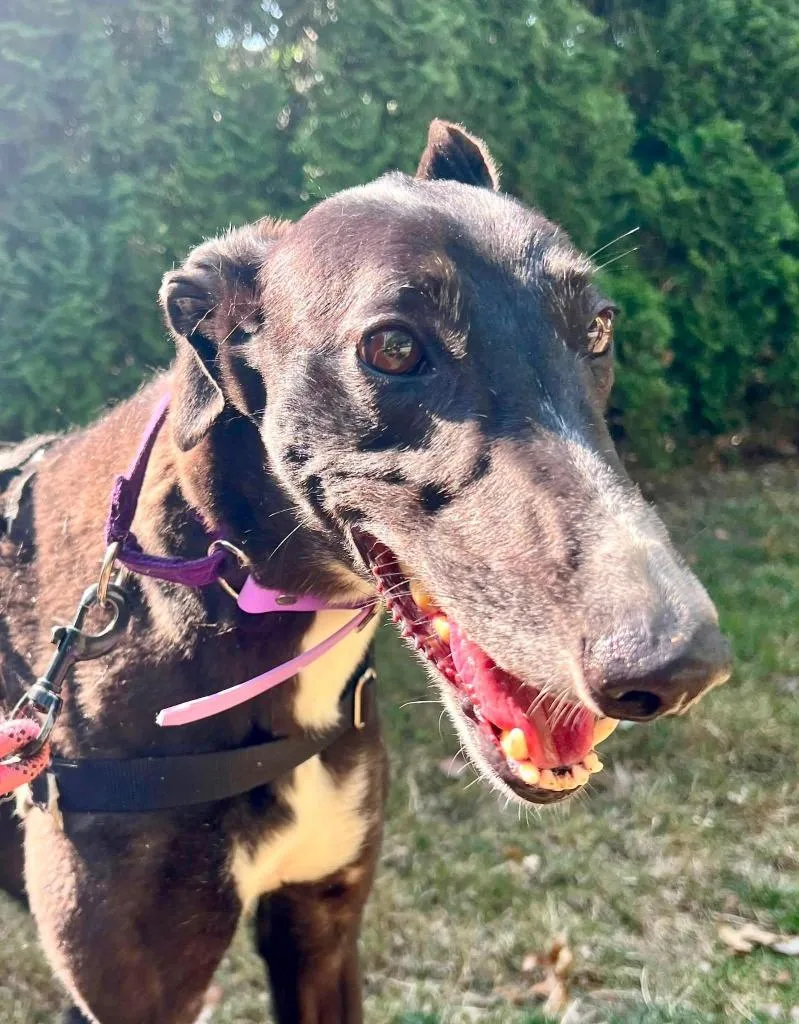
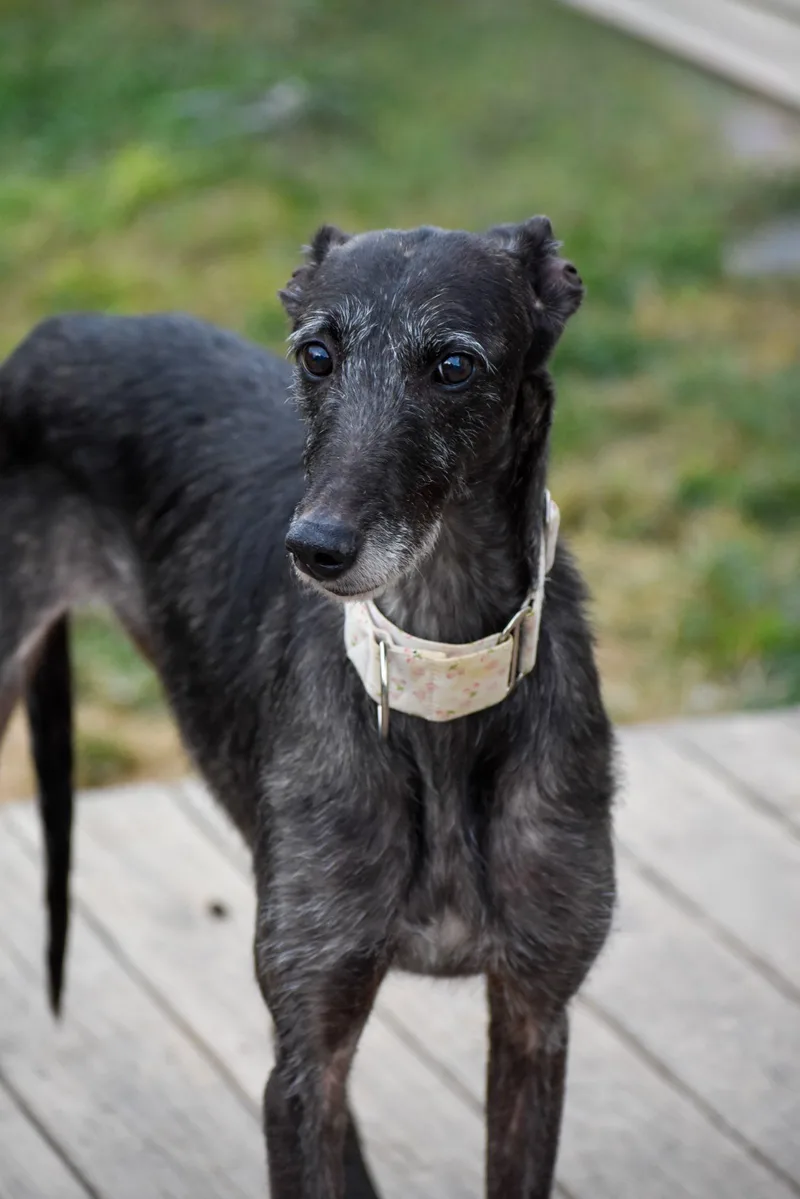
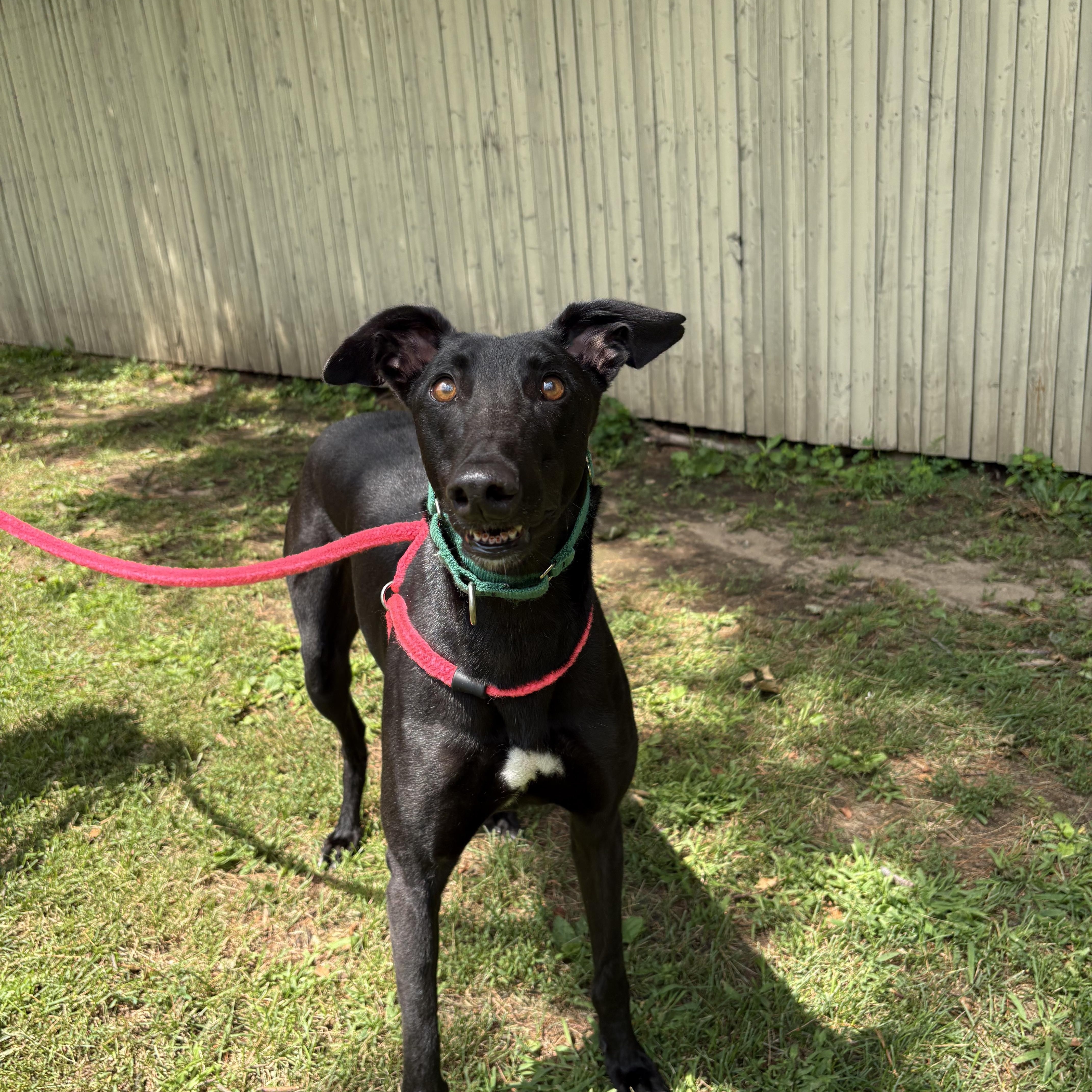
Greyhounds are one of the oldest sighthound types, refined in England to chase game by sight. Their deep chest, long legs and flexible back let them pass 40 miles per hour, yet at home most are famously calm. Many pet Greyhounds in the US are retired racers, usually two to five years old, so they may be new to stairs, glass doors and living in a house.

That build has practical consequences in Indianapolis. Thin skin, a short coat and a lean frame mean cold snaps hit hard, and soft bedding protects bony hips and elbows. A strong chase instinct means a Greyhound should stay on leash outside fenced areas, and some dogs don't do well with cats or small dogs. Dogs vary, so watch how each one reacts.

Weight
55–85 lbs
Height
25–30 in
Lifespan
10–14 yrs
Temperament
Gentle, Quiet, Affectionate
Group
Hound
Shedding
Low to Moderate

Owning a Greyhound in Indianapolis

Having a Greyhound in Indy

Greyhounds combine a sprinter's body with a mellow house personality. Cold sensitivity, prey drive, anesthesia concerns and adjusting from kennel life shape daily care, and Indy's winters and leash rules add a few practical wrinkles.

Temperament

Greyhounds tend to be gentle, quiet and affectionate, which suits shared walls and busy Indy sidewalks. Some retired racers start out shy and need patience with household noise. Prey drive varies, so watch how a dog reacts to cats, squirrels and small dogs, and keep it leashed on city streets and greenways.

Exercise Needs

Plan on daily leashed walks, along the Monon Trail or Fall Creek Greenway for example, plus a chance to sprint in a fenced space. Indy's four bark parks are fenced but need a paid pass or $5 daily fee. Because of their chase instinct, Greyhounds should never run off leash in open areas.

Health Considerations

Greyhounds can react differently to some anesthetics, bleed more after surgery and have their own bloodwork ranges, so a veterinarian familiar with sighthounds helps. Dental disease, paw corns, bloat and bone cancer also occur. Indiana requires rabies vaccination from three months, and Indianapolis requires permanent ID such as a microchip.

Living Space

Greyhounds often do well in Indy apartments, duplexes and bungalows because they rest most of the day. They need soft bedding, a coat in winter and a cool spot in summer. A fenced yard helps for sprints, but reliable walks work too. Indianapolis sets no fixed pet limit, though landlords may.

What it costs to own a Greyhound in Indianapolis

ExpenseTypical costPer year
Adoption fee$400, one time$400 in year one
Food$55 to $110 per month$660 to $1,320
Pet insurance$55 to $110 per month$660 to $1,320
Routine vet care$250 to $500 per year$250 to $500
Other*$525 to $1,550 per year$525 to $1,550
Estimated yearly total (after year one)$2,095 to $4,690
First-year total (with adoption fee)$2,495 to $5,090

Adoption fee is the fee on Greyhound listings in Indianapolis on GetBuddy today. Other costs are estimates and vary with size, age and health.

* Flea, tick and heartworm prevention, a dental cleaning allowance, toys and supplies, light home grooming, and a winter coat and padded bedding; Indianapolis has no dog license fee.

Adopt a Greyhound in Indianapolis.

Now that you know more, let’s find you a new best friend. These rescues and shelters below currently have Greyhounds available.

Frequently Asked Questions

Yes, Indianapolis has no breed ban or breed-specific rules; its dangerous-dog rules are based on behavior. A Greyhound needs a rabies vaccine and permanent ID, and must be leashed or securely confined outside. Tethering is tightly limited, including a ban from 11 p.m. to 6 a.m., and sighthounds are best kept indoors anyway. Nearby towns like Speedway have their own rules.

Yes, many Greyhounds do well in Indy apartments since they're quiet and nap most of the day. Plan for daily leashed walks, soft bedding and an easy route to the street, since stairs can be tricky for a newly retired racer. Landlords can set size or weight limits, so confirm the lease allows a 55-to-85-pound dog before applying.

Yes, with gear and indoor living. Greyhounds have thin skin and little body fat, so snowy Indianapolis winters call for an insulated coat, paw protection from road salt and short outings when temperatures sink toward 20°F. At that point city rules require outdoor dogs to come inside, and a Greyhound should live indoors all season.

Greyhounds need a fenced sprint spot and easy walking. Broad Ripple Bark Park, Eagle Creek's Gordon Gilmer Bark Park, Paul Ruster and Smock are fenced, though they need a pass or daily fee. For leashed walks, the Monon Trail, Central Canal Towpath and Eagle Creek Park's trails are good options, and Eagle Creek charges a small gate fee.

Usually not. IndyGo buses, including the Red and Purple Line rapid-transit routes, allow service animals and other pets in a carrying case, and a 55-to-85-pound Greyhound won't fit in one. Indy has no subway or rail, so plan on walking or driving, and check current IndyGo rules and fares before any trip.

Very little. The short, smooth coat needs a weekly rubdown with a rubber mitt or soft brush and an occasional bath. In Indy, wipe paws after winter salt and ice and after muddy spring walks. Trim nails regularly and brush teeth, since dental disease is common. Home grooming fits within the Other costs above, so a professional groomer is rarely needed.

Often yes, for people who can handle winter and want a calm companion. Greyhounds nap most of the day, suit apartments and enjoy an easy greenway loop, but they need a coat, strict leash habits and a plan for cold snaps and storms. They may not suit homes with cats or small dogs, or people wanting a long-distance running partner.

We have 1 rescue with Greyhounds available: Far Fetched Dog Rescue. You can see every rescue with Greyhounds available in the list above these questions, or scroll to the top to see the Greyhounds near Indianapolis.

Expect roughly $2,100 to $4,700 a year for a Greyhound in Indianapolis. That covers food at $55 to $110 a month, insurance at $55 to $110 a month, routine vet care at $250 to $500 a year, and other costs of $525 to $1,550 a year. Indianapolis charges no dog license fee.