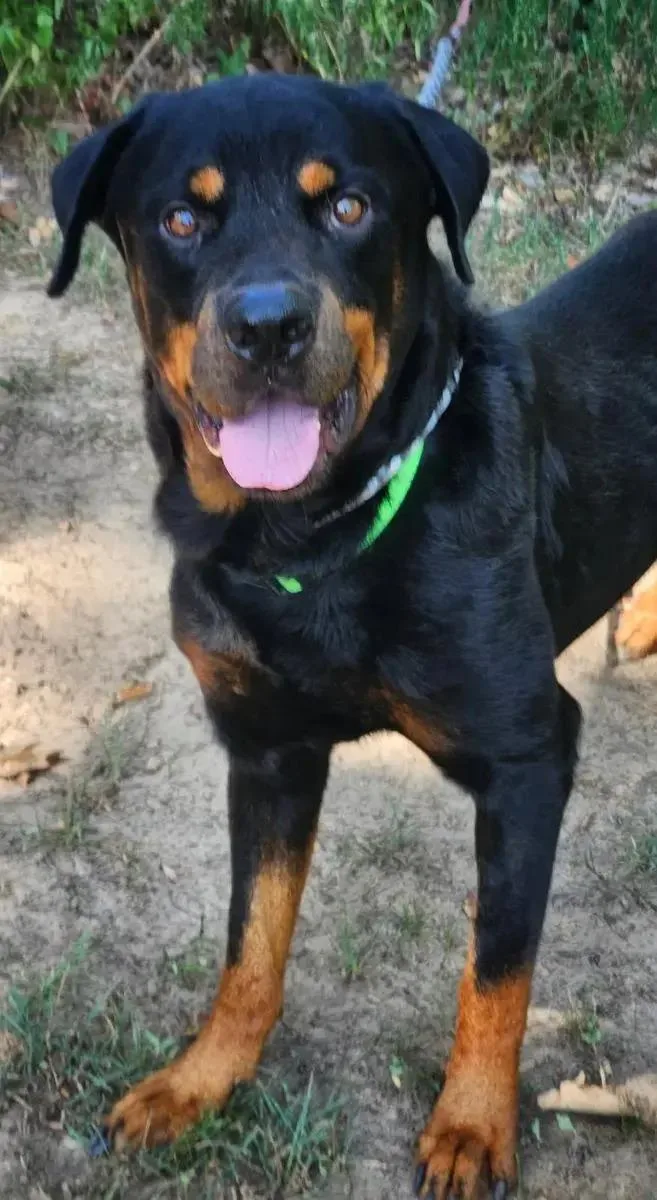
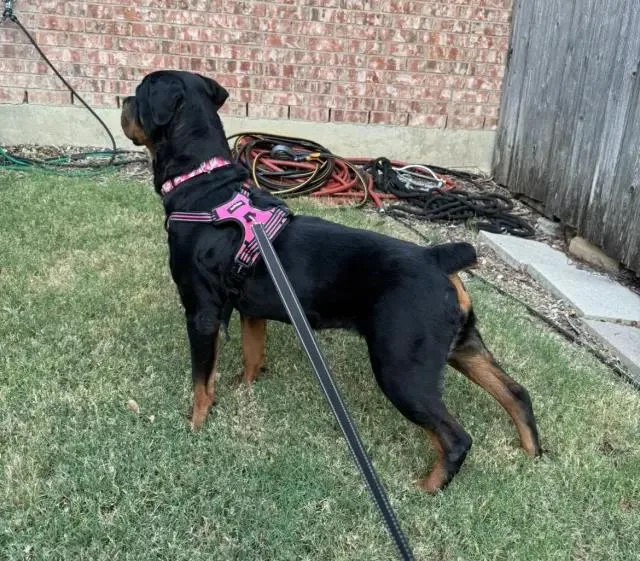
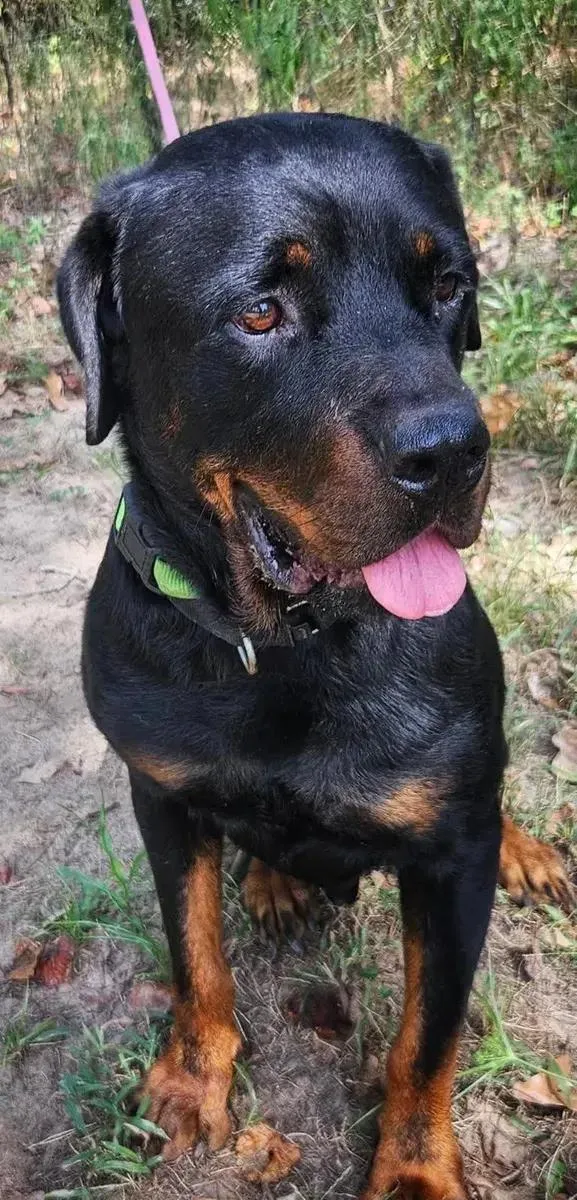
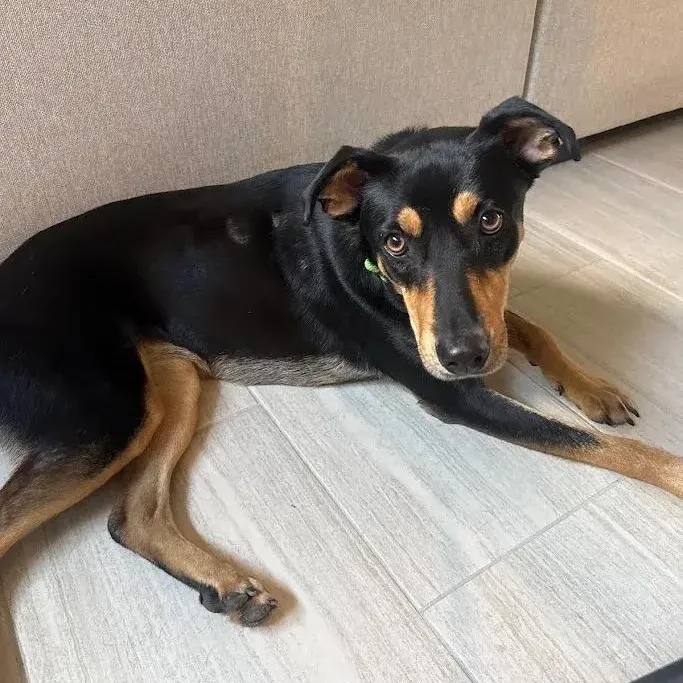
Black Russian Terrier Dogs for Adoption in Indianapolis, IN

Your guide to finding and caring for a Black Russian Terrier in Indy

A Black Russian Terrier fits best in the parts of Indy with yards and room to roam, like Nora's large lots or the bungalow streets of Irvington. These dogs are calm and devoted at home but watchful with strangers, so a fenced yard and a steady routine matter more than a big social calendar. Evening walks on the Monon Trail or the Pleasant Run Greenway give a Black Russian the daily miles it needs. Expect a lot of dog on the sofa, and a coat that collects snow in January.

2696 dogs similar to Black Russian Terrier available in Indianapolis and nationwide

Find your Black Russian Terrier

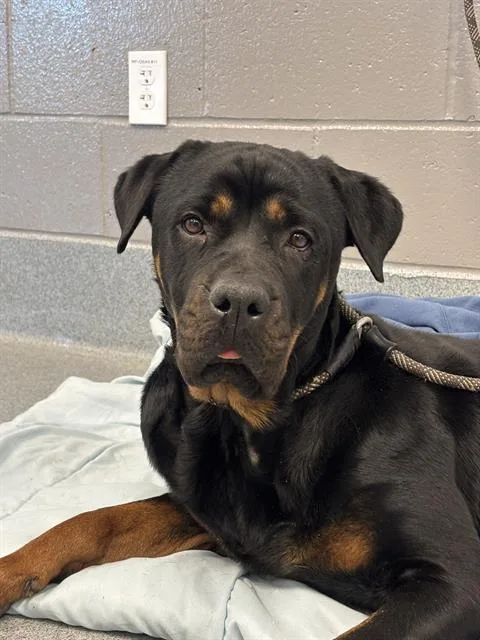
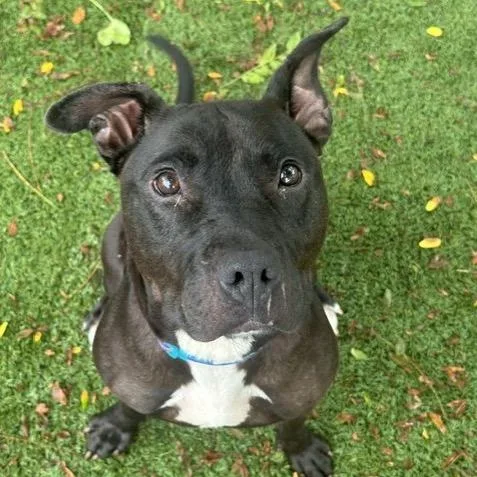
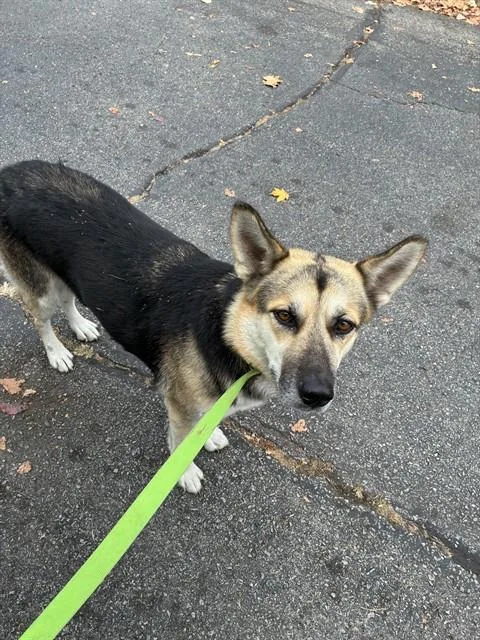
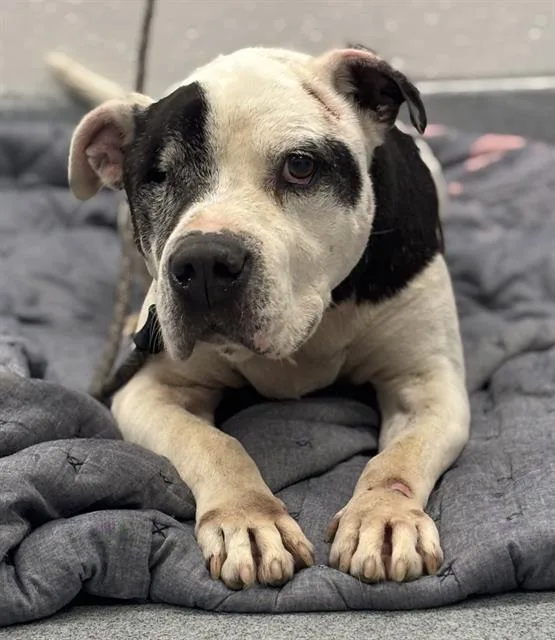
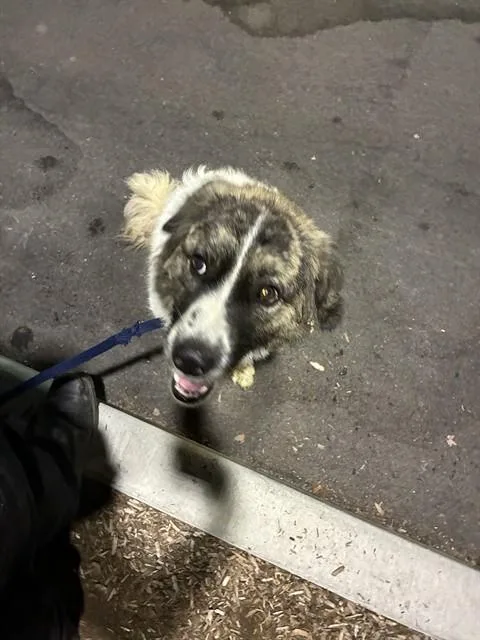
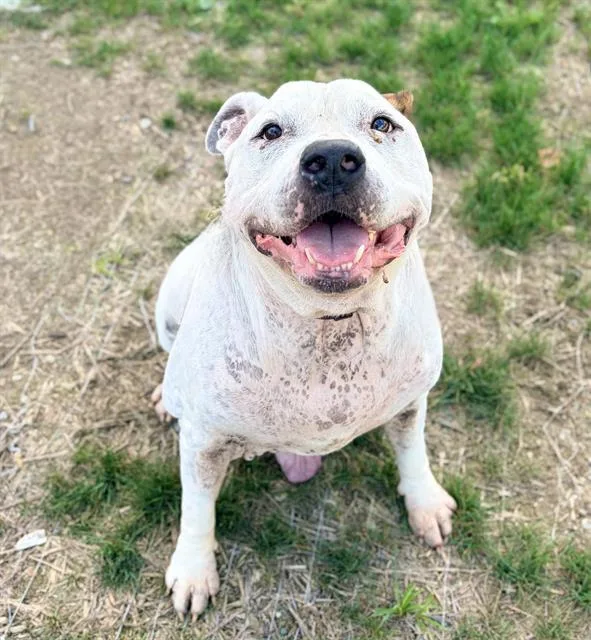
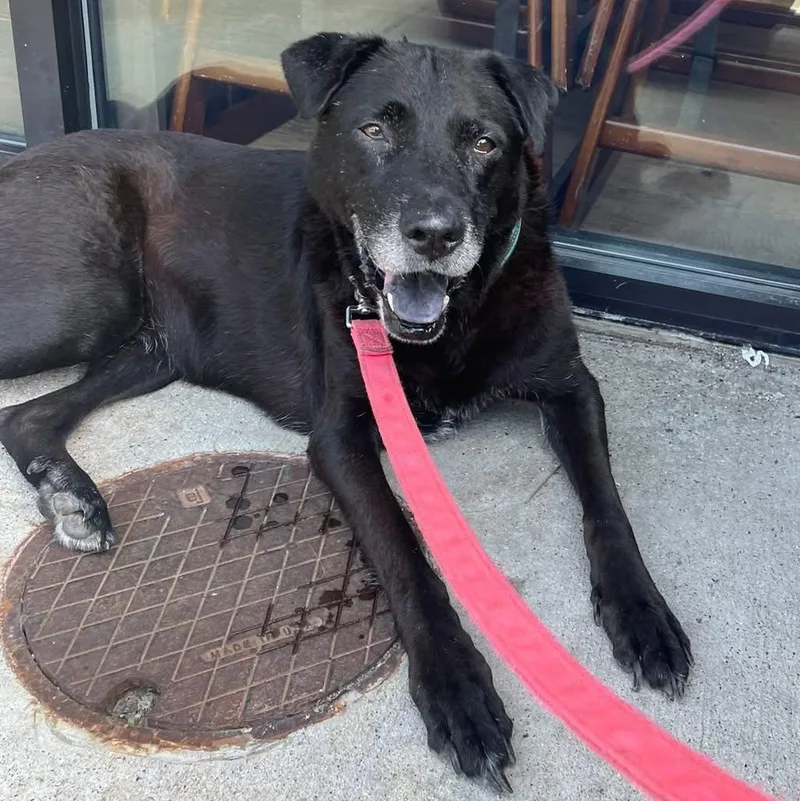
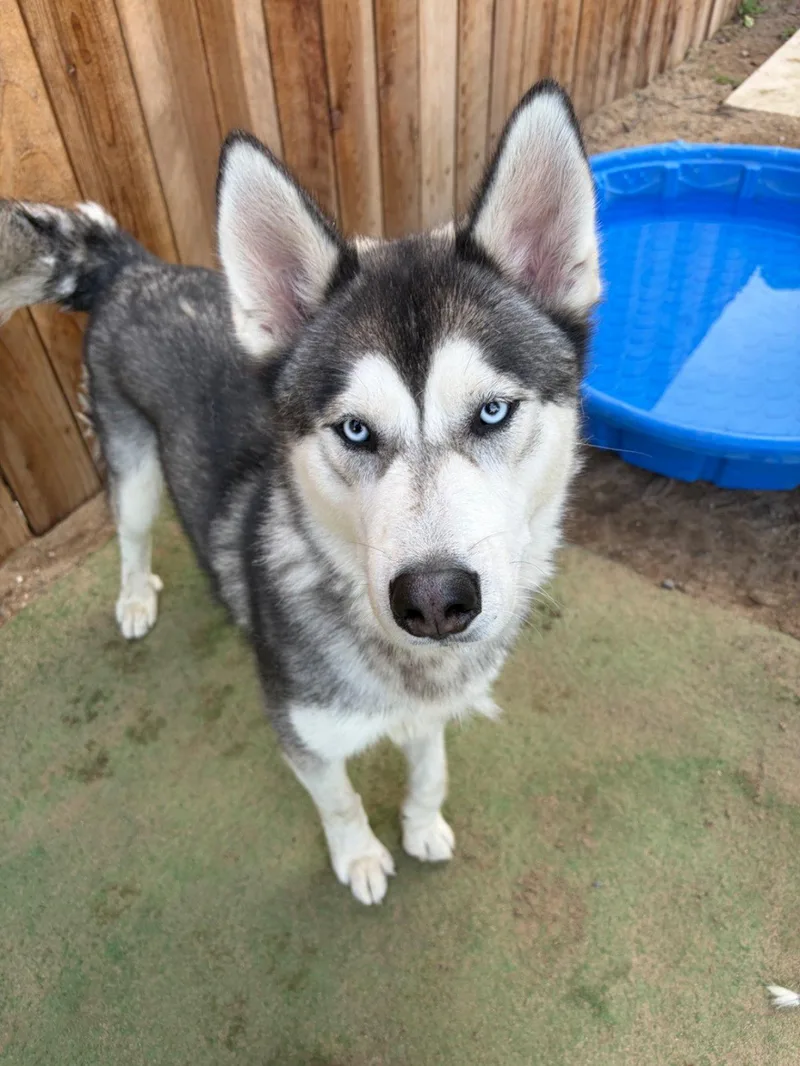
Black Russian Terriers and Similar Breeds Available for Adoption Near Indianapolis

About the Black Russian Terrier breed

Despite the name, the Black Russian Terrier isn't a true terrier. It was developed in the Soviet Union in the late 1940s and 1950s as a hardy working and guard dog, drawing on about 17 breeds including the Giant Schnauzer, Airedale, Rottweiler and Newfoundland. The result is a heavy-boned dog of 80 to 130 pounds with a wavy black double coat, a bearded muzzle and eyebrows that fall over the eyes.

Many Black Russians are calm, confident and loyal to their families while staying aloof with strangers. They're intelligent and usually take well to training, but their size and protective streak suit an experienced, consistent handler. In Indy, that means planning for a coat that needs brushing a few times a week and professional trims, plus a beard that holds water and food after every drink.


Weight
80–130 lbs
Height
26–30 in
Lifespan
10–12 yrs
Temperament
Confident, Protective, Loyal
Group
Working
Shedding
Low

Owning a Black Russian Terrier in Indianapolis

Having a Black Russian Terrier in Indy

A Black Russian Terrier pairs a guardian's watchfulness with a steady, family-centered nature. In Indianapolis, the bigger questions are usually time, experience and a plan for snowy winters and humid summers, more than raw floor space.

Temperament

Black Russians tend to be calm, self-assured and devoted to their own people, and many are reserved with strangers. That suits a quiet home but takes work on a busy Indy sidewalk or a crowded trail. Early socialization and calm, reward-based training help, and each dog's own history and personality matter more than breed reputation.

Exercise Needs

Plan on at least two good walks a day plus play or a job, like obedience or tracking. The Monon Trail and other greenways suit leashed walking, and the Indy Parks bark parks offer fenced off-leash time with a paid pass or $5 daily fee. Avoid hard exercise around meals because of bloat risk.

Health Considerations

Black Russians can face hip and elbow dysplasia, progressive retinal atrophy, bladder stones from hyperuricosuria, and juvenile laryngeal paralysis. Like other deep-chested giants, they're at risk of bloat. Keep the dog lean, schedule regular checkups, and have a veterinarian check the joints. Indiana requires rabies vaccination from three months of age.

Living Space

A house with a securely fenced yard suits a Black Russian best, such as the large lots in Nora or the suburban subdivisions of Franklin Township. A calm adult can manage an apartment with reliable daily exercise, but 80 to 130 pounds takes up a lot of floor. Indoor living with the family matters.

What it costs to own a Black Russian Terrier in Indianapolis

ExpenseTypical costPer year
Food$80 to $160 per month$960 to $1,920
Pet insurance$85 to $170 per month$1,020 to $2,040
Routine vet care$250 to $500 per year$250 to $500
Other*$1,025 to $2,750 per year$1,025 to $2,750
Estimated yearly total (after year one)$3,255 to $7,210

Other costs are estimates and vary with size, age and health.

* Flea, tick and heartworm prevention, a dental cleaning allowance, toys and bedding, professional trims every 6–8 weeks, and joint supplements; Indianapolis has no dog license fee.

Adopt a Black Russian Terrier in Indianapolis.

Now that you know more, let’s find you a new best friend. These rescues and shelters below have dogs available in and near Indianapolis.

Frequently Asked Questions

Yes, you can own a Black Russian Terrier in Indy, because the city has no breed bans or breed-specific rules. Dangerous-dog rules look at a dog's behavior instead. You'll need rabies vaccination from three months of age, permanent ID such as a microchip, and free city registration if the dog isn't spayed or neutered. Other Indiana towns can set their own rules if you move.

A calm adult Black Russian can live in an Indianapolis apartment, but it's not the easiest fit for a dog this size. Rentals are common in Indy, yet landlords may set size or weight limits that rule out a dog of 80 to 130 pounds. Expect two real walks a day, give the dog floor space, and get pet terms in writing.

Yes, a healthy adult Black Russian Terrier generally handles Indianapolis winters well, since the double coat suits cold weather. Puppies, seniors and dogs with health problems may need shorter outings during the multi-day freezes Indy sees most years. Because the city requires dogs confined outside to come in at 20°F or below, plan on living indoors with the family.

Start with the Monon Trail, Fall Creek Greenway and Pleasant Run Greenway for leashed walks, or Eagle Creek Park, where dogs stay leashed outside the Gordon Gilmer Bark Park. Eagle Creek charges a small gate fee. For off-leash play, Broad Ripple, Paul Ruster and Smock also have bark parks. Don't plan on swimming, as no dog swim area is listed in the city.

Not in most cases. IndyGo allows service animals and other pets only in a carrying case, and a dog of 80 to 130 pounds won't fit in one. IndyGo runs buses and bus rapid transit, including the Red and Purple Lines, rather than a subway. Plan on driving to parks and vet visits, and check current IndyGo rules before any trip.

A Black Russian needs brushing a few times a week and a professional trim about every 6 to 8 weeks, and Indy's seasons add extra work. In winter, rinse salt from legs and belly and comb out snowballs. In humid summers, dry the beard and check for damp, matted spots. Professional trims are counted in the Other costs on this page.

Not automatically. Indiana's food code generally keeps animals other than service animals out of food establishments, so a patio visit depends on the restaurant's own policy and health department rules. Confirm before you go, and don't assume a place is dog-friendly. A calm Black Russian that settles under the table is easier to host, but a giant dog still needs room.

Black Russian Terriers can be good family dogs for experienced owners. Many are affectionate, calm and protective with their own families and gentle with children they are raised with. Their size and guarding instincts mean they need training, socialization and supervision around visiting kids. An adult rescue with a known history in a family home can be a strong match.

No, Black Russian Terriers are not truly hypoallergenic, since no dog is free of allergens. Their coat sheds little, so they drop less hair around the house than many breeds, which helps some people with mild allergies. Dander and saliva still cause reactions, so spend time with the specific dog before adopting if anyone has allergies.

Budget about $80 to $160 a month for food and $85 to $170 for insurance. Routine vet care runs $250 to $500 a year, and other costs, including parasite prevention, dental care, professional trims and joint supplements, add roughly $1,025 to $2,750. Indianapolis has no general dog license fee, so that line stays off the list.