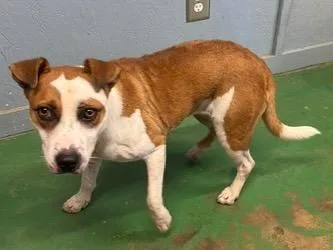
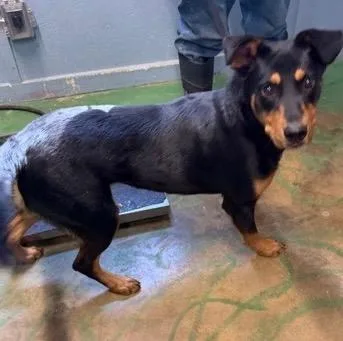
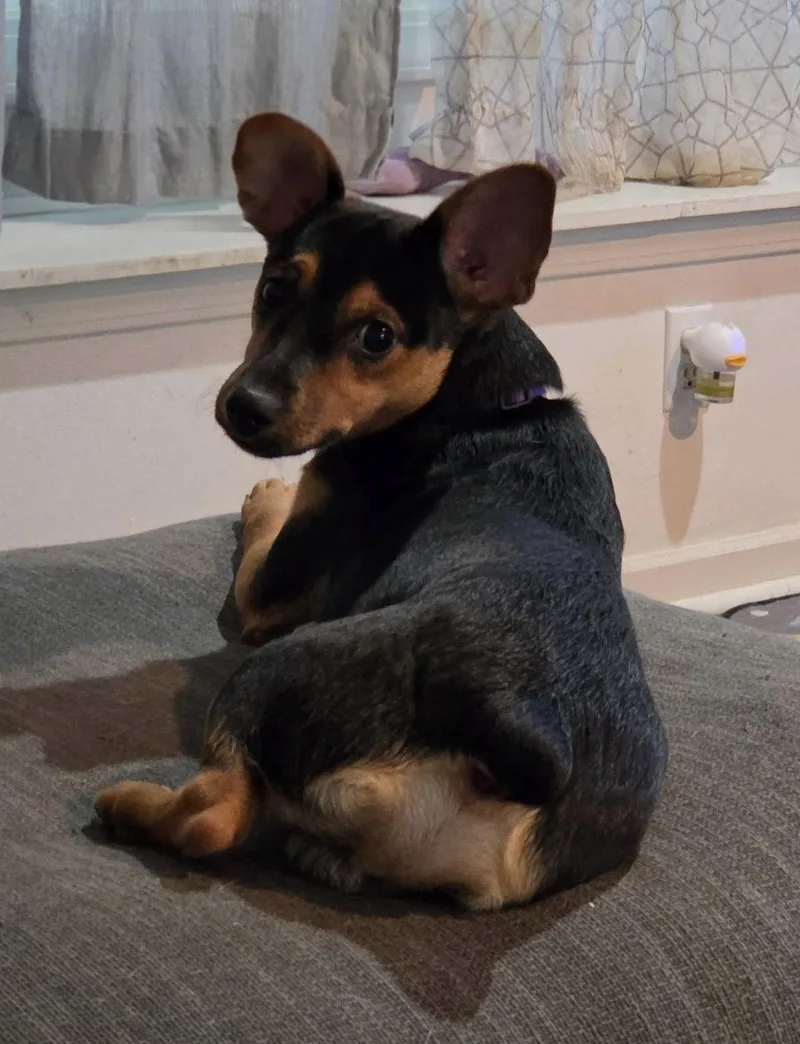
Australian Cattle Dog / Blue Heelers for Adoption in Fort Wayne, IN

Your guide to finding and caring for an Australian Cattle Dog / Blue Heeler in Fort Wayne

Blue Heelers suit Fort Wayne people who'd rather be on a trail than on the couch. A Heeler can log miles on the St. Marys Pathway near Foster Park and still want a job when you get home. Southwood Park's tree-lined streets and the newer Aboite subdivisions give a medium-sized dog plenty of walking routes, and snowy winters just mean a plan for indoor games. They bond hard with one person and watch the street like a guard.

4337 Australian Cattle Dog / Blue Heelers available in Fort Wayne and nationwide

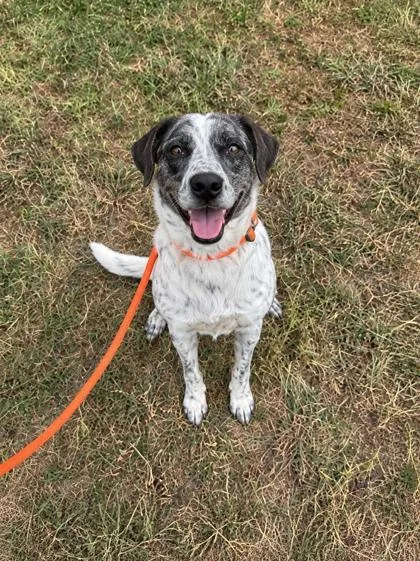
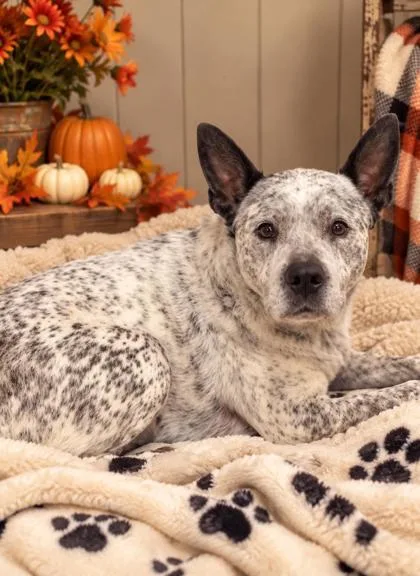
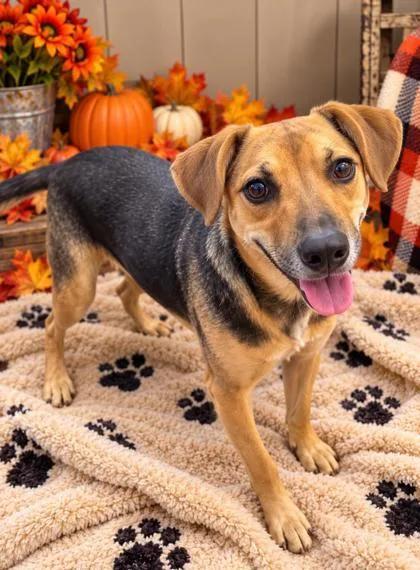
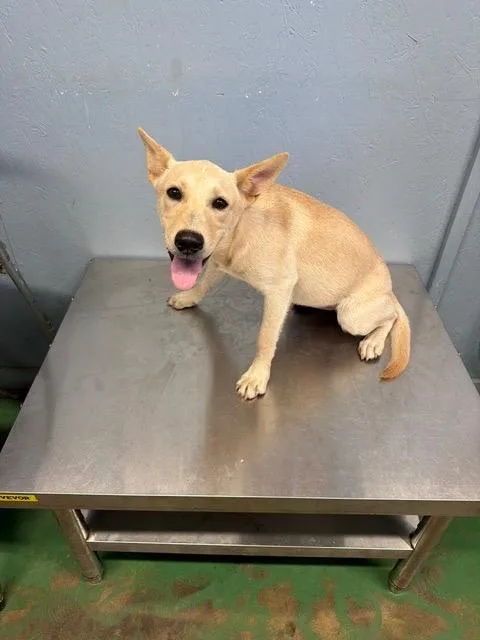
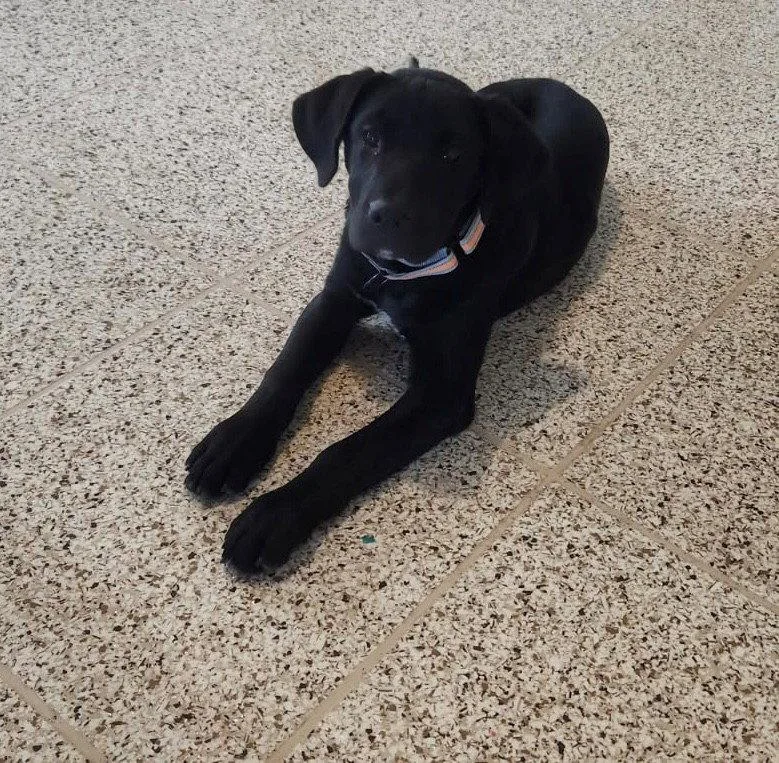
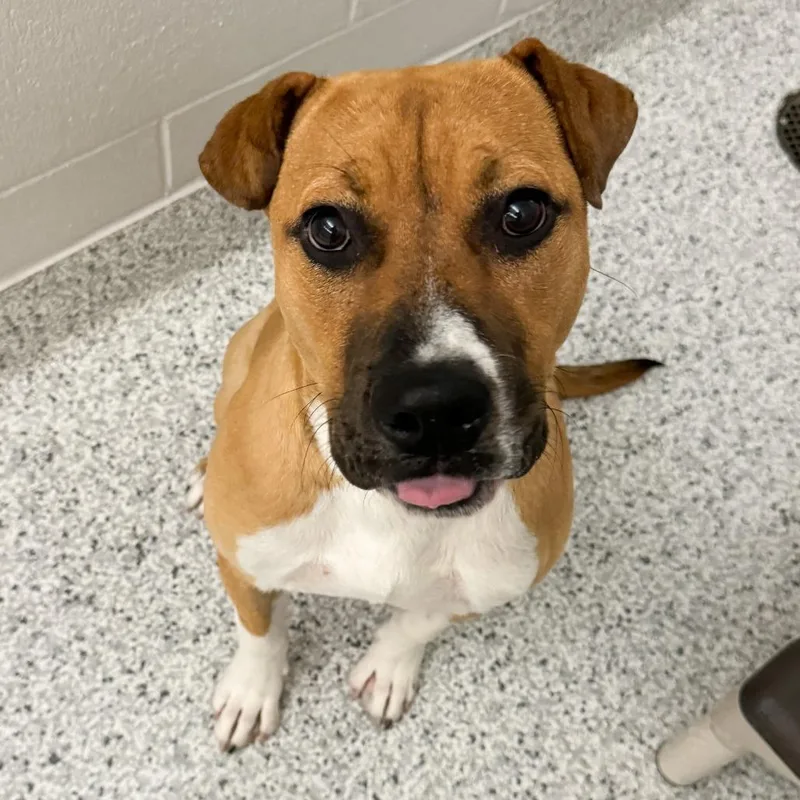
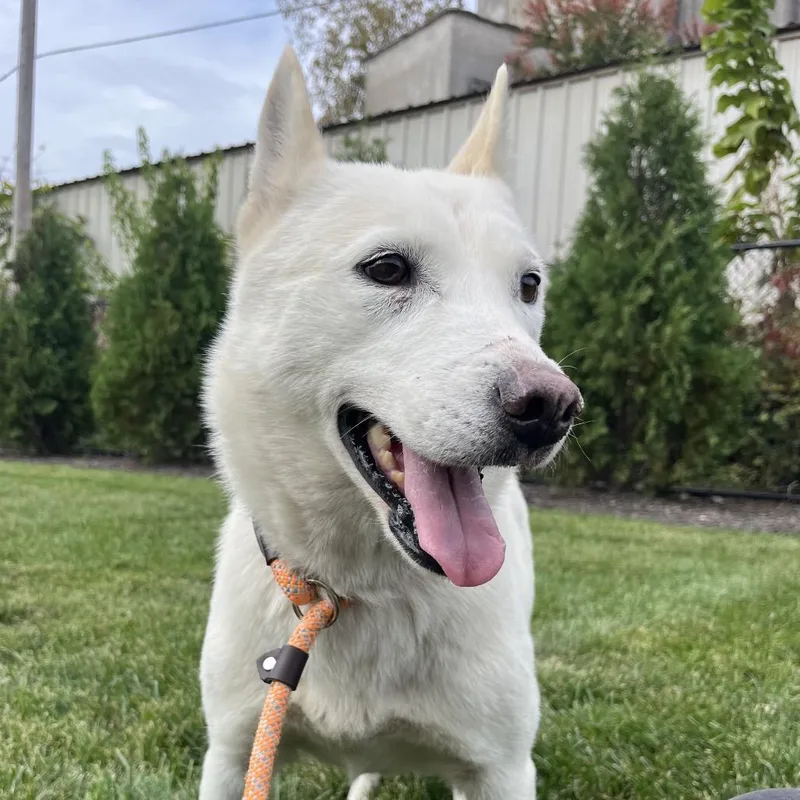
Say hello to your Blue Heeler

Australian Cattle Dog / Blue Heelers Available for Adoption Near Fort Wayne

About the Australian Cattle Dog / Blue Heeler breed

Australian Cattle Dogs, also called Blue Heelers or Queensland Heelers, were developed in nineteenth-century Australia to drive cattle over long distances in heat and dust. Settlers crossed collie-type herding dogs with dingoes, and Dalmatian and Kelpie influence is commonly reported. The result is a compact, muscular dog of about 35 to 50 pounds with a weatherproof double coat in blue or red speckle.

Heelers tend to be loyal, alert and very smart, often bonding closely with one person and staying reserved with strangers. Herding instinct can show up as nipping at heels or chasing bikes and kids. In Fort Wayne, that means a dog that does best with a daily route, training and puzzle games, not just a backyard. Dogs vary, and many live 12 to 16 years.

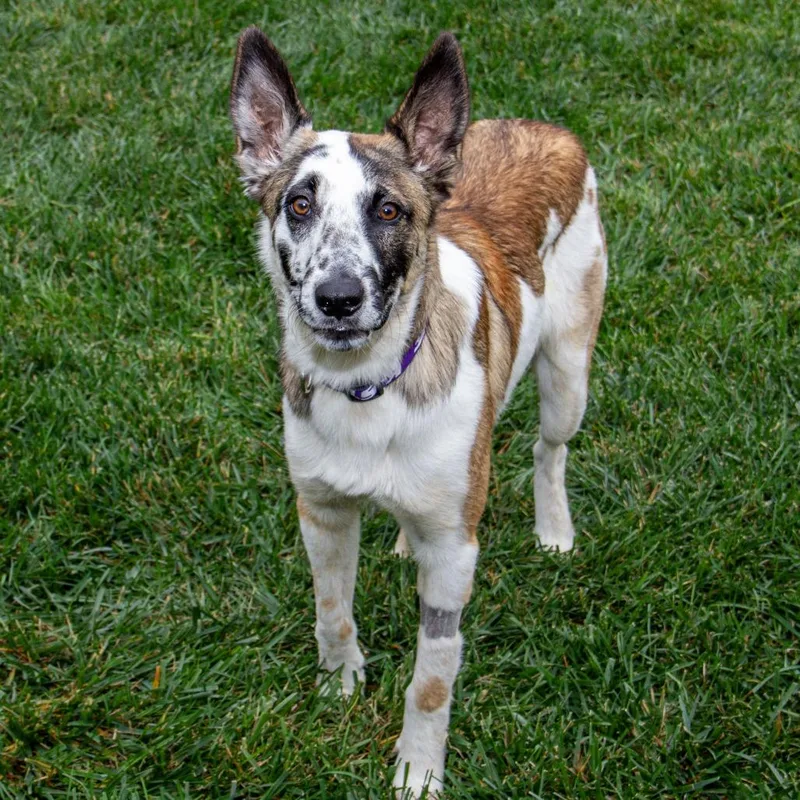
Weight
35–50 lbs
Height
17–20 in
Lifespan
12–16 yrs
Temperament
Energetic, Intelligent, Loyal, Alert
Group
Herding
Shedding
Moderate

Owning an Australian Cattle Dog / Blue Heeler in Fort Wayne

Having an Australian Cattle Dog / Blue Heeler in Fort Wayne

Work drive, stamina and a sharp mind define Heelers. Fort Wayne's trails and snowy winters reward owners who plan activity year-round, while anyone wanting a low-key companion may find the breed demanding.

Temperament

Heelers tend to be loyal and alert, often attached to one person and reserved with strangers. In Fort Wayne's residential neighborhoods, many will watch the street and bark at passersby. Herding instincts can mean nipping at heels and chasing bikes, so reward-based training and early socialization matter, though each dog's drive varies.

Exercise Needs

Most Heelers need vigorous daily activity plus mental work. Leashed runs on the Rivergreenway, fetch and training sessions fit well, and Fox Island's Doggie Beach offers off-leash swimming. On bitter winter days, short outdoor bursts and indoor puzzle games or scent work keep a young Heeler from chewing and digging.

Health Considerations

Heelers are often long-lived, but deafness, progressive retinal atrophy, lens luxation and hip and elbow dysplasia are documented. A veterinarian can check hearing, eyes and joints and discuss screening. In Fort Wayne, wipe paws after winter walks to remove salt, check for ice cuts, and keep up year-round parasite prevention.

Living Space

Heelers do best in a home with a securely fenced yard and an owner who's outside with them, like the post-war subdivisions on Fort Wayne's edges. Apartments can work with long daily exercise, but a watchful dog may bark at hallway noise. Daily engagement matters more than square footage.

What it costs to own an Australian Cattle Dog / Blue Heeler in Fort Wayne

ExpenseTypical costPer year
Food$35 to $70 per month$420 to $840
Pet insurance$55 to $100 per month$660 to $1,200
Routine vet care$225 to $450 per year$225 to $450
Other*$430 to $1,155 per year$430 to $1,155
Estimated yearly total (after year one)$1,735 to $3,645

Other costs are estimates and vary with size, age and health.

* The $5 yearly Fort Wayne license for an altered dog, flea, tick and heartworm prevention, a dental cleaning allowance, durable toys and bedding, and light home grooming for a short coat.

Adopt an Australian Cattle Dog / Blue Heeler in Fort Wayne.

Now that you know more, let’s find you a new best friend. These rescues and shelters below have dogs available in and near Fort Wayne.

Rescues and Shelters in or near Fort Wayne

Fort Wayne's rescue community includes a city-run shelter and nonprofit groups working to place dogs in loving homes. Here are the rescues & shelters in the Fort Wayne area with dogs available for adoption, worth asking whether an Australian Cattle Dog / Blue Heeler is coming in.

Frequently Asked Questions

Yes, if you're active and home often. Year-round trails, fenced dog parks and large county parks give a busy dog places to work off energy, and the climate suits its double coat. It's a poorer match for people who want a low-key pet or work long hours, since bored Heelers often turn nippy, destructive and noisy.

Start with the Rivergreenway's St. Marys Pathway for leashed runs and Fox Island's Doggie Beach for off-leash swimming. Pawster Park and Camp Canine suit a Heeler that plays well with others, though herding dogs can nip or chase, so supervise closely. Both need a Pooch Pass with rabies, distemper and parvo proof.

Yes, no Fort Wayne breed ban or breed-specific rule is known for Blue Heelers. Homes are limited to five dogs, and tethering rules are strict, including no tethering at night and none for unaltered dogs or puppies under six months. Rules can differ in nearby towns, so confirm them if you live outside city limits.

Yes, if you can meet its exercise needs. A Heeler needs long daily outings and mental work, and may bark at hallway noise, so a quiet building near a trail helps. Fort Wayne also has plenty of single-family housing, so a rental house with a fenced yard may suit an energetic dog better.

Sometimes, but it's up to each restaurant. Indiana allows pet dogs only in outdoor dining areas, and only where the regulatory authority approves. Some Fort Wayne patios welcome leashed dogs. A Heeler that's wary of strangers usually does best at a quiet corner table after a long walk, with a chew toy to settle.

Very little. A Heeler's short, weatherproof double coat needs weekly brushing, more during the once- or twice-a-year coat blow, and a bath only when dirty. In Fort Wayne winters, wipe paws and belly after salted walks. Most owners groom at home, so grooming adds little to the Other cost line.

Probably not reliably. Citilink runs buses Monday through Saturday and there's no rail, and pet rules for those buses aren't published, so check before riding. Transit carries under 1% of commuters, and most owners drive dogs to trails and parks. A Heeler wary of strangers may also find a crowded bus stressful.

Blue Heelers typically live about 12 to 16 years, and a recent UK study put the breed's average life expectancy at about 14 years, longer than many purebreds. A famous Australian Cattle Dog named Bluey reportedly lived over 29 years, though such records are hard to verify. Staying lean and active and getting regular checkups support a long life.

A Blue Heeler is an Australian Cattle Dog with a blue coat. It is a medium-sized herding breed developed in Australia to drive cattle by nipping at their heels. Heelers are compact, muscular and tough, known for intelligence, stamina, loyalty and wariness of strangers. The red-coated version is called a Red Heeler, and both are the same breed.

Expect roughly $1,700 to $3,650 a year for a Heeler in Fort Wayne. That covers food at $35 to $70 a month, insurance at $55 to $100 a month, routine vet care at $225 to $450 a year, and other costs at $430 to $1,155 a year. Emergencies and illness are extra.