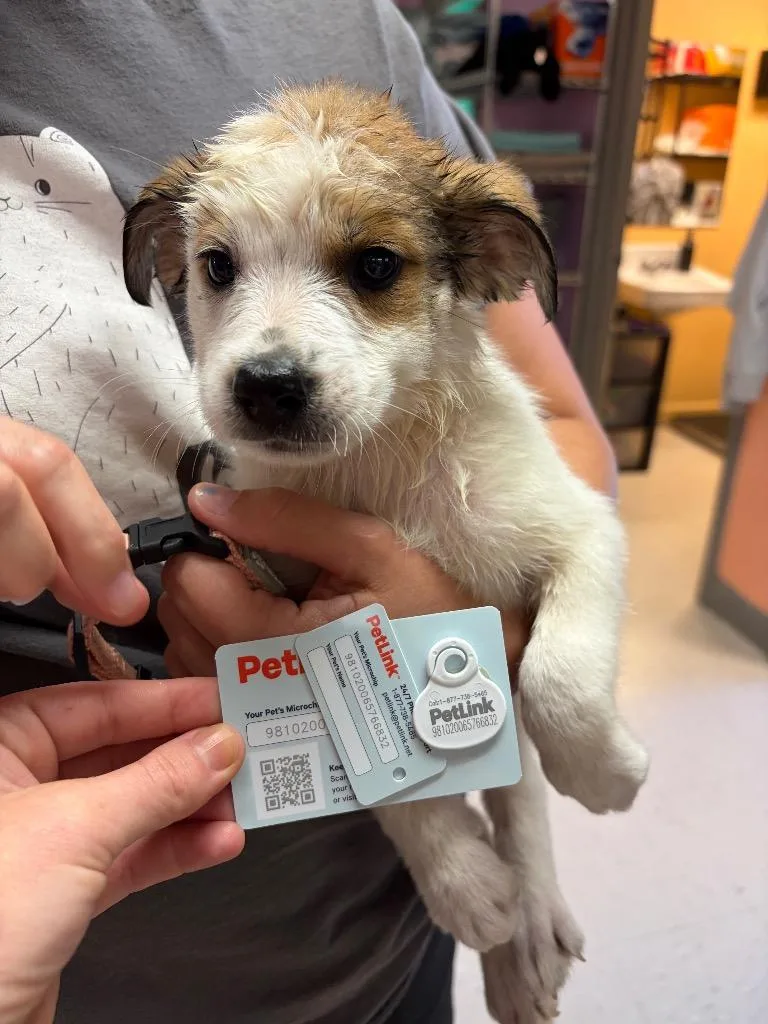
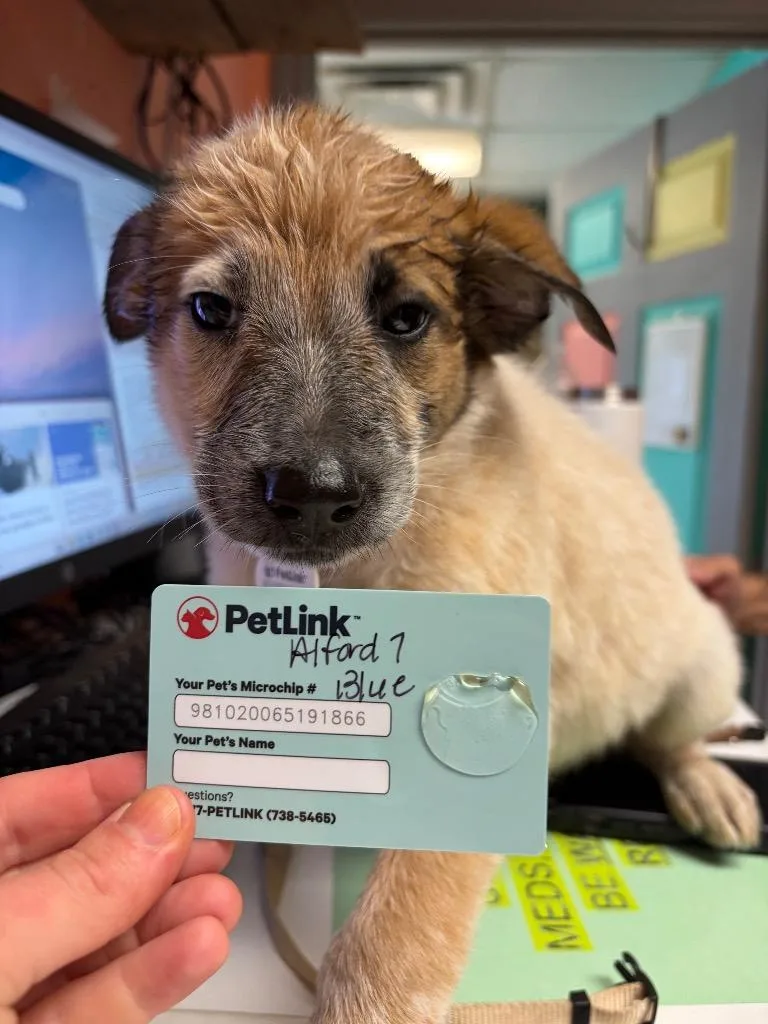
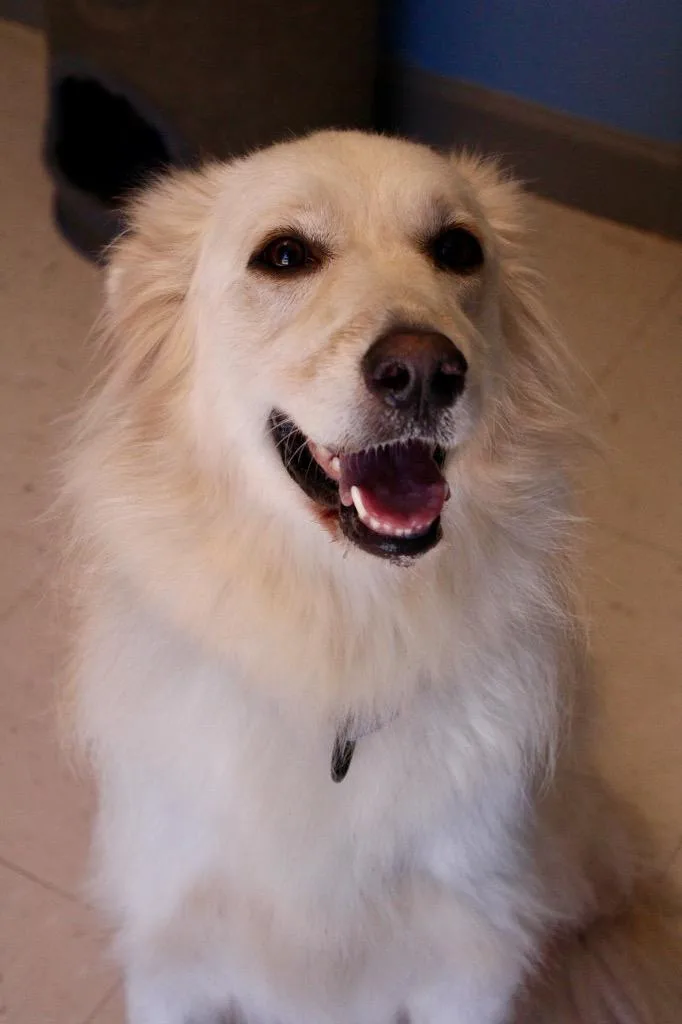
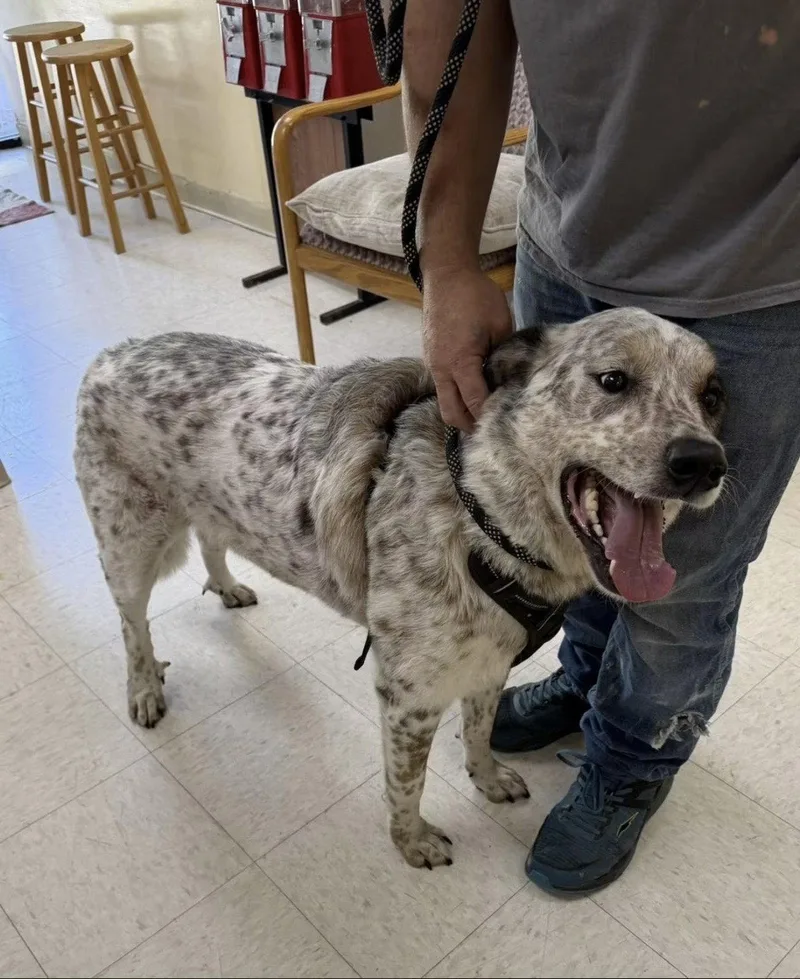
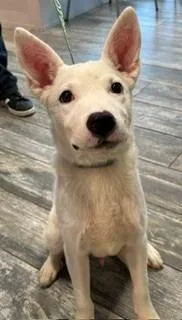
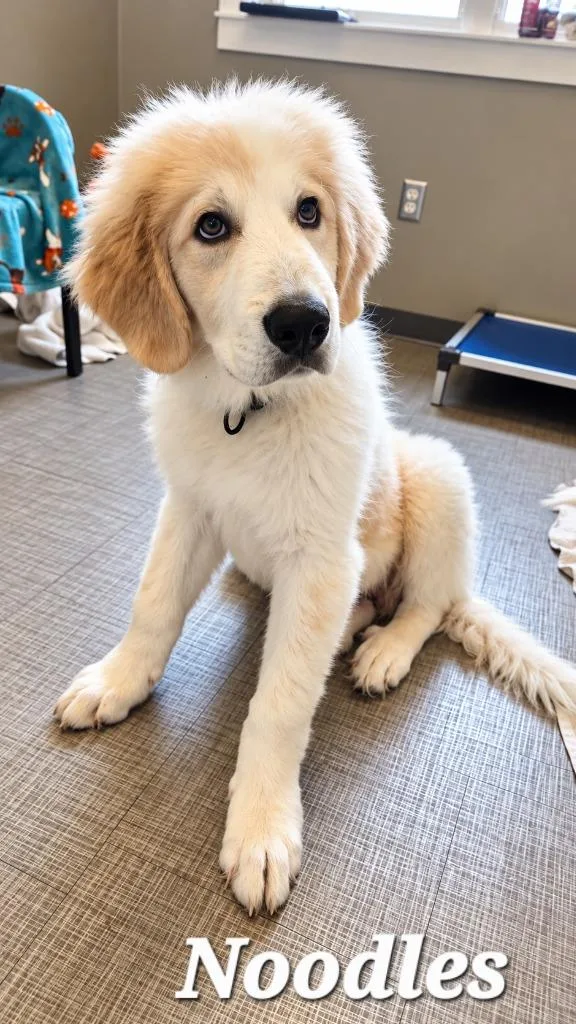
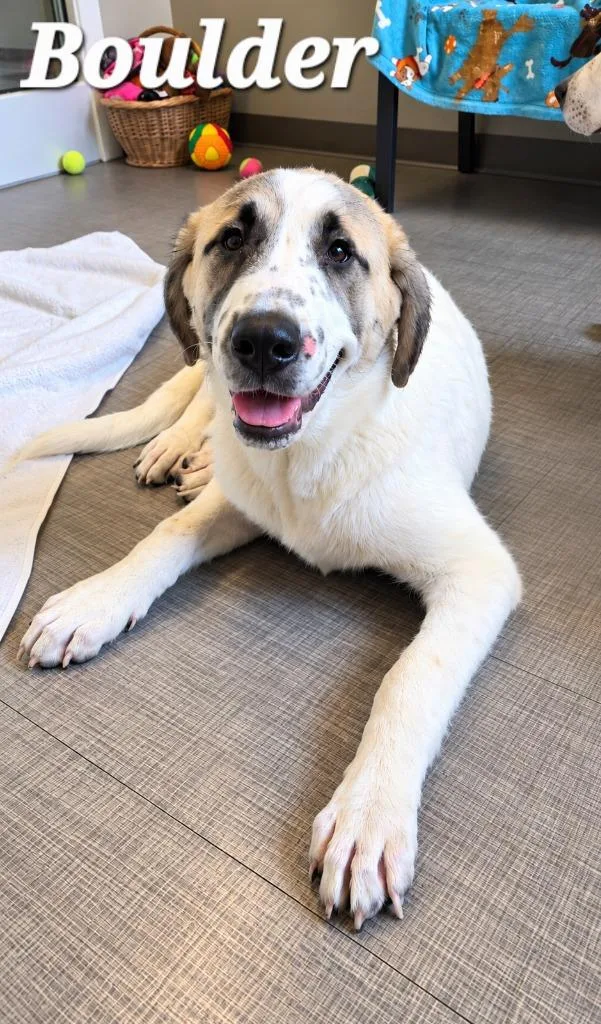
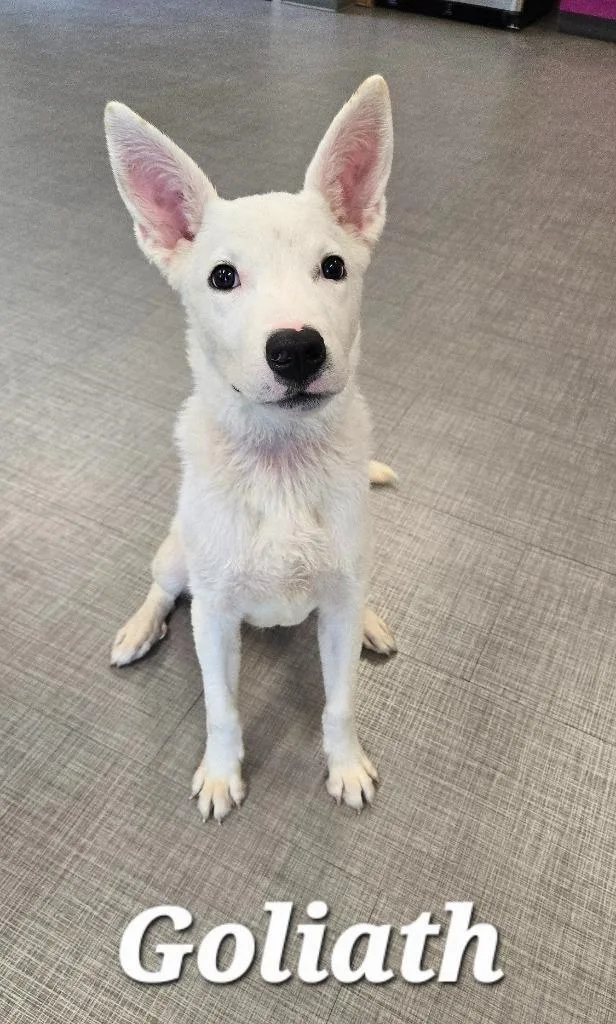
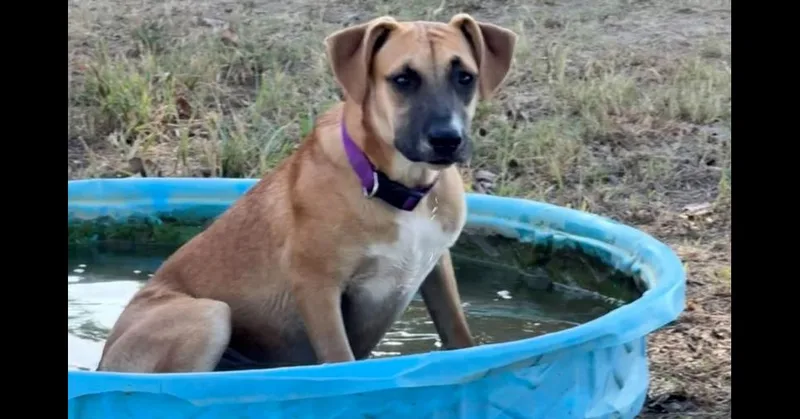
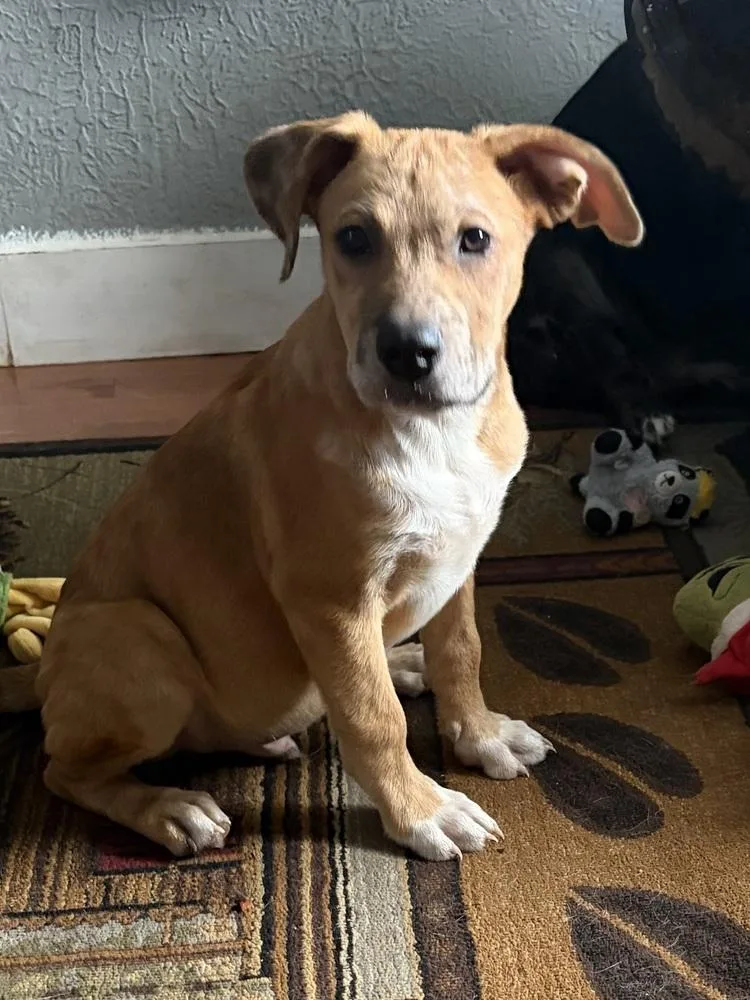
Great Pyrenees dog

Great Pyrenees Dogs for Adoption in Peoria, IL

Your guide to finding and caring for a Great Pyrenees in Peoria

A Great Pyrenees is happiest in Peoria with a fenced yard, and the older streets around Moss-Bradley and the Uplands are a good place to picture one. Mature trees and sidewalks make for easy evening patrols, and Bradley Park's fenced dog area is close by for a roomier outing. Pyrs are calm indoors but bark at night, so think about how near your neighbors are. Snowy winters suit the thick white coat, though the shedding never really stops.

2499 Great Pyrenees available in Peoria and nationwide

Open your home to a Great Pyrenees

Great Pyrenees Available for Adoption Near Peoria

About the Great Pyrenees breed

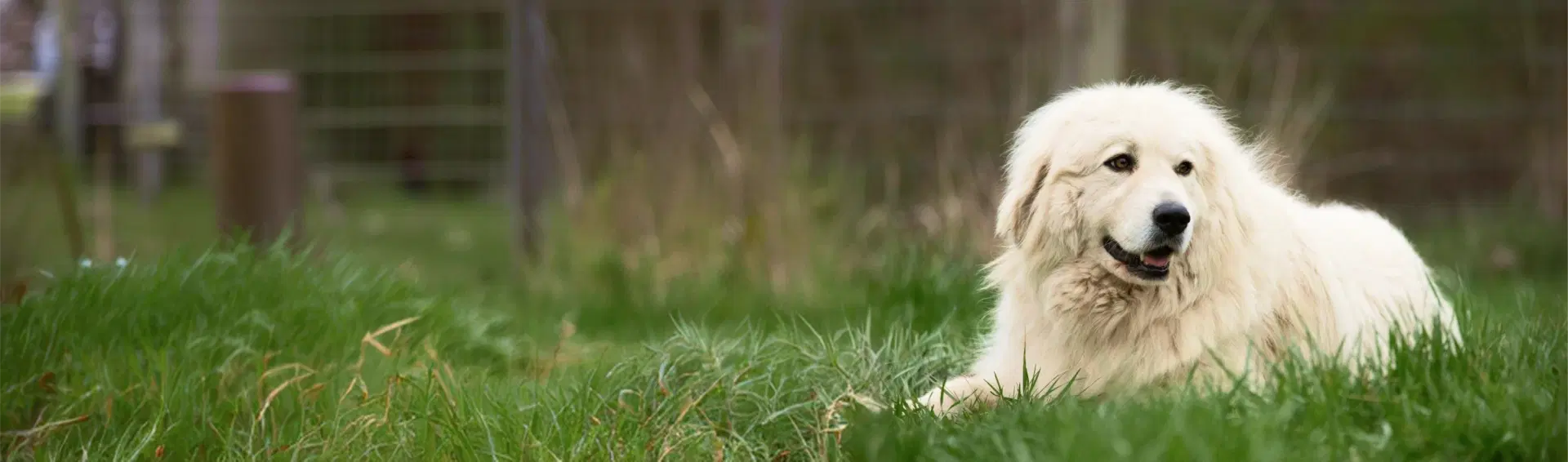
Great Pyrenees were developed to guard flocks in the mountains between France and Spain, which explains the thick white double coat, the steady calm and the habit of working through the night. That history shows up in Peoria as a dog that patrols its yard, barks at things you can't see and decides for itself whether a command is worth following.

Adults commonly weigh 85 to 120 pounds, so plan for a big dog's food, medications and bedding, and for white hair on everything. Pyrs are usually gentle with their families but reserved with strangers, and many wander if a fence has a weak spot. Training works best when it's patient and reward-based. Pyr mixes are common too, so a dog's size, coat and energy can differ from the standard.


Weight
85–120 lbs
Height
25–32 in
Lifespan
10–12 yrs
Temperament
Calm, Protective, Independent
Group
Working
Shedding
High

Owning a Great Pyrenees in Peoria

Having a Great Pyrenees in Peoria

Calm, watchful and independent, a Pyr suits a home with a secure yard and an owner who values patience over quick obedience. Size, night barking and heavy shedding matter more than energy, and Peoria's cold winters are kind to this coat.

Temperament

Pyrs are typically gentle with their families and wary of strangers, which can mean plenty of barking at passersby and noises after dark. That matters on Peoria's closer-set streets, where neighbors can hear. Early socialization and patient, reward-based training help, though each Pyr's personality varies.

Exercise Needs

Daily walks plus time patrolling a fenced yard usually cover it. In Peoria, Bradley Park's fenced dog areas give a Pyr room to stretch, and the Rock Island Greenway suits steady leashed walks. Because many Pyrs roam, keep them leashed anywhere unfenced, and shorten outings on hot afternoons.

Health Considerations

Hip and elbow dysplasia, kneecap luxation, bloat and bone cancer are the main concerns. Feed several smaller meals, avoid hard exercise around mealtimes and keep the dog lean. Learn the signs of bloat: a swollen belly, retching without vomiting and restlessness. A veterinarian can check hips and kneecaps at the first visit.

Living Space

A house with a securely fenced yard suits a Pyr best, and Peoria has plenty of single-family streets, from the older bluff neighborhoods to newer subdivisions. A calm adult can manage in an apartment, but size and night barking are harder with shared walls. Choose a tall, solid fence, since many Pyrs test boundaries.

What it costs to own a Great Pyrenees in Peoria

ExpenseTypical costPer year
Adoption fee$300, one time$300 in year one
Food$80 to $160 per month$960 to $1,920
Pet insurance$85 to $170 per month$1,020 to $2,040
Routine vet care$250 to $500 per year$250 to $500
Other*$695 to $1,870 per year$695 to $1,870
Estimated yearly total (after year one)$2,925 to $6,330
First-year total (with adoption fee)$3,225 to $6,630

Adoption fee is the fee on Great Pyrenees listings in Peoria on GetBuddy today. Other costs are estimates and vary with size, age and health.

* The $20 Peoria County rabies registration tag for a spayed or neutered dog, flea, tick and heartworm prevention, a dental cleaning allowance, toys and bedding, brushing and baths for heavy shedding, and joint supplements.

Great Pyrenees dog

Adopt a Great Pyrenees in Peoria.

Now that you know more, let’s find you a new best friend. These rescues and shelters below currently have Great Pyrenees available.

Rescues in Peoria with Great Pyrenees Available

Adoptable dogs in Peoria come through the county animal shelter and rescue groups working across the Peoria area. Here are the rescues & shelters in the Peoria area where you can find Great Pyrenees and other dogs available for adoption.

Frequently Asked Questions

Yes. Illinois law prohibits breed-specific dog rules, so Peoria can't restrict Great Pyrenees by breed. You'll need a rabies vaccination once the dog is over four months old and a Peoria County registration tag within 10 days. Dogs must be leashed or restrained off your property, and households with more than a set number of pets need a multiple-pet license.

A calm adult can manage in a Peoria apartment, but it isn't the easiest fit. Pyrs bark at night and need room to settle, and landlords may limit giant dogs, so confirm size rules before you apply. A ground-floor unit with easy outdoor access and tolerant neighbors works better than a loft with shared walls. Plan on several daily walks.

Yes, Great Pyrenees handle Peoria winters well. The double coat was built for mountain cold, and Peoria averages about 118 freezing nights and 26 inches of snow a year. Keep walks short when temperatures approach 0°F, rinse salt from paws, and give the dog a dry, sheltered spot. Illinois law also covers leaving a dog in a cold parked car.

Bradley Park's two fenced dog parks are the best fit, open to dogs 4 months and older from sunrise to sunset. The Rock Island Greenway offers 13 paved miles with a 6-foot leash rule, good for steady walks. Skip Forest Park Nature Center, which bans dogs. Vicary Bottoms is unfenced, so consider it only for a Pyr with dependable recall.

A Great Pyrenees is a good fit if you have a securely fenced yard and can live with night barking and heavy shedding. Peoria's cold winters suit the coat, and Bradley Park gives a dog room to stretch. It's a harder fit if you want a dog that obeys quickly or if you live in a small unit with close neighbors.

Plan on a thorough weekly brush with a pin or slicker brush, and daily brushing during the heavy sheds that tend to come in spring and fall. Don't shave the coat; it insulates against Peoria's cold and its summer sun. Trim only the feet and sanitary areas. Grooming costs fall under the Other line of the cost table, whether you brush at home or use a groomer.

Possibly, depending on CityLink's pet policy, which the system adopted in 2017. Peoria has buses only, with no subway or rail, and a 100-pound Pyr may be a tough fit on a crowded bus. Check CityLink's current pet rules and fares before riding. Service animals are covered by the ADA.

Only to patios, and only where the restaurant allows it. Illinois law keeps dogs out of dining rooms and food-prep areas, and patio policies vary by restaurant. The Warehouse District and the riverfront have restaurants that have welcomed dogs on their patios. Call ahead, and bring water and a plan for fitting a 100-pound dog under the table.

We have 1 rescue with Great Pyrenees available: Grafelman Farms Rescue NFP. You can see every rescue with Great Pyrenees available in the list above these questions, or scroll to the top to see the Great Pyrenees near Peoria.

Expect food at $80 to $160 a month, insurance at $85 to $170 a month, routine vet care at $250 to $500 a year, and other costs of $695 to $1,870 a year. Altogether, a Great Pyrenees in Peoria runs roughly $2,900 to $6,300 a year, with emergencies and illness extra.