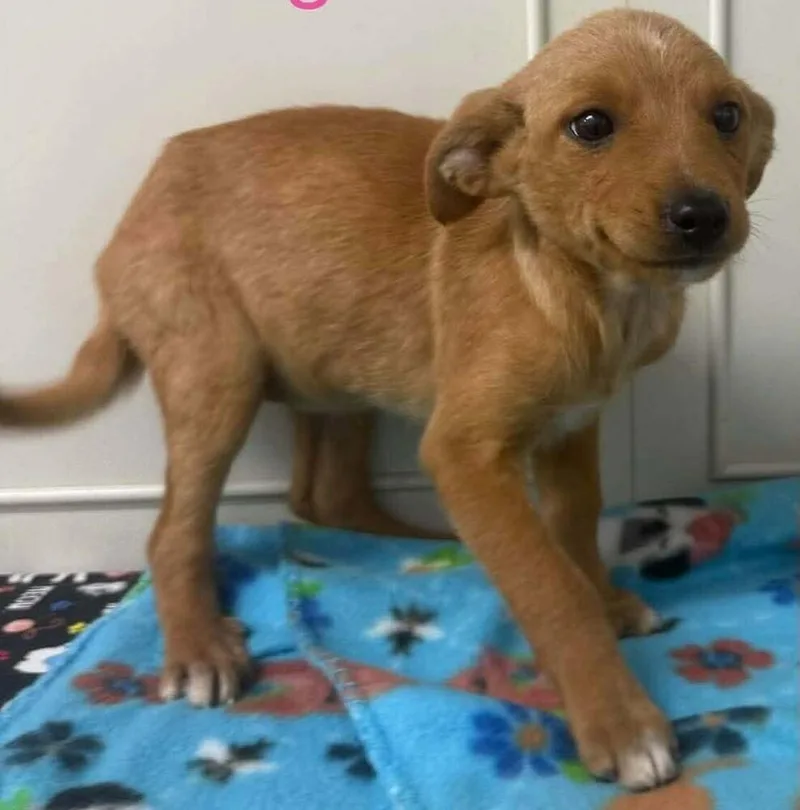
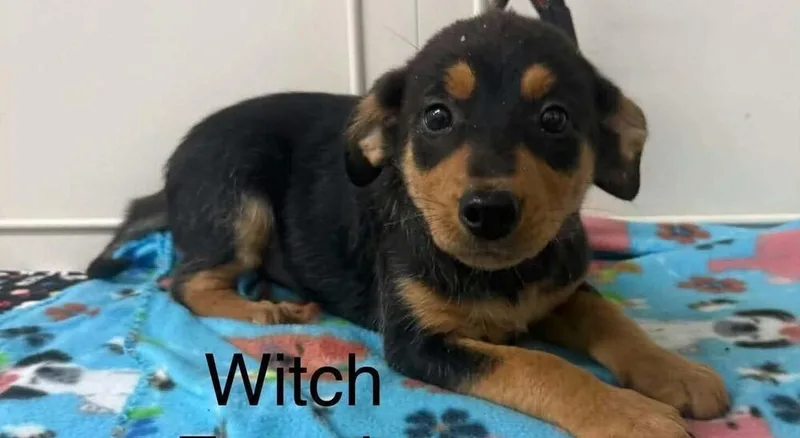
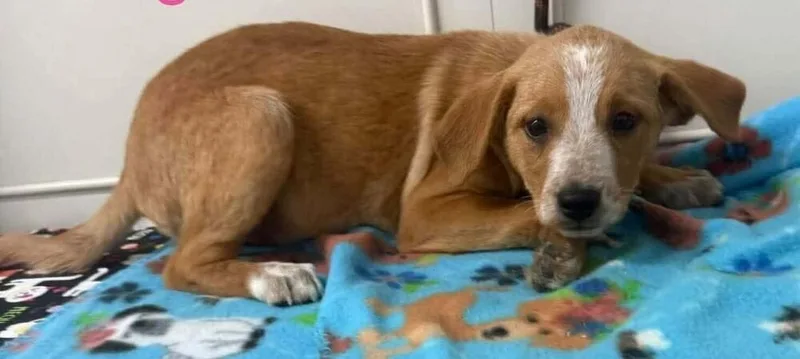
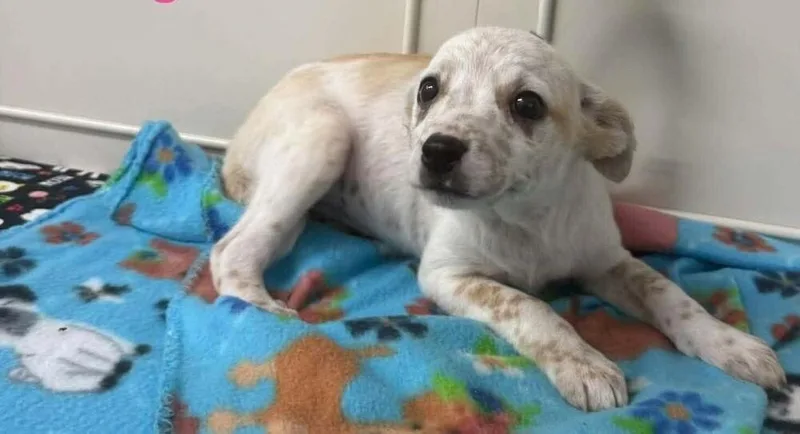
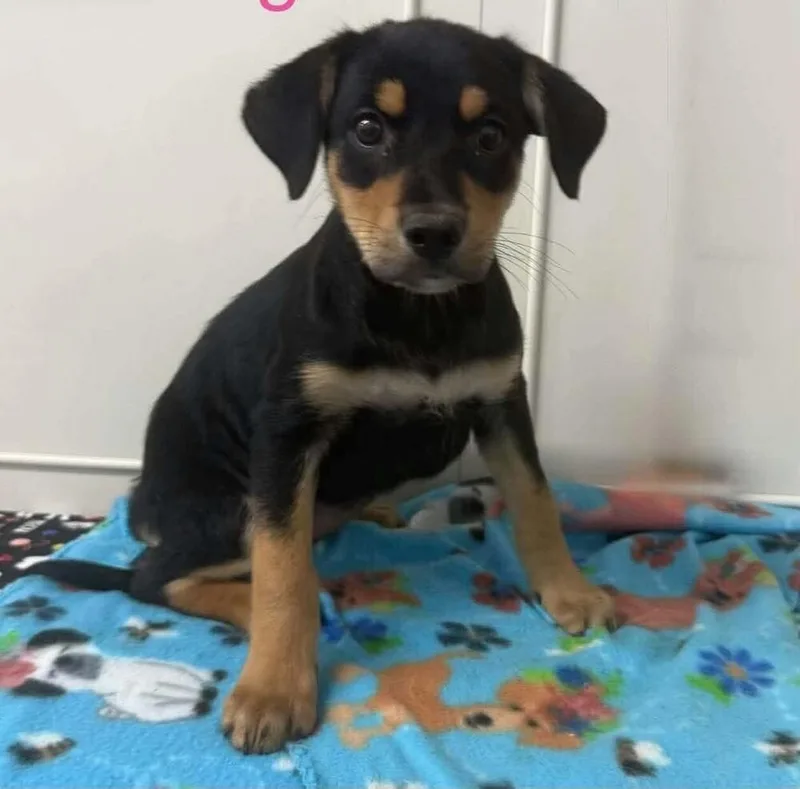
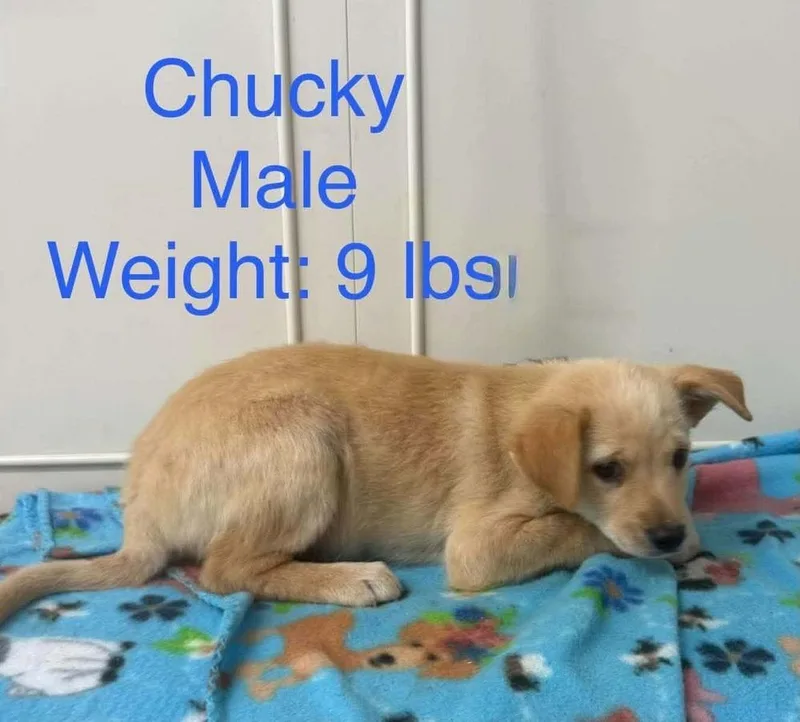
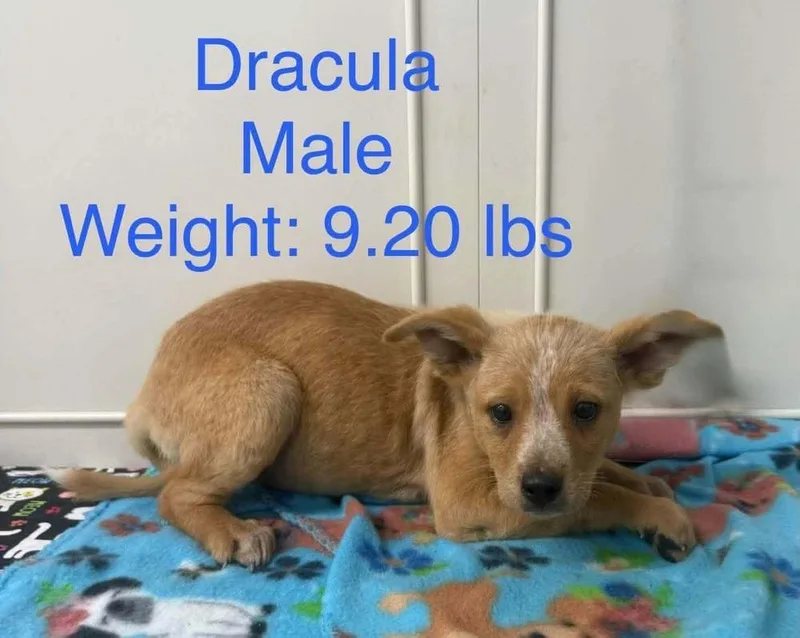
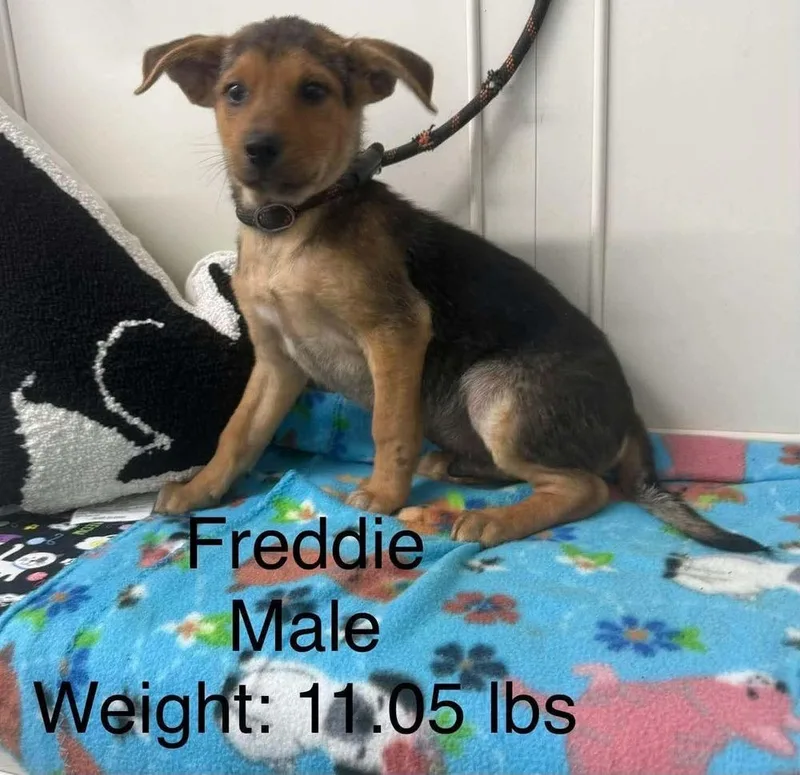
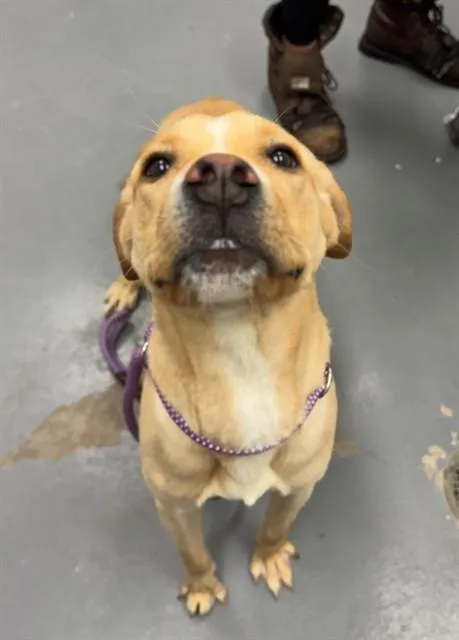
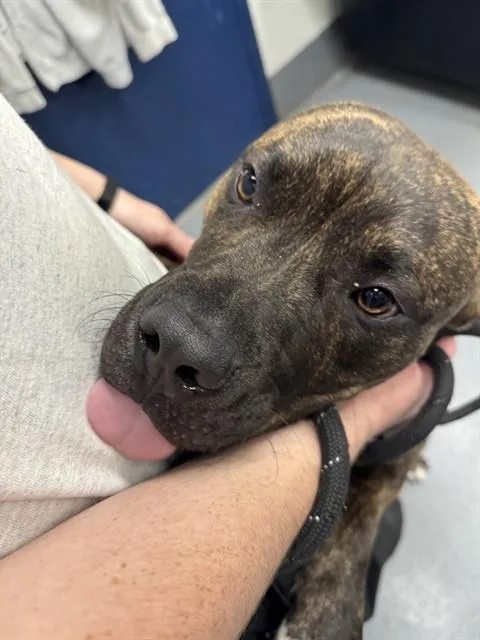
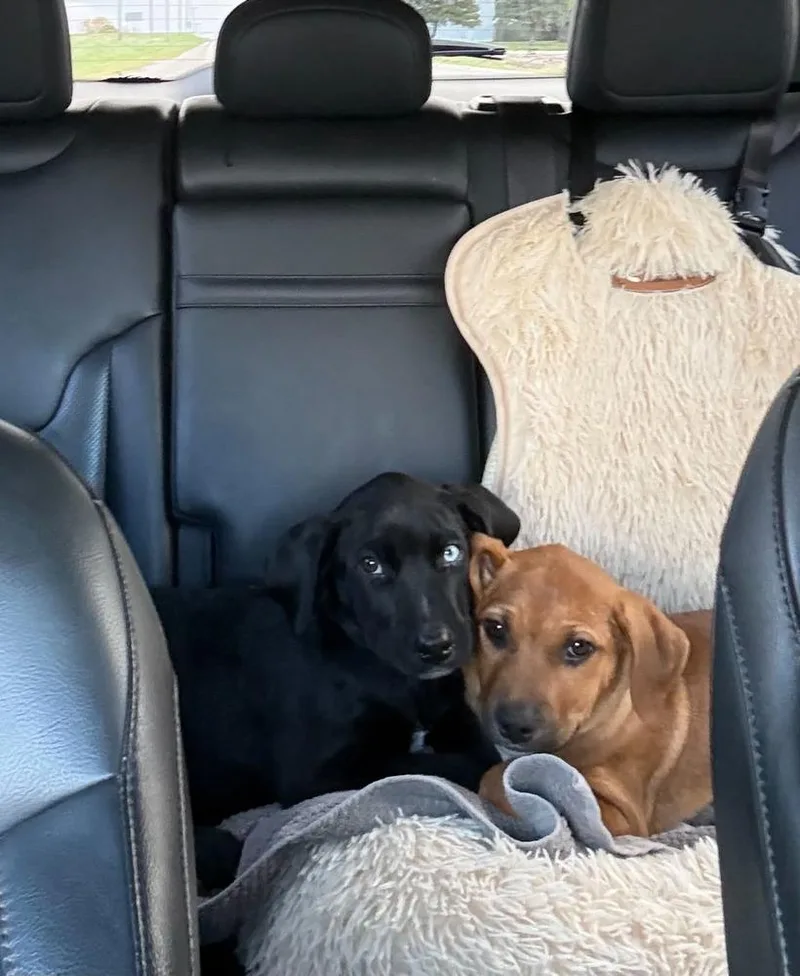
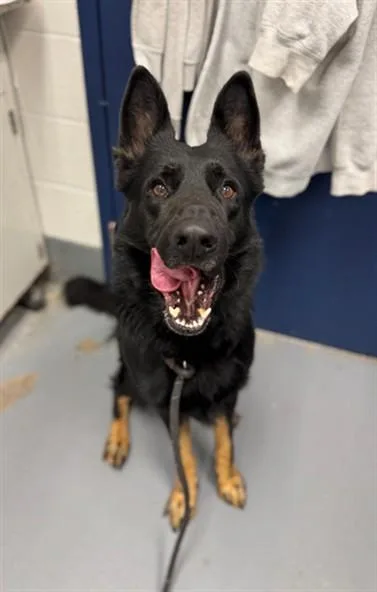
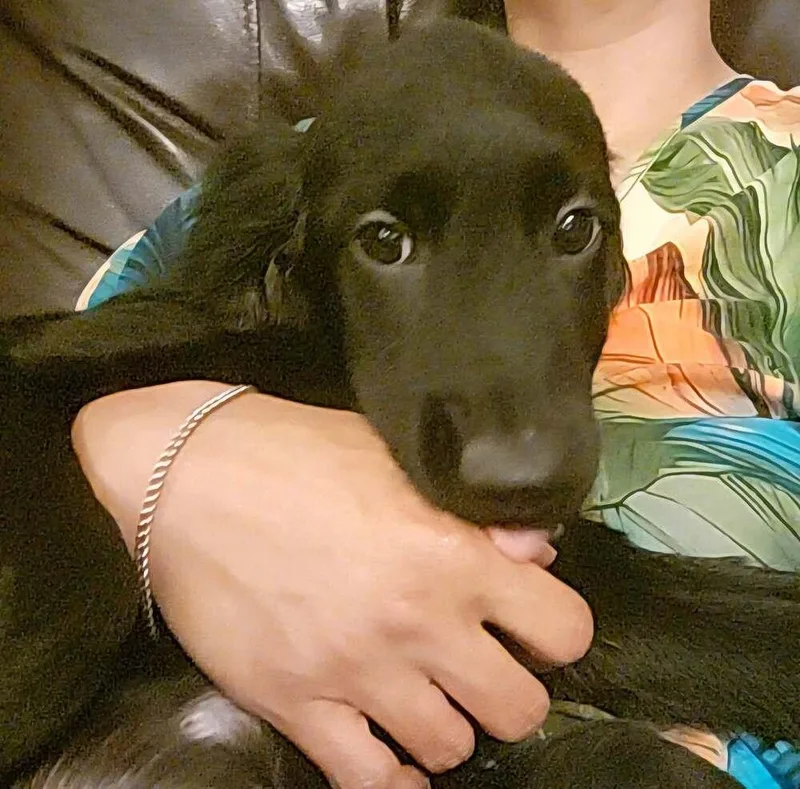
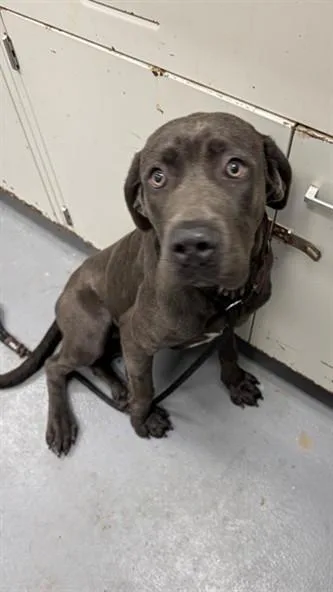
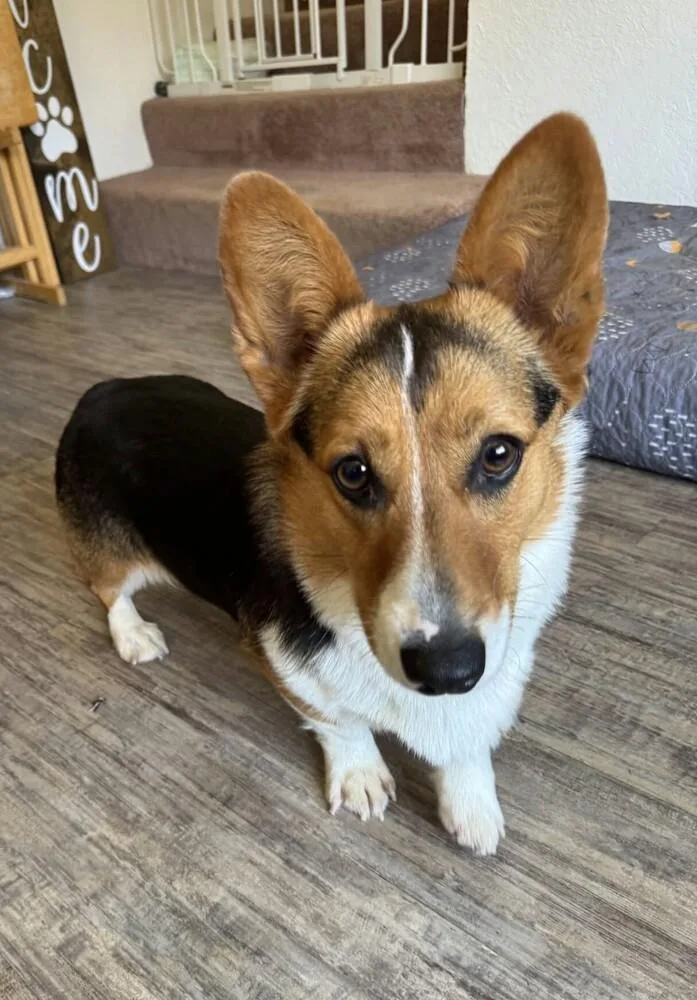
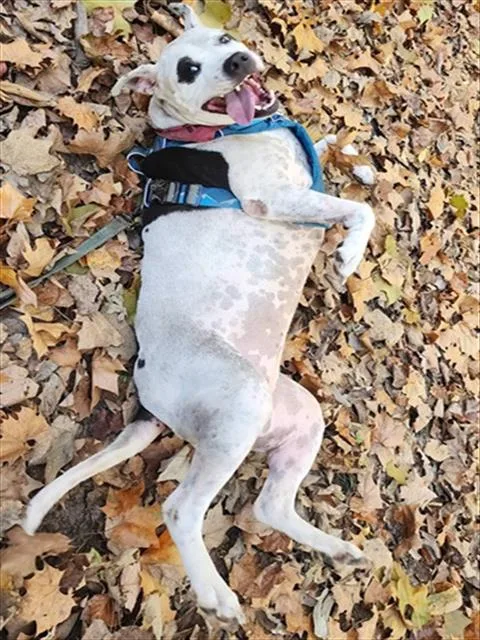
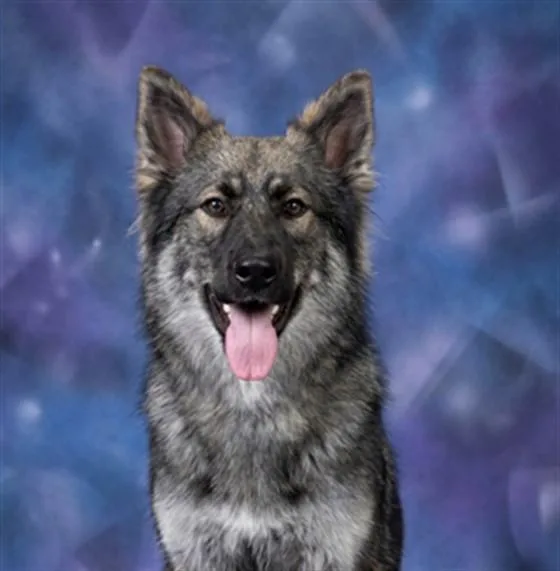
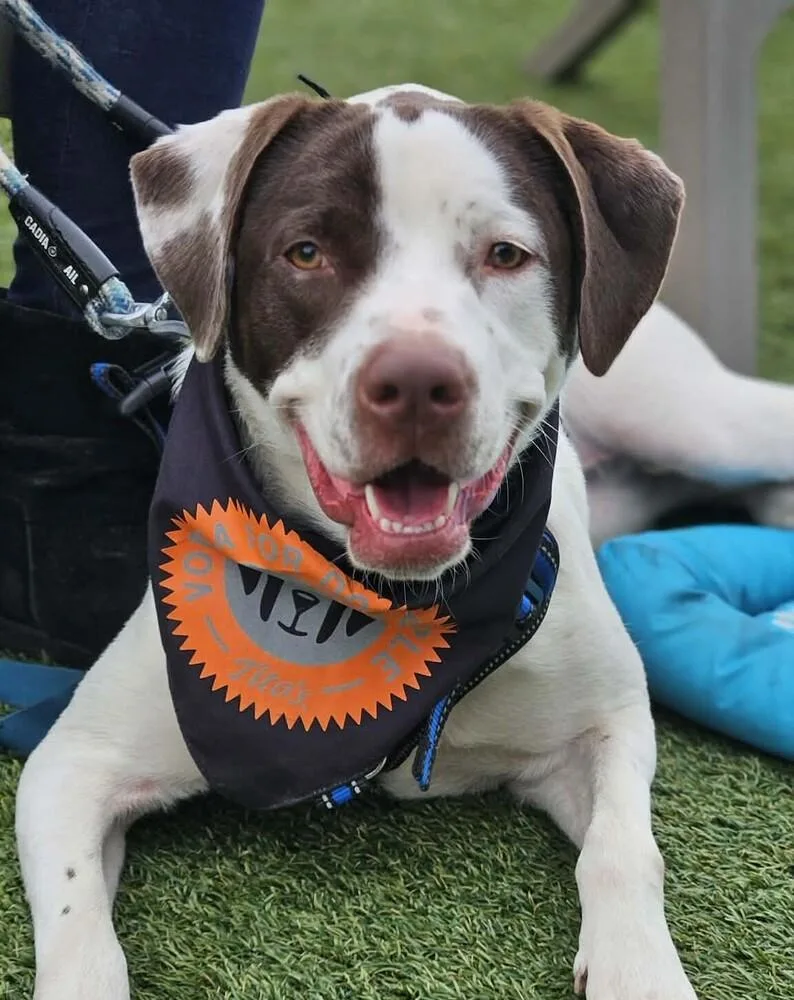
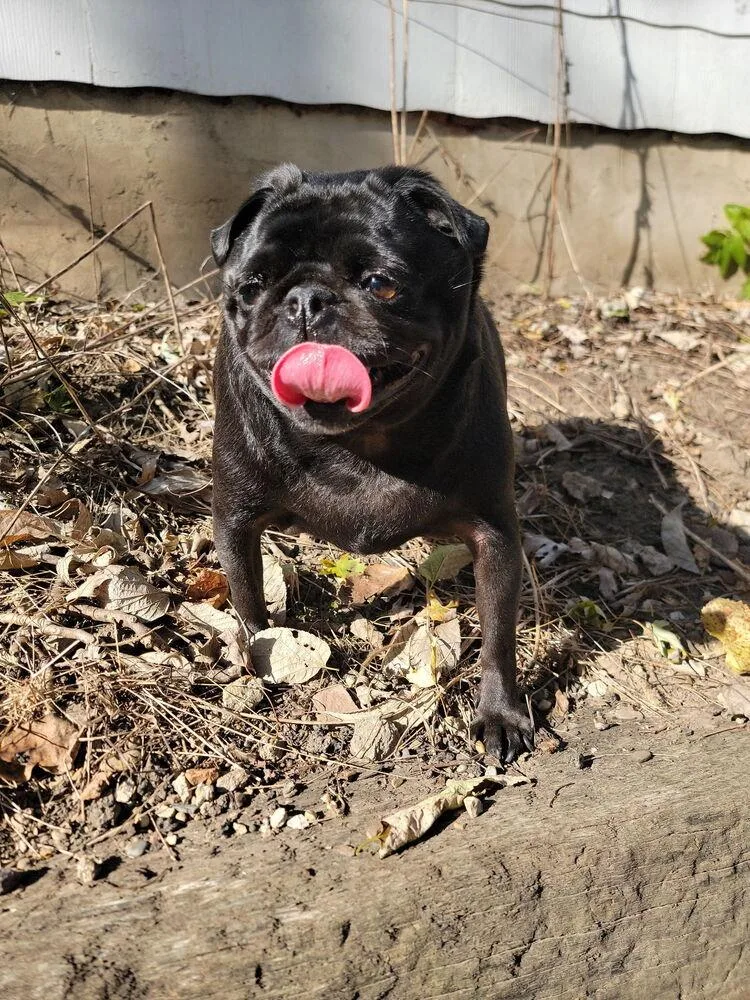
Australian Cattle Dog / Blue Heelers for Adoption in Peoria, IL

Your guide to finding and caring for an Australian Cattle Dog / Blue Heeler in Peoria

Blue Heelers fit Peoria best with people who like being outside every day. A heeler can burn off steam on the Rock Island Greenway or race around the fenced upper dog park at Bradley Park, a short trip from the Uplands and Moss-Bradley streets. They're quick learners who like having a job, so training games on the porch count as much as the walk. They bond hard with one person and keep an eye on the street. Don't be surprised if every passing mail carrier gets a look.

4135 Australian Cattle Dog / Blue Heelers available in Peoria and nationwide

Say hello to your Blue Heeler

Australian Cattle Dog / Blue Heelers Available for Adoption Near Peoria

About the Australian Cattle Dog / Blue Heeler breed

Australian Cattle Dogs, also called Blue Heelers or Queensland Heelers, were developed in nineteenth-century Australia to move cattle over long distances in heat and dust. They're compact, muscular dogs, usually 35 to 50 pounds, with a weatherproof double coat in blue or red speckle. Shedding is moderate, with a heavier coat blow once or twice a year, and weekly brushing keeps it manageable.

Heelers are clever, loyal and alert, and many stay reserved with strangers. Their herding instinct can show up as nipping at heels, chasing bikes or bossing other pets, so training and daily work matter more than yard size. In Peoria, that means planning outdoor time in every season. Dogs vary, and one heeler's energy can look quite different from another's, especially once the teenage years pass.

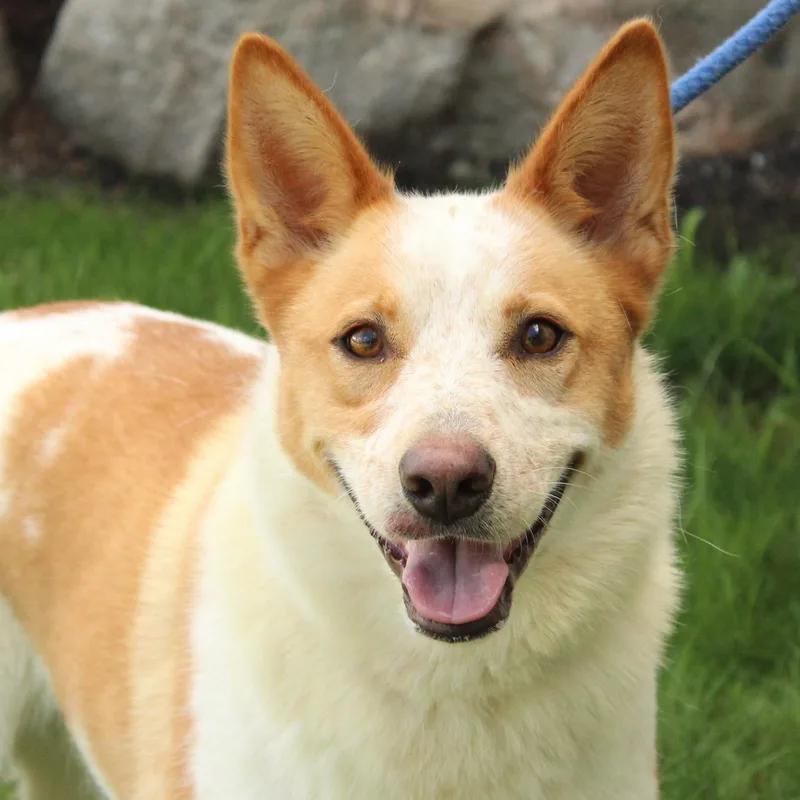
Weight
35–50 lbs
Height
17–20 in
Lifespan
12–16 yrs
Temperament
Energetic, Intelligent, Loyal, Alert
Group
Herding
Shedding
Moderate

Owning an Australian Cattle Dog / Blue Heeler in Peoria

Having an Australian Cattle Dog / Blue Heeler in Peoria

Heelers are built for work, so stamina, a sharp mind and herding instincts shape daily life more than size does. In Peoria, that suits adopters who are outdoors often and enjoy training, and it suits anyone gone long hours much less.

Temperament

Heelers tend to be loyal, alert and confident, often bonding closely with one person and staying reserved with strangers. Herding instincts can mean nipping, chasing and bossiness with other pets. Reward-based training and gradual socialization help, though drive varies from dog to dog. On Peoria's walkable older streets, expect a dog who notices every passerby.

Exercise Needs

Plan on vigorous exercise every day, plus mental work like training, puzzle toys and scent games. The Rock Island Greenway offers 13 paved miles on a 6-foot leash, and Bradley Park has two fenced dog parks for dogs 4 months and older. Vicary Bottoms is unfenced, so it suits only a heeler with solid recall.

Health Considerations

Heelers are often long-lived, but breed concerns include congenital deafness, progressive retinal atrophy, primary lens luxation and hip and elbow dysplasia. A veterinarian can test hearing, check eyes and joints, and advise on screening. Keep up flea, tick and heartworm prevention as the vet directs, and watch for sprains after hard play.

Living Space

A securely fenced yard suits a heeler well, and an older Bluffs house or a downtown loft can work with long daily outings. Activity matters more than square footage. Heelers are watchful and may bark at passersby, so thin walls and busy sidewalks call for training and plenty of exercise.

What it costs to own an Australian Cattle Dog / Blue Heeler in Peoria

ExpenseTypical costPer year
Food$35 to $70 per month$420 to $840
Pet insurance$55 to $100 per month$660 to $1,200
Routine vet care$225 to $450 per year$225 to $450
Other*$445 to $1,190 per year$445 to $1,190
Estimated yearly total (after year one)$1,750 to $3,680

Other costs are estimates and vary with size, age and health.

* The Peoria County rabies registration tag ($20 a year if spayed or neutered, $40 if not), flea, tick and heartworm prevention, a dental cleaning allowance, durable toys and bedding, and light home grooming.

Adopt an Australian Cattle Dog / Blue Heeler in Peoria.

Now that you know more, let’s find you a new best friend. These rescues and shelters below currently have Australian Cattle Dog / Blue Heelers available.

Rescues in Peoria with Australian Cattle Dog / Blue Heelers Available

Peoria County Animal Protection Services and the Peoria Humane Society share a campus on NE Perry Avenue. Here are the rescues & shelters in the Peoria area where you can find Australian Cattle Dog / Blue Heelers and other dogs available for adoption.

Frequently Asked Questions

Yes. Illinois law doesn't allow breed-specific dog rules, so Peoria can't single out Blue Heelers. The same rules apply to every dog: rabies vaccination, a county tag, and leashing off your property. Nipping or chasing can still matter under behavior-based dangerous-dog rules in state law, so consistent training is worth starting early with a heeler.

Bradley Park's two fenced dog parks are the best fit for a heeler who needs a safe place to run, and dogs must be 4 months or older. The Rock Island Greenway suits long leashed runs. Vicary Bottoms is unfenced, so use it only with excellent recall. Avoid Forest Park Nature Center, which bans dogs.

Yes, if you commit to long daily exercise. Downtown and Warehouse District lofts have no yard, so plan several outings a day plus training games and puzzle toys. Heelers are alert and may bark at hallway noise, so practice calm routines early. Landlord pet terms vary, so confirm any size or breed limits before applying.

A Blue Heeler fits Peoria if you're outside daily in every season and enjoy training. The Greenway, Bradley Park and neighborhood loops give a heeler plenty of outlets. It fits less well if you're away long hours, since bored heelers tend to chew, dig and nip. Winter simply means shorter, brisker walks and paw care.

Very little. A heeler's short double coat needs weekly brushing, more often during the heavier coat blows in spring and fall. Peoria's cold winters mean no clipping, and baths are only needed when your dog is muddy or smelly. Most owners groom at home, which is why the Other costs count only light grooming.

Only to patios, and only where the restaurant allows it. Illinois law keeps dogs out of dining rooms, and patio policies vary by restaurant. The Warehouse District and riverfront have restaurants that have welcomed dogs outside. Because many heelers are wary of strangers, pick quiet hours and practice settling under the table first.

Possibly. Peoria's CityLink runs buses only, with no rail, and has an adopted pet policy, so check its current pet rules before riding. Service animals are covered by the ADA. A reserved 40-pound heeler may find a crowded bus stressful, so practice calm exposure to busy stops and traffic first.

Blue Heelers typically live about 12 to 16 years, and a recent UK study put the breed's average life expectancy at about 14 years, longer than many purebreds. A famous Australian Cattle Dog named Bluey reportedly lived over 29 years, though such records are hard to verify. Staying lean and active and getting regular checkups support a long life.

We have 1 rescue with Australian Cattle Dog / Blue Heelers available: Peoria Animal Welfare Shelter. You can see every rescue with Australian Cattle Dog / Blue Heelers available in the list above these questions, or scroll to the top to see the Australian Cattle Dog / Blue Heelers near Peoria.

A Blue Heeler in Peoria typically costs about $1,750 to $3,680 a year. That adds up food at $35 to $70 a month, insurance at $55 to $100 a month, routine vet care at $225 to $450 a year, and other costs at $445 to $1,190 a year. Emergencies, boarding and training classes come on top.