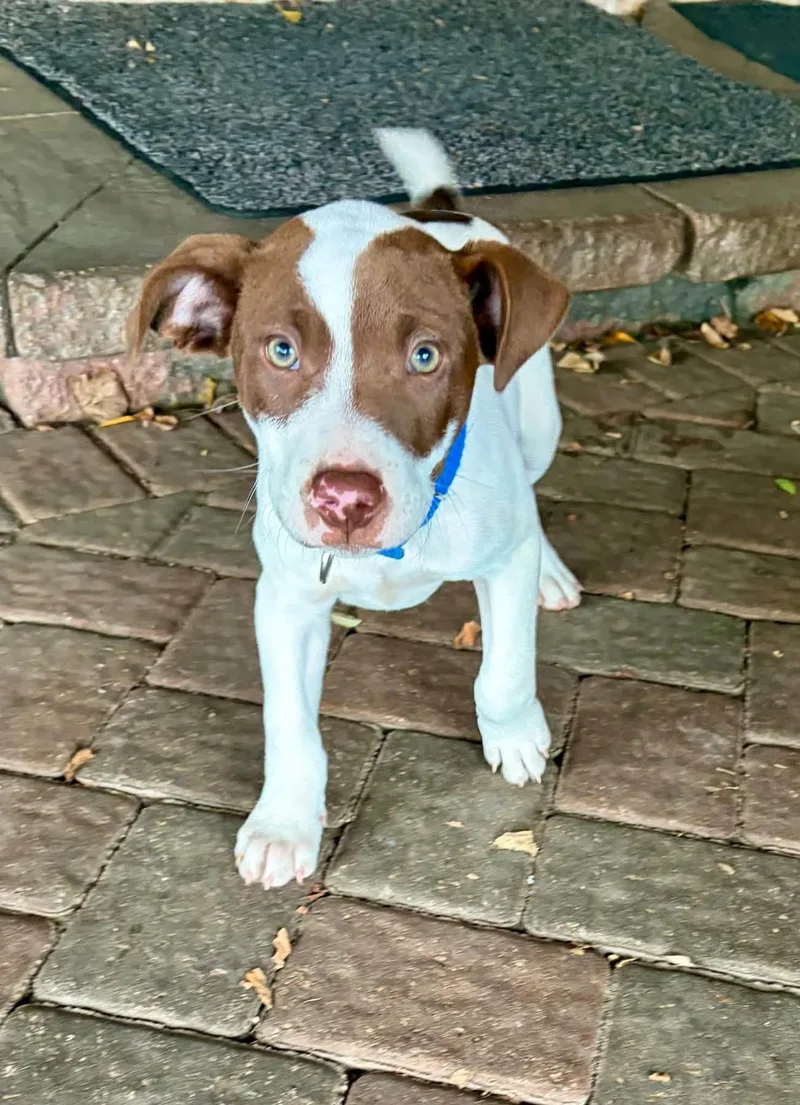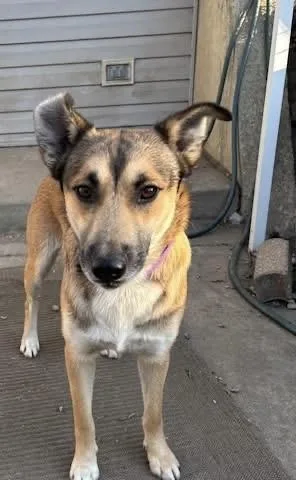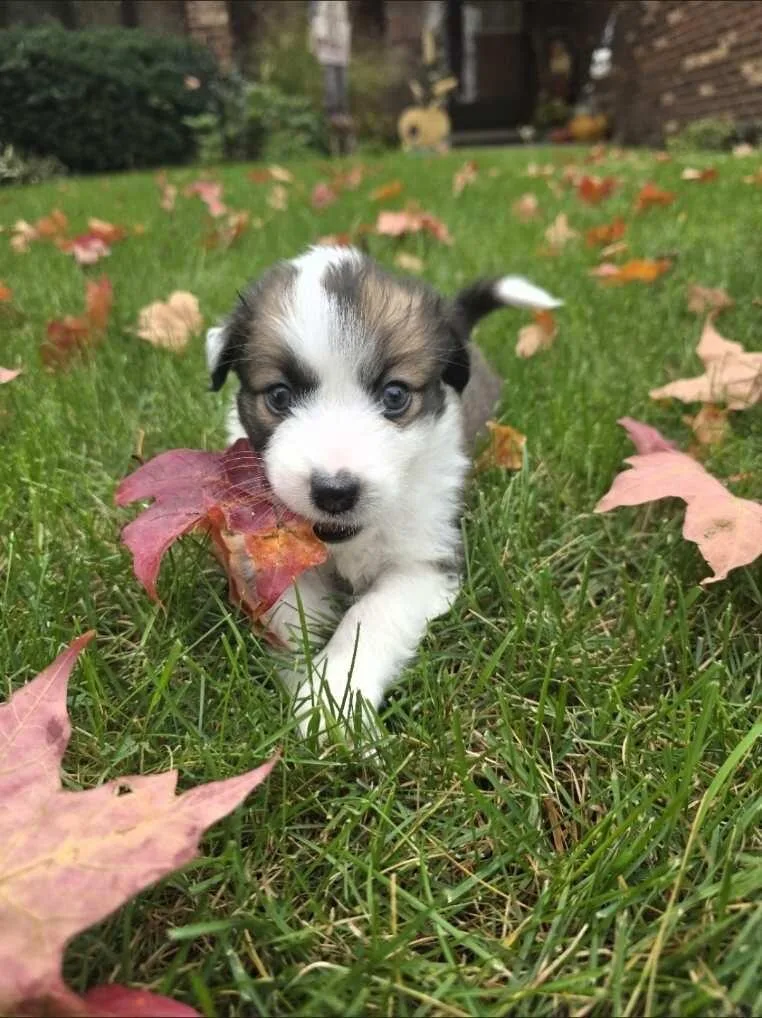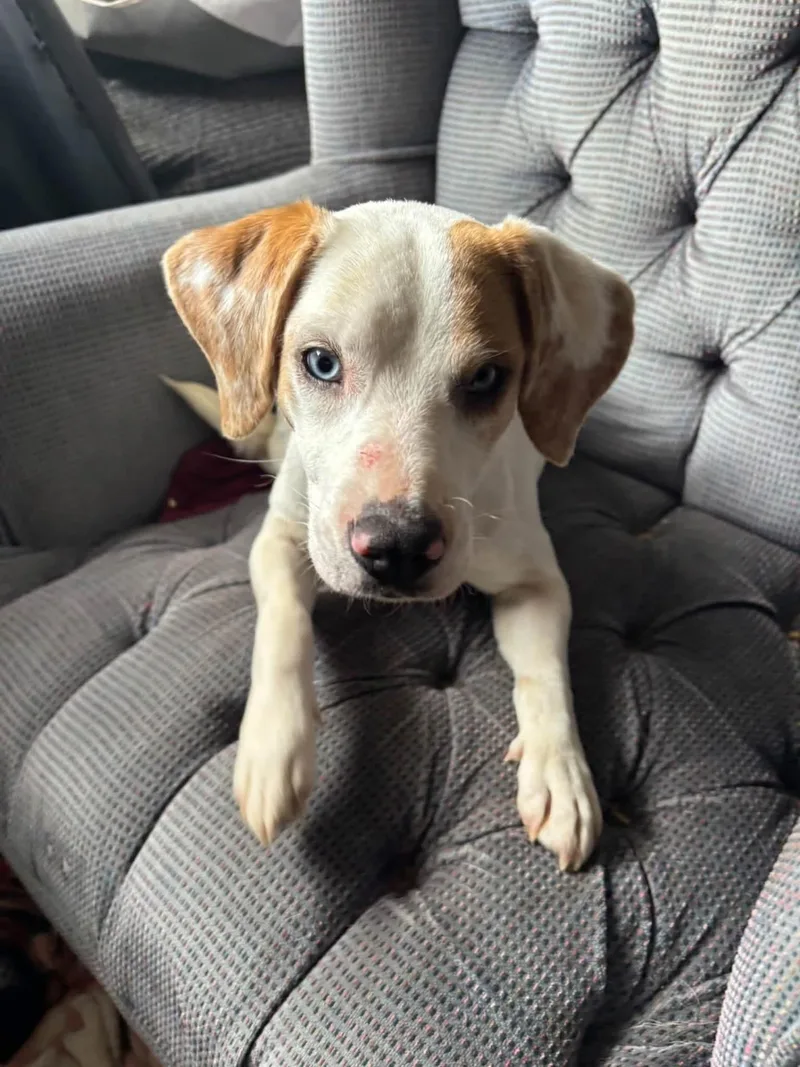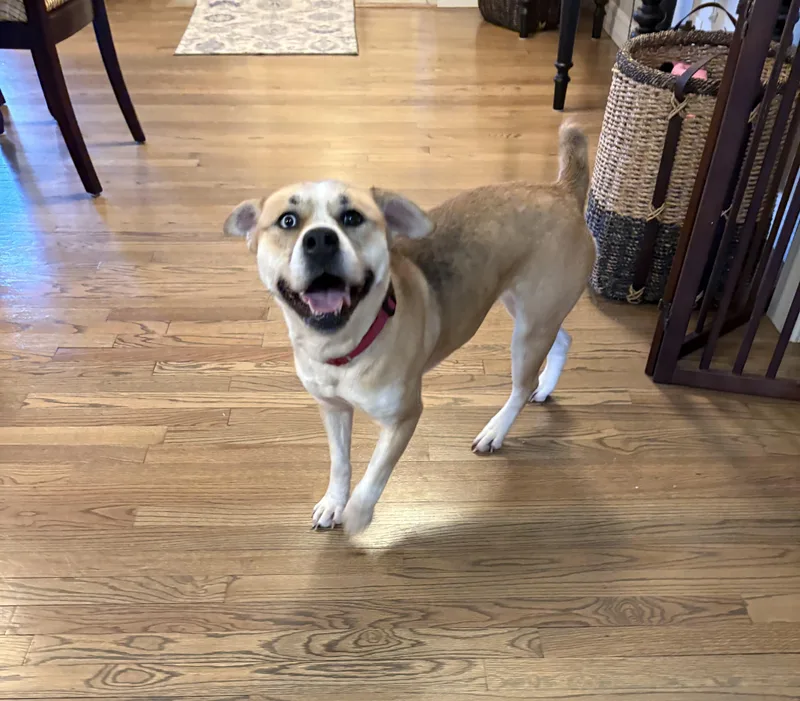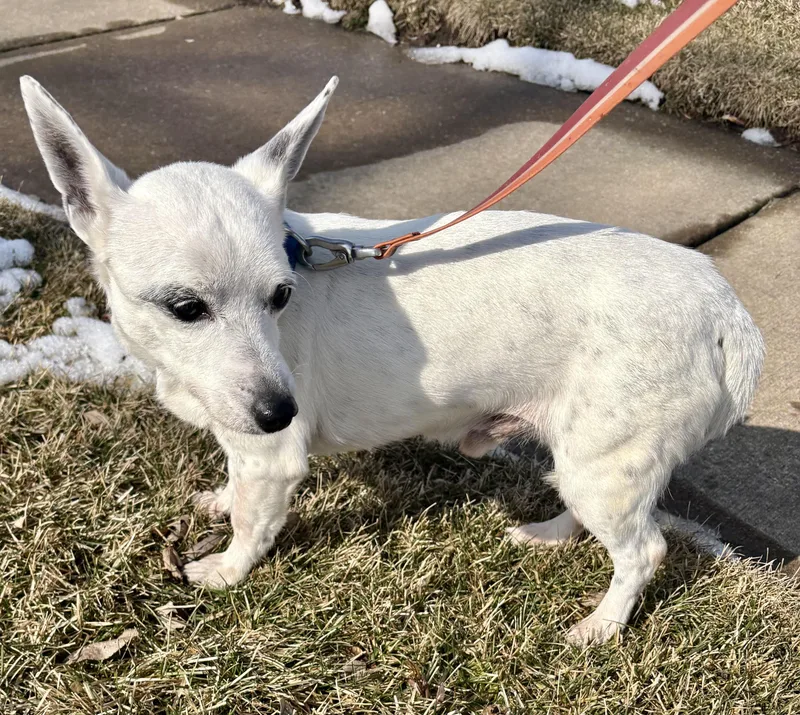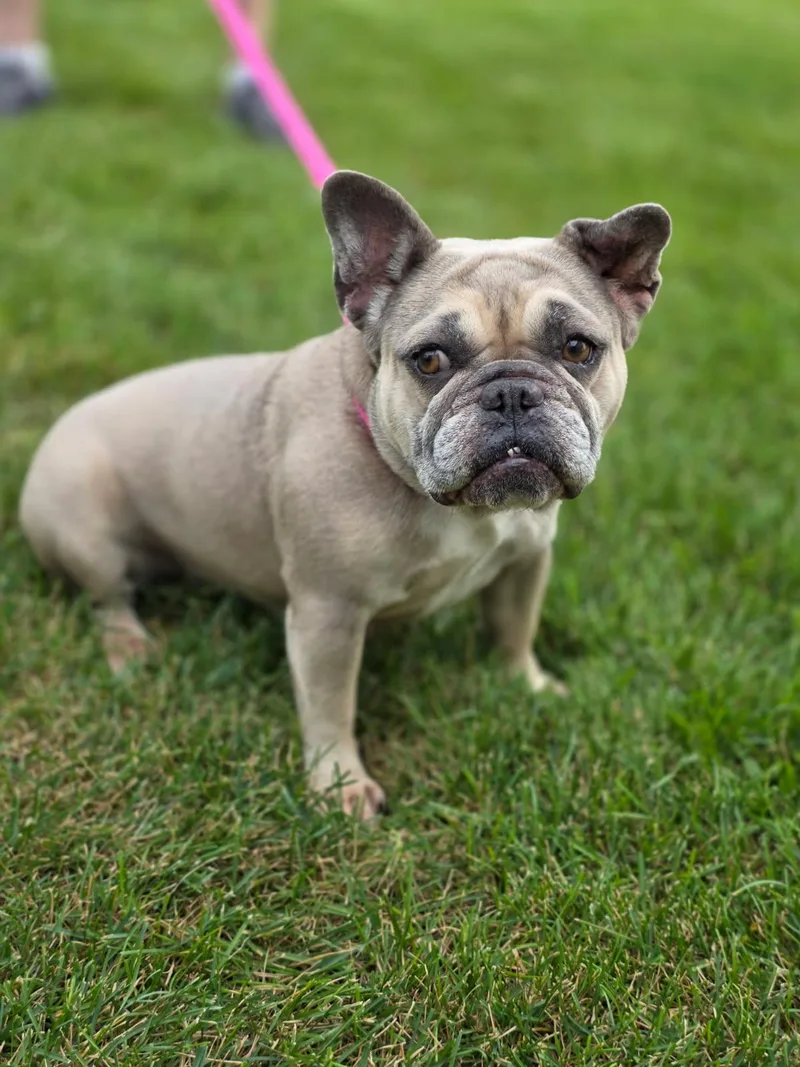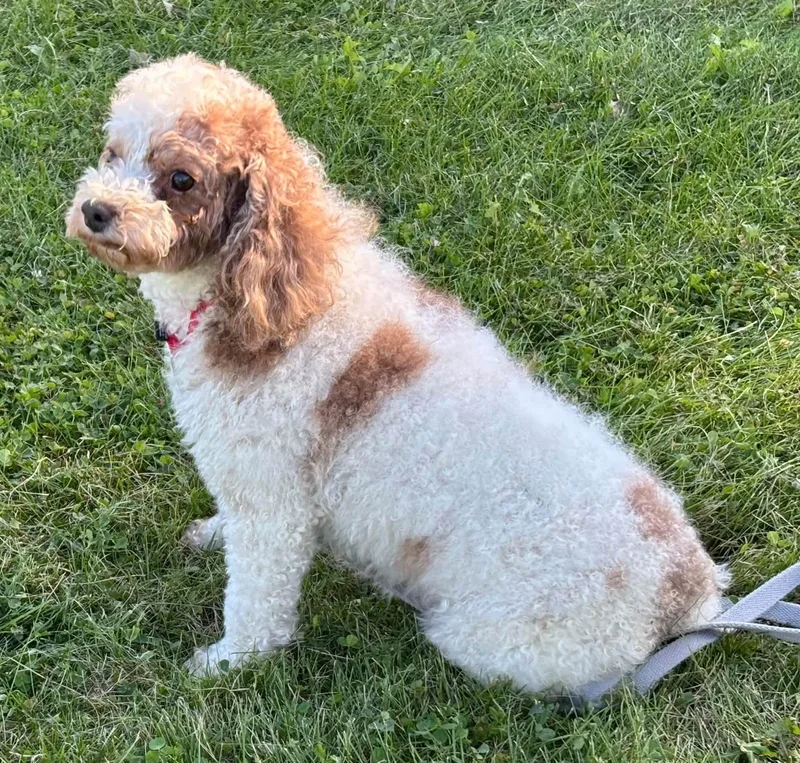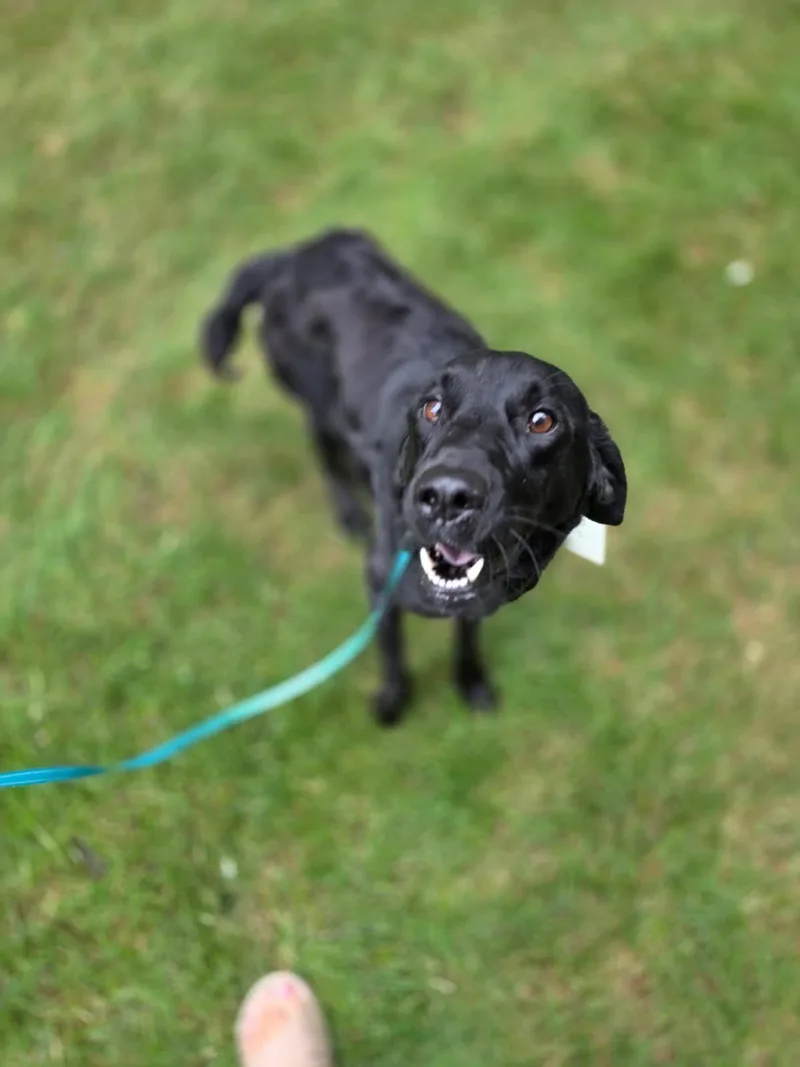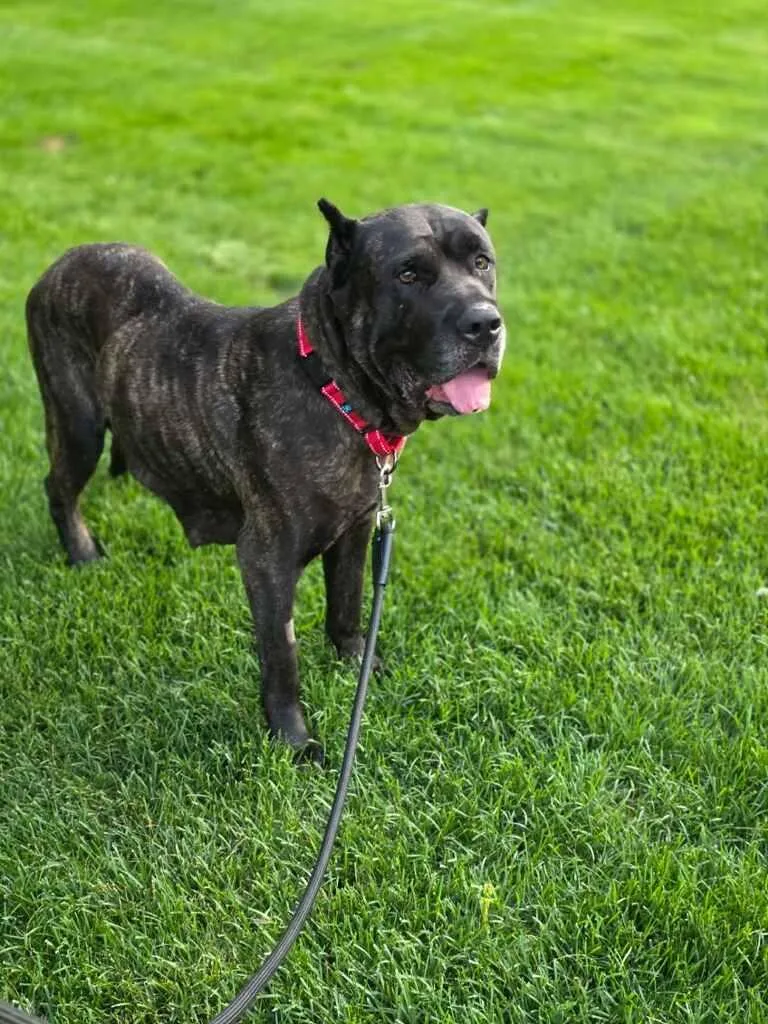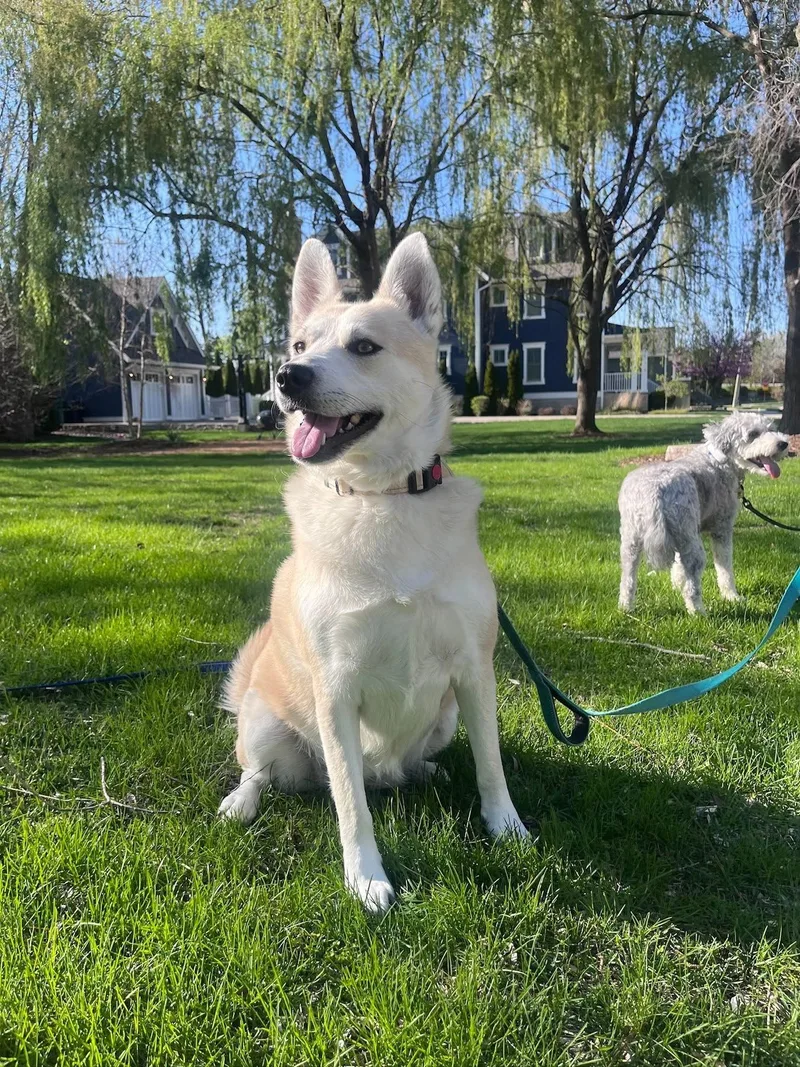
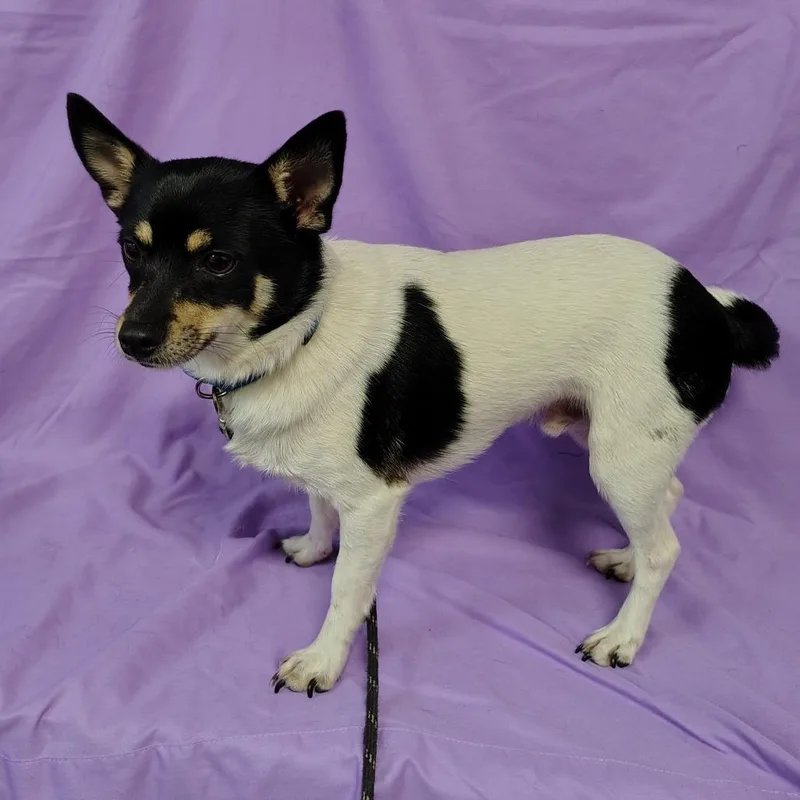
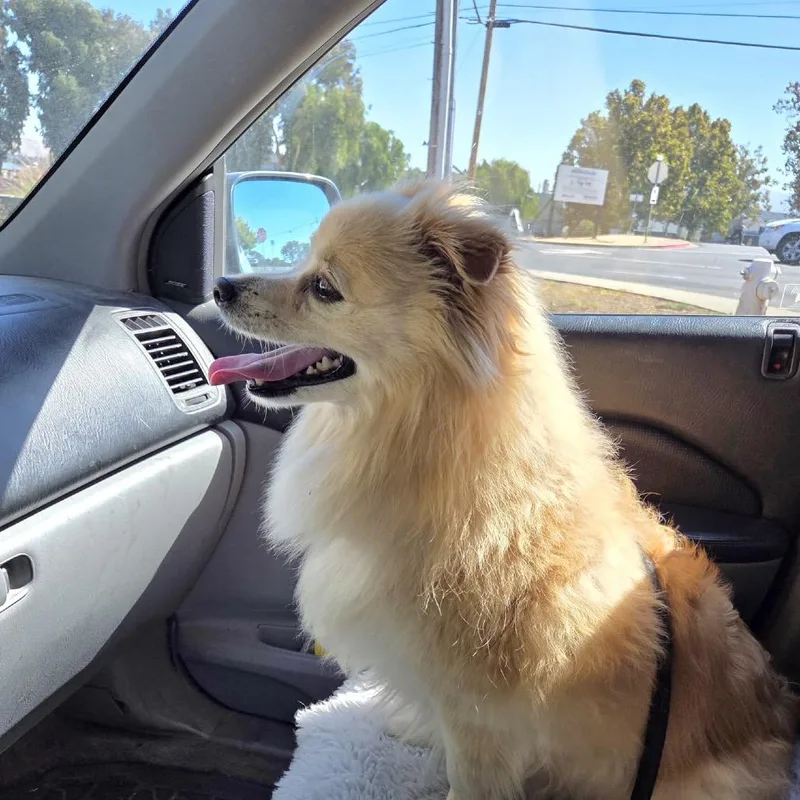
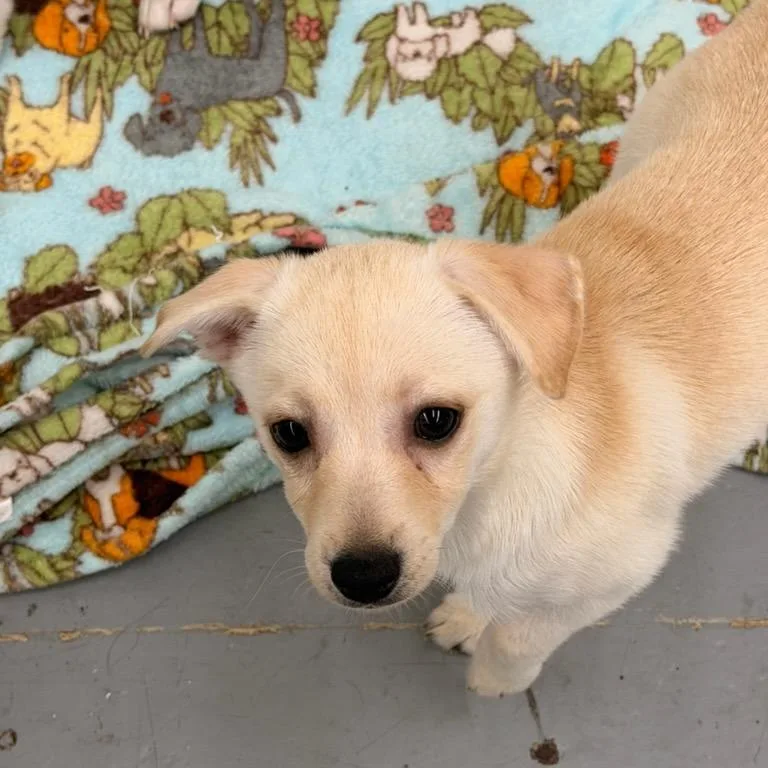
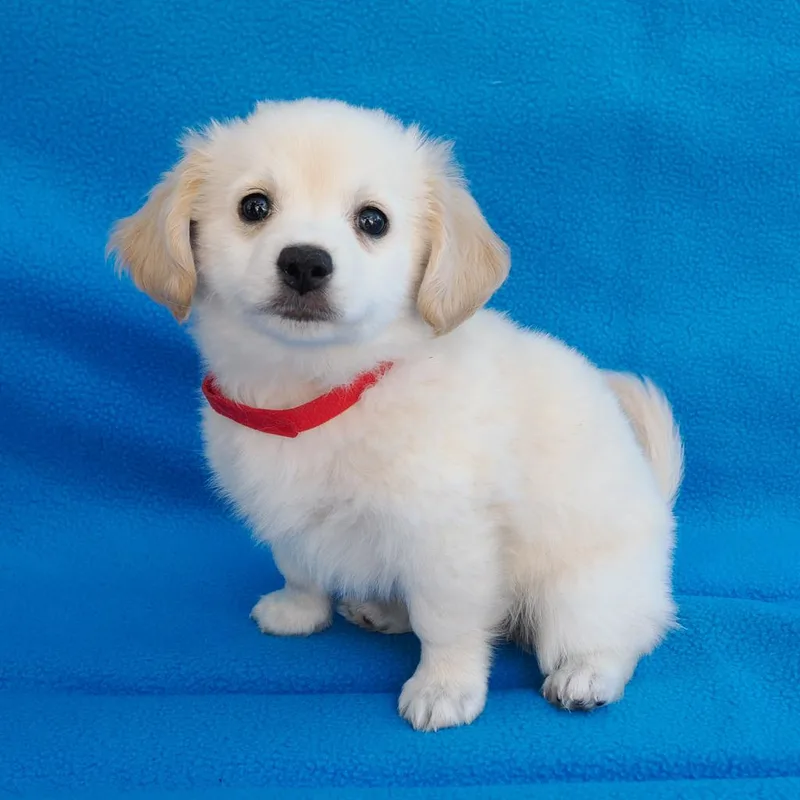

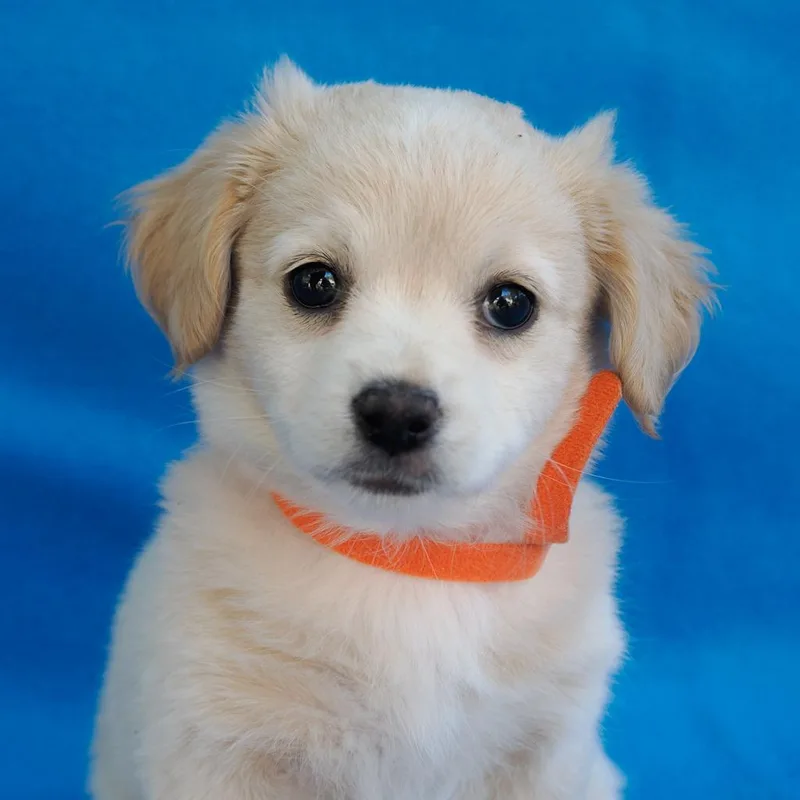




Pomeranian dog

Pomeranian Dogs for Adoption in Orland Park, IL

Your guide to finding and caring for a Pomeranian in Orland Park

Pomeranians suit Orland Park's townhomes and smaller homes, since a few short walks cover most of their exercise. A loop through the Old Orland Historic District, with its 1880s houses, is plenty for most Poms. They're alert, noisy little dogs, so a unit in the denser buildings near the Main Street Triangle means working on barking early. Plan on a harness, since a toy dog's windpipe is delicate, and a brushing routine for that thick coat.

628 Pomeranians available in Orland Park and nationwide

Bring home a Pomeranian

Pomeranians Available for Adoption Near Orland Park

About the Pomeranian breed

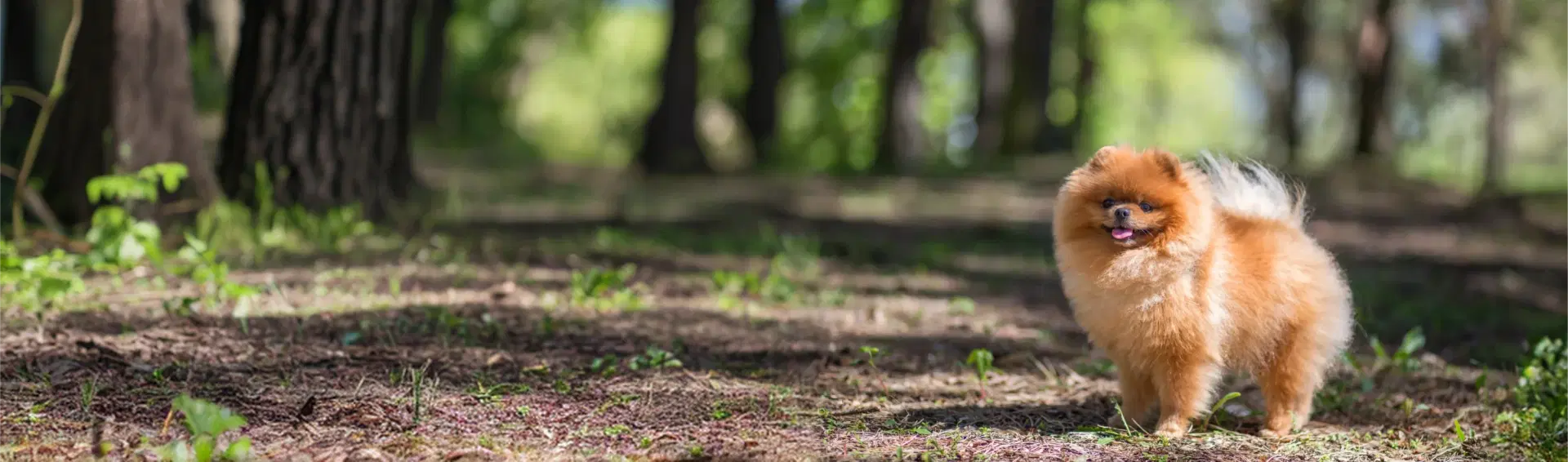
The Pomeranian is the smallest of the spitz breeds, a toy dog scaled down from larger German Spitz ancestors and named for the Pomerania region on the Baltic coast. Most weigh 3 to 7 pounds, though plenty of pet and shelter Poms run heavier. The thick double coat, plumed tail over the back and foxy face make them easy to spot.

Poms are bold, curious and often convinced they're far bigger than they are. Many bond tightly with one person, bark at every sound and pick up tricks quickly. They do best with adults and older children who handle small dogs gently. Brushing, dental care and barking training matter year-round, and since dogs vary, a Pom's own habits count for more than the breed label.

Weight
3–7 lbs
Height
6–11 in
Lifespan
12–16 yrs
Temperament
Lively, Alert, Curious, Bold
Group
Toy
Shedding
Moderate to High

Owning a Pomeranian in Orland Park

Having a Pomeranian in Orland Park

In Orland Park, a Pomeranian's size makes it easy to house, while its coat, teeth, knees and windpipe need steady attention. Winter walks, summer storms and neighbors close by shape what daily life with a Pom looks like.

Temperament

Pomeranians tend to be bold, curious and watchful, and many attach firmly to one person. That alertness means barking at visitors and hallway noises, which Orland Park's code treats seriously when it disturbs neighbors. Reward-based training and gentle socialization help, and every Pom differs, so judge the dog in front of you rather than the breed.
Exercise Needs

Most Poms are content with two or three short walks plus indoor play. Around Orland Park, the paved Orland Grassland loop works on leash for a fit adult, though many will want only part of it. Use a harness, skip walks in midsummer heat, and shorten outings on icy days.

Health Considerations

Luxating kneecaps, collapsing trachea and dental disease are common in Poms, and some develop alopecia X coat loss. Daily tooth brushing, a lean weight and regular checkups help. Road salt in winter can irritate paws, so wipe feet after walks, and a veterinarian can check knees and teeth after adoption.

Living Space

Pomeranians fit Orland Park's apartments, townhomes and detached houses alike, since indoor play meets most of their needs. In a yard, stay outside with a Pom, because coyotes live around the forest preserves. Inside, watch stairs and high furniture to protect small joints, and use a gate near open doors.

What it costs to own a Pomeranian in Orland Park

ExpenseTypical costPer year
Adoption fee$500, one time$500 in year one
Food$15 to $35 per month$180 to $420
Pet insurance$35 to $70 per month$420 to $840
Routine vet care$200 to $400 per year$200 to $400
Other*$581 to $1,406 per year$581 to $1,406
Estimated yearly total (after year one)$1,381 to $3,066
First-year total (with adoption fee)$1,881 to $3,566

Adoption fee is the fee on Pomeranian listings in Orland Park on GetBuddy today. Other costs are estimates and vary with size, age and health.

* The Cook County rabies tag, flea, tick and heartworm prevention, a higher dental allowance for a toy breed, toys and bedding, and regular brushing and baths for a heavy double coat.

Pomeranian dog

Adopt a Pomeranian in Orland Park.

Now that you know more, let’s find you a new best friend. These rescues and shelters below currently have Pomeranians available.

Rescues in Orland Park with Pomeranians Available

The south Chicago suburbs have a network of shelters and rescues, listed below, that help small dogs find homes. Here are the rescues & shelters in the Orland Park area where you can find Pomeranians and other dogs available for adoption.

Frequently Asked Questions

Yes, you can own a Pomeranian in Orland Park. The village has no known breed restrictions, and Illinois law bars breed-specific local rules. Households can keep up to three dogs, and dogs four months or older need a rabies vaccination with a current Cook County tag. Poms bark readily, so train early, since barking that disturbs neighbors counts as an offense.

Yes, most Pomeranians handle an Orland Park winter with some help. Their double coat insulates, but their small bodies chill quickly, and nights stay at or below freezing from November into April. Use a sweater or coat, keep outings short on the coldest days, wipe salt off paws, and use a harness on icy sidewalks so a slip doesn't strain the neck.

Orland Park has two off-leash options for a Pomeranian. The Dogout at Centennial Park is members-only with a small-dog area, and the Forest Preserves' Bremen Grove, on Oak Park Avenue south of 159th Street, has small-dog sections and a $60 yearly membership for Cook County residents. Orland Grassland's paved loop suits leashed walks, though a Pom may only want a section of it.

Sometimes, if your Pomeranian fits in a carrier. Metra's SouthWest Service stops at the 143rd, 153rd and 179th Street stations, and small pets in enclosed carriers can ride off-peak weekday trains, space permitting. The line runs weekdays only, so there's no weekend option. Pace buses allow caged pets that don't block aisles or seats; check current rules before riding.

A Pomeranian needs brushing a few times a week, and daily during heavy shedding, plus a bath every month or so. The dense double coat can mat and hold mud, which matters during Orland Park's wet May. In winter, wipe salt from paws and the belly after walks. Professional grooming falls within the yearly Other costs listed above.

Probably not indoors. Orland Park's village code bars dogs from food-service and retail food shops, even on a leash, with exceptions for service dogs. State law only lets Chicago authorize patio dogs by ordinance, so patio access is up to each restaurant. Don't assume a patio welcomes pets, and don't leave a Pom waiting in a hot car.

A Pomeranian fits Orland Park well for adopters who are home often and don't mind winter coat and paw care. The village is largely car-oriented, so most walks start at your door or a short drive from a trail. Plan for fireworks, summer storms, supervised yard time near the preserves, and barking training if you share walls.

Pomeranians come from the Pomerania region along the Baltic Sea, now part of northern Poland and northeastern Germany, where its larger German Spitz ancestors developed. The breed as we know it was shaped in England, where royals including Queen Charlotte and Queen Victoria kept them in the 1700s and 1800s and the dogs grew steadily smaller. The first English breed club formed in 1891.

We have 1 rescue with Pomeranians available: Half-Way Home Animal Rescue. You can see every rescue with Pomeranians available in the list above these questions, or scroll to the top to see the Pomeranians near Orland Park.

A Pomeranian in Orland Park typically costs about $1,400 to $3,100 a year. That includes food at $15 to $35 a month, insurance at $35 to $70 a month, routine vet care at $200 to $400 a year and other costs of roughly $581 to $1,406 a year. Dental care and coat grooming are the biggest variables.