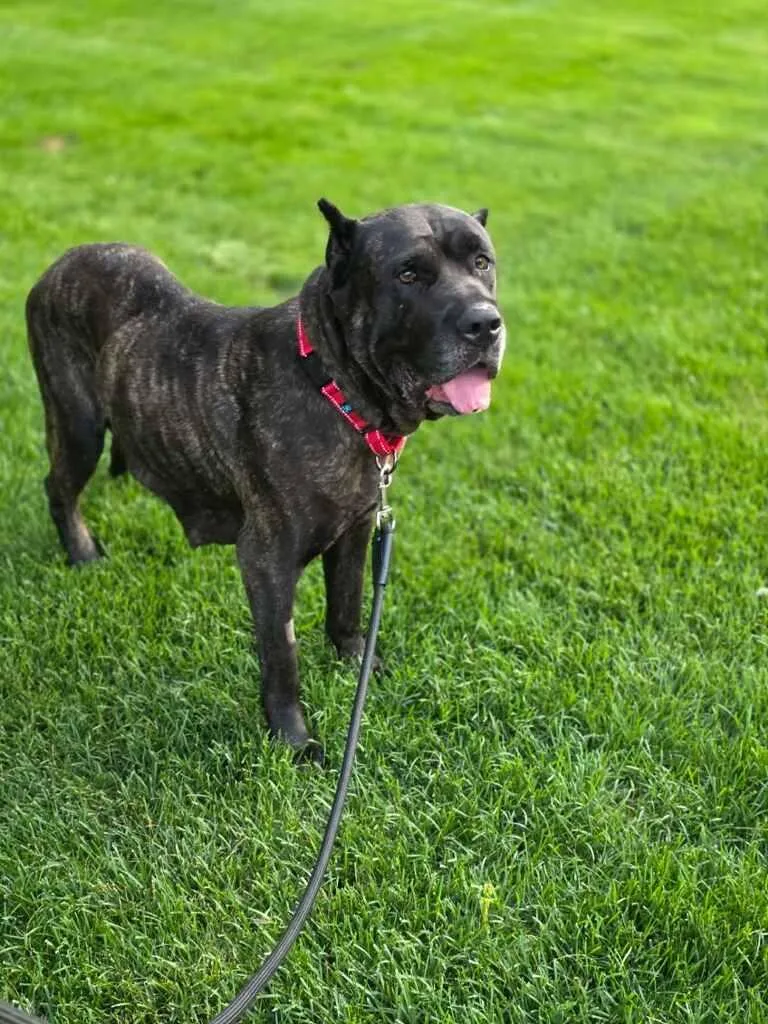
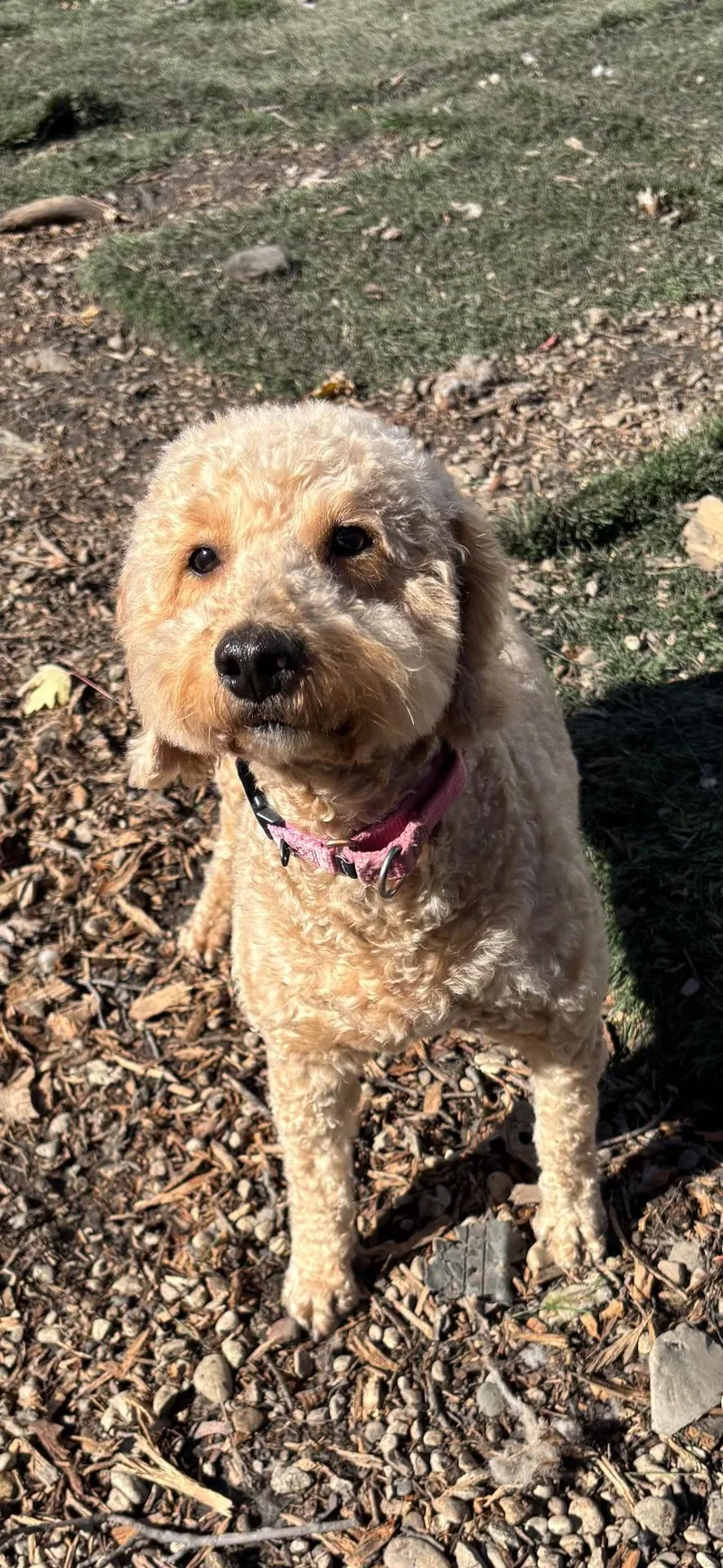
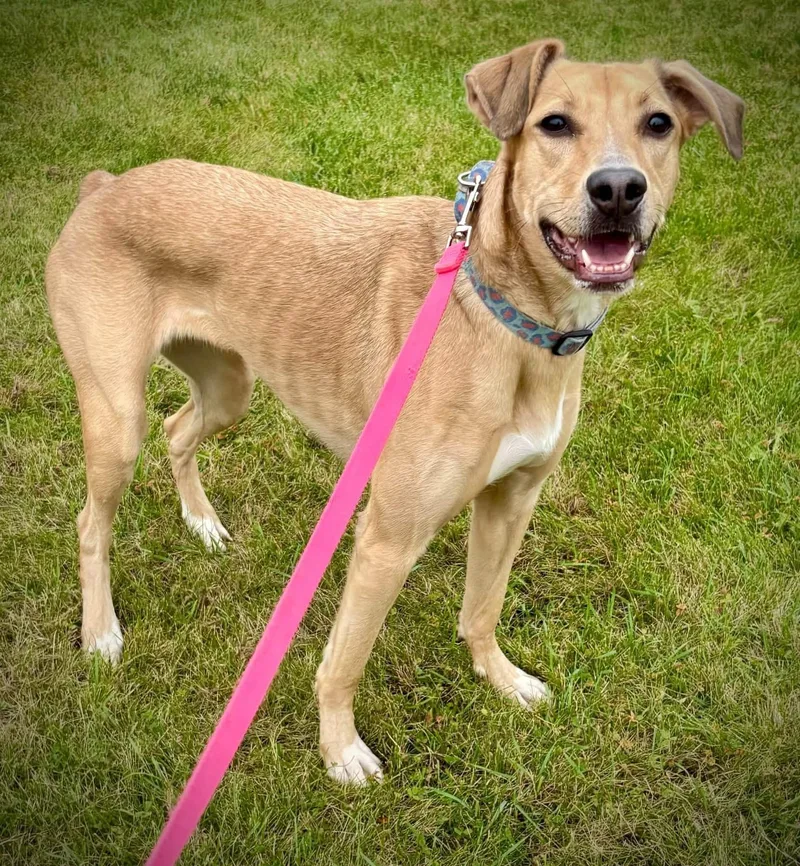
Great Pyrenees dog

Great Pyrenees Dogs for Adoption in Orland Park, IL

Your guide to finding and caring for a Great Pyrenees in Orland Park

Great Pyrenees suit Orland Park's fenced backyards better than its condos. Most homes here are detached houses or townhomes, so a Pyr can patrol a yard of its own, and the quiet streets around Old Orland make for easy evening walks. Pyrs bark at night when something seems off, which matters on a block with close neighbors. A calm adult is usually happy with a daily stroll on the paved Orland Grassland loop.

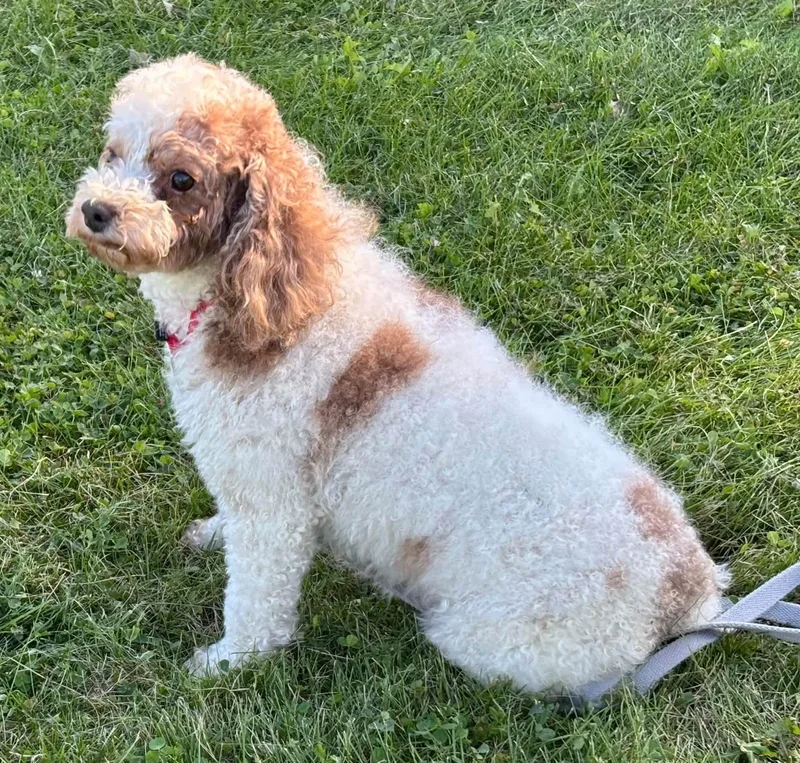
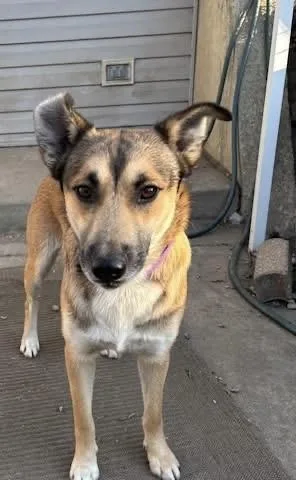
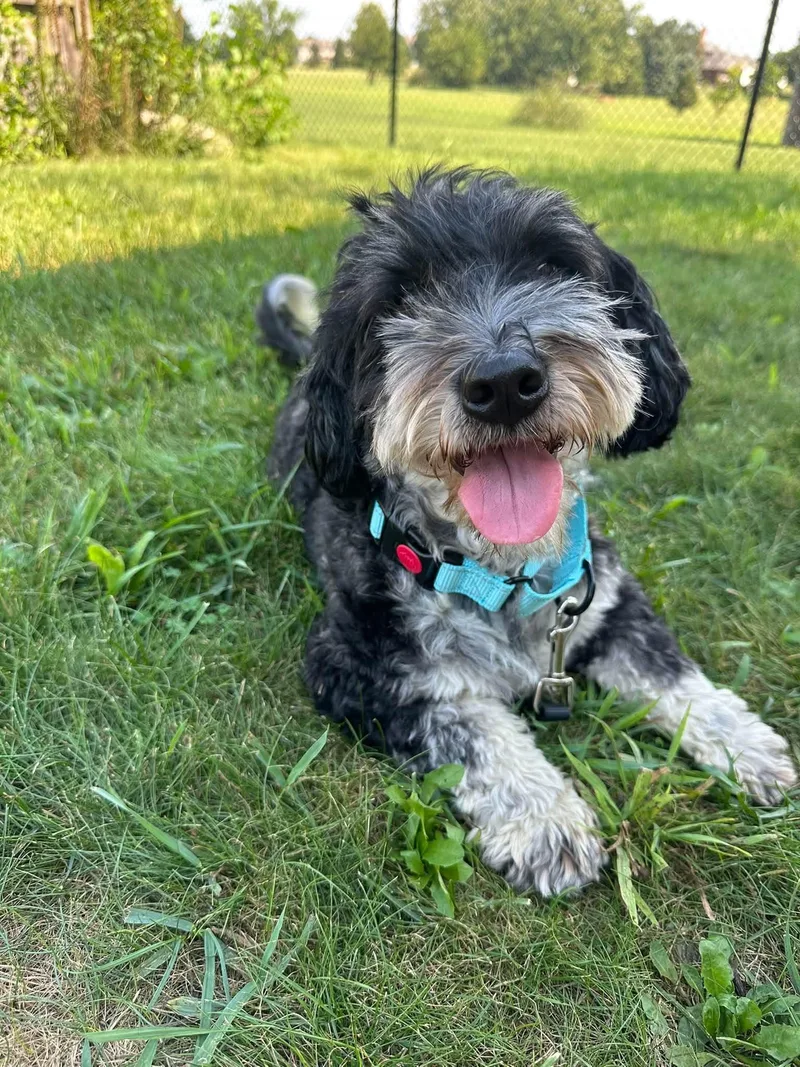
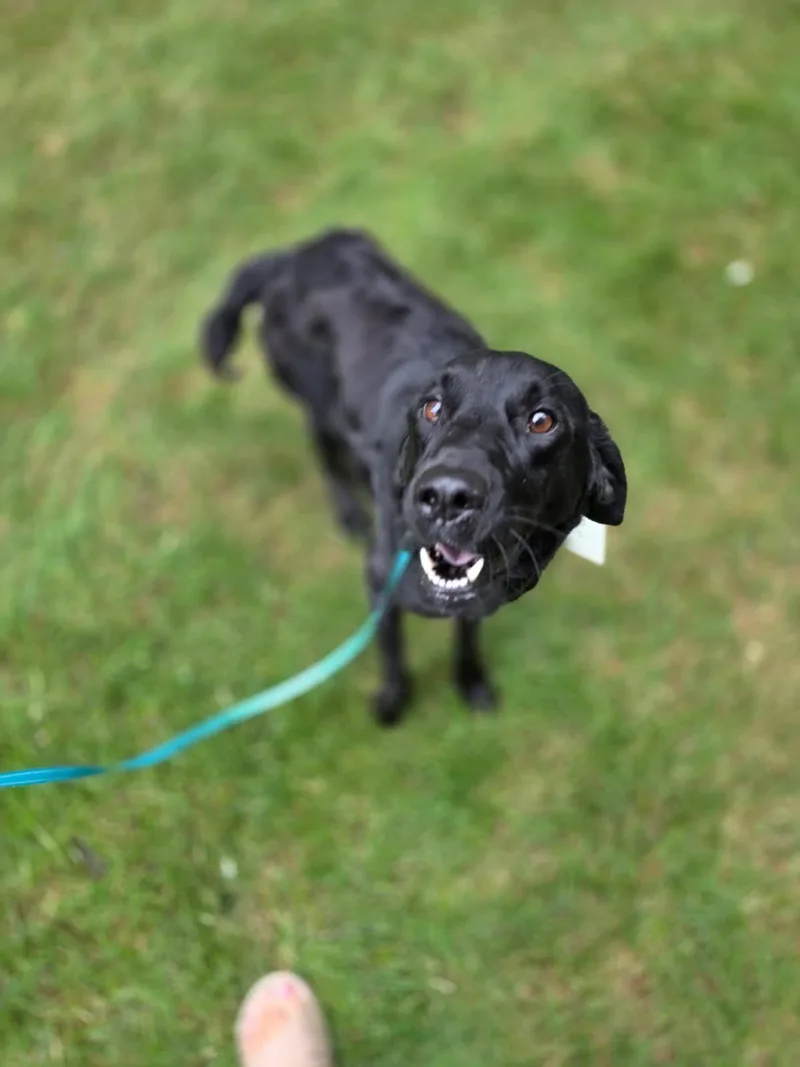
2453 Great Pyrenees available in Orland Park and nationwide

Open your home to a Great Pyrenees

Great Pyrenees Available for Adoption Near Orland Park

About the Great Pyrenees breed

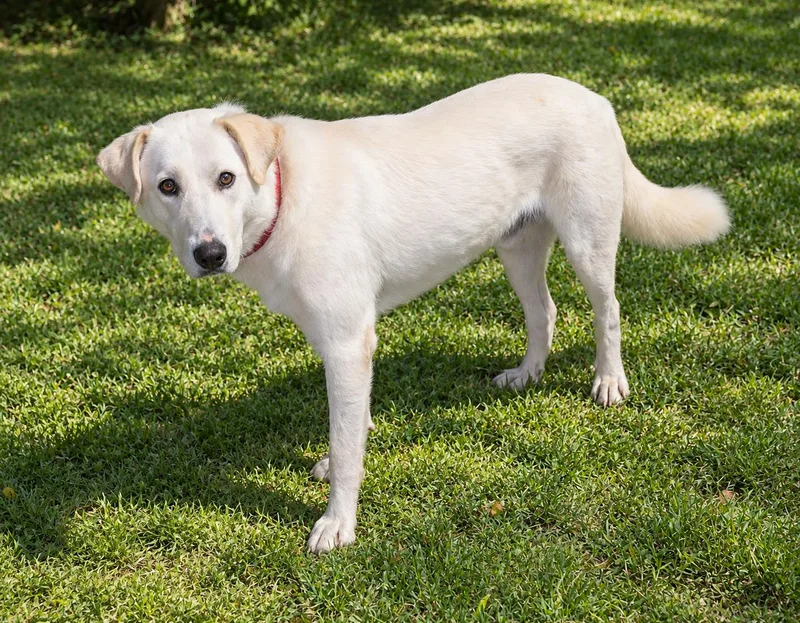
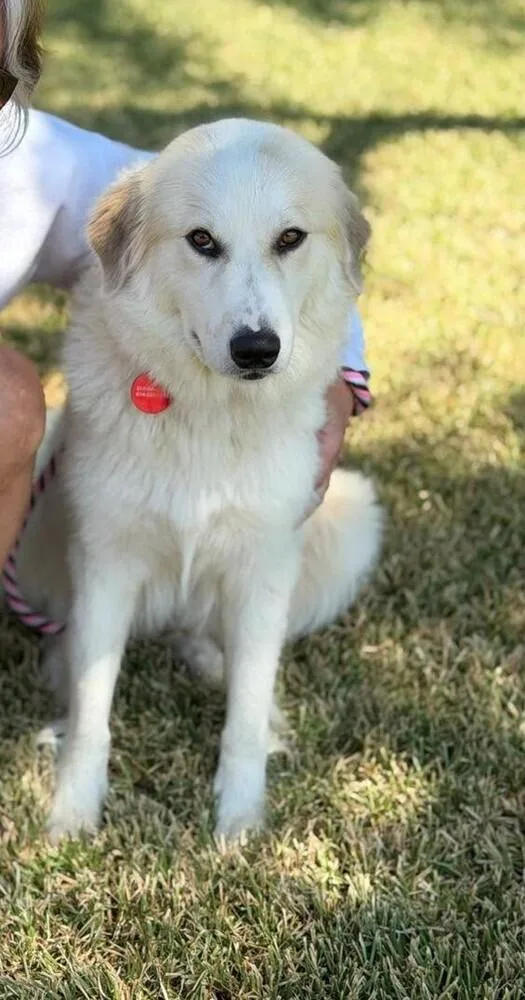
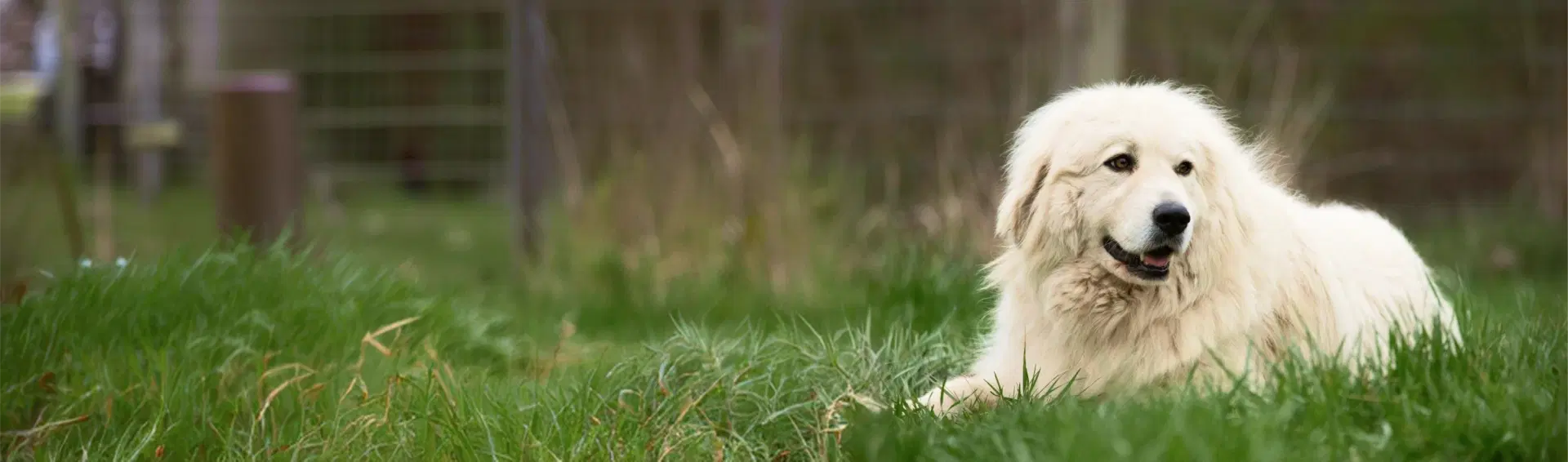
The Great Pyrenees began as a livestock guardian in the mountains between France and Spain, where big white dogs stayed with flocks and faced down wolves and bears. That history explains much of what adopters see today: a giant dog, usually 85 to 120 pounds, with a thick white double coat, a calm manner and a habit of deciding things for itself.

In Orland Park, that independence shows up as patrolling the yard, barking after dark and ignoring a recall command it considers optional. Heavy shedding comes with the breed, so expect brushing at least weekly and extra work when the coat blows. Pyrs and Pyr mixes are often seen in rescues nationwide, and each dog's personality differs, so judge the dog in front of you rather than the breed label.


Weight
85–120 lbs
Height
25–32 in
Lifespan
10–12 yrs
Temperament
Calm, Protective, Independent
Group
Working
Shedding
High

Owning a Great Pyrenees in Orland Park

Having a Great Pyrenees in Orland Park

A Pyr is quiet and patient indoors but keeps a guardian's instincts: nighttime barking, wandering and a mind of its own. In Orland Park, a fenced yard, tolerance for hot, humid summers and neighbors within earshot shape how well one fits.

Temperament

Pyrs are typically gentle and devoted with their family and wary of strangers. Their guarding instinct means barking after dark, which matters in subdivisions where yards sit close together. Independence can look like stubbornness, so training takes patience and rewards. Early socialization helps, though dogs vary, so spend time with the dog before deciding.

Exercise Needs

Most Pyrs need moderate exercise: a daily walk plus time to patrol a fenced yard. The flat, paved loop at Orland Grassland, on leash, gives a long walk without overdoing it. Keep outings short in summer heat and add sniff walks on bad-weather days. Many Pyrs roam, so use a leash outside the fence.

Health Considerations

Hip and elbow dysplasia, kneecap luxation, bloat and bone cancer are the main concerns, and giant dogs tend to have shorter lives. Feed smaller meals, avoid hard exercise around them and keep the dog lean. A veterinarian can screen hips and knees and explain the signs of bloat, which is an emergency.

Living Space

Many Orland Park homes are detached houses with yards, which suits a Pyr best when the fence is tall and secure, since many test boundaries. A calm adult can manage in an apartment, but size and night barking make it harder. Expect white hair on everything and a dog that seeks cool floors.

What it costs to own a Great Pyrenees in Orland Park

ExpenseTypical costPer year
Food$80 to $160 per month$960 to $1,920
Pet insurance$85 to $170 per month$1,020 to $2,040
Routine vet care$250 to $500 per year$250 to $500
Other*$681 to $1,868 per year$681 to $1,868
Estimated yearly total (after year one)$2,911 to $6,328

Other costs are estimates and vary with size, age and health.

* The Cook County rabies tag, flea, tick and heartworm prevention, a dental cleaning allowance, toys and bedding, brushing and baths for heavy seasonal shedding, and joint supplements for a giant breed.

Great Pyrenees dog

Adopt a Great Pyrenees in Orland Park.

Now that you know more, let’s find you a new best friend. These rescues and shelters below have dogs available in and near Orland Park.

Rescues and Shelters in or near Orland Park

Shelters and rescues around Orland Park help dogs of every size, from small mixes to giants, find loving homes. Here are the rescues & shelters in the Orland Park area with dogs available for adoption, worth asking whether a Great Pyrenees is coming in.

Frequently Asked Questions

Yes. Orland Park has no known breed ban, and its dangerous-dog rules are based on a dog's behavior, not its breed. The practical limits are up to three dogs per household, leash control off your property, and barking that doesn't disturb neighbors. Because many Pyrs roam, a secure fence matters as much as any rule.

Yes, most Great Pyrenees handle Orland Park winters comfortably. Their double coat is built for cold, and roughly 105 to 130 freezing nights a year rarely bother a healthy adult. The real issues are road salt, ice between the toes and slick sidewalks for seniors or dogs with sore joints. Wipe paws after every walk.

The paved loop at Orland Grassland is the best leashed walk, and the Dogout at Centennial Park works if you hold a membership. Stay leashed everywhere else, including village parks and forest preserves, where off-leash dogs can be fined up to $500. Bremen Grove is the nearest preserve off-leash area, since many Pyrs wander.

Not realistically. Metra's SouthWest Service stops at the 143rd, 153rd and 179th Street stations, but it runs weekdays only, and pets must ride in carriers on a lap or under a seat on off-peak trains. A giant Pyr can't ride unless it's a service animal, so plan on traveling by car.

It's possible for a calm adult, but size, shedding and nighttime barking make shared walls difficult. Rentals are less common here than houses, so options are fewer. Illinois sets no cap on pet deposits or pet rent, so get fees and weight limits in writing. Ground-floor units near grass work best.

Yes, for the right household. Detached homes with yards, nearby preserve paths and cold winters suit a Pyr. It's a weaker match if you're away long hours, can't fence a yard, or live beside noise-sensitive neighbors. Summers need planning, and with coyotes near the preserves, yard time should be supervised.

Not inside. Orland Park's village code bars dogs from food-service shops, even on a leash, with exceptions for assistance dogs. Patio policies vary by restaurant, so don't assume a welcome. A giant, protective, heavily shedding Pyr is usually easier to enjoy on leashed park walks than at a crowded patio.

Plan on brushing at least weekly, and several times a week when the coat blows in spring and fall. Don't shave it, since the double coat insulates in humid summers and cold winters. Wipe off road salt in winter. Baths and brushing fall under the yearly Other costs of about $681 to $1,868.

A Great Pyrenees is a giant livestock guardian dog from the Pyrenees mountains between France and Spain, bred to protect sheep from predators. It has a thick, weather-resistant white coat, often with gray, tan or badger markings, and double dewclaws on its hind legs. Many are calm, gentle and devoted to family, yet independent and watchful.

Plan on roughly $2,900 to $6,300 a year for a Pyr, depending on appetite, coverage and care. Food runs $80 to $160 a month and insurance $85 to $170, with routine vet care at $250 to $500 a year. Other costs, such as parasite prevention, dental care, grooming and joint supplements, add about $681 to $1,868 a year.