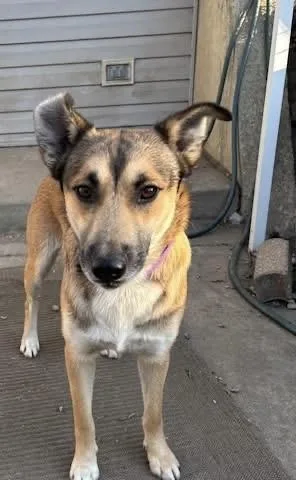
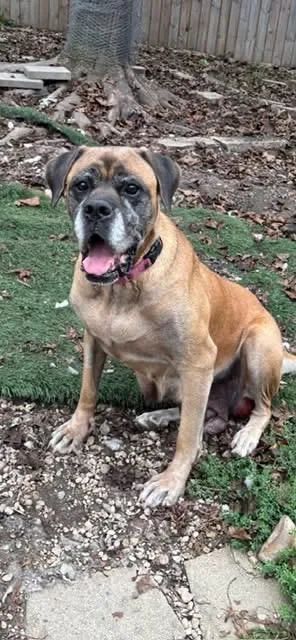
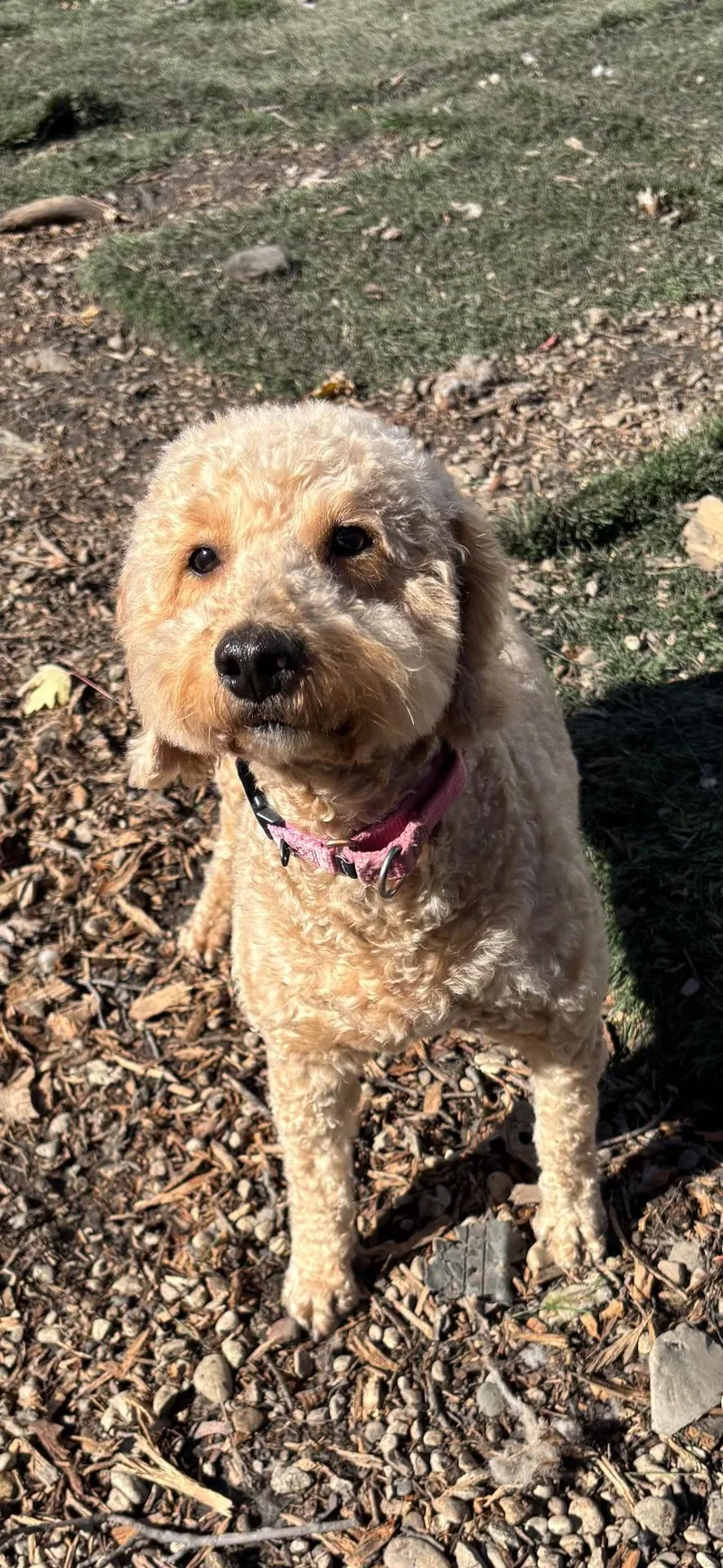
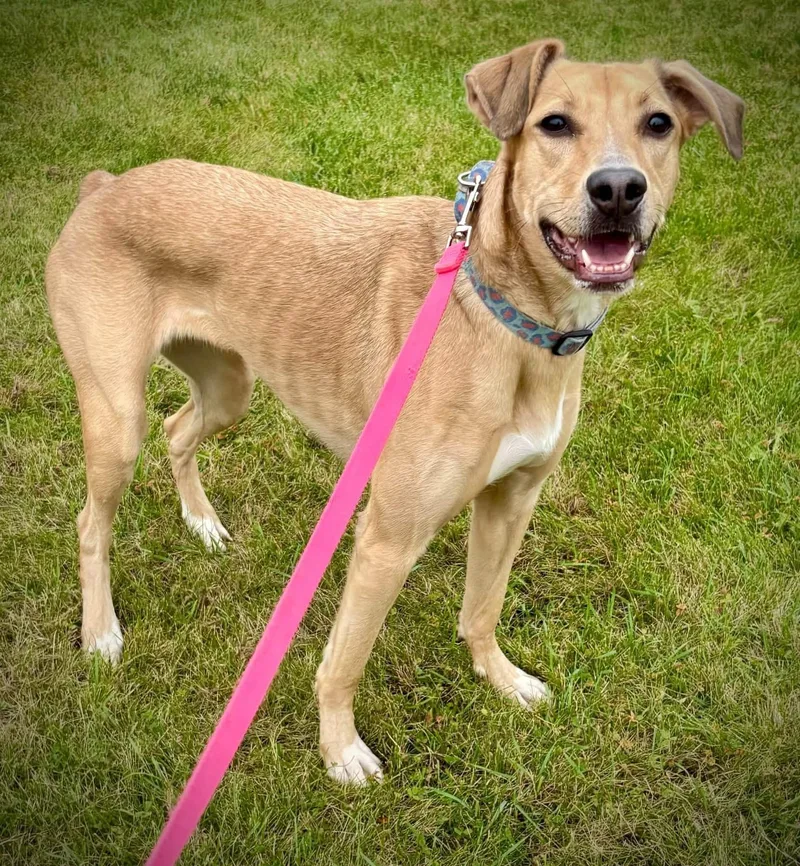
Chocolate Labrador Retriever Dogs for Adoption in Orland Park, IL

Your guide to finding and caring for a Chocolate Labrador Retriever in Orland Park

A chocolate Lab suits Orland Park's single-family streets, as long as it gets a real walk every day. Many homes have yards for fetch, and the paved 5-mile loop at Orland Grassland, off LaGrange Road, takes care of the leashed miles. Chocolates are friendly and social, and they shed brown hair on everything, so a vacuum earns its keep. After winter walks, a towel by the door handles the road salt.

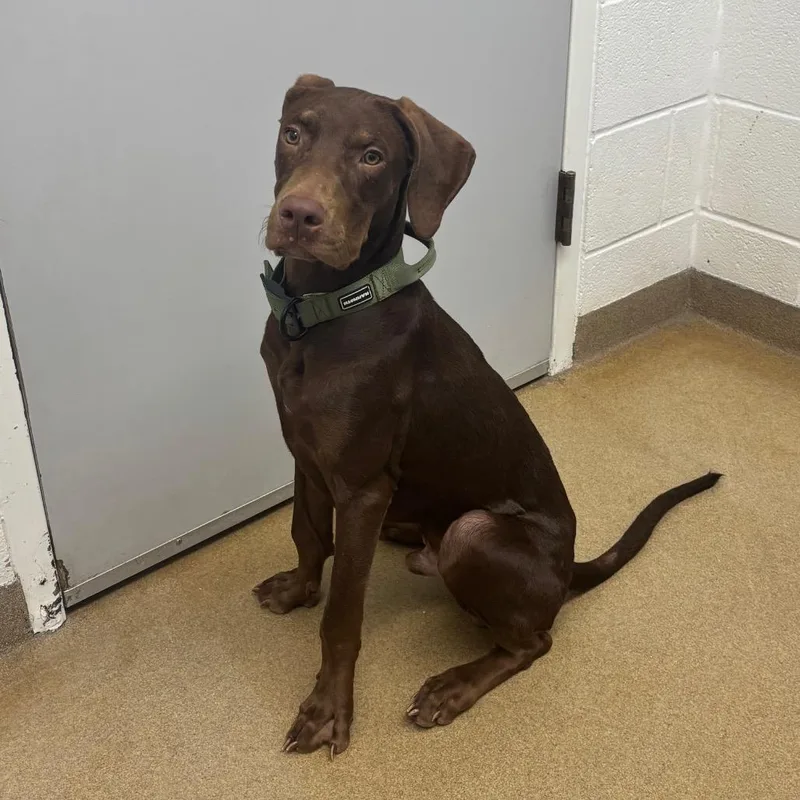
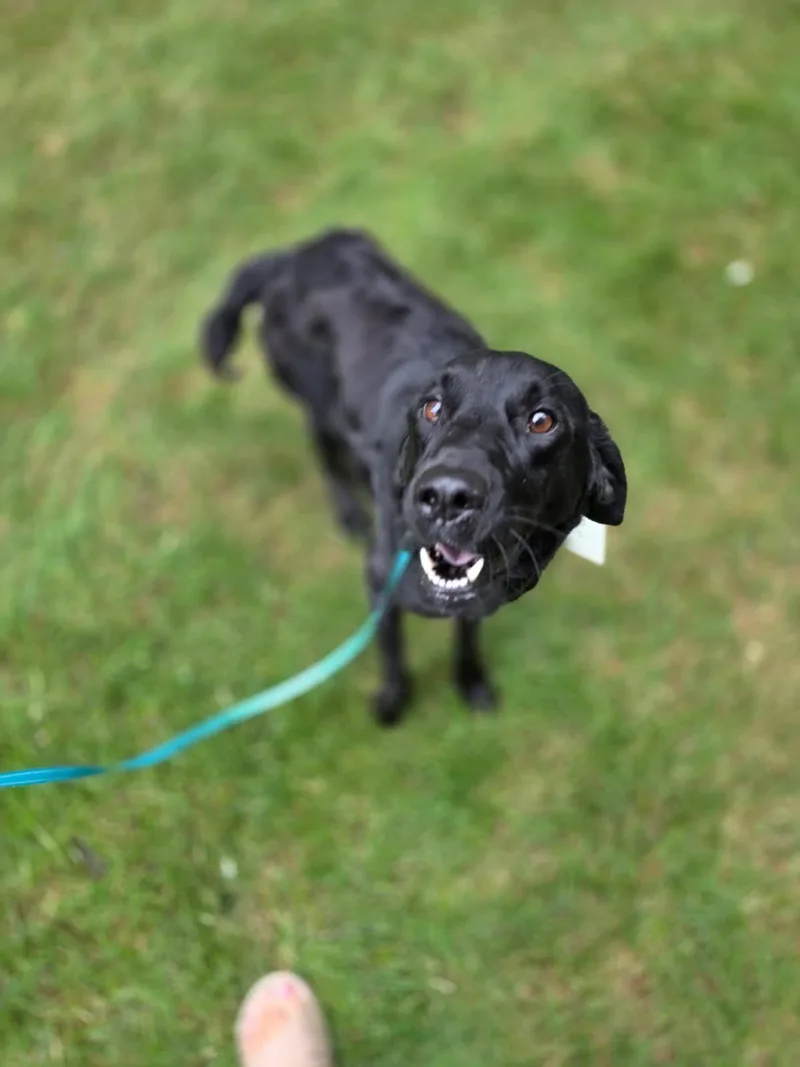
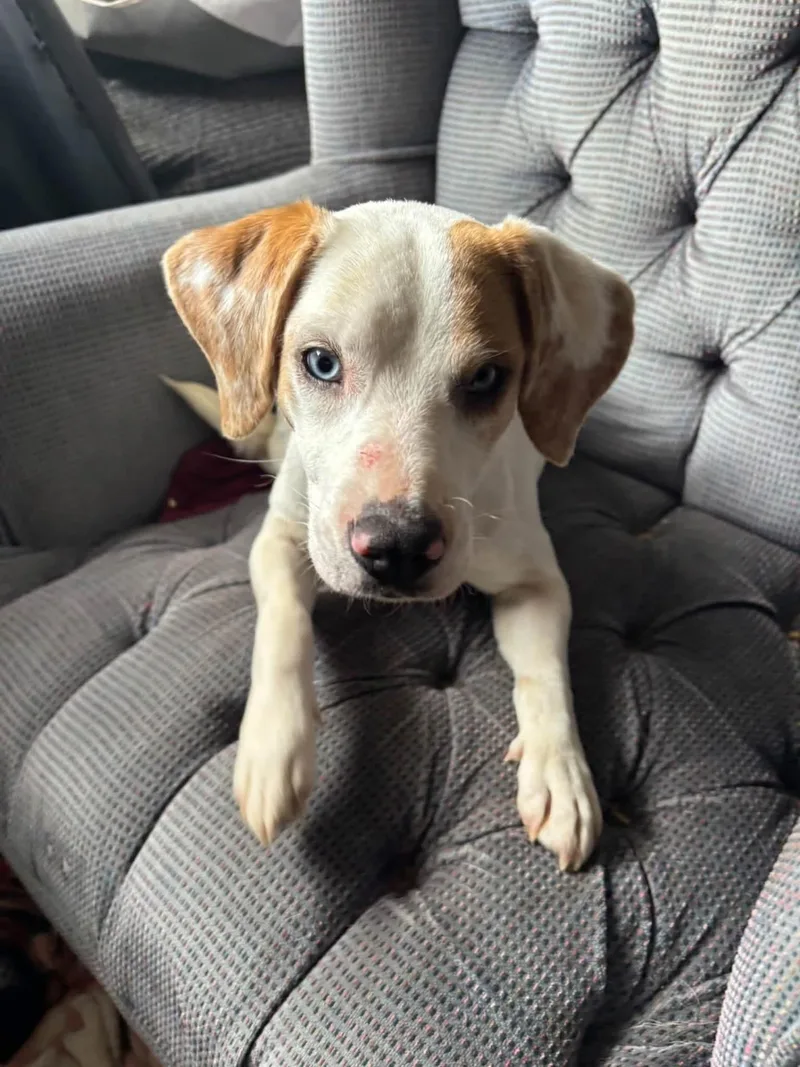
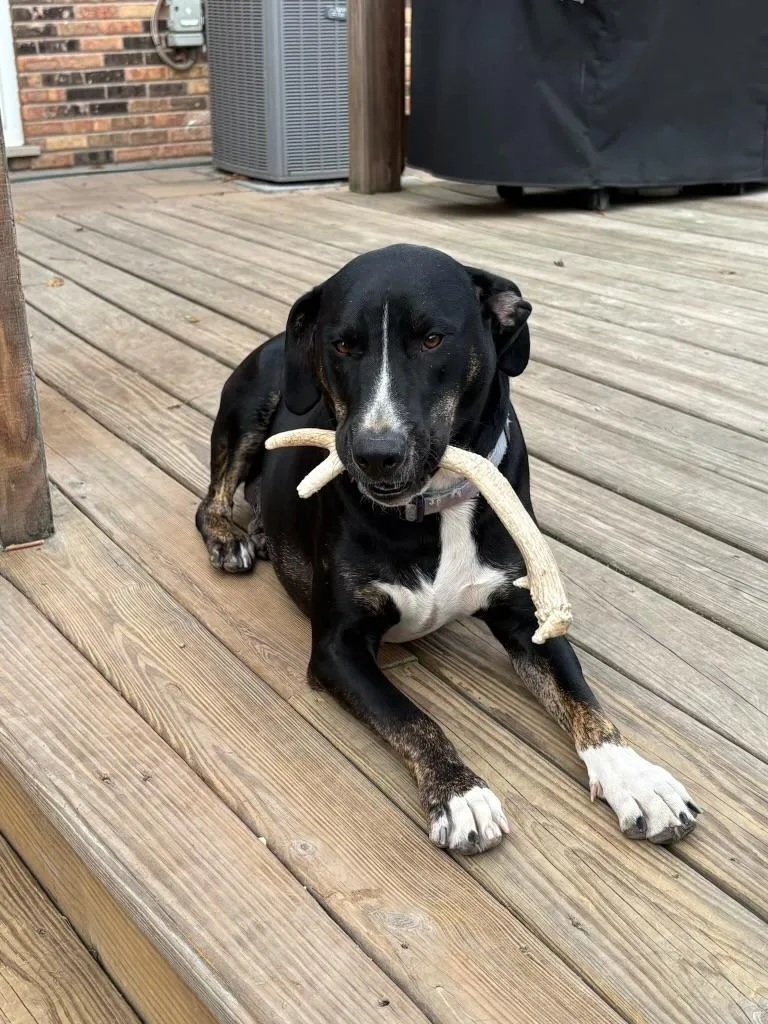
507 Chocolate Labrador Retrievers available in Orland Park and nationwide

Fall for a Chocolate Labrador Retriever

While we don't have enough dogs near Orland Park, keep in mind that many rescues may offer transport.

Chocolate Labrador Retrievers Available for Adoption Near Orland Park

About the Chocolate Labrador Retriever breed

A chocolate Lab is a Labrador Retriever with a liver-brown coat, one of three colors the breed standard accepts. The breed grew from Newfoundland water dogs and was refined in Britain as a gun dog, which explains the dense, water-shedding double coat and the otter tail. That coat copes well with Orland Park's cold, but it sheds year-round and more heavily each spring and fall.

Most chocolates are friendly, eager to please and food-motivated, though temperament varies from dog to dog and color doesn't decide it. UK research found chocolates lived somewhat shorter lives on average and had more ear and skin trouble, so ears, skin and weight deserve steady attention. Adults typically weigh 55 to 80 pounds.

Weight
55–80 lbs
Height
21–25 in
Lifespan
10–13 yrs
Temperament
Friendly, Outgoing, Active
Group
Sporting
Shedding
Moderate to High

Owning a Chocolate Labrador Retriever in Orland Park

Having a Chocolate Labrador Retriever in Orland Park

A chocolate Lab in Orland Park is a big, social retriever that wants daily exercise, a lean waistline and regular ear checks. Suburban yards and forest-preserve paths suit it, while winter salt, summer storms and heavy shedding shape the routine.

Temperament

Chocolate Labs are usually outgoing, eager to please and happy to greet everyone, which suits busy Orland Park parks and sidewalks. Young dogs can be bouncy and mouthy, and bored or lonely Labs may bark, so build calm greetings and alone-time habits early with reward-based training. Each dog differs, whatever its coat color.

Exercise Needs

Plan on an hour or more of brisk activity daily. The paved 5-mile loop at Orland Grassland offers leashed miles, and a yard handles fetch. Since no public dog swim area is known nearby, retrieving games, scent work and long walks do the work Labs would otherwise get from swimming. Seniors still enjoy shorter outings.

Health Considerations

Labs face hip and elbow dysplasia, cruciate injuries, exercise-induced collapse and obesity, and chocolates have had more ear infections and hot spots in UK research. Orland Park's humid summers and wet springs can keep ears damp, so check them weekly and dry them after baths. A veterinarian can review joints, weight and any screening records.

Living Space

Orland Park's detached houses and townhomes give a large Lab room to move, and a fenced yard helps for play, though it doesn't replace walks. Apartments can work for a dog that gets steady exercise and company. Expect brown hair on floors and furniture, a sweeping tail and a keen interest in anything edible on counters.

What it costs to own a Chocolate Labrador Retriever in Orland Park

ExpenseTypical costPer year
Adoption fee$500, one time$500 in year one
Food$55 to $110 per month$660 to $1,320
Pet insurance$65 to $130 per month$780 to $1,560
Routine vet care$250 to $500 per year$250 to $500
Other*$581 to $1,456 per year$581 to $1,456
Estimated yearly total (after year one)$2,271 to $4,836
First-year total (with adoption fee)$2,771 to $5,336

Adoption fee is the fee on Chocolate Labrador Retriever listings in Orland Park on GetBuddy today. Other costs are estimates and vary with size, age and health.

* The Cook County rabies tag, flea, tick and heartworm prevention, a dental cleaning allowance, toys and bedding, and brushing and baths for heavy seasonal shedding.

Adopt a Chocolate Labrador Retriever in Orland Park.

Now that you know more, let’s find you a new best friend. These rescues and shelters below currently have Chocolate Labrador Retrievers available.

Rescues in Orland Park with Chocolate Labrador Retrievers Available

Orland Park sits among Cook County shelters and nonprofit rescues serving the south and southwest suburbs of Chicago. Here are the rescues & shelters in the Orland Park area where you can find Chocolate Labrador Retrievers and other dogs available for adoption.

Frequently Asked Questions

Yes, for many households. A chocolate Lab suits Orland Park's yards, forest-preserve paths and suburban pace when someone can provide daily exercise and company. Households away all day may find it harder, since bored Labs tend to bark or chew. A family that wants a social, active dog and can live with brown hair will likely enjoy one.

Yes. Orland Park has no known breed ban, and Illinois law bars breed-specific local rules, so a chocolate Lab is treated like any other dog. Households may keep up to three dogs, dogs need a current Cook County rabies tag, and a dog off your property must be leashed or otherwise controlled.

The Dogout at Centennial Park, 15600 West Ave., is the village's members-only off-leash park, with separate large-dog and small-dog areas; vaccination proof is required and the membership year runs August 1 to July 31. Orland Grassland's 5-mile paved loop suits leashed walks, and Bremen Grove, a Forest Preserves of Cook County off-leash area, needs its own membership.

Yes. A Lab's dense double coat is made for cold, and winter highs around 36°F rarely bother a healthy adult. Nights stay below freezing from November into April, so rinse road salt off paws, check for ice between toes and shorten outings for seniors. Lean or older chocolates may want a coat on the coldest mornings.

Mostly no. Orland Park's code bars dogs from food-service shops even on a leash, with exceptions for assistance dogs. Illinois lets only cities of one million or more authorize dogs on restaurant patios, so patio access is up to each restaurant and isn't guaranteed. Plan outings around parks and trails, and leave a Lab at home for meals.

Not easily. Metra's SouthWest Service stops at the 143rd, 153rd and 179th Street stations and runs weekdays only. Metra allows only small pets in enclosed carriers, on off-peak trains, so a 55-to-80-pound Lab can't ride unless it's a service animal. Plan on driving to parks and trails.

A chocolate Lab needs a weekly brushing most of the year and two or three sessions a week during the spring and fall coat shed. Baths are only needed when it's muddy or smelly. Check and dry the ears weekly, since chocolates are prone to ear infections, and wipe paws after salty winter walks.

A Labrador Retriever is a large sporting dog developed in Britain from Newfoundland water dogs to retrieve shot birds from land and water. Labs have a short, dense double coat, an otter-like tail and a broad head, and come in black, yellow or chocolate. Many are friendly, food-motivated and trainable, which makes them common family, guide and detection dogs.

We have 1 rescue with Chocolate Labrador Retrievers available: Half-Way Home Animal Rescue. You can see every rescue with Chocolate Labrador Retrievers available in the list above these questions, or scroll to the top to see the Chocolate Labrador Retrievers near Orland Park.

Budget about $55 to $110 a month for food, $65 to $130 a month for insurance, $250 to $500 a year for routine vet care, and roughly $581 to $1,456 a year for other costs such as prevention, dental care, grooming and supplies. The Cook County rabies tag is $6 for one year. Together that comes to roughly $2,300 to $4,800 a year.