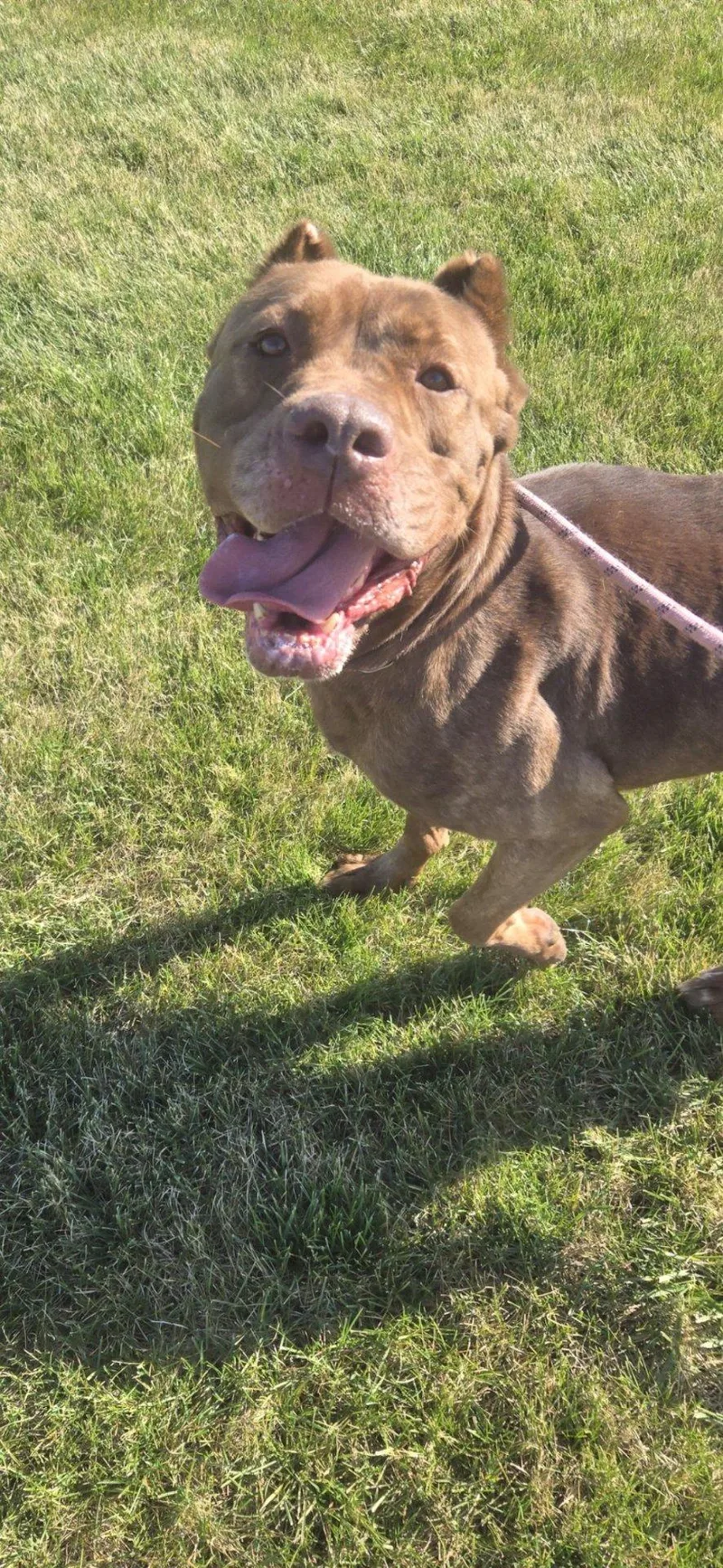
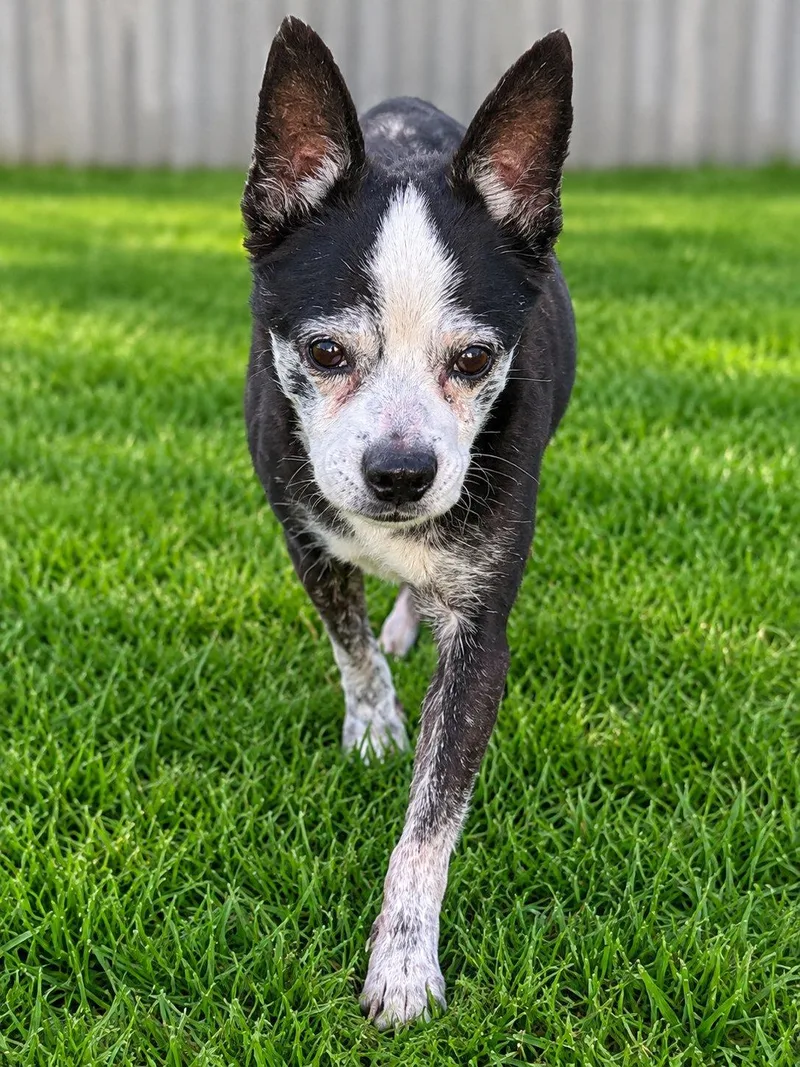
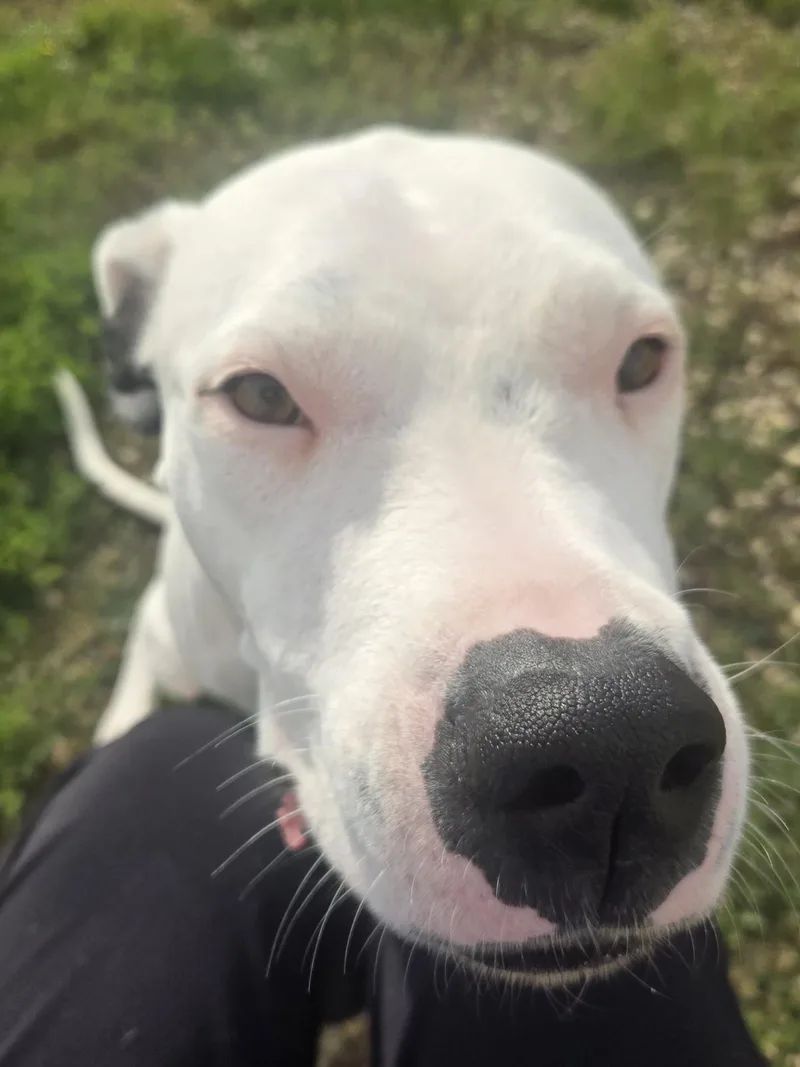
Black Labrador Retriever Dogs for Adoption in Joliet, IL

Your guide to finding and caring for a Black Labrador Retriever in Joliet

Black Labs suit Joliet's east side, where Pilcher Park's wooded paths along Hickory Creek are made for a daily leashed walk. Labs are social, so they enjoy the other walkers, and most want to be wherever the family is. They're strong, though, so a young one pulling toward the creek takes some training. Plan for a dark coat that soaks up July sun and for shedding that never really stops. Bring a 6-foot leash, since that's the longest the park allows.

3389 Black Labrador Retrievers available in Joliet and nationwide

Find your Black Labrador Retriever

Black Labrador Retrievers Available for Adoption Near Joliet

About the Black Labrador Retriever breed

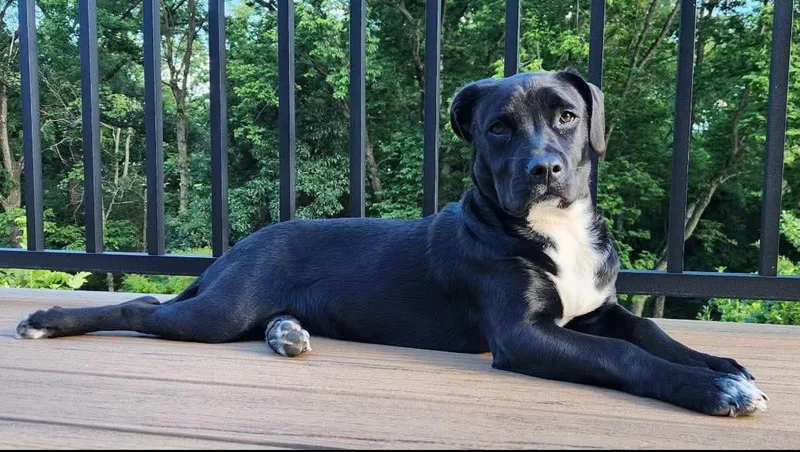
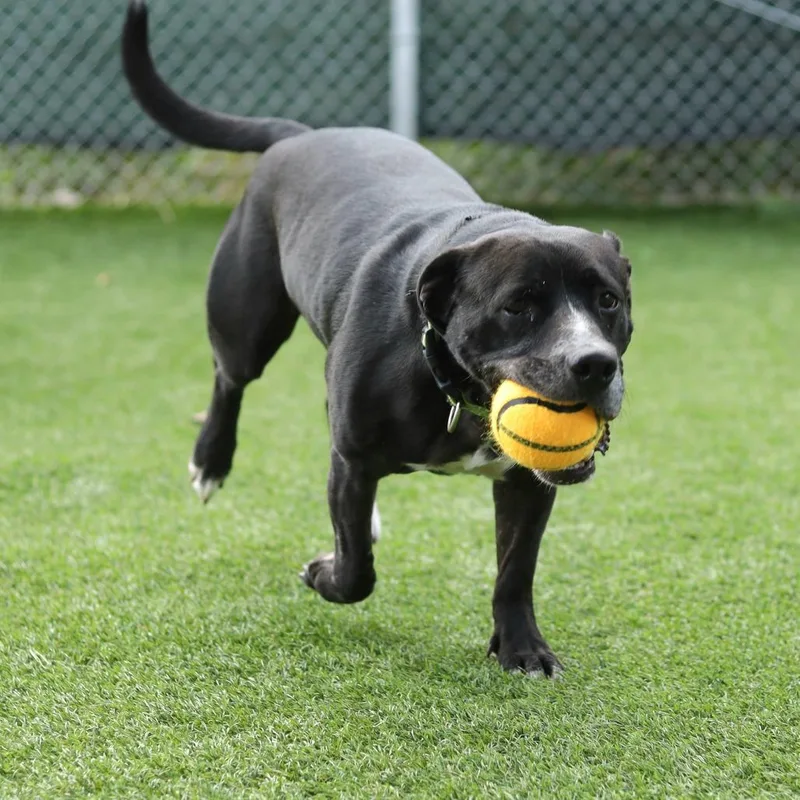
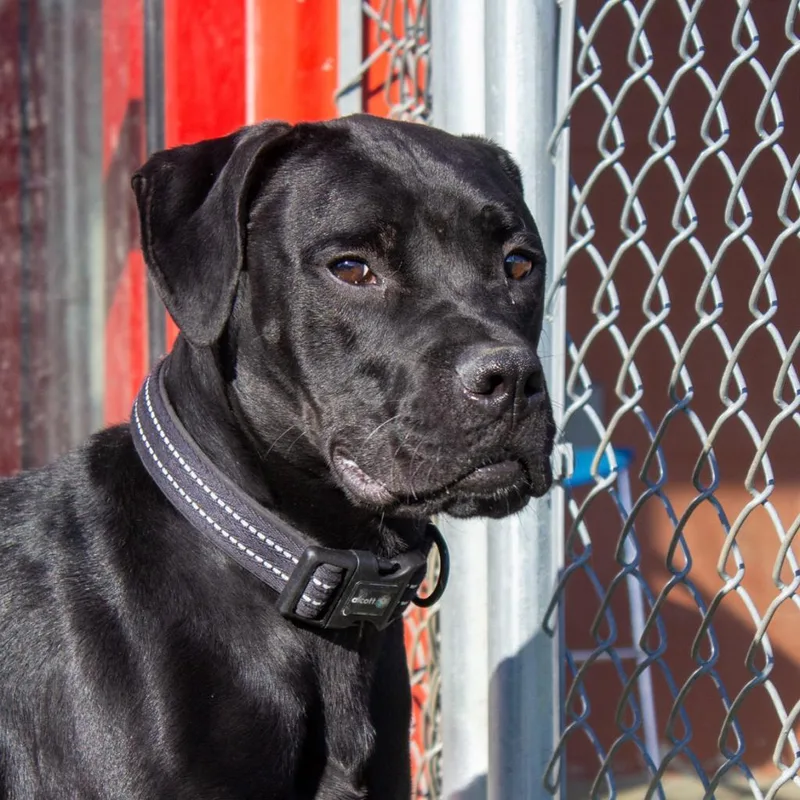
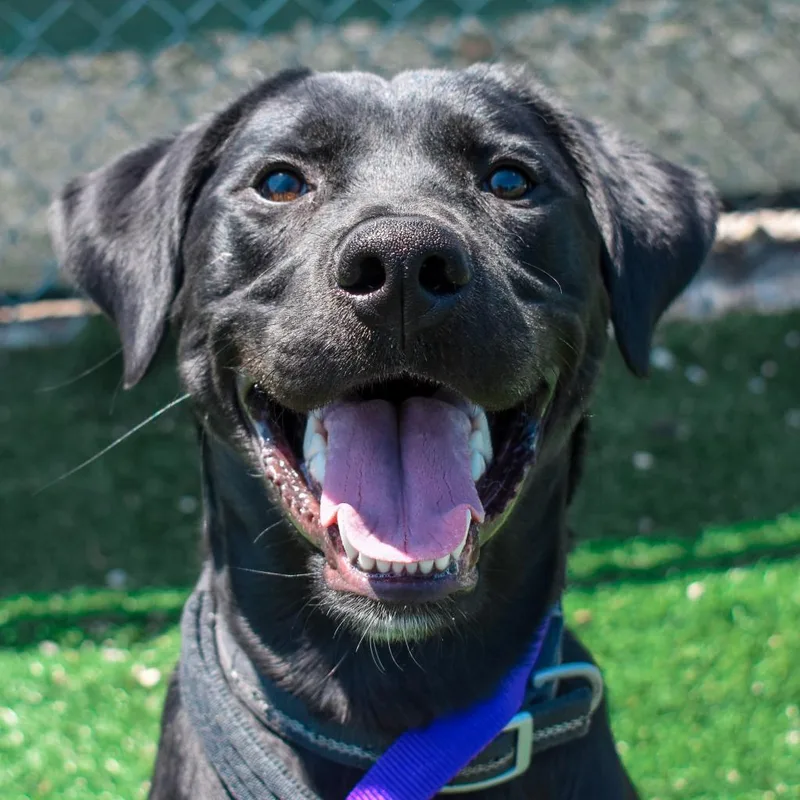
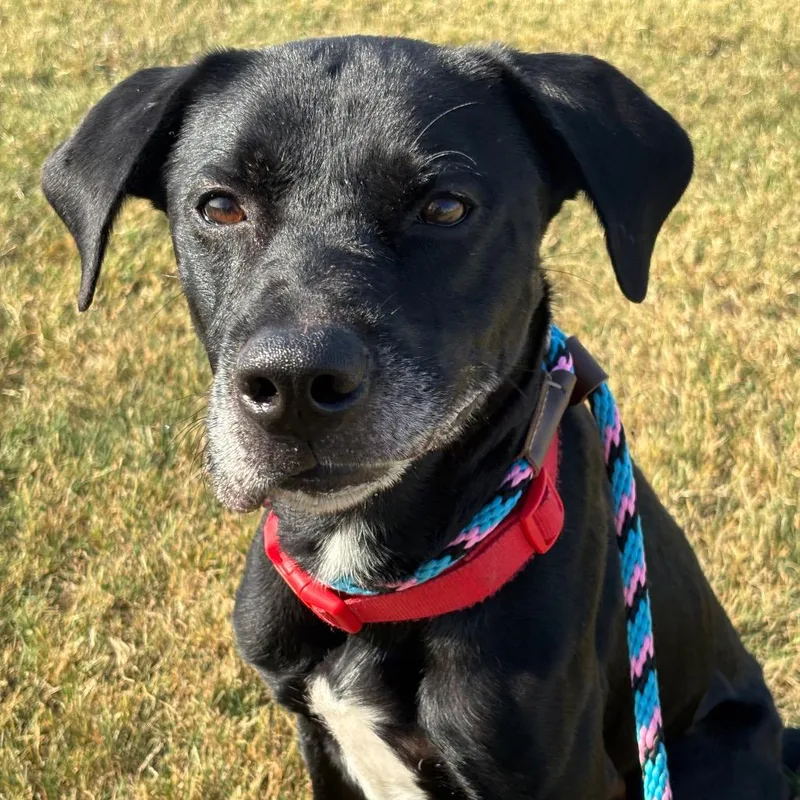
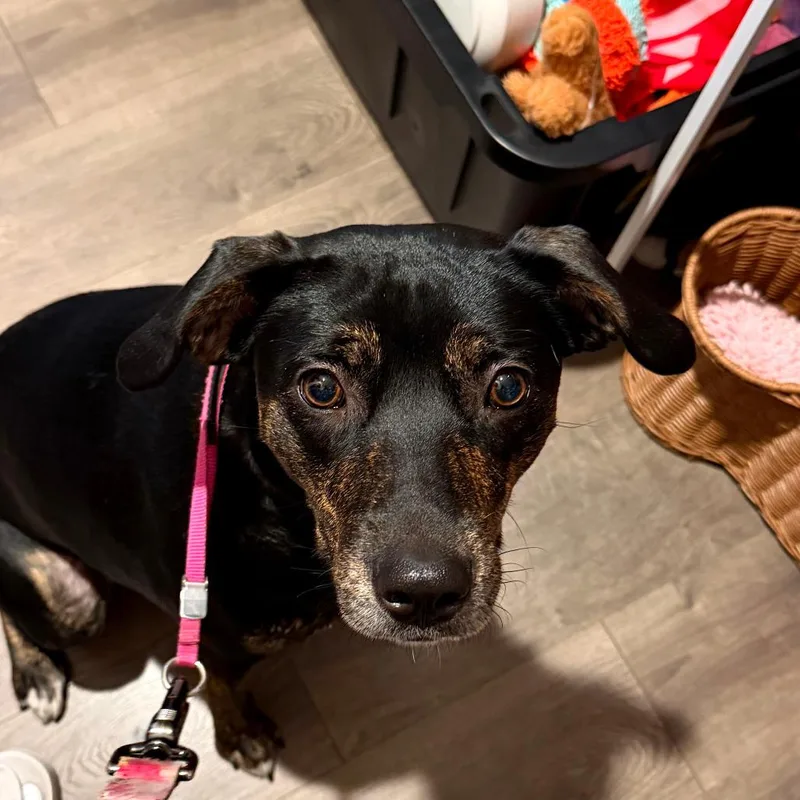
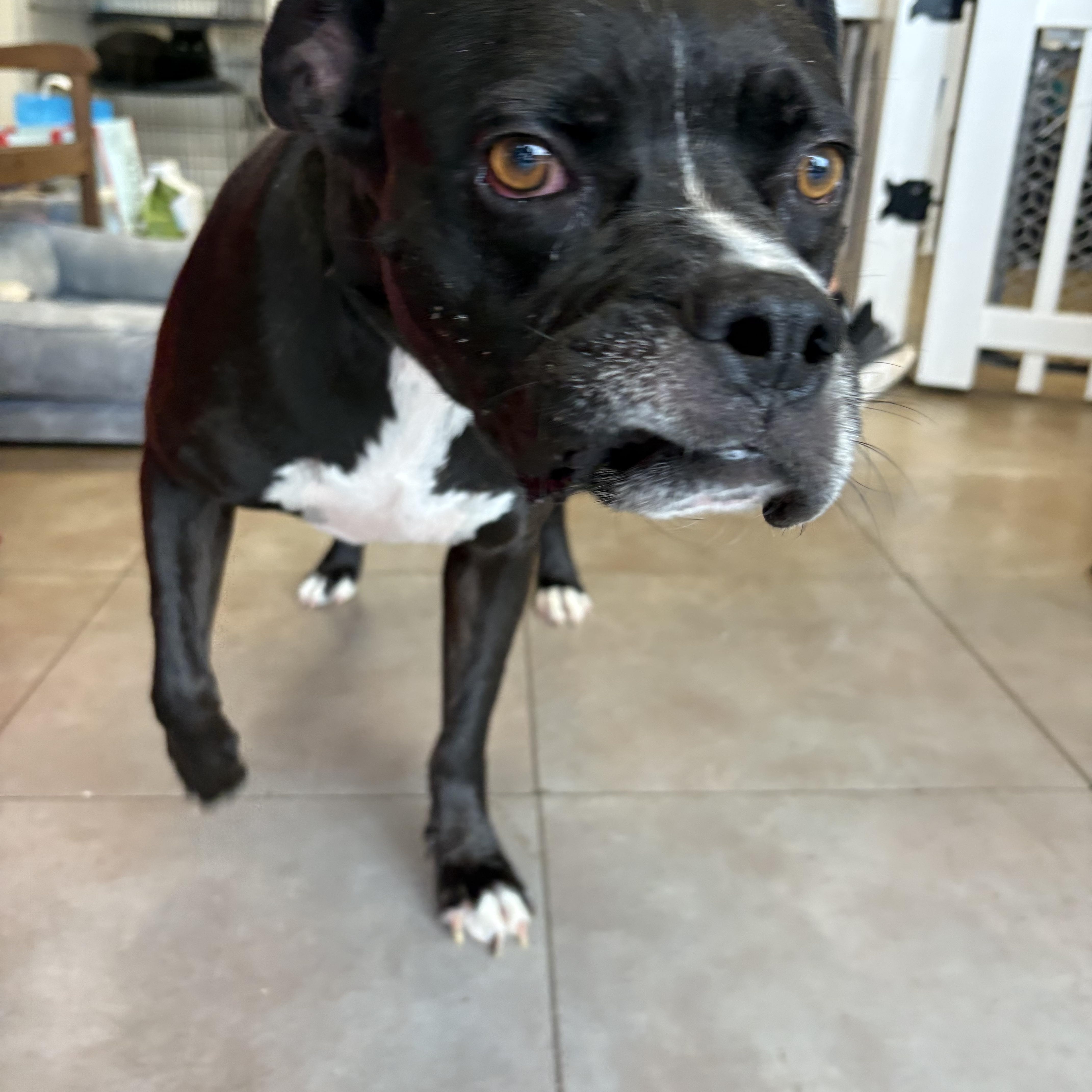
A black Lab is a Labrador Retriever in the breed's original color, not a separate breed. Labs descend from Newfoundland water dogs and were refined in Britain as gun dogs, which explains the dense water-resistant double coat, the otter tail and the love of retrieving. Adults usually weigh 55 to 80 pounds, and a black coat can show a small white chest spot or a graying muzzle with age.

Color doesn't change personality. Most Labs are friendly, food-motivated and eager to please, though field-bred dogs tend to be leaner and more driven than show-bred ones, and every dog varies. In Joliet, where winters are long and snowy, expect a dog who still wants outdoor time, plus a towel by the door and regular brushing through heavy seasonal shedding. Labs mature slowly, so a bouncy adolescence can last into the second or third year.

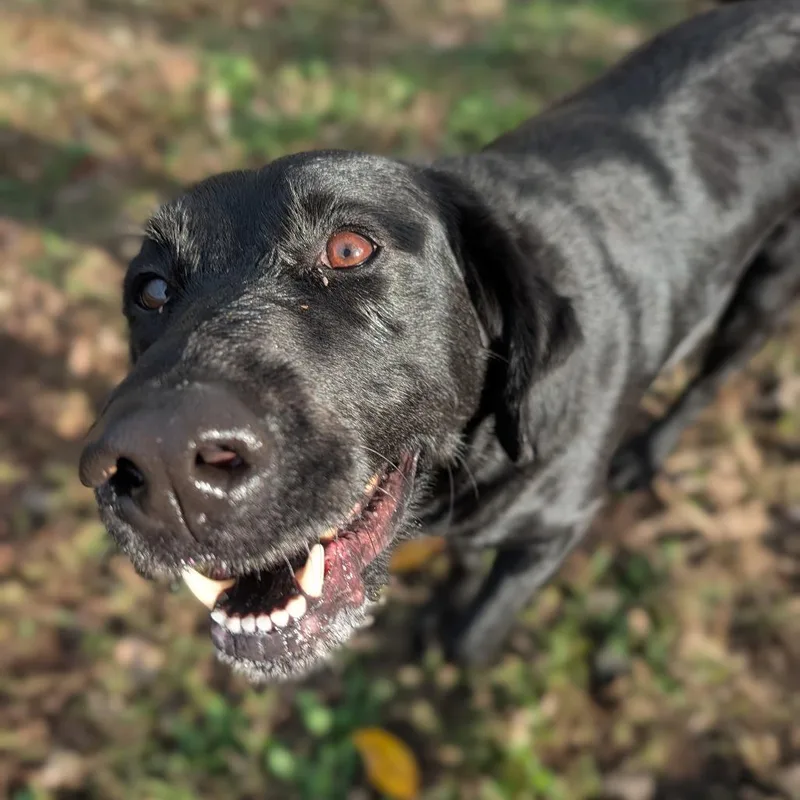
Weight
55–80 lbs
Height
21–25 in
Lifespan
10–14 yrs
Temperament
Friendly, Outgoing, Active
Group
Sporting
Shedding
Moderate to High

Owning a Black Labrador Retriever in Joliet

Having a Black Labrador Retriever in Joliet

Energy, appetite and shedding shape life with a black Lab more than coat color does. In Joliet, that means daily outdoor time through snowy winters, careful portions, and a routine that matches the age and drive of the dog you meet.

Temperament

Black Labs are usually outgoing and affectionate with family, guests and other dogs, which helps on busy sidewalks and shared trails. Young dogs can be mouthy and boisterous, and their love of food makes reward-based training work well. A shelter Lab's history and socialization say more than breed reputation or coat color.

Exercise Needs

Most adult Labs need vigorous daily exercise, such as brisk walks, fetch or running. In Joliet, leashed walks at Pilcher Park or on the I&M Canal State Trail work well, and the Will County forest preserve dog parks offer off-leash play with a permit. Scent games and short training sessions fill icy days.

Health Considerations

Labs can develop hip and elbow dysplasia, cruciate ligament tears, exercise-induced collapse, progressive retinal atrophy, ear infections and skin allergies. Obesity is common, so measure meals and keep regular weigh-ins. Snowy winters mean damp ears and salted paws, so dry both after walks. A veterinarian can check the hips and elbows.

Living Space

About 70% of Joliet homes are detached houses, a good match for a Lab that likes room to move, and a fenced yard makes play easier. It can't replace walks, though. A black Lab can also do well in an apartment or townhome with enough exercise. Expect shed hair and a tail that clears coffee tables.

What it costs to own a Black Labrador Retriever in Joliet

ExpenseTypical costPer year
Adoption fee$150, one time$150 in year one
Food$55 to $110 per month$660 to $1,320
Pet insurance$65 to $130 per month$780 to $1,560
Routine vet care$250 to $500 per year$250 to $500
Other*$590 to $1,490 per year$590 to $1,490
Estimated yearly total (after year one)$2,280 to $4,870
First-year total (with adoption fee)$2,430 to $5,020

Adoption fee is the fee on Black Labrador Retriever listings in Joliet on GetBuddy today. Other costs are estimates and vary with size, age and health.

* Flea, tick and heartworm prevention, a dental cleaning allowance, the Will County rabies tag, toys and bedding, and brushing and baths for heavy seasonal shedding.

Adopt a Black Labrador Retriever in Joliet.

Now that you know more, let’s find you a new best friend. These rescues and shelters below currently have Black Labrador Retrievers available.

Rescues in Joliet with Black Labrador Retrievers Available

These Joliet-area shelters and rescues help dogs find new families, and their current listings appear below. Here are the rescues & shelters in the Joliet area where you can find Black Labrador Retrievers and other dogs available for adoption.

Frequently Asked Questions

Yes. Joliet has no known breed ban, and Illinois law bars cities from passing breed-specific rules. The main limits are the two-dog household cap, which takes a zoning variance to exceed, and the leash rule on public streets and sidewalks. Keep a current Will County rabies tag on the collar, and watch the listings on this page for Labs.

For leashed walks, try Pilcher Park on the east side and the I&M Canal State Trail, which links with the Rock Run Greenway and Joliet Junction Trail in a 16-mile, mostly paved loop. For off-leash play, Lower Rock Run Preserve has a fenced 7.5-acre dog park, and Hammel Woods in Shorewood has 10.8 acres. Both need a Will County forest preserve permit.

Yes, most can. A Lab's water-resistant double coat copes with Joliet's freezing nights, which come on about 126 days a year. Limit time outside when it's near 0°F, especially for seniors and very young dogs, and wipe paws after walks to remove road salt. Dry the coat and ears after snow, and keep the dog sleeping indoors.

Yes, if the dog gets daily exercise. Apartment buildings are fewer in Joliet than houses, so confirm the weight limits and pet fees a landlord sets before applying. Plan at least two real walks a day, more for a young Lab, and use nearby trails or Pilcher Park to burn off energy that a small space can't.

Mostly no. Metra's Rock Island and Heritage Corridor lines both end in Joliet, but pets must be small enough to fit in an enclosed carrier, and only on off-peak weekday and weekend trains. Pace allows caged pets, which also rules out a full-grown Lab. Service animals are allowed on both, so plan on traveling by car.

Brush a Lab once or twice a week, and daily during the heavy spring and fall sheds. A bath every month or two is plenty. In Joliet's winters, wipe road salt off paws and dry the coat after snow. Home brushing covers most needs, and an occasional professional bath during shedding season is part of the Other costs on this page.

Usually only to outdoor patios, and only where a restaurant allows dogs. Pet dogs generally aren't permitted in dining rooms or food-preparation areas, with service animals the exception, and patio policies vary by business. A Lab that settles calmly under the table does best, so practice at home first and bring a mat and water.

A Labrador Retriever is a large sporting dog developed to retrieve game for hunters, especially from water. Labs have a short, dense double coat, a thick otter tail and a broad head, and they come in black, yellow and chocolate. Many are friendly, food-motivated and eager to work, which makes them common family, guide and service dogs.

We have 1 rescue with Black Labrador Retrievers available: Will County Animal Protection Services. You can see every rescue with Black Labrador Retrievers available in the list above these questions, or scroll to the top to see the Black Labrador Retrievers near Joliet.

Expect roughly $2,300 to $4,900 a year for a black Lab in Joliet. That covers food at $55 to $110 a month, pet insurance at $65 to $130 a month, routine vet care at $250 to $500 a year and other costs at $590 to $1,490 a year. Orthopedic problems or emergencies can add to the total.