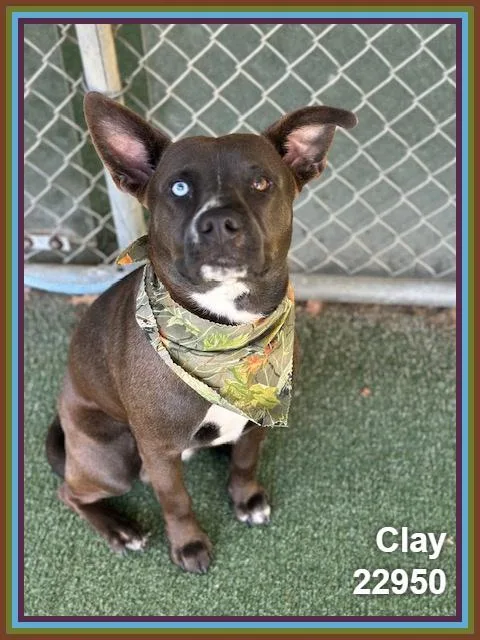
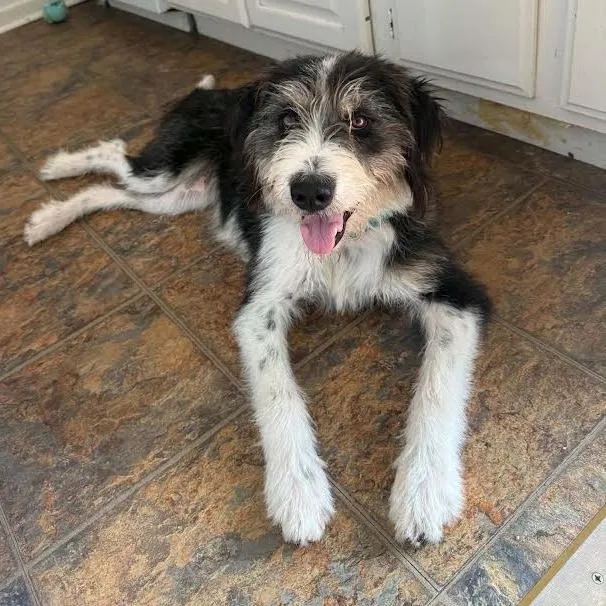
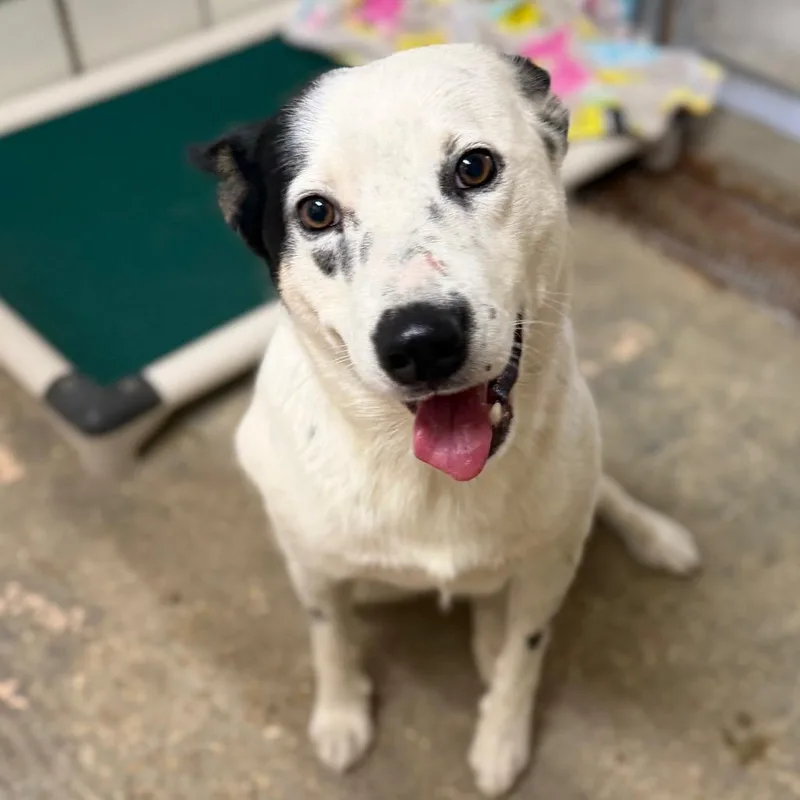
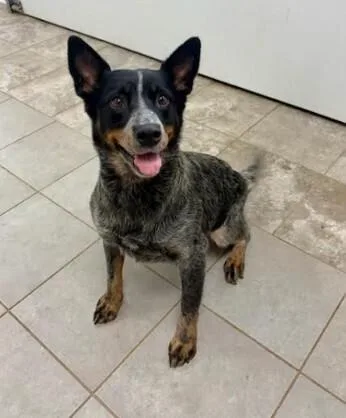
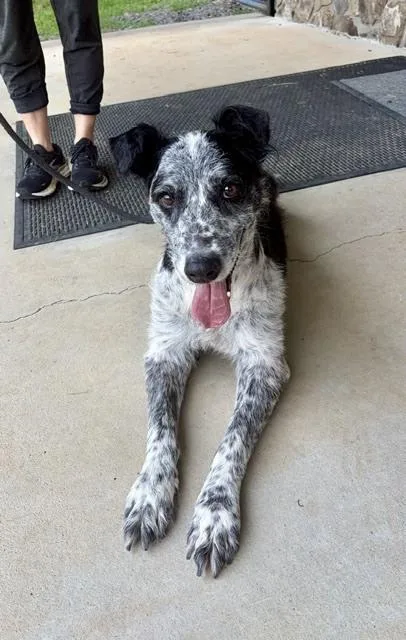
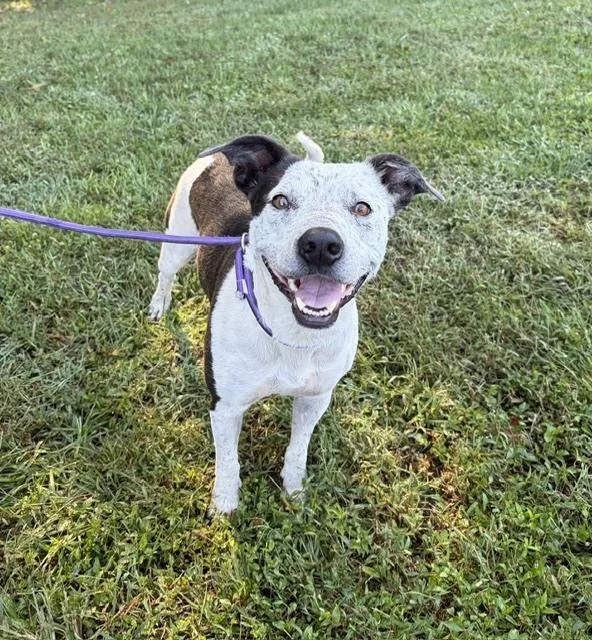
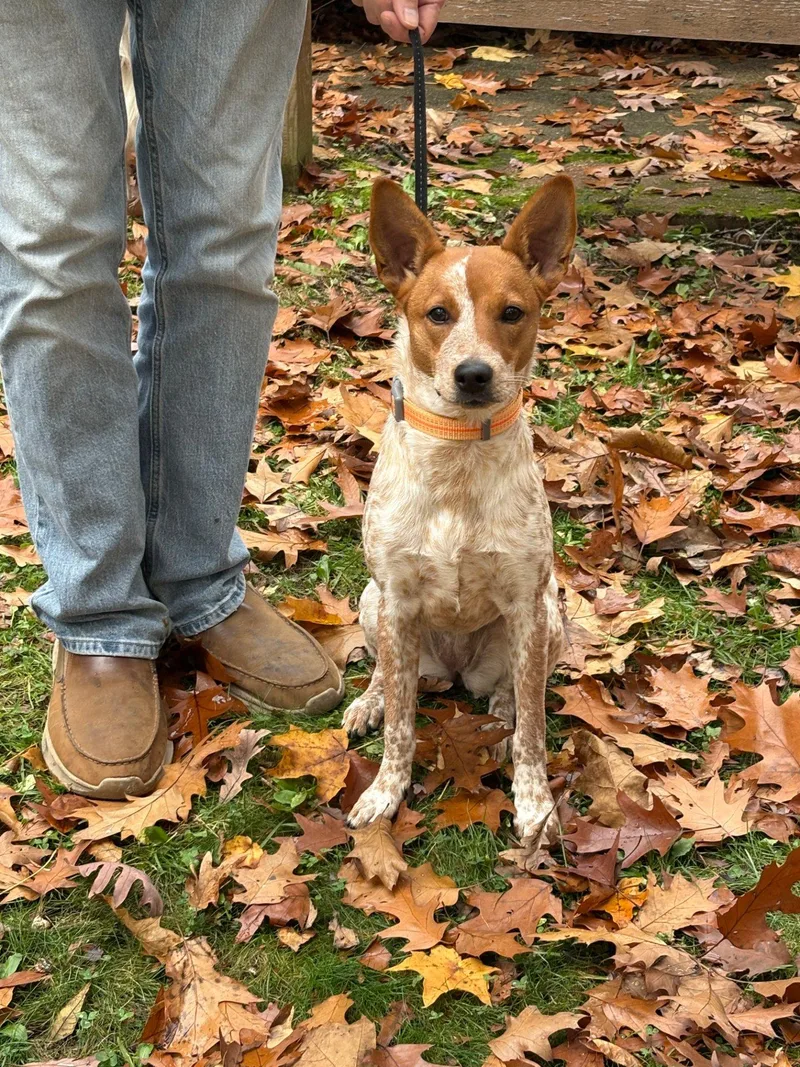
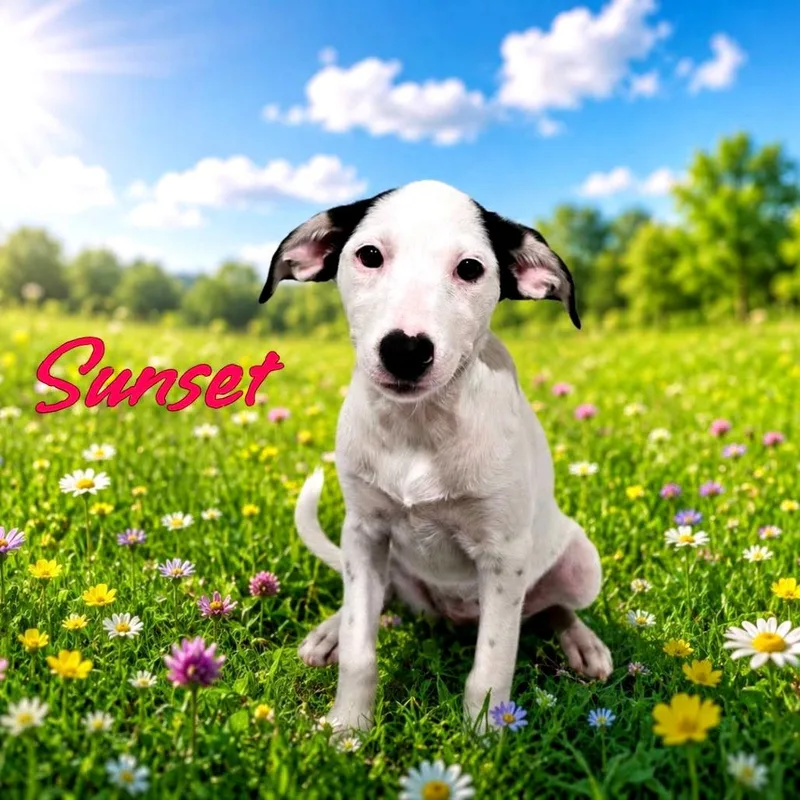
Australian Cattle Dog / Blue Heelers for Adoption in Joliet, IL

Your guide to finding and caring for an Australian Cattle Dog / Blue Heeler in Joliet

Blue Heelers do well in Joliet when their people spend a lot of time outdoors. A fenced yard in one of the newer far west side subdivisions gives a Heeler room to patrol, but the daily run counts for more, and the Rock Run Greenway and I&M Canal trails offer long, mostly paved or limestone miles for a dog with that much stamina. Heelers tend to bond tightly with one person, so they suit someone who's home a fair amount or keeps a steady routine.

4276 Australian Cattle Dog / Blue Heelers available in Joliet and nationwide

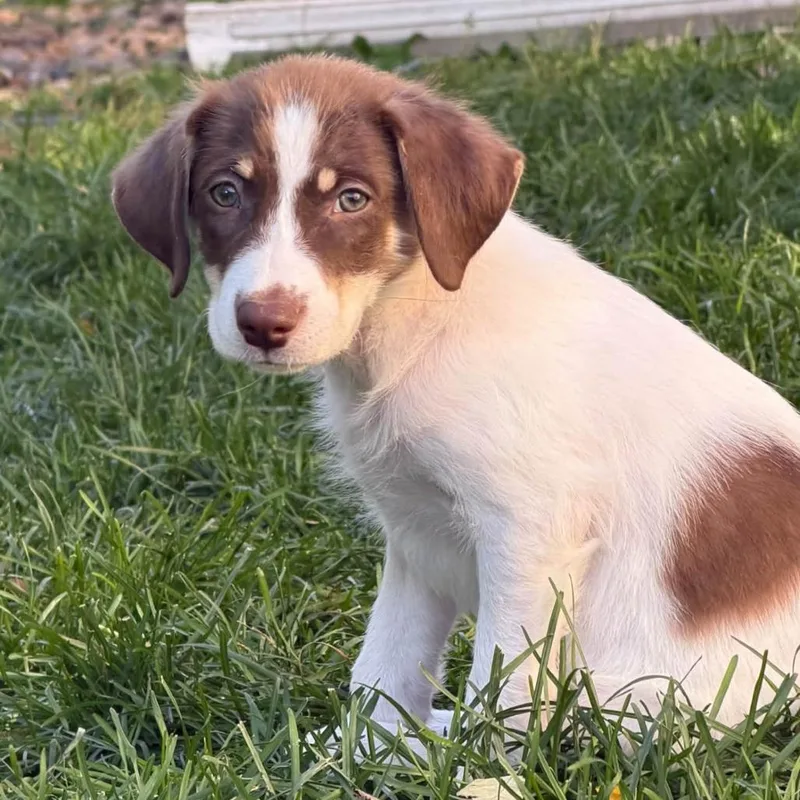
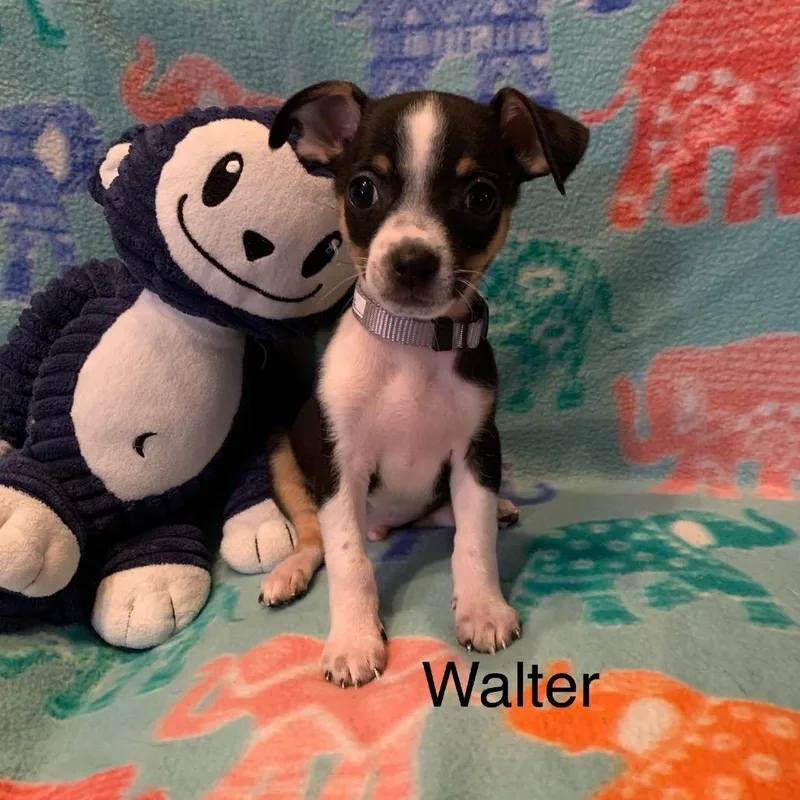
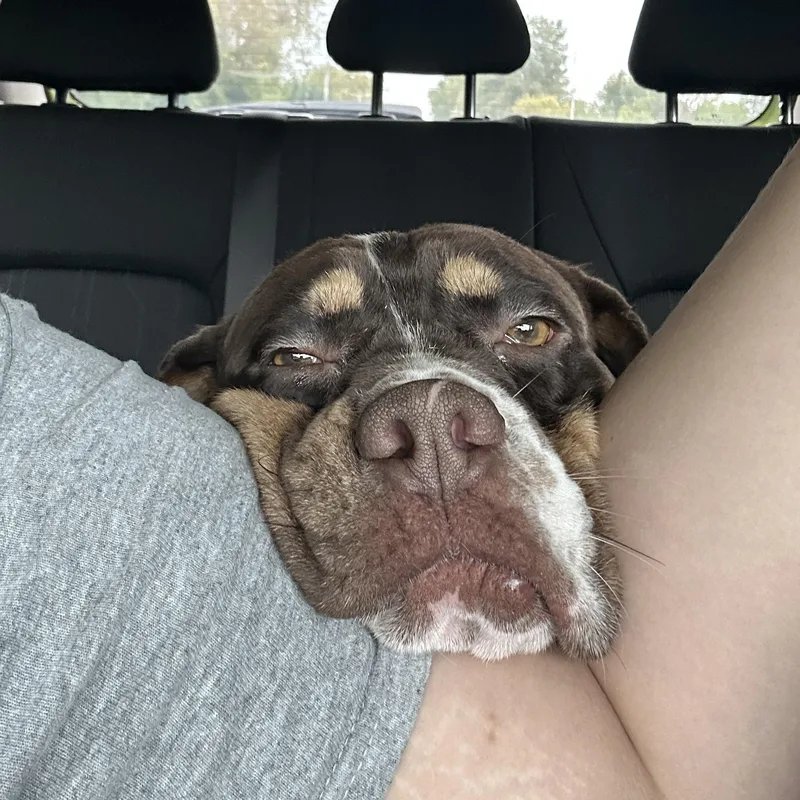
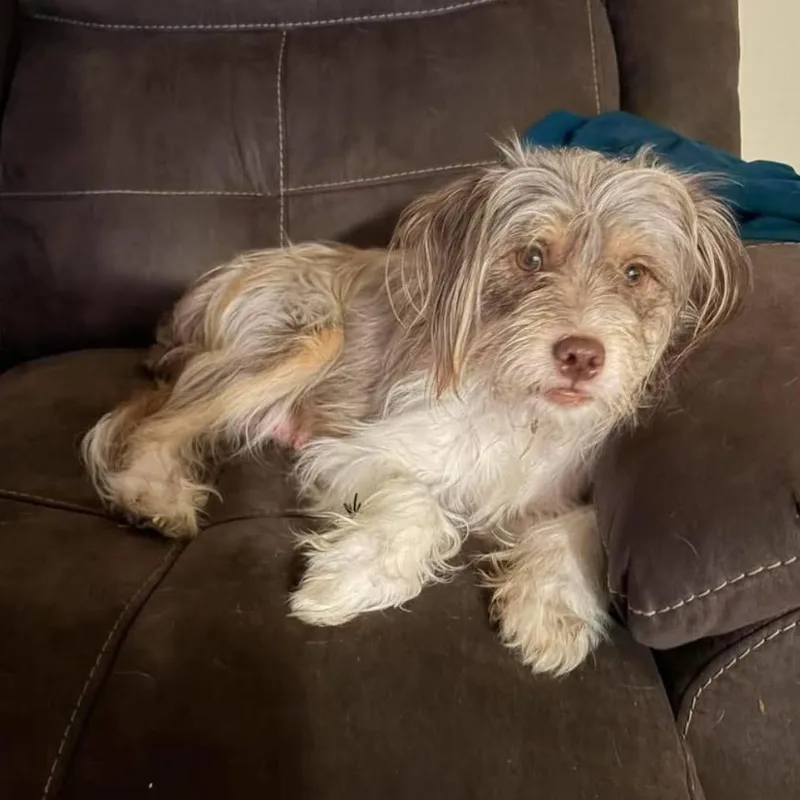
Say hello to your Blue Heeler

Australian Cattle Dog / Blue Heelers Available for Adoption Near Joliet

About the Australian Cattle Dog / Blue Heeler breed

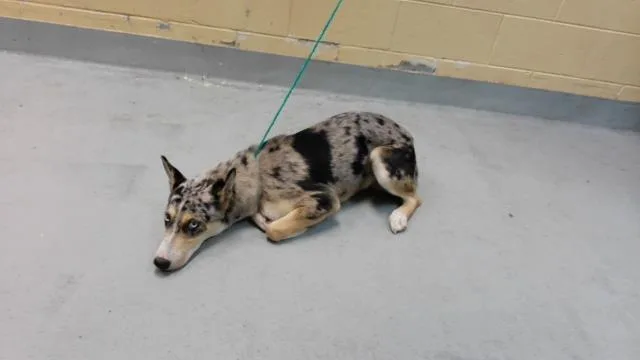
Australian Cattle Dogs, also called Blue Heelers or Queensland Heelers, were developed in 19th-century Australia to move cattle over long distances, nipping at the heels to keep the herd going. The result is a compact, muscular, medium-sized dog of roughly 35 to 50 pounds with a weatherproof double coat in blue or red speckle. That coat suits a Joliet winter well, though it sheds heavily once or twice a year.

Heelers are alert, clever and loyal, often attached to one person and wary of strangers. Their herding instinct can show up as nipping at heels, chasing bikes or bossing other pets, which matters on busy sidewalks and trails. Many live 12 to 16 years, so adopting one is a long commitment. Each dog varies, and age, history and personality shape a Heeler's drive as much as breed does.

Weight
35–50 lbs
Height
17–20 in
Lifespan
12–16 yrs
Temperament
Energetic, Intelligent, Loyal, Alert
Group
Herding
Shedding
Moderate

Owning an Australian Cattle Dog / Blue Heeler in Joliet

Having an Australian Cattle Dog / Blue Heeler in Joliet

Heelers are built for work, so stamina, a sharp mind and herding instincts matter more than size. In Joliet that means trail miles, training sessions and a secure yard or solid leash routine, plus a plan for cold winters and busy sidewalks.

Temperament

Heelers tend to be loyal, alert and confident, often devoted to one person and reserved with strangers. On Joliet sidewalks, expect watchfulness around passersby and a pull to chase bikes or joggers. Early socialization and reward-based training help, though drive varies widely from dog to dog.

Exercise Needs

Plan on an hour or more of vigorous activity daily for a young adult. The Rock Run Greenway and I&M Canal trails allow long runs, and Pilcher Park offers shaded leashed walks. Add training games or puzzle toys, since a walk around the block rarely satisfies a Heeler.

Health Considerations

Heelers are often long-lived, but deafness, progressive retinal atrophy, lens luxation and hip and elbow dysplasia are documented in the breed. A veterinarian can test hearing, check eyes and joints, and discuss screening. Build fitness gradually to protect joints on trails, and rinse road salt from paws in winter.

Living Space

With roughly 70% of Joliet homes being detached houses, many Heelers can have a yard, and it should be securely fenced since a bored Heeler will test it. Apartments work only with long daily exercise. Heelers may bark at passersby, so a window facing a busy sidewalk can be a challenge.

What it costs to own an Australian Cattle Dog / Blue Heeler in Joliet

ExpenseTypical costPer year
Adoption fee$600, one time$600 in year one
Food$35 to $70 per month$420 to $840
Pet insurance$55 to $100 per month$660 to $1,200
Routine vet care$225 to $450 per year$225 to $450
Other*$440 to $1,190 per year$440 to $1,190
Estimated yearly total (after year one)$1,745 to $3,680
First-year total (with adoption fee)$2,345 to $4,280

Adoption fee is the fee on Australian Cattle Dog / Blue Heeler listings in Joliet on GetBuddy today. Other costs are estimates and vary with size, age and health.

* Flea, tick and heartworm prevention, a dental cleaning allowance, the Will County rabies tag, durable toys and bedding, and light home grooming for a short coat.

Adopt an Australian Cattle Dog / Blue Heeler in Joliet.

Now that you know more, let’s find you a new best friend. These rescues and shelters below currently have Australian Cattle Dog / Blue Heelers available.

Rescues in Joliet with Australian Cattle Dog / Blue Heelers Available

Joliet's shelters and rescues list dogs of all ages and types, and the listings below change often. Here are the rescues & shelters in the Joliet area where you can find Australian Cattle Dog / Blue Heelers and other dogs available for adoption.

Frequently Asked Questions

Yes. Joliet has no breed ban, and Illinois law bars local rules aimed at a specific breed. Zoning limits households to two dogs, so a third would need a variance. Dangerous-dog rules apply based on a dog's behavior, not its breed, and a current county rabies tag belongs on the collar.

Yes, Heelers are generally well suited to Joliet's four seasons. Their weatherproof double coat copes with snowy winters, and summers are warm but rarely extreme, so early or evening exercise is usually enough. The bigger question is activity: a Heeler needs daily runs, training and a secure yard or reliable leash routine, whatever the weather.

It's possible, but not easy. Most Joliet homes are houses, so apartment buildings that welcome a 35-to-50-pound dog may take some searching. A Heeler needs an hour or more of hard exercise daily plus training, and may bark at hallway noise or passersby. Confirm pet fees and weight limits before signing a lease.

Lower Rock Run Preserve on McClintock Road has a fenced off-leash dog park for dogs 6 months and older with a rabies tag, and it needs a Will County permit ($40 a year for county residents). For long leashed runs, try the Rock Run Greenway, I&M Canal State Trail or Pilcher Park. Keep leashes under 10 feet in forest preserves and 6 feet in park district parks.

Mostly no. Metra's Rock Island and Heritage Corridor trains allow small pets in enclosed carriers on off-peak weekday and weekend trains, and Pace buses carry caged pets, but a 35-to-50-pound Heeler won't fit a carrier. Service animals are the exception. Plan on driving to trails and vet appointments.

Only to outdoor patios that choose to allow dogs, since policies vary by restaurant. Dining rooms are generally off-limits to pet dogs, with an exception for service animals. A watchful Heeler that reacts to strangers or passersby can find a busy patio stressful, so practice calm settling on a mat at home first, and bring water.

Very little: a weekly brush, plus several brushings a week when the coat blows out once or twice a year. Bathe only when needed. In winter, rinse or wipe paws to remove road salt, and keep nails trimmed. Home grooming fits the Other cost line, roughly $440 to $1,190 a year, which also covers parasite prevention and dental care.

Blue Heelers typically live about 12 to 16 years, and a recent UK study put the breed's average life expectancy at about 14 years, longer than many purebreds. A famous Australian Cattle Dog named Bluey reportedly lived over 29 years, though such records are hard to verify. Staying lean and active and getting regular checkups support a long life.

We have 1 rescue with Australian Cattle Dog / Blue Heelers available: Paws Up 4 Rescue. You can see every rescue with Australian Cattle Dog / Blue Heelers available in the list above these questions, or scroll to the top to see the Australian Cattle Dog / Blue Heelers near Joliet.

Expect roughly $35 to $70 a month for food and $55 to $100 for pet insurance, which runs higher for Heelers because of hereditary eye and hearing conditions. Routine vet care runs about $225 to $450 a year. Other costs, including parasite prevention, dental care, supplies and the rabies tag, add roughly $440 to $1,190 a year.