Labrador Retriever Dogs for Adoption in Elgin, IL

Your guide to finding and caring for a Labrador Retriever in Elgin

Labrador Retrievers suit Elgin's walkable neighborhoods, as long as they get a real workout every day. The paved path running the length of Wing Park makes a good daily loop, and the older grid around Gifford Park is made for easy leashed strolls to the square. Labs are friendly with nearly everyone, so porch neighbors and passing joggers usually get a wagging tail. Plan on hair on the couch, a big appetite and a dog that wants to be wherever you are.

13440 Labrador Retrievers available in Elgin and nationwide

Fall for a Labrador Retriever

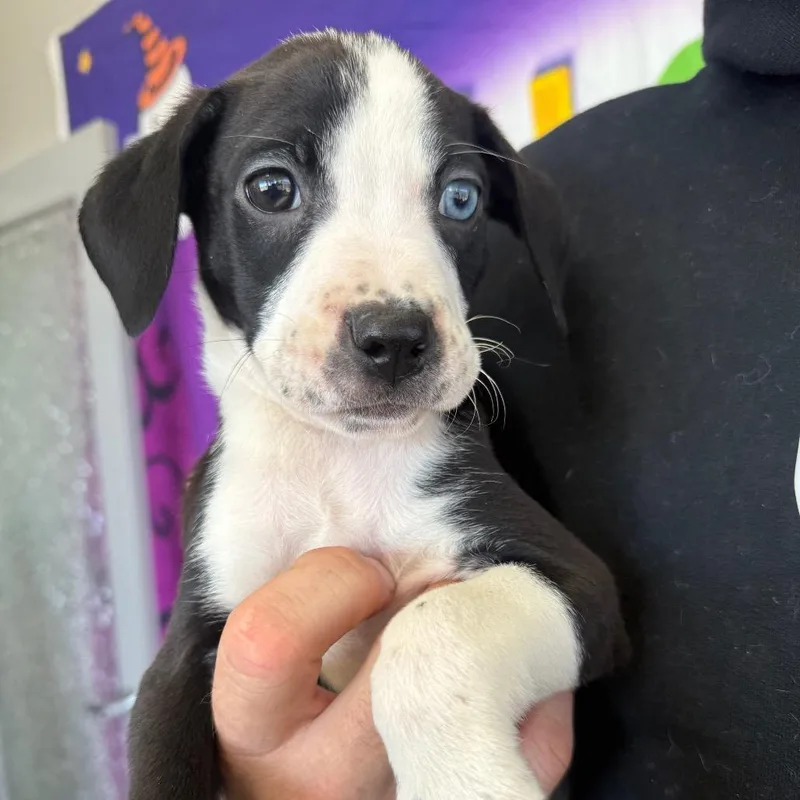
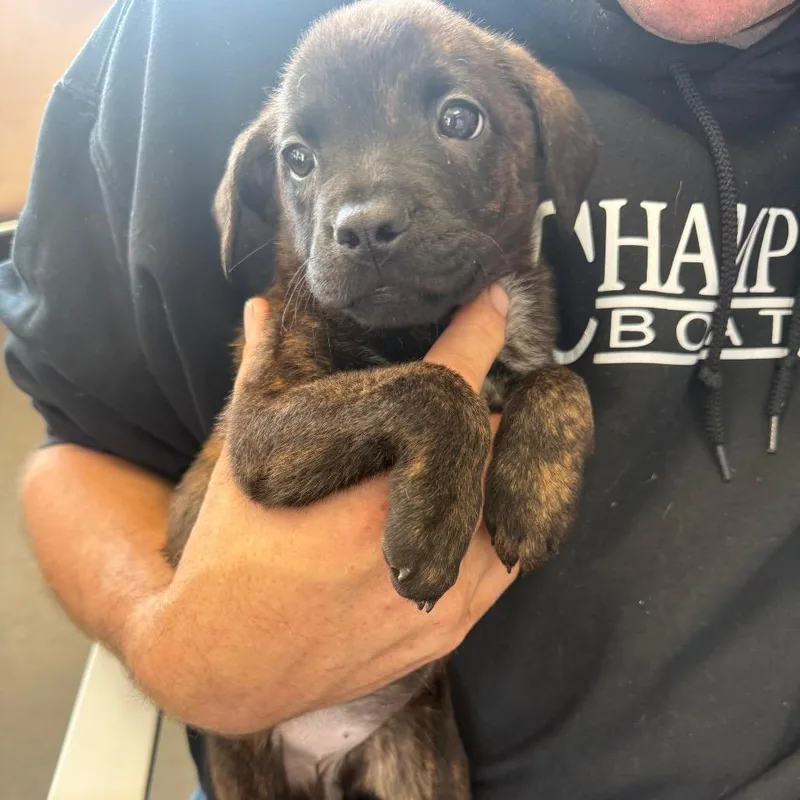
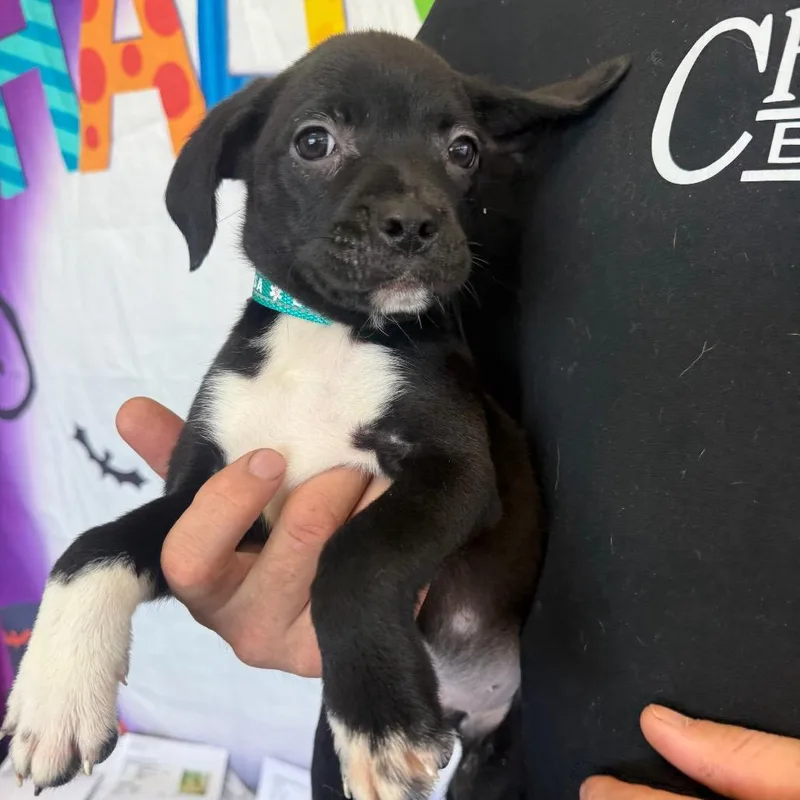
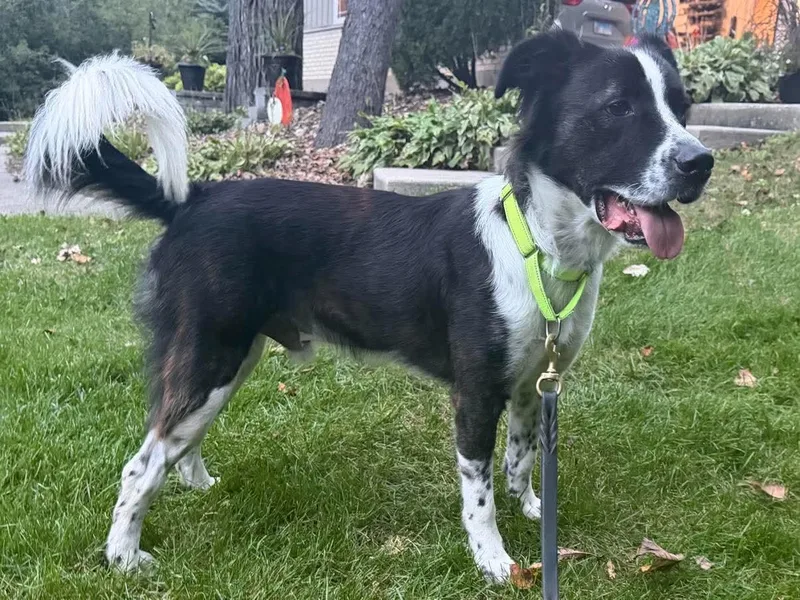
Labrador Retrievers Available for Adoption Near Elgin

About the Labrador Retriever breed

Despite the name, Labradors come from Newfoundland. British sportsmen took the local water dogs, refined them into gun dogs, and the results are still obvious: a dense, water-resistant double coat, webbed feet and a thick otter tail. Labs come in black, yellow and chocolate, and some are leaner and higher-drive than others.

In Elgin, that coat copes well with snow and cold, but it sheds heavily, especially in spring and fall. Labs are eager to please and strongly food-motivated, so training goes well with small rewards and measured portions. Adolescence can be bouncy and last two or three years, so a young Lab needs patience on the sidewalk. Adults and seniors are often calmer.


Weight
55–80 lbs
Height
21–25 in
Lifespan
10–14 yrs
Temperament
Friendly, Outgoing, Active
Group
Sporting
Shedding
Moderate to High

Owning a Labrador Retriever in Elgin

Having a Labrador Retriever in Elgin

Labs pair an open, people-loving outlook with a body built for hours of retrieving. In Elgin, what counts most is matching a Lab's age and energy to your routine, from daily walks to the shedding and winter paw care that come with the breed.

Temperament

Labs are typically friendly with family, visitors and other dogs, which helps on Elgin's busy sidewalks and park paths. Young dogs can be bouncy and mouthy, and food motivates most of them, so treats make training easier. Each Lab differs, and a dog's history and socialization say more than breed reputation.

Exercise Needs

Plan on solid daily activity for a healthy adult: brisk walks, fetch and training games. Wing Park's paved path suits long leashed laps, and Jack Cook Dog Park offers off-leash play from March through November. Winter leans on indoor games and shorter outings. Younger, leaner Labs often need more than calm seniors.

Health Considerations

Labs can face hip and elbow dysplasia, cruciate ligament injuries, ear infections, skin allergies and obesity. Icy sidewalks add a slipping risk for stiff or older joints, and keeping a Lab lean through winter protects them. A veterinarian can check joints, ears and weight at a first visit after adoption.

Living Space

A Lab can do well in a house or an apartment if daily exercise is reliable. Elgin has plenty of single-family homes, and a fenced yard helps for play, but yard time doesn't replace walks. Expect a big tail, plenty of shed hair and a dog that wants to live indoors with its people.

What it costs to own a Labrador Retriever in Elgin

ExpenseTypical costPer year
Food$55 to $110 per month$660 to $1,320
Pet insurance$65 to $130 per month$780 to $1,560
Routine vet care$250 to $500 per year$250 to $500
Other*$590 to $1,490 per year$590 to $1,490
Estimated yearly total (after year one)$2,280 to $4,870

Other costs are estimates and vary with size, age and health.

* Flea, tick and heartworm prevention, a dental cleaning allowance, the county rabies tag, toys and bedding, and brushing and baths for heavy seasonal shedding.

Adopt a Labrador Retriever in Elgin.

Now that you know more, let’s find you a new best friend. These rescues and shelters below currently have Labrador Retrievers available.

Rescues in Elgin with Labrador Retrievers Available

Elgin-area shelters and foster-based rescues work to place dogs of all ages and sizes in new homes. Here are the rescues & shelters in the Elgin area where you can find Labrador Retrievers and other dogs available for adoption.

Frequently Asked Questions

Yes, you can own a Labrador Retriever in Elgin. The city has no known breed-specific rules, and Illinois law bars local ordinances aimed at a breed; dogs are designated dangerous or vicious based on behavior alone. Your vet issues the Kane or Cook County rabies tag, and tethering on public property is banned, so a Lab can't be tied up outside a store.

Yes, most Labs handle Elgin winters well. Their dense, water-resistant double coat copes with 17°F average lows, and many love snow. Shorten walks on the coldest days, and consider a coat for seniors or lean, thin-coated dogs. City advice is to keep pets indoors below freezing, so a Lab's bed belongs inside, not on the porch or in the garage.

Jack Cook Dog Park has a fenced large-dog area for off-leash play from March through November. Freedom Run in Hoffman Estates, shared with Elgin, runs year-round with a $49 resident membership, proof of vaccines including leptospirosis, and a negative fecal test. For leashed walks, Wing Park's paved path is a good long loop for a Lab.

Generally no, unless the Lab is a service animal. Metra's Milwaukee District West Line stops at National Street, Elgin and Big Timber Road, but pets must ride in enclosed carriers that fit on a lap or under a seat, on off-peak weekday and weekend trains. Pace buses let caged pets ride free. A full-size Lab won't fit either, so plan on car trips.

Labs need brushing a couple of times a week, and daily during the heavy spring and fall sheds. Bathe every month or two, trim nails and check ears often, since Labs are prone to infections. After winter walks, wipe paws to remove salt. Home care works well, and occasional professional baths fit within the Other line of the cost table.

Not indoors: pet dogs generally can't go inside restaurants, apart from service animals. Patio access depends on each restaurant and county health rules, so look for a posted policy before you go. Labs are social but can be pushy about food, so practice a calm settle on a mat first. Never leave your Lab in a parked car while you eat.

Most Labrador Retrievers live about 10 to 14 years. A large UK veterinary study found a median lifespan of 12 years, with chocolate Labs living about a year and a half less on average than black or yellow ones. Healthy weight, regular veterinary care and good dental and joint care all help, but no lifespan is guaranteed.

A Labrador Retriever is a large sporting dog originally developed to retrieve game birds for hunters, especially from water. Labs have a short, dense double coat, a thick otter-like tail and a broad head, and they come in black, yellow and chocolate. Many are friendly, food-motivated and eager to work, which makes them popular family, guide and service dogs.

We have 1 rescue with Labrador Retrievers available: Hoof Woof Meow Animal Rescue. You can see every rescue with Labrador Retrievers available in the list above these questions, or scroll to the top to see the Labrador Retrievers near Elgin.

Budget roughly $2,300 to $4,900 a year for a Lab: food runs $55–$110 a month, insurance $65–$130 a month, routine vet care $250–$500 a year, and other costs such as prevention, dental care and grooming $590–$1,490 a year. Illness or injury adds more.