Siberian Husky Dogs for Adoption in Chicago, IL

Your guide to finding and caring for a Siberian Husky in Chicago

Chicago's cold winters suit a Siberian Husky, but the dog still needs a busy daily routine. On the bungalow and two-flat blocks around Portage Park, a Husky can burn off energy on a long walk to the park's off-leash area, then settle in at home, ideally with a securely fenced yard. Huskies are social and tend to howl, dig and wander when left alone all day. They also shed heavily twice a year, so expect fur on every rug.

2351 Siberian Huskies available in Chicago and nationwide

Open your home to a Siberian Husky

Siberian Huskies Available for Adoption Near Chicago

About the Siberian Husky breed

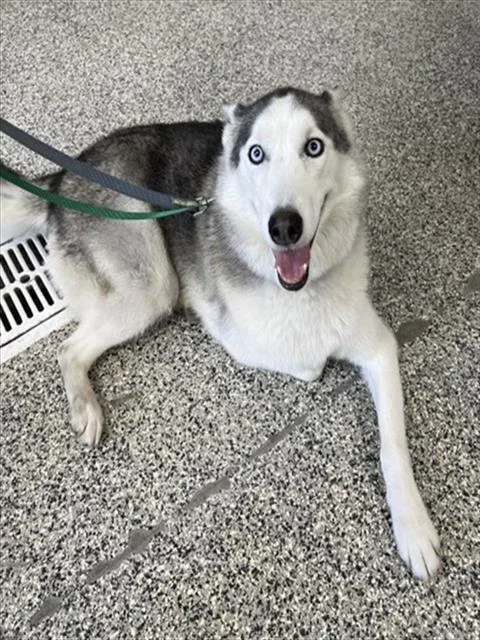
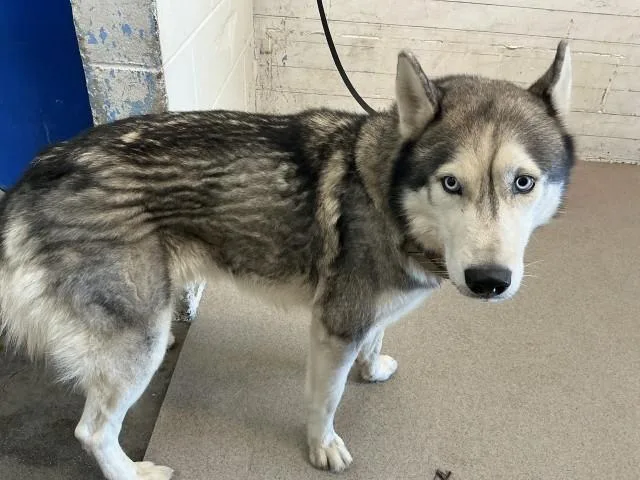
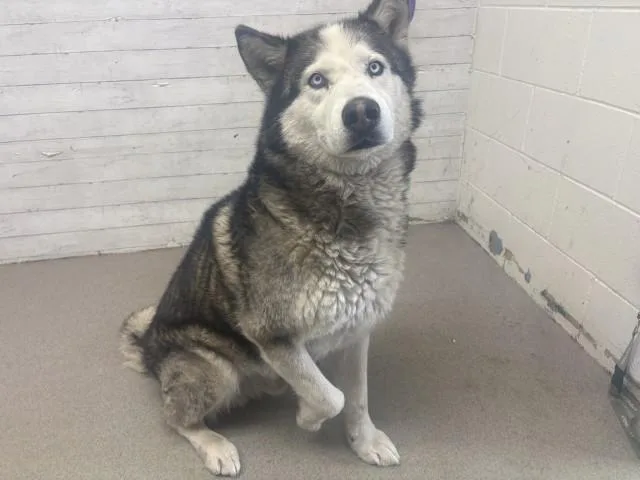
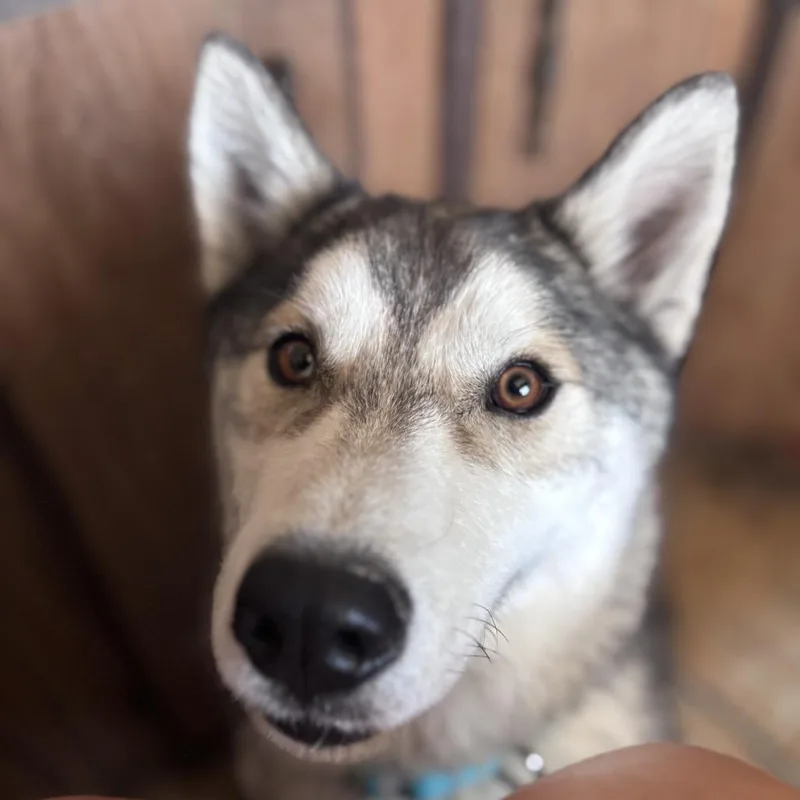
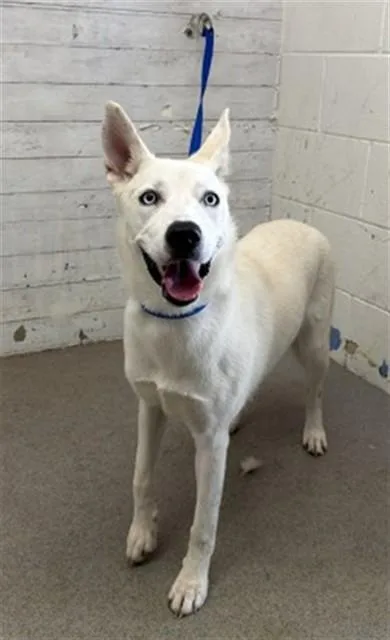
The Siberian Husky is a medium-sized working dog that came from the Chukchi people of northeastern Siberia, where teams pulled light loads across frozen ground for long distances. Huskies reached Alaska in the early 1900s and became famous through the 1925 serum run to Nome. Most weigh 35 to 60 pounds, with a thick double coat, erect ears and eyes that can be brown, blue or one of each.

Many Huskies are friendly and playful with nearly everyone, so they make poor guard dogs. They also think for themselves, run if a gate is left open and often have a strong chase instinct. In Chicago, where dogs must be leashed off your property, that means leashed walks and a secure yard. Dogs vary, so a Husky's own personality matters more than the breed's reputation.

Weight
35–60 lbs
Height
20–24 in
Lifespan
11–14 yrs
Temperament
Friendly, Energetic, Independent
Group
Working
Shedding
High

Owning a Siberian Husky in Chicago

Having a Siberian Husky in Chicago

Huskies pair sled-dog stamina with a free-thinking streak. In Chicago, the cold is rarely the problem. The bigger questions are daily exercise, fencing, shedding and humid July heat. Each Husky differs, so weigh these traits against your own routine and home.

Temperament

Many Huskies are outgoing, gentle and playful, and they often greet strangers as friends, so don't count on one to guard a Chicago two-flat. Most enjoy other dogs, but a strong prey drive can put cats and small pets at risk. They're independent and can seem stubborn, and most dislike being alone all day.

Exercise Needs

Plan on vigorous exercise every day: long walks, jogging or a leashed run along the Lakefront Trail. Huskies rarely have reliable recall, and Chicago requires a leash off your property, so stick to a leash or a securely fenced area. Puzzle toys and training help with boredom, and in summer heat, exercise early or late.

Health Considerations

Huskies are generally robust, but eye problems such as juvenile cataracts and corneal dystrophy occur, and some develop a zinc-responsive skin condition. Their thick coat raises heatstroke risk on humid Chicago summer days. Regular vet checkups, including eye exams, help catch problems early, and a vet can advise on screening for any Husky you adopt.

Living Space

A Husky can live in a Chicago apartment or house if its exercise gets met every day, but a tall, secure fence helps, since many dig under or climb over short ones. Because many Chicagoans rent, check lease size and breed rules first. Huskies do best indoors with company and air conditioning.

What it costs to own a Siberian Husky in Chicago

ExpenseTypical costPer year
Food$35 to $70 per month$420 to $840
Pet insurance$45 to $85 per month$540 to $1,020
Routine vet care$225 to $450 per year$225 to $450
Other*$546 to $1,371 per year$546 to $1,371
Estimated yearly total (after year one)$1,731 to $3,681

Other costs are estimates and vary with size, age and health.

* The $5 Chicago dog license for a sterilized dog, the Cook County rabies tag, a Dog Friendly Area permit, a dental cleaning allowance, flea, tick and heartworm prevention, toys and bedding, and brushing tools and baths for twice-yearly coat blowouts.

Adopt a Siberian Husky in Chicago.

Now that you know more, let’s find you a new best friend. These rescues and shelters below have dogs available in and near Chicago.

Frequently Asked Questions

Yes, Siberian Huskies handle Chicago winters well. Their double coat was built for cold, and the city's winter highs of 22 to 35°F suit it. Skip unsupervised time outside on the coldest nights, wipe paws after salted sidewalks, and keep walks going in the snow. Never shave the coat, and check for ice between the toes.

Almost certainly not. The CTA allows only small pets in a closed carrier that one person can carry and that fits under a seat, so a 35-to-60-pound Husky can't ride the 'L' or CTA buses unless it's a service animal. Plan on walking, or use a car for longer trips and vet visits.

Uptown has three Dog Friendly Areas within walking distance: Montrose Dog Beach, Puptown and Clarendon. Each dog needs a $10 yearly permit with vaccine proof. Because Huskies often ignore recall, a leashed walk on the Lakefront Trail or The 606 is usually safer. Dogs aren't allowed on Chicago's general public beaches.

Yes. Chicago has no breed-specific rules, and Illinois law bars cities from regulating dogs by breed. You'll need to register your Husky with the City once it's four months old, keep its rabies vaccination current, and keep it leashed off your property. Landlords and condo boards can still set their own breed or weight limits.

It can, if daily exercise is guaranteed. Huskies need vigorous activity and company, and they tend to howl, so thin walls and long workdays are the main hurdles. Look for a building without weight limits, and plan on long walks morning and evening plus puzzle toys and training games on the days when the weather keeps you in.

It can be for active adopters who are home a fair amount. The cold suits the breed, and the city's trails and Dog Friendly Areas give a Husky places to burn energy. The tougher parts are humid summer heat, small rentals and coyotes, which live throughout the city, so keep walks leashed and don't leave your Husky outside alone.

Only sometimes. Service animals are always allowed, but otherwise dog access is limited and the rules on patios are unsettled. Some Chicago restaurants and bars welcome dogs on patios in warm months, and it's each business's choice. Dogs aren't allowed indoors. Practice a calm down-stay at home before trying a patio with your Husky.

A Husky needs brushing a few times a week, and daily during its two heavy sheds, usually spring and fall. Salted winter sidewalks mean wiping paws after walks, and humid summers make thorough brushing important for airflow. Never shave the coat. Baths or a groomer's blowout fall within the Other costs of roughly $546 to $1,371 a year.

A Siberian Husky is a medium-sized working dog developed as a sled dog in northeastern Siberia. Huskies weigh about 35 to 60 pounds and have a thick double coat, erect ears and often striking blue or mismatched eyes. They are known for endurance, friendliness and independence, and they need plenty of exercise, secure fencing and company to thrive.

Expect roughly $1,730 to $3,680 a year for a Husky in Chicago, covering food ($35 to $70 a month), pet insurance ($45 to $85 a month), routine vet care ($225 to $450 a year) and other costs ($546 to $1,371 a year), including the dog license, grooming and parasite prevention.