Klee Kai Dogs for Adoption in Chicago, IL

Your guide to finding and caring for a Klee Kai in Chicago

Klee Kai suit Lincoln Square's small apartment buildings well, though they bring a big husky personality. At 6 to 22 pounds they're easy to carry down a flight of stairs, and River Park's off-leash area by the river is close for a daily run. A Klee Kai wants a real walk every day, puzzles for its clever mind, and people who are around a fair amount. If you're thinking of adopting one in Chicago, it's a match for active adults.

17 Klee Kais available in Chicago and nationwide

Your Klee Kai is waiting

While we don't have enough dogs near Chicago, keep in mind that many rescues may offer transport.

Klee Kais Available for Adoption Near Chicago

About the Klee Kai breed

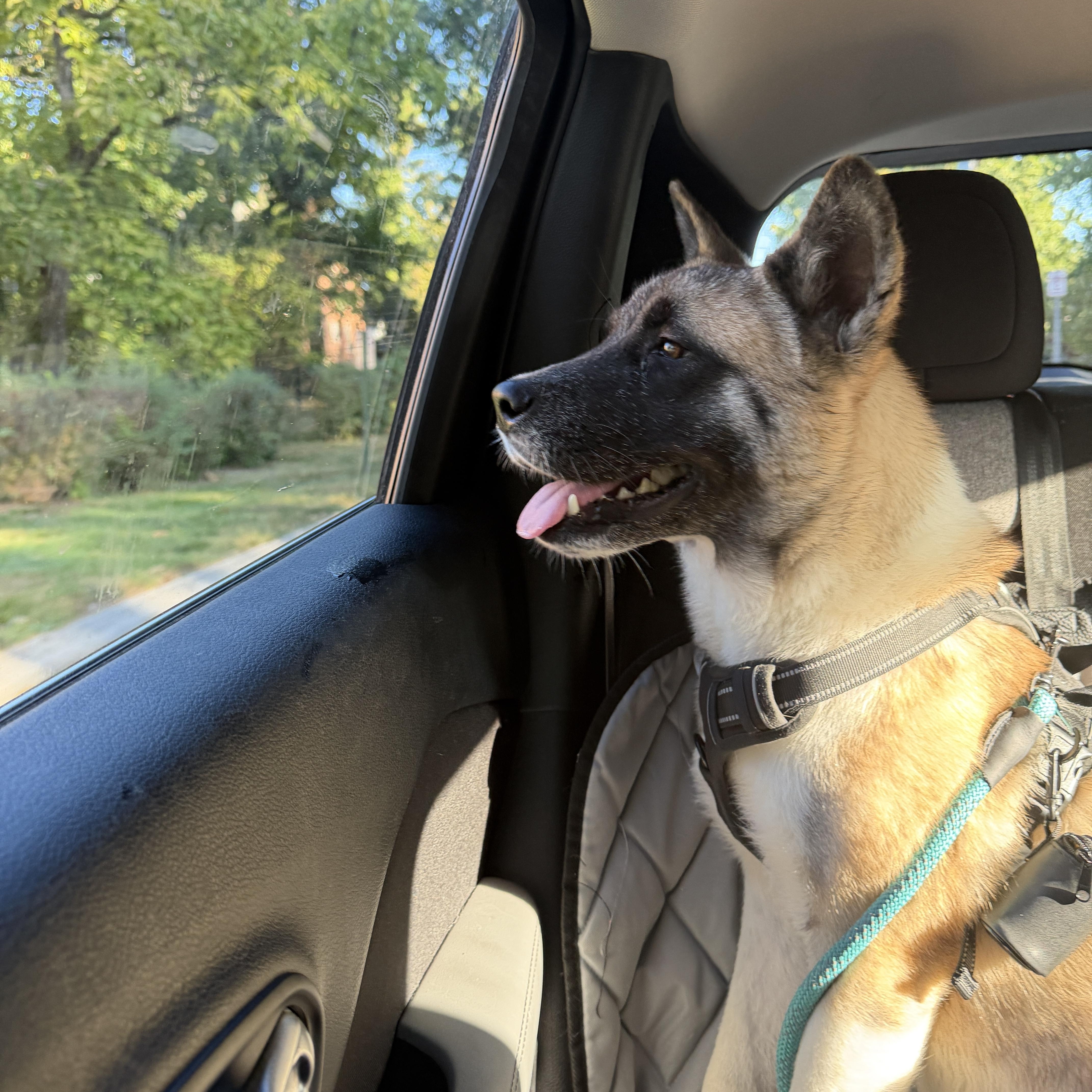
The Alaskan Klee Kai was developed in Alaska in the 1970s as a companion-sized take on the Alaskan Husky, with Siberian Husky, Schipperke and American Eskimo Dog added to bring the size down. It looks like a miniature husky, with a facial mask, erect ears, a curled tail and a thick double coat, and it comes in toy, miniature and standard sizes.

Many Klee Kai are reserved with strangers, devoted to their own people, and quick to chase squirrels or other small animals. They're energetic, clever and chatty, with husky-style howls. Dogs vary, so spend time with a dog before deciding. Expect a coat that sheds moderately all year and blows out about twice a year, plus a secure leash on every Chicago walk.


Weight
6–22 lbs
Height
12–17 in
Lifespan
12–16 yrs
Temperament
Alert, Curious, Intelligent, Energetic
Group
Miscellaneous
Shedding
Moderate to High

Owning a Klee Kai in Chicago

Having a Klee Kai in Chicago

A Klee Kai packs husky energy and brains into a small body. In Chicago, the day-to-day questions are apartment noise, getting enough exercise through a long winter, and keeping a quick, prey-driven dog safely leashed on busy streets and in parks.

Temperament

Klee Kai are usually affectionate with family and watchful with strangers, so a crowded sidewalk or a shared elevator may call for slow, treat-rewarded introductions. Many are vocal, and chasing squirrels is common. Some dogs are choosy about other dogs, and gentle, ongoing socialization helps a Klee Kai stay confident in the city.

Exercise Needs

Plan on vigorous daily activity: brisk walks, fetch or trick training, plus puzzle toys. Chicago's only legal off-leash spots are the Park District's dog friendly areas, and most are small, so leashed walks along the Lakefront Trail or The 606 do much of the work. A bored Klee Kai may dig, chew or howl.

Health Considerations

Klee Kai are generally sturdy, but breed concerns include juvenile cataracts, liver disease, heart problems, thyroid issues, slipping kneecaps and factor VII deficiency, an inherited clotting disorder with a DNA test. Your veterinarian can check eyes, kneecaps and heart at the first visit and advise on bleeding-disorder testing before any surgery.

Living Space

Chicago is a renter's city, and a Klee Kai's size suits apartments and condos, including buildings with dog weight limits. Its howls can carry through thin walls, so building noise matters. Yards need tall, dig-proof fencing, and homes with cats or other small pets need careful, gradual introductions.

What it costs to own a Klee Kai in Chicago

ExpenseTypical costPer year
Food$20 to $45 per month$240 to $540
Pet insurance$35 to $70 per month$420 to $840
Routine vet care$200 to $400 per year$200 to $400
Other*$480 to $1,255 per year$480 to $1,255
Estimated yearly total (after year one)$1,340 to $3,035

Other costs are estimates and vary with size, age and health.

* The $5 Chicago dog license for a spayed or neutered dog, flea, tick and heartworm prevention, a dental cleaning allowance, toys and bedding, and extra brushing when the double coat sheds out.

Adopt a Klee Kai in Chicago.

Now that you know more, let’s find you a new best friend. These rescues and shelters below have dogs available in and near Chicago.

Frequently Asked Questions

Start with the Park District's off-leash dog friendly areas, such as Montrose Dog Beach, Puptown and Clarendon in Uptown, or River Park near Lincoln Square. Each dog needs a permit tag first, and puppies under four months aren't allowed. For leashed walks, try the Lakefront Trail or The 606. A Klee Kai's chase instinct makes a leash essential elsewhere.

Yes, a Klee Kai's double coat suits Chicago winters, and many love snow. Keep walks short on the rare below-zero nights, swap in indoor games like puzzle toys, and check your fence, since deep drifts can make it easier to hop. Wipe paws after salted sidewalks, and add a sweater for toy-sized or older dogs.

Yes, nothing in Chicago or Illinois law targets Klee Kai, since state law bars breed-specific rules. Leash rules matter more for a chasing-prone breed: off your property, a dog must be leashed and under control, with fines starting at $300. Landlords can still set their own breed or weight limits, so read your lease first.

Only if the dog fits in a closed carrier. CTA buses and 'L' trains allow only small pets in a carrier that fits under a seat and can be carried by one person, so a toy-sized Klee Kai may qualify while a 20-pound standard likely won't. Metra has allowed carriers on weekends and off-peak weekday trains; confirm its current rules before riding.

Not reliably. Some Chicago restaurants and bars welcome dogs on patios in warm months, but that's the business's choice and the city's rules have been unsettled, so don't count on it. Dogs other than service animals aren't allowed indoors at food businesses. A reserved Klee Kai may also find a crowded patio stressful, so practice settling calmly at home first.

Plan on brushing a few times a week, and daily during the heavy sheds in spring and fall. In winter, wipe paws and bellies after salted walks. Don't shave the double coat for Chicago's humid summers, since it helps insulate against heat. Professional grooming is optional, and any sessions fit within the Other costs listed above.

Alaskan Klee Kai come in three sizes: toy dogs stand up to 13 inches at the shoulder, miniatures over 13 to 15 inches, and standards over 15 to 17 inches. Weights typically run from under 10 pounds for toys to about 16 to 22 pounds for standards. Even within a litter, puppies can grow into different size varieties.

An Alaskan Klee Kai is a small, husky-like companion dog developed in Alaska in the 1970s from Alaskan Husky, Siberian Husky, Schipperke and American Eskimo Dog lines. It has a facial mask, erect ears, a curled tail and a double coat, and comes in three sizes. Many are energetic, intelligent and vocal, and often reserved with strangers.

Yes, Alaskan Klee Kai shed. Their double coat sheds moderately year-round and then blows out heavily about twice a year, when the undercoat comes loose in clumps for a few weeks. Brushing once or twice a week, and daily during heavy shedding, keeps hair under control. Shaving is not recommended because the coat insulates and protects the skin.

Budget roughly $1,340 to $3,035 a year for a Klee Kai in Chicago. That covers food at $20 to $45 a month, insurance at $35 to $70 a month, routine vet care at $200 to $400 a year, and other costs at $480 to $1,255 a year. Your dog's age and health will move the total.

Find Klee Kais in Nearby Cities

Expand your search to find Klee Kais available for adoption near Chicago.