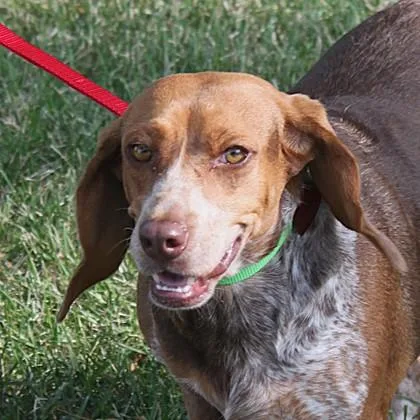

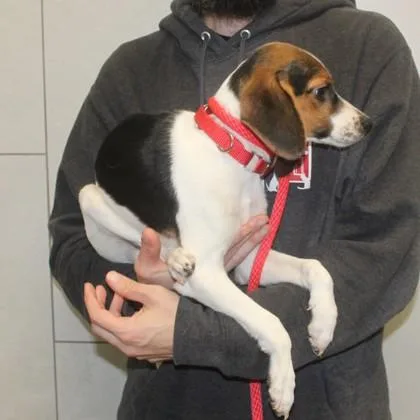
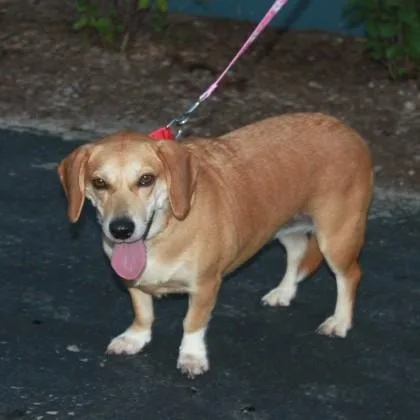

Hamiltonstovare Dogs for Adoption in Chicago, IL

Your guide to finding and caring for a Hamiltonstovare in Chicago

A Hamiltonstovare fits Chicago best in a house with a fenced yard, like the single-family blocks of Beverly or Mount Greenwood. This Swedish scent hound is friendly and athletic, and it will happily cover miles on a long daily walk. It's also rare in the US, so you may see few or none listed at any given time. The fence matters because a fresh scent can override recall, and Chicago's leash rule applies the moment you leave your property.

5101 dogs similar to Hamiltonstovare available in Chicago and nationwide

Say hello to your Hamiltonstovare

Hamiltonstovares and Similar Breeds Available for Adoption Near Chicago

About the Hamiltonstovare breed

The Hamiltonstovare comes from Sweden, where Count Adolf Hamilton, founder of the Swedish Kennel Club, developed it in the 1800s to trail hare and fox alone rather than in a pack. It's a medium-sized, athletic hound, usually 50 to 60 pounds, with a close-lying tricolor coat of black, tan and white.

In Chicago, that history shows up in everyday routines. Most Hamiltonstovares are friendly and even-tempered, but the nose leads, so patient training and a secure fence matter more than size. Lifelong recall practice, long walks and scent games keep the dog content. Because the breed is uncommon in the US, watch the listings on this page, and look at similar hound breeds if none appear.

Weight
50–60 lbs
Height
19–24 in
Lifespan
10–13 yrs
Temperament
Friendly, Energetic, Independent
Group
Hound
Shedding
Moderate

Owning a Hamiltonstovare in Chicago

Having a Hamiltonstovare in Chicago

Stamina, a strong nose and a loud voice define this hound more than its size. In Chicago, that means planning for daily exercise, a secure fence and a leash whenever you're off your own property.

Temperament

Hamiltonstovares are usually friendly, even-tempered and sociable, and many enjoy other dogs. They can also be stubborn and easily distracted by scent, so short, rewarding training sessions work best. Small pets may trigger chasing, so introductions need care. Like any breed, each dog varies, and a well-mannered leash walker on a busy sidewalk takes practice.

Exercise Needs

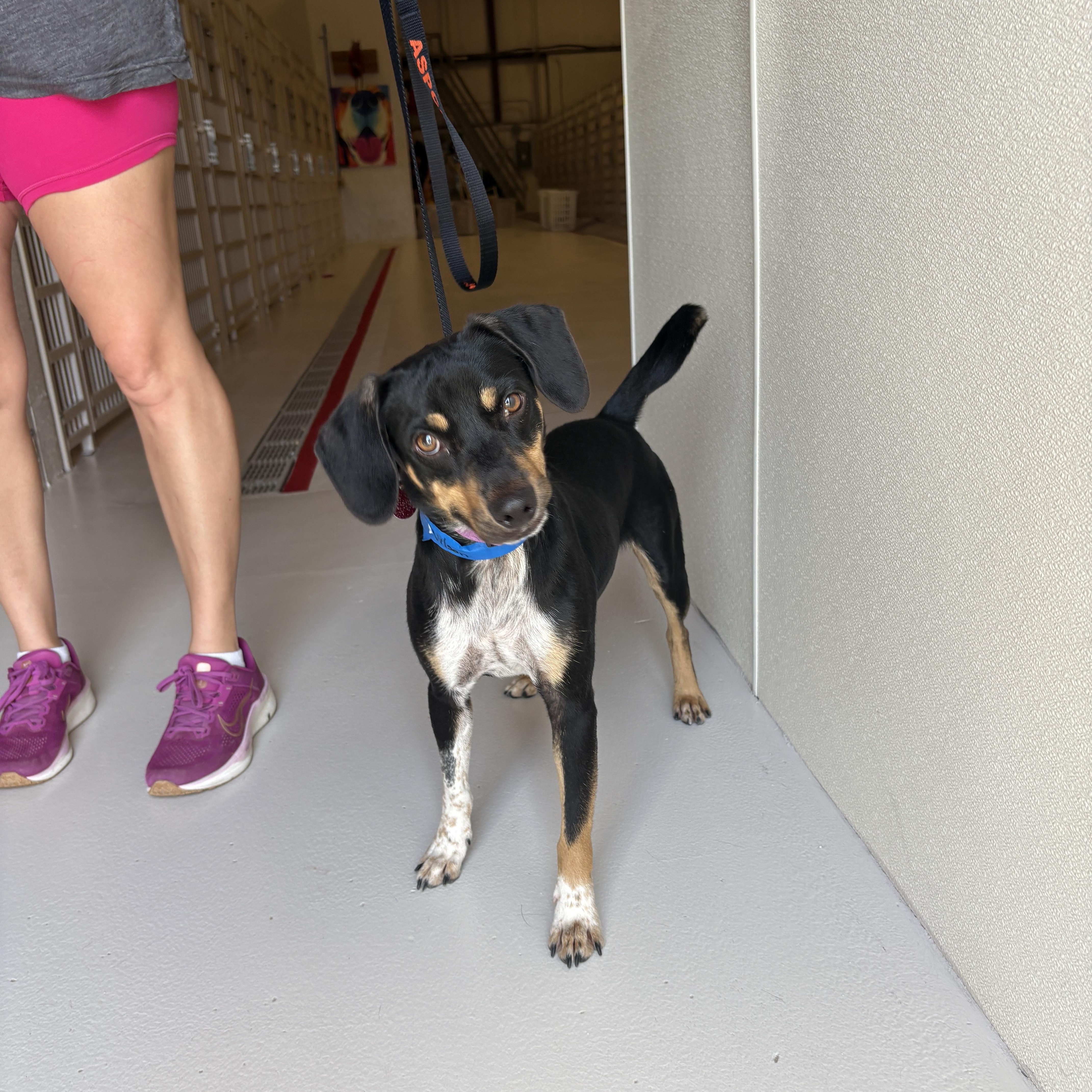
Plan on long daily walks, a jog once the dog is mature, and scent games. Chicago's only off-leash options are the Park District's dog friendly areas, which require a $10 yearly permit; elsewhere, keep the dog leashed, including on the Lakefront Trail or The 606. A scent-driven hound shouldn't run loose in any unfenced space.

Health Considerations

Hip dysplasia occurs in the breed, and drop ears need regular checks for infection, especially after rain, snow or a humid summer week. Keeping the dog lean supports its joints. Data outside Scandinavia is limited, so schedule routine wellness visits and have a veterinarian review any records that come with the dog.

Living Space

A house with a fenced yard suits the breed best, and Chicago has plenty of single-family blocks on its Southwest and Far Southwest Sides. A condo or apartment can work for an adult dog with long daily outings, but baying may carry through shared walls if the dog is bored or left alone for long stretches.

What it costs to own a Hamiltonstovare in Chicago

ExpenseTypical costPer year
Food$35 to $70 per month$420 to $840
Pet insurance$45 to $85 per month$540 to $1,020
Routine vet care$225 to $450 per year$225 to $450
Other*$430 to $1,155 per year$430 to $1,155
Estimated yearly total (after year one)$1,615 to $3,465

Other costs are estimates and vary with size, age and health.

* The $5 Chicago license for a sterilized dog, a dental cleaning allowance, flea, tick and heartworm prevention, toys and bedding, and occasional grooming.

Adopt a Hamiltonstovare in Chicago.

Now that you know more, let’s find you a new best friend. These rescues and shelters below have dogs available in and near Chicago.

Frequently Asked Questions

Yes, Chicago has no breed bans, and Illinois law bars breed-specific rules. You'll need to register the dog with the city at four months or older, add a Cook County rabies tag, and keep it leashed off your property. The breed is rare, so watch the listings on this page, browse similar hound breeds, or save a search.

Mostly no. The CTA allows only small pets inside a closed carrier that fits under a seat and can be carried by one person, and a 50 to 60 pound Hamiltonstovare won't qualify. Service animals are always permitted. Plan on walking, driving or a pet-friendly ride, and never leave the dog in a parked car.

For off-leash play, try a Park District dog friendly area such as Montrose Dog Beach, Churchill or Walsh. They need a $10 yearly permit and are small, so add leashed miles on the Lakefront Trail or The 606. Keep the dog leashed elsewhere, since a hound's nose can override recall in an instant.

Generally yes, with some help. Chicago winters bring about 38 inches of snow and a few below-zero nights, and the breed's short coat can leave it chilly on long outings. A sweater or coat, wiped paws after salted sidewalks, and shorter walks on the coldest days keep a Hamiltonstovare comfortable. It should sleep indoors.

It can, if the dog is an adult getting long daily walks and scent games. The bigger issues are the breed's baying, which can carry through shared walls, and building size limits, since many Chicago landlords cap dog weight. Confirm the weight rule and any pet fee or rent before applying for a 50 to 60 pound hound.

Very little. A weekly brush keeps the close-lying coat tidy, with a bath only when needed. In Chicago, the extra work is seasonal: wipe salt off paws in winter, dry the drop ears after rain or snow, and trim nails. Grooming is a small part of the yearly Other costs, typically $0 to $100.

Don't count on it. Some Chicago restaurants and bars welcome dogs on patios in warm months, but it's the business's choice, and the rules have been unsettled. Dogs aren't allowed indoors at restaurants unless they're service animals. If you try a patio, keep the dog leashed and settled under the table.

Yes, Hamiltonstovares shed, though their short, close-lying coat makes care easy. Expect a moderate amount of hair year-round, with heavier shedding when the coat changes with the seasons. A weekly once-over with a rubber curry brush or hound glove removes most loose hair. They are not hypoallergenic, so people with dog allergies should spend time with one before adopting.

Hamiltonstovares can be loud, but they are not usually constant barkers at home. The breed was developed to give tongue, baying as it follows a scent so hunters can track it, and that voice comes out when a dog catches an interesting trail or grows bored. Plenty of exercise, scent games and company keep household noise lower.

Budget about $35 to $70 a month for food, $45 to $85 a month for insurance, $225 to $450 a year for routine vet care, and $430 to $1,155 a year for everything else, including the license, parasite prevention and dental care. Costs vary by dog, and a very active hound may eat toward the higher end.