Black Russian Terrier Dogs for Adoption in Chicago, IL

Your guide to finding and caring for a Black Russian Terrier in Chicago

A Black Russian Terrier suits Chicago best in a house with a fenced yard, like the single-family blocks of Beverly or Mount Greenwood. Both neighborhoods are mostly houses, which gives a dog this big room to move. Black Russians are calm, watchful and attached to their families, so they do better with people who are home often than with long workdays. Expect steady training, a trim every six to eight weeks, and a daily walk even when January sidewalks are icy.

2696 dogs similar to Black Russian Terrier available in Chicago and nationwide

Find your Black Russian Terrier

Black Russian Terriers and Similar Breeds Available for Adoption Near Chicago

About the Black Russian Terrier breed

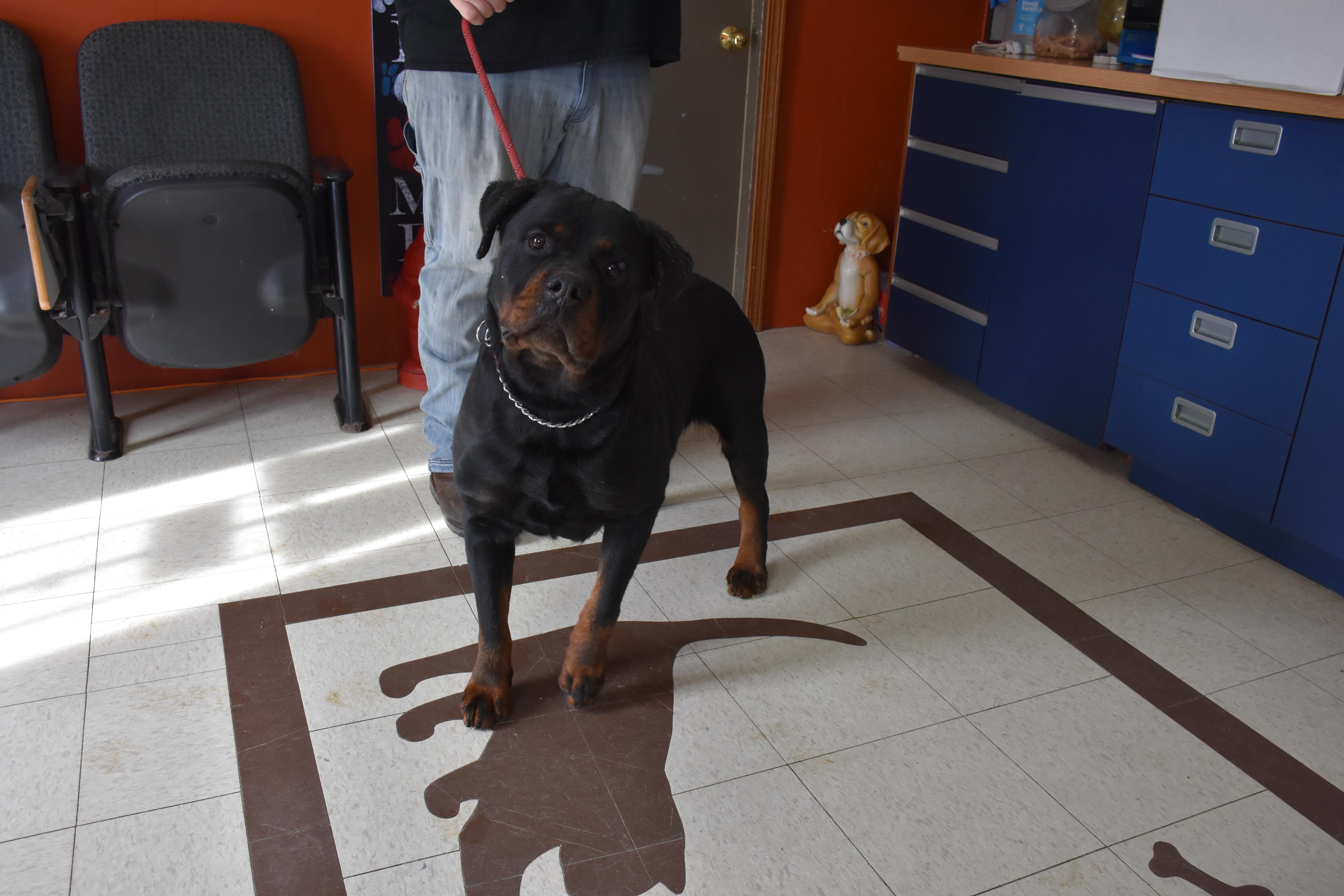
The Black Russian Terrier isn't a true terrier. The Soviet Army's Red Star Kennel developed it in the late 1940s and 1950s as a tough working and guard dog, mixing about 17 breeds that include the Giant Schnauzer, Airedale, Rottweiler and Newfoundland. The result is a heavy-boned, wavy-coated black dog with a bearded muzzle, typically 80 to 130 pounds.

Many Black Russians are calm, confident and devoted to their families, and reserved with strangers. They're smart and usually trainable, but their size and protective streak call for a consistent handler and thorough socialization. In Chicago, that means planning for leashed walks on crowded sidewalks and a coat that needs brushing a few times a week plus professional trims. Dogs vary, so a dog's own history and behavior matter more than the breed label.

Weight
80–130 lbs
Height
26–30 in
Lifespan
10–12 yrs
Temperament
Confident, Protective, Loyal
Group
Working
Shedding
Low

Owning a Black Russian Terrier in Chicago

Having a Black Russian Terrier in Chicago

Black Russians pair a guardian's watchfulness with a steady, family-focused nature. In Chicago, the big questions are space, time for training and grooming, and how a heavy black coat handles humid July heat as well as snowy winters.

Temperament

Many Black Russians are calm and self-assured with their own people and aloof with strangers. On busy Chicago sidewalks, that means a short leash, calm introductions, and early, ongoing socialization with reward-based training. Not every dog fits the pattern, so watch how the dog handles new people, noises and crowds.

Exercise Needs

Plan on two good walks a day plus play, with extra time for sniffing and mental work. Chicago's Lakefront Trail and The 606 suit leashed walks, and a Park District dog friendly area offers a spot for off-leash play. Skip hard exercise around meals, since deep-chested dogs risk bloat.

Health Considerations

Hip and elbow dysplasia, bladder stones, eye disease and juvenile laryngeal paralysis can affect the breed, and bloat is a risk for deep-chested dogs. Keep the dog lean, since extra weight strains joints, and have a veterinarian check hips, elbows and eyes. Wipe paws after walks on salted winter sidewalks.

Living Space

A house with a fenced yard suits a Black Russian best, though a calm adult can manage an apartment with reliable daily exercise. Some Chicago buildings set weight limits, and a dog of 80 pounds or more may exceed them, so read the lease before applying. Plan for floor space, since this is a big dog.

What it costs to own a Black Russian Terrier in Chicago

ExpenseTypical costPer year
Food$80 to $160 per month$960 to $1,920
Pet insurance$85 to $170 per month$1,020 to $2,040
Routine vet care$250 to $500 per year$250 to $500
Other*$1,040 to $2,765 per year$1,040 to $2,765
Estimated yearly total (after year one)$3,270 to $7,225

Other costs are estimates and vary with size, age and health.

* The $5 Chicago dog license for a sterilized dog, a $10 dog friendly area permit, flea, tick and heartworm prevention, a dental cleaning, professional trims every 6–8 weeks, supplies and joint supplements.

Adopt a Black Russian Terrier in Chicago.

Now that you know more, let’s find you a new best friend. These rescues and shelters below have dogs available in and near Chicago.

Frequently Asked Questions

Yes, Chicago has no breed bans, and Illinois law bars cities from making breed-specific rules. You'll need to register the dog with the City Clerk at four months or older, plus a Cook County rabies tag, and keep the dog leashed off your property. Landlords can still set their own breed or weight limits, so read your lease.

A calm adult Black Russian can, but it's not the easiest fit. The dog needs two solid walks daily and floor space for 80 to 130 pounds, and some Chicago buildings cap dog weight. Easy access to the street helps with a heavy dog, and a lease that clearly allows the size matters before you apply.

Montrose Dog Beach is the biggest off-leash option at 3.83 acres, and the Lakefront Trail and The 606 work for leashed walks. Off-leash areas need a $10 Park District permit from a participating vet, with vaccine and fecal-test proof. Many dog friendly areas are small, and puppies under four months aren't allowed.

Yes, with planning. Humid July heat waves are the hard part for a thick black coat. Walk at dawn or after sunset, carry water, give the dog a cool room to rest, and never leave it in a parked car. A shorter, even trim from a groomer, rather than shaving, also helps keep the dog comfortable.

Plan on brushing a few times a week and a professional trim every six to eight weeks, which is covered in the grooming budget under Other costs. In Chicago, rinse or wipe the legs and belly after salted winter walks and dry the beard, which holds water and food and can mat.

Usually not. The CTA allows only small pets in a closed carrier that fits under a seat, so a Black Russian at 80 to 130 pounds can't ride buses or 'L' trains unless it's a service animal. Metra has similar carrier rules. Plan on walking, or a car for vet visits.

Black Russian Terriers can be good family dogs for experienced owners. Many are affectionate, calm and protective with their own families and gentle with children they are raised with. Their size and guarding instincts mean they need training, socialization and supervision around visiting kids. An adult rescue with a known history in a family home can be a strong match.

No, Black Russian Terriers are not truly hypoallergenic, since no dog is free of allergens. Their coat sheds little, so they drop less hair around the house than many breeds, which helps some people with mild allergies. Dander and saliva still cause reactions, so spend time with the specific dog before adopting if anyone has allergies.

Black Russian Terriers usually reach their adult height by about 18 months, which the breed standard treats as maturity. Many keep filling out in chest and muscle until two or three years old, and mental maturity can take just as long. Veterinarians often advise avoiding long, repetitive runs on hard surfaces until growth plates have closed.

Budget roughly $80 to $160 a month for food and $85 to $170 for insurance, plus $250 to $500 a year for routine vet care and $1,040 to $2,765 for other costs, mostly grooming and prevention. That works out to about $3,270 to $7,225 a year, before emergencies.