Labrador Retriever Dogs for Adoption in Aurora, IL

Your guide to finding and caring for a Labrador Retriever in Aurora

Labrador Retrievers fit Aurora's mix of older river-town streets and newer subdivisions better than you might expect. A Lab can do well in a Riddle Highlands bungalow or a Hometown townhome, as long as there's a daily walk and something to retrieve. Most Labs love company, so long workdays alone are hard on them. About 59% of Aurora homes are single-family, so yards for fetch are common, and the flat Fox River Trail downtown is an easy route for longer outings.

13440 Labrador Retrievers available in Aurora and nationwide

Fall for a Labrador Retriever

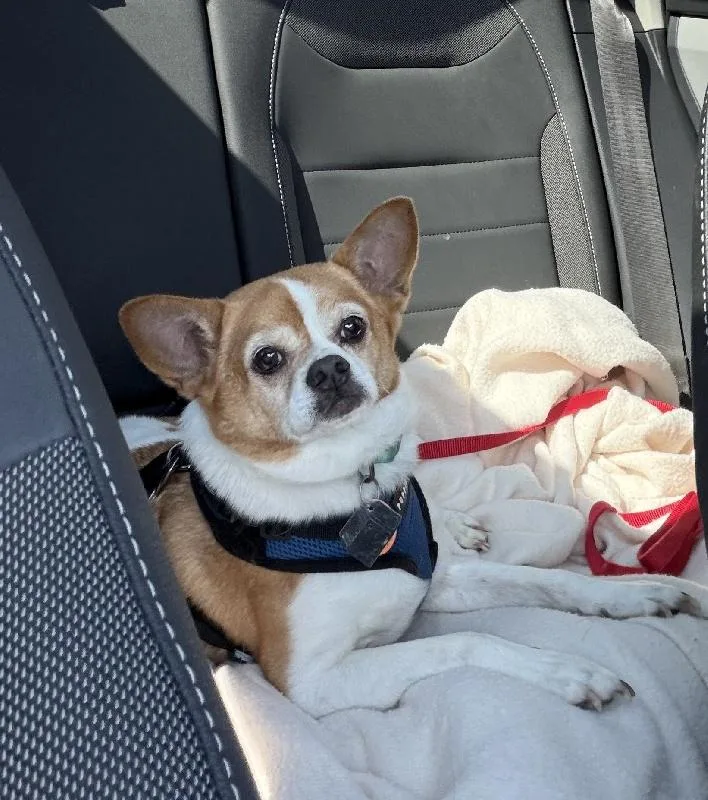
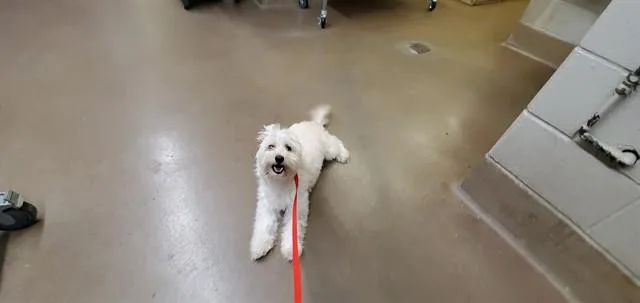
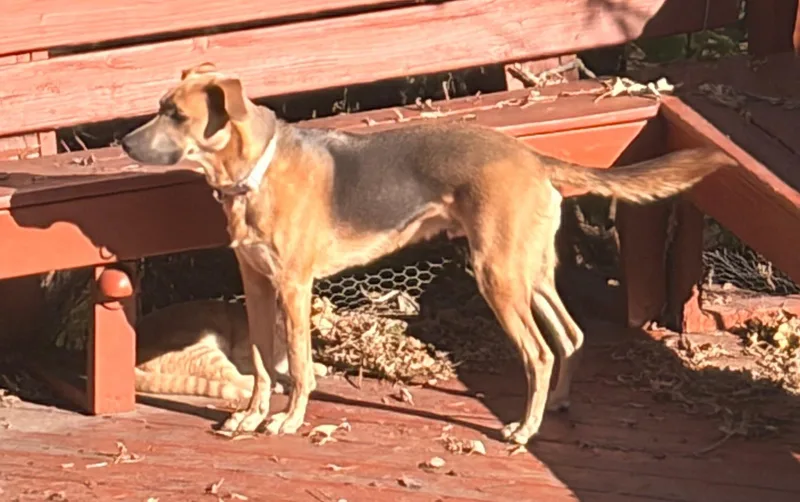
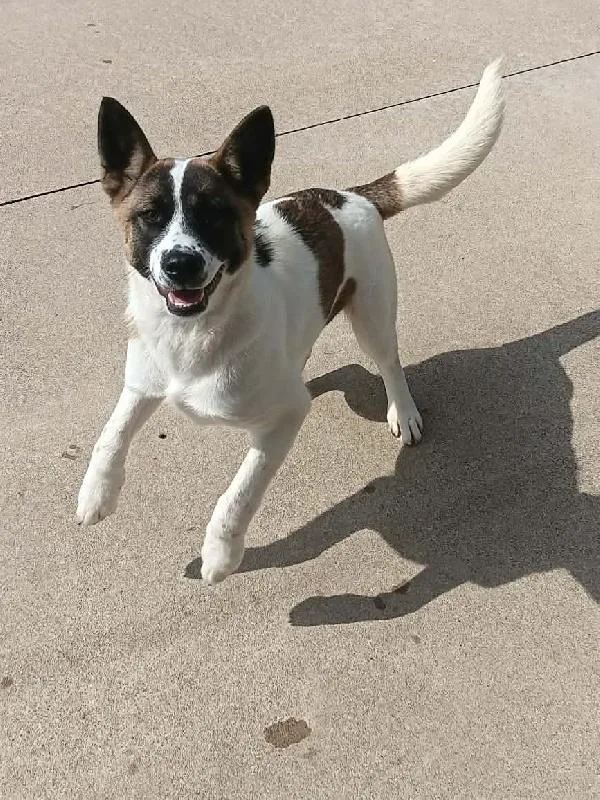
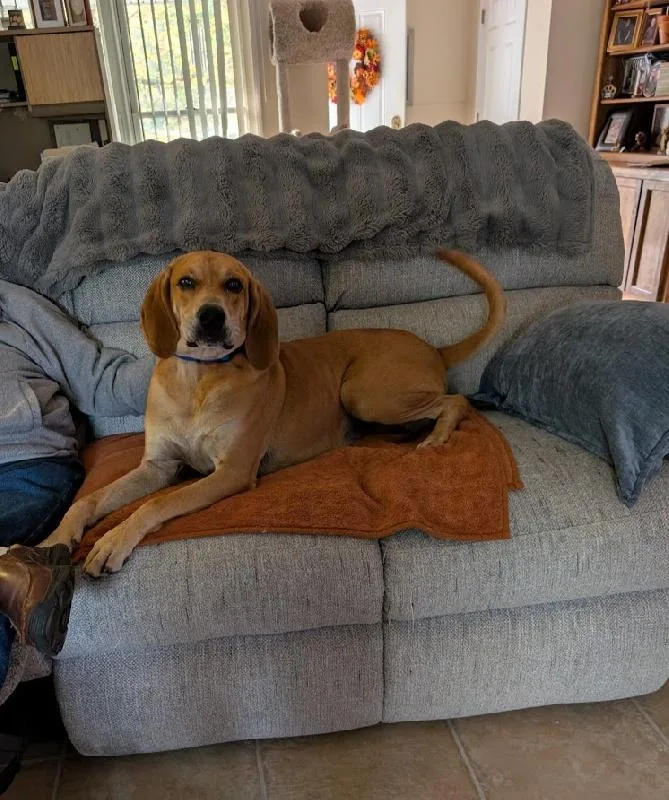
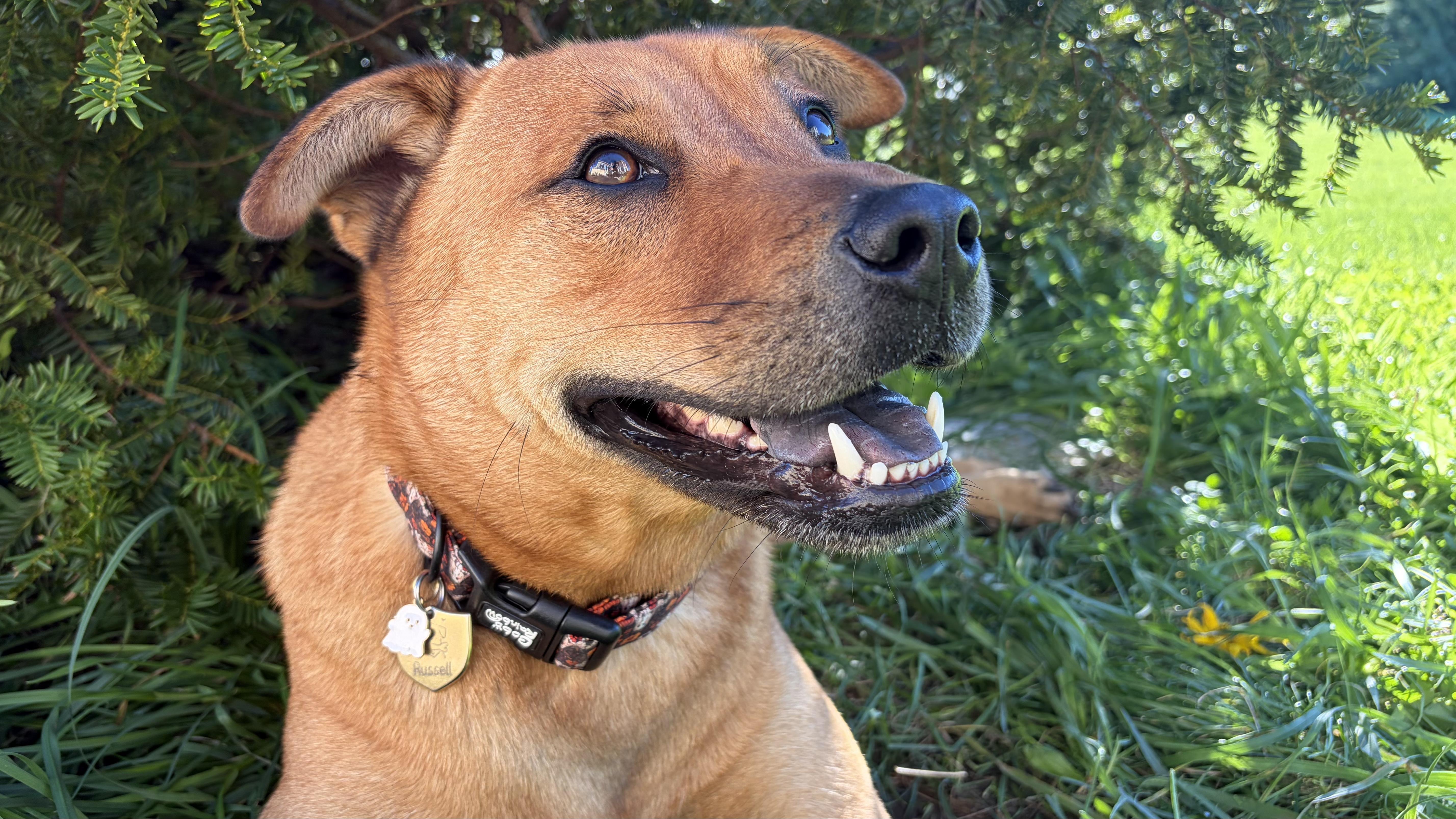
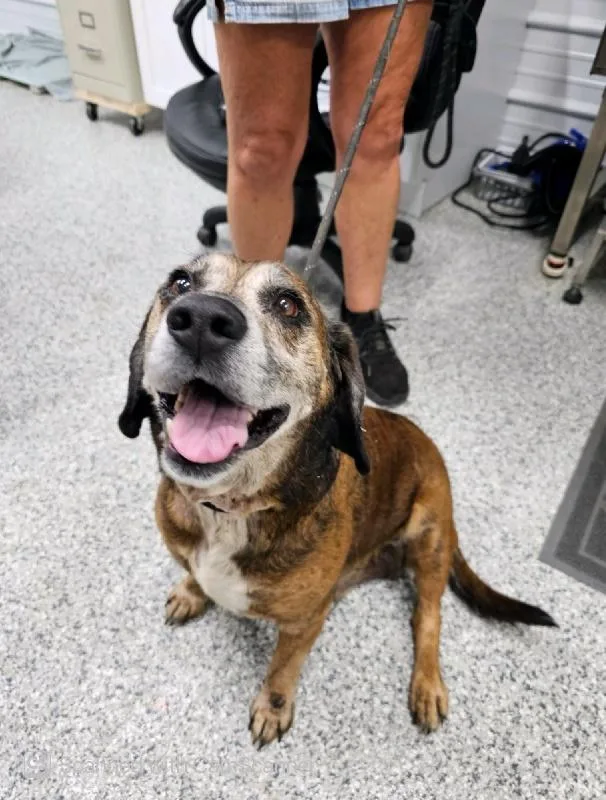
Labrador Retrievers Available for Adoption Near Aurora

About the Labrador Retriever breed

Labradors trace back to the St. John's water dogs of Newfoundland, which were refined in Britain as gun dogs that retrieved from land and water. That history explains the dense, water-resistant double coat, the thick otter tail and the love of anything thrown. Labs come in black, yellow and chocolate, and field-bred dogs tend to be leaner and busier than show-bred ones.

In Aurora, that coat means hair on the sofa and in the car all year, with heavier shedding in spring and fall. Many Labs are sociable and eager to please, though a young one can stay bouncy and mouthy until two or three. Adults weigh roughly 55 to 80 pounds, so think through stairs, car space and daily exercise before you bring one home.


Weight
55–80 lbs
Height
21–25 in
Lifespan
10–14 yrs
Temperament
Friendly, Outgoing, Active
Group
Sporting
Shedding
Moderate to High

Owning a Labrador Retriever in Aurora

Having a Labrador Retriever in Aurora

Labs are known for a friendly, people-focused outlook, a big appetite and plenty of stamina. In Aurora, the practical questions are winter exercise, the city's temperature limits for dogs outdoors, and whether a particular dog's age and energy match your routine.

Temperament

Many Labs greet neighbors, visitors and other dogs warmly, which helps on busy Aurora sidewalks and at dog parks. They also tend to want company, and a bored or lonely Lab may bark or chew. Aurora limits barking to 15 consecutive minutes by day and 10 at night. Each dog differs, whatever the breed.

Exercise Needs

Plan on brisk walks plus fetch or training most days. The Mastodon Trail at Phillips Park and the Fox River Trail downtown offer flat, easy routes. In winter, shorten outings on the coldest days and wipe salt off paws. Young Labs should skip long runs on hard pavement until they've finished growing.

Health Considerations

Hip and elbow dysplasia, torn cruciate ligaments, ear infections, skin allergies and obesity are common Lab concerns. Winter can tempt owners to skip walks, so watch portions when activity drops, and remember that ice adds slip risk for sore joints. A veterinarian can check hips, elbows, ears and weight at the first visit.

Living Space

A Lab can live in an Aurora apartment, townhome or house if daily exercise is reliable. A fenced yard makes fetch easy, but it doesn't replace walks. Because a grown Lab weighs 55 to 80 pounds, check stairs, elevator and car space, and expect a big tail and plenty of shed hair.

What it costs to own a Labrador Retriever in Aurora

ExpenseTypical costPer year
Food$55 to $110 per month$660 to $1,320
Pet insurance$65 to $130 per month$780 to $1,560
Routine vet care$250 to $500 per year$250 to $500
Other*$580 to $1,470 per year$580 to $1,470
Estimated yearly total (after year one)$2,270 to $4,850

Other costs are estimates and vary with size, age and health.

* The Aurora dog license ($5 to $20 for a spayed or neutered dog), flea, tick and heartworm prevention, a dental cleaning allowance, toys and bedding, and brushing and baths for heavy shedding.

Adopt a Labrador Retriever in Aurora.

Now that you know more, let’s find you a new best friend. These rescues and shelters below currently have Labrador Retrievers available.

Rescues in Aurora with Labrador Retrievers Available

Aurora's animal shelters and rescues help lost, surrendered and stray dogs find new homes. Here are the rescues & shelters in the Aurora area where you can find Labrador Retrievers and other dogs available for adoption.

Frequently Asked Questions

Yes, Aurora has no known breed-specific rules, so a Lab is treated like any other dog. The limits that matter are household size and tethering: four pets per home with no more than two of one species unless the City grants a $25 permit, and no tethering of intact dogs or of any dog between 11 p.m. and 6 a.m.

Phillips Park Dog Park is a strong pick for a Lab: it's gated, has a time-out area, and the Mastodon Trail leads there. Bring a rabies tag, keep to two dogs per handler, and leave food at home. The Fox River Trail downtown suits leashed walks, and Lincoln Park Dog Park serves the west side.

Yes, most healthy Labs tolerate Aurora winters well because of their dense, water-resistant double coat. The bigger issues are ice, which is hard on stiff or older joints, and road salt on paws. Keep a towel by the door, choose cleared routes, and shorten outings for seniors, puppies and lean field-type dogs on the coldest days.

Yes, a Lab can live in an Aurora apartment if it gets reliable daily exercise. About 16% of homes are in buildings with five or more units, so apartments exist across the city, but check the lease for size limits. Neighbors share walls, so teach settling time early, since a bored Lab left alone may bark or chew.

Usually not, because transit rules favor small pets. Metra, which ends at the Aurora Transportation Center, allows pets in enclosed carriers on off-peak weekday and weekend trains, and Pace lets caged pets ride free. A 55 to 80 pound Lab can ride only as a service animal, so plan to drive.

A Lab's short double coat needs weekly brushing most of the year and near-daily brushing during the spring and fall sheds. A bath every month or two is plenty, plus paw rinses after winter salt. Professional deshedding sessions are optional, and any grooming spending falls within the yearly Other costs shown in the cost table.

Don't assume so, because policies vary. Pet dogs aren't allowed in indoor dining rooms, though service animals are, and patio access depends on each restaurant and county health rules. Where a patio does welcome dogs, settling calmly under a table is a skill worth practicing at home first.

Most Labrador Retrievers live about 10 to 14 years. A large UK veterinary study found a median lifespan of 12 years, with chocolate Labs living about a year and a half less on average than black or yellow ones. Healthy weight, regular veterinary care and good dental and joint care all help, but no lifespan is guaranteed.

We have 1 rescue with Labrador Retrievers available: Rover Rescue. You can see every rescue with Labrador Retrievers available in the list above these questions, or scroll to the top to see the Labrador Retrievers near Aurora.

Expect roughly $2,270 to $4,850 a year for a Lab in Aurora, covering food, pet insurance, routine vet care and other yearly costs. Food and insurance are the largest lines, and a heavy eater with a thick coat can push costs toward the high end. Emergencies and one-time setup items are extra.