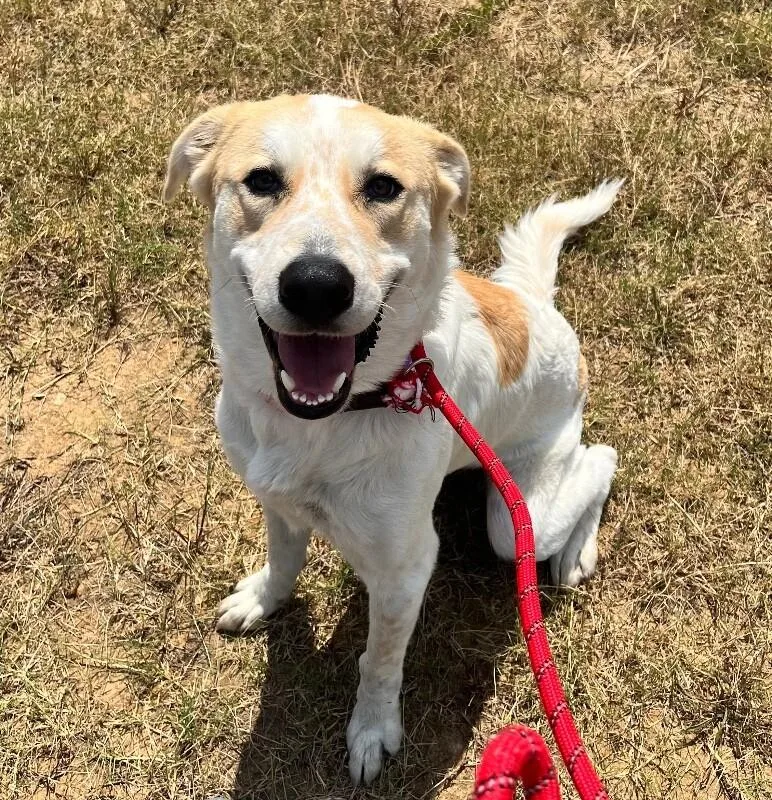
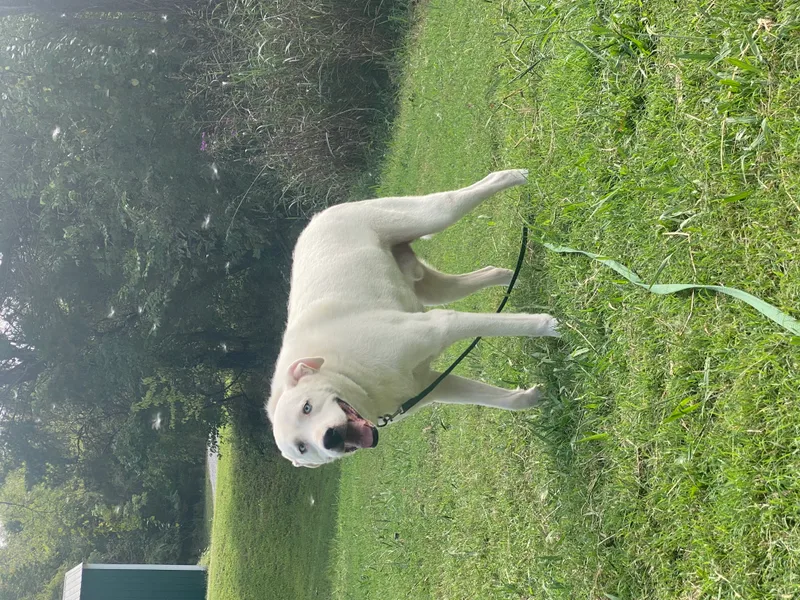
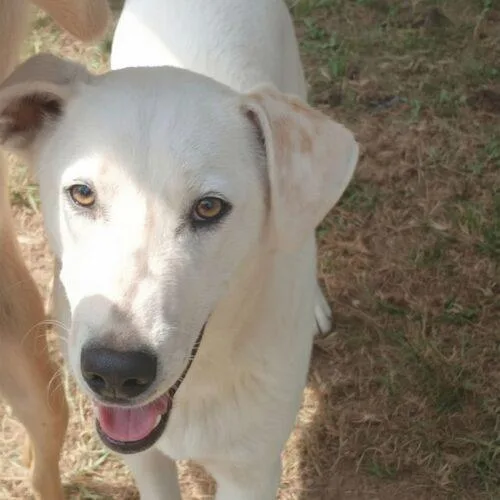
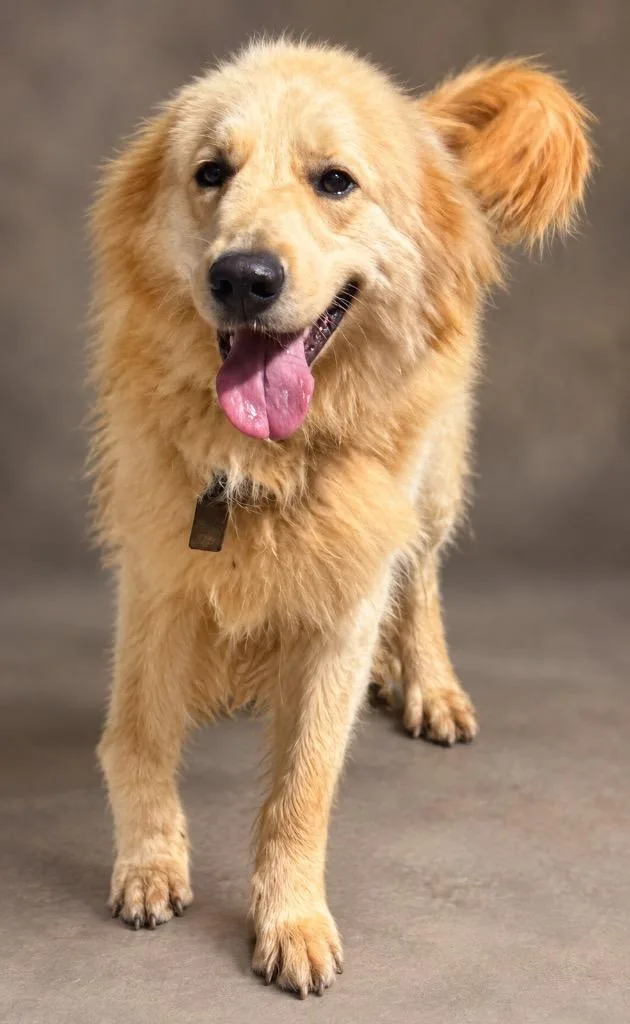
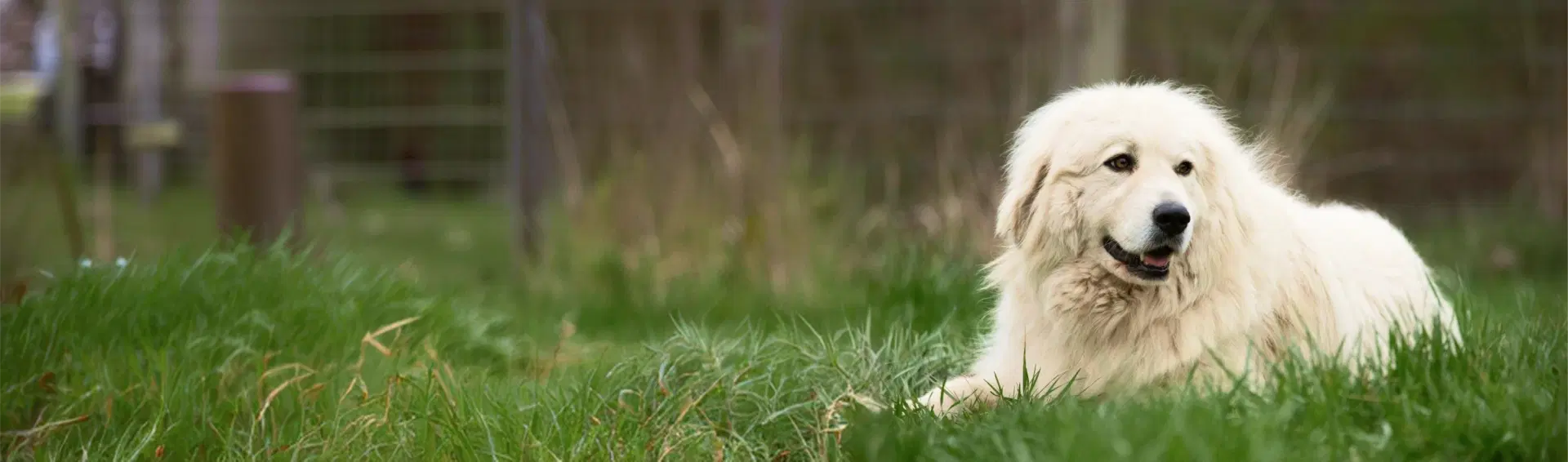
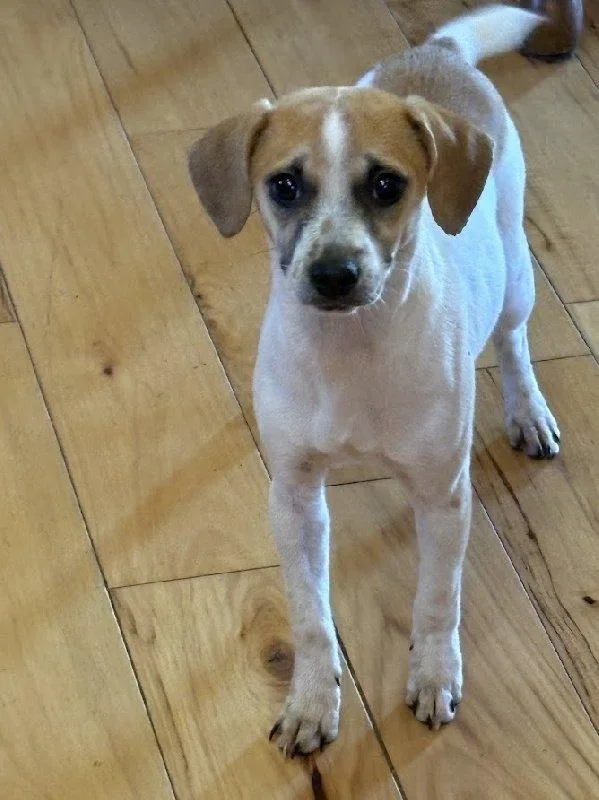
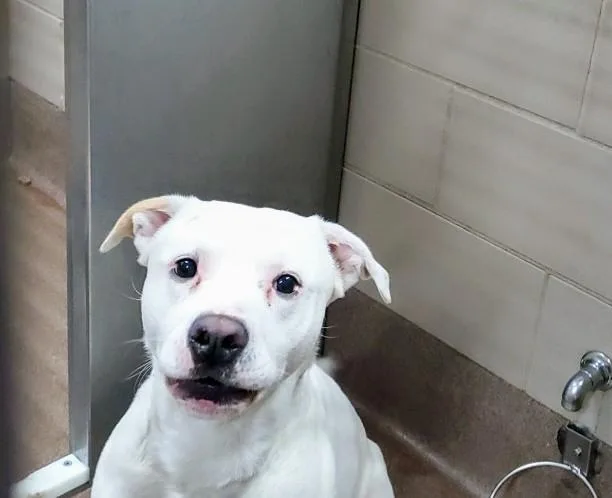
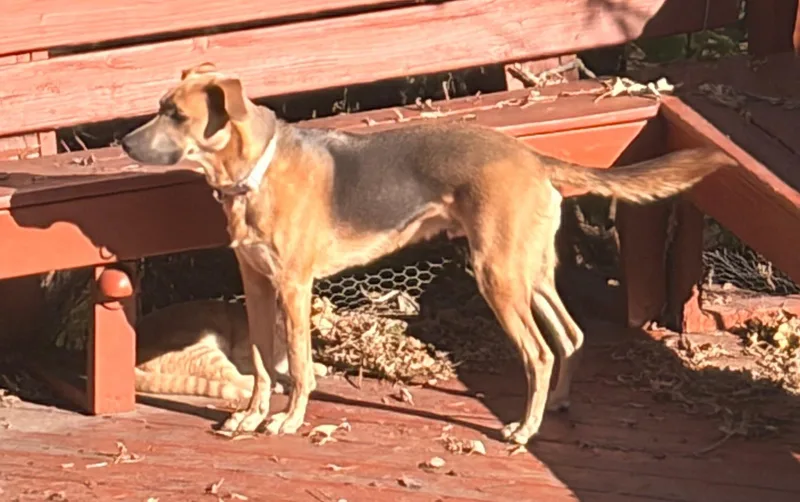
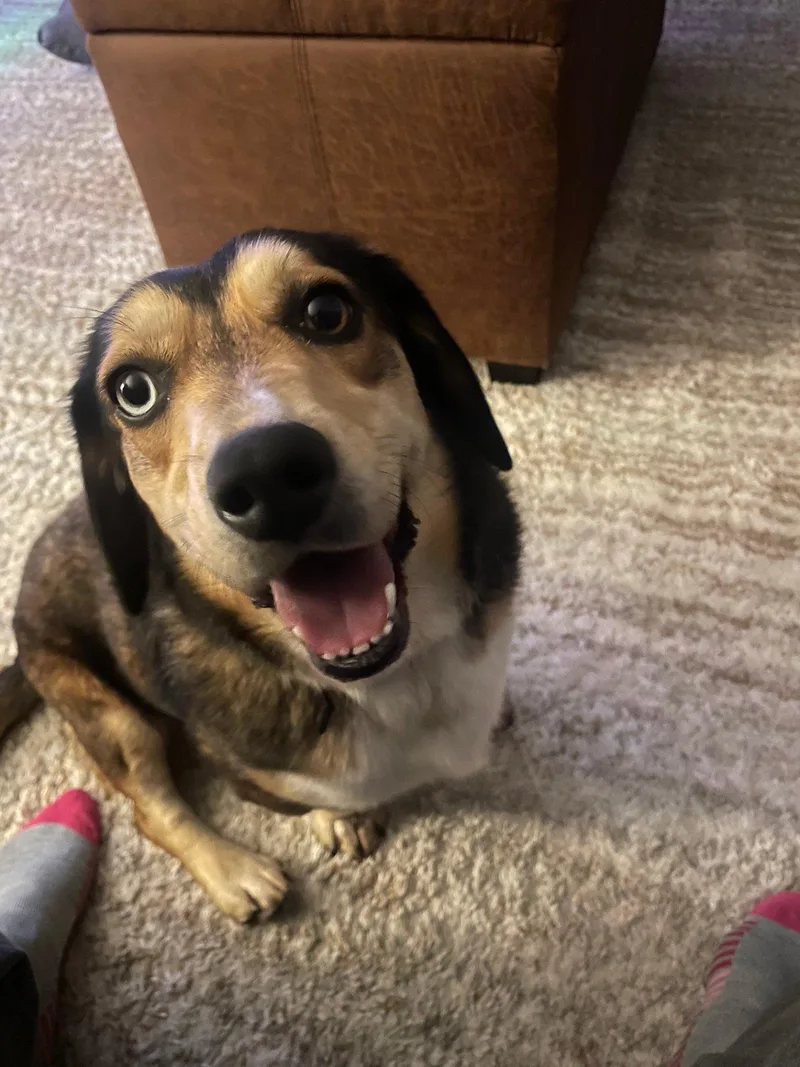
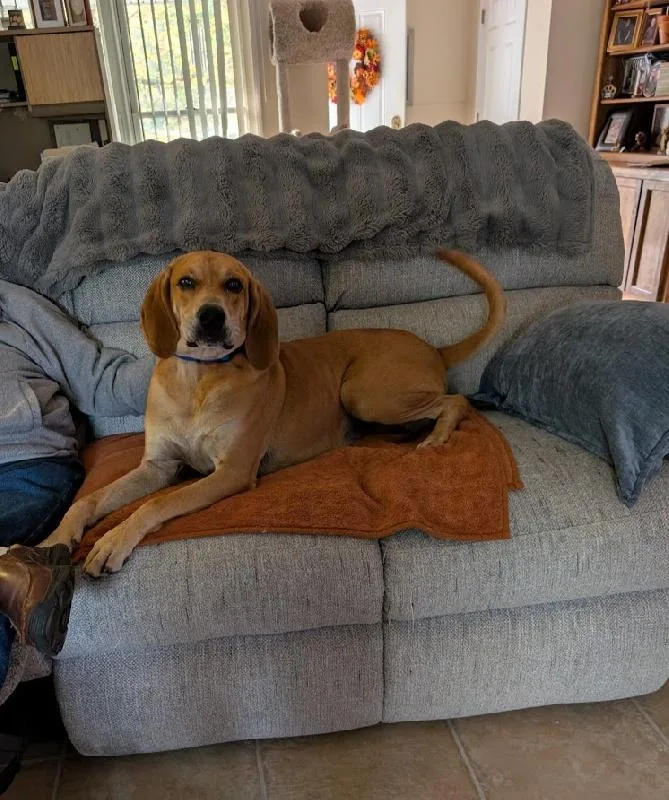
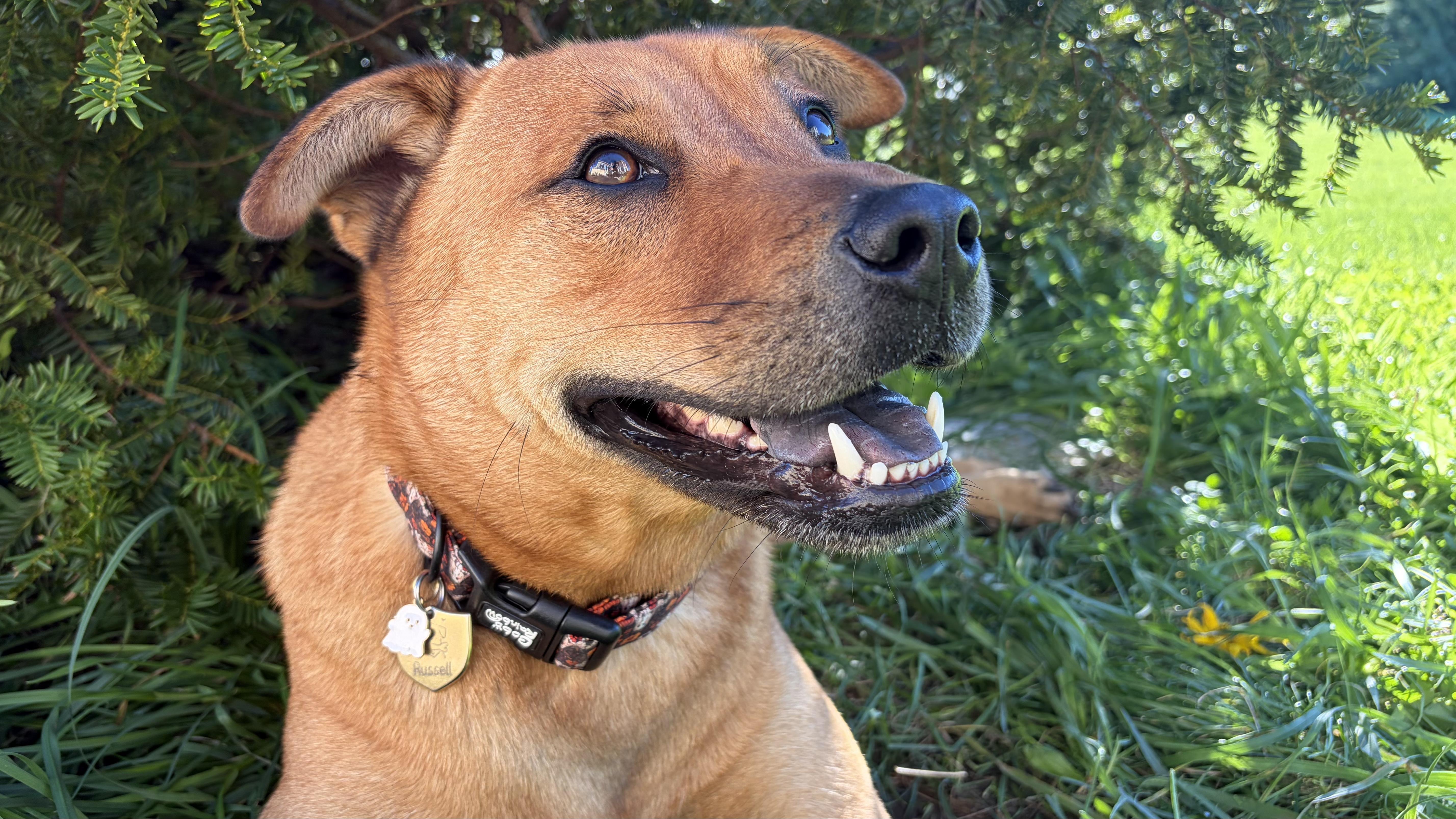
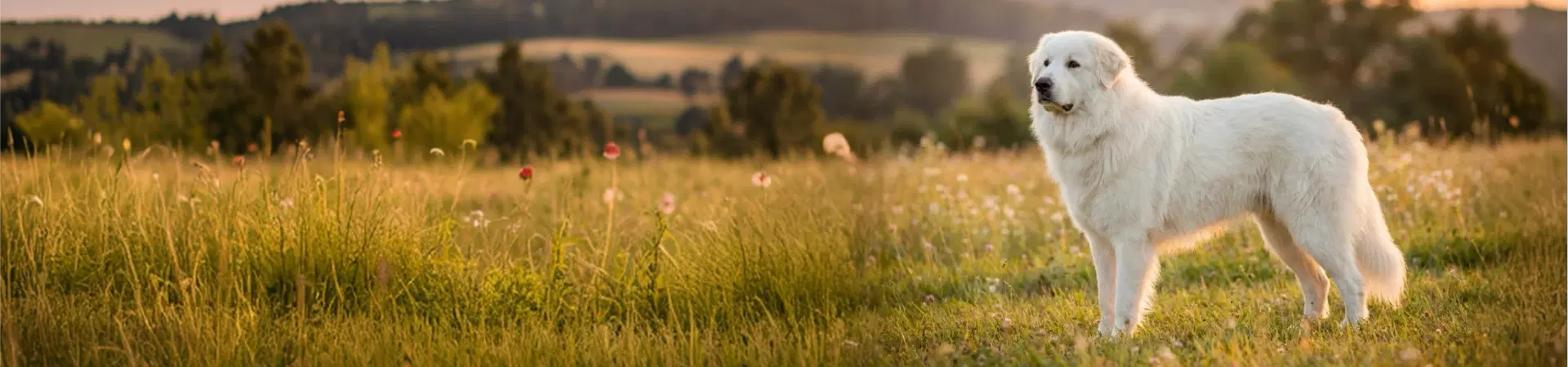
Great Pyrenees dog

Great Pyrenees Dogs for Adoption in Aurora, IL

Your guide to finding and caring for a Great Pyrenees in Aurora

A Great Pyrenees suits Aurora's older single-family neighborhoods, where a fenced backyard gives a Pyr room to patrol. Think Riddle Highlands bungalows or the subdivisions along Eola Road, with space for an unhurried evening walk. Pyrs are quiet indoors but tend to bark at night, and Aurora's noise rules kick in after 10 p.m. Many are happiest with a slow loop around Mastodon Lake and a cool spot to flop afterward. If you're adopting one here, plan for the fence first.

2309 Great Pyrenees available in Aurora and nationwide

Open your home to a Great Pyrenees

Great Pyrenees Available for Adoption Near Aurora

About the Great Pyrenees breed

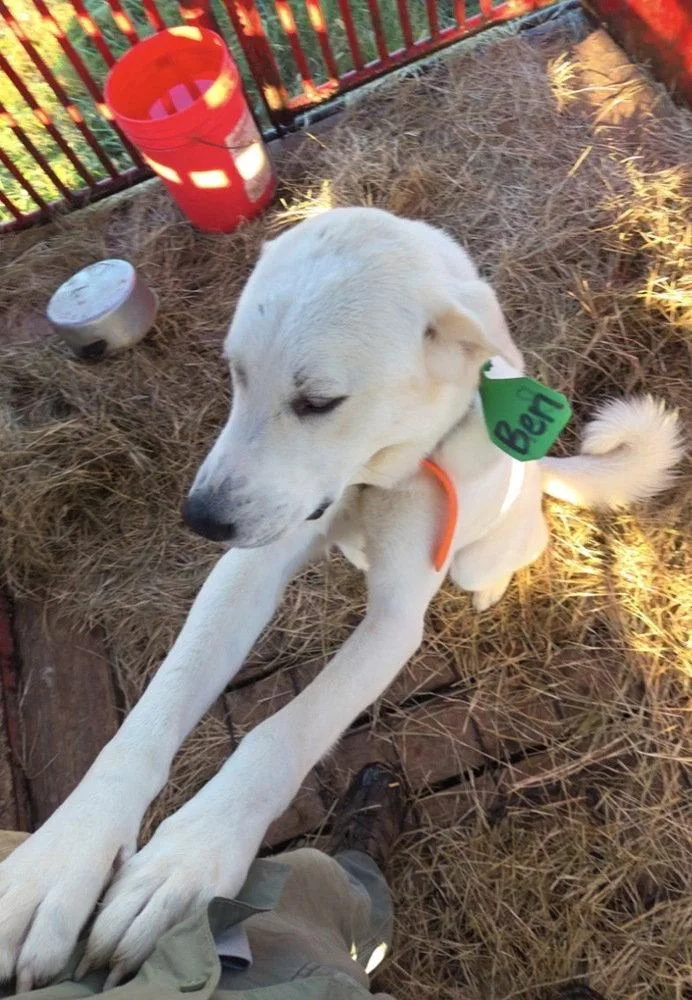
The Great Pyrenees is a giant livestock guardian from the mountains between France and Spain, bred to stay with flocks and drive off wolves and bears. Adults typically weigh 85 to 120 pounds or more and carry a thick white double coat, sometimes with gray, tan or badger markings, plus double dewclaws on each hind leg.

Many Pyrs are calm, gentle and devoted to their families, but they were bred to decide things alone. That means independence, slow response to commands, a wary eye toward strangers and a habit of barking at night. In Aurora, where winters are long and cold, the coat is an asset, though the shedding is constant and heavy. Pyrs and Pyr mixes are common in shelters, and each dog's personality varies.

Weight
85–120 lbs
Height
25–32 in
Lifespan
10–12 yrs
Temperament
Calm, Protective, Independent
Group
Working
Shedding
High

Owning a Great Pyrenees in Aurora

Having a Great Pyrenees in Aurora

Pyrs are patient, protective dogs built for cold, watchful nights. In Aurora, the fence, the neighbors' ears and the summer afternoons matter most, so the cards below focus on how those everyday details shape life with a Pyr.

Temperament

Pyrs are usually gentle and affectionate with their families and wary of strangers. Guarding is instinct, so expect barking at night, which matters in Aurora, where city rules limit how long a dog can bark outside. Early socialization and patient, reward-based training help, though a Pyr may treat commands as suggestions. Each dog differs.

Exercise Needs

Most Pyrs need moderate exercise: a daily walk or two plus time to patrol a secure yard. The 1-mile Mastodon Trail around Phillips Park's lake makes an easy, unhurried route. Keep a Pyr leashed, since many roam and recall is unreliable. Save summer walks for early morning or after sunset.

Health Considerations

Giant breeds like the Pyr can face hip and elbow dysplasia, kneecap luxation, bloat and bone cancer, and lifespans of 10 to 12 years. Feed several smaller meals, avoid hard exercise around mealtimes and keep the dog lean. A veterinarian can screen hips and knees and show you the early signs of bloat.

Living Space

Many Aurora homes are single-family houses, which suits a Pyr that wants a fenced yard to patrol. Apartments and townhomes can work for a calm adult, but size and nighttime barking make shared walls harder. Indoors, expect white hair everywhere and a dog that heads for the coolest room in the house.

What it costs to own a Great Pyrenees in Aurora

ExpenseTypical costPer year
Food$80 to $160 per month$960 to $1,920
Pet insurance$85 to $170 per month$1,020 to $2,040
Routine vet care$250 to $500 per year$250 to $500
Other*$695 to $1,885 per year$695 to $1,885
Estimated yearly total (after year one)$2,925 to $6,345

Other costs are estimates and vary with size, age and health.

* The Aurora dog license ($5 to $20 a year for a spayed or neutered dog) and a county rabies tag, flea, tick and heartworm prevention, a dental cleaning allowance, toys and bedding, brushing and baths for heavy shedding, and joint supplements.

Great Pyrenees dog

Adopt a Great Pyrenees in Aurora.

Now that you know more, let’s find you a new best friend. These rescues and shelters below currently have Great Pyrenees available.

Rescues in Aurora with Great Pyrenees Available

Aurora has a city shelter and nearby nonprofit rescues, and Pyrs and Pyr mixes often come through shelters. Here are the rescues & shelters in the Aurora area where you can find Great Pyrenees and other dogs available for adoption.

Frequently Asked Questions

Yes, you can own a Great Pyrenees in Aurora. No known breed-specific rules apply, and Illinois law bars local breed-specific regulations. You'll need a city pet license and a county rabies tag. Households are capped at four pets, no more than two of one species, unless the city grants an additional-pet permit. Barking is limited to 15 minutes by day and 10 at night.

A calm adult Pyr can manage an apartment in Aurora, but it's a stretch. Only about 16% of homes are in buildings with five or more units, so options are limited, and some landlords restrict giant dogs. The bigger challenge is nighttime barking, since the city's noise rules apply in any home. A ground-floor unit near walking routes works best.

Yes, with planning. Aurora's code requires bringing dogs into a temperature-controlled space at 85°F or above unless an adult is outside with them, which suits a Pyr that prefers cool rooms anyway. Keep walks to mornings and evenings, offer water, and watch for heavy panting, drooling or lagging. A Pyr that wilts needs cooling down and a veterinarian.

Phillips Park tops the list, but a Pyr has other options. The Fox River Trail runs about a mile along both banks downtown, between East Illinois and East New York streets. Lincoln Park Dog Park on the west side is open dawn to dusk, unsupervised, with no toys or treats. Since many Pyrs roam, keep the dog leashed outside gated areas.

A Great Pyrenees needs brushing about once a week, and several times a week during heavy spring and fall shedding. Aurora's winters add paw care: wipe off road salt and de-icer after walks and clear snow clumps from between the toes. Spring mud may mean an occasional bath. Professional grooming, if you choose it, falls under the Other costs listed on this page.

Mostly no. Metra's BNSF Line allows only small pets in enclosed carriers that fit on a lap or under a seat, on off-peak weekday and all weekend trains, so a giant Pyr can't ride unless it's a service animal. Pace buses let caged pets ride free, which isn't practical for a dog this size. Plan on a car or on walking.

Pet dogs are generally not allowed in restaurant dining rooms, though service animals are. Patio access depends on each restaurant and on county health rules, so don't assume a Pyr will be welcome. A giant dog takes up a lot of patio floor, and Pyrs can be wary of strangers, so a quiet walk is often easier than a meal out.

A Great Pyrenees is a giant livestock guardian dog from the Pyrenees mountains between France and Spain, bred to protect sheep from predators. It has a thick, weather-resistant white coat, often with gray, tan or badger markings, and double dewclaws on its hind legs. Many are calm, gentle and devoted to family, yet independent and watchful.

We have 1 rescue with Great Pyrenees available: Rover Rescue. You can see every rescue with Great Pyrenees available in the list above these questions, or scroll to the top to see the Great Pyrenees near Aurora.

Expect about $80 to $160 a month for food, $85 to $170 a month for insurance, $250 to $500 a year for routine vet care, and roughly $695 to $1,885 a year for other costs such as prevention, dental care, grooming and supplies. Giant breeds cost more at every line, and joint and bloat risks are worth planning for.