Saluki Dogs for Adoption in Boise, ID

Your guide to finding and caring for a Saluki in Boise

Salukis fit Boise best with a fenced yard and a quiet routine. In Southwest Boise, where most homes are single-family, a tall fence gives a Saluki room to sprint, and then it's happy to nap on the couch for hours. The Greenbelt works for long leashed walks, though a Saluki that spots a squirrel will pull hard. Most do best with calm adults who are home a good part of the day.

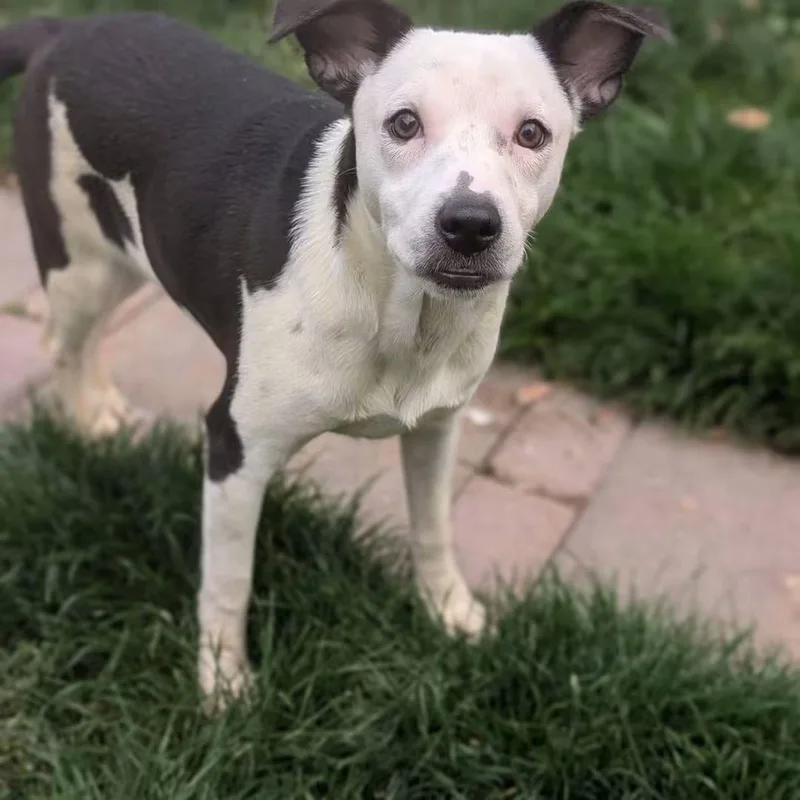
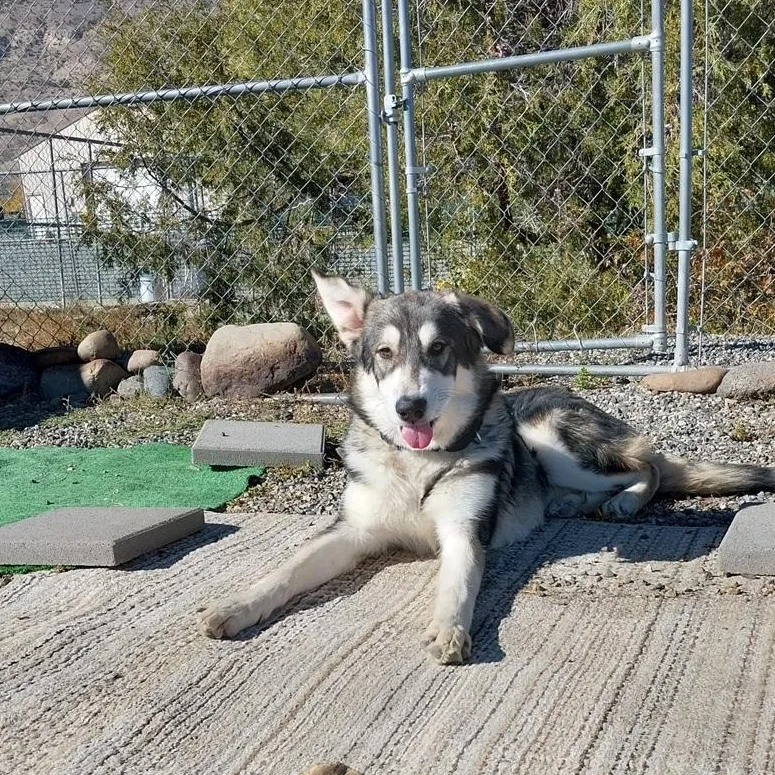
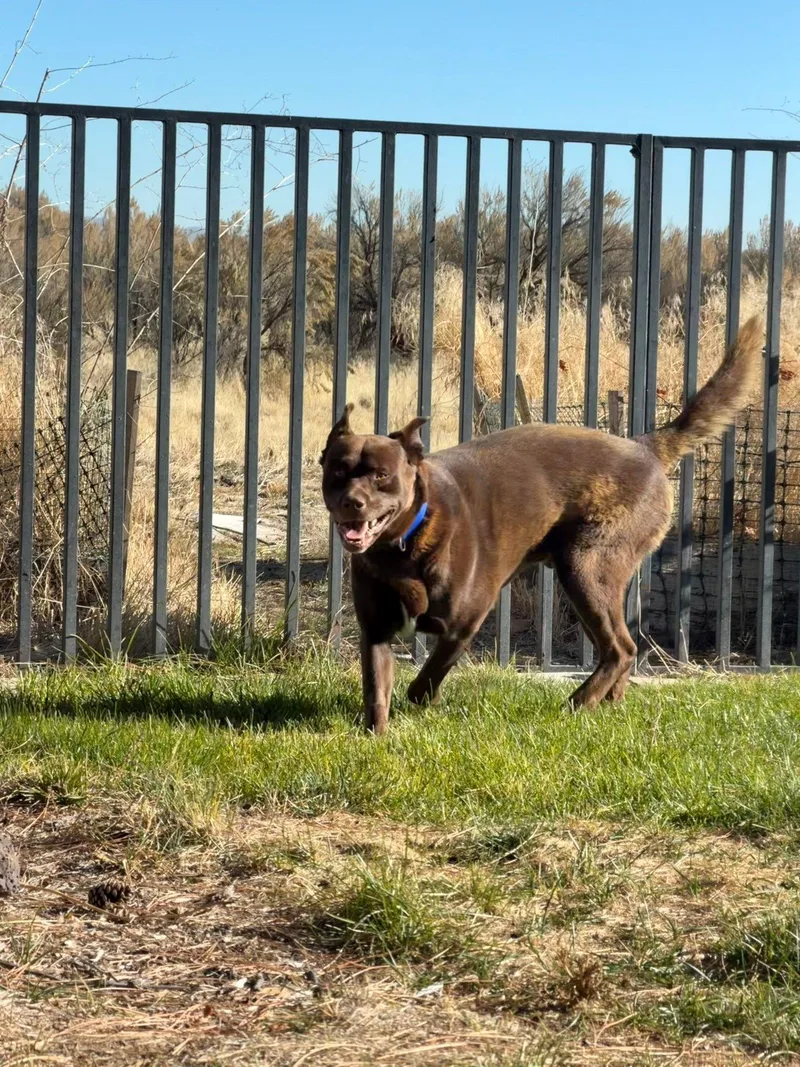
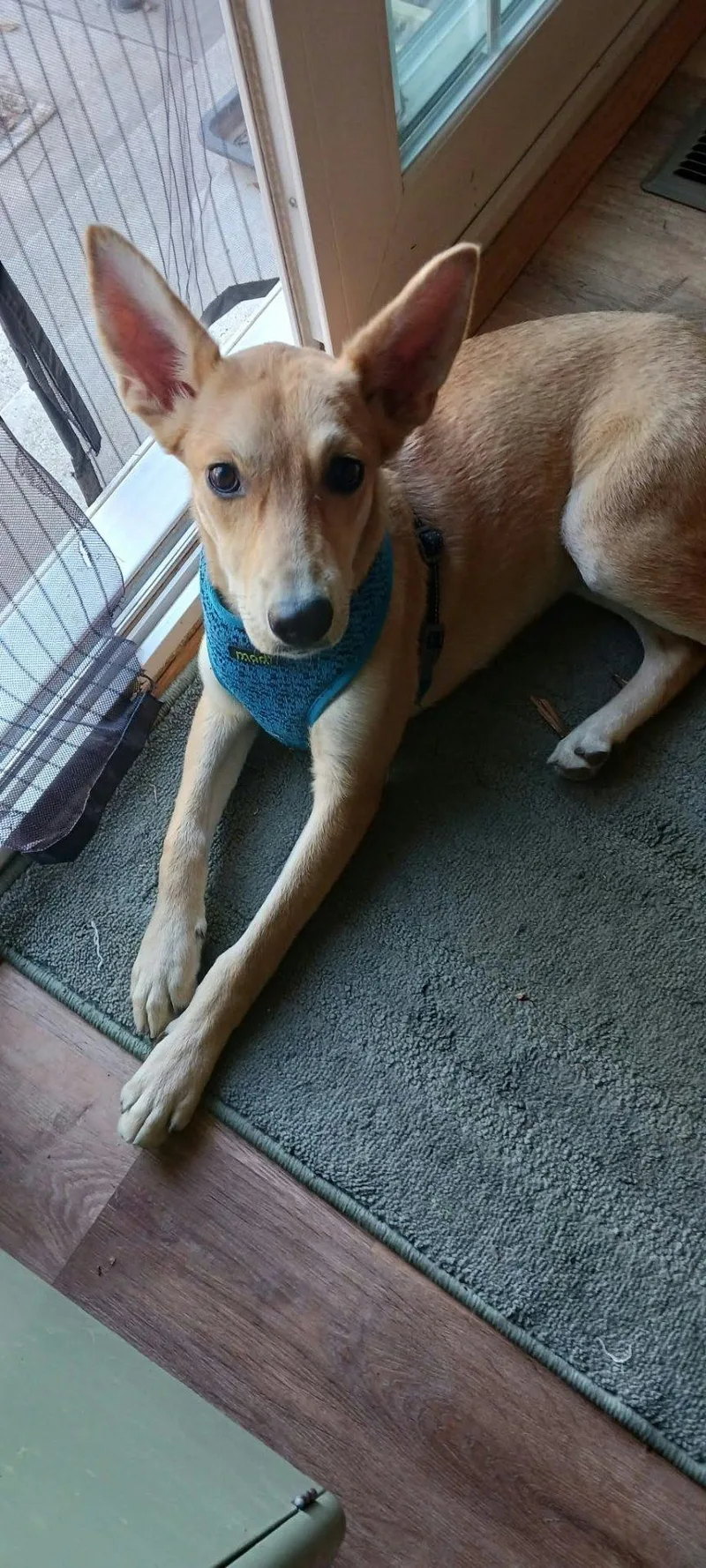
16 Salukis available in Boise and nationwide

Give a Saluki a home

While we don't have enough dogs near Boise, keep in mind that many rescues may offer transport.

Salukis Available for Adoption Near Boise

About the Saluki breed

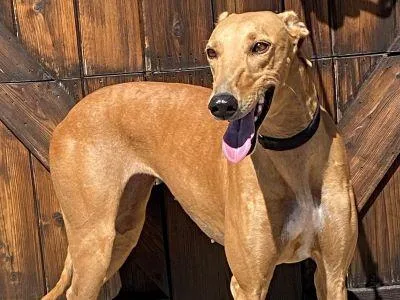
The Saluki is a sighthound from the Middle East, where nomadic peoples used it to course gazelle and hare across open desert. It is lean and long-legged, with a deep chest, long drop ears and a narrow head. Two coat types exist: feathered, with silky fringes on the ears and tail, or smooth. Colors run from cream and red to black and tan.

Many Salukis are gentle and quiet at home, close to their own people and reserved with strangers. Their prey drive is intense, so they generally need secure fencing and a leash everywhere else, which matters on Boise's Foothills trails and Greenbelt. With little body fat and thin skin, they also need soft bedding. Every Saluki differs, and patient, low-pressure training works best.

Weight
35–65 lbs
Height
23–28 in
Lifespan
12–15 yrs
Temperament
Gentle, Independent, Dignified, Athletic
Group
Hound
Shedding
Low

Owning a Saluki in Boise

Having a Saluki in Boise

A Saluki lives through its eyes and legs, so chase instinct, an independent streak and a lean, low-fat body shape most of its care. Boise's fenced yards and dry summers can suit one well when exercise is planned around them.

Temperament

Salukis are usually sensitive, quiet and loyal, often bonding closely with one or two people and staying aloof with visitors. Many are calm indoors and dislike noisy play. Prey drive can make cats and small pets unsafe, and shyness is common without early socialization, so a quiet Boise home with steady routines helps a new Saluki settle.

Exercise Needs

Plan on a long daily walk plus a chance to sprint in a securely fenced space, since recall often fails once a Saluki spots something to chase. In Boise that can mean a fenced yard or the fenced Dog Island at Ann Morrison Park, with a leash of 8 feet or shorter on the Greenbelt.

Health Considerations

Breed club health priorities include heart disease, hemangiosarcoma and other cancers, and hypothyroidism, and healthy Salukis often run low on thyroid values. Low body fat means anesthesia calls for a vet who knows sighthounds, and thin skin tears easily. After Foothills walks, check ears and toes for cheatgrass seeds, and learn the signs of bloat.

Living Space

Salukis can adapt to a quiet apartment or a house if daily exercise is covered, but a tall, secure yard is a big plus, since many jump or squeeze through gaps when chasing. They need padded bedding for bony joints and a warm coat on cold days.

What it costs to own a Saluki in Boise

ExpenseTypical costPer year
Food$55 to $110 per month$660 to $1,320
Pet insurance$55 to $110 per month$660 to $1,320
Routine vet care$250 to $500 per year$250 to $500
Other*$548 to $1,595 per year$548 to $1,595
Estimated yearly total (after year one)$2,118 to $4,735

Other costs are estimates and vary with size, age and health.

* The Boise dog license, flea, tick and heartworm prevention, a dental cleaning allowance, toys and supplies, minimal home grooming, and a winter coat and padded bedding.

Adopt a Saluki in Boise.

Now that you know more, let’s find you a new best friend. These rescues and shelters below have dogs available in and near Boise.

Rescues and Shelters in or near Boise

Dogs listed here come from Boise-area shelters and rescues, and uncommon breeds like Salukis turn up only occasionally. Here are the rescues & shelters in the Boise area with dogs available for adoption, worth asking whether a Saluki is coming in.

Frequently Asked Questions

Yes, with planning. Boise averages about 55 days a year at 90°F or higher, mostly in July and August, but the air is dry and July nights drop into the low 60s. Exercise your Saluki early morning or after dark, carry water, keep it off hot pavement, and never leave it in a parked car.

Yes. Boise has no breed ban or breed-specific rule, and its dangerous-dog rules are based on behavior. You'll need a city license for a dog over 16 weeks and rabies vaccination, and households can have up to four dogs without a kennel license. Dogs must be leashed in public except in posted off-leash areas.

Start with fenced parks: Dog Island at Ann Morrison Park is a 5.4-acre off-leash area, and Military Reserve Dog Park is fenced with a gate to the Foothills trails. Most Ridge to Rivers trails allow controlled off-leash dogs, but a Saluki's chase instinct makes a leash safer there. The Greenbelt requires a leash of 8 feet or shorter.

It can be, for calm, active adopters. Boise offers fenced dog parks, a long Greenbelt for leashed walks and dry summer air with cool mornings for sprints. A Saluki may struggle with long days alone, off-leash trails or small pets. Salukis vary, but a tall fence and a steady routine suit most.

Only in a carrier. Valley Regional Transit buses require pets to ride in a kennel or carrier small enough to rest on your lap or fit under the seat, and service animals are exempt. A Saluki, at 35 to 65 pounds, is too large for that, so plan on walking or driving. Boise has no subway or rail.

Probably not inside. Dogs generally aren't allowed in restaurant dining rooms, and patio policies vary by restaurant, so don't count on patio seating. A Saluki's quiet, reserved nature suits a calm outing, but keep it leashed. Leashed walks along the Greenbelt are an easier way to get out together.

Very little. A Saluki's silky coat sheds lightly, so weekly brushing is usually enough, with a bit more on a feathered dog's ears and tail. In Boise, check ears, toes and coat for cheatgrass seeds after trail walks. Grooming sits in the Other costs, so home care keeps that line low.

A Saluki is a tall, slender sighthound from the Middle East, bred to chase gazelle and hare by sight across open country. It has long legs, a narrow head, a deep chest and either silky feathering or a smooth coat. Many are gentle, quiet and independent at home, with an intense chase instinct outdoors.

A Saluki can run roughly 40 miles per hour at full speed, and the 1996 Guinness Book of Records listed one at about 42.8 mph. Greyhounds may be quicker over a short sprint, but Salukis are known for holding high speed over longer distances. That speed is why secure fencing and leashes matter so much for this breed.

Expect roughly $2,100 to $4,700 a year: food at $55 to $110 a month, insurance at $55 to $110 a month, routine vet care at $250 to $500 a year, and $548 to $1,595 a year for extras like parasite prevention, dental care, the license and a winter coat.