Hamiltonstovare Dogs for Adoption in Boise, ID

Your guide to finding and caring for a Hamiltonstovare in Boise

A Hamiltonstovare suits Boise if you like long days on the trail. This Swedish scent hound wants hours of sniffing, and Collister's hillside streets sit close to Polecat Gulch Reserve and the Foothills. Back home, Southwest Boise's mostly single-family streets make a fenced yard easier to find, which matters for a dog that ignores recall once it catches a scent. The breed is rare in the US, so expect to watch the listings on this page.

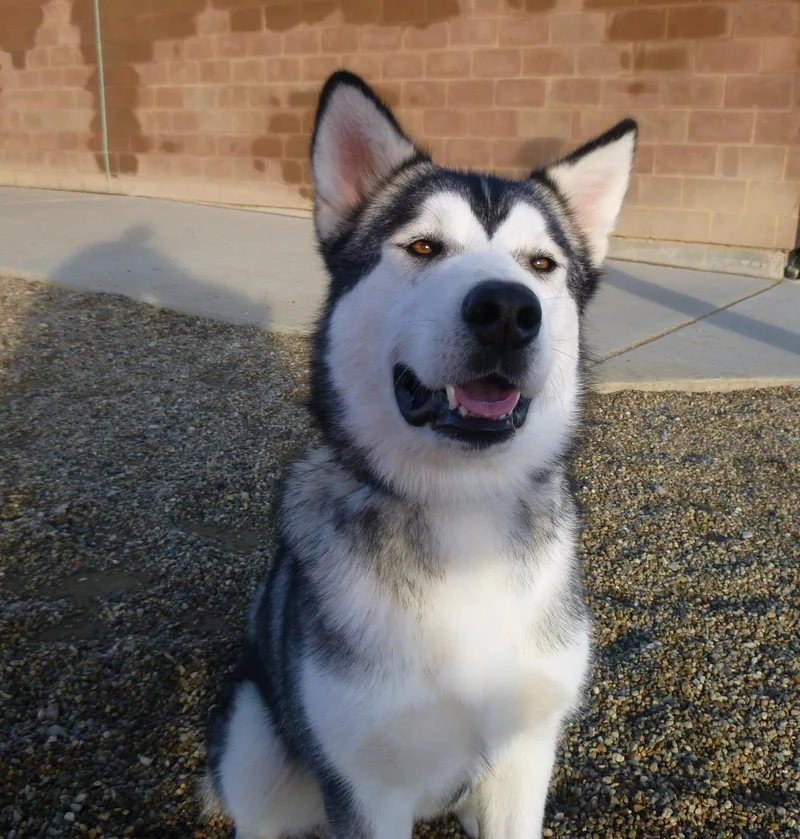
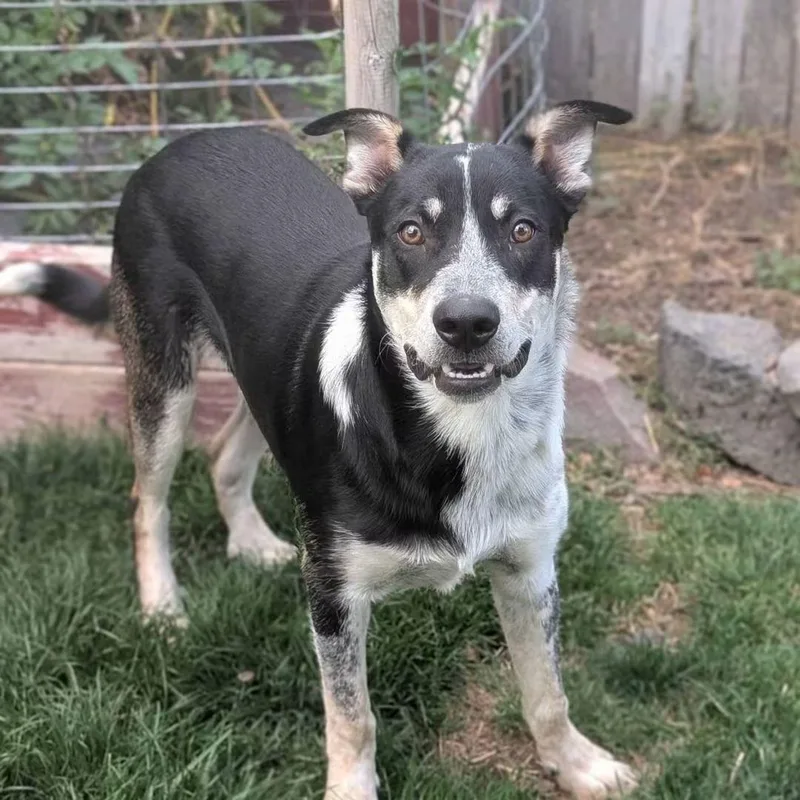
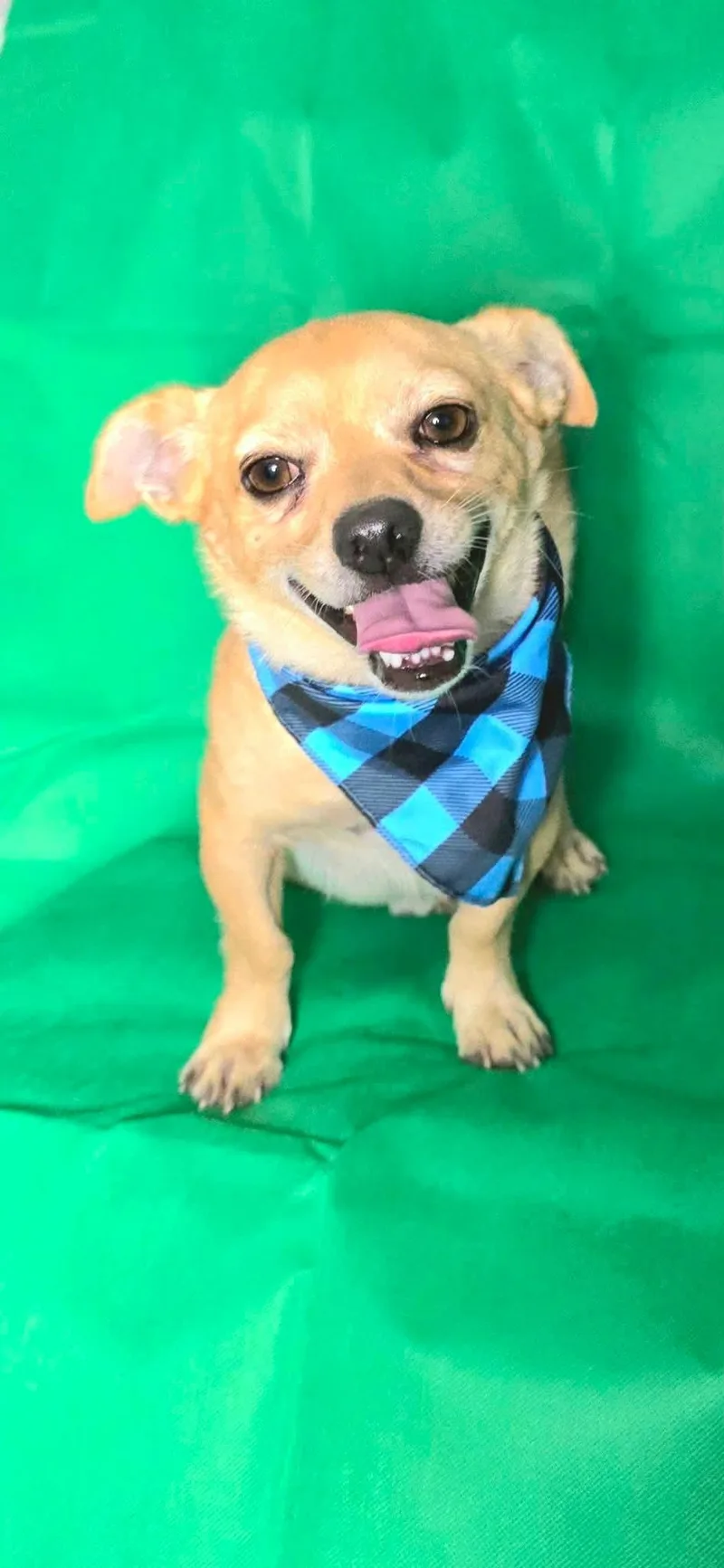
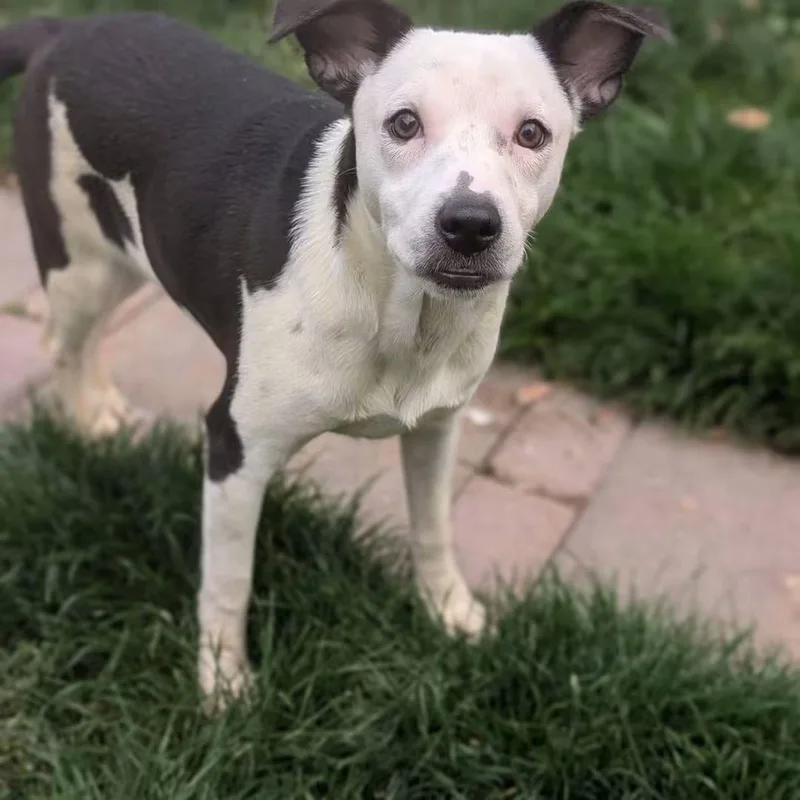
7736 dogs similar to Hamiltonstovare available in Boise and nationwide

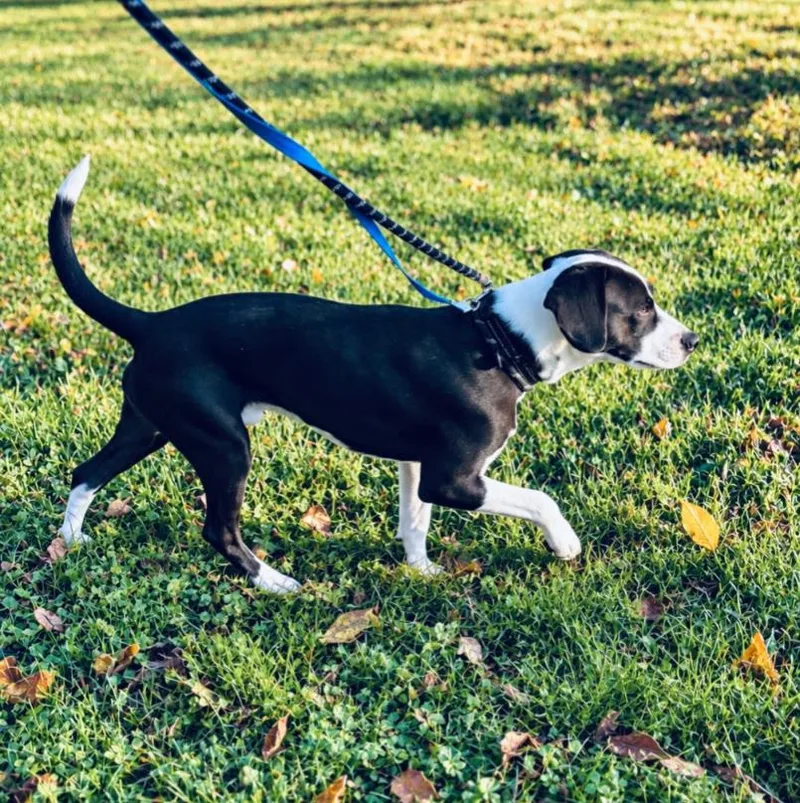
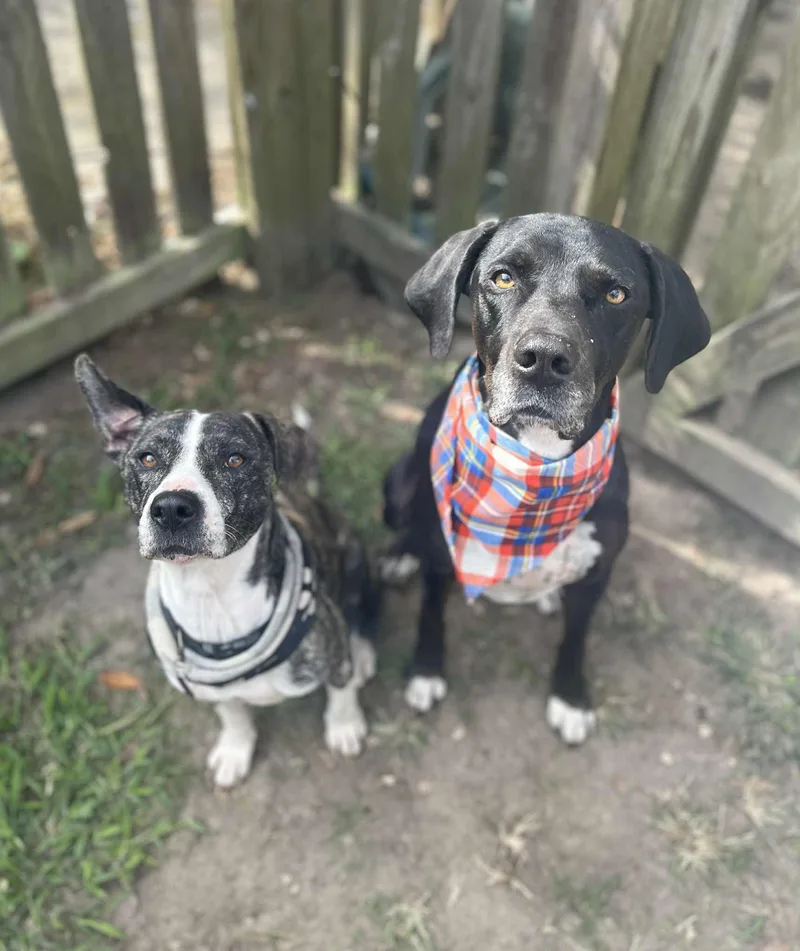
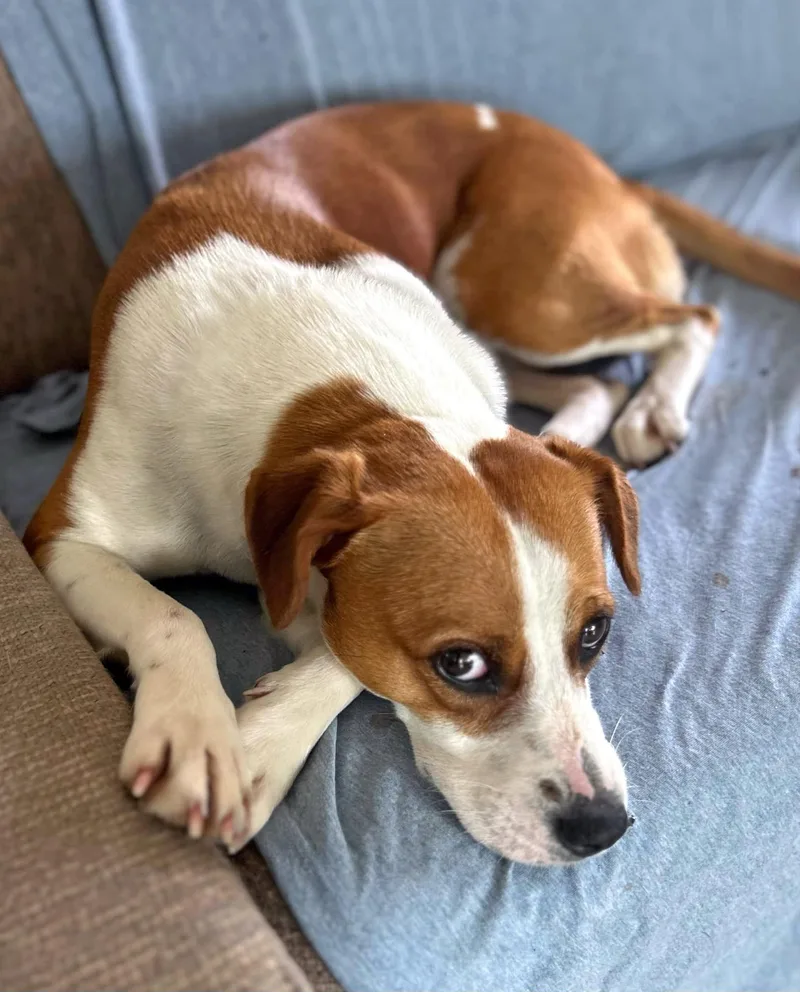
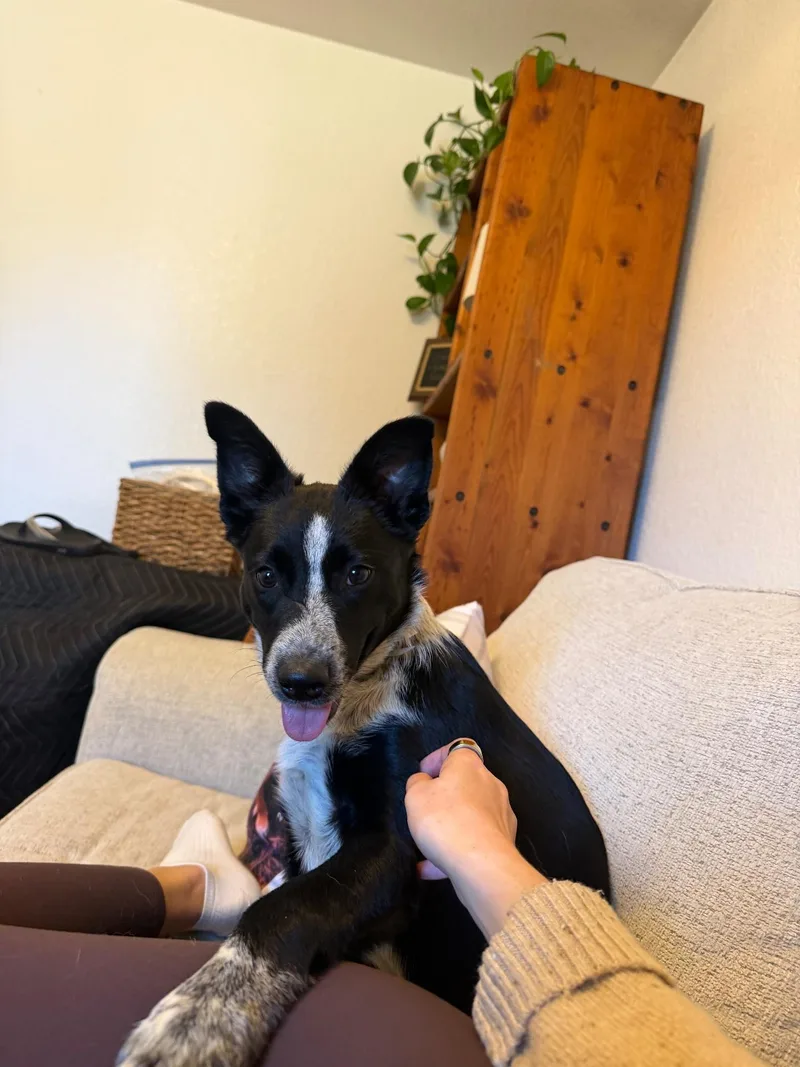
Say hello to your Hamiltonstovare

While we don't have enough dogs near Boise, keep in mind that many rescues may offer transport.

Hamiltonstovares and Similar Breeds Available for Adoption Near Boise

About the Hamiltonstovare breed

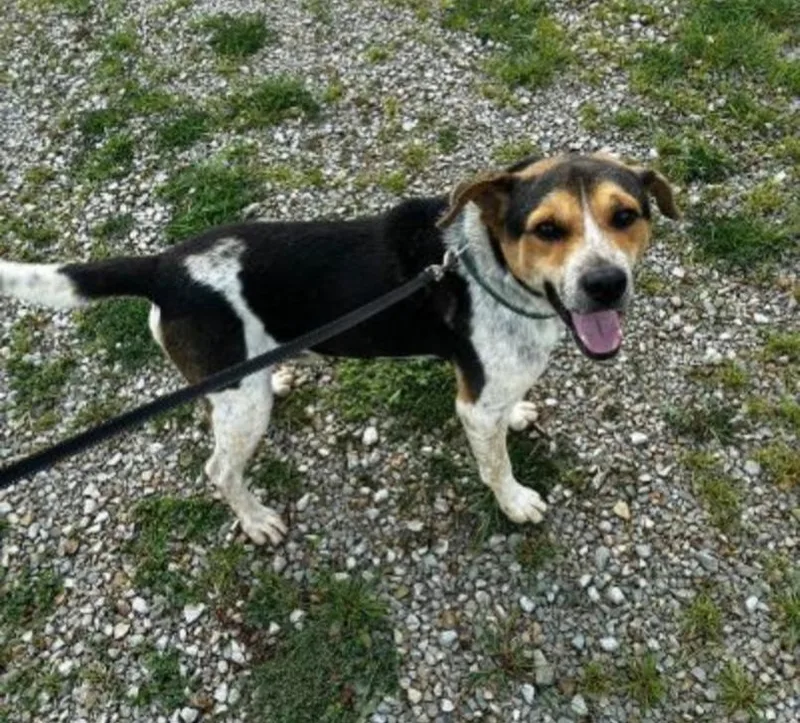
The Hamiltonstovare comes from Sweden, where Count Adolf Hamilton, founder of the Swedish Kennel Club, developed it and showed the first examples in 1886. It was bred to trail hare and fox alone rather than in a pack, giving tongue on the scent so hunters could follow. Adults stand roughly 19 to 24 inches and weigh about 50 to 60 pounds, with a close-lying tricolor coat of black mantle, tan and white.

Many are friendly and even-tempered with people and other dogs, but they can be stubborn in training and are driven by scent. In Boise, that means a securely fenced yard or a long line on trails, plus a plan for the quiet hours when a bored hound might bay. Dogs vary, so a breed description is only a starting point.

Weight
50–60 lbs
Height
19–24 in
Lifespan
10–13 yrs
Temperament
Friendly, Energetic, Independent
Group
Hound
Shedding
Moderate

Owning a Hamiltonstovare in Boise

Having a Hamiltonstovare in Boise

Hamiltonstovares pair an easygoing home life with the stamina of a hunting hound. In Boise, the Foothills trails, hot July afternoons and the city's leash rules shape a good day with one more than its size or coat do.

Temperament

Many Hamiltonstovares are friendly and even-tempered, and often enjoy other dogs. They can also be stubborn and easily distracted, so short, rewarding training sessions work better than repetition. Small pets and wildlife may trigger chasing, which matters on Foothills trails, and each dog's temperament varies.

Exercise Needs

Plan on a long walk or run every day, plus mental work like scent games. Most Foothills trails allow controlled off-leash dogs, but a Hamiltonstovare's nose can override recall, so a long line or the fenced Military Reserve Dog Park, which has a gate onto the trails, is the safer choice.

Health Considerations

Hip dysplasia occurs in the breed, and drop ears need regular checks for infection. In Boise, dry cheatgrass seeds can lodge in ears and between toes after Foothills hikes, so look over both after every outing. Keeping the dog lean protects its joints, and a veterinarian can review hips and ears at routine visits.

Living Space

A single-family home with a fenced yard suits the breed best, and much of Boise outside downtown fits that description. An apartment can work for an adult that gets long daily outings, but baying may carry through walls if a bored dog is left alone for long stretches.

What it costs to own a Hamiltonstovare in Boise

ExpenseTypical costPer year
Food$35 to $70 per month$420 to $840
Pet insurance$45 to $85 per month$540 to $1,020
Routine vet care$225 to $450 per year$225 to $450
Other*$440 to $1,190 per year$440 to $1,190
Estimated yearly total (after year one)$1,625 to $3,500

Other costs are estimates and vary with size, age and health.

* The Boise dog license (about $20 a year for a spayed or neutered dog), a dental cleaning allowance, flea, tick and heartworm prevention, toys and bedding, and occasional brushing and baths.

Adopt a Hamiltonstovare in Boise.

Now that you know more, let’s find you a new best friend. These rescues and shelters below have dogs available in and near Boise.

Rescues and Shelters in or near Boise

Boise's shelters and rescues list many dogs, but a Hamiltonstovare is rare, so the listings here change often. Here are the rescues & shelters in the Boise area with dogs available for adoption, worth asking whether a Hamiltonstovare is coming in.

Frequently Asked Questions

Yes. Boise's animal code has no breed-specific rules, and dangerous-dog designations depend on a dog's behavior. You can keep up to four dogs without a kennel license. Mind the noise rule, since baying counts: a nuisance means 30 minutes straight or 60 minutes within a day. Leaving a dog in a hot car is also prohibited.

Fenced parks suit a scent hound best: Dog Island at Ann Morrison Park and Military Reserve, plus Molenaar in Southwest Boise and Bowler in Southeast Boise. Most Ridge to Rivers trails allow controlled off-leash dogs within 30 feet, but carry a leash and use a long line, since a fresh trail can override recall.

Yes, with planning. A medium, short-coated hound copes with Boise's dry heat when exercise happens at dawn or evening, and July nights cool to about 62°F. Offer water before and after outings, rest on hot afternoons indoors, and cut back on smoky days. Dogs vary, so watch for heavy panting.

It fits active people with a fenced yard or reliable access to one. Boise's Greenbelt, Foothills trails and off-leash parks give a hound plenty of outlets. It's a poorer fit for households away all day, since a bored Hamiltonstovare may bay or wander, or for anyone wanting a dog that's dependable off-leash.

Only in a carrier. Valley Regional Transit buses require pets to ride in a kennel or carrier small enough to rest on your lap or fit under the seat, and service animals are exempt. A 50- to 60-pound Hamiltonstovare won't fit, so plan on driving or walking. Boise has buses only, no rail or subway.

Sometimes. Patio policies vary by restaurant, and dogs generally aren't allowed inside dining rooms, so confirm a patio's rules before you go rather than assuming access. Exercise your Hamiltonstovare first, bring a mat, and expect its nose to be busy around nearby plates. Skip crowded evenings if the dog is still learning manners.

Very little. The harsh, close-lying coat needs a weekly brush and an occasional bath, which many owners do at home, so professional grooming is optional. In Boise, spend the time on checks instead: after Foothills hikes, look through ears, between toes and the coat for cheatgrass seeds, and keep drop ears clean.

Yes, Hamiltonstovares shed, though their short, close-lying coat makes care easy. Expect a moderate amount of hair year-round, with heavier shedding when the coat changes with the seasons. A weekly once-over with a rubber curry brush or hound glove removes most loose hair. They are not hypoallergenic, so people with dog allergies should spend time with one before adopting.

Hamiltonstovares can be loud, but they are not usually constant barkers at home. The breed was developed to give tongue, baying as it follows a scent so hunters can track it, and that voice comes out when a dog catches an interesting trail or grows bored. Plenty of exercise, scent games and company keep household noise lower.

Plan on roughly $1,600 to $3,500 a year for a Hamiltonstovare. That covers food at $35 to $70 a month, insurance at $45 to $85 a month, routine vet care at $225 to $450 a year, and other costs of $440 to $1,190 a year. Emergencies, boarding and training classes are extra.