Black Russian Terrier Dogs for Adoption in Des Moines, IA

Your guide to finding and caring for a Black Russian Terrier in Des Moines

Black Russian Terriers fit Des Moines best when there's a fenced yard and a long daily walk. Parts of Southwestern Hills have larger lots where a dog of 80 to 130 pounds can patrol, and the 1.9-mile loop at Gray's Lake gives a steady route for walks. Their thick black coat copes well with Des Moines winters, though July takes more care. Black Russians are devoted to their families and watchful with strangers, so they suit people who are home often and ready to train and groom them.

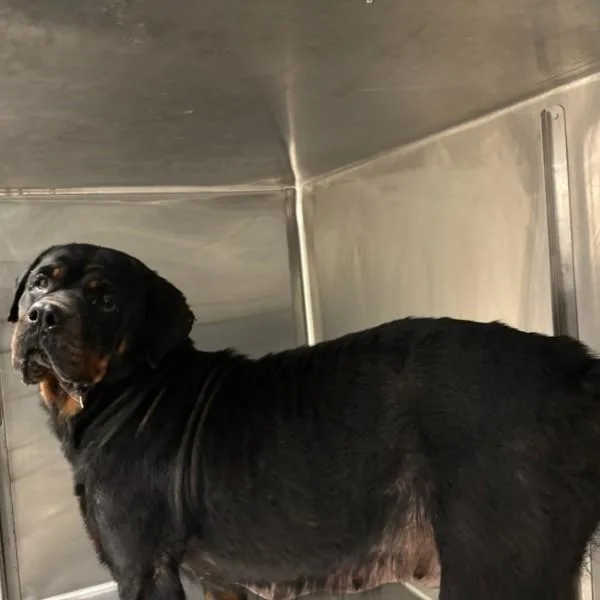
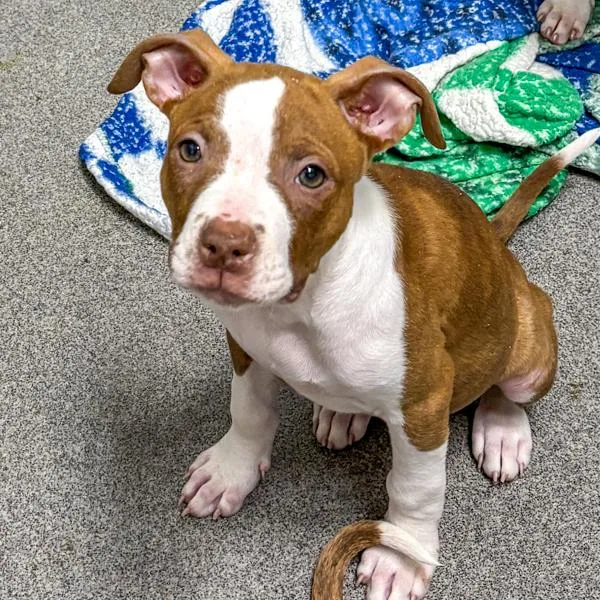
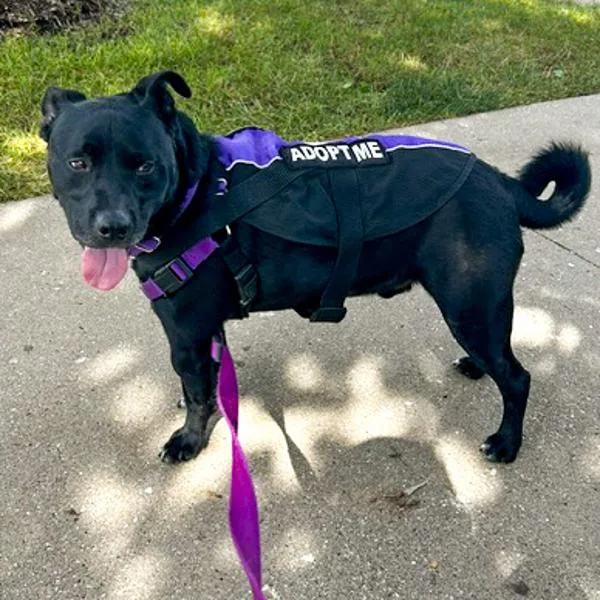
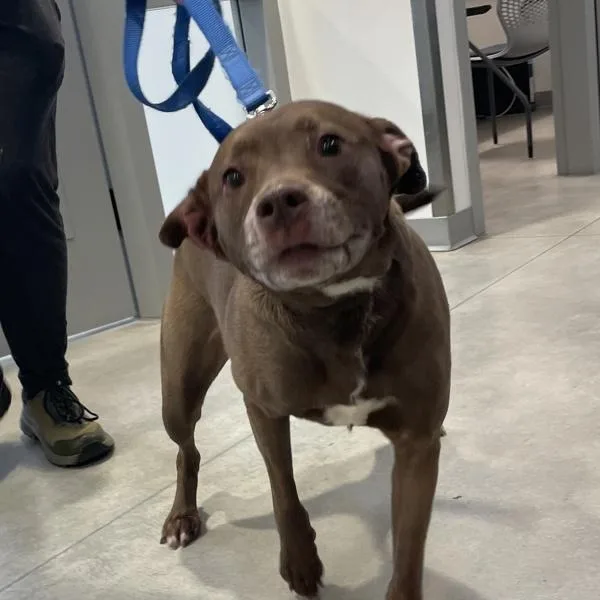
2696 dogs similar to Black Russian Terrier available in Des Moines and nationwide

Find your Black Russian Terrier

While we don't have enough dogs near Des Moines, keep in mind that many rescues may offer transport.

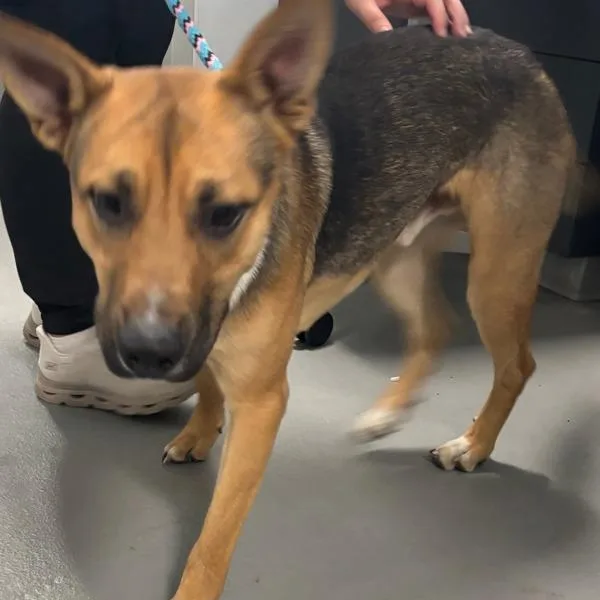
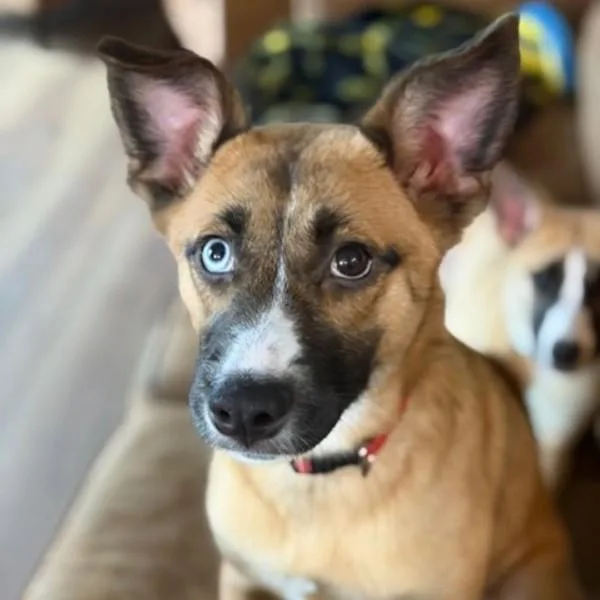
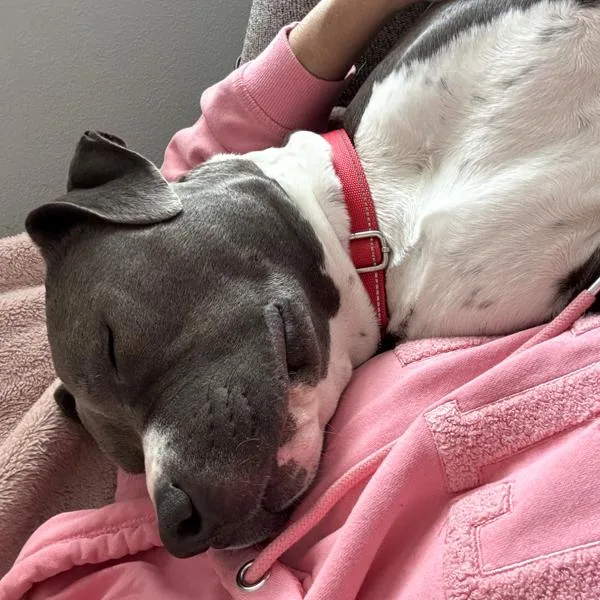
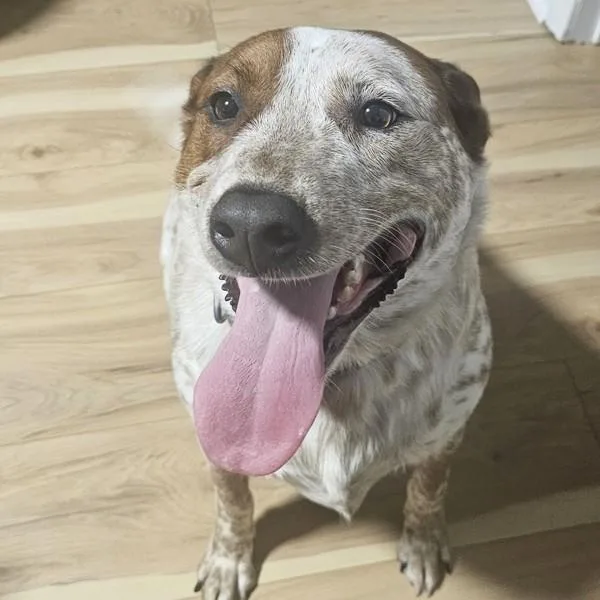
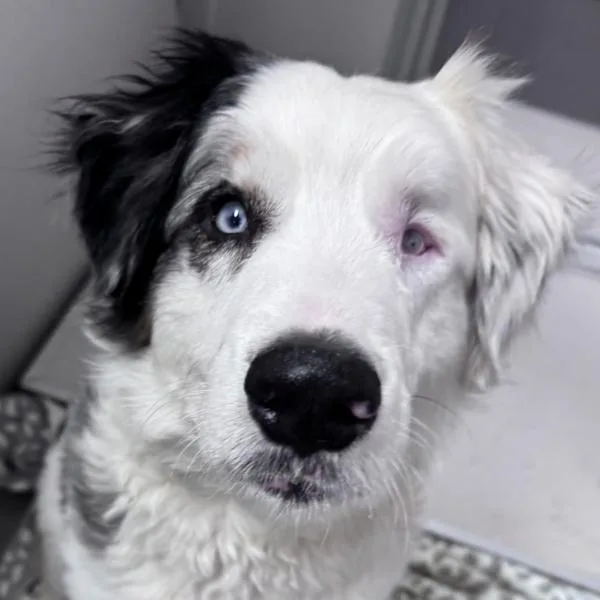
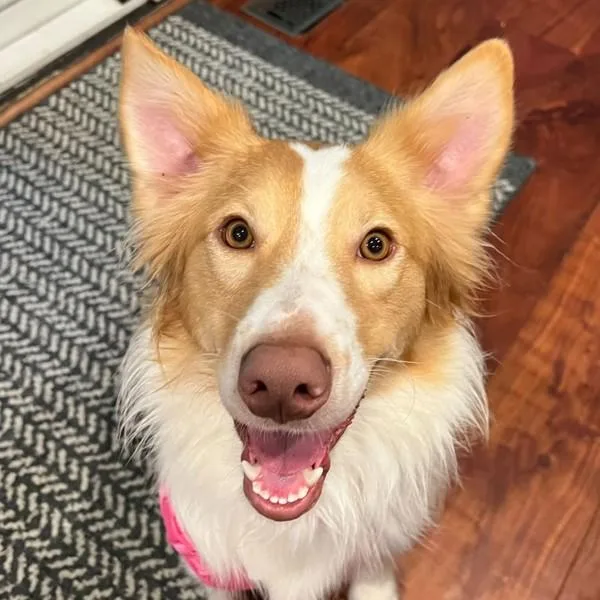
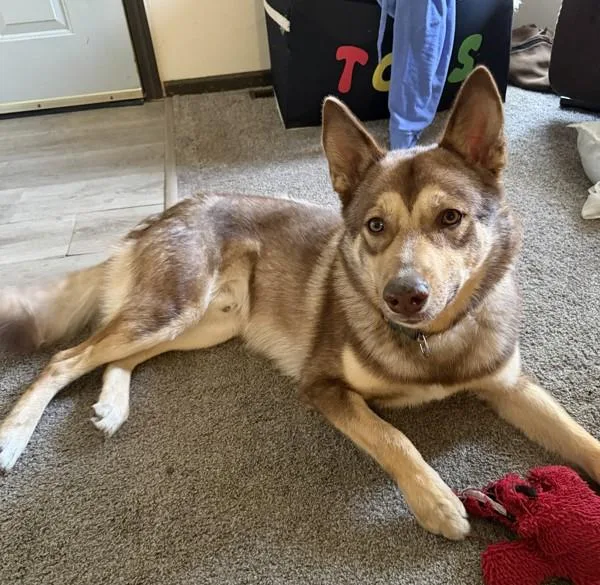
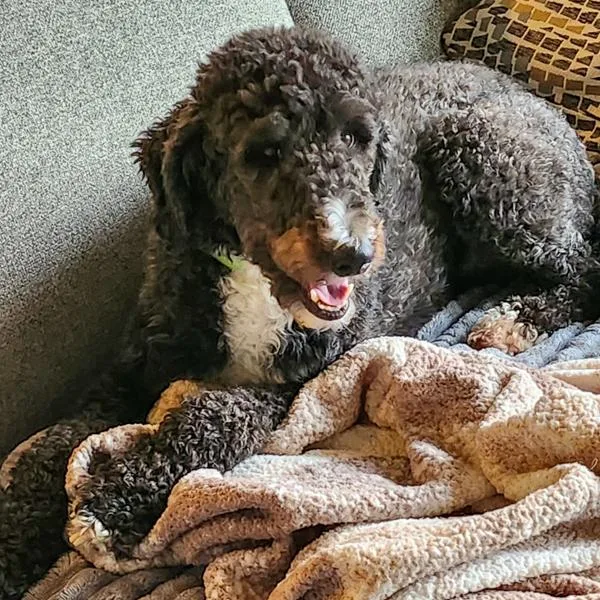
Black Russian Terriers and Similar Breeds Available for Adoption Near Des Moines

About the Black Russian Terrier breed

Despite the name, the Black Russian Terrier isn't a true terrier. It was developed in the Soviet Union in the late 1940s and 1950s as a large, hardy working dog, drawing on about 17 breeds including the Giant Schnauzer, Airedale and Rottweiler. The result is a heavy-boned dog with a wavy black double coat, a bearded muzzle and eyebrows that fall over the eyes.

Many are calm, confident and loyal to their families while staying aloof with strangers. They're intelligent and take well to consistent training, but their size and protective instincts suit an experienced handler. In Des Moines, that means a sturdy leash, a secure yard and steady socialization on walks around places like Gray's Lake. The low-shedding coat needs brushing a few times a week and professional trims, and the beard holds snow, water and food.

Weight
80–130 lbs
Height
26–30 in
Lifespan
10–12 yrs
Temperament
Confident, Protective, Loyal
Group
Working
Shedding
Low

Owning a Black Russian Terrier in Des Moines

Having a Black Russian Terrier in Des Moines

A Black Russian Terrier pairs a guardian's watchfulness with a coat that needs real upkeep. In Des Moines, a fenced yard, cold-friendly weather and a willingness to train and groom matter more than square footage alone.

Temperament

Black Russians tend to be calm, self-assured and devoted to their own people, and many are reserved with strangers. On Des Moines sidewalks and trails, early socialization and calm, reward-based training help keep that protectiveness manageable. Each dog differs, and a rescue dog's history and behavior say more than breed reputation.

Exercise Needs

Most need two good walks a day plus play, hiking or swimming. Gray's Lake's 1.9-mile loop works for leashed walks, and indoor training games help through long Des Moines cold stretches. Avoid hard exercise around meals because of bloat risk, and expect a bored Black Russian to turn destructive or pushy.

Health Considerations

Black Russians can face hip and elbow dysplasia, progressive retinal atrophy, bladder stones from hyperuricosuria and juvenile laryngeal paralysis. Like other deep-chested giants, they're at risk for bloat. A veterinarian can check joints, eyes and breathing, and keeping the dog lean helps. Warm July days add heat stress to the list.

Living Space

A house with a securely fenced yard suits most Black Russians, though a calm adult can manage a roomy apartment with dependable daily exercise. Expect a big dog on the floors and sofas. The thick black coat means summer is best spent indoors with the family, with shade and water outside.

What it costs to own a Black Russian Terrier in Des Moines

ExpenseTypical costPer year
Food$80 to $160 per month$960 to $1,920
Pet insurance$85 to $170 per month$1,020 to $2,040
Routine vet care$250 to $500 per year$250 to $500
Other*$1,060 to $2,805 per year$1,060 to $2,805
Estimated yearly total (after year one)$3,290 to $7,265

Other costs are estimates and vary with size, age and health.

* The Des Moines dog license ($15 spayed or neutered, $35 intact), the $20 annual dog park permit, flea, tick and heartworm prevention, a dental cleaning, professional trims every 6–8 weeks, joint supplements, and toys and bedding.

Adopt a Black Russian Terrier in Des Moines.

Now that you know more, let’s find you a new best friend. These rescues and shelters below have dogs available in and near Des Moines.

Rescues and Shelters in or near Des Moines

Des Moines's rescue community centers on the Animal Rescue League of Iowa, which also handles the city's animal control. Here are the rescues & shelters in the Des Moines area with dogs available for adoption, worth asking whether a Black Russian Terrier is coming in.

Frequently Asked Questions

Yes, Black Russian Terriers can be owned in Des Moines. Dogs six months and older need a city license ($15 spayed or neutered, $35 intact) and a rabies certificate, and households are limited to three dogs. The city's high-risk breed rules apply to pit-bull-type breeds, not Black Russians, but dogs must stay on a leash of six feet or less off your property.

Yes, most handle it well. The thick double coat suits Des Moines's long, snowy winters, so many Black Russians enjoy the snow. The main concerns are road salt and ice: wipe paws after walks, clear ice balls from the beard and leg hair, and keep outings short in extreme wind chill. Seniors and thin dogs may need extra care.

A calm adult sometimes can, but a house with a fenced yard is a better match. An 80-to-130-pound dog needs two daily walks plus play, and the thick coat makes summer heat harder indoors and out. Since some rentals set weight limits, confirm the pet policy first. A unit near Gray's Lake puts a 1.9-mile loop close by.

Ewing Dog Park is the largest off-leash option, with 8.5 fenced acres, while Reno Memorial and Riverwalk are smaller fenced parks. For leashed walks, try Gray's Lake's 1.9-mile loop or the Meredith Trail toward downtown. Dog parks need a $20 annual permit, and a Black Russian that's wary of strangers may do better at quieter hours.

No. DART, the Des Moines bus system, doesn't allow pets other than service animals, even in a carrier, which matters for a dog this size anyway. Plan to drive for vet visits and outings, and choose a vehicle roomy enough for an 80-to-130-pound dog to ride safely and comfortably.

Only to patios. Iowa allows leashed pet dogs on restaurant patios that meet state conditions, such as a separate outdoor entrance, but never inside; only service dogs may go indoors. Each restaurant decides whether to allow dogs, so look for posted rules at the patio entrance. A well-socialized Black Russian that settles calmly under the table fits best.

Plan on brushing a few times a week and a professional trim every 6 to 8 weeks. In Des Moines, winter adds paw wiping and checking the beard for ice and salt, while spring mud and fall burrs can tangle the coat. Trims are the biggest piece of the $1,060 to $2,805 in yearly Other costs, alongside parasite prevention and dental care.

Black Russian Terriers can be good family dogs for experienced owners. Many are affectionate, calm and protective with their own families and gentle with children they are raised with. Their size and guarding instincts mean they need training, socialization and supervision around visiting kids. An adult rescue with a known history in a family home can be a strong match.

No, Black Russian Terriers are not truly hypoallergenic, since no dog is free of allergens. Their coat sheds little, so they drop less hair around the house than many breeds, which helps some people with mild allergies. Dander and saliva still cause reactions, so spend time with the specific dog before adopting if anyone has allergies.

Expect roughly $3,300 to $7,300 a year. Food runs $80 to $160 a month, insurance $85 to $170 a month, routine vet care $250 to $500 a year, and other costs, mostly grooming, parasite prevention and dental care, $1,060 to $2,805 a year. Giant-breed food and regular trims account for much of the spread.