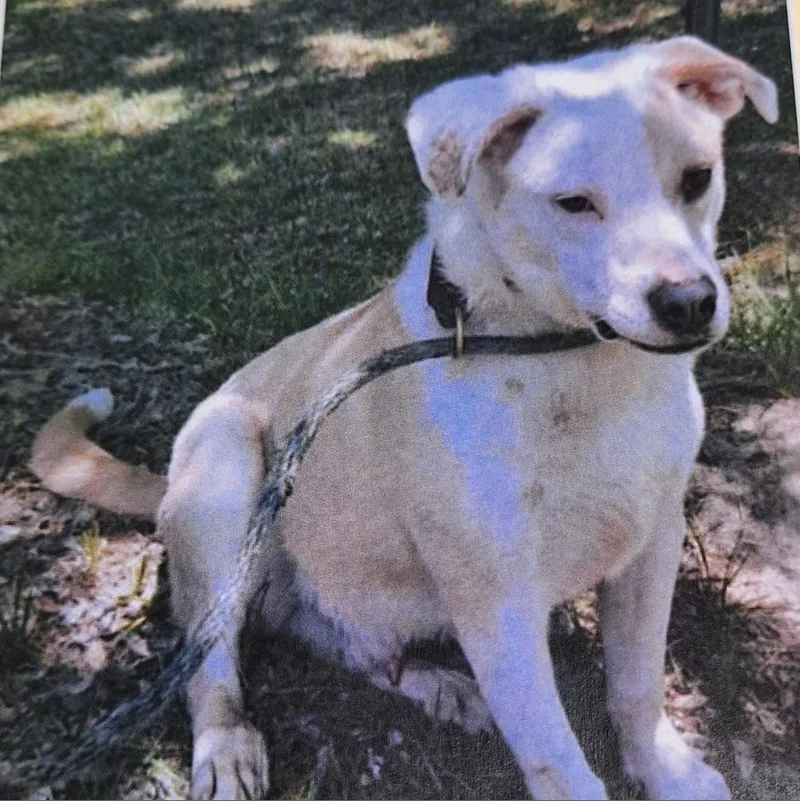
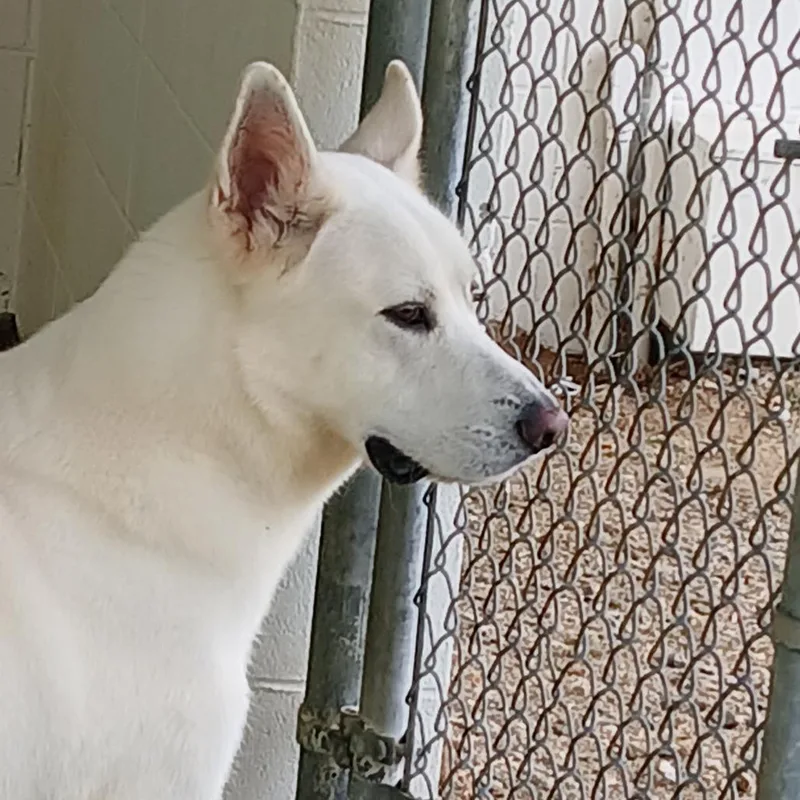
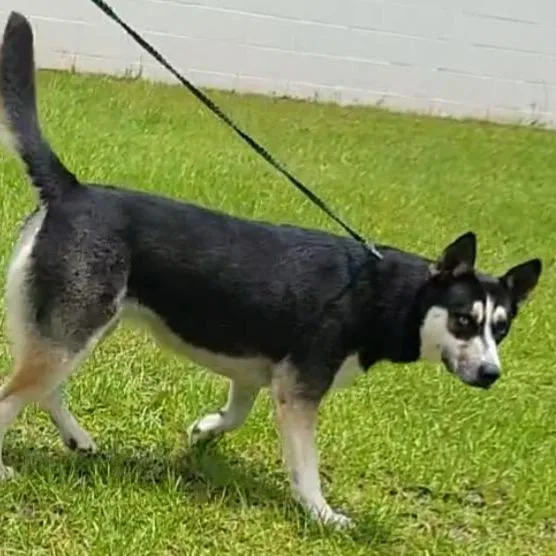
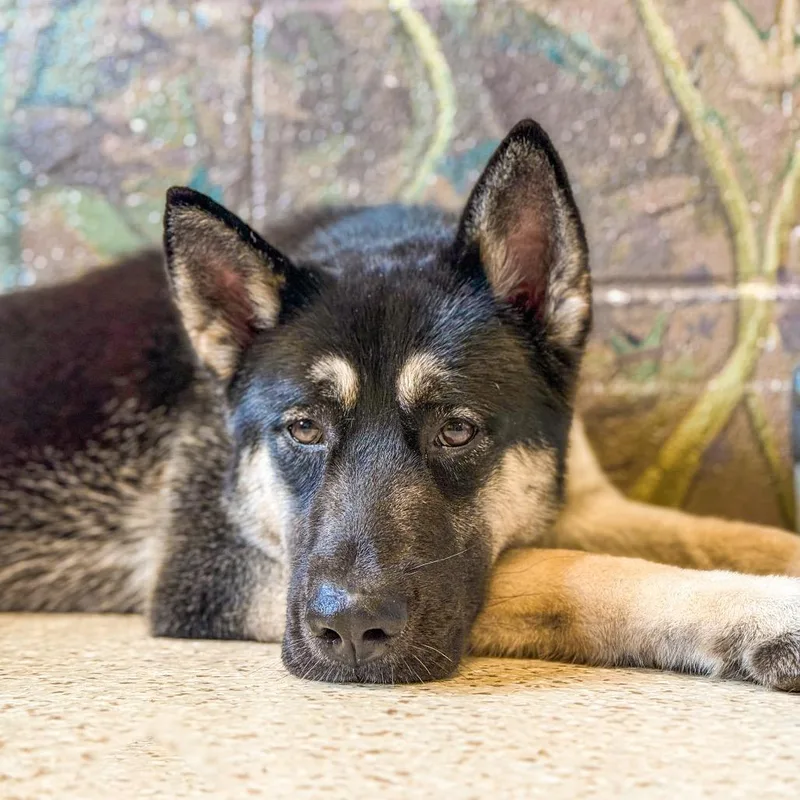
Husky Dogs for Adoption in Honolulu, HI

Your guide to finding and caring for a Husky in Honolulu

A Husky in Honolulu does best in a home with a fenced yard, somewhere like Mililani or Kāneʻohe. These dogs are built to run for miles, and Kāneʻohe's Kahua O Waikalua dog park has a separate large-dog area where a sociable Husky can burn off steam. The thick coat was made for Arctic cold, so daily life here revolves around air conditioning and early-morning walks. If you're adopting a Husky here, plan on a dog that wants company and a real workout every day.

4369 Huskies available in Honolulu and nationwide

Your Husky is waiting

While we don't have enough dogs near Honolulu, keep in mind that many rescues may offer transport.

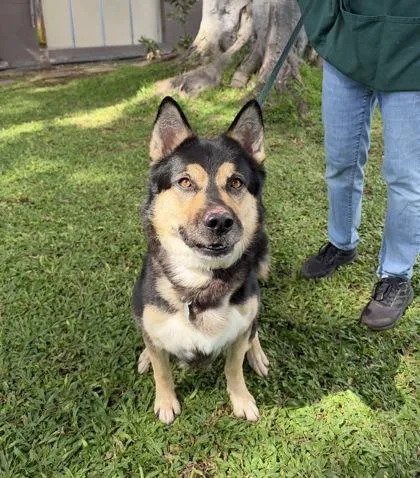
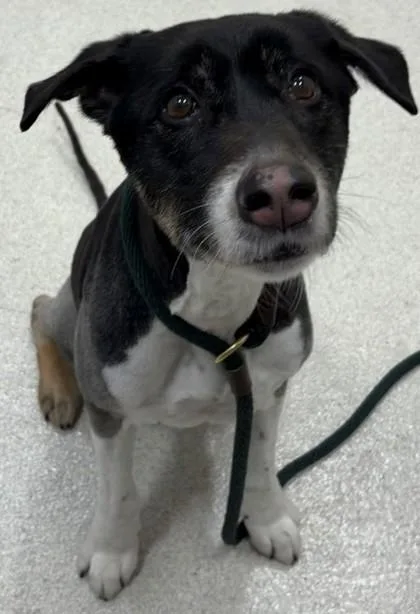
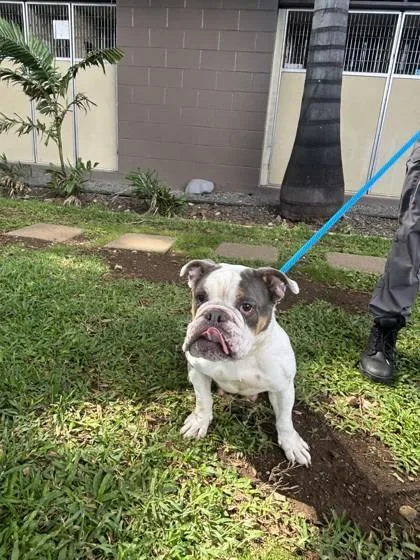
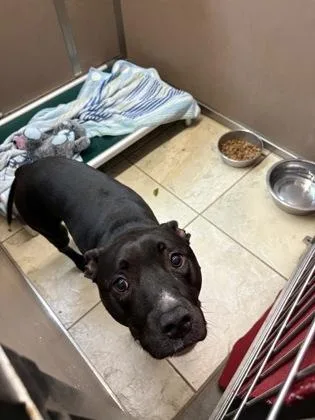
Huskies Available for Adoption Near Honolulu

About the Husky breed

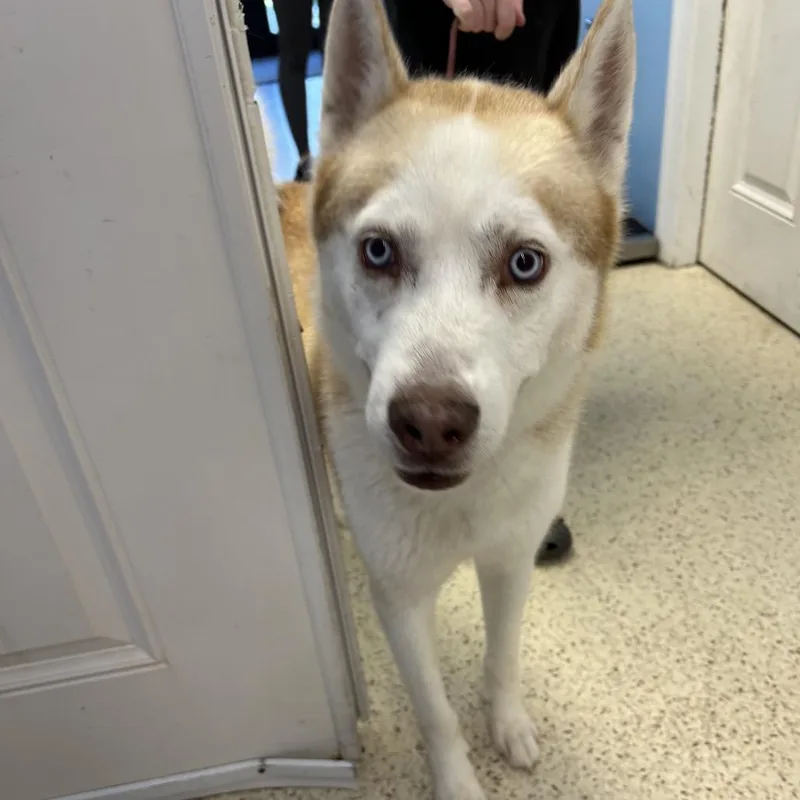
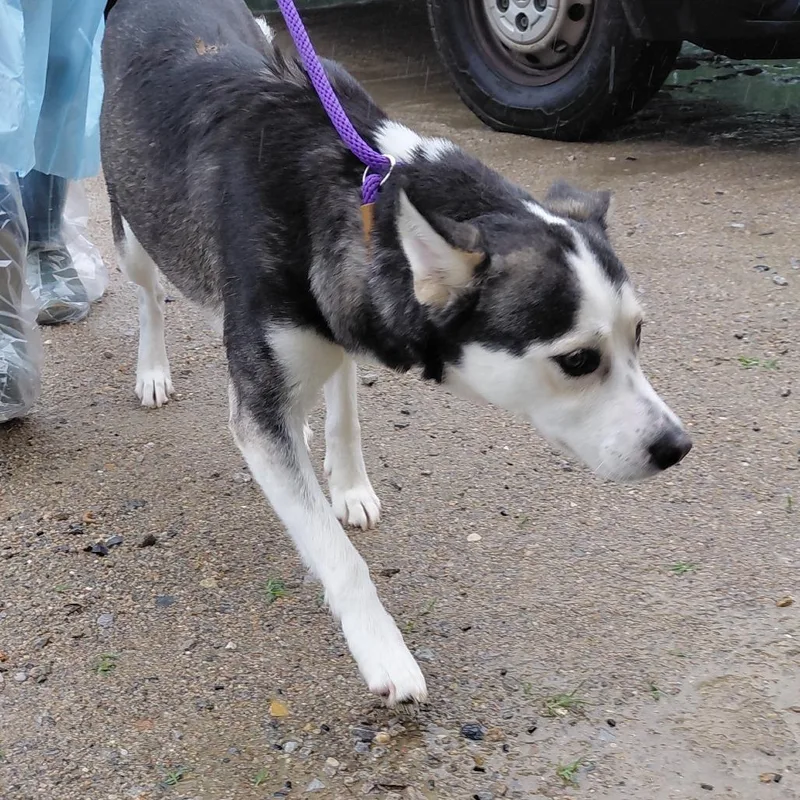
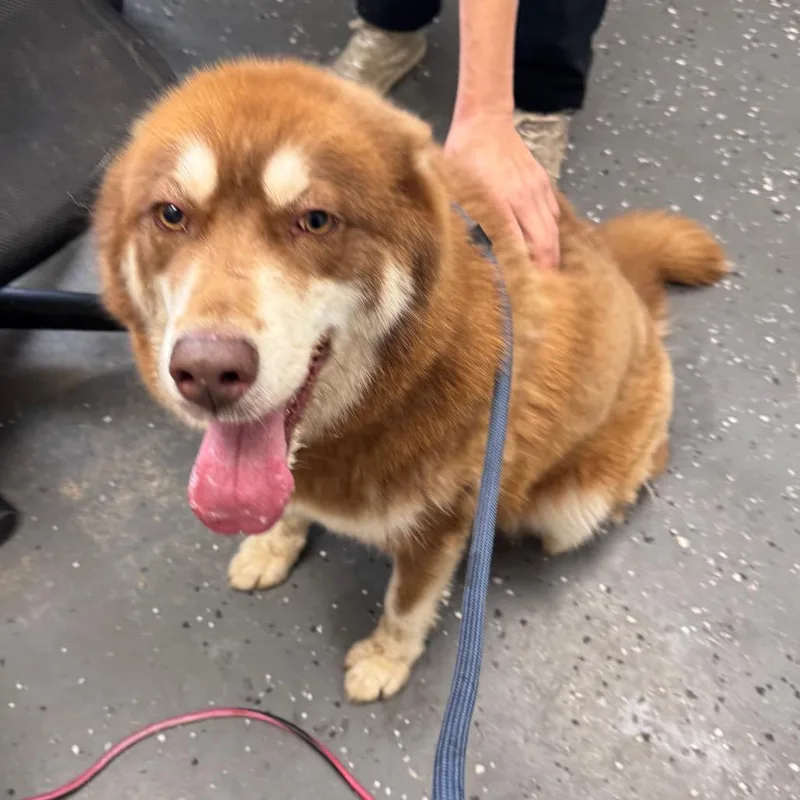
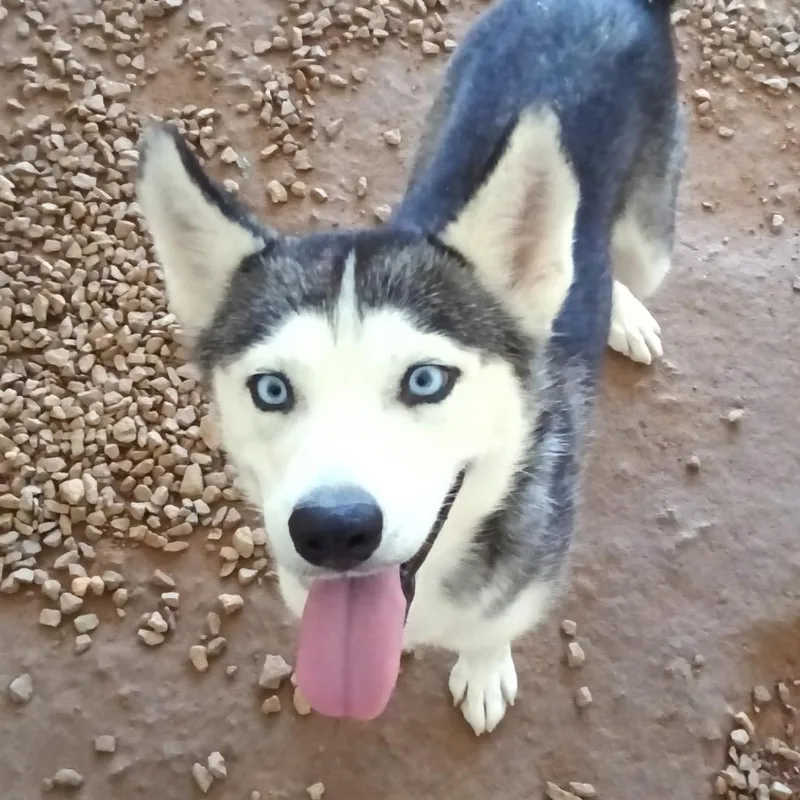
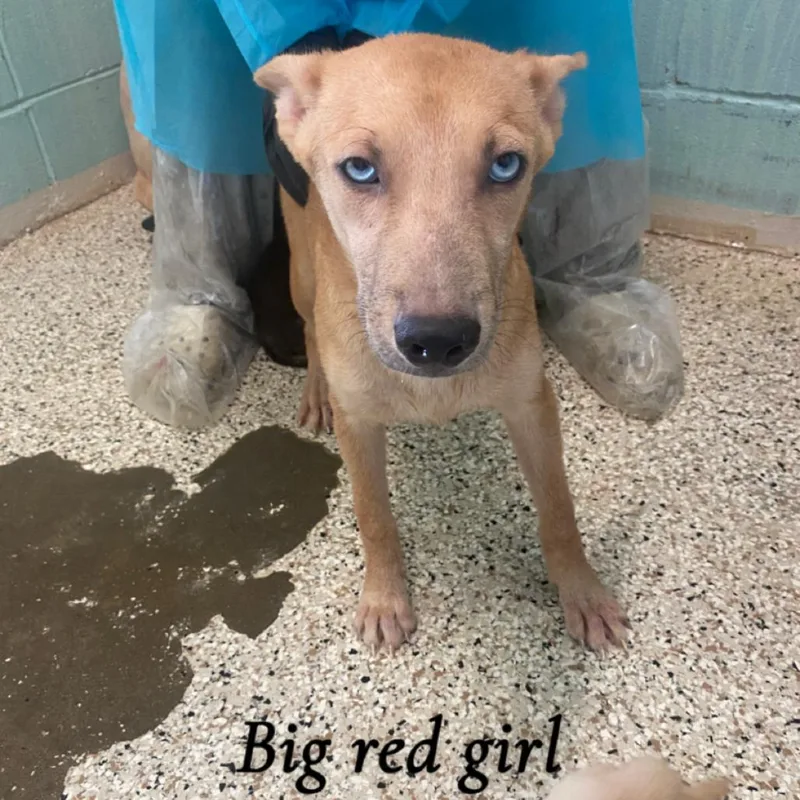
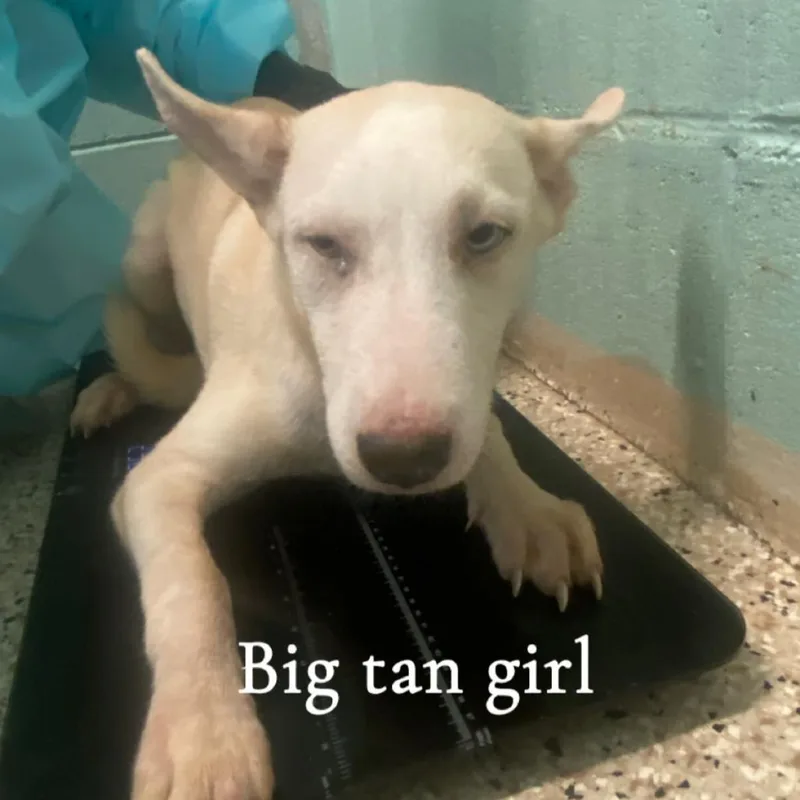
Husky is a label for northern sled dogs rather than one breed. In Honolulu it most often means a Siberian Husky or a Siberian mix, though some dogs carry Alaskan husky or Malamute ancestry. Most weigh 35 to 70 pounds and have erect triangular ears, a brush tail, a dense double coat and eyes that can be blue, brown or one of each.

Huskies are friendly, talkative and independent, and they were built to run in a team all day. That means a lot of exercise, a secure fence, tolerance for howling and plenty of loose fur. In Honolulu's warm, humid climate they also need real attention to staying cool. Dogs vary, especially mixes, so look at each dog's energy and size rather than the label alone.

Weight
35–70 lbs
Height
20–25 in
Lifespan
11–15 yrs
Temperament
Friendly, Energetic, Independent, Vocal
Group
Working
Shedding
High

Owning a Husky in Honolulu

Having a Husky in Honolulu

Sled-dog stamina, a social streak and a coat built for snow define the Husky type. In Honolulu the exercise and cooling needs matter most, so weigh these traits against your schedule, home and budget before you adopt.

Temperament

Huskies are usually outgoing and gentle with people, including strangers, so they make poor guard dogs. Many like other dogs, but a strong prey drive can be risky around cats and small pets. They're smart and independent, and may ignore commands that seem pointless, so patient, consistent training pays off. Temperament varies, particularly in mixes.
Exercise Needs

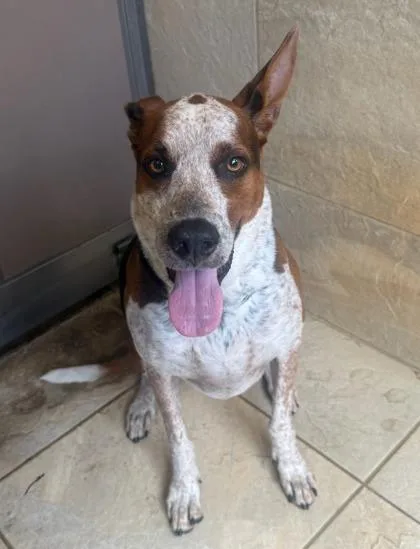
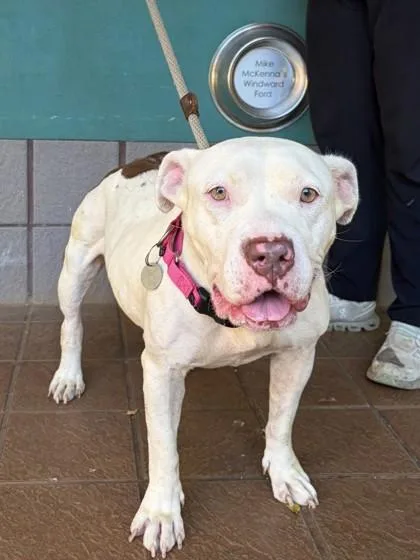
Plan on an hour or more of vigorous activity daily, split between cool early mornings and evenings. Kahua O Waikalua in Kāneʻohe, the Elaine Dobashi dog park in Hawaiʻi Kai and Mililani's dog park offer room to run. Recall is often unreliable, so most exercise happens on leash or in fenced areas, with puzzle toys for indoor days.

Health Considerations

Husky-type dogs are generally hardy, but eye problems such as juvenile cataracts and progressive retinal atrophy, zinc-responsive skin disease and hip problems turn up in some. Overheating is the main Honolulu risk. Leptospirosis and cane toads add island concerns, so ask a veterinarian about the lepto vaccine and schedule regular eye and hip checks.

Living Space

A Husky can manage in a Kakaʻako condo or a Mililani house if exercise and cooling are covered, but a fenced yard at least six feet high and dug-proofed is ideal. They need to live indoors with their people, and howling carries through shared walls, so think about your neighbors.

What it costs to own a Husky in Honolulu

ExpenseTypical costPer year
Food$35 to $70 per month$420 to $840
Pet insurance$45 to $85 per month$540 to $1,020
Routine vet care$225 to $450 per year$225 to $450
Other*$525 to $1,350 per year$525 to $1,350
Estimated yearly total (after year one)$1,710 to $3,660

Other costs are estimates and vary with size, age and health.

* Flea, tick and heartworm prevention, a yearly dental cleaning allowance, toys and bedding, and brushing for heavy shedding.

Adopt a Husky in Honolulu.

Now that you know more, let’s find you a new best friend. These rescues and shelters below have dogs available in and near Honolulu.

Rescues and Shelters in or near Honolulu

Oʻahu's animal welfare groups include an open-admission humane society and foster-based dog rescues, all working to place dogs in homes. Here are the rescues & shelters in the Honolulu area with dogs available for adoption, worth asking whether a Husky is coming in.

Frequently Asked Questions

Many can, with preparation. Honolulu rarely nears 100°F, but about 32 days a year reach 90°F, mostly July through September, and humid nights stay near 75°F. A Husky needs air conditioning, shade, fresh water, walks at dawn or after sunset, and caution on hot pavement. Heavy panting, drooling or lagging behind means it's time to cool off.

Kahua O Waikalua in Kāneʻohe has separate large- and small-dog areas, and Hawaiʻi Kai's Elaine Dobashi dog park suits a social Husky too. For hiking, leashed dogs are welcome on the Makiki Valley Loop and the ʻAiea Loop Trail. Go early before the sun climbs, and keep your Husky leashed near monk seals on beaches.

Yes. Honolulu has no known breed bans, and under state law a dog's breed isn't considered when deciding whether it's dangerous; behavior is what counts. Huskies are escape artists, so fence the yard instead of tethering. State law bars tethering with tow or log chains, using choke, pinch or prong collars, and tying up dogs under six months unsupervised.

Yes, if you can meet its needs. A Husky can live in a Honolulu condo with air conditioning and serious daily exercise, but its howling carries and neighbors can file noise complaints. Read the building's pet policy before you apply, since a dog that can reach 70 pounds may exceed weight limits. Ground-floor or yard access makes a Husky's days easier.

Generally no. TheBus and Skyline only allow pets in a small, closed carrier held on your lap or under the seat, and a Husky weighing 35 to 70 pounds won't fit. Service animals are permitted. Plan outings you can reach by car or on foot, and save longer trips for cooler hours.

Sometimes, on patios only. Since August 2025 Hawaiʻi lets restaurants allow pet dogs in outdoor dining areas, but each restaurant chooses whether to participate, and dogs can't walk through the interior. Indoor dining rooms stay off-limits. Bring water, pick a shaded table and make sure your Husky is calm around strangers and other dogs.

Plan on brushing a few times a week, and daily during heavy shedding. In Honolulu's year-round warmth, a Husky may shed steadily instead of in two big seasonal blowouts. Don't shave the coat, since it helps protect against sun; a thorough undercoat brush-out and regular baths keep it comfortable. Grooming is part of the $525 to $1,350 yearly Other costs.

It can be, for an active household. A Husky suits people who run or hike, are home often and can keep the dog cool. It's a harder match for long workdays or poorly ventilated apartments. Fireworks around New Year's make escapes more likely, so keep the microchip registration current and the yard secure.

A Husky is a northern sled dog type rather than one specific breed. The name most often refers to the Siberian Husky, a recognized AKC breed, but it also covers the Alaskan husky, a mixed racing type, and many husky mixes in shelters. Most are medium-sized, thick-coated, energetic dogs with erect ears and a friendly, independent nature.

Expect roughly $1,700 to $3,700 a year for a Husky in Honolulu. Food runs $35 to $70 a month, insurance $45 to $85 a month, routine vet care $225 to $450 a year, and other costs such as prevention, dental care and brushing $525 to $1,350 a year. Honolulu has no dog license fee.