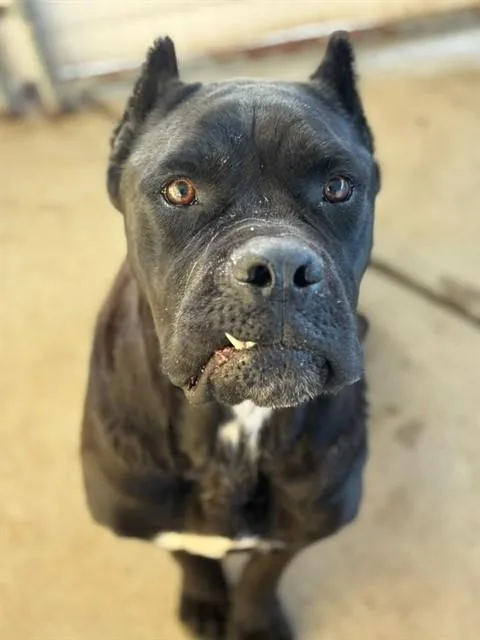
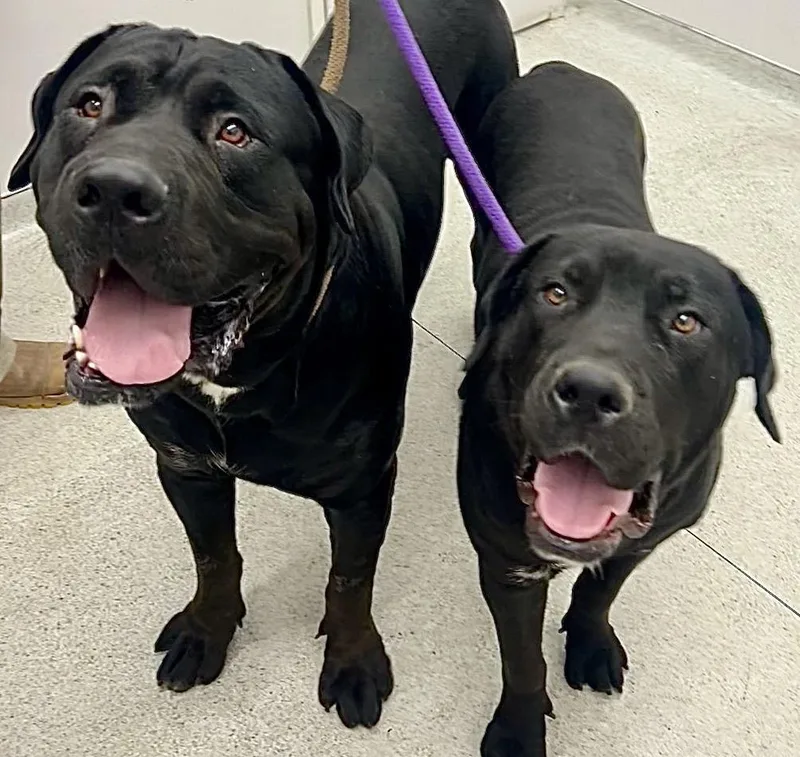
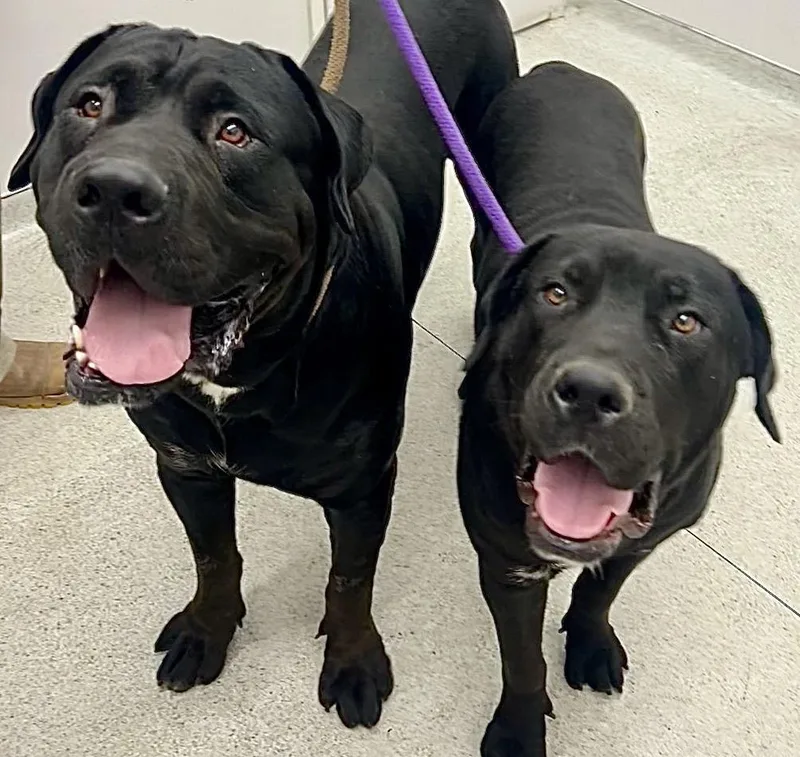
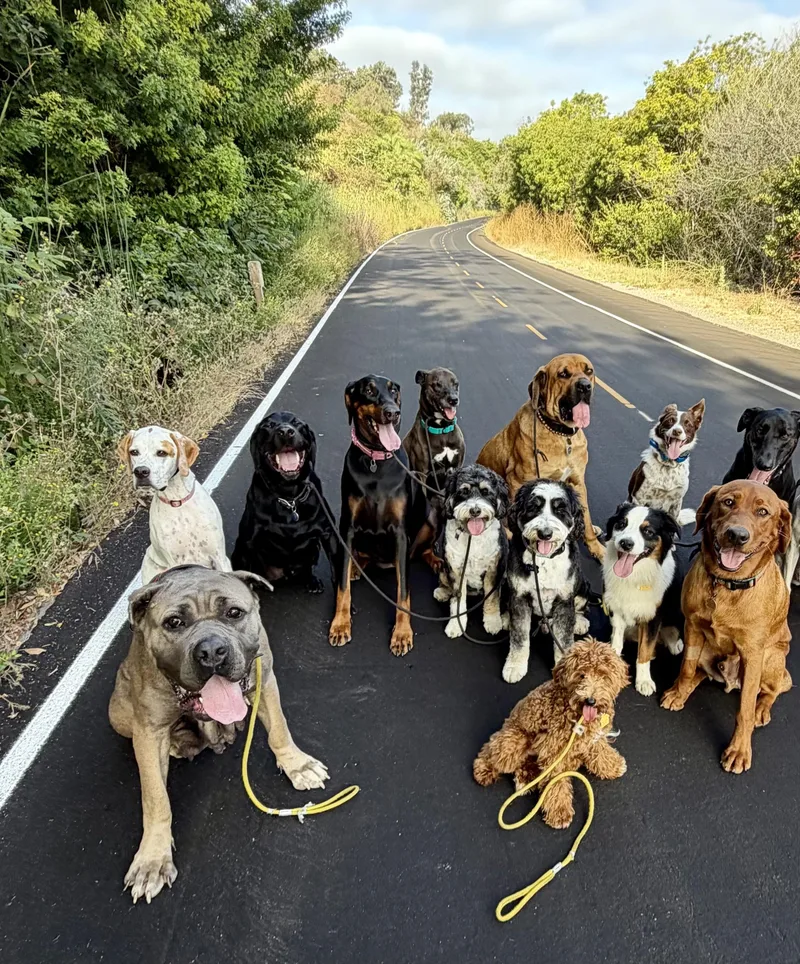
Fila Brasileiro Dogs for Adoption in Honolulu, HI

Your guide to finding and caring for a Fila Brasileiro in Honolulu

A Fila Brasileiro fits best in a Honolulu house with a fenced yard and an owner who has handled guardian breeds. That points to single-family areas like Mililani, Pālolo or Hawaiʻi Kai rather than a Kakaʻako high-rise, where crowded elevators and hallways would keep a wary giant on edge. Filas are calm and devoted with their own people and watchful with everyone else. Plan on a steady morning walk before the pavement heats up, then a day of patrolling the yard and resting indoors.

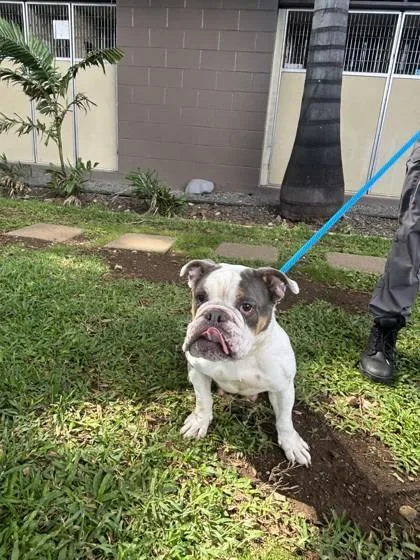
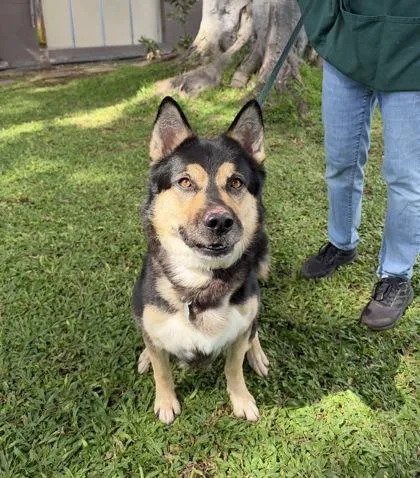
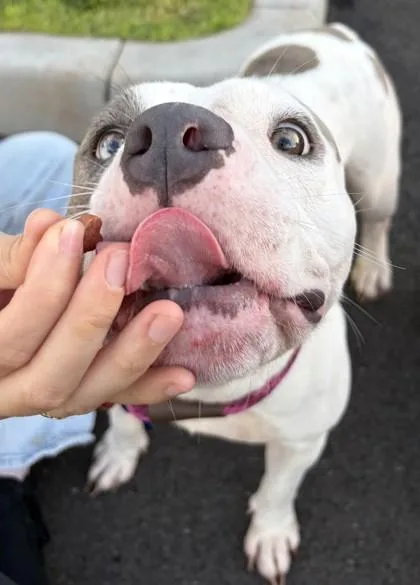
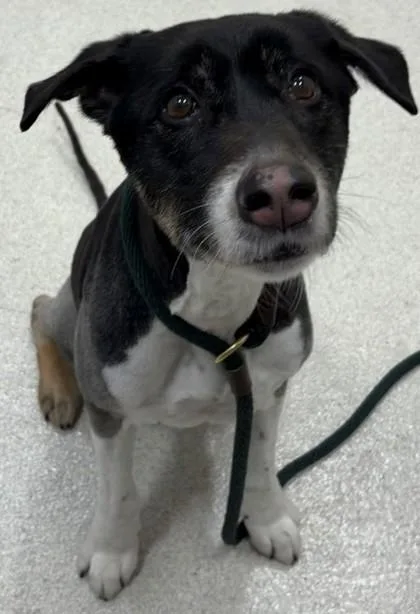
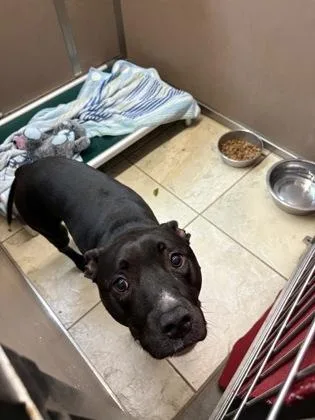
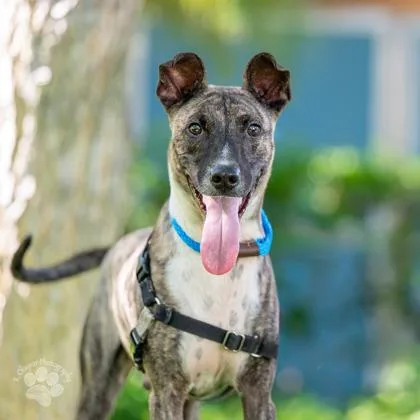
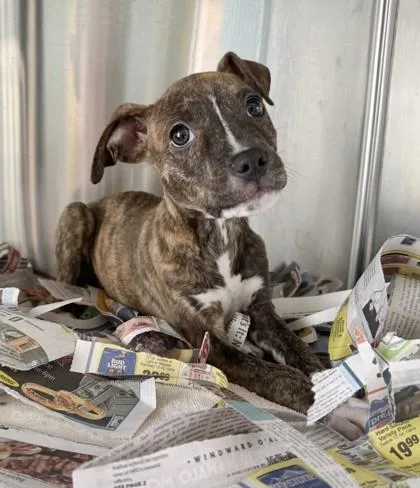
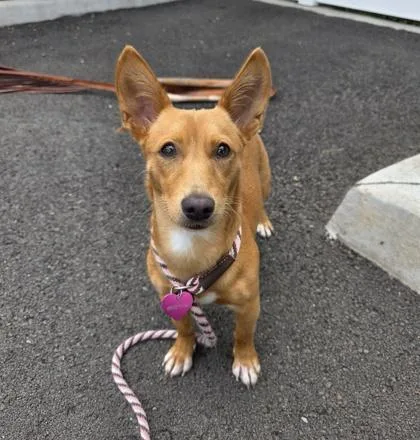
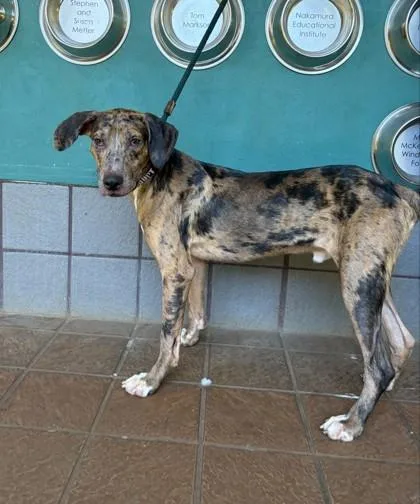
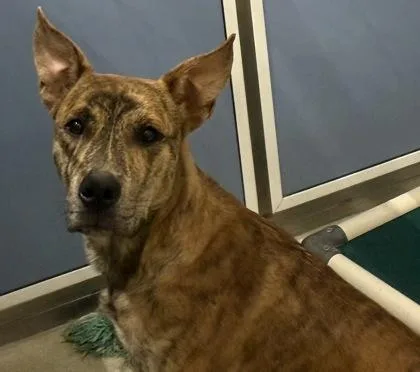
1782 dogs similar to Fila Brasileiro available in Honolulu and nationwide

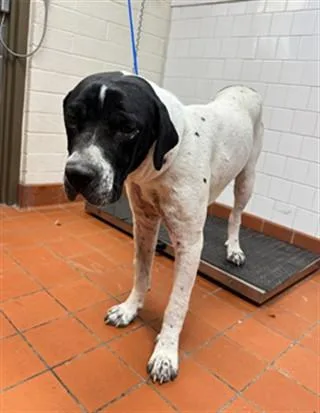
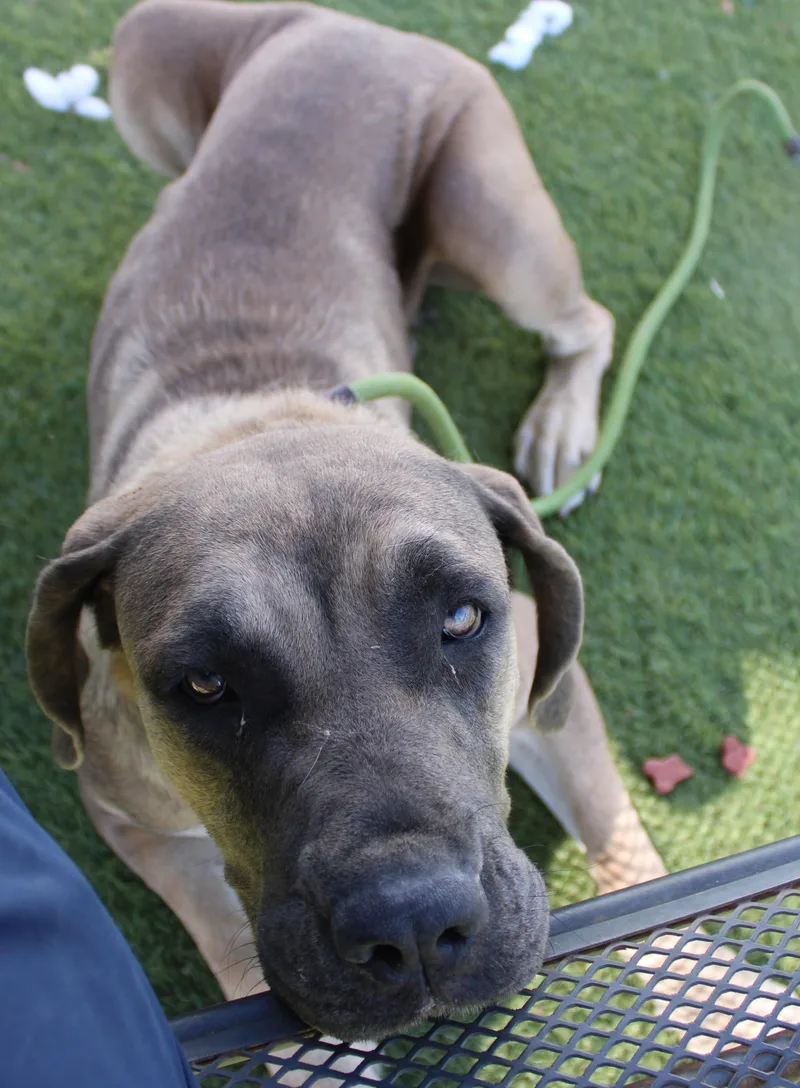
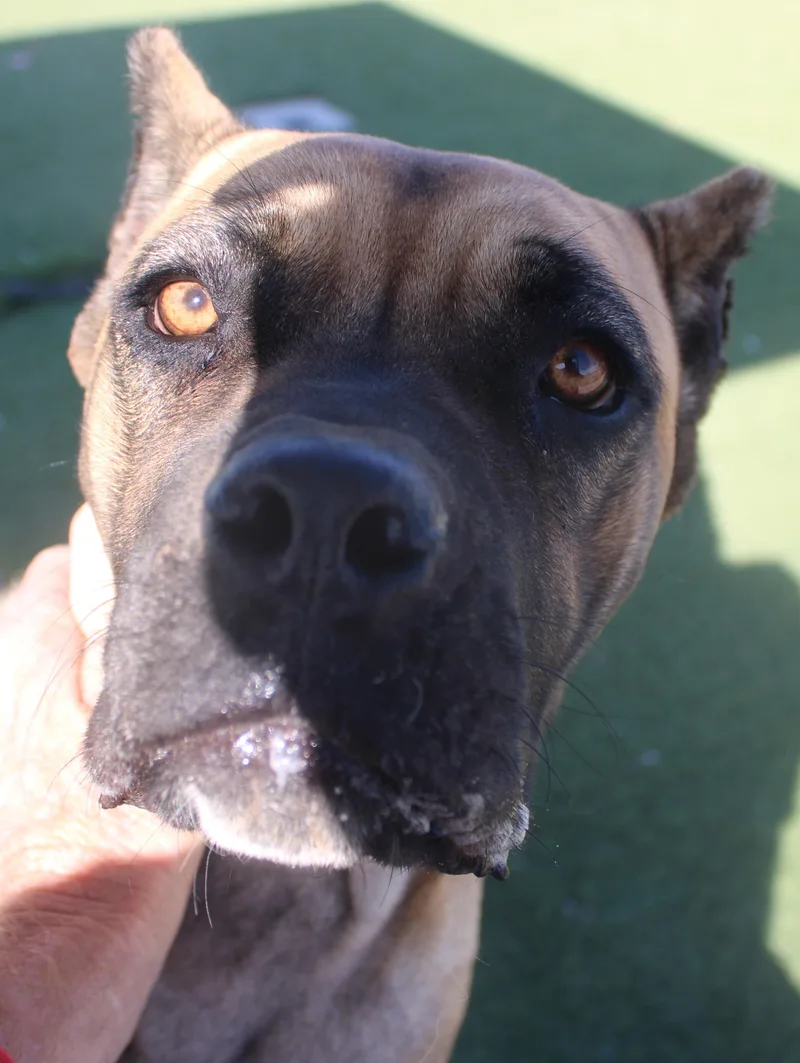
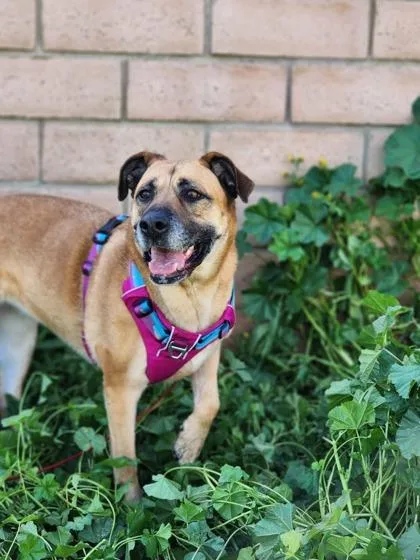
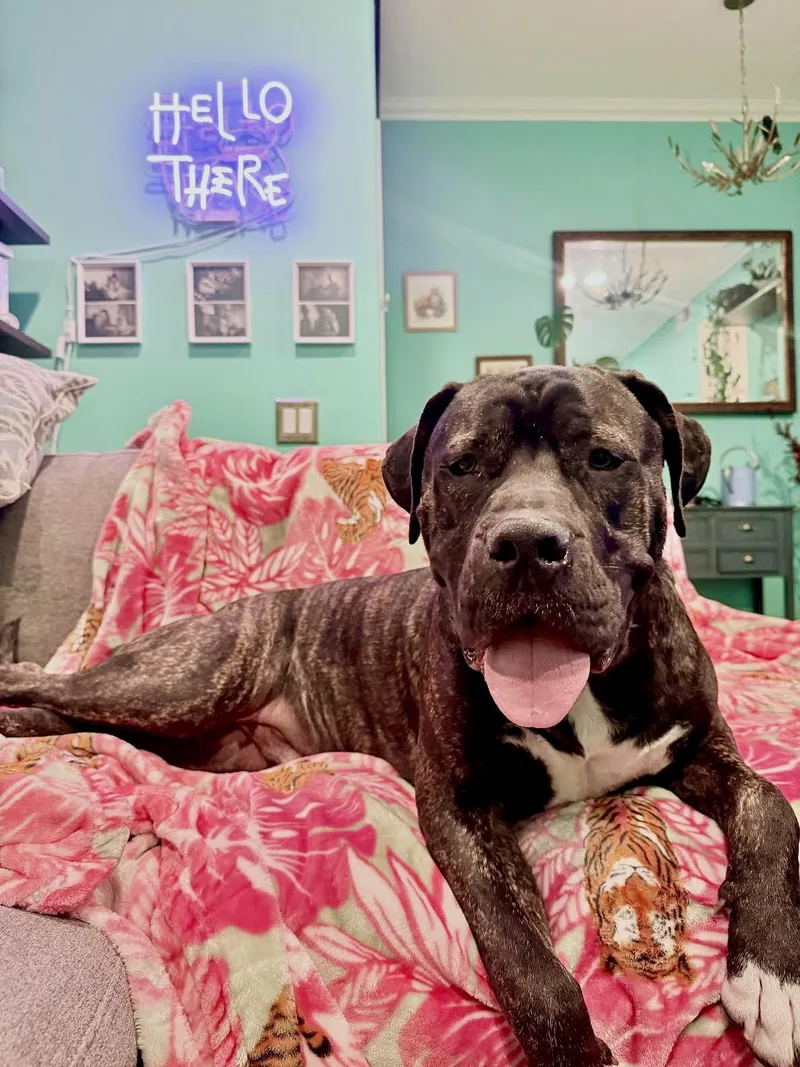
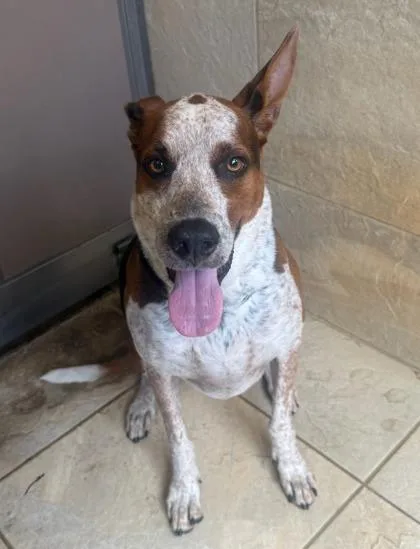
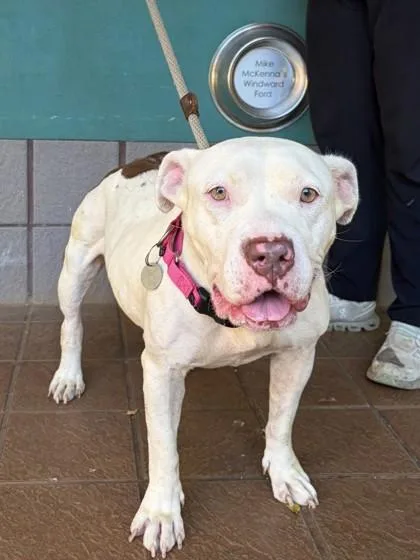
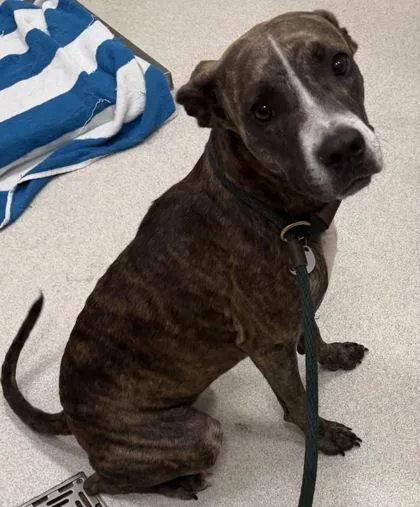
Meet a Fila Brasileiro who needs you

While we don't have enough dogs near Honolulu, keep in mind that many rescues may offer transport.

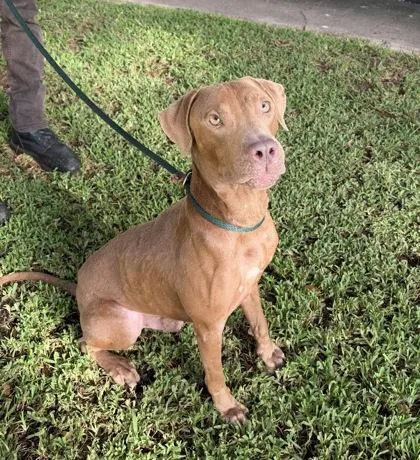
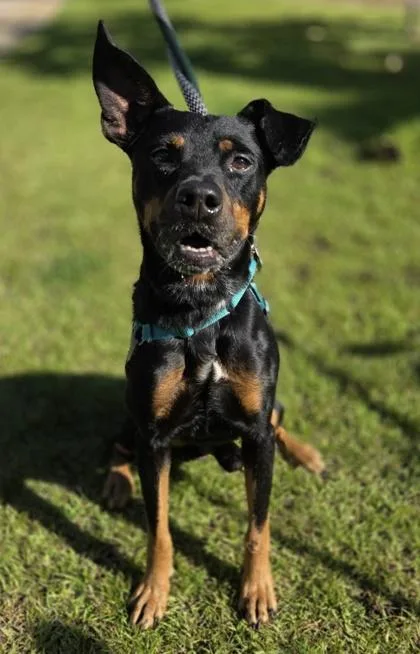
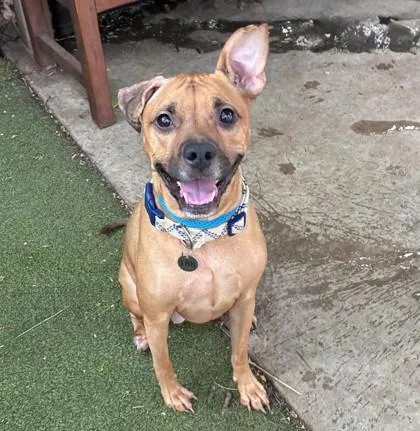
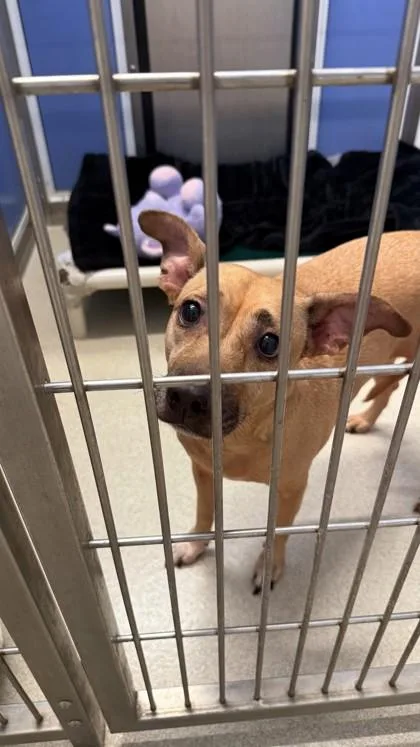
Fila Brasileiros and Similar Breeds Available for Adoption Near Honolulu

About the Fila Brasileiro breed

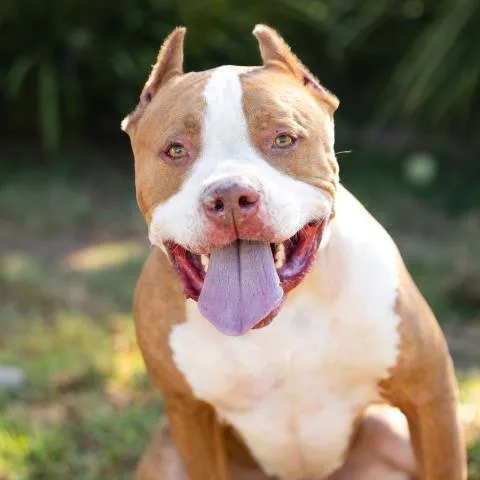
The Fila Brasileiro, or Brazilian Mastiff, is a giant molosser from Brazil's colonial-era ranches, where it guarded estates and worked cattle. Adults typically weigh 90 to 150 pounds and stand 24 to 30 inches tall, with loose, thick skin, heavy dewlaps and a rolling, camel-like gait. The short, smooth coat sheds moderately and needs only weekly brushing.

The breed standard describes a dog that is docile with its family but naturally aloof with strangers, especially at home. In Honolulu, where neighbors often share walls, lanais and sidewalks, that guarding instinct calls for a tall fence, controlled introductions and an owner with experience. Dogs vary, so a Fila's age and history matter as much as the breed. Lifespan is usually estimated at 9 to 11 years.

Weight
90–150 lbs
Height
24–30 in
Lifespan
9–11 yrs
Temperament
Protective, Devoted, Courageous
Group
Working
Shedding
Moderate

Owning a Fila Brasileiro in Honolulu

Having a Fila Brasileiro in Honolulu

Guarding instinct, giant size and a need for firm, experienced handling define life with a Fila. In Honolulu, that mostly comes down to secure fencing, managing heat on pavement and finding housing that welcomes a dog this size.

Temperament

Filas are usually calm and affectionate with their own family, but many stay wary of visitors and unfamiliar dogs. On a dense island where walks pass joggers, beachgoers and other dogs, plan on a short leash, early socialization and lifelong management. Temperament varies from dog to dog, so a calm, steady adult is a strong match.

Exercise Needs

Adults need moderate daily exercise: a steady leashed walk or two, plus time patrolling a fenced yard. Walk early or after sunset, since asphalt and sand stay hot, and avoid late morning to mid-afternoon. Training sessions and scent games add mental work, and young dogs should stick to low-impact activity while their joints develop.

Health Considerations

Filas can face hip and elbow dysplasia and bloat, a sudden stomach emergency, so lean weight, smaller meals and joint checks matter. In Honolulu, ask a veterinarian about the leptospirosis vaccine, since the bacteria spread through stream water and wet soil, and keep your dog away from cane toads in wet yards.

Living Space

Single-family neighborhoods such as Mililani, Hawaiʻi Kai and Kāhala offer the yard space a Fila needs, while high-rise condos with shared elevators and hallways are a poor match for a wary giant. A Fila should live indoors with its family and have a cool, shaded spot outside.

What it costs to own a Fila Brasileiro in Honolulu

ExpenseTypical costPer year
Food$80 to $160 per month$960 to $1,920
Pet insurance$85 to $170 per month$1,020 to $2,040
Routine vet care$250 to $500 per year$250 to $500
Other*$575 to $1,650 per year$575 to $1,650
Estimated yearly total (after year one)$2,805 to $6,110

Other costs are estimates and vary with size, age and health.

* Giant-size flea, tick and heartworm prevention, a dental cleaning allowance, sturdy toys and bedding, minimal coat care and joint supplements.

Adopt a Fila Brasileiro in Honolulu.

Now that you know more, let’s find you a new best friend. These rescues and shelters below have dogs available in and near Honolulu.

Rescues and Shelters in or near Honolulu

Oʻahu's rescue community includes an open-admission shelter and foster-based groups that work to place dogs of every size. Here are the rescues & shelters in the Honolulu area with dogs available for adoption, worth asking whether a Fila Brasileiro is coming in.

Frequently Asked Questions

Yes, you can own a Fila Brasileiro in Honolulu. No breed bans are known, and Hawaiʻi's dangerous-dog law says a dog's breed shall not be considered, so status depends on behavior. You'll need a registered microchip instead of a license, plus a leash off your property. Landlords, condo associations and insurers may still restrict giant guardian breeds.

A Fila fits Honolulu best with an experienced owner in a house with a tall fence, such as in Kāhala or Kapolei. It's a weaker fit for crowded high-rises, busy beach days and frequent visitors, because Filas stay wary of strangers. Year-round warmth also means early and late walks, shade and a cool place to rest indoors.

A Fila can live in a Honolulu apartment, but it's rarely ideal. A dog of 90 to 150 pounds faces shared elevators, hallways and neighbors, all constant strangers for a guarding breed, and many buildings limit dog size. A ground-floor unit with private outdoor access and written approval from the landlord works best.

Yes, with care. A heavy Fila can overheat in humid sun even when the thermometer stays in the 80s. Watch for heavy panting, thick drooling or slowing down, then move to shade and cool the dog with water. Collapse, vomiting or glassy eyes call for an immediate vet visit. Short coats don't prevent sunburn or hot paws.

Mililani District Park, Neal S. Blaisdell Park in Pearl City, Kapolei Green Neighborhood Park and Kamilo Iki Neighborhood Park in Hawaiʻi Kai all allow leashed dogs. Most other City parks don't allow dogs. For a Fila, quiet hours and a short leash beat crowded weekend sessions, and off-leash play with unfamiliar dogs may not suit a guarding breed.

No, not unless the Fila is a service animal. TheBus and Skyline allow pets only in a small closed carrier on your lap or under the seat, which rules out a dog weighing 90 pounds or more. Service animals are permitted. Plan on a car or on errands within walking distance of home.

Possibly on a patio, though it's often not a great idea. Since August 2025, Hawaiʻi allows dogs in outdoor dining areas at restaurants that opt in and post signage, and indoor dining rooms stay off-limits. A Fila's size and wariness of strangers make tight, crowded seating stressful, so quiet off-peak times work better.

A Fila's short, smooth coat needs little: a weekly brush with a rubber curry mitt handles moderate shedding, and baths only when needed. In Honolulu's humid warmth, dry the skin folds and dewlaps after rain, swims or baths, and keep nails trimmed. Coat care is minimal, so it's a small part of yearly Other costs.

A Fila Brasileiro is a giant Brazilian mastiff-type guardian, also called the Brazilian Mastiff. It was developed on colonial ranches to guard property, drive cattle and catch large game. Filas have loose skin, heavy dewlaps and a distinctive pacing gait. They tend to be devoted to their own family and strongly distrustful of strangers, so they suit experienced owners.

Expect roughly $2,800 to $6,100 a year for a Fila in Honolulu: food at $80 to $160 a month, insurance at $85 to $170 a month, routine vet care at $250 to $500 a year, and $575 to $1,650 for everything else. Insurers may surcharge guardian breeds, and no dog license is needed.