Curly-Coated Retriever Dogs for Adoption in Honolulu, HI

Your guide to finding and caring for a Curly-Coated Retriever in Honolulu

Curly-Coated Retrievers love water, and Oʻahu has plenty of it. A leashed morning swim at Kailua Beach Park or an off-leash session at Kahua O Waikalua in Kāneʻohe gives a Curly the running and retrieving it craves. Most Curlies are reserved with strangers, so a quieter Windward street or a Mililani cul-de-sac often suits them better than a crowded Waikīkī tower. They're tall, athletic dogs that stay playful for years, so expect a big, curly shadow.

15109 dogs similar to Curly-Coated Retriever available in Honolulu and nationwide

Bring home a Curly-Coated Retriever

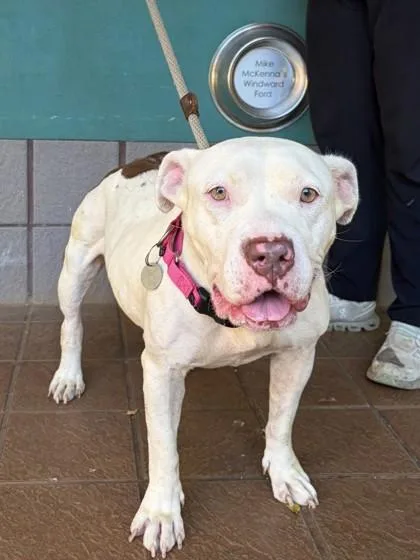
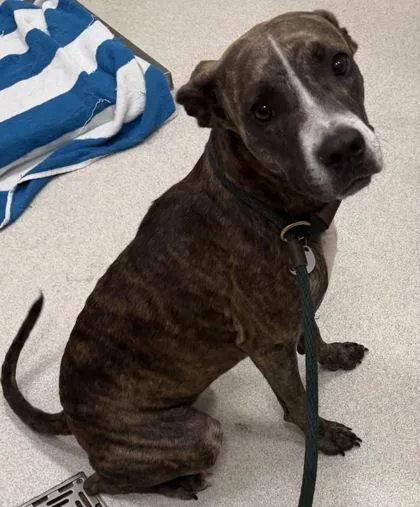
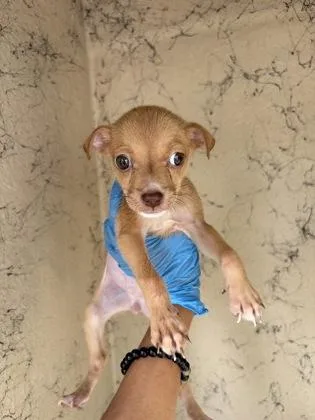
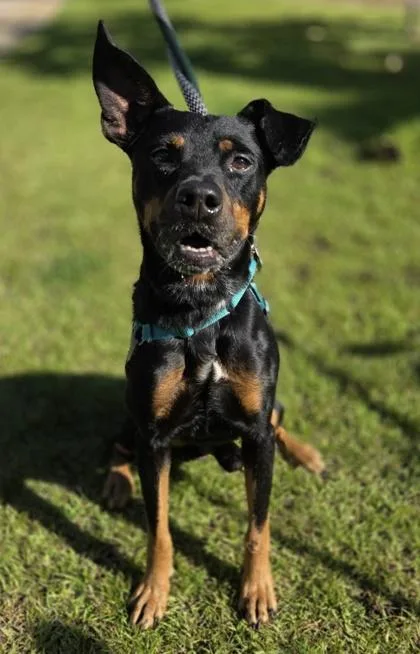
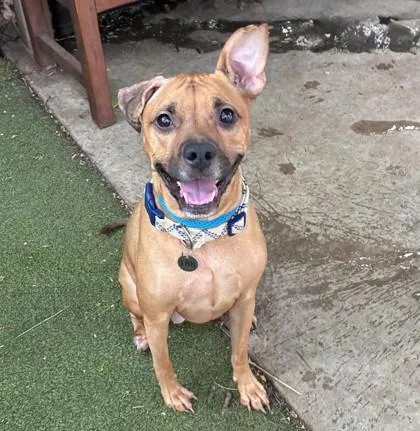
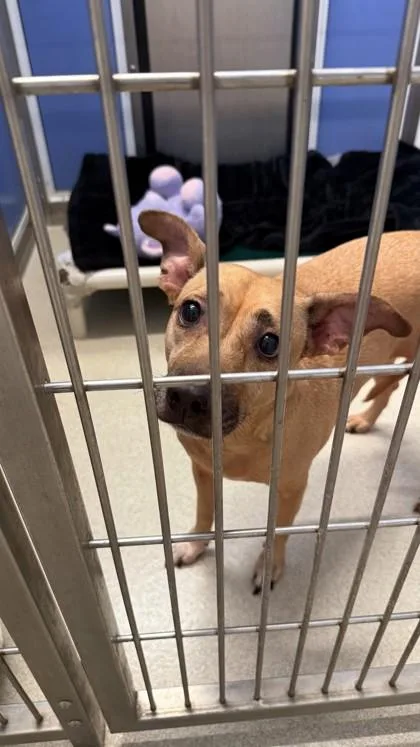
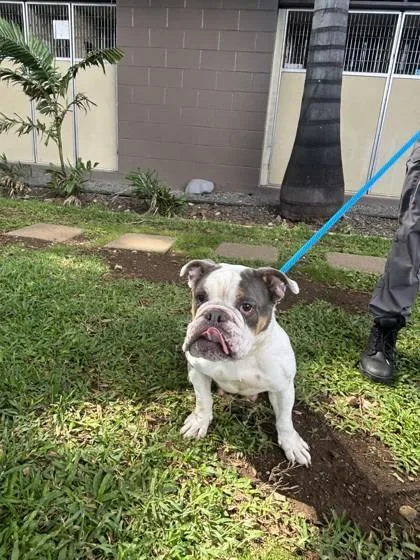
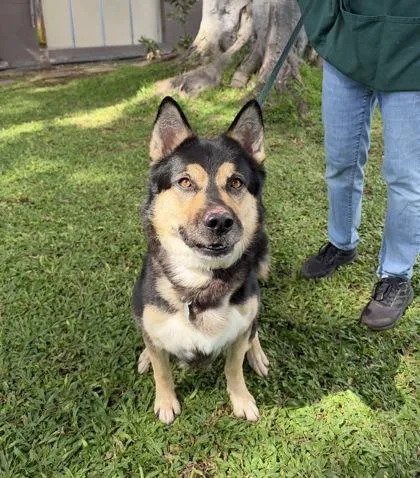
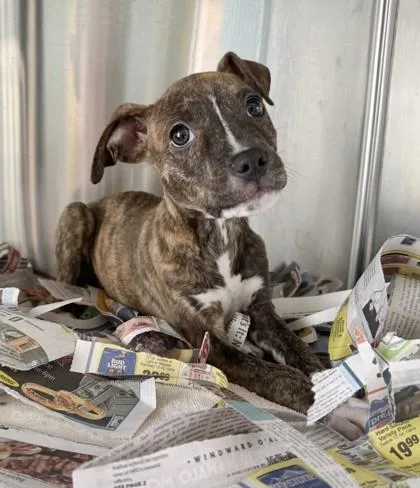
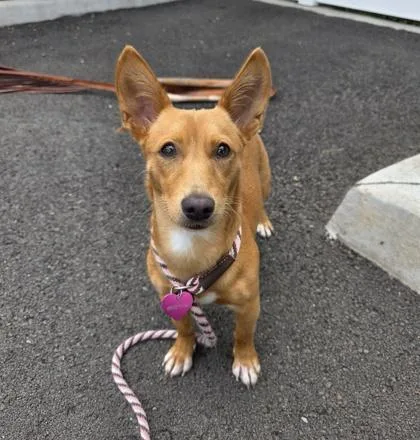
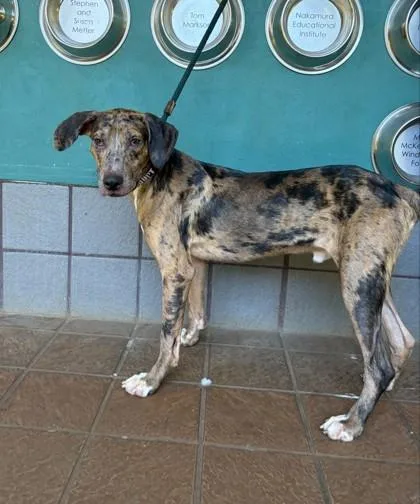
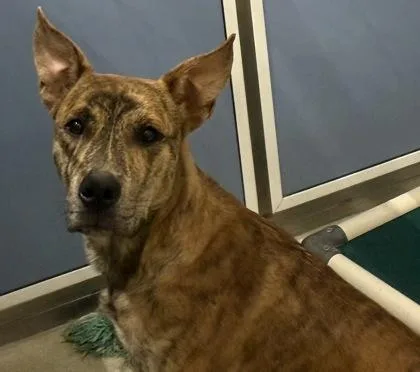
Curly-Coated Retrievers and Similar Breeds Available for Adoption Near Honolulu

About the Curly-Coated Retriever breed

The Curly-Coated Retriever is one of the oldest retriever breeds, shown in England by around 1860 and developed by gamekeepers for waterfowl and upland birds. It's the tallest retriever, usually 60 to 95 pounds, with a dense mass of tight, crisp curls that shed water and a smooth face and front legs. Coats are solid black or liver.

Many Curlies are more reserved with strangers and more independent than Labs or Goldens, and they often stay puppyish for two or three years. With family they tend to be affectionate and gentle. In Honolulu, that means daily exercise, steady training and a coat that needs only light care. They're rare in the US, so adopters may need patience, and each dog's personality varies.

Weight
60–95 lbs
Height
23–27 in
Lifespan
10–12 yrs
Temperament
Confident, Intelligent, Independent
Group
Sporting
Shedding
Low to Moderate

Owning a Curly-Coated Retriever in Honolulu

Having a Curly-Coated Retriever in Honolulu

A Curly pairs working-retriever stamina with a more self-possessed streak than its better-known cousins. In Honolulu, daily swimming or running, a cool place to rest and steady training matter most, and the dog you meet may be goofier than its tall frame suggests.

Temperament

Curlies tend to be devoted and gentle with their people but politely aloof with strangers, which suits quieter Honolulu neighborhoods and calm patios better than packed sidewalks. They're smart and independent, so repetitive drills bore them. Reward-based training and early socialization help. Many stay puppyish for two or three years, and each dog's personality differs.
Exercise Needs

Expect vigorous daily exercise: long walks, running, retrieving or swimming. In Honolulu, Kailua Beach Park and Sandy Beach Park allow leashed dogs, and several City parks have off-leash areas. Go early or after sunset, since sand and asphalt get hot. Scent games and training classes give a Curly the mental work it needs.

Health Considerations

Curlies can face hip and elbow dysplasia, exercise-induced collapse, glycogen storage disease type IIIa, progressive retinal atrophy, heart disease and coat loss from follicular dysplasia. Bloat is a risk in deep-chested dogs. In Honolulu, ask a veterinarian about the leptospirosis vaccine, since the bacteria spread through freshwater and mud, and keep up regular checkups.

Living Space

A Curly does best with a securely fenced yard, such as those at the single-family homes common in Hawaiʻi Kai or Mililani, though a committed apartment dweller can manage with enough daily exercise. Their size and sweeping tail need room indoors, and they want to live inside with the family rather than in a kennel.

What it costs to own a Curly-Coated Retriever in Honolulu

ExpenseTypical costPer year
Food$55 to $110 per month$660 to $1,320
Pet insurance$65 to $130 per month$780 to $1,560
Routine vet care$250 to $500 per year$250 to $500
Other*$475 to $1,250 per year$475 to $1,250
Estimated yearly total (after year one)$2,165 to $4,630

Other costs are estimates and vary with size, age and health.

* Flea, tick and heartworm prevention, a dental cleaning allowance, toys and bedding, and light coat care with occasional trims.

Adopt a Curly-Coated Retriever in Honolulu.

Now that you know more, let’s find you a new best friend. These rescues and shelters below have dogs available in and near Honolulu.

Rescues and Shelters in or near Honolulu

Oʻahu's animal welfare community includes an open-admission shelter, a no-kill shelter and foster-based dog rescues. Here are the rescues & shelters in the Honolulu area with dogs available for adoption, worth asking whether a Curly-Coated Retriever is coming in.

Frequently Asked Questions

No, not unless the dog is a service animal. TheBus allows only small animals in an enclosed container on a rider's lap or under the seat, and Skyline requires a carrier that fits under the seat or on the lap. A Curly weighing 60 to 95 pounds is far too big, so plan on walking or driving.

Yes, with sensible habits. Honolulu's highs stay in the 80s and have never reached 100°F in the climate normals, but humidity, strong sun and hot sand or asphalt are the real risks for a large, dark-coated Curly. Exercise early or after sunset, carry water, find shade, and rinse off after beach swims. Skip midday walks.

A Curly's energy fits Honolulu's off-leash parks, including Elaine Dobashi Hawaiʻi Kai Dog Park, Diamond Head Bark Park, Kahua O Waikalua in Kāneʻohe and Mother Waldron in Kakaʻako. For trails, leashed dogs are allowed on some marked state trails, such as Kuliʻouʻou Ridge and Makiki Valley Loop, but not on the Diamond Head summit trail. Pick shaded routes.

Yes. Honolulu has no known breed bans, and under state law a dog is called dangerous because of its behavior, never its breed. Tethering is restricted too: no tow chains, no choke or prong collars for tethering, and no tethering puppies under six months. Hawaiʻi is rabies-free, but dogs arriving from elsewhere face import quarantine rules.

Yes, if you can meet its exercise needs. A 60-to-95-pound Curly needs vigorous daily activity, so choose a building with easy access to green space and plan a daily run or swim. Condo and apartment associations often set their own size or pet limits, so measure that against a Curly's size. A bored dog may bark, and barking complaints are taken seriously.

It can be, for an active person who's home a fair amount. Honolulu's beaches, trails and warm weather suit a water-loving retriever, though many parks don't allow dogs, so you'll plan your outings. Curlies are often reserved with strangers and slow to mature, which fits quieter neighborhoods better than constant crowds. Dogs vary, so judge each one on its own.

Possibly, on patios only. Since August 24, 2025, Hawaiʻi allows pet dogs in outdoor dining areas at restaurants that choose to participate, as long as the dog doesn't pass through the interior. Indoor dining rooms remain off-limits. Look for posted signage, and pack water and a mat, since a Curly takes up real space under a table.

Less than the curls suggest. Don't brush a Curly's coat, which makes it frizz; dampen it and work through the curls with your fingers, with occasional trims. In Honolulu's humidity, rinse off sand and salt after beach days and dry the coat thoroughly. Light coat care sits within the Other cost range of $475 to $1,250 a year.

Yes, Curly-Coated Retrievers shed, but usually less than most retrievers for much of the year. Many have one or two heavier seasonal sheds when the curls loosen and drop hair, and intact females may shed more after a heat cycle. Owners generally avoid brushing, which frizzes the curls, and instead dampen the coat and work loose hair out by hand.

Plan on roughly $2,200 to $4,600 a year for a Curly in Honolulu, covering food at $55 to $110 a month, insurance at $65 to $130 a month, routine vet care at $250 to $500 a year, and other costs at $475 to $1,250 a year. Honolulu has no dog license fee. Food and prevention drive most of the total for a large dog.