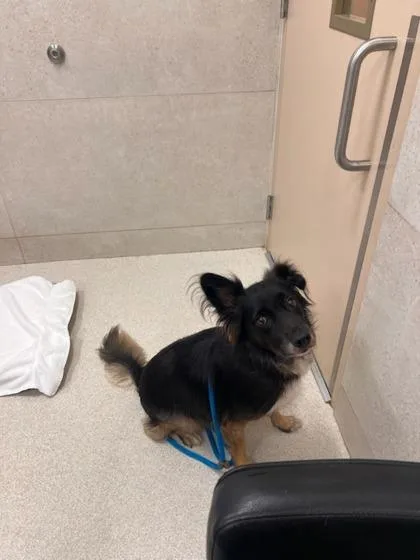
Black Russian Terrier Dogs for Adoption in Honolulu, HI

Your guide to finding and caring for a Black Russian Terrier in Honolulu

A Black Russian Terrier does best in a Honolulu neighborhood with a yard, like Mililani or Hawaiʻi Kai. At 80 to 130 pounds, with a thick black coat, the dog needs a fenced yard with real shade more than it needs a view. Mililani has mostly single-family streets and an off-leash dog park, and Hawaiʻi Kai has the Elaine Dobashi dog park. These are devoted, watchful dogs that want to be near their people, so a long day alone in a condo won't suit most.

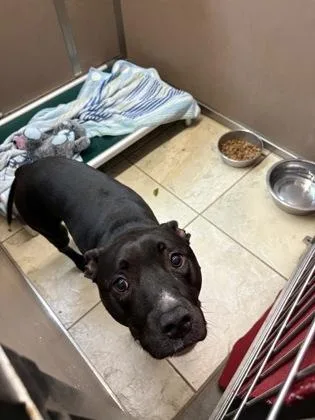
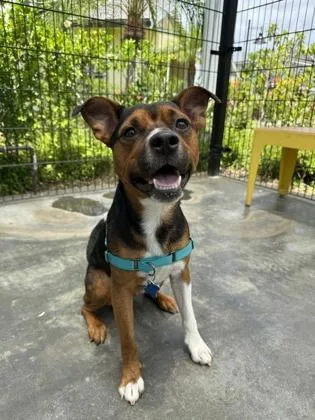
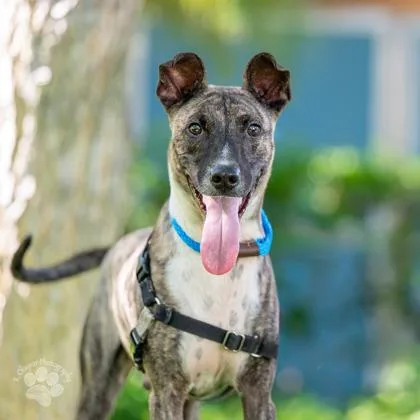
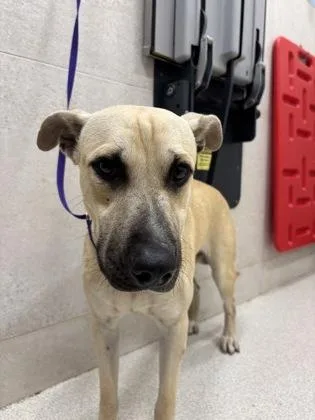
2696 dogs similar to Black Russian Terrier available in Honolulu and nationwide

Find your Black Russian Terrier

While we don't have enough dogs near Honolulu, keep in mind that many rescues may offer transport.

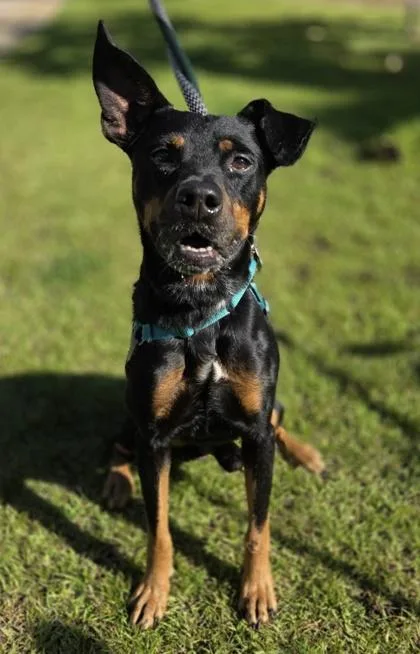
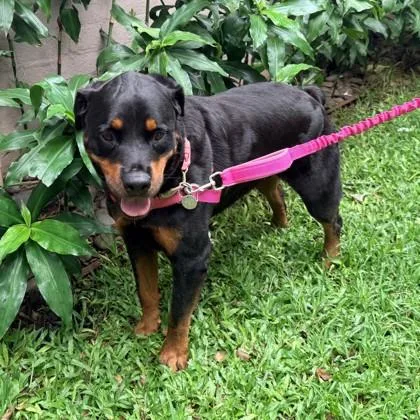
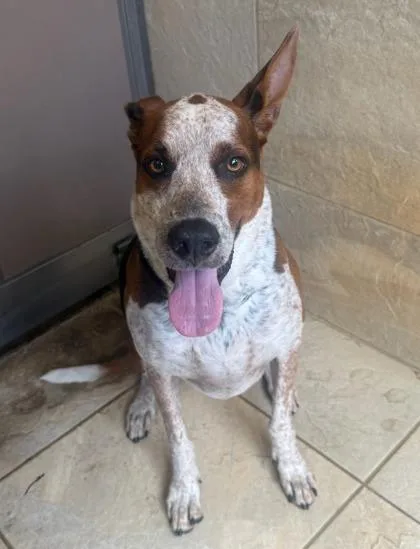
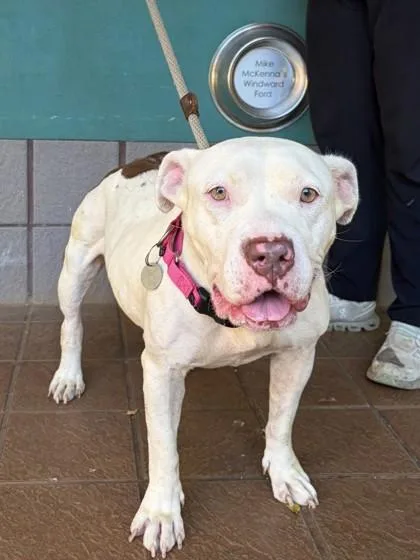
Black Russian Terriers and Similar Breeds Available for Adoption Near Honolulu

About the Black Russian Terrier breed

Despite the name, the Black Russian Terrier isn't a true terrier. It was developed in the late 1940s and 1950s at the Soviet Army's Red Star Kennel as a large, hardy working dog, drawing on about 17 breeds including the Giant Schnauzer, Airedale, Rottweiler and Newfoundland. The result is a heavy-boned dog with a wavy black double coat, a bearded muzzle and eyebrows that fall over the eyes.

Many Black Russians are calm, confident and loyal to their families but aloof with strangers, a trait from their guarding origins. They're intelligent and usually take well to training, though their size and protective streak call for a consistent handler and early socialization. The low-shedding coat still needs brushing a few times a week and regular trims, and in Honolulu's humidity the beard holds water and food. Dogs vary, so each dog's own behavior says more than the breed description.

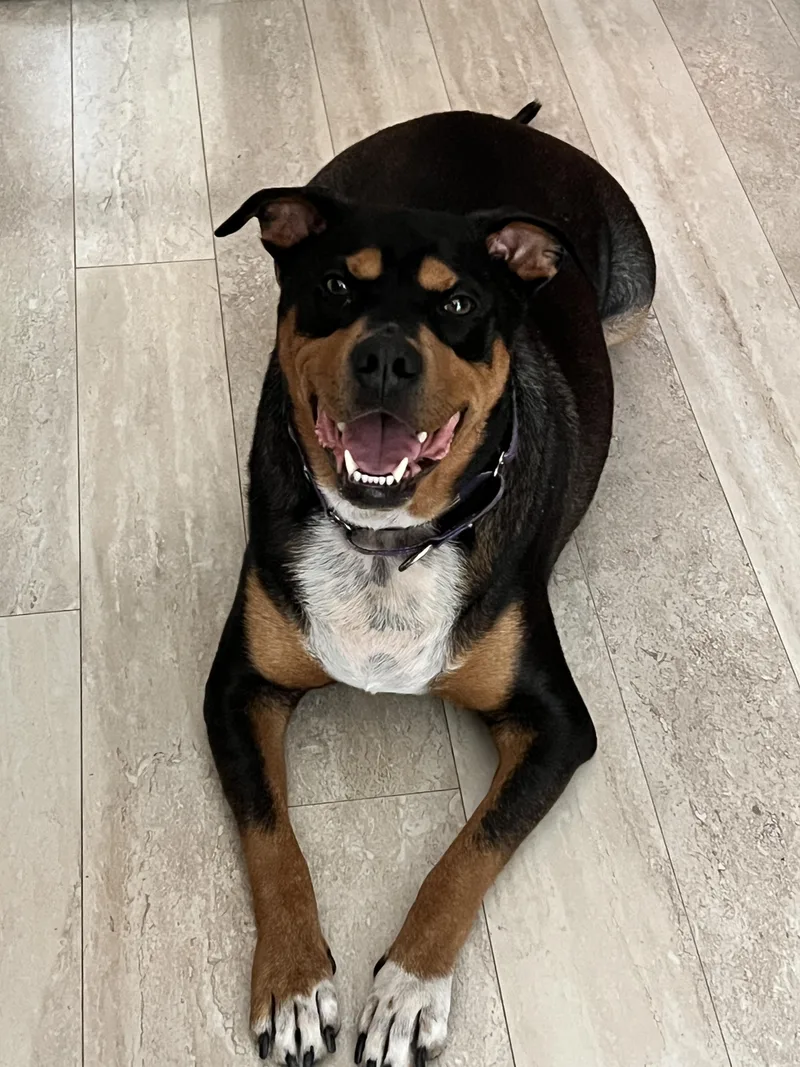
Weight
80–130 lbs
Height
26–30 in
Lifespan
10–12 yrs
Temperament
Confident, Protective, Loyal
Group
Working
Shedding
Low

Owning a Black Russian Terrier in Honolulu

Having a Black Russian Terrier in Honolulu

A Black Russian Terrier pairs a guardian's watchfulness with a coat that needs real upkeep. In Honolulu, heat management, daily exercise and a securely fenced space matter as much as handling experience, and every dog's needs differ.

Temperament

Black Russians tend to be calm, self-assured and devoted to their own people, and many are reserved with strangers. In a busy place like Honolulu, where neighbors, joggers and other dogs are close by, early socialization and calm, reward-based training help. Dogs differ, so judge the dog in front of you rather than the breed's reputation.

Exercise Needs

Plan on two good walks a day plus play or hiking. In Honolulu, walk early or after sunset, since asphalt and sand get hot, and use an off-leash dog park for running. Keep the dog out of streams and floodwater because of leptospirosis, and skip hard exercise around mealtimes because of bloat risk.

Health Considerations

Black Russians can face hip and elbow dysplasia, progressive retinal atrophy, bladder stones from hyperuricosuria, laryngeal paralysis and bloat. Keep the dog lean and have a veterinarian check the joints. Locally, a veterinarian can advise on the leptospirosis vaccine, a known risk in Hawaiʻi, and cane toads in wet yards can poison dogs that mouth them.

Living Space

A house with a securely fenced yard suits most Black Russians best, like the single-family homes common in Hawaiʻi Kai and Mililani. A calm adult can manage a condo with reliable daily exercise, but a giant dog takes up floor space and needs a cool spot indoors, since its thick black coat holds heat.

What it costs to own a Black Russian Terrier in Honolulu

ExpenseTypical costPer year
Food$80 to $160 per month$960 to $1,920
Pet insurance$85 to $170 per month$1,020 to $2,040
Routine vet care$250 to $500 per year$250 to $500
Other*$1,025 to $2,750 per year$1,025 to $2,750
Estimated yearly total (after year one)$3,255 to $7,210

Other costs are estimates and vary with size, age and health.

* Flea, tick and heartworm prevention, a dental cleaning allowance, toys and bedding, professional trims every 6–8 weeks, and joint supplements; Honolulu has no dog license.

Adopt a Black Russian Terrier in Honolulu.

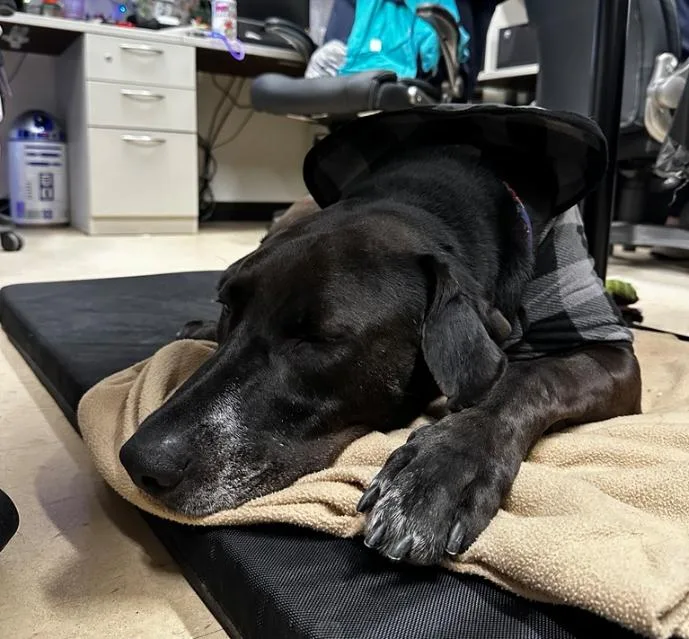
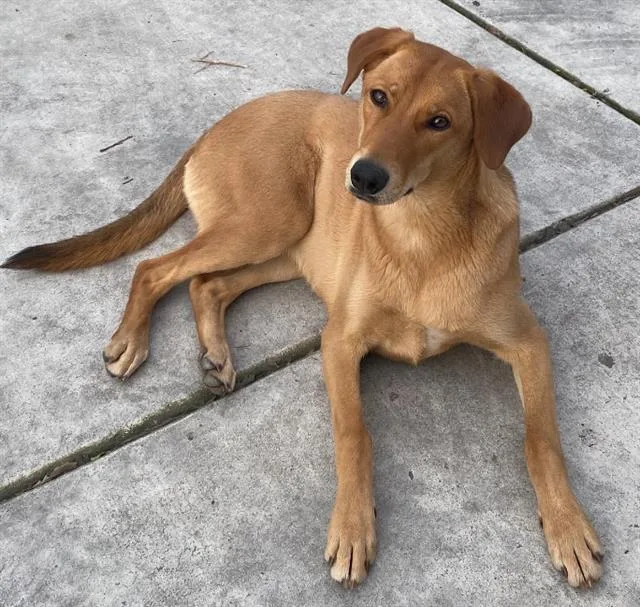
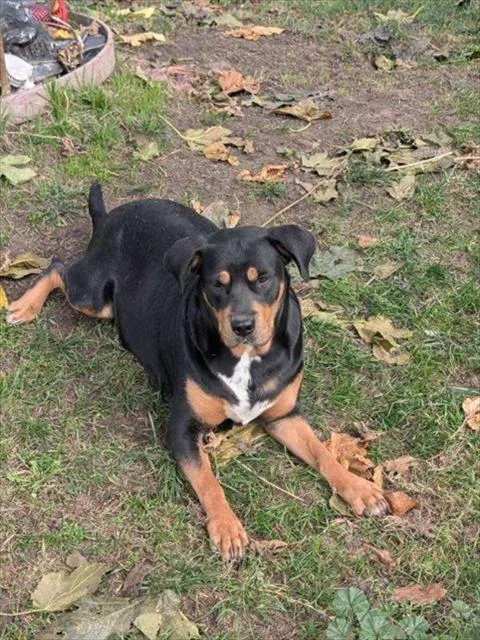
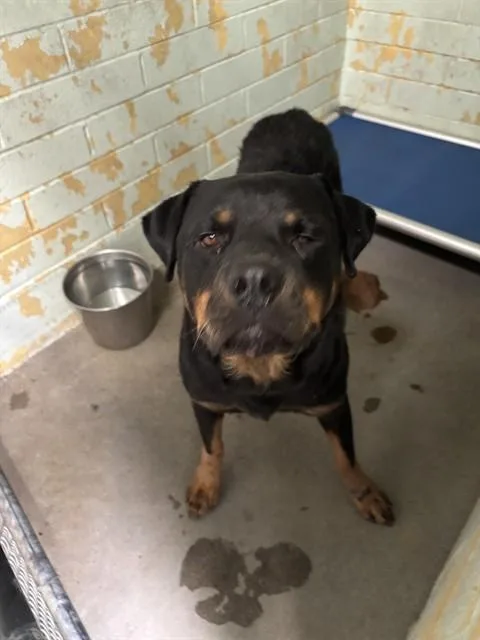
Now that you know more, let’s find you a new best friend. These rescues and shelters below have dogs available in and near Honolulu.

Rescues and Shelters in or near Honolulu

Oʻahu's rescue community includes an open-admission humane society, a no-kill shelter and foster-based dog rescues, all listed below. Here are the rescues & shelters in the Honolulu area with dogs available for adoption, worth asking whether a Black Russian Terrier is coming in.

Frequently Asked Questions

Yes, Honolulu has no known breed bans, and Hawaiʻi's dangerous-dog law says a dog's breed can't be considered, only its behavior. Landlord and condo rules are usually the bigger hurdle than city law, since some buildings cap dog size or weight. Confirm your home allows an 80-to-130-pound dog before you apply, and plan on early socialization for a protective breed.

Yes, with planning. Honolulu summers reach about 88°F with warm nights near 75°F, and a thick black coat absorbs sun and holds heat. Walk early or after sunset, avoid pavement and sand at midday, and keep water and shade available. Indoor time with the family and a shorter professional trim, rather than a shave, help most Black Russians stay comfortable.

Not realistically. TheBus and Skyline allow pets only in a small closed carrier held on your lap or under the seat, and a Black Russian Terrier is far too large for that. Only service animals are exempt. For vet visits and outings, plan on a car or a destination you can reach on foot.

For off-leash play, Moanalua Community Park and ʻAʻala Park have dog areas. For hikes, Makiki Valley Loop and ʻAiea Loop Trail are named as leashed-dog routes, but use the state trail map's dog filter to confirm. Makapuʻu Point has no shade, so go when the sun is low, and keep 50 feet from resting monk seals.

A calm adult can, but it takes work. A giant dog needs two real walks daily, which in a Kakaʻako high-rise means elevator trips, hot sidewalks and a trip to an off-leash spot like Mother Waldron Park. Check the building's size limits first, and keep the unit cool, because a thick black coat struggles in a closed, stuffy room.

Sometimes, on patios only. Since August 24, 2025, Hawaiʻi lets restaurants allow pet dogs in outdoor dining areas, but each restaurant chooses whether to participate, and dogs can't walk through the interior. Indoor dining rooms stay off-limits. A giant breed needs a calm down-stay under the table, so practice settling in public before trying a busy lanai.

Brush a Black Russian Terrier a few times a week and book a professional trim about every 6 to 8 weeks. In Honolulu's humidity, a damp beard and thick coat can stay wet, so towel dry after rain or beach days and wipe the beard after meals. Keep the trim shorter for heat rather than shaving. Trims are counted in the Other costs on this page.

Black Russian Terriers can be good family dogs for experienced owners. Many are affectionate, calm and protective with their own families and gentle with children they are raised with. Their size and guarding instincts mean they need training, socialization and supervision around visiting kids. An adult rescue with a known history in a family home can be a strong match.

No, Black Russian Terriers are not truly hypoallergenic, since no dog is free of allergens. Their coat sheds little, so they drop less hair around the house than many breeds, which helps some people with mild allergies. Dander and saliva still cause reactions, so spend time with the specific dog before adopting if anyone has allergies.

Plan on roughly $80–$160 a month for food and $85–$170 a month for pet insurance, plus $250–$500 a year for routine vet care. Other yearly costs run about $1,025–$2,750, mostly professional trims and parasite prevention. Honolulu requires a microchip instead of a dog license, so there's no license fee. Together that's roughly $3,300–$7,200 a year.