Basset Hound Dogs for Adoption in Honolulu, HI

Your guide to finding and caring for a Basset Hound in Honolulu

A Basset Hound fits Honolulu best on slow, sniff-heavy walks. Around Kaimukī's Waiʻalae Avenue or the Puʻu o Kaimukī hilltop park, a Basset can spend an hour covering a few blocks, nose down and perfectly content. Those short legs and long back do better with a ground-floor unit or a Mililani house with a fenced yard than a walk-up with steep stairs. Plan on a loud bay now and then, which carries in close-built buildings.

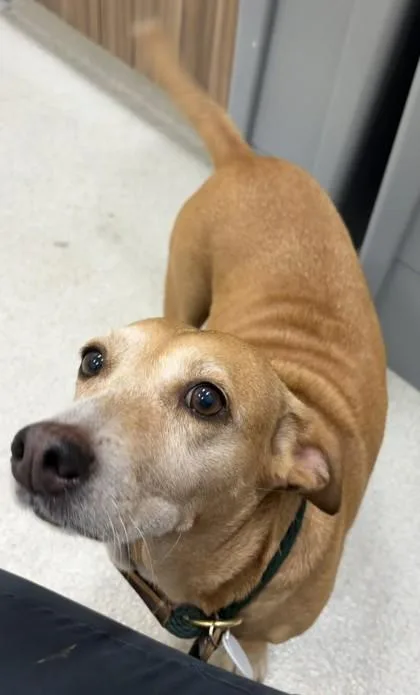
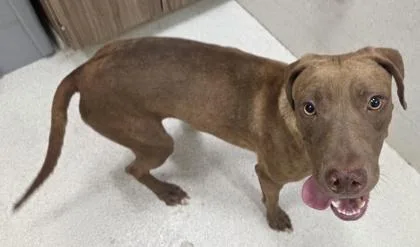
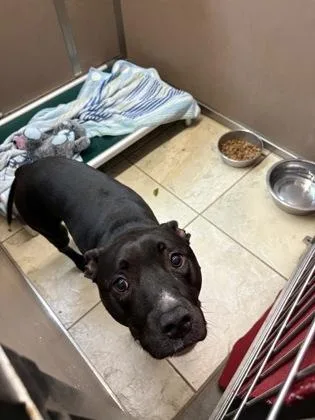
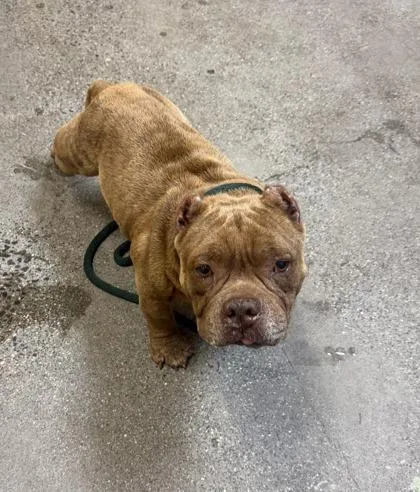
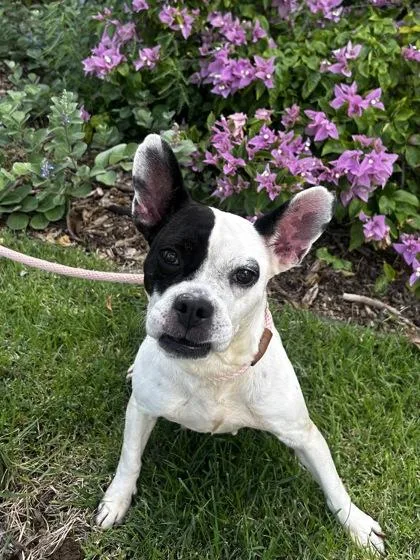
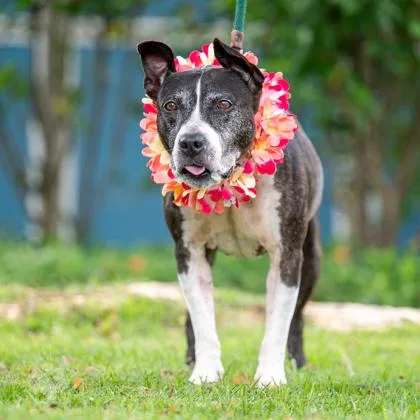
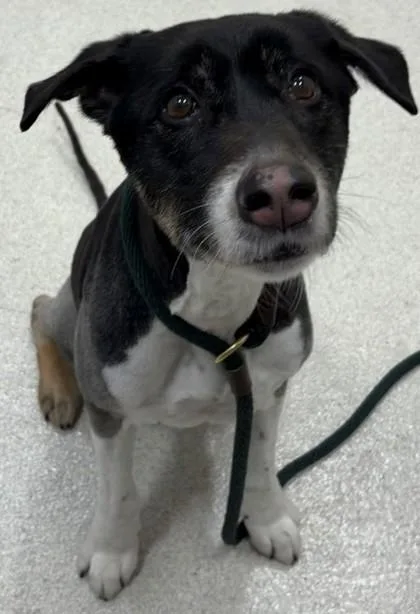
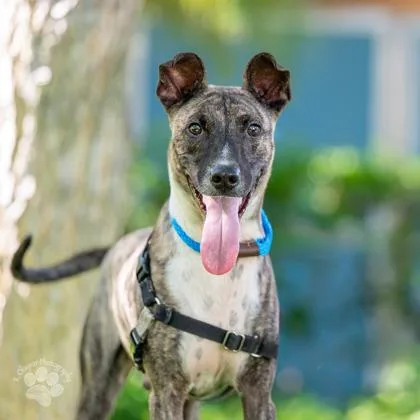
516 Basset Hounds available in Honolulu and nationwide

A Basset Hound is ready for you

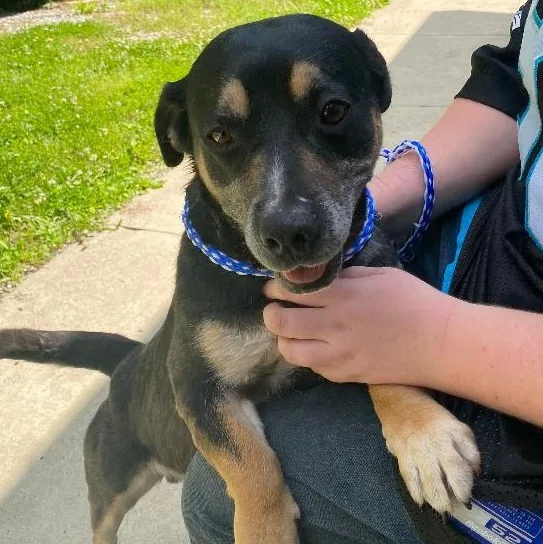
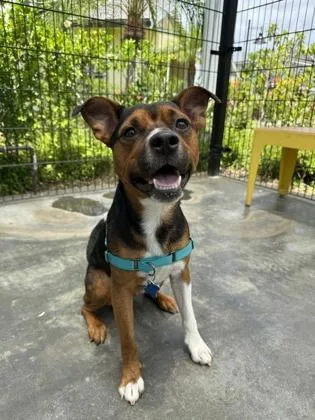
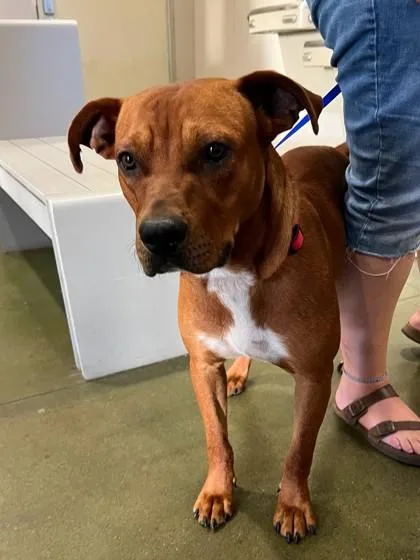
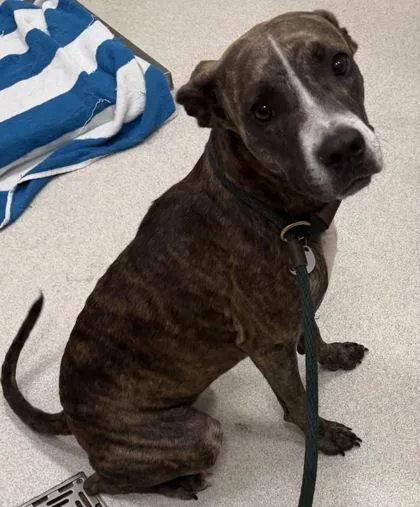
While we don't have enough dogs near Honolulu, keep in mind that many rescues may offer transport.

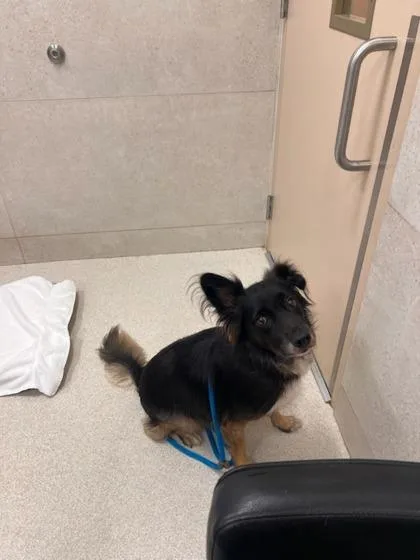
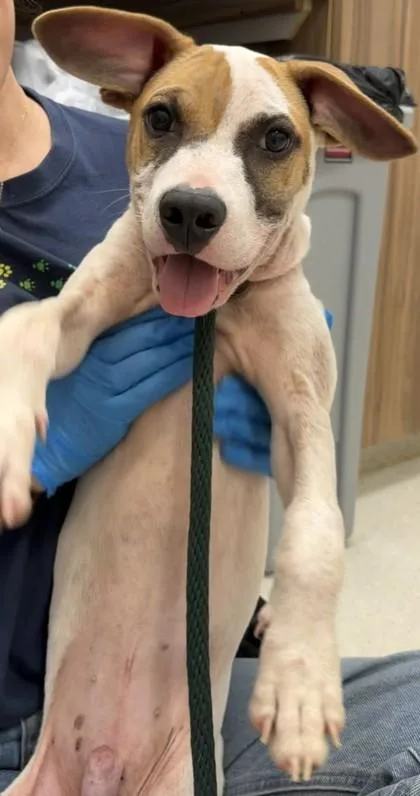
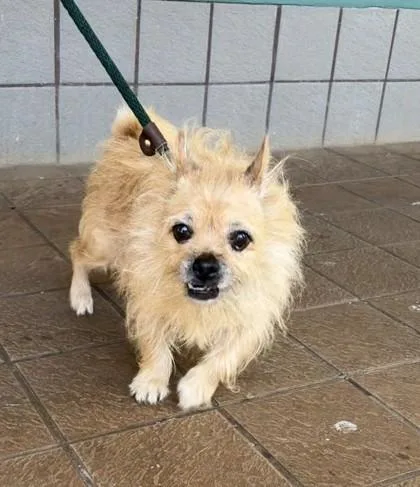
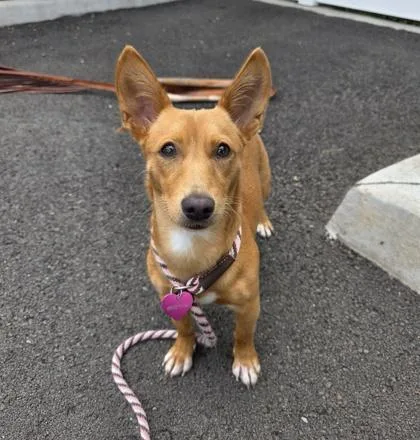
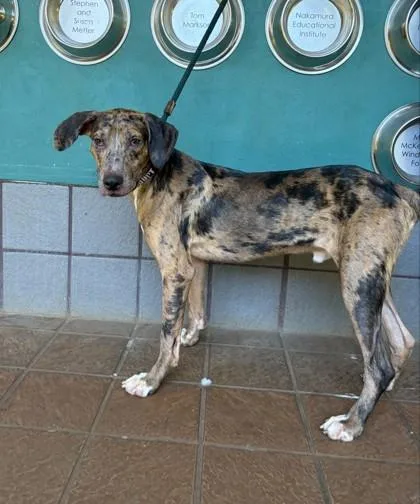
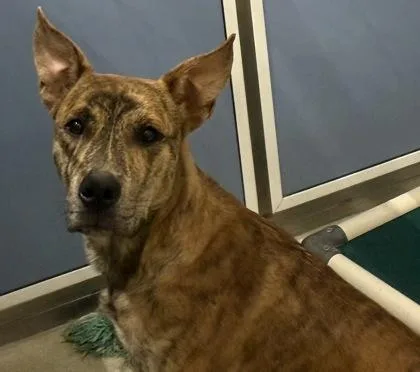
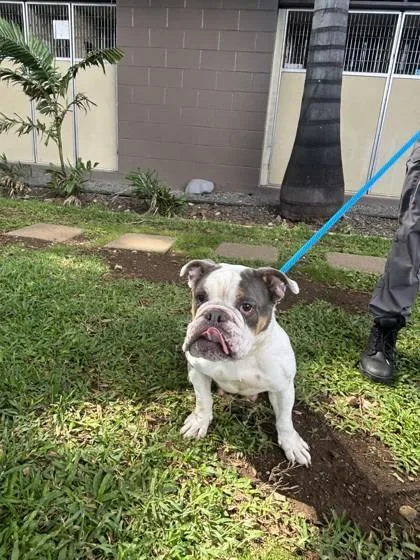
Basset Hounds Available for Adoption Near Honolulu

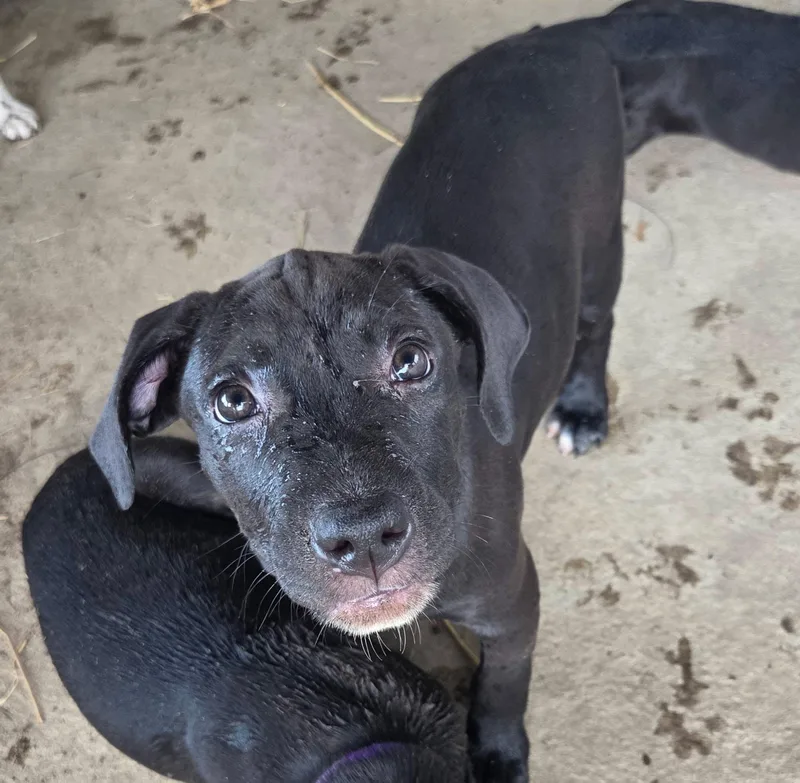
About the Basset Hound breed

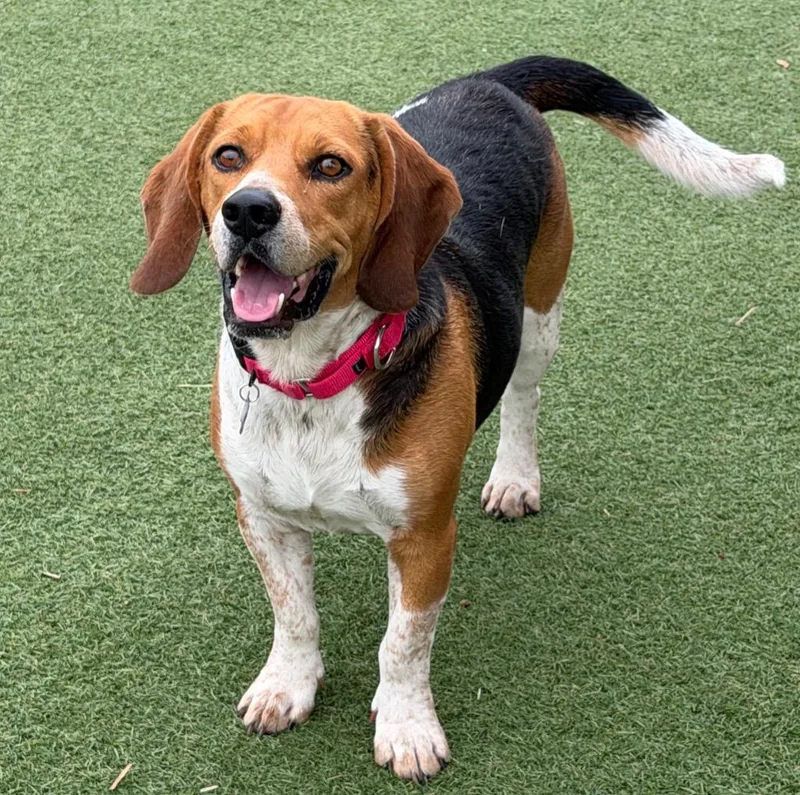
The Basset Hound is a French-rooted scent hound, developed in Britain into the heavy-boned, long-eared dog most people picture. Bassets were bred to trail rabbits and hares at a walking pace, and the nose that did that work is second only to the Bloodhound's for following ground scent. Adults usually weigh 40 to 65 pounds on legs only 11 to 15 inches tall.

At home, Bassets tend to be mellow, sociable and tolerant, though a stubborn streak and a bay come with the package. In Honolulu, that means a dog that enjoys a slow neighborhood loop, wants a cool spot indoors, and needs its weight, ears and skin folds watched in humid air. Like any breed, Bassets vary, so a dog's own temperament matters more than the label.

Weight
40–65 lbs
Height
11–15 in
Lifespan
10–13 yrs
Temperament
Easygoing, Friendly, Gentle, Vocal
Group
Hound
Shedding
Moderate

Owning a Basset Hound in Honolulu

Having a Basset Hound in Honolulu

Bassets pair a relaxed nature with a body built for low, slow scent work. In Honolulu, humid air, hot pavement and a mix of condos and houses shape how that plays out day to day, from walking routes to ear care.

Temperament

Bassets are typically gentle, sociable and good-humored, and many are happy around other dogs and visitors. They also have a stubborn streak and a nose that can override commands, so food rewards and patience work best. Baying is common, which matters in Honolulu's condo towers and close-set neighborhoods. Each dog's personality still varies.

Exercise Needs

Plan on one or two unhurried walks a day, with time to sniff. In Honolulu, keep them to early morning or evening, since hot pavement and sun hit short-legged dogs close to the ground. A fenced off-leash park works where dogs are permitted, but a Basset's nose makes a leash the safer default elsewhere.

Health Considerations

Bassets are prone to ear infections, skin fold irritation, glaucoma, bloat, back disc problems and joint strain, and they gain weight easily. Humid air can make ears and folds harder to keep dry. Leptospirosis is a Hawaiʻi concern too, so ask a veterinarian about the vaccine and keep the dog out of streams and standing water.

Living Space

A Basset can do well in a Honolulu condo or a house if the stairs are manageable and the neighbors tolerate some baying. Ground-floor units, elevators or ramps spare the back. Single-family areas like Mililani or Hawaiʻi Kai offer yards, which need secure fencing because a trailing nose wanders.

What it costs to own a Basset Hound in Honolulu

ExpenseTypical costPer year
Food$35 to $70 per month$420 to $840
Pet insurance$55 to $100 per month$660 to $1,200
Routine vet care$225 to $450 per year$225 to $450
Other*$475 to $1,300 per year$475 to $1,300
Estimated yearly total (after year one)$1,780 to $3,790

Other costs are estimates and vary with size, age and health.

* Flea, tick and heartworm prevention, a dental cleaning allowance, toys and bedding, basic coat care, and ear and skin fold cleaning supplies.

Adopt a Basset Hound in Honolulu.

Now that you know more, let’s find you a new best friend. These rescues and shelters below have dogs available in and near Honolulu.

Rescues and Shelters in or near Honolulu

Oʻahu's open-admission Hawaiian Humane Society and smaller foster-based rescues list the adoptable dogs you'll find on this page. Here are the rescues & shelters in the Honolulu area with dogs available for adoption, worth asking whether a Basset Hound is coming in.

Frequently Asked Questions

Yes. Honolulu has no known breed bans, and Hawaiʻi's dangerous-dog law says a dog's breed isn't considered. Once microchipped and registered, a Basset just needs the usual rules. Hawaiʻi bars tethering with tow chains, choke or prong collars, and tethering puppies under six months, which matters for a wandering hound. Adopting locally also avoids the state's import quarantine.

Fenced off-leash parks suit a Basset best: Moanalua Community Park has wooded shade, Mother Waldron in Kakaʻako is small and shaded, and Kahua O Waikalua in Kāneʻohe has separate dog areas. Most close one weekday morning for maintenance. For leashed walks, Kapiʻolani Park's perimeter works, though dogs aren't allowed inside the park itself.

Yes, a Basset Hound can live in a Honolulu apartment if the building handles stairs and noise. Choose a ground-floor unit or an elevator building, since steep stairs strain a long back, and plan on several relief walks a day. Baying carries through shared walls, so daily sniff walks and company help keep it down.

Usually not. TheBus and Skyline allow pets only in a small enclosed carrier held on the lap or placed under the seat, and a 40- to 65-pound Basset Hound won't fit one. Only service animals ride without a carrier. Plan on walking or driving, and lift a Basset with support under both chest and hindquarters.

Sometimes, on the patio only. Since August 2025, Hawaiʻi lets restaurants allow pet dogs in outdoor dining areas, but each restaurant chooses whether to participate, and dogs can't walk through the interior. Indoor dining rooms stay off-limits to pets. A Basset's nose and bay can test patience, so bring a mat and keep the dog leashed.

Yes, with routine. Honolulu reaches 90°F about 32 days a year, mostly July through September, and hasn't hit 100°F in recent climate normals. Humidity and sun on pavement are the real risks for a heavy, low-slung dog. Keep walks short and early, provide shade and fresh water, and give the dog a cool indoor spot afterward.

A Basset Hound needs light coat care but steady ear and skin fold care in Honolulu. Brush weekly to handle moderate year-round shedding, wipe skin folds and clean the ears regularly because humidity encourages irritation, and trim nails often. Bathe only as needed. Most of this is home care, so grooming costs stay modest.

Basset Hounds are medium-sized dogs that stay short, standing no more than about 15 inches at the shoulder while weighing roughly 40 to 65 pounds. They are heavy-boned for their height, with long bodies and deep chests, so they feel much bigger than they look. Males usually sit at the upper end, and a lean adult rescue may weigh less.

Basset Hounds were bred to trail rabbits and hares by scent, moving slowly enough that hunters could follow on foot instead of on horseback. Their short legs kept them close to the ground scent, and their long ears and loose skin are thought to help stir up and hold that scent. Many still love following a trail.

Budget roughly $1,780 to $3,790 a year for a Basset in Honolulu: food runs $35 to $70 a month, insurance $55 to $100 a month, routine vet care $225 to $450 a year, and other costs $475 to $1,300 a year. Insurance runs higher for this breed because of back, eye, ear and bloat concerns. Emergencies and illness aren't included.