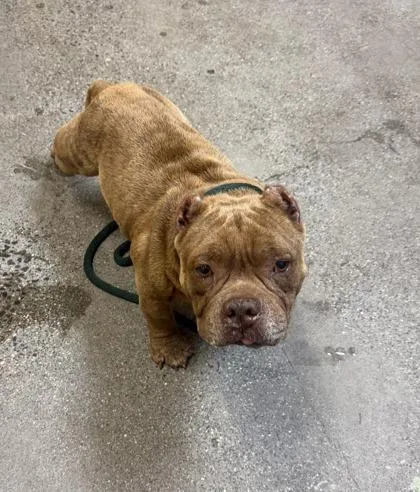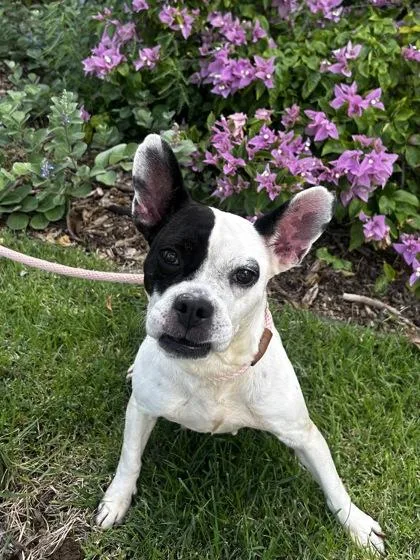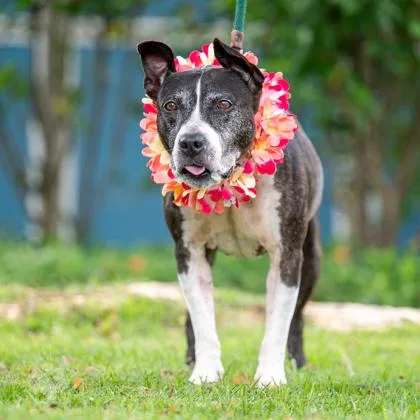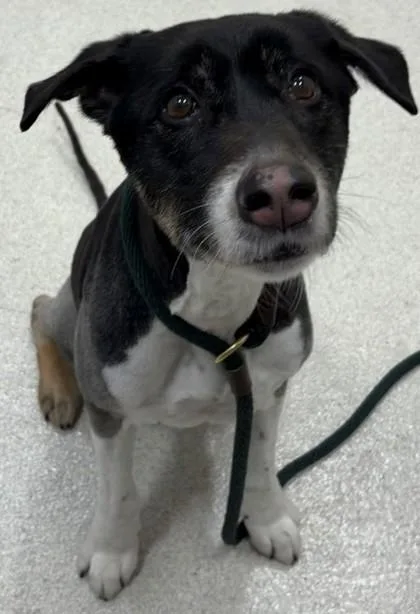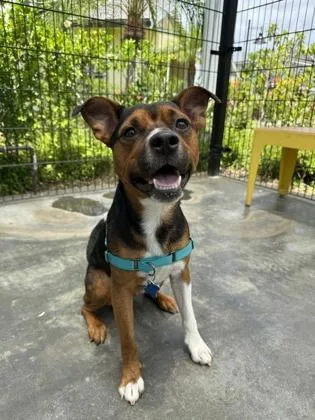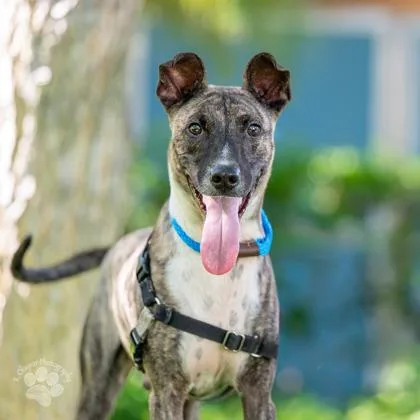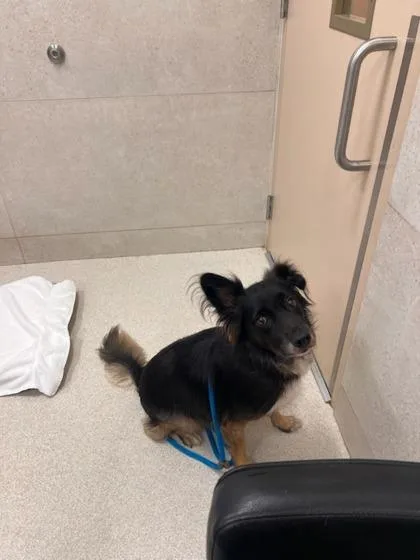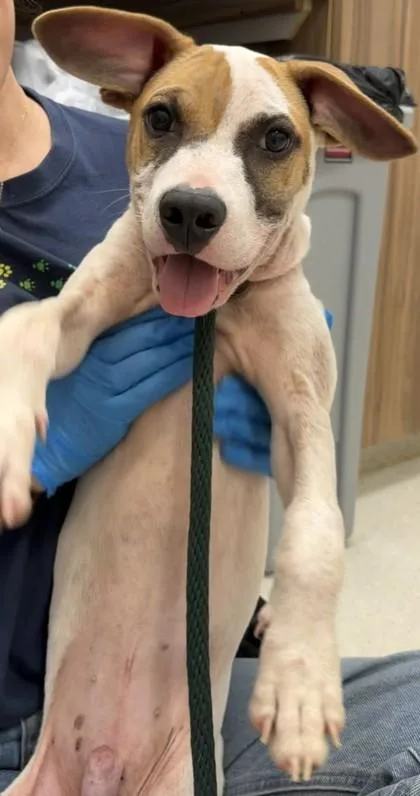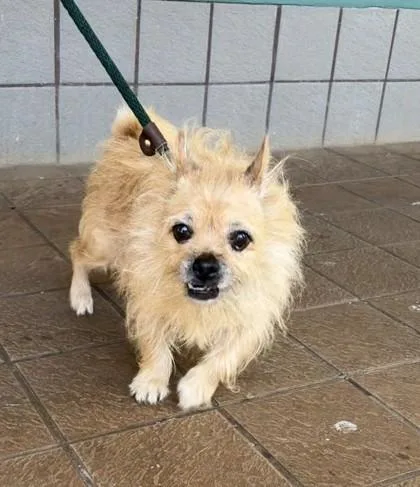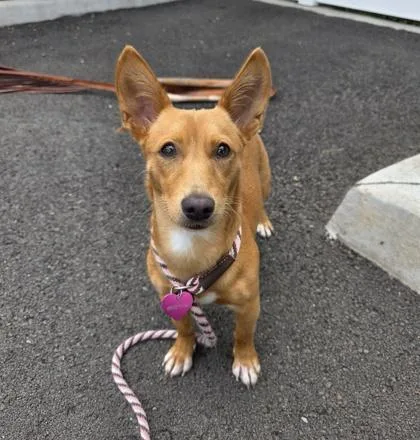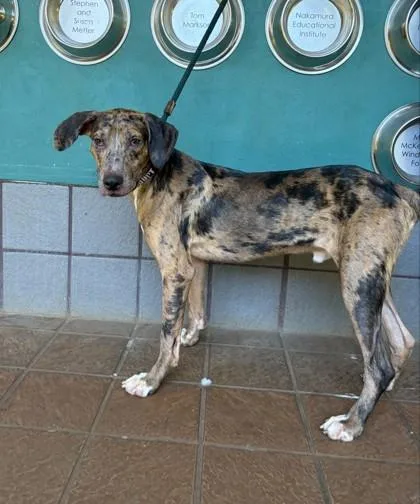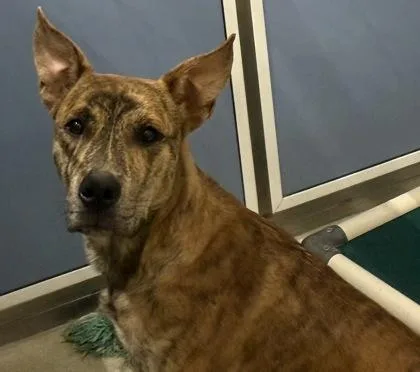
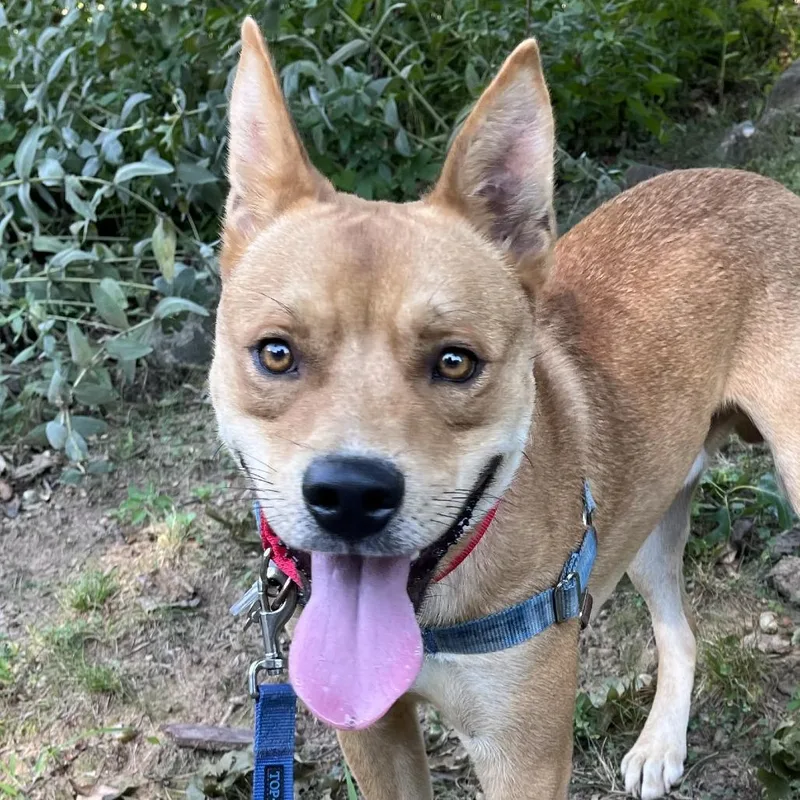
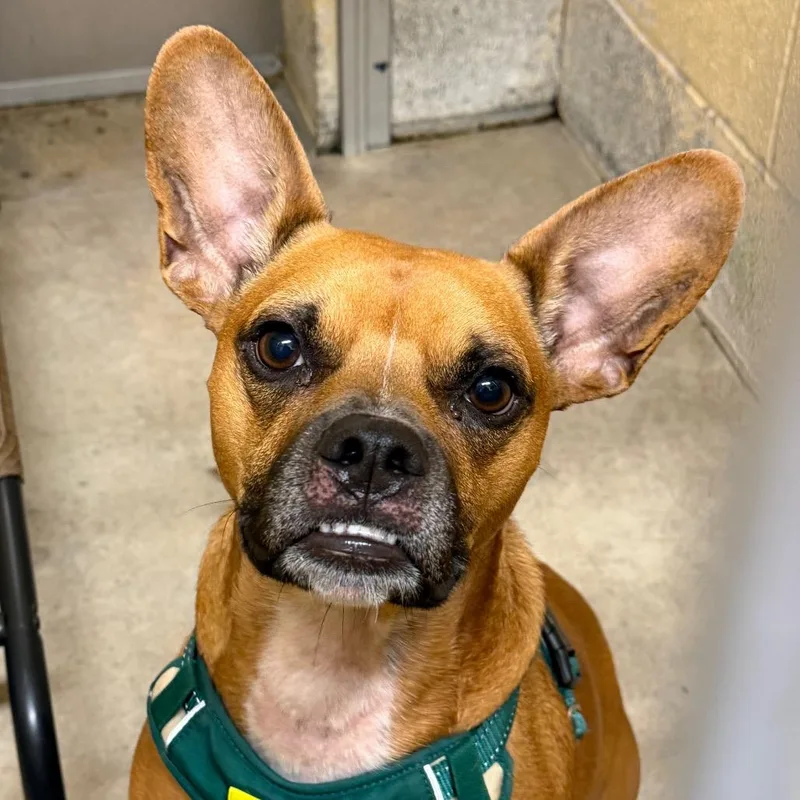
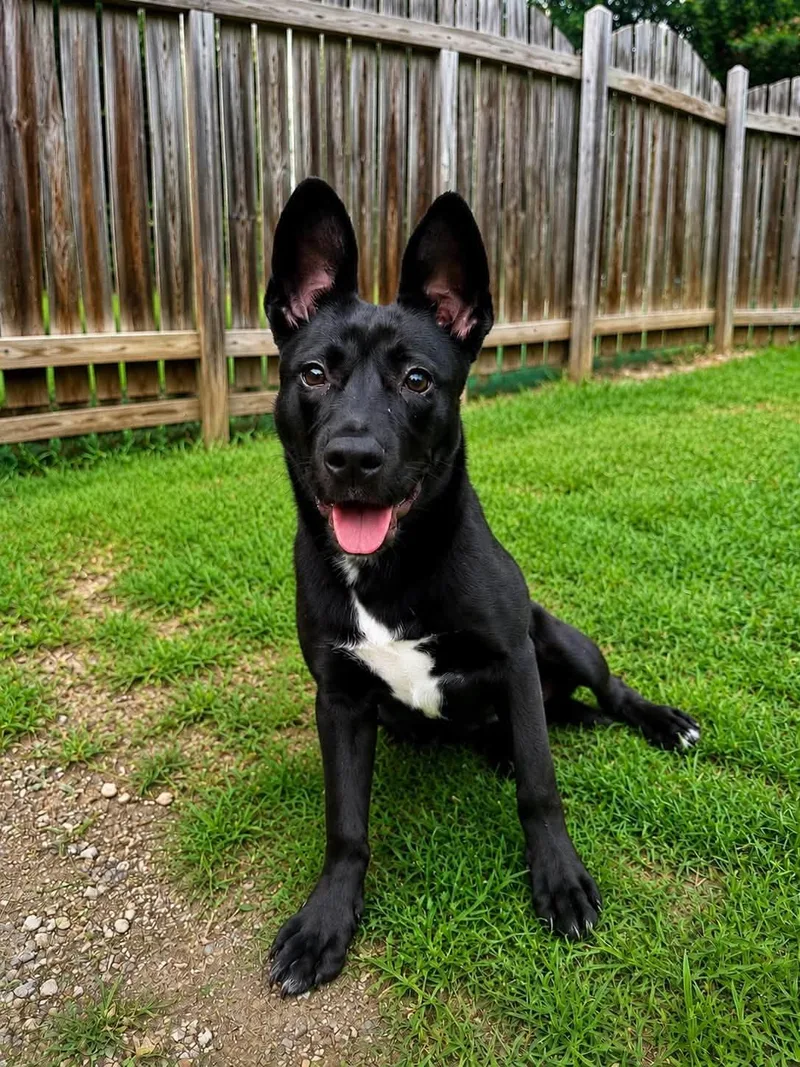
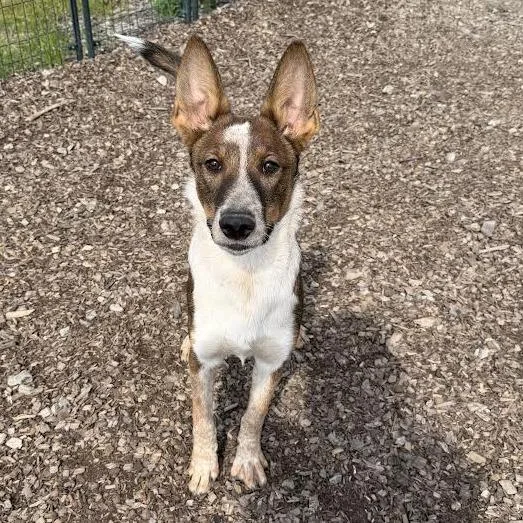
Basenji Dogs for Adoption in Honolulu, HI

Your guide to finding and caring for a Basenji in Honolulu

Basenjis fit Honolulu's condo neighborhoods well because they don't bark. In Mōʻiliʻili or Salt Lake, thin walls and close neighbors make that a real plus. They aren't silent, though: Basenjis yodel, howl and let out the occasional scream. They also need hard daily exercise, such as brisk loops along the Ala Wai Promenade, and a secure place to run, since a Basenji will chase anything that moves. Mornings before the sun gets strong work best.

156 Basenjis available in Honolulu and nationwide

Fall for a Basenji

While we don't have enough dogs near Honolulu, keep in mind that many rescues may offer transport.

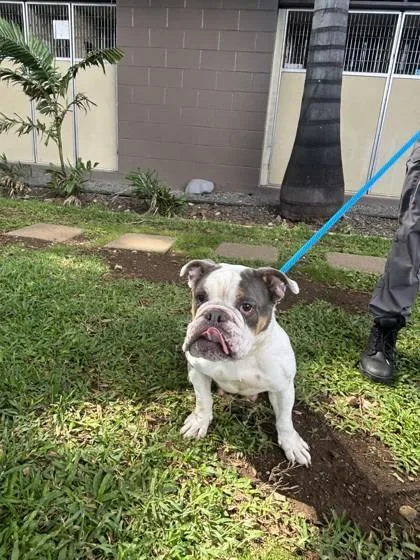
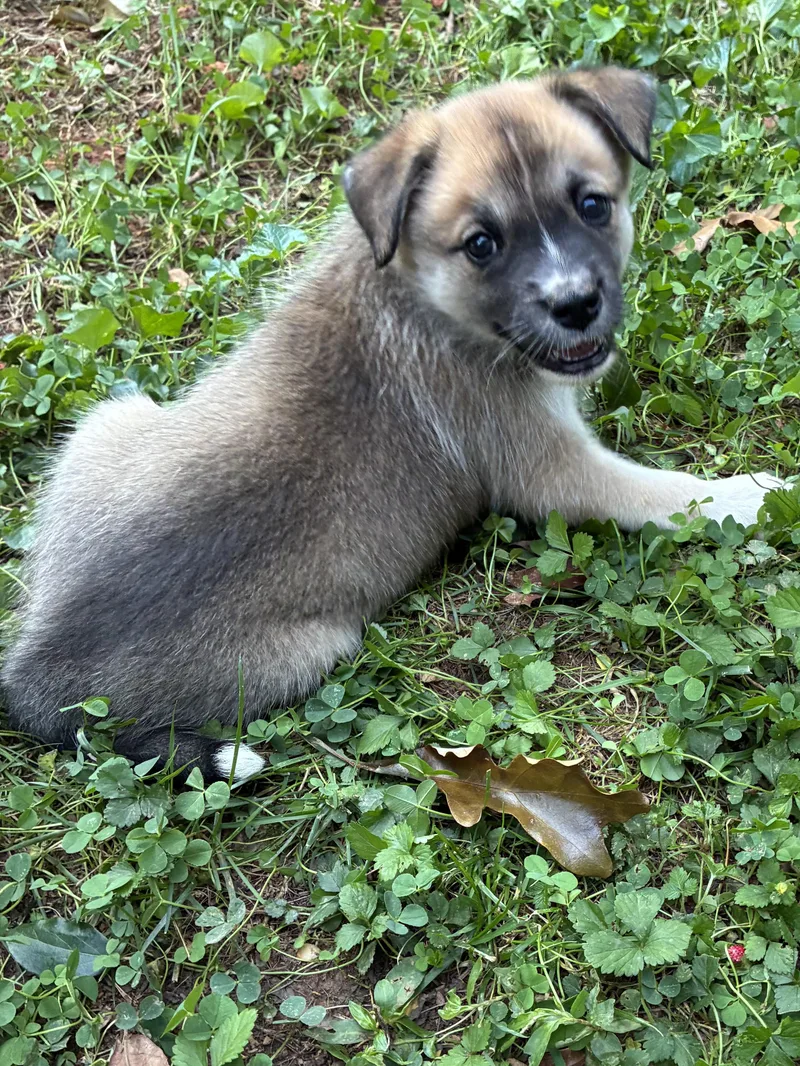
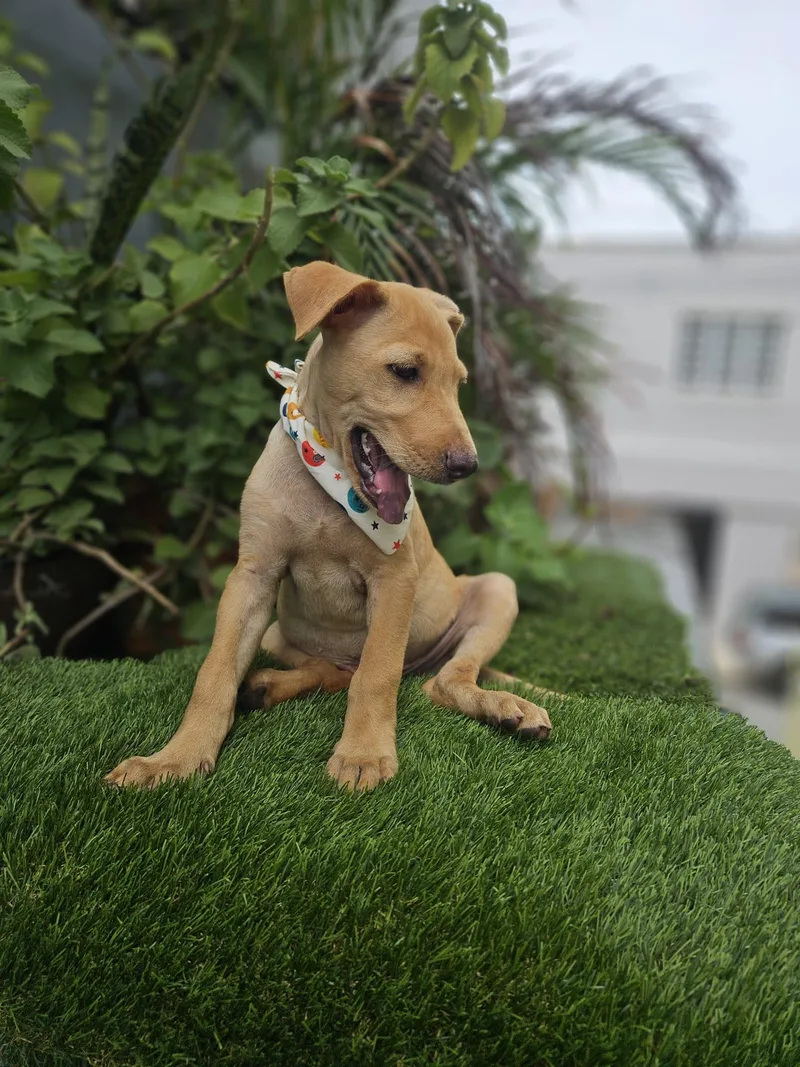
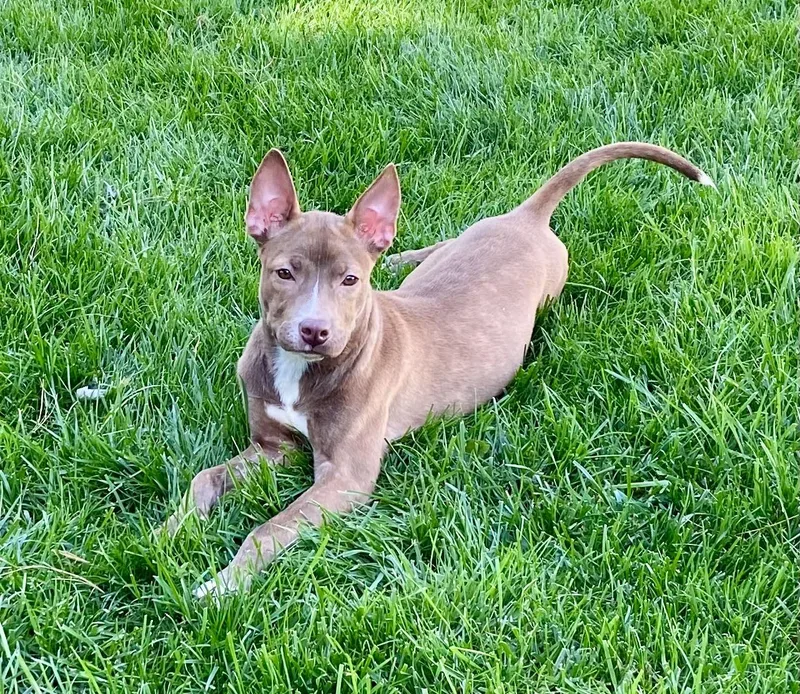
Basenjis Available for Adoption Near Honolulu

About the Basenji breed

The Basenji is a small hunting breed from Central Africa's Congo basin, where village hunters relied on these quick, quiet dogs to find small game and drive it into nets. Genetic studies place the breed among the oldest dog lineages. Instead of barking, it makes a yodel-like sound called a baroo, thanks to an unusually shaped larynx.

Basenjis stand about 15 to 18 inches tall and weigh 20 to 26 pounds, with a wrinkled forehead, upright ears and a tightly curled tail. The short coat sheds little, and they groom themselves much like cats. Many are affectionate at home but independent and reserved with strangers, and each dog varies. In Honolulu, that means planning for secure fencing, daily exercise and patient training.

Weight
20–26 lbs
Height
15–18 in
Lifespan
12–15 yrs
Temperament
Independent, Intelligent, Alert, Affectionate
Group
Hound
Shedding
Low

Owning a Basenji in Honolulu

Having a Basenji in Honolulu

Basenjis pair catlike independence with a hunter's drive. In Honolulu, the practical questions are secure exercise space, rainy-day boredom, sunny afternoons and condo living. Every dog is different, but these traits shape most days with the breed.

Temperament

Basenjis are usually affectionate with their families, alert and aloof with strangers. They think for themselves, so they may ignore commands that seem pointless, and training takes patience and creativity. Strong prey drive can put small pets at risk. Some Basenjis enjoy other dogs, while others prefer to be the only one, so watch how a dog behaves around them.
Exercise Needs

Plan on vigorous daily exercise: brisk walks, sprints in a fully enclosed space, and puzzle or scent games on rainy days. A Basenji's chase instinct makes open off-leash areas risky. Many do better on a leash, and any off-leash dog park should be completely enclosed before you trust a Basenji inside it.

Health Considerations

Basenjis can inherit Fanconi syndrome, a kidney disorder, along with progressive retinal atrophy, pyruvate kinase deficiency and hypothyroidism. DNA tests exist for some of these, and a veterinarian can advise on periodic urine screening. In Honolulu, also ask a vet about the leptospirosis vaccine, and keep dogs out of streams and storm puddles.

Living Space

A Basenji's small size and quiet nature suit Honolulu's condos and apartments, as long as daily exercise is covered. Security matters more than square footage: Basenjis climb, squeeze through gaps and chew. Look closely at balcony railings and screens, and expect a house yard to need a tall, tight fence.

What it costs to own a Basenji in Honolulu

ExpenseTypical costPer year
Food$20 to $45 per month$240 to $540
Pet insurance$40 to $85 per month$480 to $1,020
Routine vet care$200 to $400 per year$200 to $400
Other*$375 to $1,050 per year$375 to $1,050
Estimated yearly total (after year one)$1,295 to $3,010

Other costs are estimates and vary with size, age and health.

* Flea, tick and heartworm prevention, a dental cleaning allowance, durable chew toys and bedding, and minimal grooming for a short, self-cleaning coat.

Adopt a Basenji in Honolulu.

Now that you know more, let’s find you a new best friend. These rescues and shelters below have dogs available in and near Honolulu.

Rescues and Shelters in or near Honolulu

Oʻahu's shelters and rescues care for thousands of animals every year, and the groups listed here work with adopters. Here are the rescues & shelters in the Honolulu area with dogs available for adoption, worth asking whether a Basenji is coming in.

Frequently Asked Questions

Yes, you can own a Basenji in Honolulu. No known breed ban exists, and dangerous-dog status depends on a dog's behavior, not its breed. Dogs 3 months and older must be microchipped and registered, though there's no license. Basenjis rarely bark, but yodeling or howling for ten minutes straight can still count as a noise nuisance, so keep your dog occupied.

Yes, Basenjis handle Honolulu winters easily, since lows stay around 68°F and the cold they dislike never arrives. Rain is the bigger issue, because many Basenjis avoid getting wet. Keep indoor games ready for Kona-low storms, towel off muddy paws, and keep your dog out of floodwater, which can carry leptospirosis. A veterinarian can discuss the vaccine.

Good options include Kahua O Waikalua in Kāneʻohe and Hoa Aloha in Salt Lake for off-leash play, and Makiki Valley Loop or Kuliʻouʻou Valley Trail for leashed hikes. Check the state trail map's dog filter first, since rules vary by trail. Diamond Head State Monument doesn't allow pets, and a Basenji needs a sturdy leash on any trail.

Only in a small, closed carrier. TheBus and Skyline both require pets to ride in a carrier on your lap or under the seat, with exceptions for service animals. Adult Basenjis typically weigh 20 to 26 pounds, so many won't fit comfortably in an under-seat carrier. Plan on walking or driving, and practice carrier time early if you want the option.

Sometimes, on patios. Since August 2025, Hawaiʻi lets restaurants allow dogs in outdoor dining areas, but each restaurant chooses whether to participate, and your dog can't walk through the interior. Pets remain off-limits indoors. Because Basenjis are reserved with strangers and love to chew, bring a mat and a chew toy, and keep your dog on a short leash.

Very little. A Basenji's short coat sheds lightly and the dog cleans itself like a cat, so a weekly brush and an occasional wipe-down are usually enough. Honolulu's humidity and rain mean muddy paws more than coat care, and most Basenjis dislike baths. Nail trims and teeth care matter more, and grooming costs stay low within the Other line in the cost table.

A Basenji is a small, ancient hunting dog from Central Africa, famous for not barking. It belongs to the AKC Hound Group and was recognized in 1943. Basenjis are lean and elegant, with a wrinkled forehead, upright ears and a tightly curled tail. They tend to be clever, independent, clean and energetic, with a strong instinct to chase.

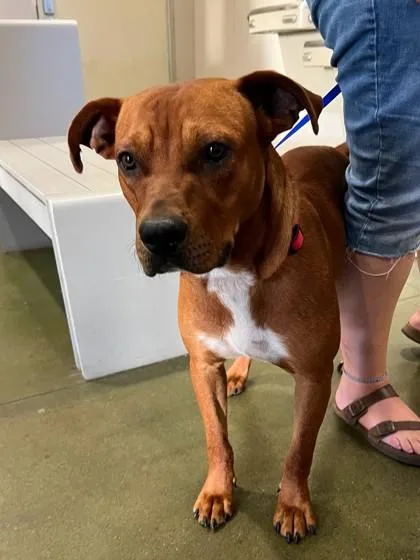
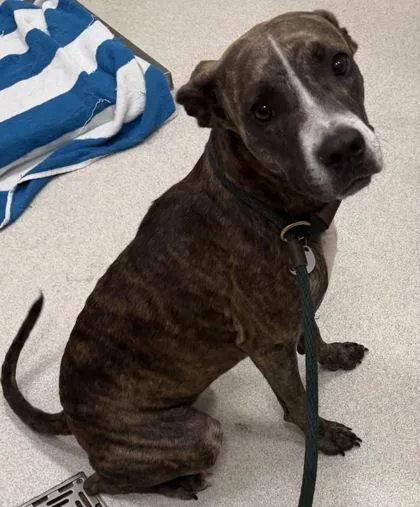
A Basenji looks like a small, athletic dog with a short, fine coat, upright pointed ears, a wrinkled forehead and a tail curled tightly over its back. Common colors are chestnut red, black, tricolor and brindle, always with white feet, chest and tail tip. It moves with a quick, springy trot often compared to a trotting racehorse.

Basenjis can be excellent dogs for owners who enjoy a clever, independent companion and can provide exercise, secure fencing and patient training. They are clean, quiet compared to barking breeds and often affectionate. They are less suited to people wanting an obedient, easygoing dog, as they can be stubborn, destructive when bored and determined escape artists.

Plan on roughly $1,300 to $3,000 a year for a Basenji in Honolulu. Food runs $20 to $45 a month, insurance $40 to $85, routine vet care $200 to $400 a year, and other costs $375 to $1,050. Honolulu has no dog license fee. Insurance is worth pricing for the breed's inherited conditions, and emergencies would add to these figures.