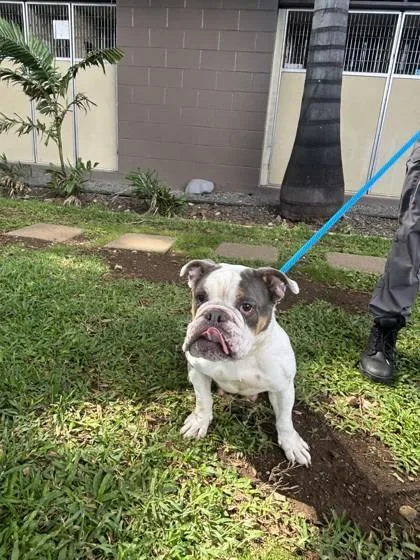
Australian Terrier Dogs for Adoption in Honolulu, HI

Your guide to finding and caring for an Australian Terrier in Honolulu

An Australian Terrier suits Honolulu's condo and townhouse neighborhoods, since 14 to 20 pounds is easy to carry through a lobby. In Salt Lake, where townhouses and condo towers sit inside old volcanic craters, a short morning walk and a visit to the Hoa Aloha dog park cover a lot of a terrier's energy. Aussies are alert, so expect them to announce every delivery driver and hallway neighbor. Teaching one to settle early makes shared walls much easier.

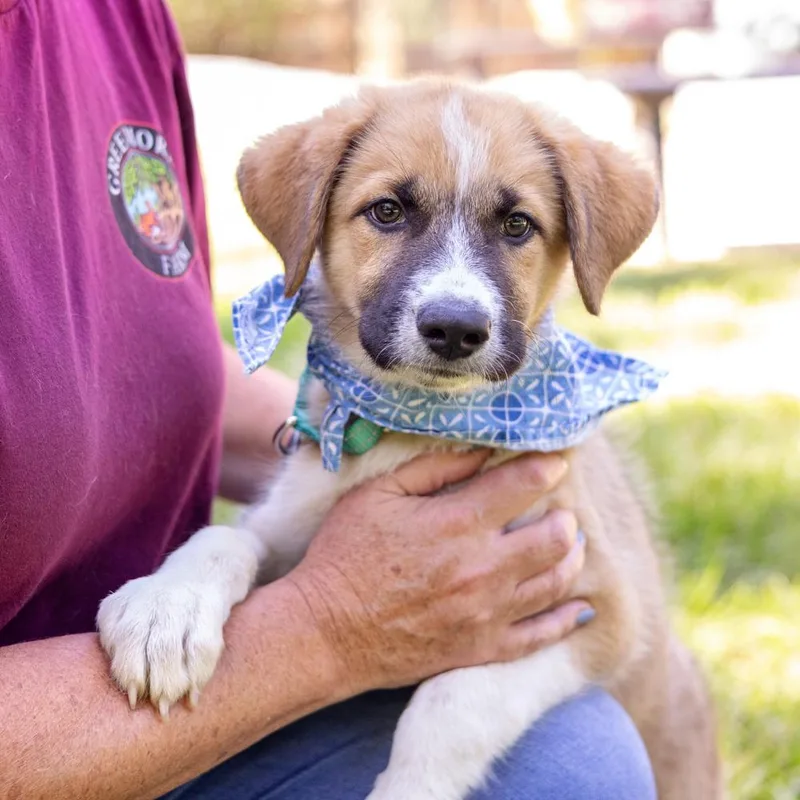
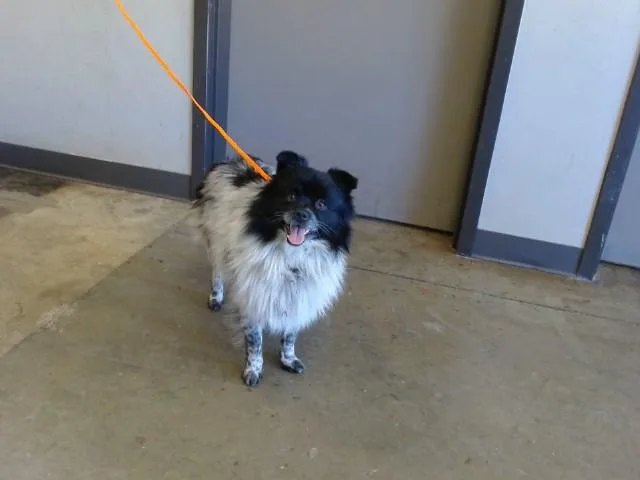
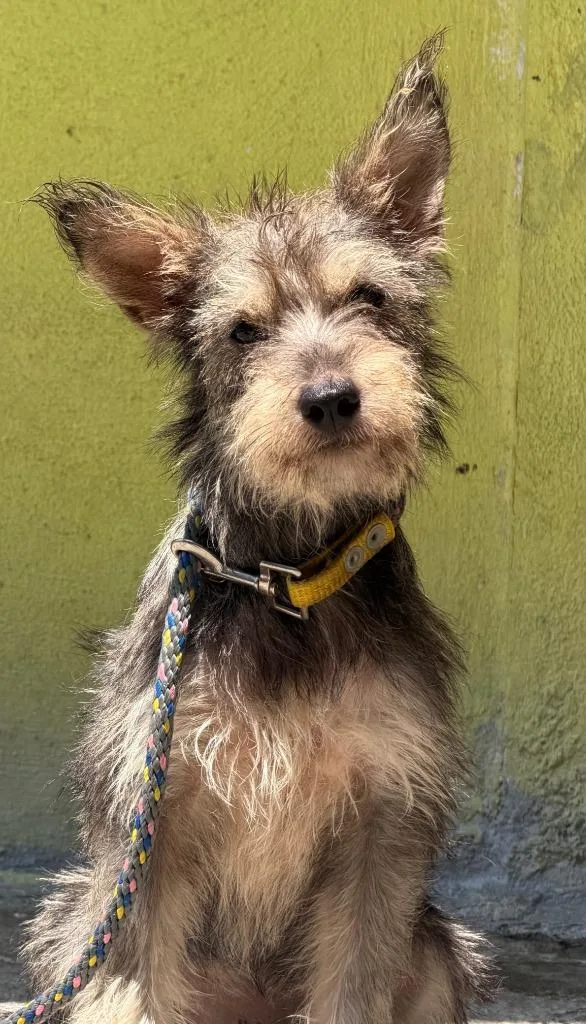
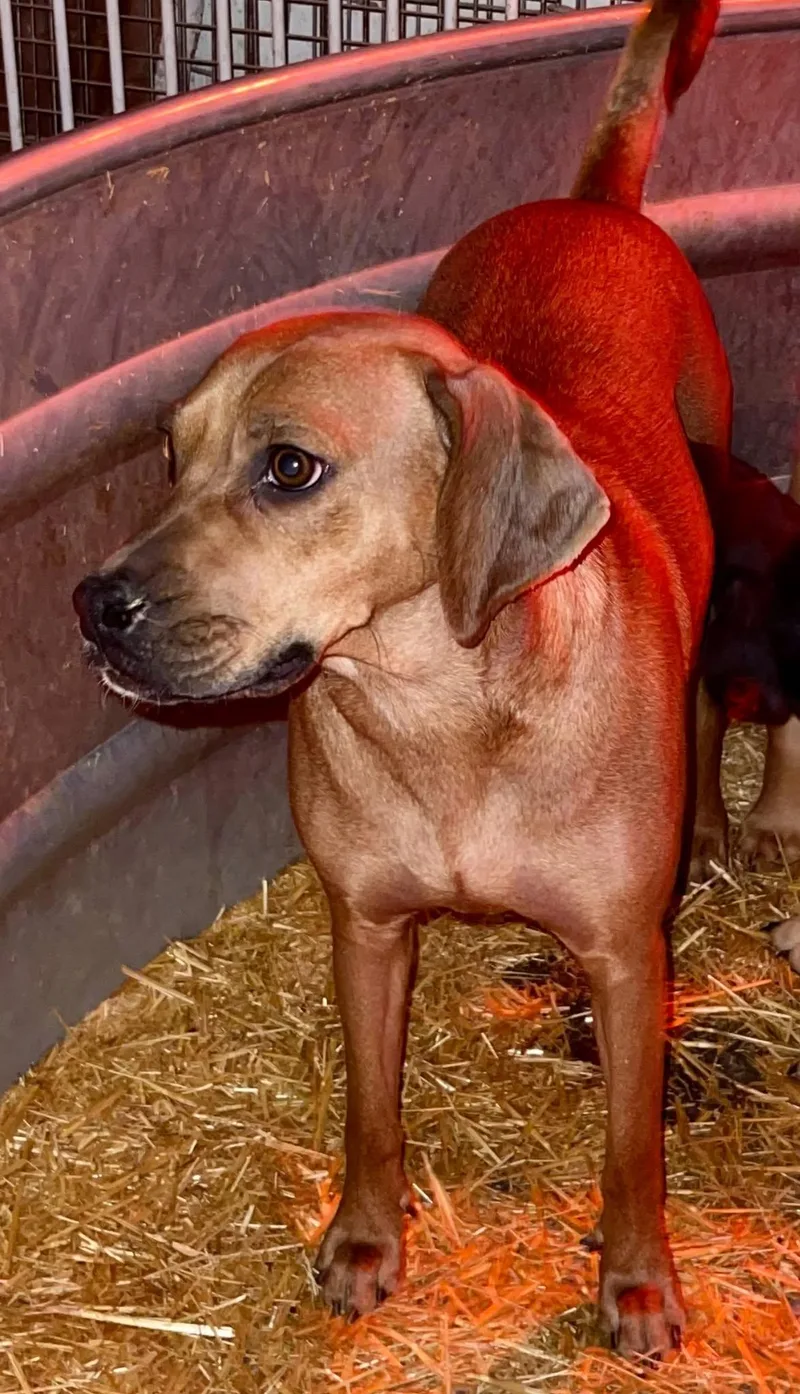
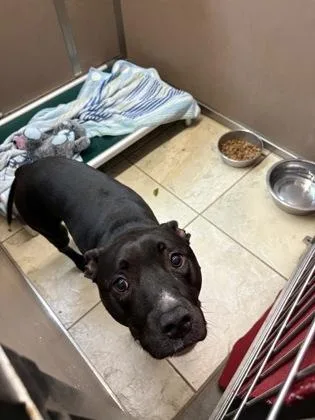
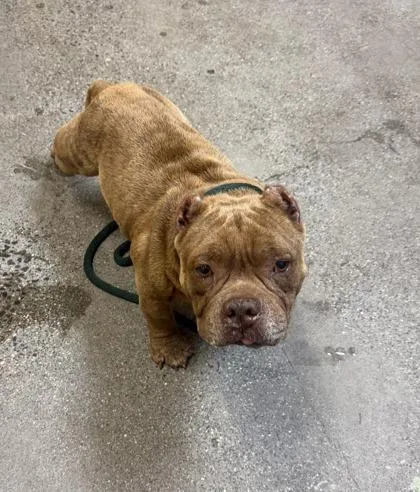
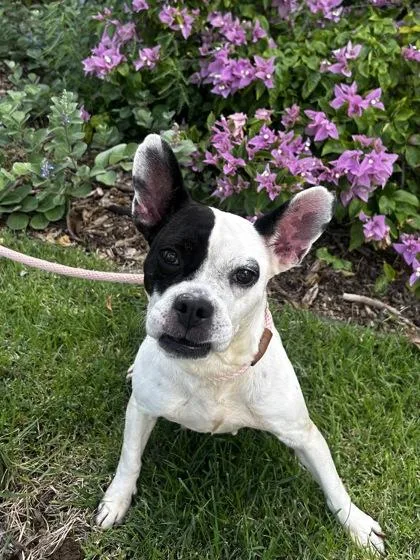
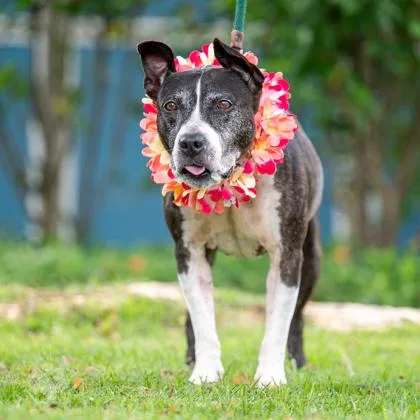
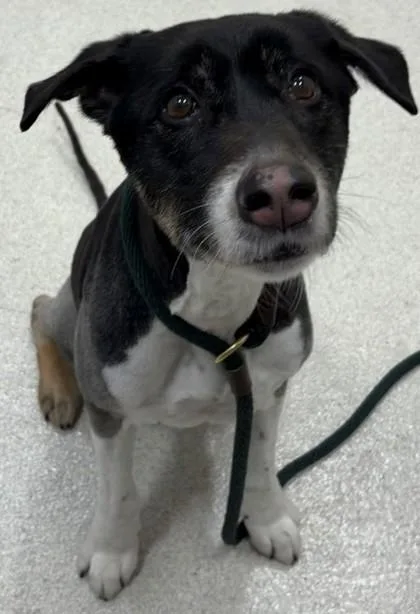
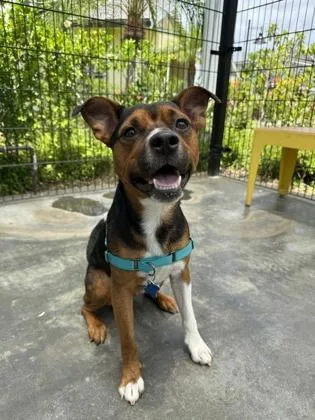
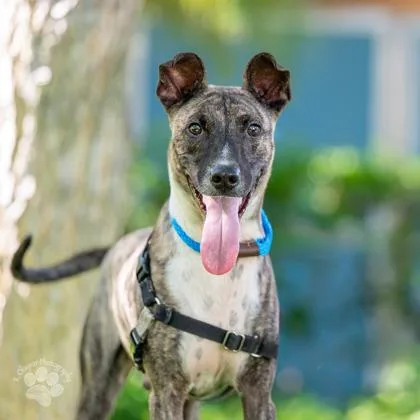
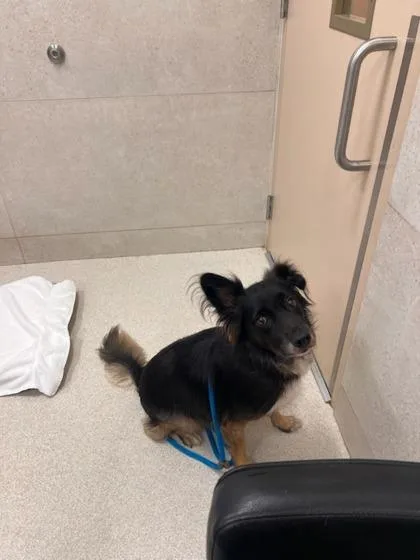
31 Australian Terriers available in Honolulu and nationwide

Give an Australian Terrier a home

While we don't have enough dogs near Honolulu, keep in mind that many rescues may offer transport.

Australian Terriers Available for Adoption Near Honolulu

About the Australian Terrier breed

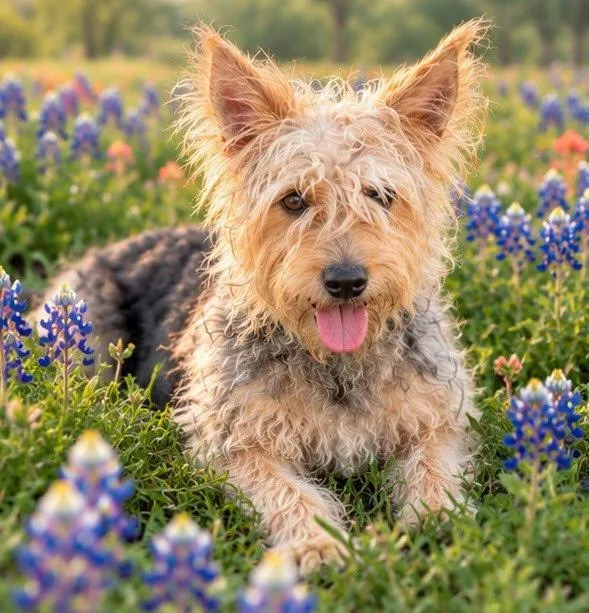
The Australian Terrier was developed in Australia in the 1800s from rough-coated British terriers, working as a ratter, snake killer and homestead watchdog. It was the first native Australian breed to be recognized, and the AKC accepted it in 1960. Aussies stand 10 to 11 inches tall and weigh roughly 14 to 20 pounds, with a long body, erect ears, a harsh coat in blue and tan, sandy or red, and a silky topknot.

Many are confident, affectionate and quick to learn, though they can be bossy with other dogs and driven to chase small animals. In Honolulu, that mix suits adopters who walk daily and enjoy training games. The low-shedding coat needs weekly brushing and occasional plucking rather than regular clipping. Dogs vary, so a dog's age and personality matter as much as breed.

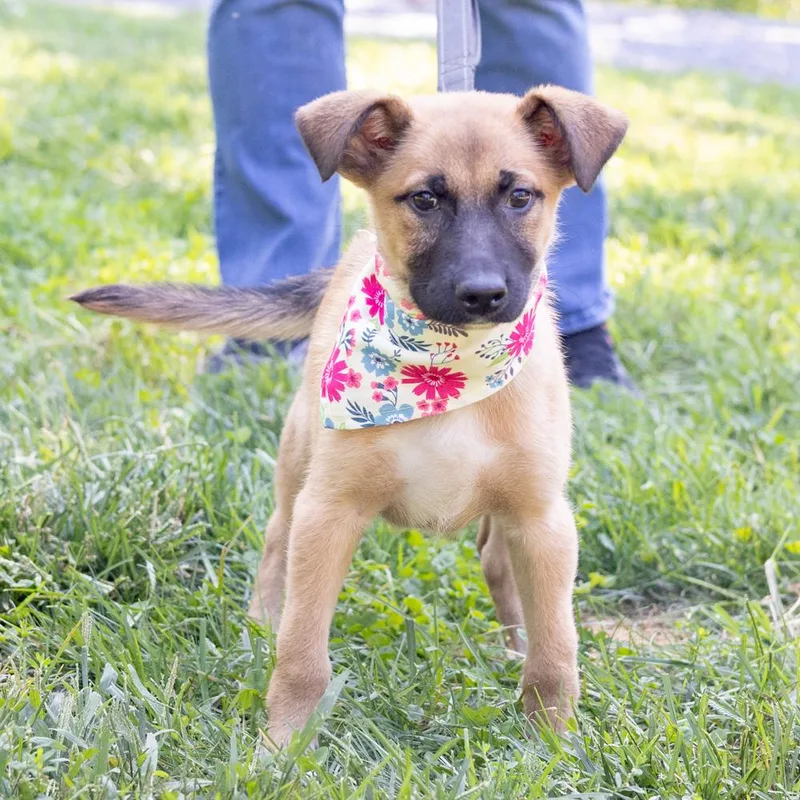
Weight
14–20 lbs
Height
10–11 in
Lifespan
11–15 yrs
Temperament
Spirited, Courageous, Alert
Group
Terrier
Shedding
Low

Owning an Australian Terrier in Honolulu

Having an Australian Terrier in Honolulu

Australian Terriers pack working-terrier drive into a small body. In Honolulu, the points that matter most are daily activity in the heat, keeping barking manageable in shared buildings, an easy-care coat and a few breed health concerns worth knowing about.

Temperament

Many Australian Terriers are spirited, confident and affectionate with their people, and happy to be part of everything. They tend to bark at unfamiliar sounds, which carry in condo hallways, and may be pushy with other dogs. Small animals can trigger their chasing instinct. Early socialization and reward-based training help, though each dog differs.

Exercise Needs

Plan on daily walks plus play that lets an Aussie chase and think. In Honolulu, walk early or after sunset, since asphalt and sand heat up fast. Off-leash parks like Kalo Place and Hawaiʻi Kai give room to run, and scent games and puzzle toys cover rainy days.

Health Considerations

Breed risks include luxating patellas, Legg-Calvé-Perthes disease, diabetes, allergies, ear infections and eye problems. In Hawaiʻi, ask a veterinarian about the leptospirosis vaccine, and keep dogs out of streams and post-storm puddles. Cane toads can poison dogs that mouth them. Watch thirst, appetite and mobility, and keep up regular checkups.

Living Space

At about 14 to 20 pounds, an Australian Terrier fits Honolulu's condos, townhouses and older low-rise apartments, provided exercise is reliable. Barking is the main concern with close neighbors, so practice settling early. In a house with a yard, fencing should be secure, since many dig or bolt after small animals. They want to live indoors with their people.

What it costs to own an Australian Terrier in Honolulu

ExpenseTypical costPer year
Food$20 to $45 per month$240 to $540
Pet insurance$35 to $70 per month$420 to $840
Routine vet care$200 to $400 per year$200 to $400
Other*$475 to $1,250 per year$475 to $1,250
Estimated yearly total (after year one)$1,335 to $3,030

Other costs are estimates and vary with size, age and health.

* Flea, tick and heartworm prevention, a dental cleaning allowance, toys and bedding, and brushing, plucking and tidying of the harsh coat; Honolulu requires a microchip rather than a dog license.

Adopt an Australian Terrier in Honolulu.

Now that you know more, let’s find you a new best friend. These rescues and shelters below have dogs available in and near Honolulu.

Rescues and Shelters in or near Honolulu

Oʻahu's shelters and foster-based rescues work to match dogs with homes, and the ones listed here serve the Honolulu area. Here are the rescues & shelters in the Honolulu area with dogs available for adoption, worth asking whether an Australian Terrier is coming in.

Frequently Asked Questions

Yes, for adopters who walk daily and can handle a vocal dog. Honolulu's steady warmth means no winter gear, and many leashed outdoor spots suit a small terrier. The tradeoffs are barking in shared buildings, hot afternoon pavement and a chase instinct around birds and wildlife, so a leash matters. Dogs vary, so judge each dog on its own personality.

Yes. Honolulu has no known breed bans, and state dangerous-dog law says a dog's breed can't be considered. Adopting a dog already on Oʻahu also avoids Hawaiʻi's import quarantine, which applies to dogs arriving from elsewhere. Plan on a registered microchip, a leash off your property, and no tethering with chains or prong collars.

For off-leash play, try Punahou Square in Makiki, Moanalua Community Park or Kahua O Waikalua in Kāneʻohe. For hikes, Makiki Valley Loop, Mānoa Falls and Kuliʻouʻou Valley are described as leashed-dog trails, so follow posted rules. Diamond Head State Monument does not allow pets, and eight-foot leashes are the City park limit.

Yes, with sensible timing. Honolulu tops out around 88°F in summer and has never reached 100°F, but humid air, strong sun and hot pavement matter for a small dog close to the ground. Walk early or after sunset, avoid roughly 11 a.m. to 3 p.m., bring water, and never leave a dog in a parked car.

Only in a carrier. TheBus and Skyline, Honolulu's elevated rail, allow pets only in a small closed carrier held on your lap or placed under the seat. Service animals are the exception. A smaller Aussie may fit a roomy carrier, but a 20-pound dog may not, so test the carrier before planning a trip.

Sometimes, on patios only. Since August 2025, Hawaiʻi allows pet dogs in outdoor or lanai dining areas, but each restaurant decides whether to participate, and dogs can't pass through the interior. Indoor dining rooms stay off-limits. Bring a leash, water bowl and mat so a chatty Aussie settles quickly.

Brush weekly and pluck or tidy the harsh coat a few times a year rather than clipping it. Honolulu's humidity and salt air add two chores: rinse off after beach days and dry the ears to help prevent infections. Keep ear hair short and feet tidy. Grooming costs fall in the Other line of the cost table.

Yes, Australian Terriers are often excellent pets for people who want a small dog with a big, busy personality. Many are affectionate, adaptable and trainable, and they bond closely with their families. The trade-offs are a tendency to bark, a strong urge to chase small animals and a need for daily exercise and mental activity to stay settled.

Australian Terriers typically live about 11 to 15 years. Some sources put the average closer to 11 or 12, with females often living slightly longer than males. Keeping an Aussie lean, active and up to date on dental care and checkups gives the best chance of a long life, and conditions such as diabetes are easier to manage when caught early.

Expect roughly $1,335 to $3,030 a year for an Australian Terrier in Honolulu, counting food ($20 to $45 a month), insurance ($35 to $70 a month), routine vet care ($200 to $400 a year) and other costs ($475 to $1,250 a year). Adoption fees appear on each listing.