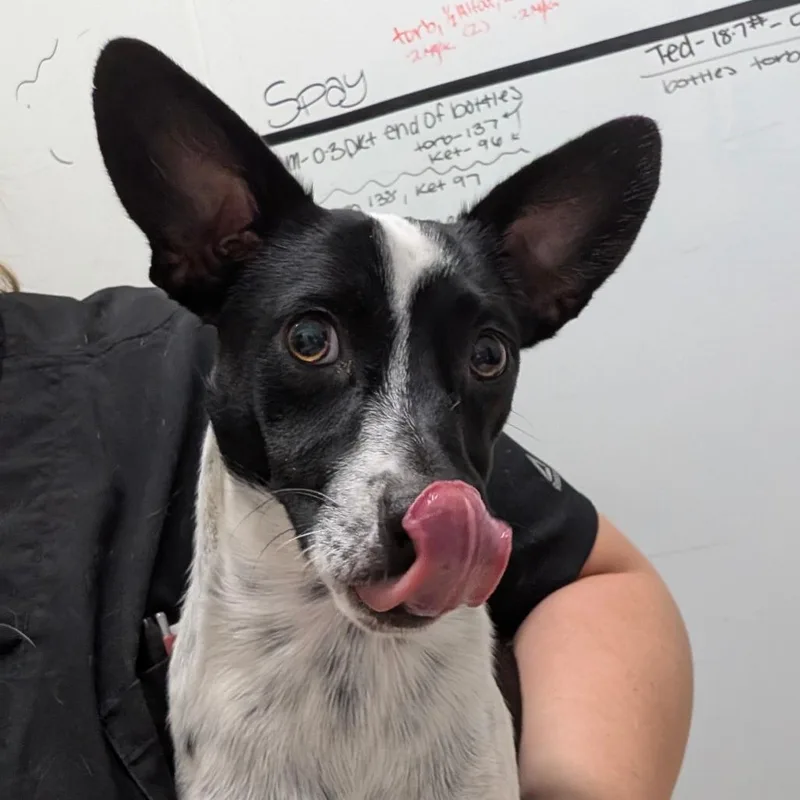
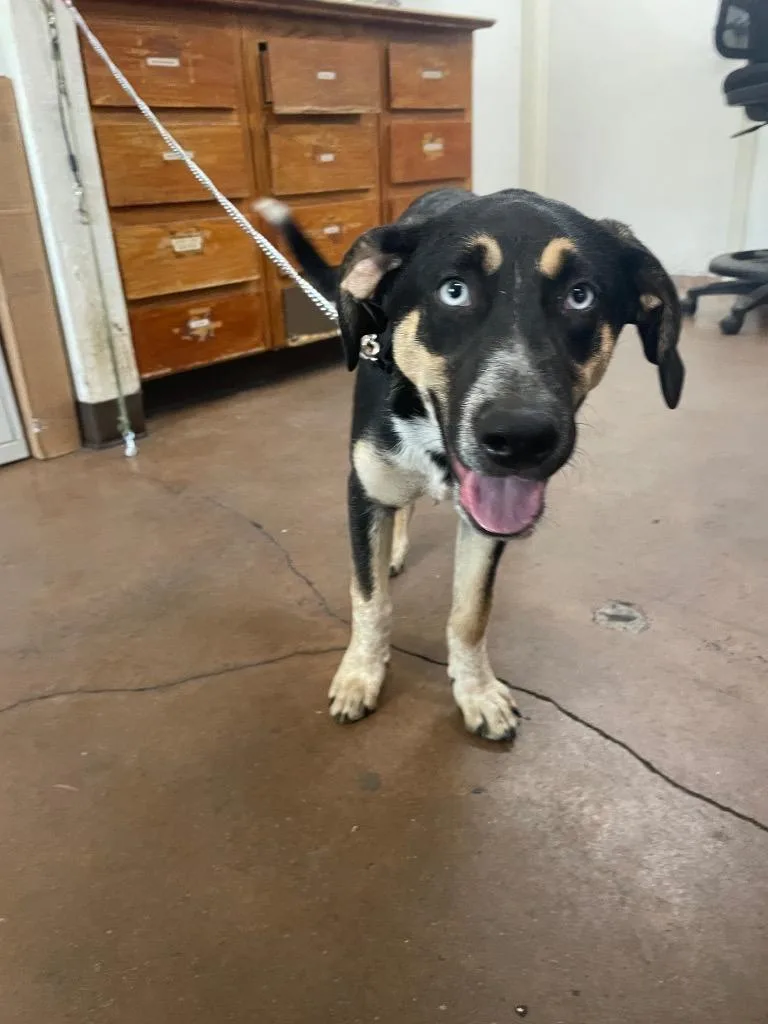
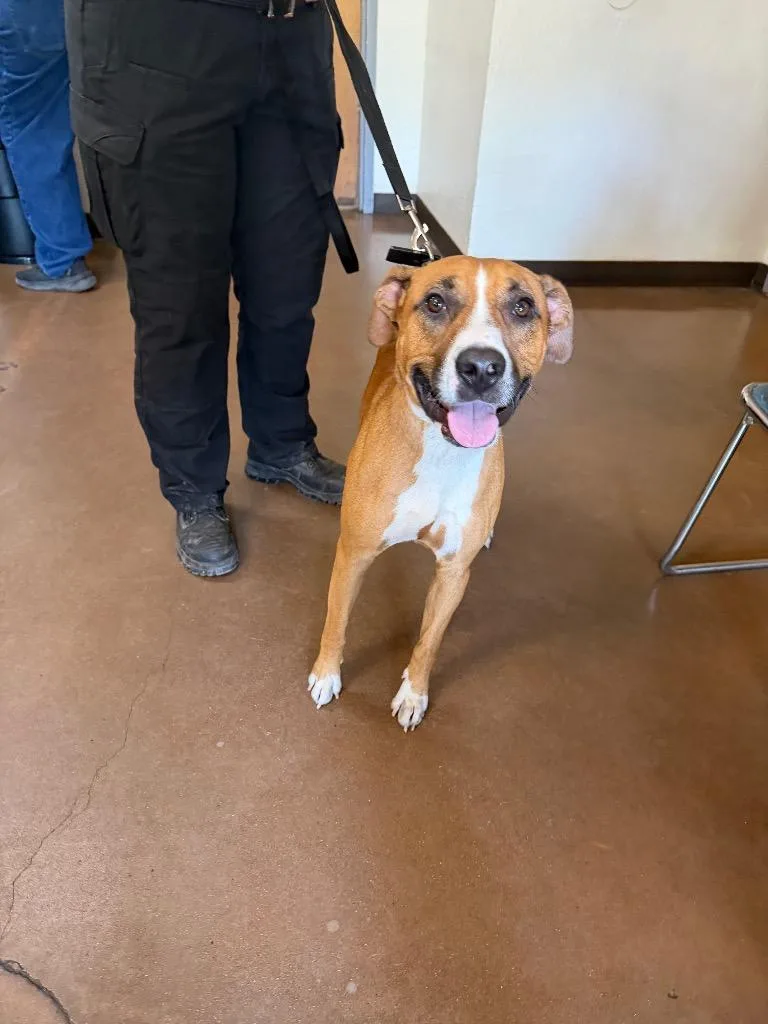
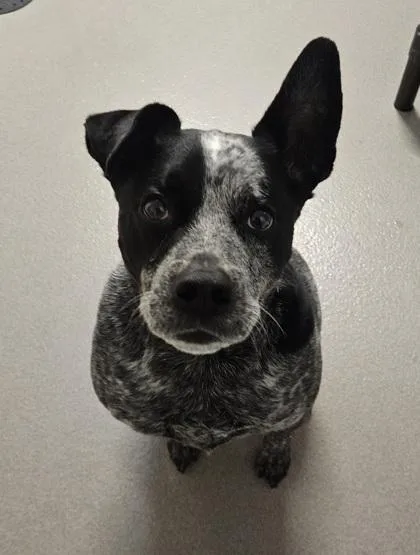
Australian Cattle Dog / Blue Heelers for Adoption in Honolulu, HI

Your guide to finding and caring for an Australian Cattle Dog / Blue Heeler in Honolulu

Blue Heelers fit best in Honolulu neighborhoods with room to move, like Mililani. The planned community has an off-leash dog park and district parks where a leashed Heeler can burn off energy before work. Kaimukī's walkable blocks suit one too, as long as the day includes a long walk and some training. Heelers are smart, loyal and a bit watchful, so they like having a job, even if it's just learning new tricks on the lanai.

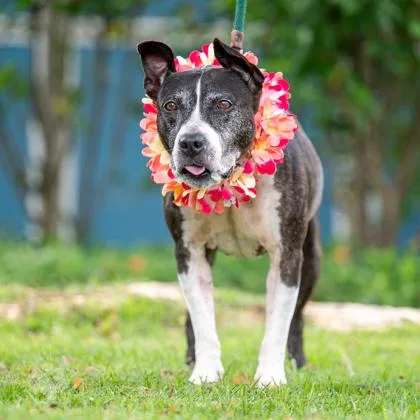
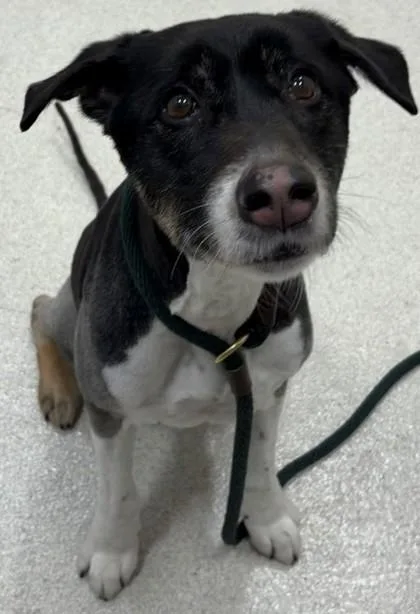
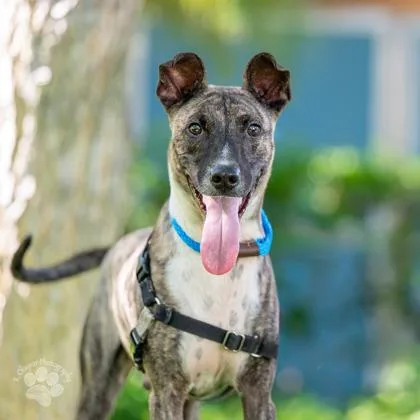
4305 Australian Cattle Dog / Blue Heelers available in Honolulu and nationwide

Say hello to your Blue Heeler

While we don't have enough dogs near Honolulu, keep in mind that many rescues may offer transport.

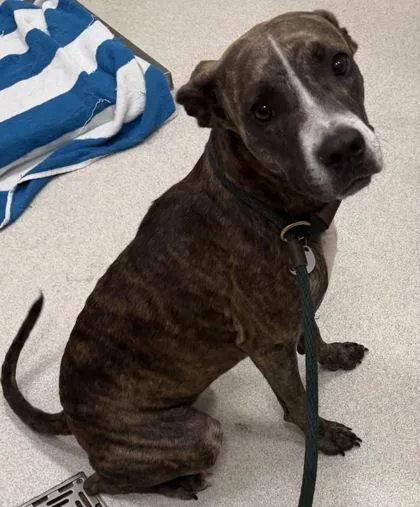
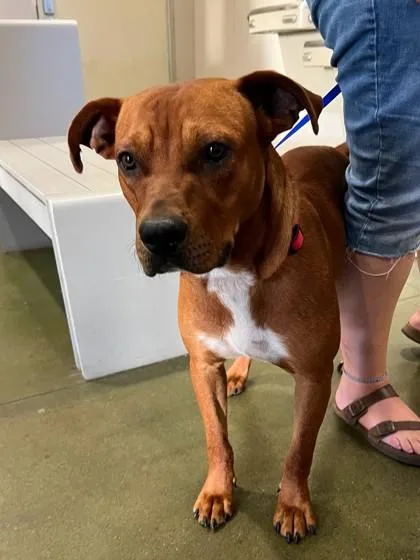
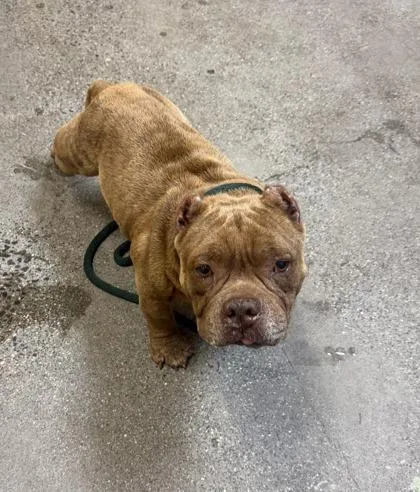
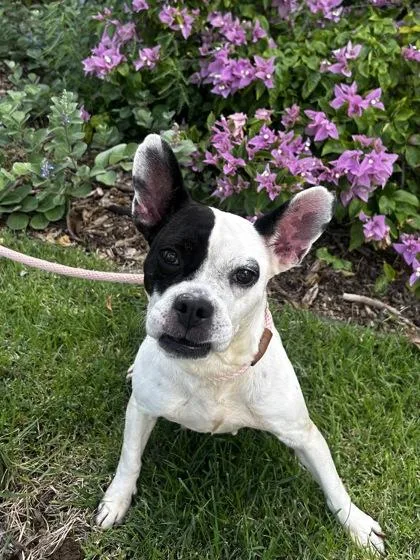
Australian Cattle Dog / Blue Heelers Available for Adoption Near Honolulu

About the Australian Cattle Dog / Blue Heeler breed

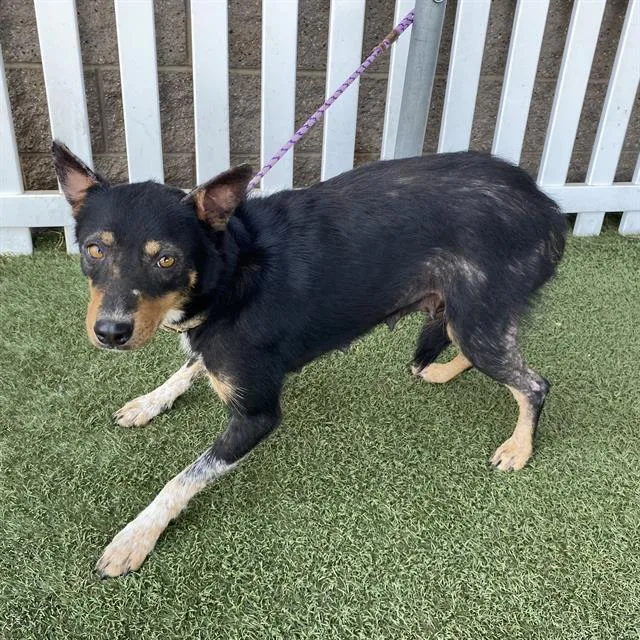
Australian Cattle Dogs, widely called Blue Heelers or Queensland Heelers, were developed in nineteenth-century Australia to move cattle over long distances in heat and dust. They're compact and muscular, usually 35 to 50 pounds, with a short, weatherproof double coat in blue or red speckle. The coat is easy to keep up, though it sheds more heavily once or twice a year.

Heelers tend to be loyal, clever and watchful, often attaching to one person and staying reserved with strangers. Herding instincts can show up as nipping at heels or chasing bikes and joggers, which matters on busy Honolulu sidewalks and beach paths. Dogs vary, but most do best with daily training, a real outlet for their stamina, and a home where someone is around.

Weight
35–50 lbs
Height
17–20 in
Lifespan
12–16 yrs
Temperament
Energetic, Intelligent, Loyal, Alert
Group
Herding
Shedding
Moderate

Owning an Australian Cattle Dog / Blue Heeler in Honolulu

Having an Australian Cattle Dog / Blue Heeler in Honolulu

Stamina, a quick mind and herding instincts define Heelers more than size does. In Honolulu that means plenty of outdoor options and a steady need for daily work, so the best match is an active household with time for training.

Temperament

Heelers are usually loyal and alert, and many are protective of home and reserved with strangers. In Honolulu's close-quarters condo and apartment buildings, that can mean barking at elevator or hallway noise unless the dog is socialized early. Consistent, reward-based training helps, though drive and sociability vary from dog to dog.

Exercise Needs

Plan on an hour or two of hard exercise daily, plus mental work like training games and puzzle toys. Honolulu makes this easy: off-leash parks, leashed hikes on marked trails and shaded morning loops all work. Schedule runs early or after sunset, since the sun and pavement heat up fast.

Health Considerations

Heelers are often long-lived, but deafness, progressive retinal atrophy, lens luxation and hip and elbow dysplasia occur in the breed, and a veterinarian can check hearing, eyes and joints. In Hawaiʻi, ask a vet about the leptospirosis vaccine, keep dogs out of streams, and get to a vet after any cane toad encounter.

Living Space

A medium-size Heeler can live in a Honolulu condo if the daily exercise is real, but a fenced yard in places like Mililani or Hawaiʻi Kai makes life easier. Lanais need secure railings and shade. Expect a dog that wants to stay close to its people rather than be left alone for long stretches.

What it costs to own an Australian Cattle Dog / Blue Heeler in Honolulu

ExpenseTypical costPer year
Food$35 to $70 per month$420 to $840
Pet insurance$55 to $100 per month$660 to $1,200
Routine vet care$225 to $450 per year$225 to $450
Other*$425 to $1,150 per year$425 to $1,150
Estimated yearly total (after year one)$1,730 to $3,640

Other costs are estimates and vary with size, age and health.

* Flea, tick and heartworm prevention, a yearly dental cleaning allowance, durable toys and bedding, and light home grooming for a short coat.

Adopt an Australian Cattle Dog / Blue Heeler in Honolulu.

Now that you know more, let’s find you a new best friend. These rescues and shelters below have dogs available in and near Honolulu.

Rescues and Shelters in or near Honolulu

Oʻahu's open-admission shelter and its volunteer-run, foster-based rescues work year-round to match dogs with adopters. Here are the rescues & shelters in the Honolulu area with dogs available for adoption, worth asking whether an Australian Cattle Dog / Blue Heeler is coming in.

Frequently Asked Questions

Yes. Honolulu has no known breed bans, and Hawaiʻi's dangerous-dog law says a dog's breed isn't considered, so status depends on behavior. You'll need a registered microchip instead of a license, plus a leash off your property. Because Heelers are watchful, early socialization and training help you avoid barking complaints from neighbors.

Elaine Dobashi Hawaiʻi Kai Dog Park, Mililani Dog Park and Kahua O Waikalua in Kāneʻohe give Heelers room to run off leash. For leashed outings, try Kailua Beach Park or Kuliʻouʻou Ridge Trail, and check the state trail map first. Skip Diamond Head and Ala Moana, where dogs aren't allowed.

It can be, for active people who are home often. Honolulu offers year-round outdoor time, from dog parks to leashed beach walks, and a Heeler's short coat copes with the warmth. The tradeoffs are sun, hot pavement and crowded sidewalks, where chasing and nipping instincts need training. Long, empty workdays tend to go badly.

Yes, if the daily exercise is real. At 35 to 50 pounds, a Heeler is a medium dog, but many buildings set their own size limits, so read the lease first. Plan on long morning and evening outings, puzzle toys and training, and teach quiet manners for hallways and elevators.

Generally yes, with sensible routines. Heat here is steady rather than extreme, but sun, humidity and hot pavement matter more than the thermometer. Exercise before 11 a.m. or after sunset, carry water, and use the back-of-hand test on asphalt and sand. Never leave a Heeler in a parked car, which can be investigated as cruelty.

Usually not. TheBus and Skyline allow pets only in a small enclosed carrier on your lap or under the seat, and a 35 to 50 pound Heeler won't fit in one. Service animals are the exception. Plan your Heeler's outings around walks and car trips, and check current rules before you travel.

Sometimes, on patios. Since August 2025, Hawaiʻi allows dogs in outdoor dining areas at restaurants that opt in, as long as the dog doesn't pass through the interior. Indoor dining rooms are still off-limits. Heelers can be wary of strangers, so choose a quiet corner, keep the leash short and bring water.

Very little. A weekly brush handles loose hair, with extra brushing during the once- or twice-a-year coat blow. Baths are only needed when a Heeler is muddy after rain or salty after a beach day. Most owners groom at home, so yearly costs under Other stay modest and professional grooming is optional.

Blue Heelers typically live about 12 to 16 years, and a recent UK study put the breed's average life expectancy at about 14 years, longer than many purebreds. A famous Australian Cattle Dog named Bluey reportedly lived over 29 years, though such records are hard to verify. Staying lean and active and getting regular checkups support a long life.

Expect roughly $35 to $70 a month for good-quality food and $55 to $100 for pet insurance, which is worth pricing for a breed with hereditary eye and hearing concerns. Routine vet care runs about $225 to $450 a year, and other costs add $425 to $1,150. Together that's about $1,730 to $3,640 a year.