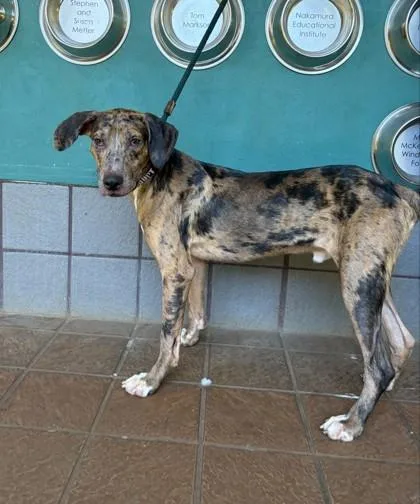
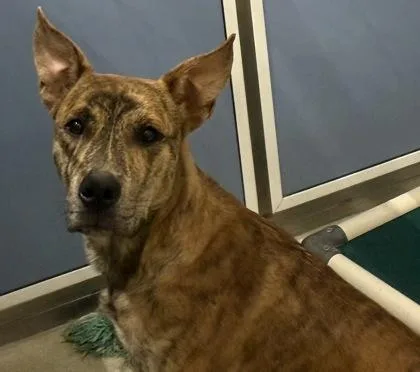
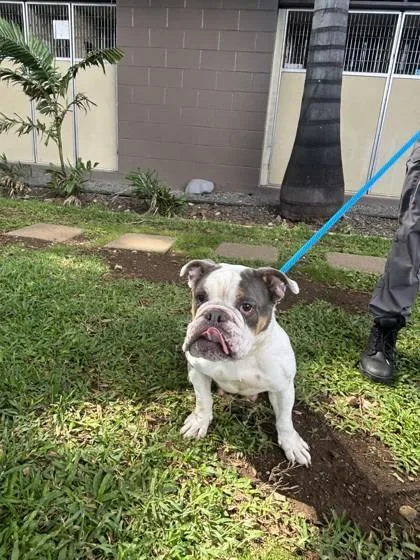
Alaskan Malamute dog

Alaskan Malamute Dogs for Adoption in Honolulu, HI

Your guide to finding and caring for an Alaskan Malamute in Honolulu

Alaskan Malamutes are a big commitment in Honolulu, mostly because they were built for snow. They're friendly, strong and happiest close their people, so a single-family home in Hawaiʻi Kai or Mililani with a secure yard suits them better than a small condo. Expect to plan around a heavy shedding coat and walks at dawn. In return you get a loyal, playful companion for morning visits to the Elaine Dobashi Hawaiʻi Kai Dog Park.

268 Alaskan Malamutes available in Honolulu and nationwide

Adopt an Alaskan Malamute today

While we don't have enough dogs near Honolulu, keep in mind that many rescues may offer transport.

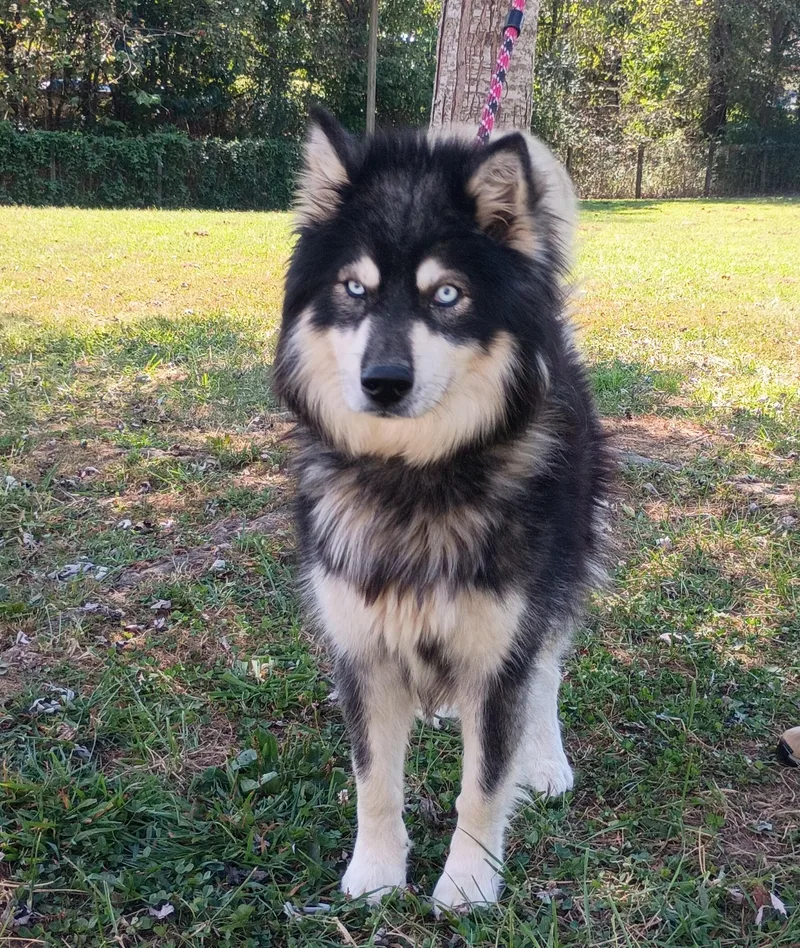
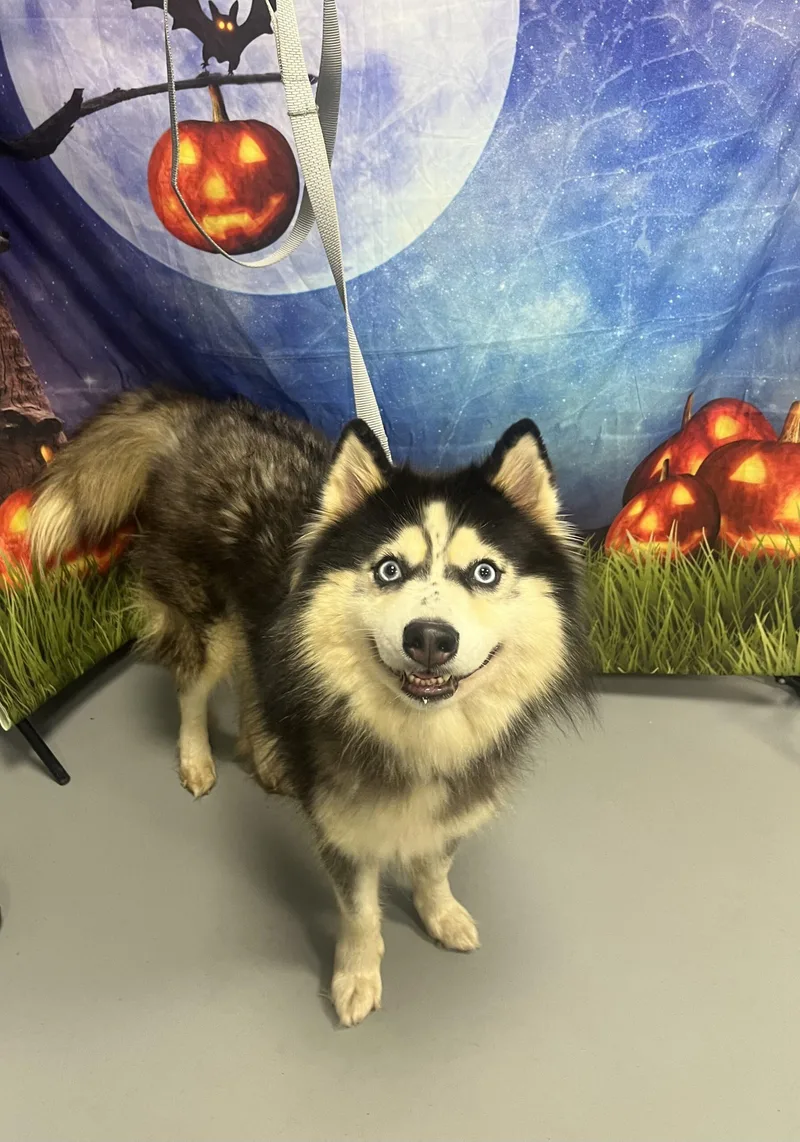
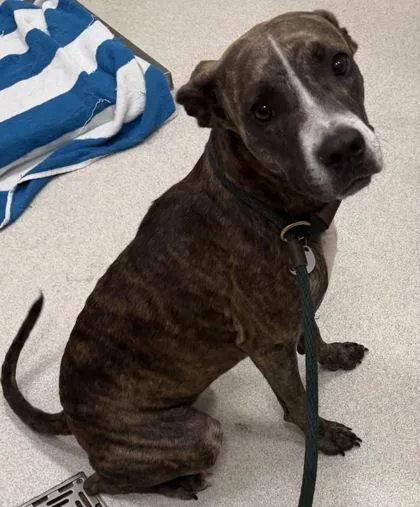
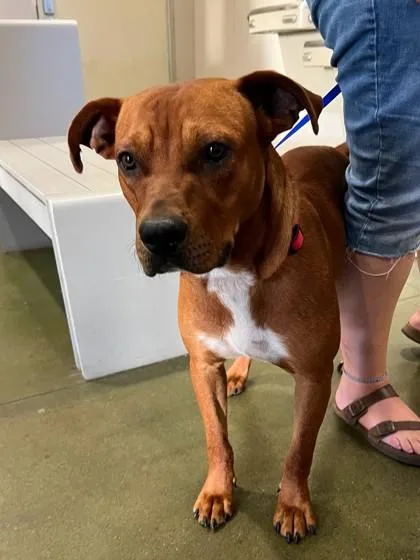
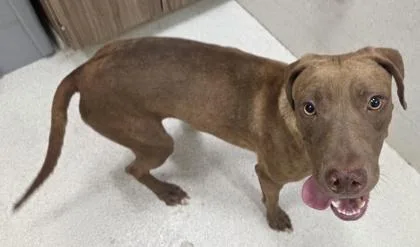
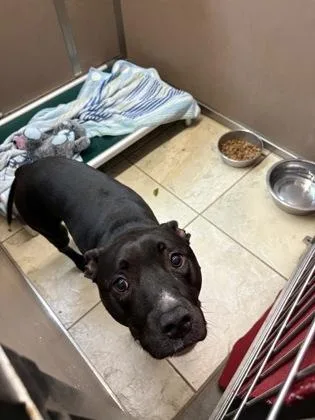
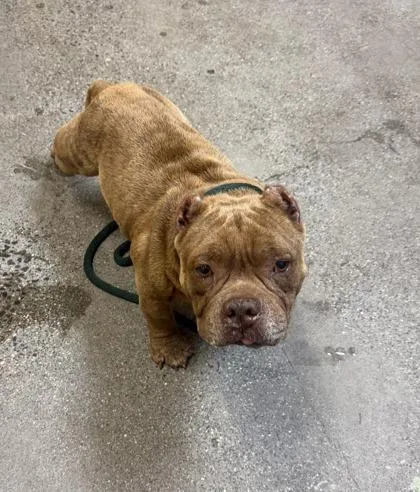
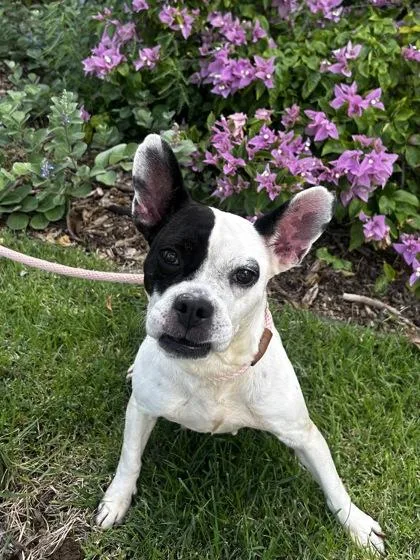
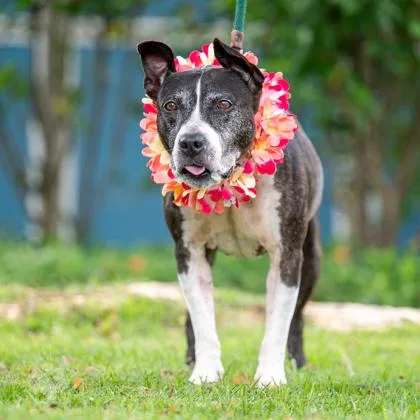
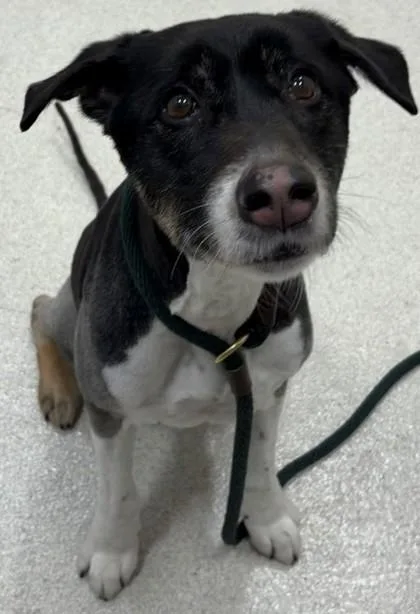
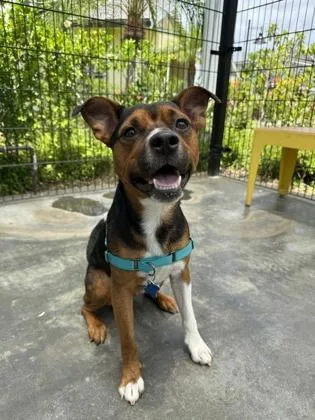
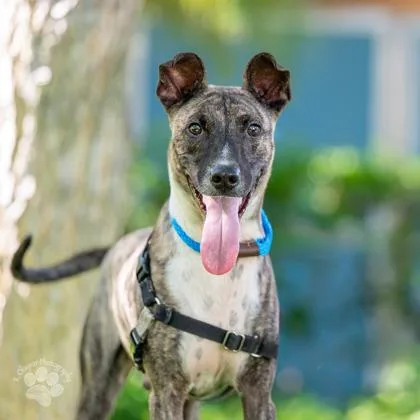
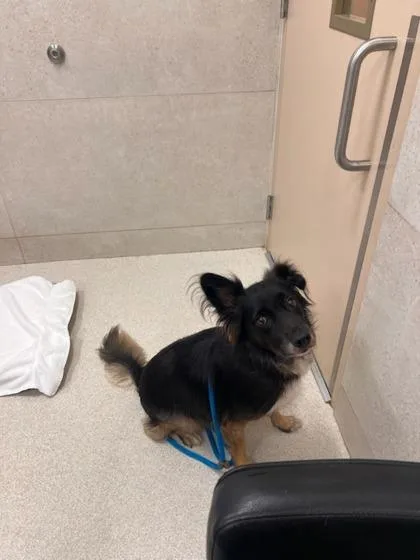
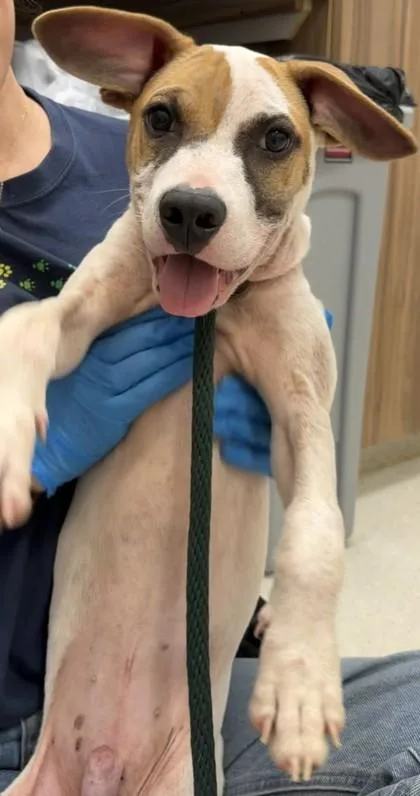
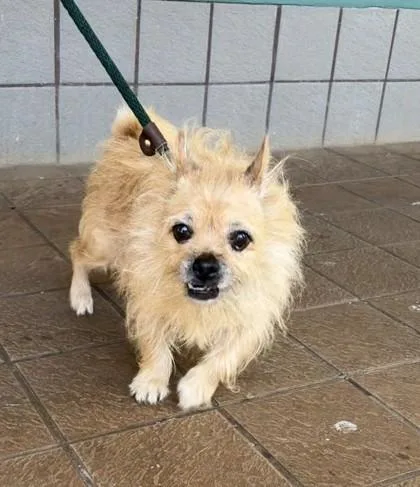
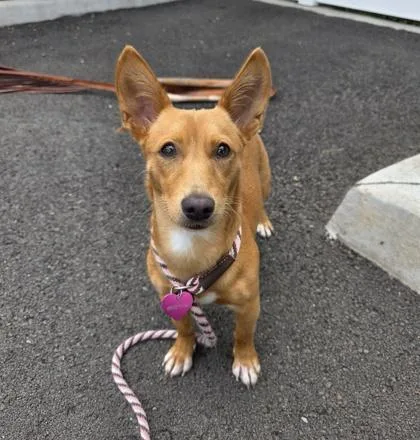
Alaskan Malamutes Available for Adoption Near Honolulu

About the Alaskan Malamute breed

The Alaskan Malamute is one of the oldest Arctic sled dogs, developed by the Mahlemiut Inupiaq people of northwestern Alaska to haul heavy loads over long distances. It has heavy bone, a deep chest, snowshoe feet and a thick, coarse double coat, with a plumed tail carried over the back. Most adults weigh roughly 70 to 95 pounds.

Malamutes are usually affectionate and sociable with people, which makes them poor guard dogs but engaging companions. They also tend to be independent, strong-willed and food-motivated, with a strong prey drive and a talent for digging. In Honolulu, where highs sit in the 80s all year, that coat is the main challenge, so a cool indoor spot and steady training matter as much as exercise. Dogs vary, so watch how a Malamute handles heat and other dogs.


Weight
70–95 lbs
Height
23–26 in
Lifespan
10–14 yrs
Temperament
Affectionate, Friendly, Independent, Loyal
Group
Working
Shedding
High

Owning an Alaskan Malamute in Honolulu

Having an Alaskan Malamute in Honolulu

Strength, heavy shedding and heat sensitivity shape daily life with a Malamute more than its friendly face suggests. In Honolulu, cooling, exercise timing and a secure yard are the practical questions to settle first.

Temperament

Malamutes are usually warm with people and rarely one-person dogs, but they think for themselves and may ignore commands that seem pointless. Training works best when it's consistent and food-rewarded. A strong prey drive, and in some dogs intolerance of the same sex, call for careful introductions at Honolulu's dog parks.

Exercise Needs

Plan on long daily walks or hikes plus mental work such as training games and food puzzles. In Honolulu, exercise before about 9 a.m. or after sunset, and avoid roughly 11 a.m. to 3 p.m., when pavement and sand get hot. Shade is scarce on coastal routes, so carry water.

Health Considerations

Malamutes can develop hip dysplasia, hypothyroidism, chondrodysplasia, polyneuropathy, day blindness and cataracts. Keeping one lean protects its joints, and a veterinarian can check hips and thyroid as it ages. Locally, ask a vet about the leptospirosis vaccine, and watch for heat stress and cane toad poisoning after rain.

Living Space

A single-family home with a secure fence suits a Malamute best, since many dig and climb. Condo life is possible only with reliable exercise, air conditioning and tolerance for shed hair and howling, which carries in Honolulu's high-rises. Space matters less than keeping the dog cool and close to the family.

What it costs to own an Alaskan Malamute in Honolulu

ExpenseTypical costPer year
Food$55 to $110 per month$660 to $1,320
Pet insurance$65 to $130 per month$780 to $1,560
Routine vet care$250 to $500 per year$250 to $500
Other*$575 to $1,450 per year$575 to $1,450
Estimated yearly total (after year one)$2,265 to $4,830

Other costs are estimates and vary with size, age and health.

* Flea, tick and heartworm prevention, a dental cleaning allowance, toys and bedding, and brushing and baths for a heavy coat; Honolulu has no dog license.

Adopt an Alaskan Malamute in Honolulu.

Now that you know more, let’s find you a new best friend. These rescues and shelters below have dogs available in and near Honolulu.

Rescues and Shelters in or near Honolulu

Oʻahu's shelters and foster-based rescues care for dogs of every size, and the pets listed here change often. Here are the rescues & shelters in the Honolulu area with dogs available for adoption, worth asking whether an Alaskan Malamute is coming in.

Frequently Asked Questions

Yes. Honolulu has no known breed bans, and Hawaiʻi's dangerous-dog law says a dog's breed isn't considered; status depends on behavior. The more likely hurdles are landlord and homeowners insurance restrictions, since Malamutes often appear on restricted-breed lists. Settle those before you commit, along with the registered microchip every Honolulu dog needs.

It can be, for the right household. A Malamute suits an active owner with air conditioning, a secure yard and time for dawn and evening walks, usually in a house in places like Mililani or Kāneʻohe rather than a high-rise. It's a harder fit with long workdays away, small units or a wish for a low-shedding dog.

They can, but only with active cooling. Highs sit in the upper 80s, nights stay near 75, and about 30 days a year reach 90°F. Keep the dog in air conditioning midday, walk before 9 a.m. or after sunset, and carry water. Heavy panting, drooling or weakness needs a veterinarian right away.

It's possible but difficult. Some buildings limit dog size or breed, so confirm the rules first. A Malamute in a condo needs air conditioning, long daily walks and a plan for howling, since noise lasting ten minutes can count as a nuisance. A ground-floor unit near a dog-friendly park makes it easier.

Start with the Elaine Dobashi Hawaiʻi Kai Dog Park or Kahua O Waikalua in Kāneʻohe for off-leash time. For leashed outings, Kailua Beach Park and Sandy Beach Park allow dogs, and marked state trails such as Kuliʻouʻou Valley in East Honolulu are options where dogs are permitted. Go early; Diamond Head and Ala Moana don't allow pets.

Not realistically. TheBus and Skyline allow pets only in a small enclosed carrier on your lap or under the seat, and a Malamute weighing 70 pounds or more won't fit. Only service animals are exempt. Plan on driving in an air-conditioned vehicle, and never leave the dog in a parked car.

Sometimes, on patios only. Since August 2025, Hawaiʻi allows dogs in outdoor dining areas at restaurants that opt in and post signage, as long as the dog doesn't pass through the interior. Indoor dining rooms stay off-limits. A Malamute's size and heat sensitivity call for a shaded corner, water and a reliable settle command.

Plan on brushing several times a week, daily during heavy shedding, plus an occasional bath. In Honolulu's warmth and humidity, keep the undercoat clean and dry to avoid skin problems, but don't shave it, since the coat also shields against sun. Budget grooming within the $575 to $1,450 yearly Other costs.

Alaskan Malamutes are large dogs, typically standing about 23 to 26 inches at the shoulder, with males around 25 inches and females around 23. Their heavy bone, deep chest and thick coat make them look even bigger. Most reach full height by about a year old but keep filling out until two or three, so a young adult may still be broadening.

Plan on roughly $2,265 to $4,830 a year for a Malamute in Honolulu. That covers food ($55 to $110 a month), insurance ($65 to $130 a month), routine vet care ($250 to $500 a year) and other costs ($575 to $1,450), mostly parasite prevention, dental care, supplies and coat care. Emergencies and boarding are extra.