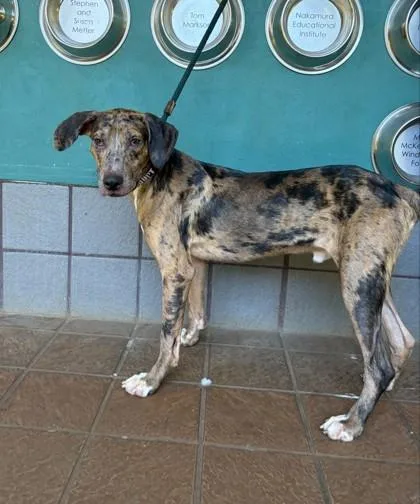
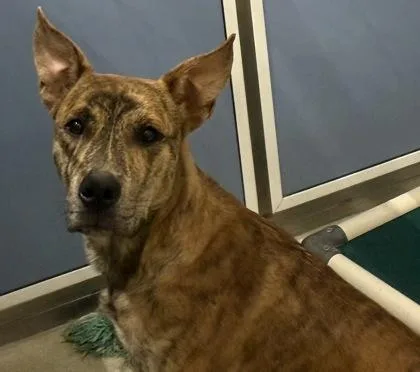
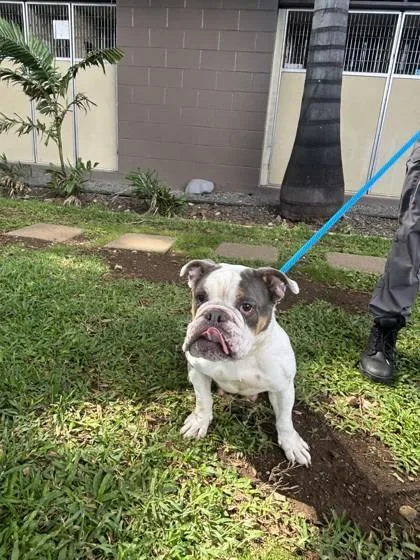
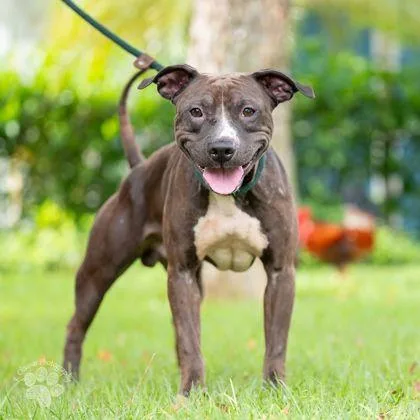
Akita dog

Akita Dogs for Adoption in Honolulu, HI

Your guide to finding and caring for an Akita in Honolulu

An Akita suits a quiet Hawaiʻi Kai street better than a busy Waikīkī high-rise. Hawaiʻi Kai is mostly single-family homes, which gives a big, wary dog room to settle and keeps strangers and other dogs at a distance. Akitas are calm and devoted at home, but their thick coats make the sun and humidity a daily factor, so walks work best early or after sunset. If you're adopting an Akita in Honolulu, plan a cool indoor spot and a leashed stroll toward Kamilo Iki or Sandy Beach.

463 Akitas available in Honolulu and nationwide

Your Akita is waiting

While we don't have enough dogs near Honolulu, keep in mind that many rescues may offer transport.

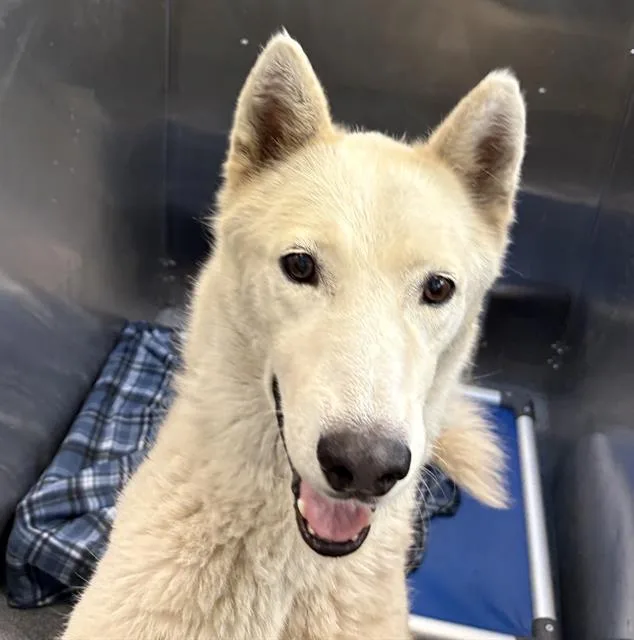
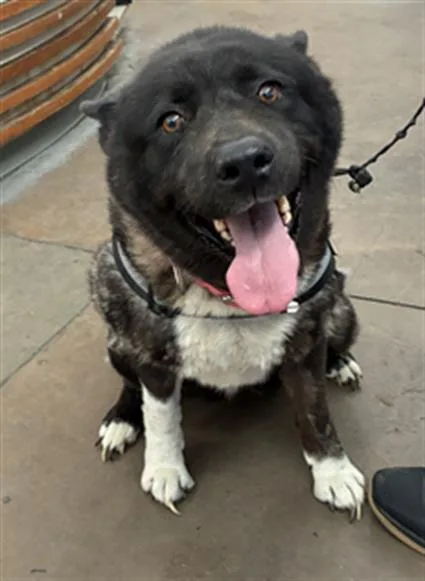
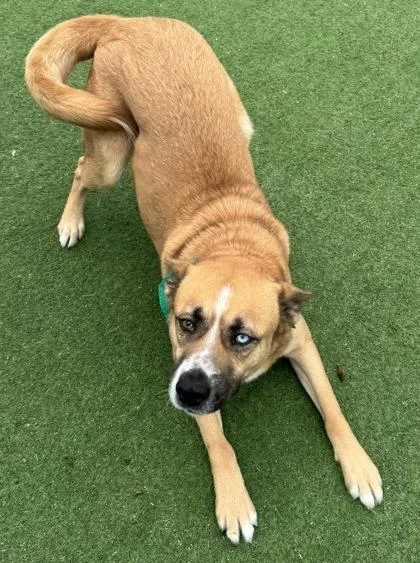
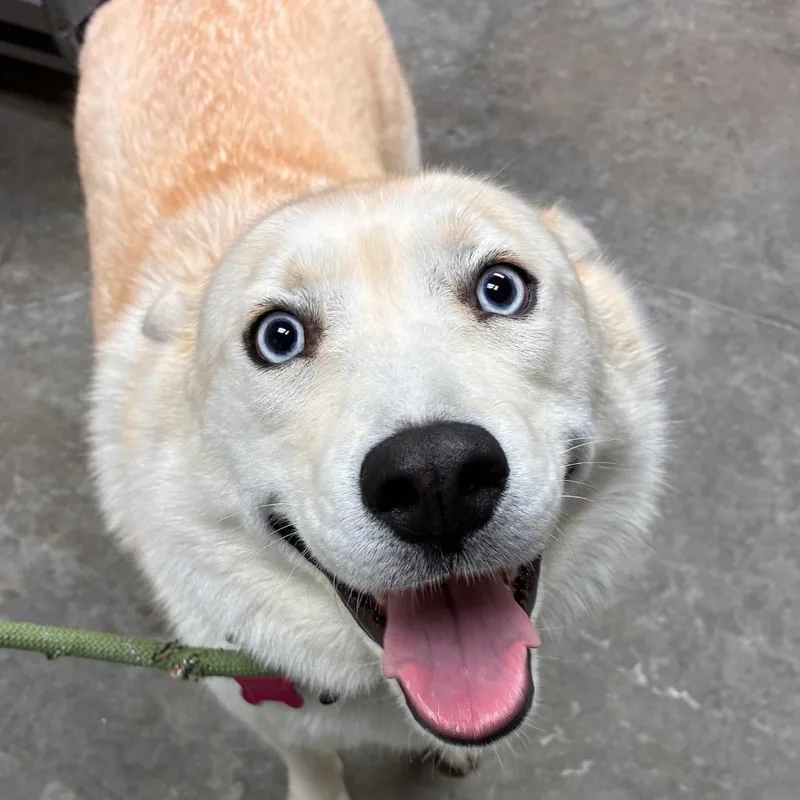
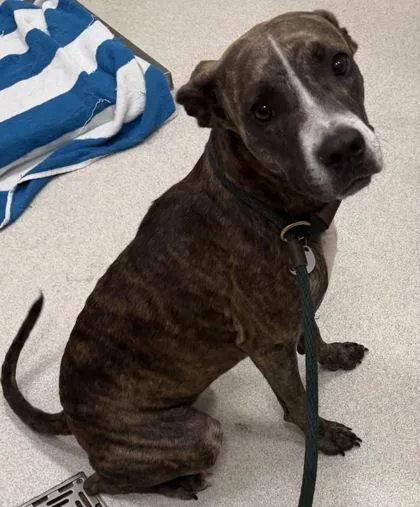
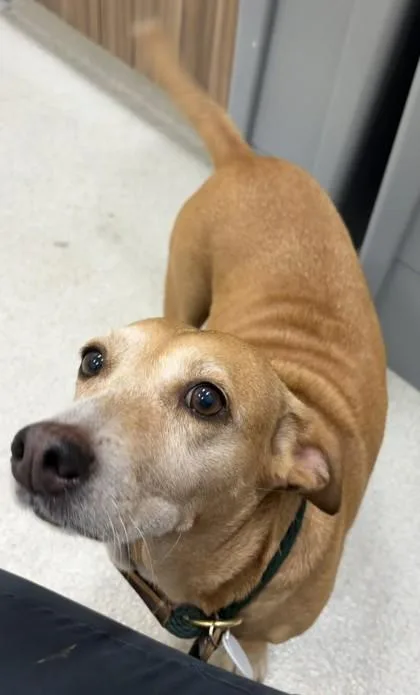
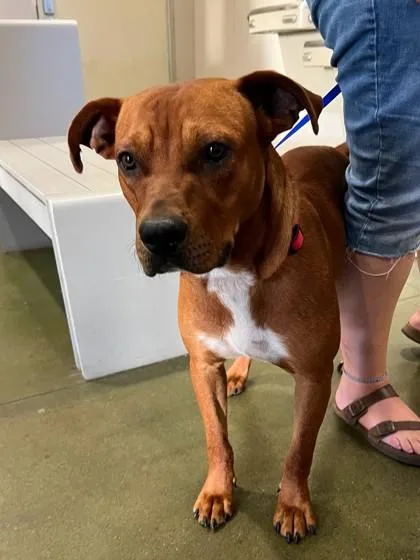
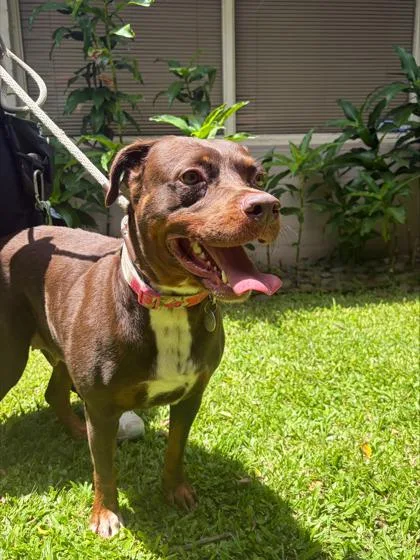
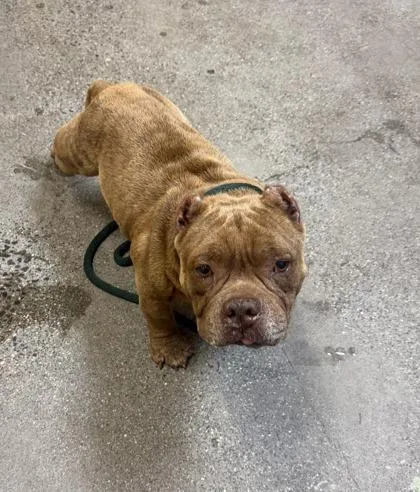
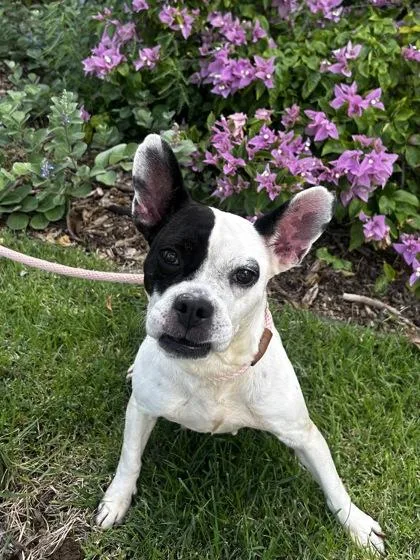
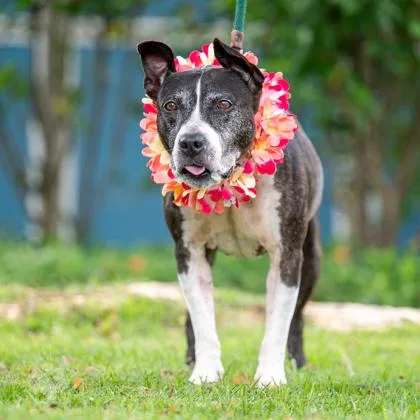
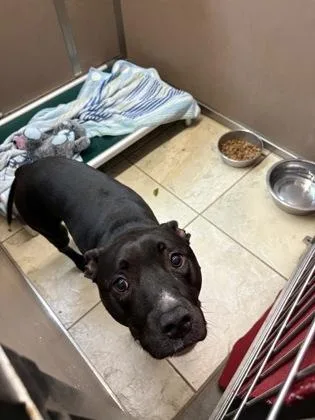
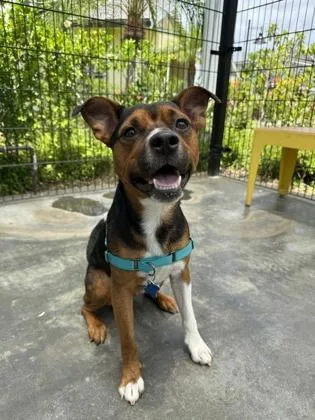
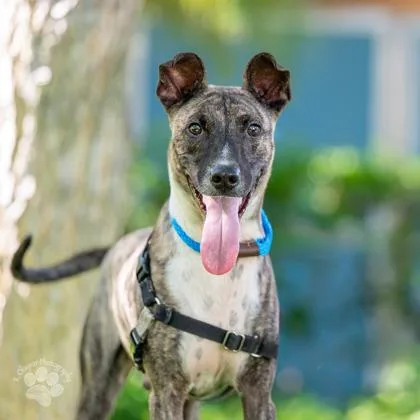
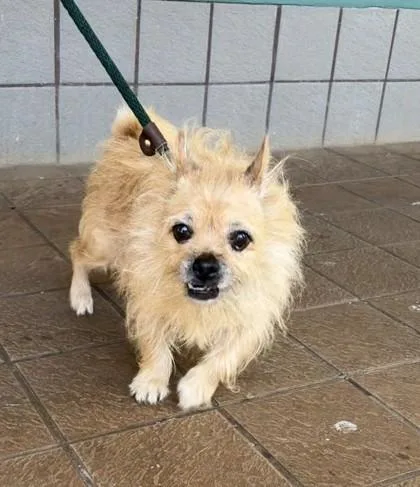
Akitas Available for Adoption Near Honolulu

About the Akita breed

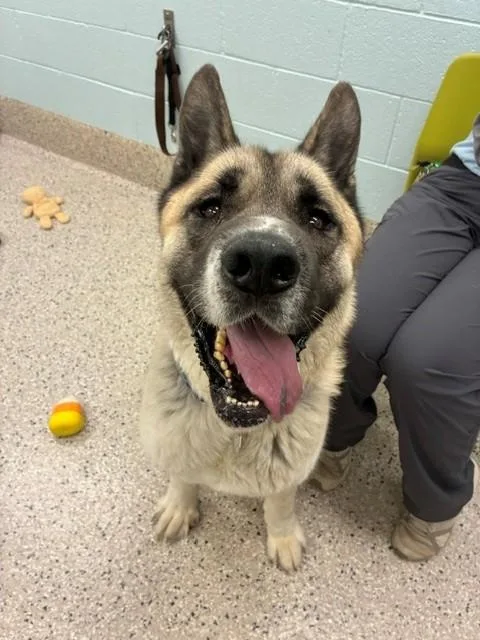
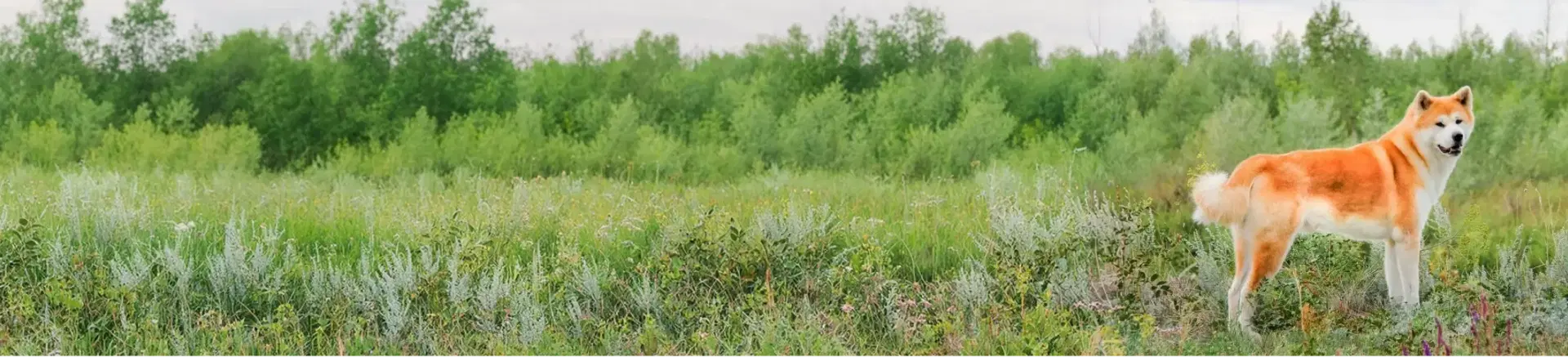
Akitas come from the snowy mountains of northern Japan, where spitz-type dogs hunted bear, boar and serow before later guarding estates. The American type is the heavier, bear-headed one, with a broad head, small upright ears, a plush double coat and a big tail curled over the back, in almost any color. Males can reach 130 pounds, while females are often 70 to 100.

Many Akitas are quiet, dignified and devoted to their own people, and aloof with strangers. Guarding instincts are common, and some dogs won't tolerate other dogs, especially of the same sex, which matters on busy Honolulu sidewalks. The coat blows out heavily about twice a year, and in Honolulu's steady warmth it needs regular brushing and a cool home. Patient, consistent training and slow introductions go a long way.

Weight
70–130 lbs
Height
24–28 in
Lifespan
10–14 yrs
Temperament
Loyal, Dignified, Protective, Independent
Group
Working
Shedding
High

Owning an Akita in Honolulu

Having an Akita in Honolulu

In Honolulu, an Akita's heavy coat, size and wariness of other dogs shape daily life more than its looks do. Expect a calm, loyal housemate that needs cool rest, early or late walks and a plan for crowded sidewalks and shared buildings.

Temperament

Akitas are typically calm and affectionate with family and reserved with visitors. Many don't get along with other dogs, so Honolulu's busy sidewalks and condo elevators call for a short leash and some distance. Each Akita is different, and consistent, reward-based training and gradual introductions help most dogs feel settled.

Exercise Needs

Moderate daily exercise suits most Akitas: a couple of leashed walks plus time to sniff and a short training session. Many do poorly at off-leash dog parks, so on-leash parks and quiet streets are a better fit. In Honolulu, walk early or after sunset, since sun and hot pavement strain a dog with a heavy coat.

Health Considerations

Akitas can develop hip dysplasia, hypothyroidism, bloat and immune-related skin and eye conditions. In Honolulu, ask a vet about the leptospirosis vaccine, since the bacteria spread through freshwater streams and standing water, and keep dogs from mouthing cane toads. Akita blood work can read oddly because of higher red cell potassium, so keep regular checkups.

Living Space

An Akita can live in a house or an apartment if it gets daily exercise. A quiet single-family street in Hawaiʻi Kai or Mililani suits its size and wariness better than a busy tower, where elevators and hallways mean constant encounters. Plan on air conditioning or a cool, shaded indoor spot, and plenty of vacuuming.

What it costs to own an Akita in Honolulu

ExpenseTypical costPer year
Food$55 to $110 per month$660 to $1,320
Pet insurance$65 to $130 per month$780 to $1,560
Routine vet care$250 to $500 per year$250 to $500
Other*$575 to $1,450 per year$575 to $1,450
Estimated yearly total (after year one)$2,265 to $4,830

Other costs are estimates and vary with size, age and health.

* Flea, tick and heartworm prevention, a yearly dental cleaning, toys and bedding, and brushing and baths for heavy seasonal coat blowouts.

Adopt an Akita in Honolulu.

Now that you know more, let’s find you a new best friend. These rescues and shelters below currently have Akitas available.

Rescues in Honolulu with Akitas Available

Honolulu's shelters and rescues work with dogs of every size, and the groups below list the pets they currently have. Here are the rescues & shelters in the Honolulu area where you can find Akitas and other dogs available for adoption.

Frequently Asked Questions

It can be, for adopters who are home a fair amount and can keep an Akita cool. Honolulu's on-leash parks and quiet single-family neighborhoods suit the breed's calm, wary nature better than crowded areas do. Since an Akita is too big for public transit, a car makes vet visits and outings far easier.

Akitas can manage Honolulu summers when they spend most of the day in a cool indoor room, with air conditioning or a fan, fresh water and a cooling mat. Heavy panting, drooling or sudden lethargy signal overheating and call for a vet right away. Keep outings short and shaded during the warmest weeks.

An Akita can live in a Honolulu apartment if the building accepts large dogs and the dog gets daily walks. Ground-floor units or quiet low-rise buildings in places like Makiki or Mānoa make leash encounters easier than crowded towers. Because many Akitas are wary of strangers and other dogs, practice calm elevator manners and use a short leash in hallways.

Good leashed options include Waiʻalae Iki and Wailupe Valley neighborhood parks, the perimeter of Mānoa Valley District Park, and Makiki Valley Loop or Kuliʻouʻou Ridge Trail, where dogs must stay leashed. Check the state trail map's dog filter first. Skip trails with almost no shade, like Makapuʻu, for a heavy-coated Akita.

Brush an Akita a few times a week, and daily during the heavy shed that comes about twice a year. A bath every month or two keeps skin clean in Honolulu's humidity, as long as the thick undercoat dries completely. Don't shave the coat, since it helps insulate against sun. Brushing and baths are part of the Other cost line.

Only if the Akita is a service animal. TheBus and Skyline allow pets only in a small enclosed carrier on your lap or under the seat, which rules out a dog weighing 70 to 130 pounds. Service animals may ride and must stay at their handler's feet. For vet visits and on-leash parks, plan on driving.

Only to outdoor patios, and only at restaurants that opt in. Since August 2025, Hawaiʻi has allowed pet dogs in outdoor dining areas as long as they don't pass through the interior, while indoor dining rooms stay off-limits. For a wary Akita, pick a quiet corner, keep the leash short and bring water.

An Akita is a large, powerful spitz-type dog from northern Japan, known for its plush double coat, upright ears and tail curled over the back. In the United States, the Akita is the heavier American type, while the lighter Japanese Akita Inu is now registered separately. Many Akitas are devoted to their family, reserved with strangers and selective about other dogs.

We have 1 rescue with Akitas available: Hawaiian Humane Society. You can see every rescue with Akitas available in the list above these questions, or scroll to the top to see the Akitas near Honolulu.

Budget roughly $2,265 to $4,830 a year for an Akita in Honolulu. Food runs $55 to $110 a month and insurance $65 to $130, the biggest lines for a large breed with hereditary health risks. Routine vet care is $250 to $500 a year, and other costs run $575 to $1,450. Honolulu has no dog license fee.