Akbash dog

Akbash Dogs for Adoption in Honolulu, HI

Your guide to finding and caring for an Akbash in Honolulu

An Akbash does best in Honolulu on a big fenced lot, somewhere like rural Waimānalo, where farm parcels leave room to patrol. This white Turkish guardian is calm and gentle with its family but watchful, and it barks at night. That's hard to pull off in a condo in Salt Lake or Mōʻiliʻili, where neighbors hear everything. The thick white coat also holds heat, so shade matters. Adopting one here suits experienced owners with tall fencing and patience for a dog that takes two or three years to mature.

61 Akbashes available in Honolulu and nationwide

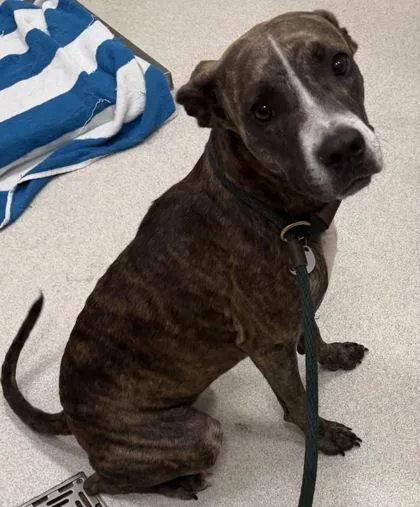
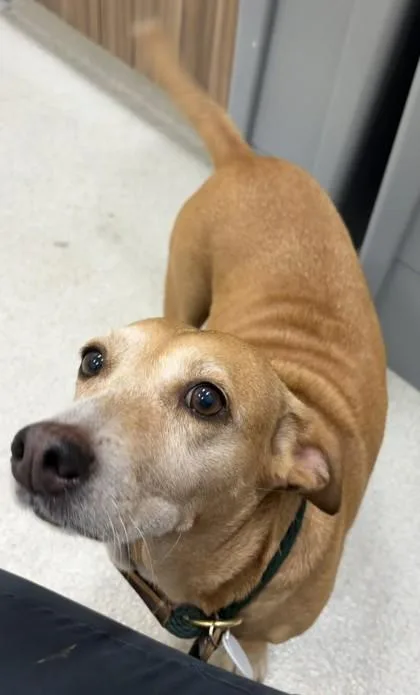
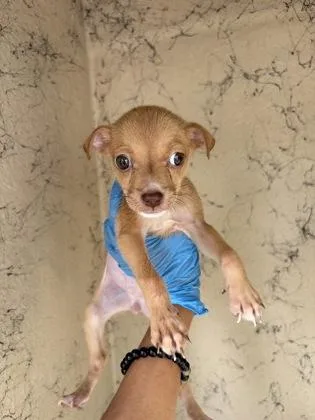
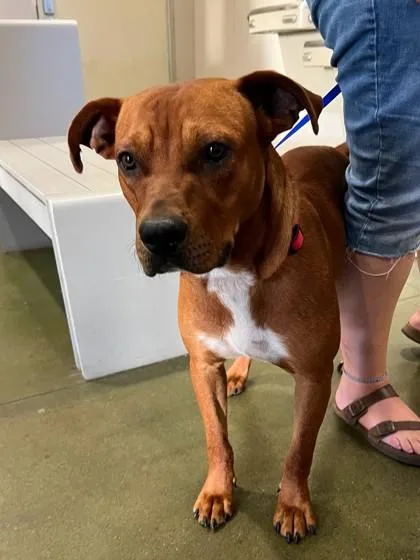
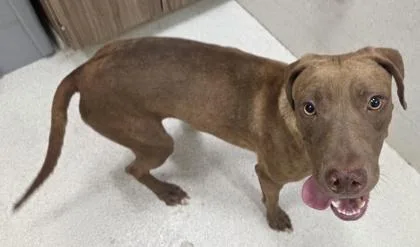
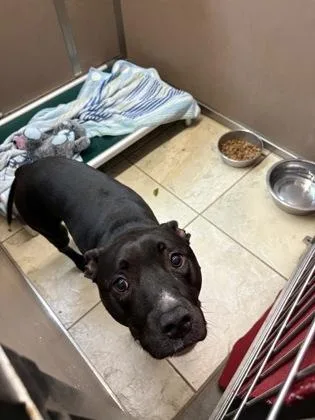
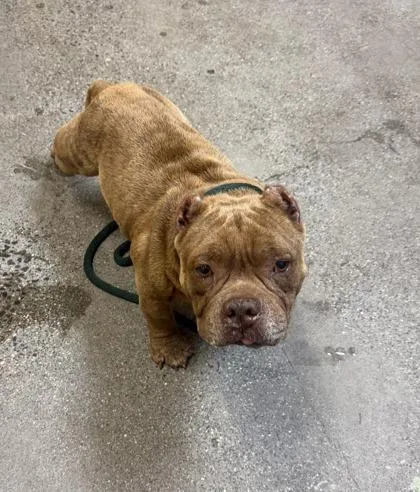
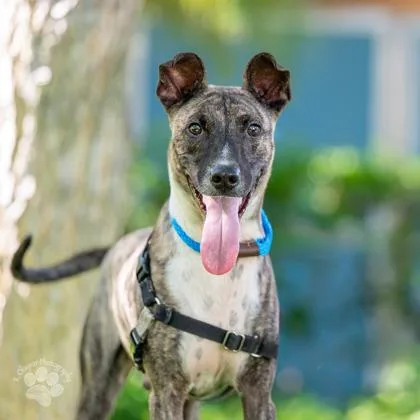
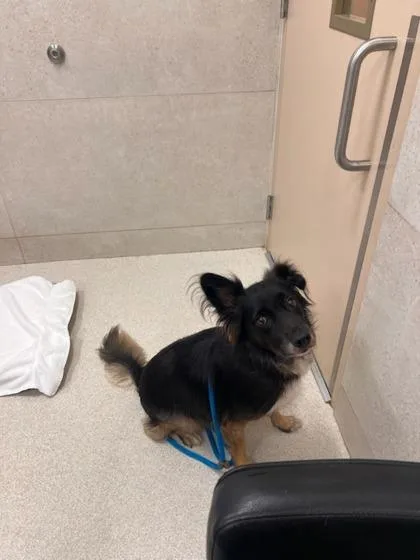
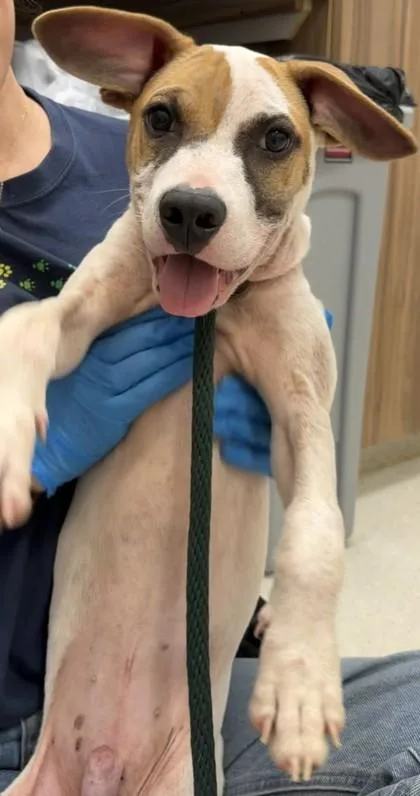
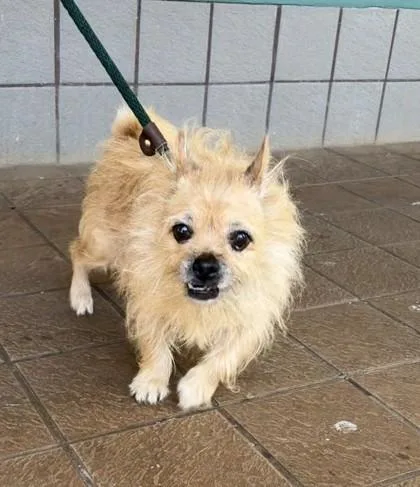
Meet your next Akbash

While we don't have enough dogs near Honolulu, keep in mind that many rescues may offer transport.

Akbashes Available for Adoption Near Honolulu

About the Akbash breed

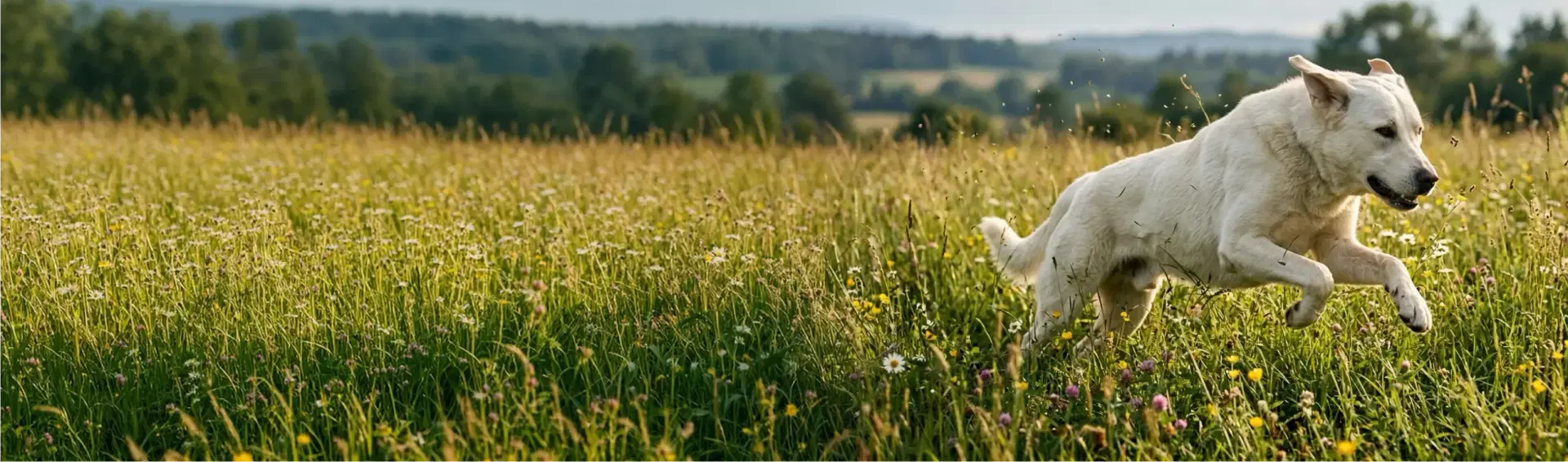
The Akbash is a white livestock guardian from western Turkey, where shepherds relied on it to live with flocks and drive off wolves. Its name, akbaş, means white head. Tall, lean and long-legged, it blends mastiff power with sighthound speed, and most adults weigh roughly 75 to 140 pounds. The double coat sheds moderately, with a heavy undercoat blowout once a year.

Many Akbash dogs are calm, quiet and loyal with their own family, yet aloof toward strangers and unfamiliar dogs. They think for themselves, mature slowly and patrol their territory, so they need secure fencing, early socialization and an owner who understands guardian breeds. In Honolulu, where neighbors share walls and lanais, that also means planning for night barking and a fence a fast dog can't clear.


Weight
75–140 lbs
Height
27–34 in
Lifespan
10–12 yrs
Temperament
Protective, Calm, Independent, Loyal
Group
Working
Shedding
Moderate to High

Owning an Akbash in Honolulu

Having an Akbash in Honolulu

An Akbash is a working guardian that makes its own decisions. Independence, night barking and a need for space shape daily life more than its gentle manner at home suggests, which matters in a city where many homes are condos or share fences.

Temperament

Akbash dogs tend to be calm and quietly affectionate with the family they grow up with, but they're wary of strangers and may confront unfamiliar dogs. On busy Honolulu sidewalks and shared lanais, that watchfulness calls for early, ongoing socialization and patient, consistent training. Each dog varies, and breed alone doesn't decide how a dog behaves.

Exercise Needs

Expect moderate daily exercise: long leash walks plus time patrolling a fenced yard. In Honolulu, walk early or after sunset, since pavement and sand get hot all year. A dog that may confront others is often better on quiet leashed routes than at busy off-leash parks, and recall can't be trusted near roads.

Health Considerations

Giant breeds like the Akbash can develop hip dysplasia, bloat, osteochondritis dissecans and hypothyroidism, and some guardian breeds react to anesthesia, so mention the breed before any procedure. In Honolulu, ask a veterinarian about the leptospirosis vaccine and keep dogs out of streams and post-storm puddles. A vet can also check the hips after adoption.

Living Space

An Akbash is poorly suited to Honolulu's condos and apartment towers, where night barking carries and there's no yard to patrol. It does best in a house with a tall, secure fence, as in parts of Hawaiʻi Kai, Mililani, Kapolei or Waimānalo, though association rules may affect fence height. Family Akbash dogs still need indoor time with their people.

What it costs to own an Akbash in Honolulu

ExpenseTypical costPer year
Food$80 to $160 per month$960 to $1,920
Pet insurance$85 to $170 per month$1,020 to $2,040
Routine vet care$250 to $500 per year$250 to $500
Other*$675 to $1,850 per year$675 to $1,850
Estimated yearly total (after year one)$2,905 to $6,310

Other costs are estimates and vary with size, age and health.

* Flea, tick and heartworm prevention, a dental cleaning allowance, durable toys and bedding, brushing and grooming for a heavy annual undercoat shed, and joint supplements for a giant breed; Honolulu has no dog license.

Akbash dog

Adopt an Akbash in Honolulu.

Now that you know more, let’s find you a new best friend. These rescues and shelters below have dogs available in and near Honolulu.

Rescues and Shelters in or near Honolulu

Oʻahu's rescue community includes a large open-admission humane society, a no-kill shelter and foster-based dog rescues. Here are the rescues & shelters in the Honolulu area with dogs available for adoption, worth asking whether an Akbash is coming in.

Frequently Asked Questions

Yes, Honolulu has no known breed ban, and state dangerous-dog law says a dog's breed can't be considered. You'll need a registered microchip, a leash in public and a plan for barking. Because Akbash dogs guard and roam, a tall, secure fence is the practical hurdle for most households.

It's possible but rarely a good match. Akbash dogs are giant, bark at night and like patrolling space, which strains shared walls in Honolulu's condo towers and older low-rises. A fenced house in a place like Mililani or Waimānalo suits better. If you rent, expect size limits and a pet deposit.

Yes, with planning. Honolulu summers are steady rather than extreme, with highs near 88°F, but sun and humidity are hard on a thick white double coat. Walk at dawn or after sunset, avoid hot pavement and sand at midday, provide shade, cool indoor rest and fresh water, and never leave the dog in a parked car.

Leashed walks suit an Akbash best. Kailua Beach Park, Sandy Beach Park, Mililani District Park and Neal S. Blaisdell Park are on the City's dog-friendly list, and Makiki Valley Loop is a leashed-dog hike, so confirm it on the state trail map. Busy off-leash parks usually aren't ideal for a dog that may confront strangers' dogs.

Almost never. TheBus and Skyline allow pets only in a small closed carrier on your lap or under the seat, and an Akbash weighing 75 to 140 pounds won't fit. Only service animals are exempt. Plan on a car for vet visits, and confirm the pet policy of any ride service before booking.

Plan on brushing a couple of times a week, and daily during the heavy annual shed. In Honolulu's year-round warmth and humidity, keep the undercoat clear so air reaches the skin, and dry it fully after rain or beach days. Don't shave it, since the coat helps shield the skin from sun. Occasional baths are usually enough.

Only to outdoor seating at restaurants that opt in. Since August 2025 Hawaiʻi has allowed pet dogs on patios and lanais if they don't pass through the interior, but participation is optional and indoor dining stays off-limits. A wary guardian may be happier at home; practice calm settling first and keep the dog leashed and clear of other tables.

Akbash dogs are not typically aggressive toward their own family, but they are protective guardians that may act aggressively toward threats. The breed is described as gentle and quietly affectionate at home, aloof and suspicious with strangers, and watchful of unfamiliar dogs on its territory. Thorough socialization, secure fencing and careful introductions help prevent protective behavior from becoming a problem.

An Akbash is a large white livestock guardian dog from western Turkey, bred to live with sheep and protect them from wolves and other predators. It combines a mastiff's strength with a sighthound's long legs and speed. The breed is recognized by the United Kennel Club, though not by the American Kennel Club. Many are calm, independent and protective.

Plan on roughly $2,900 to $6,300 a year for an Akbash in Honolulu. That covers food at $80 to $160 a month, insurance at $85 to $170 a month, routine vet care of $250 to $500, and $675 to $1,850 in other costs. Giant dogs eat more and need larger doses of preventives.